




When sleep doesn't leave you feeling worse
Most sleep aids work. That’s actually the problem.
They work in the way that a fire extinguisher works: you feel better about the situation, but you haven’t fixed the kitchen. You close your eyes, you log some hours, you technically slept. And then morning arrives, and you’re not rested so much as done with sleep, ready to move on to the next thing you’re also too tired to enjoy.
If that sounds familiar, you’re not being dramatic. Waking up groggy after eight hours is disorienting in a way that’s hard to explain to someone who hasn’t lived it. You did the thing. You slept. Why doesn’t it feel like it?
The difference between sedated and restored
There’s a real distinction between being put to sleep and actually resting. Sedation quiets the body without always letting it do the things it’s supposed to do overnight: consolidate memory, regulate mood, restore the nervous system, set the stage for who you’ll be at 2pm tomorrow.
The result, for a lot of people, is sleep that checks out technically but doesn’t show up in the morning. You’re present in the bed. You’re absent from your life.
The version of yourself your kids and colleagues and best friend actually get is shaped, quietly and persistently, by whether you woke up restored. That’s not a wellness-content exaggeration. It’s the thing most people who’ve come out the other side of sleep aid dependency report first: not that they sleep better, exactly. That they’re back. More patient. More curious. Less like a person running on a cached version of themselves.
What “getting off sleep aids” actually looks like
There’s rarely a dramatic moment. It’s usually a slow accumulation of mornings that don’t feel like setbacks, until one day you realize you haven’t thought about your supplement routine in three weeks because it’s just… what you do now.
That’s the part no one talks about: the goal isn’t to swap one crutch for another. It’s to find your way to a rhythm that doesn’t require constant management. Something that works with your body’s own systems rather than around them.
Your body already has a mechanism for this. The endocannabinoid system, discovered only in the early 1990s, helps regulate sleep among other things. Your body produces its own cannabinoids naturally. When life gets in the way, whether from stress, age, poor nutrition, or just accumulated wear, that system can fall behind. Full-spectrum hemp is one way some people have found to support what their body is already trying to do.
In ETC’s own 8-week observational study, sleep was the first thing participants reported noticing. Before mood improvements, before energy, before anything else. The early-week scores climbed first in sleep, while other dimensions followed across the weeks. It wasn’t a dramatic overnight shift. It was the kind of change that shows up in your actual life before you consciously notice it in your body.
Why transparency is part of the equation
Here’s the thing about trusting a new addition to your nightly routine: you have to trust what’s in it.
That’s not a small ask. A lot of people who are skeptical of hemp wellness aren’t skeptical of the plants or the science. They’re skeptical of the industry. And reasonably so. The market has enough vague labels and bold promises to make any careful adult pause.
The way ETC approaches this is simple and boring, which is exactly how it should be. Every product batch is third-party lab tested, and the certificates of analysis are published publicly at reliefetc.com/pages/coa. Physician-reviewed formulas. Ingredients you can read without a chemistry degree. No mystery.
That kind of verifiability isn’t glamorous. But it’s the reason trust is even possible. And trust, it turns out, is where rest actually begins.
What Good Night is actually doing
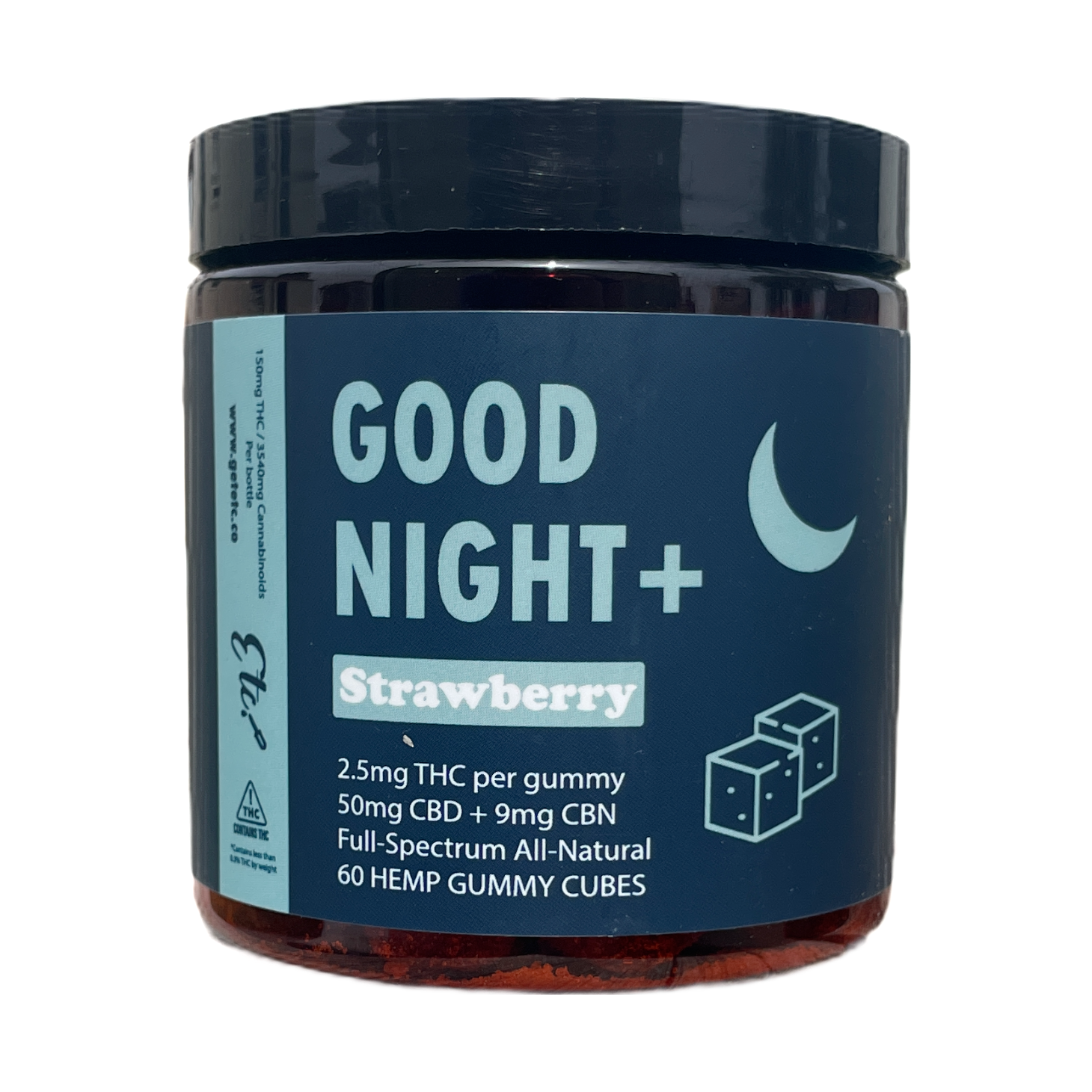
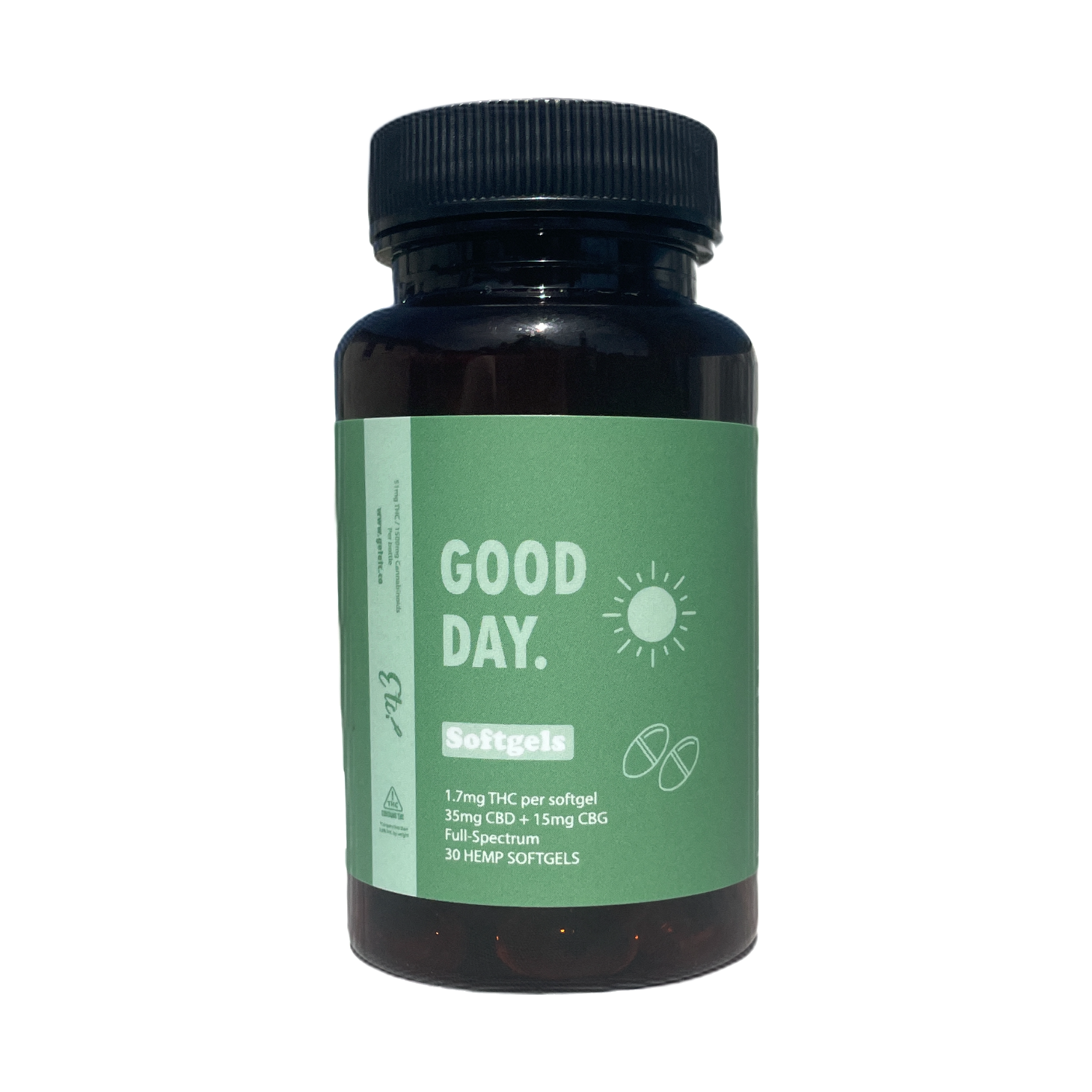
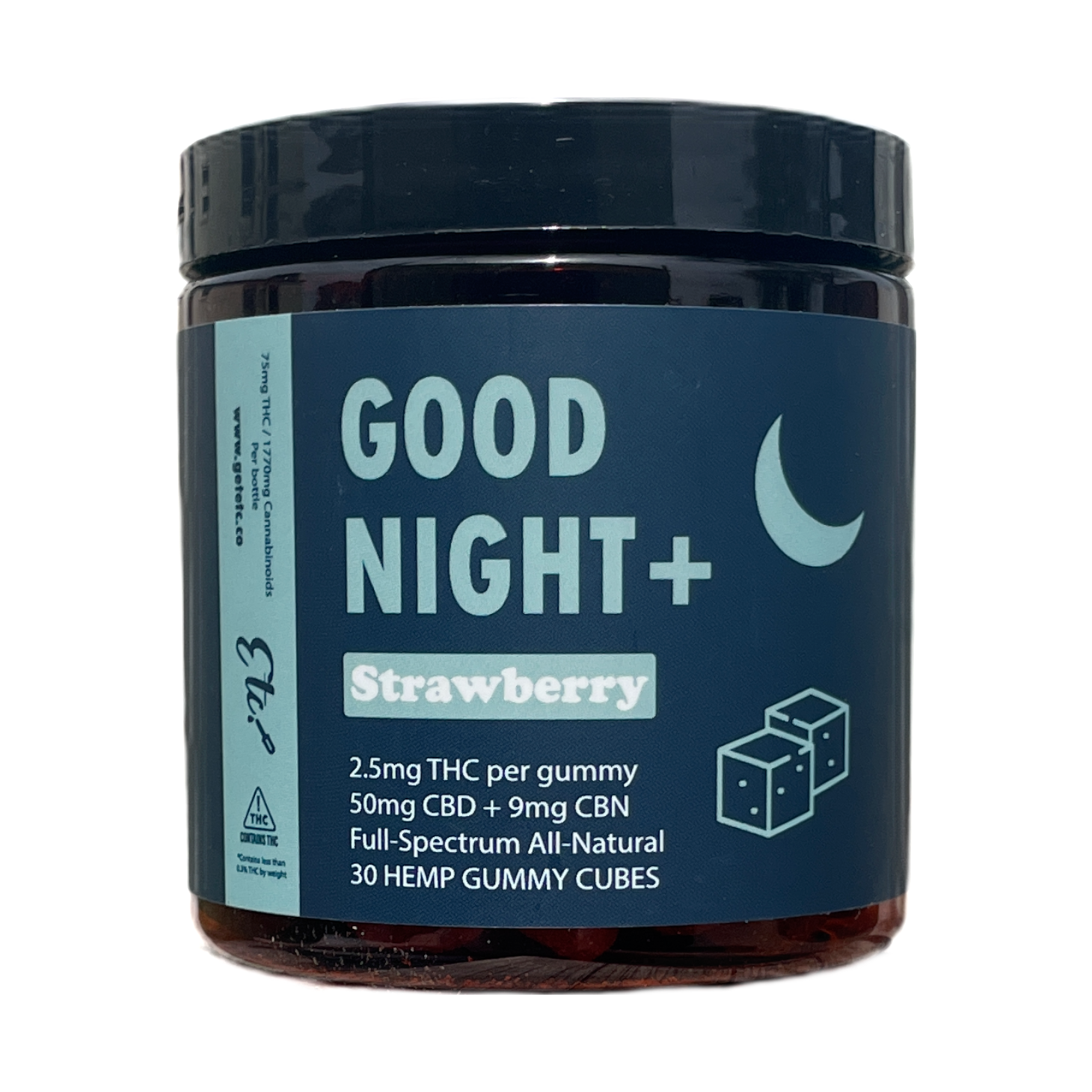
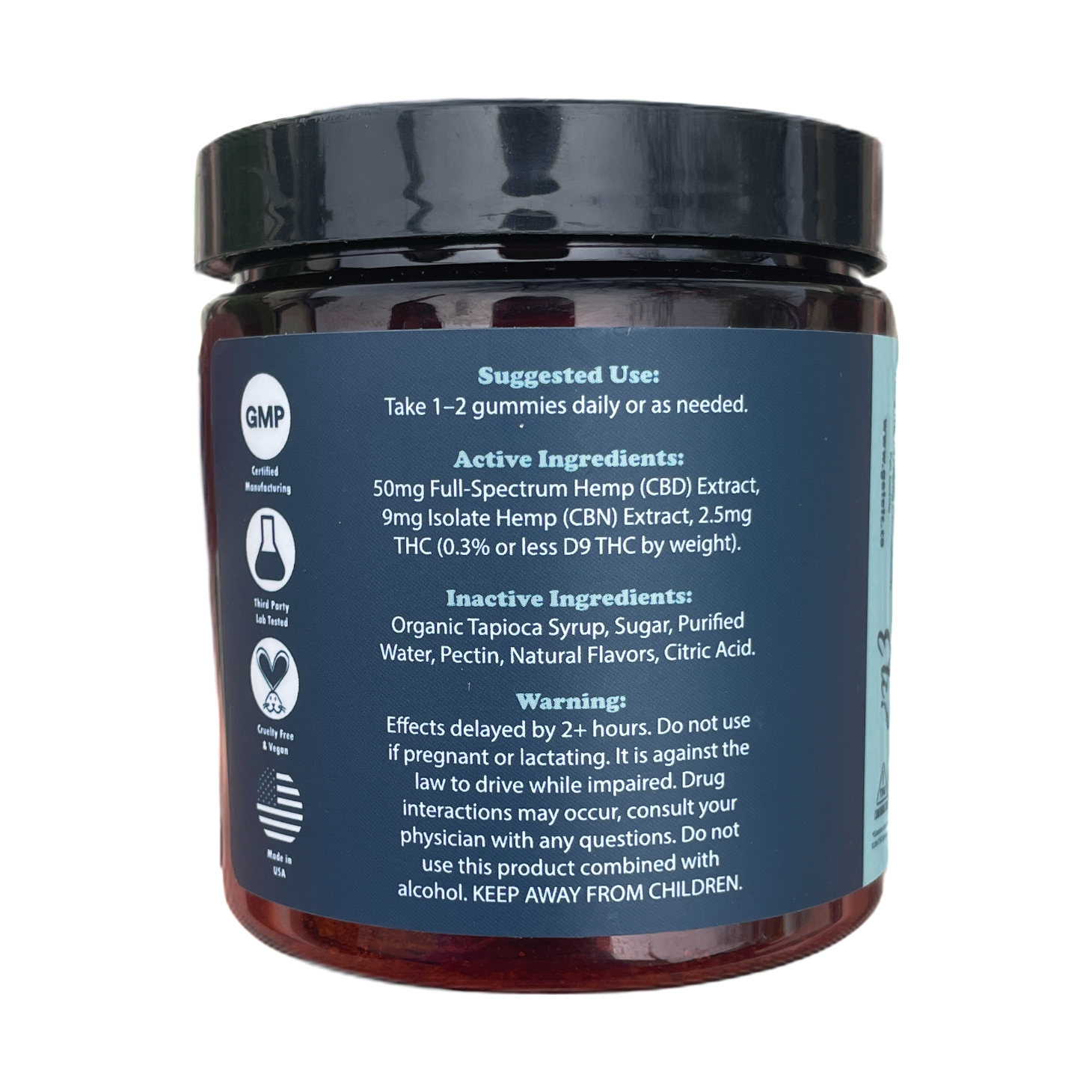
The Good Night line is formulated with a boosted level of CBN, a cannabinoid that tends to support the wind-down side of sleep rather than simply sedating. CBN works alongside the other cannabinoids in the full-spectrum formula through what’s often called the entourage effect: the whole plant, working together, more effectively than any single compound on its own.
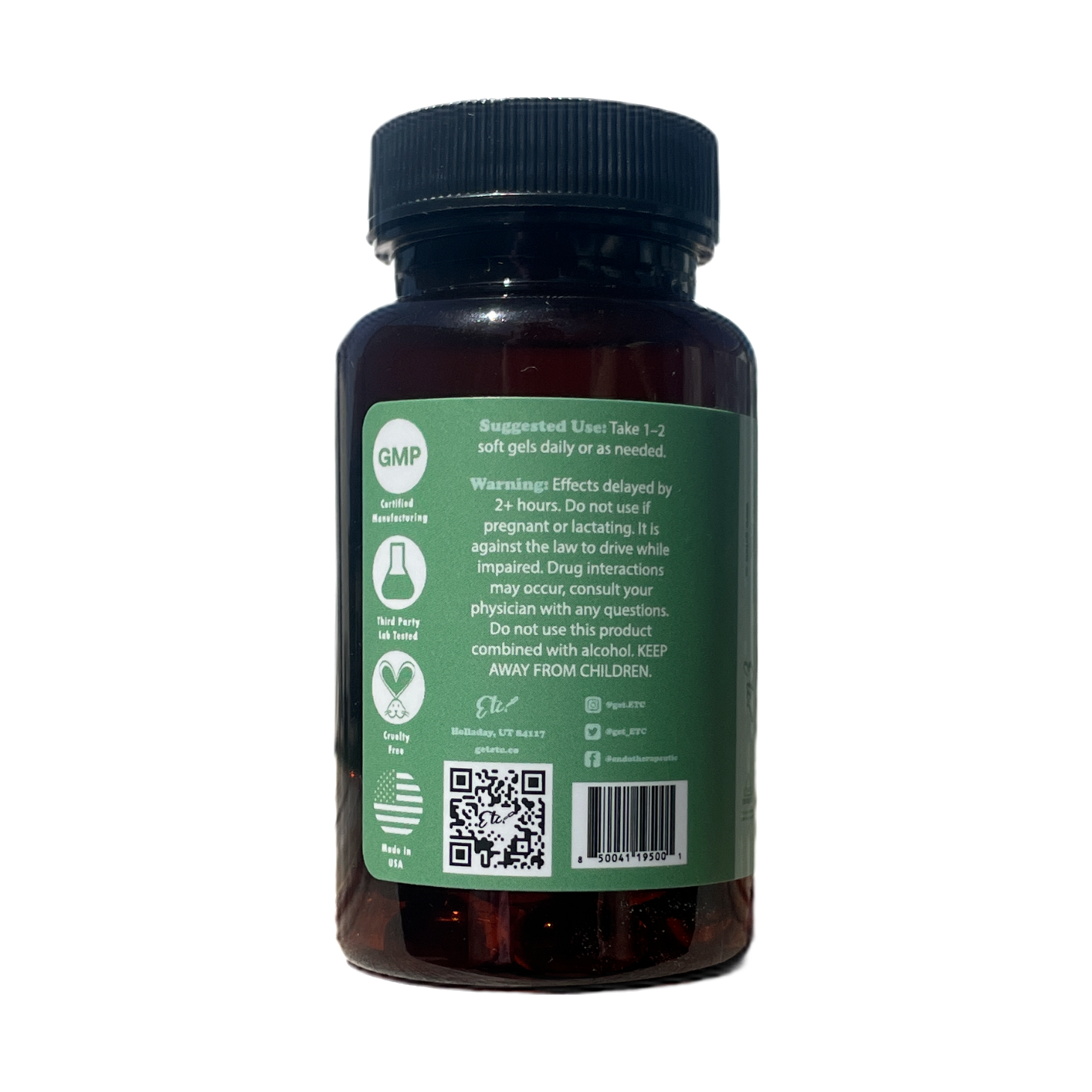
Effects typically begin within 30 to 90 minutes and can take up to two hours to fully settle in, which is worth knowing if you’ve ever taken something, decided it wasn’t working, and doubled up too soon. Patience in the first few uses pays off.
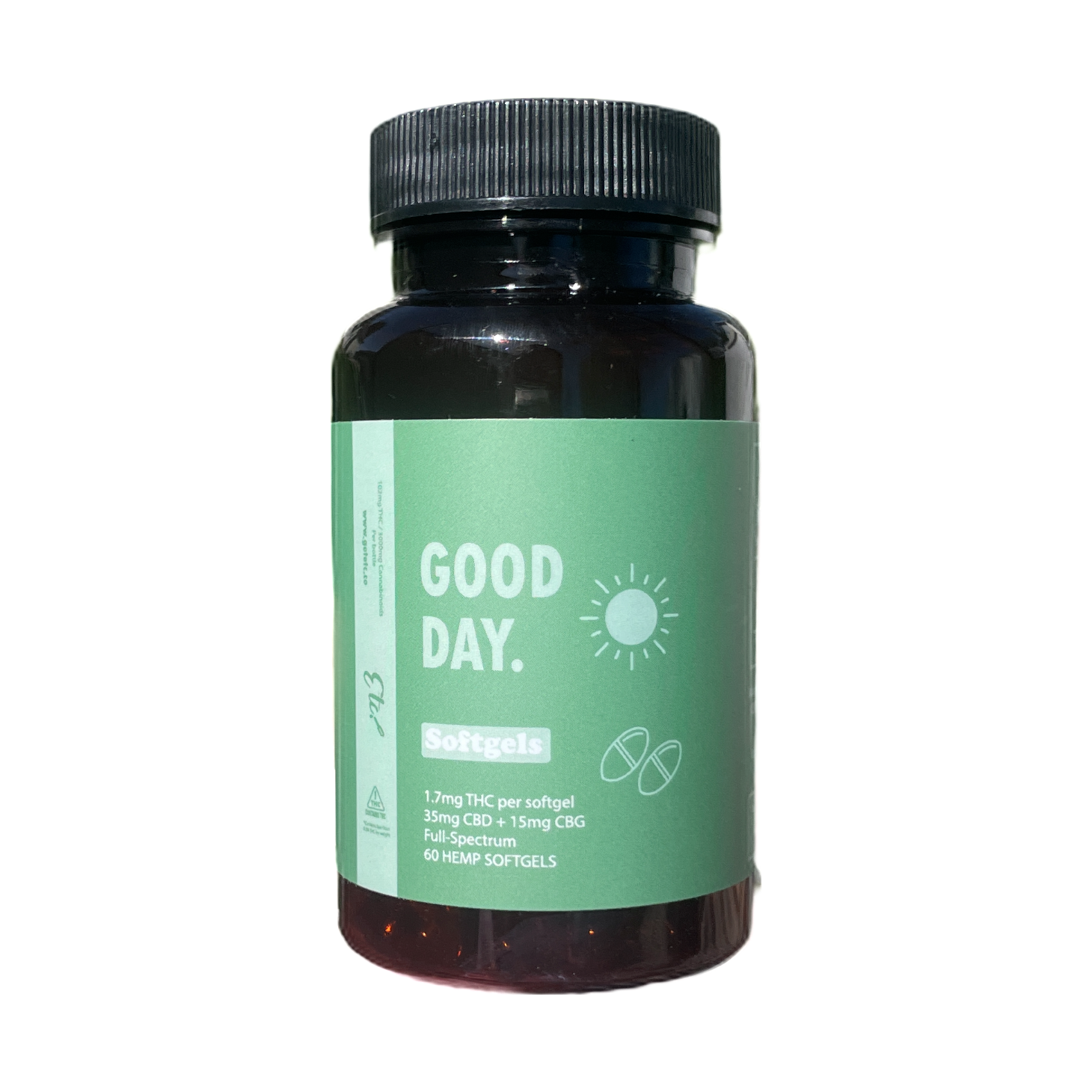
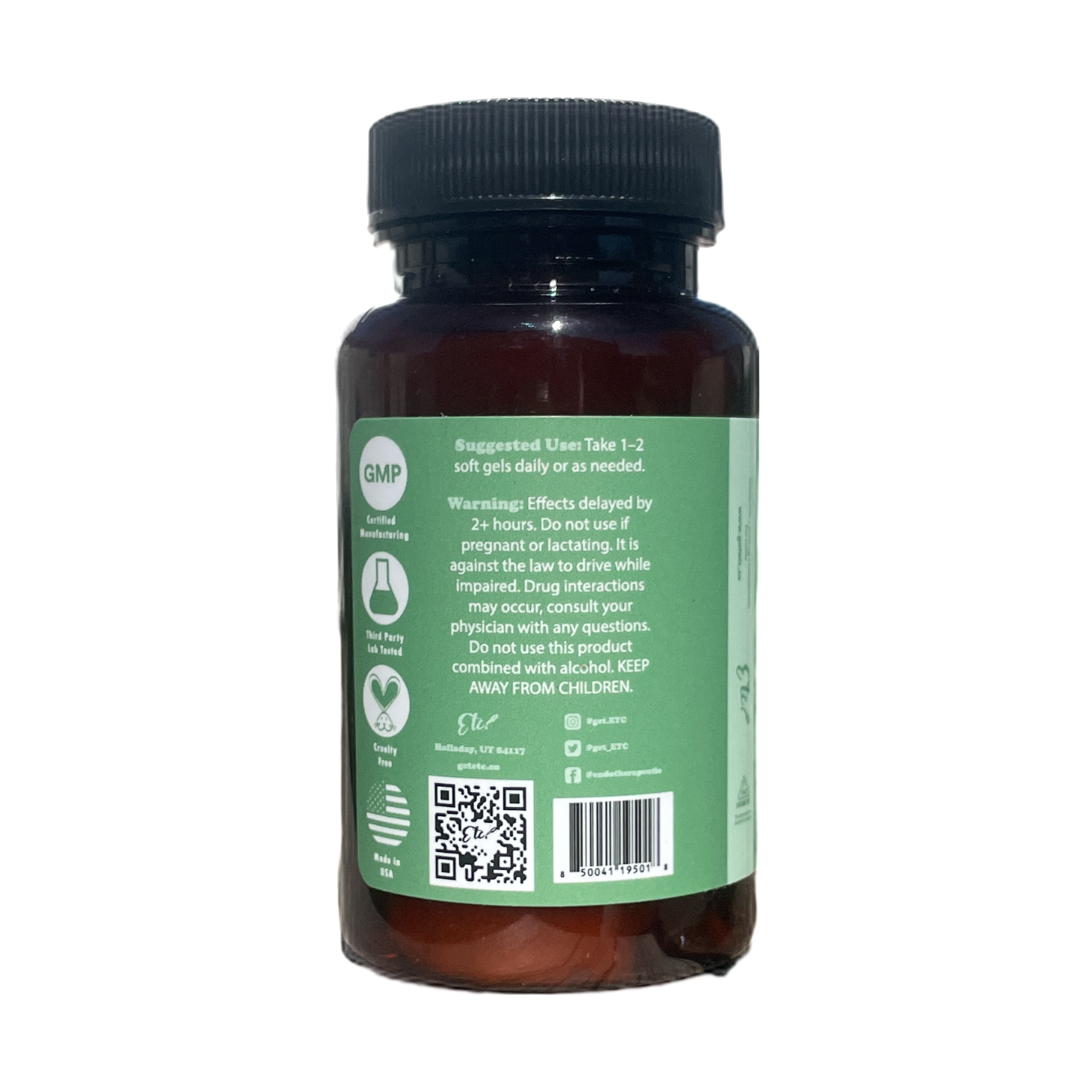
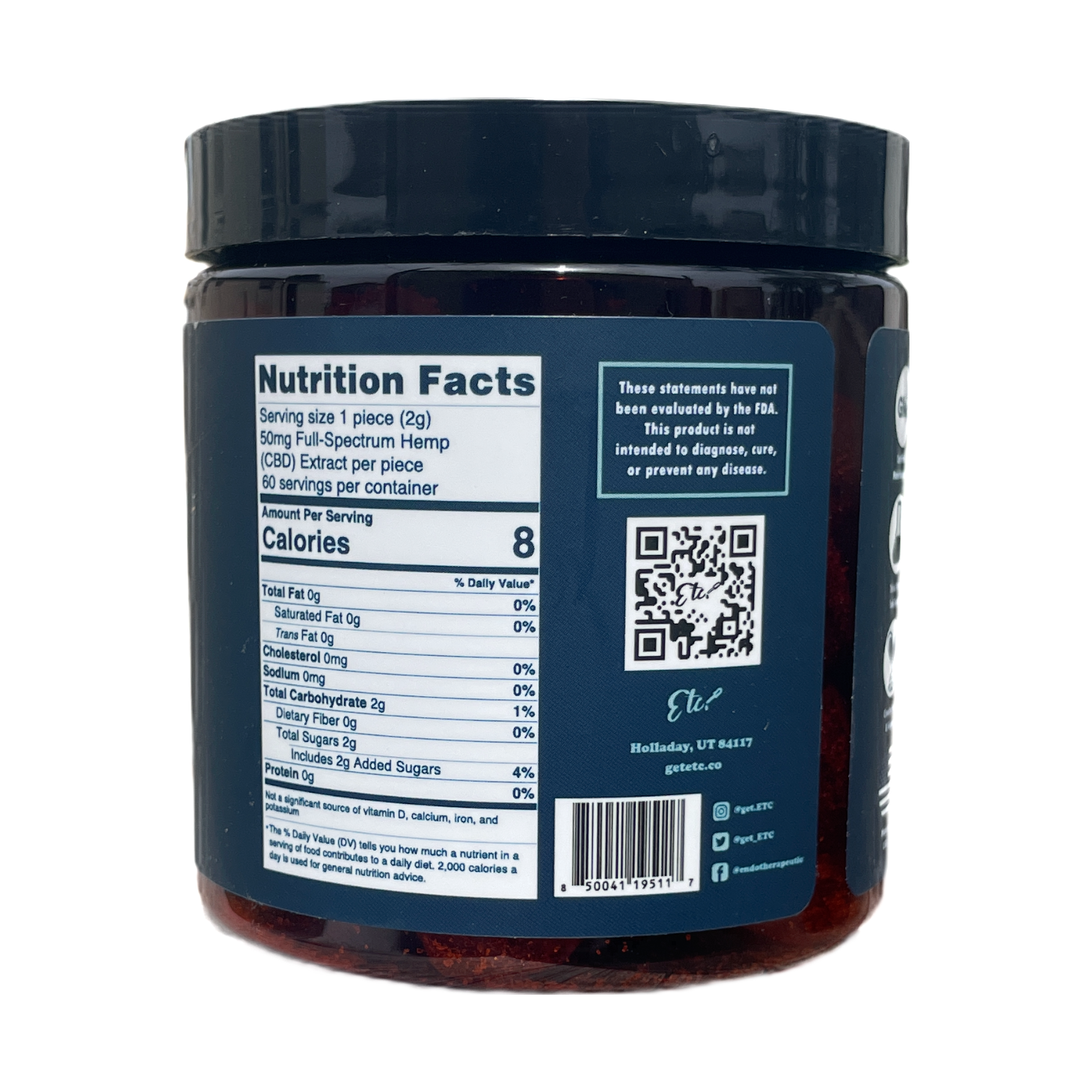
Good Night softgels are worth considering if you’ve had mixed results with gummies. Same formula, no flavor, easy to work into a routine without it feeling like a production. The Good Night+ gummies are available for those who’ve found they want more from each serving after a few weeks of consistency.
What you’re actually chasing
Nobody lies in bed wanting to optimize their sleep architecture. What people want is to wake up and feel like themselves. To be present at breakfast instead of halfway somewhere else. To have something left at the end of the day for the people who matter.
That’s the real measure of rest: not how long you slept, but who you were able to be the next day.
The shift from groggy to grounded doesn’t announce itself. It shows up in the tone you use with someone you love before 8am. In the patience you find for a conversation that would’ve gone sideways a few months ago. In the quiet observation that you’ve been waking up okay for a while now, and not needing to think too hard about why.
That’s the version of mornings worth building toward. Not perfect. Not pharmaceutical. Just yours, again.
Disclaimer: These statements have not been evaluated by the Food and Drug Administration. This product is not intended to diagnose, treat, cure, or prevent any disease. Consult your healthcare provider before starting any new wellness regimen.
Photo by Greg Pappas on Unsplash