




The Difference Between Tight and Tired
Most of us have stopped noticing the difference.
You sit down at the end of the day and your shoulders are up near your ears. Your jaw is set. Your lower back has that low, insistent hum. You’d call it tired, but tired implies something that rest sorts out. This is something else. This is your body holding a position it forgot to let go of.
Tight and tired aren’t the same thing, and knowing the difference changes how you take care of yourself.
What “Tight” Actually Means
Tiredness is your body asking for rest. Muscle tension is your body stuck in a loop it doesn’t know how to exit. They can show up together, and often do, but they respond to completely different things.
Rest addresses tiredness. It doesn’t do much for a neck that spent eight hours craning toward a monitor, or calves that absorbed ten thousand steps on concrete, or a back that’s been compensating for a weak core since 2019. Those are structural, habitual, mechanical. Sleep helps, but it doesn’t undo the pattern.
The distinction matters because if you assume everything is tiredness, you rest. You wake up still tight. You conclude that something is wrong with you, or that this is just how getting older works, or that you need a better mattress. You might be right about the mattress. But you’re probably missing something.
The Body Holds What the Mind Won’t
Here’s the part that most people find annoying because it’s true: the places where you carry tension are usually the places where you absorb stress.
That’s not mysticism. It’s physiology. The body’s stress response primes muscles for action. If the action never comes, the priming doesn’t fully release. Over time, that pattern calcifies. You stop noticing the tension because it’s always there. It becomes the baseline.
Reestablishing a lower baseline is the actual goal. Not just recovering from a hard day, but having a body that starts each day from a more settled place. That’s not a passive outcome. It’s something you build, deliberately, with the right inputs over time.
The Empowered Version of This Conversation
There’s a version of the body-comfort conversation that’s very passive. It sounds like: “I need something for this.” There’s another version that sounds like: “I understand what’s happening, and I’m making a choice.”
The second version is the one that leads somewhere.
When you understand that muscle tension is partly a nervous system issue, you stop waiting for it to go away on its own and start looking at your inputs. What you put in your body. What you apply to the areas that need it. Whether you’re doing anything to support the system that actually regulates all of this.
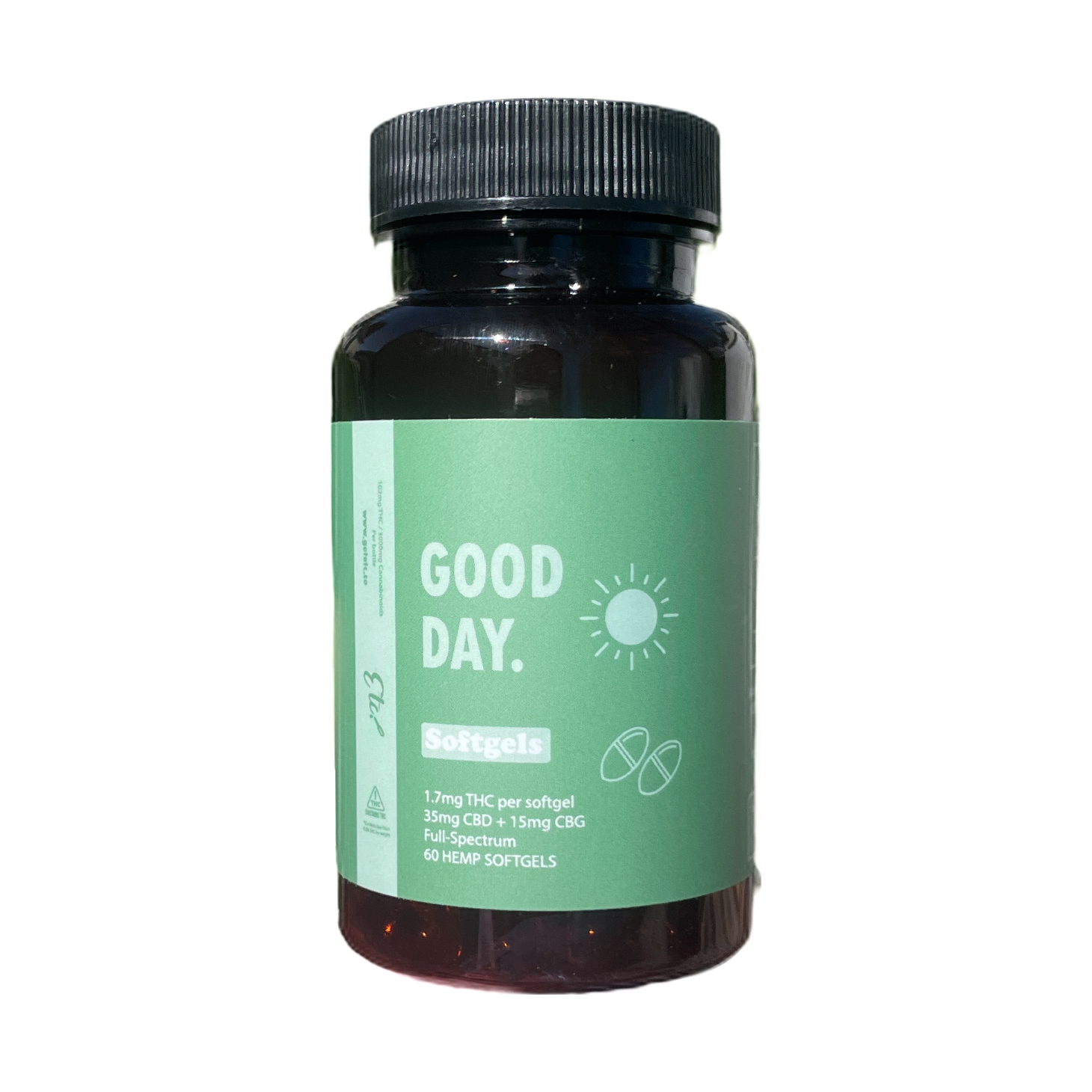
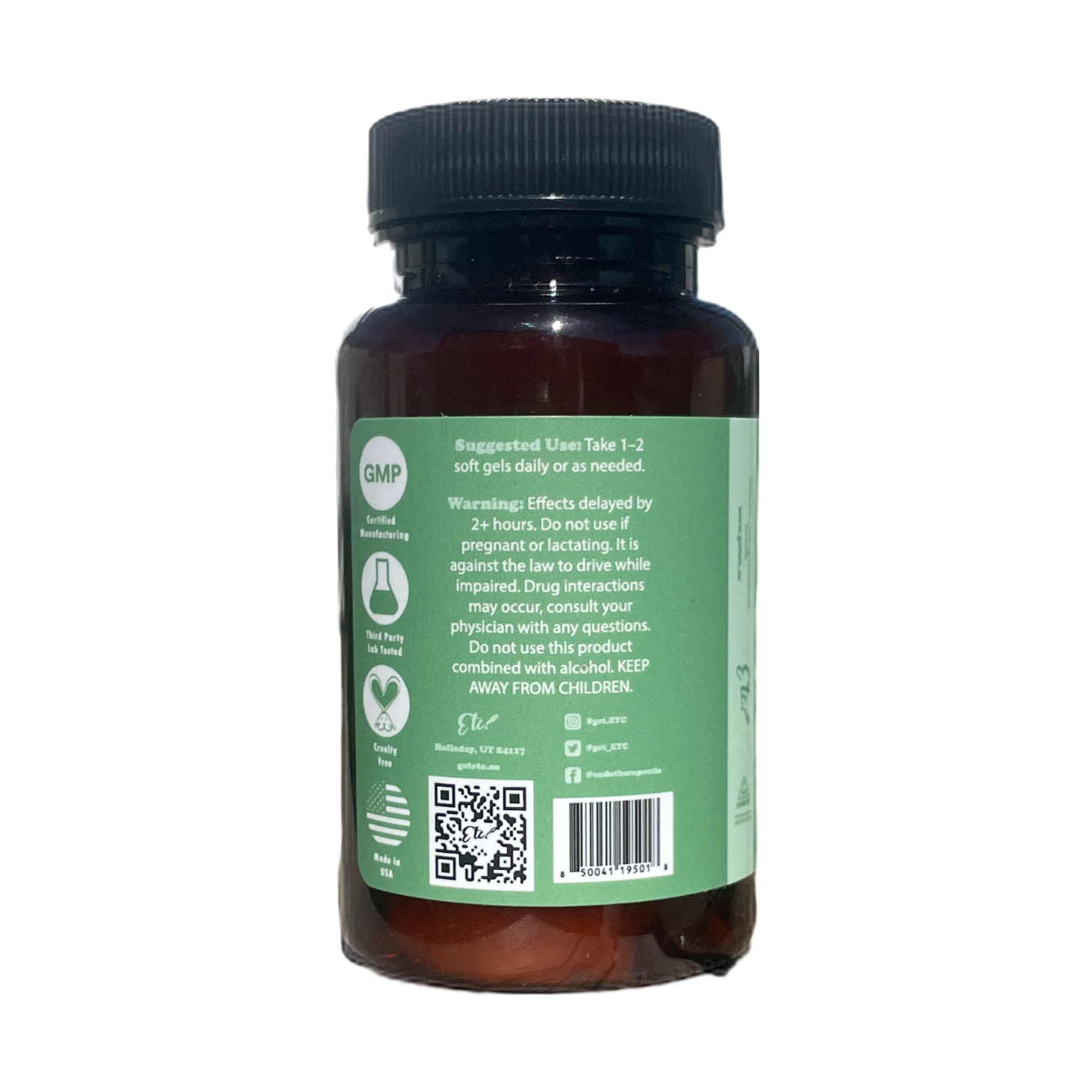
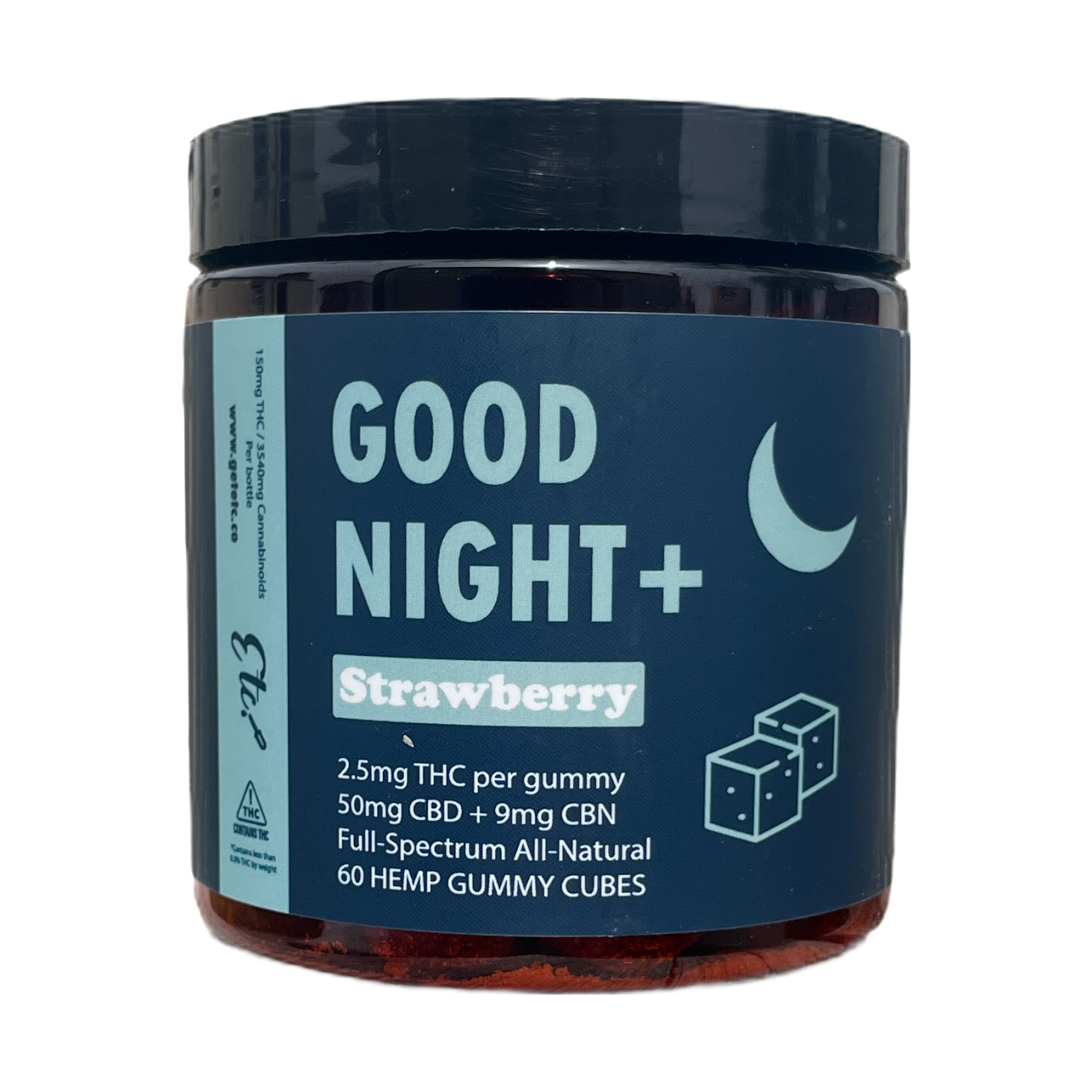
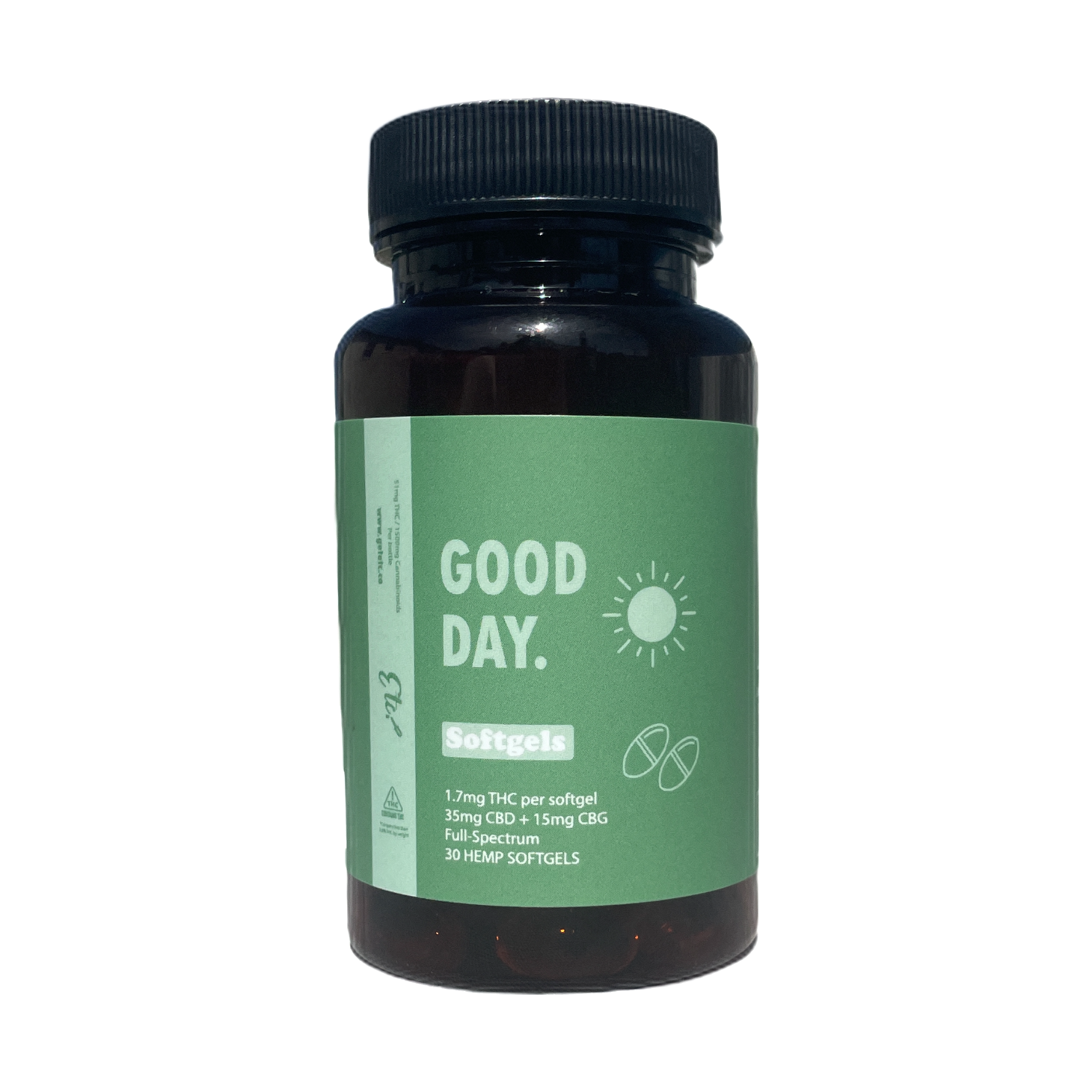
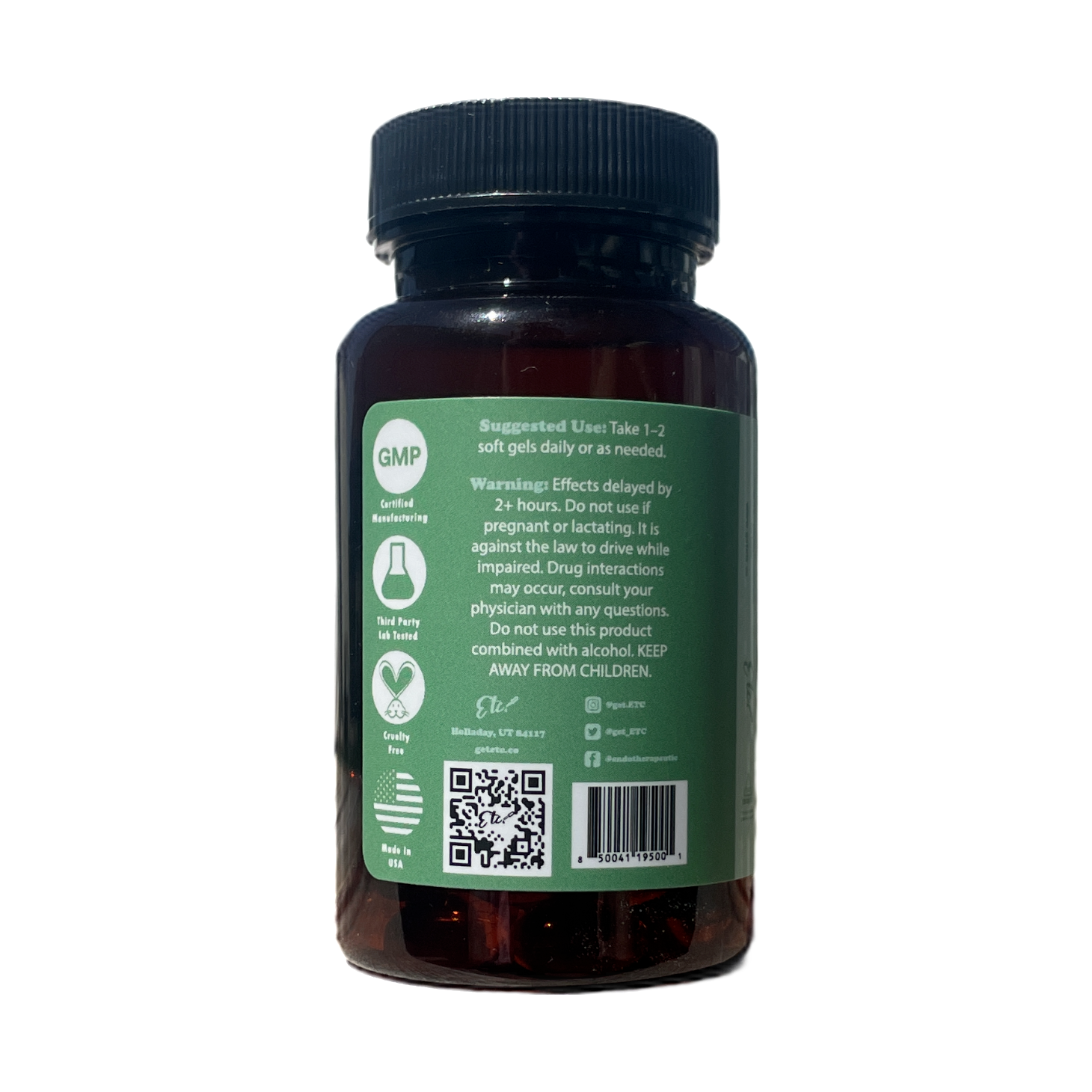
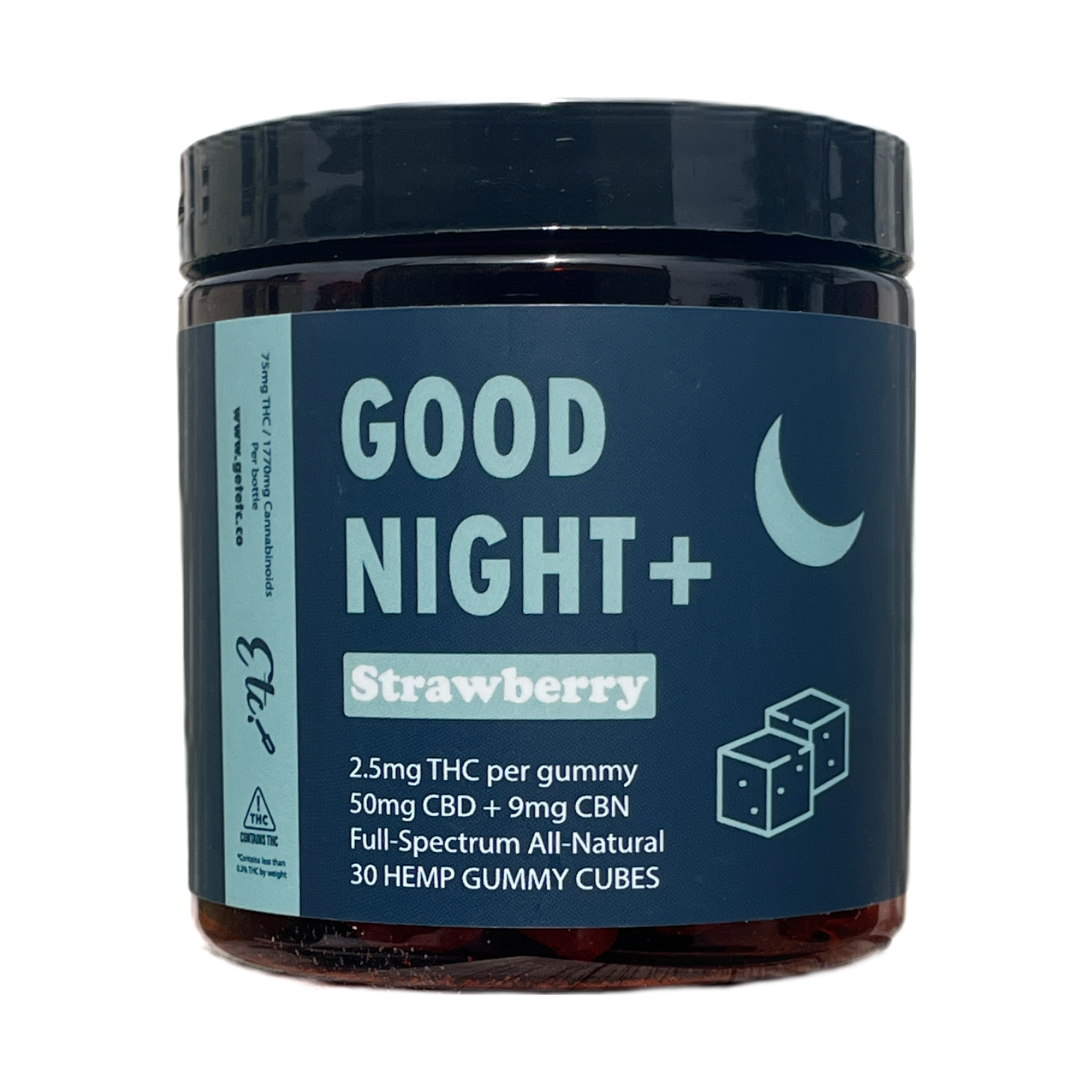
Your endocannabinoid system (yes, your body makes its own cannabinoids) plays a real role in how your muscles and nervous system communicate. Stress, age, and overload can all create gaps in that system. Full-spectrum hemp, used consistently, is one way to support what your body is already trying to do.
That’s not a claim about any specific outcome. It’s just an honest description of the biology.
Systemic vs. Targeted: Both Have a Role
One thing worth understanding is that internal support and topical support work differently, and they’re not redundant.
Something you take orally moves through your system. It supports balance from the inside. A topical applied to a specific area does something different: it works locally, at the site, without requiring the whole system to process it.
PureMotion Deep Relief Lotion was built with this in mind. The DMSO in the formula isn’t decoration. It’s what allows the active compounds to get past the surface layer of skin and reach the tissue beneath. If you’ve used topicals before and thought “these don’t really do anything,” DMSO is probably why yours didn’t. Standard topicals sit on the surface. This one doesn’t.
For lighter, more targeted support around smaller joints, hands, and feet, Nice Cream plays a different role. Same full-spectrum hemp base, softer application, great for daily use.
Neither of these is a substitute for systemic support. Both are worth having.
The Investment Framing
Here’s a reframe that makes a real difference: stop thinking about body comfort as a reaction to problems and start thinking about it as something you invest in daily, whether or not today was hard.
The people who feel best in their bodies aren’t usually the ones who respond aggressively when things get bad. They’re the ones who maintain a consistent baseline, every day, regardless of how acute things feel. That’s not a wellness cliché. It’s the same logic you’d apply to any system that requires upkeep.
What that looks like practically: an evening routine that includes real support, not just decompression. A topical applied after activity, not just when you’re wincing. Products you can actually trust, because you know what’s in them and you’ve seen the lab results. Choosing verified products, reading the label, checking the COA, knowing what’s in the formula: that’s not overthinking it. That’s how you stop guessing and start building something real.
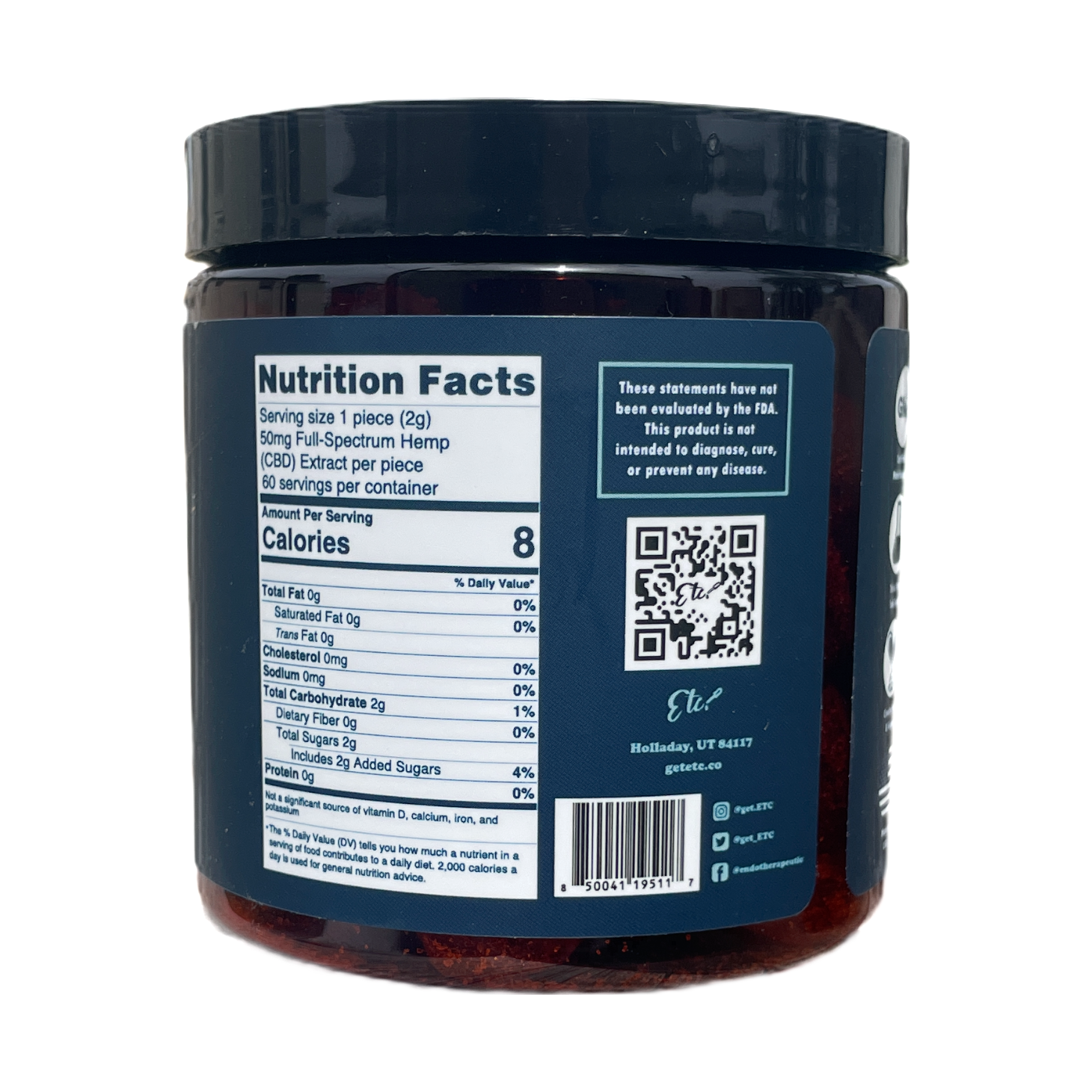
ETC publishes its third-party lab results publicly, and all products are physician-reviewed. That’s not the headline. The headline is that you can stop wondering and start choosing with confidence.
What Changes When You Get It Right
There’s a particular version of a good day that people describe when they’ve been consistent about this for a while. It’s not dramatic. It’s the absence of that thing you used to notice.
You sit down and your shoulders are actually down. You get to the end of a hard day and the body you come home to isn’t already asking for something. You sleep and actually feel like it worked.
That’s the payoff. Not a product. Not a routine. A body that isn’t running behind, that you can actually inhabit without negotiation.
Tight and tired are different problems. They deserve different answers. Once you stop handling them the same way, you start making progress on both.
Disclaimer: These statements have not been evaluated by the Food and Drug Administration. This product is not intended to diagnose, treat, cure, or prevent any disease. Consult your healthcare provider before starting any new wellness regimen.
Photo by Elsa Olofsson on Unsplash