




The conversation you finally have with your own body
Most of us have spent years trying to optimize our bodies from the outside in. Track the macros. Log the steps. Follow the protocol. Hit the goal. We’ve gotten very good at managing ourselves, and somewhere in all that management, we stopped actually listening.
This isn’t a criticism. It’s just what happens when you don’t trust the signal.
When you stop trusting the signal
Here’s a thing that doesn’t get said enough: distrust is expensive. Not just emotionally, but practically. When you don’t trust how you feel, you outsource every decision. You wait for someone else’s data to confirm your experience. You override what your body is telling you with what the plan says you should be doing.
That kind of vigilance takes a toll. And it’s subtle enough that most people don’t notice it until something shifts, until one day they realize they’ve been white-knuckling their own wellness for years.
The opposite of that isn’t passivity. It isn’t giving up or “listening to your body” in the vague, soft way that phrase is sometimes used. The opposite is something more grounded: it’s building a relationship with your own experience based on actual evidence, your own evidence, over time.
That’s what self-trust looks like, in practice.
The thing about consistency
Consistency gets talked about a lot in wellness circles, usually in the context of discipline. Do the thing every day. Don’t skip. Stay the course. And yes, consistency matters. But there’s a version of consistent behavior that’s still just performance. You can be consistent and still be completely disconnected from what you’re doing.
What consistency actually offers, when it’s working, is data. Personal data. The kind you can’t get from a study or a label or anyone else’s account of their experience. It’s the slow accumulation of your own observations: what changes, what doesn’t, how you feel on Tuesday mornings now versus three months ago.
That’s where self-trust comes from. Not from a moment of insight or a single dramatic shift. It comes from noticing, over and over, that you can rely on what you’re doing. That it does what you thought it did. That your read on yourself was right.
When participants in ETC’s 8-week observational study reported an average 30% improvement in overall wellbeing, that number represents something harder to quantify underneath it: people who felt like they finally had a handle on something. Who started trusting that what they were doing was working, because they could feel it working, week by week.
What actually changes when you trust yourself
Here’s the part that’s easy to miss. The payoff of self-trust isn’t just feeling better in isolation. It’s what you do differently because you feel better.
You show up to a hard conversation with more patience. You’re actually present at dinner instead of half-somewhere-else in your head. You stop declining invitations because you know, more or less, how you’ll feel. You make plans and follow through on them, not because you forced yourself, but because you’re not fighting your own baseline anymore.
This is what “showing up for life” actually looks like, close up. Not peak performance. Not hacking your way to optimal. Just being reliably, recognizably yourself, for the people and moments that matter to you.
That’s the real outcome. The calm you build in a morning routine isn’t a standalone achievement. It’s what makes you a better parent at 3pm, or a more engaged partner in the evening, or the person who actually has capacity for someone else’s hard day.
What trust has to do with transparency
For a lot of people, one of the barriers to trusting a wellness product is not knowing exactly what’s in it. That skepticism is completely reasonable. The supplement industry has not always been rigorous about earning it.
So when ETC says every product is third-party tested and every Certificate of Analysis is publicly posted (you can see them at reliefetc.com/pages/coa), that’s not a selling point. It’s just the baseline that makes the relationship possible in the first place. You can verify what you’re taking. You can look at the numbers yourself. You don’t have to take anyone’s word for it.
That matters because trust that’s earned through verification is sturdier than trust that’s extended on faith. It can hold up under scrutiny. You can hand it to your skeptical spouse or your cautious doctor without flinching.
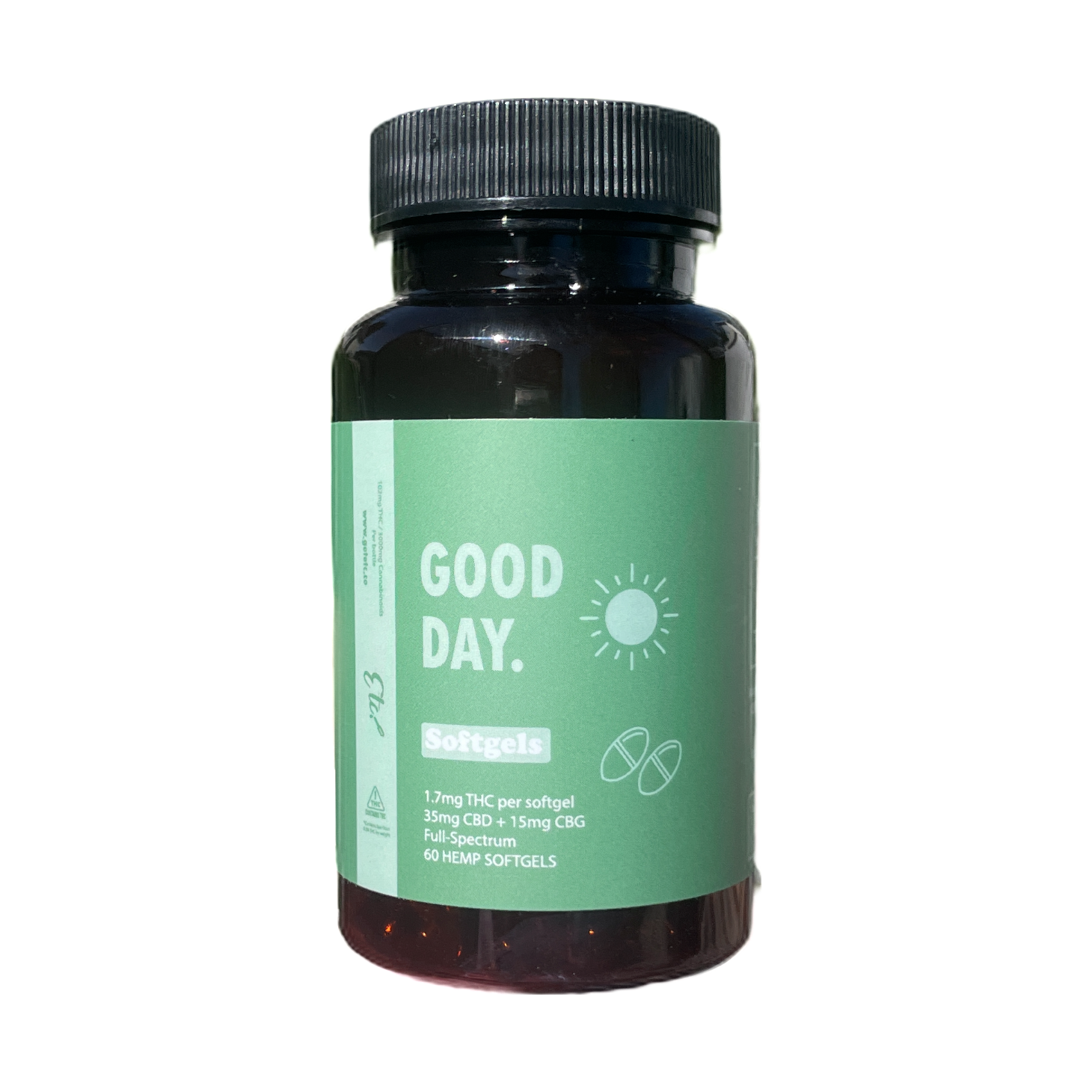
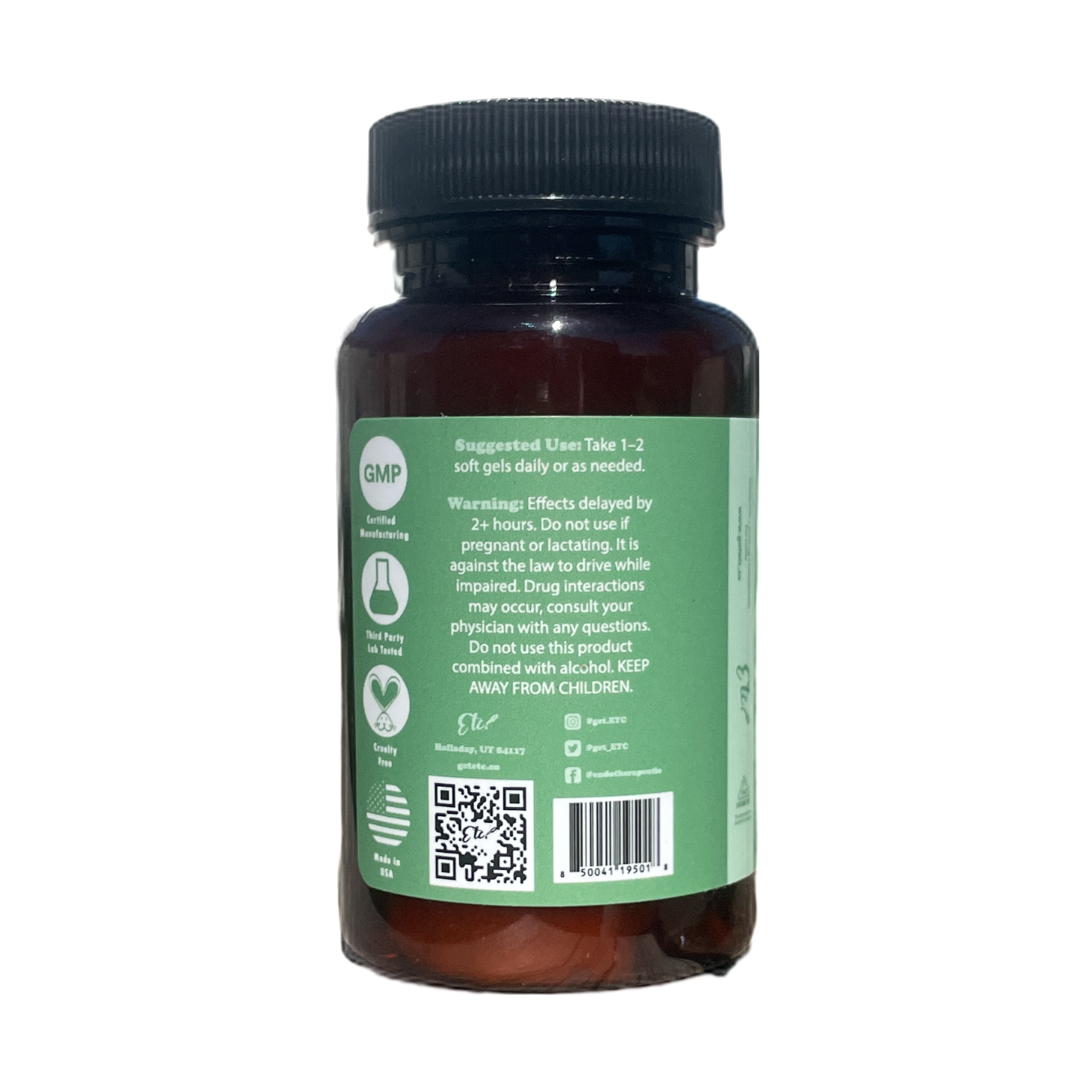
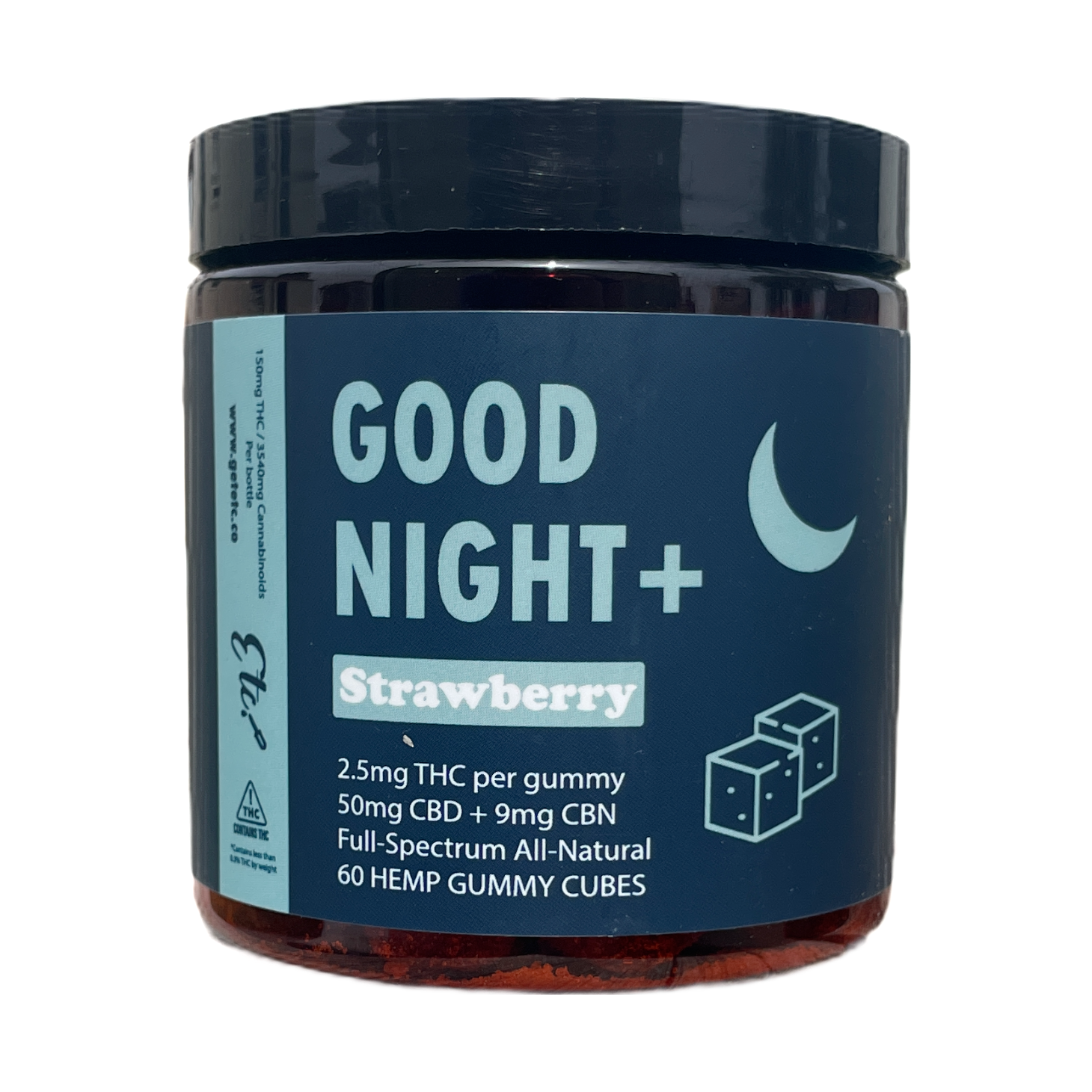
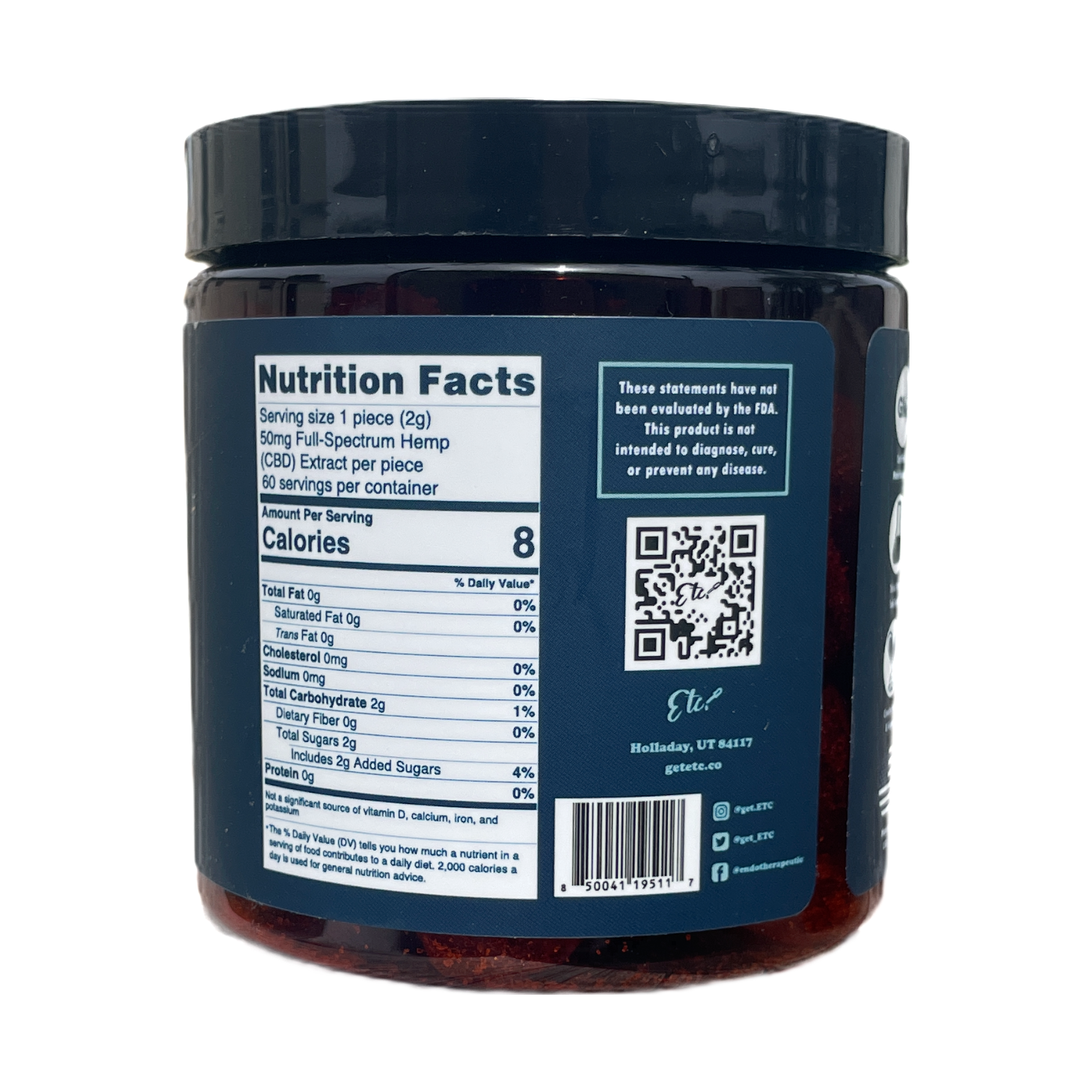
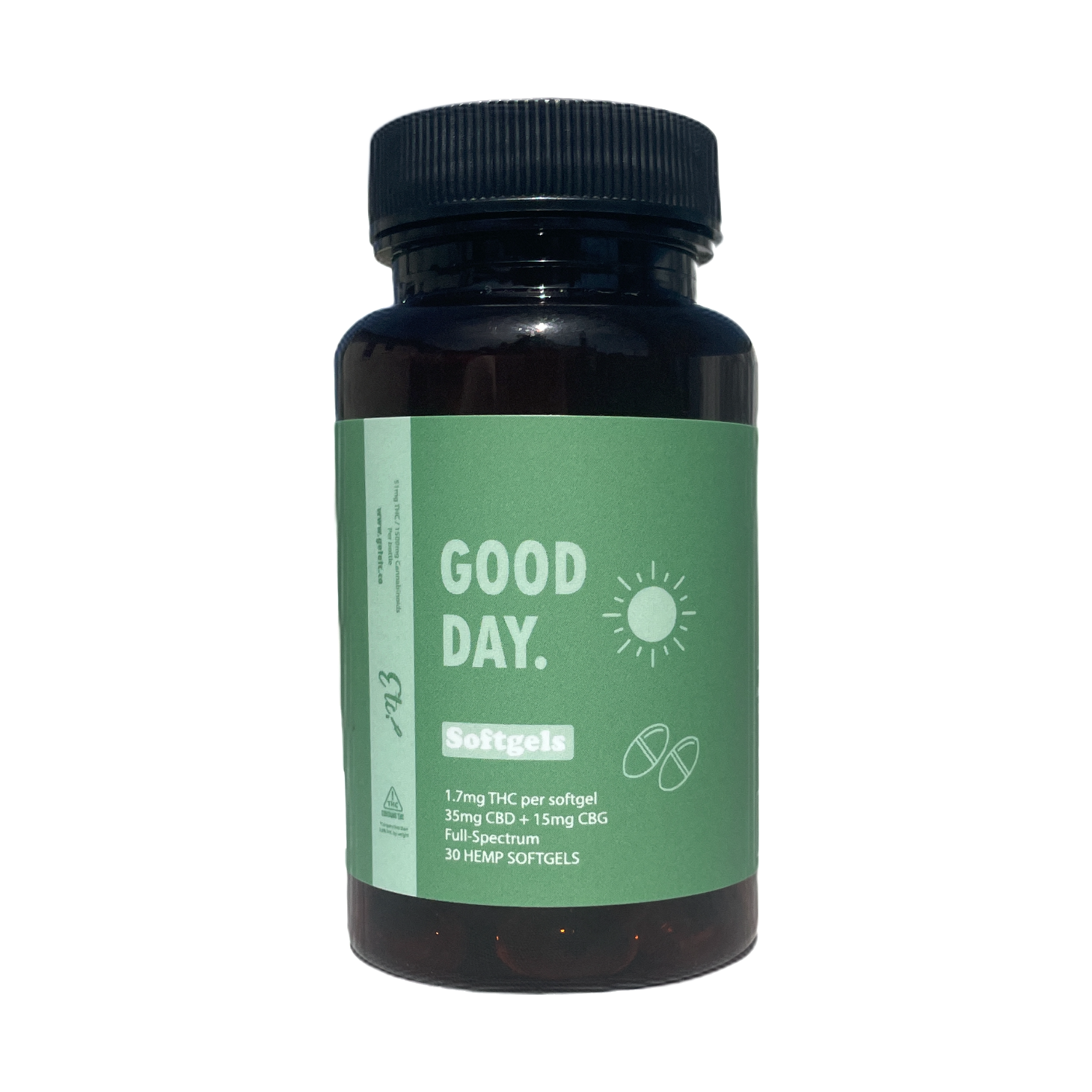
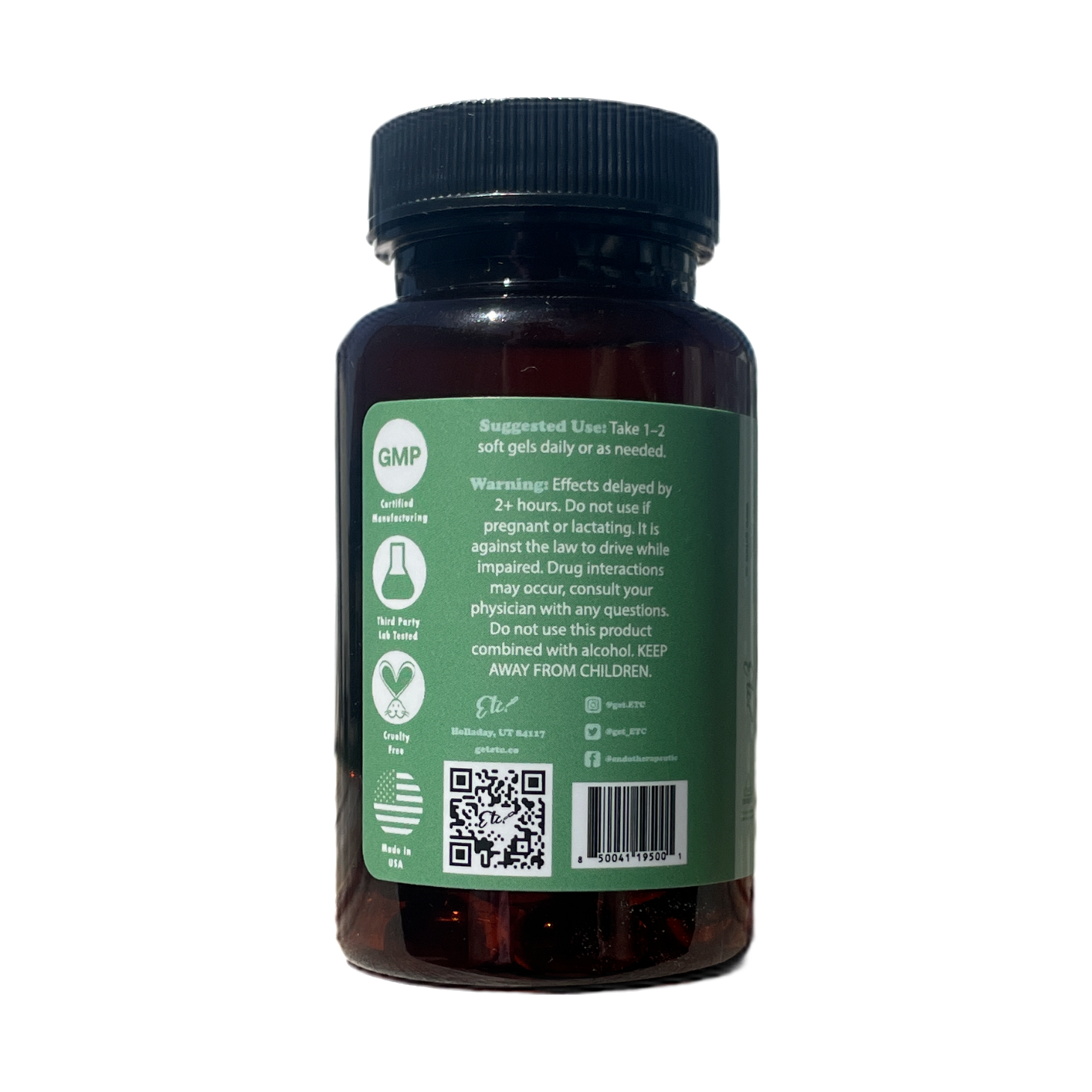
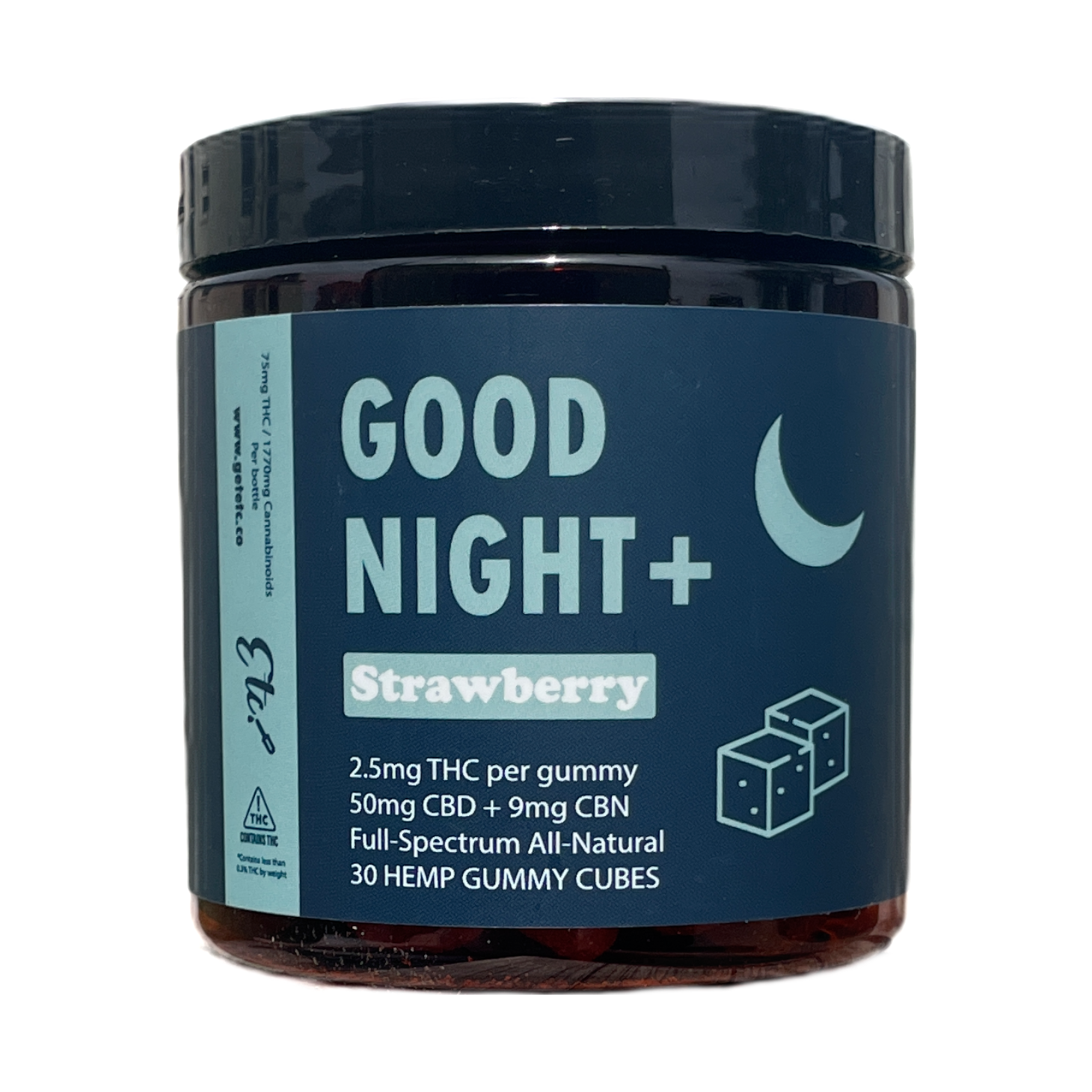
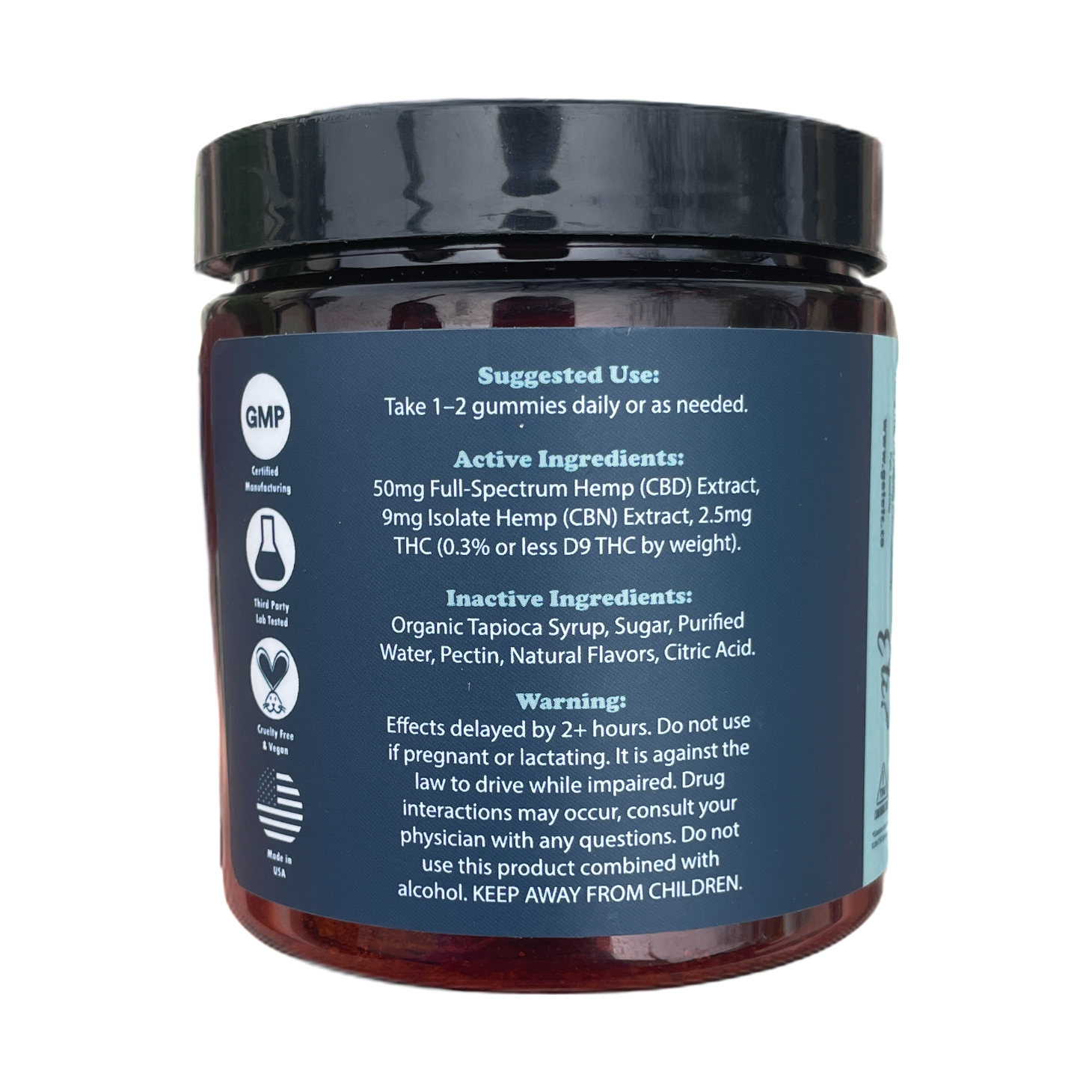
And the products themselves are designed to stay in the background, reliably. Good Day is formulated for daytime balance and focus; Good Night for evening wind-down and rest. Both use a full-spectrum hemp base, with each cannabinoid doing what it does best in concert with the others. Nothing loud or extreme. Just steady, consistent support that gives your own system more to work with.
The conversation
Here’s what the title of this piece is actually about. At some point, if you stay consistent, something quiet happens. You start to recognize your own patterns. You notice what makes a day go sideways and what keeps it on track. You start to hear the difference between tired-and-need-rest and tired-and-something’s-off. You trust that difference.
That’s the conversation. Not with a coach, not with a label, not with a protocol. With yourself. Your own accumulated experience, recognized and respected.
It’s less dramatic than it sounds, and that’s exactly why it matters. The dramatic moments are usually just noise. The quiet ongoing conversation is the one that shapes everything.
You know yourself better than you think you do. The goal isn’t to get more information from the outside. It’s to finally start trusting the information you already have.
That starts with building something you can actually trust to stay consistent. The rest tends to follow.
Disclaimer: These statements have not been evaluated by the Food and Drug Administration. This product is not intended to diagnose, treat, cure, or prevent any disease. Consult your healthcare provider before starting any new wellness regimen.
Photo by Markus Winkler on Unsplash