




The difference between alert and wired
Most of us learned to settle for wired.
Not because we wanted to. Because we got so used to the version of “on” that came with a side of edge, of teeth-clenching, of replying to an email before you’d even registered what it said, that we stopped imagining there was another way.
Alert isn’t wired. That’s actually the whole thing. And once you feel the difference, you’ll wonder how you mistook one for the other all this time.
The version of focus most people are running on
There’s a kind of functional that’s really just suppressed chaos. You’re getting things done. You’re responding, attending, producing. But there’s a hum underneath it, a low-grade sense that everything is a little too loud and you’re one more notification away from losing the thread entirely.
That’s wired. It passes for productive. It doesn’t feel good.
And because it’s familiar, because it’s been the baseline for years, a lot of people aren’t looking for something better. They’re just looking for more of the same, maybe a slightly quieter version of it. Another cup of coffee. A tighter to-do list. Noise-canceling headphones.
None of that addresses what’s actually happening.
What alert actually feels like
Alert is something different. It’s the morning where you show up to a conversation and you’re actually in it. Not rehearsing what you’ll say next, not half-distracted by what you didn’t finish yesterday. You’re present. You catch the joke. You notice the shift in someone’s tone. You’re thinking clearly without working hard to think clearly.
It’s not a heightened state. It’s a clean one.
People describe it in small, specific ways. The meeting where you weren’t the last one to understand the pivot. The moment you said exactly the right thing to your kid because you were actually listening. The hour of work where you stopped watching the clock because you were genuinely engaged.
Those aren’t big, dramatic changes. They’re the ones that add up to a life that feels like yours.
Why balance is the actual goal
A lot of wellness conversations get fixated on the extreme end of the spectrum: deeper sleep, sharper focus, total calm. But the daily experience most people are trying to get to isn’t extreme anything. It’s somewhere in the middle. Steady. Responsive. Not swinging.
Your body has a system specifically designed for this. The endocannabinoid system works constantly to maintain stability, and it’s been doing this your entire life whether you knew about it or not. It regulates mood, supports focus, helps the nervous system know when to engage and when to stand down. When it’s working well, you feel balanced without thinking about it.
When it’s running on empty, because of stress, poor sleep, the accumulation of a particularly relentless season of life, you feel the gap. The edge comes back. The hum returns.
Full-spectrum hemp can help support that system. The cannabinoids in hemp mirror ones your body already produces naturally. They’re not foreign chemistry. They’re more like a reminder of a state you’ve been in before.
The CBG angle, briefly
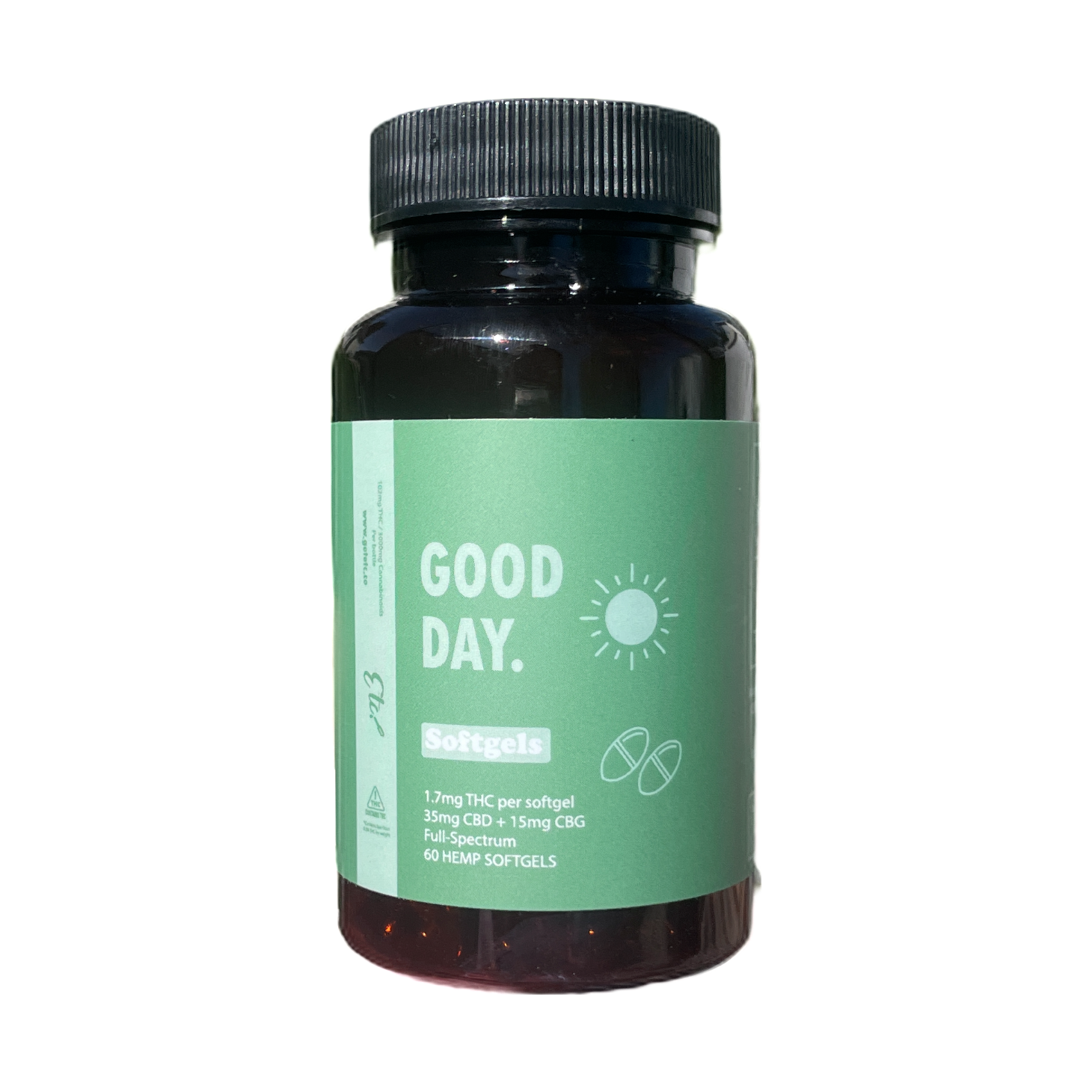
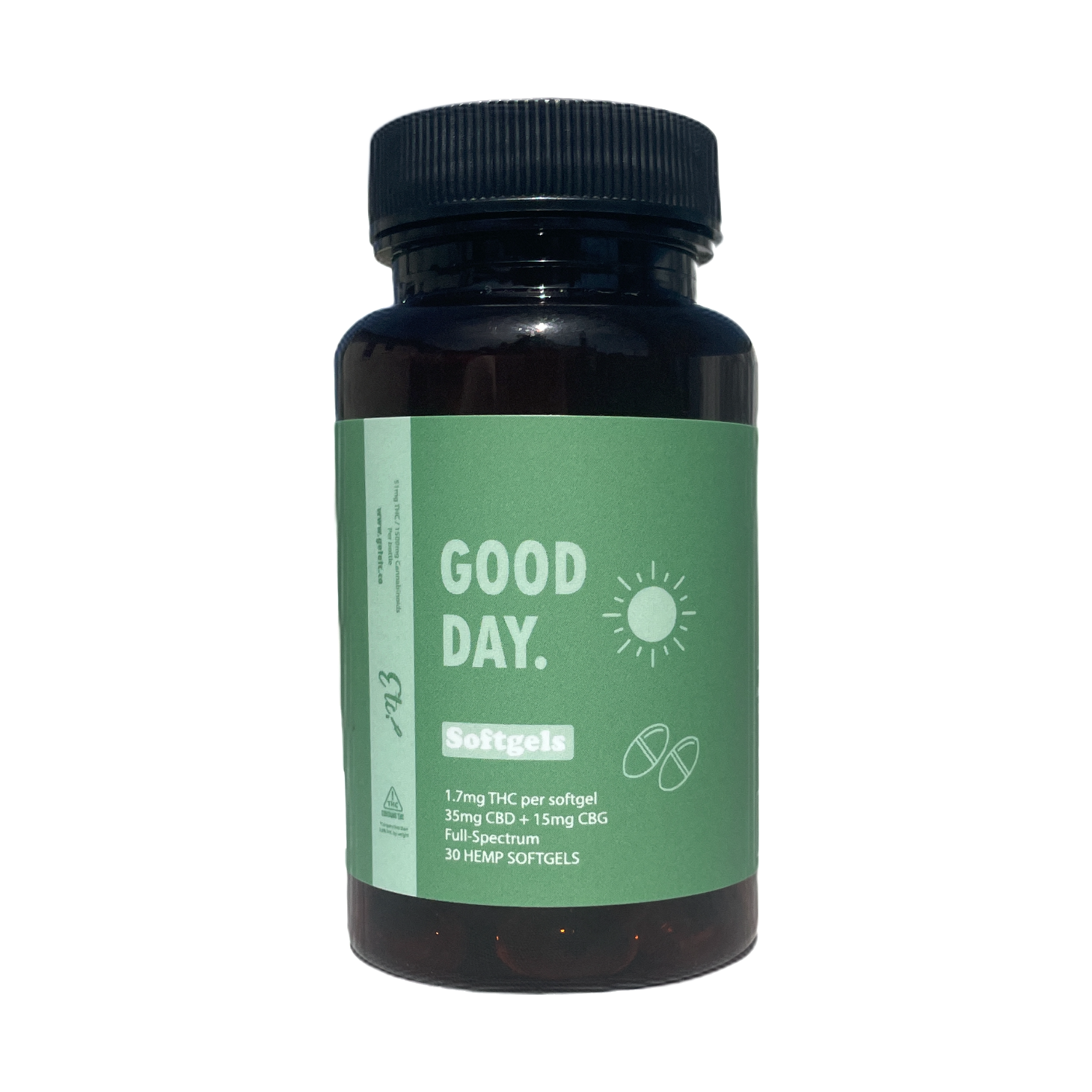
ETC’s Good Day line is built around the same full-spectrum hemp base as every ETC product, with a boost of CBG: a cannabinoid associated with focus, balance, and daytime steadiness. Not stimulation. Not a new level of intensity. Just a nudge toward the version of on that doesn’t have the sharp edges.
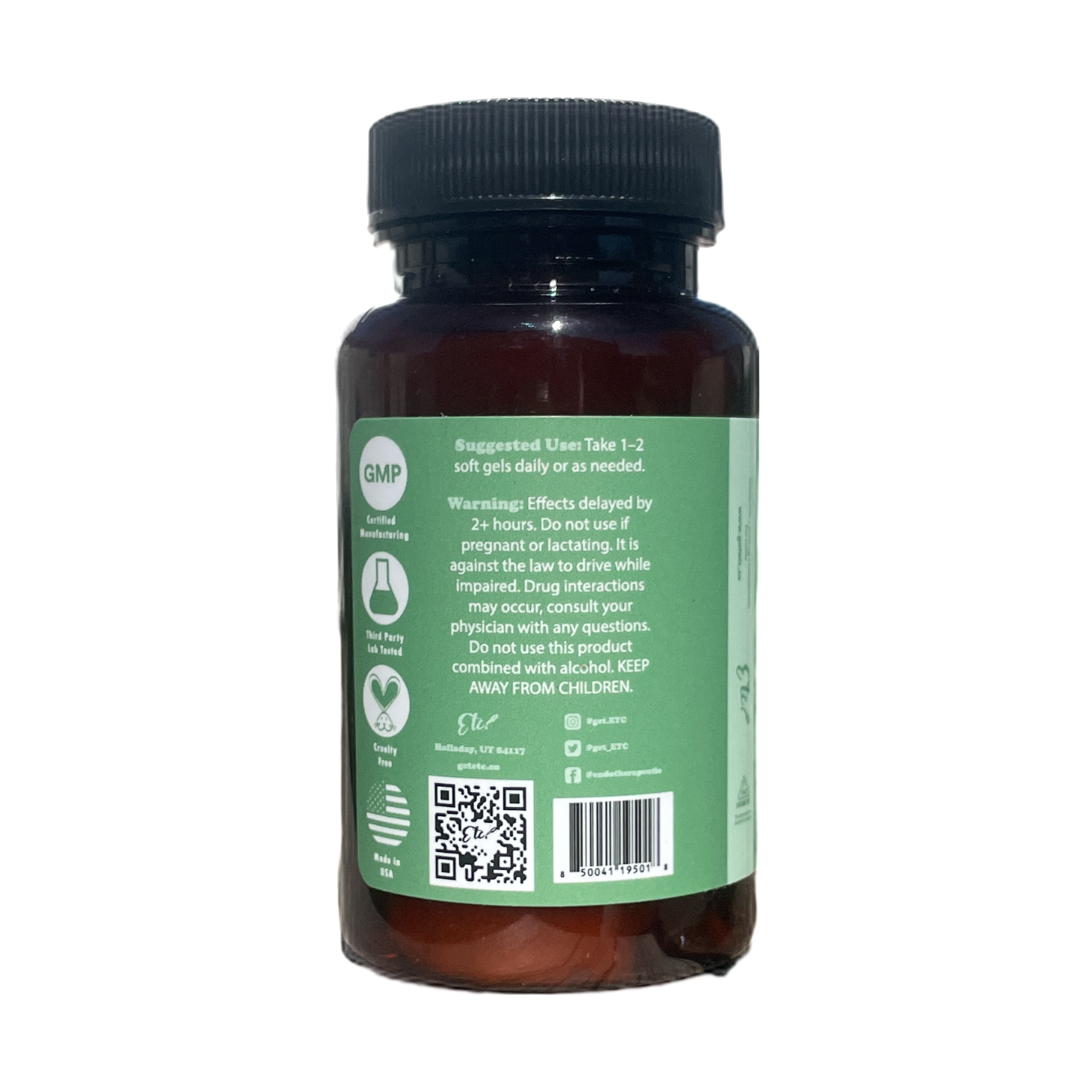
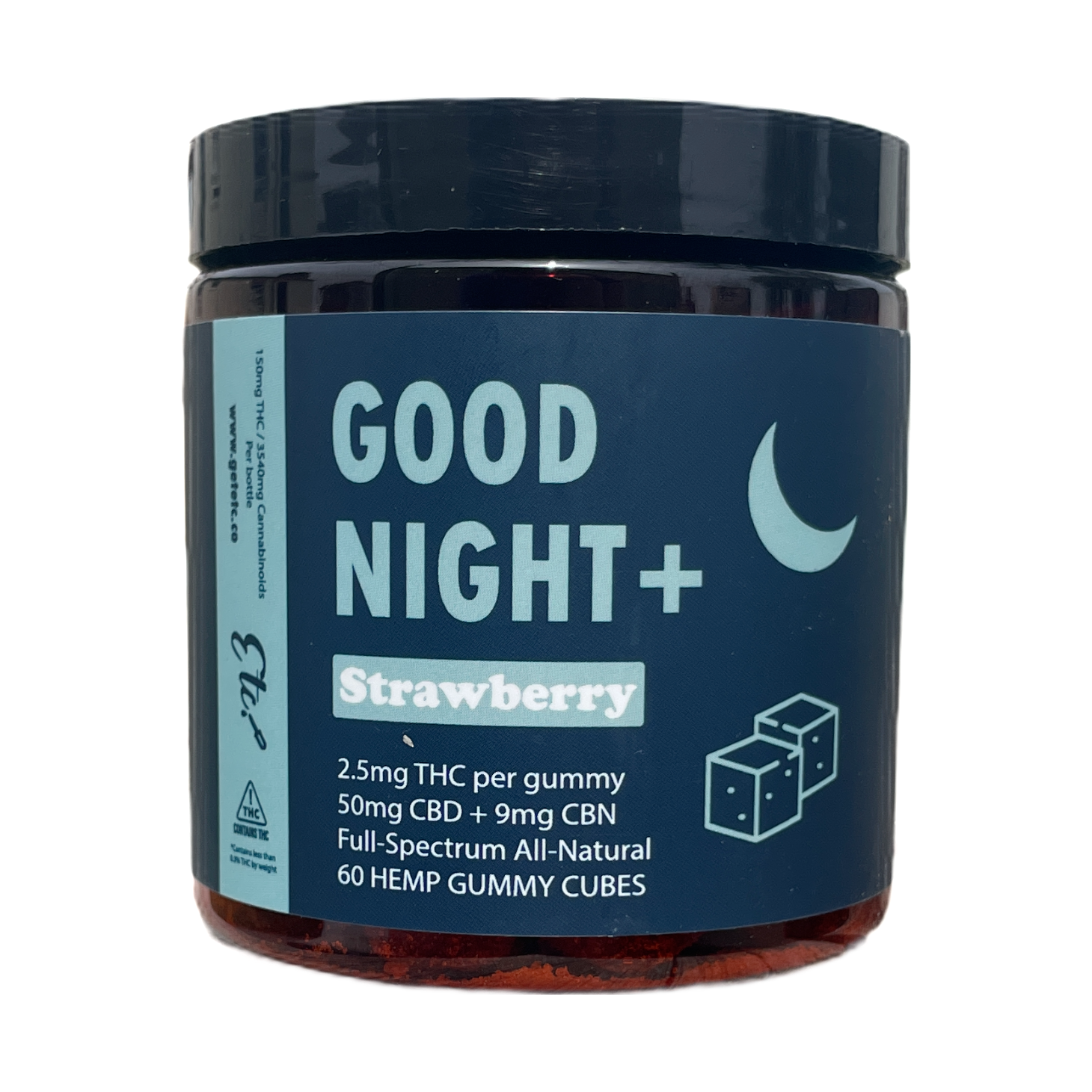
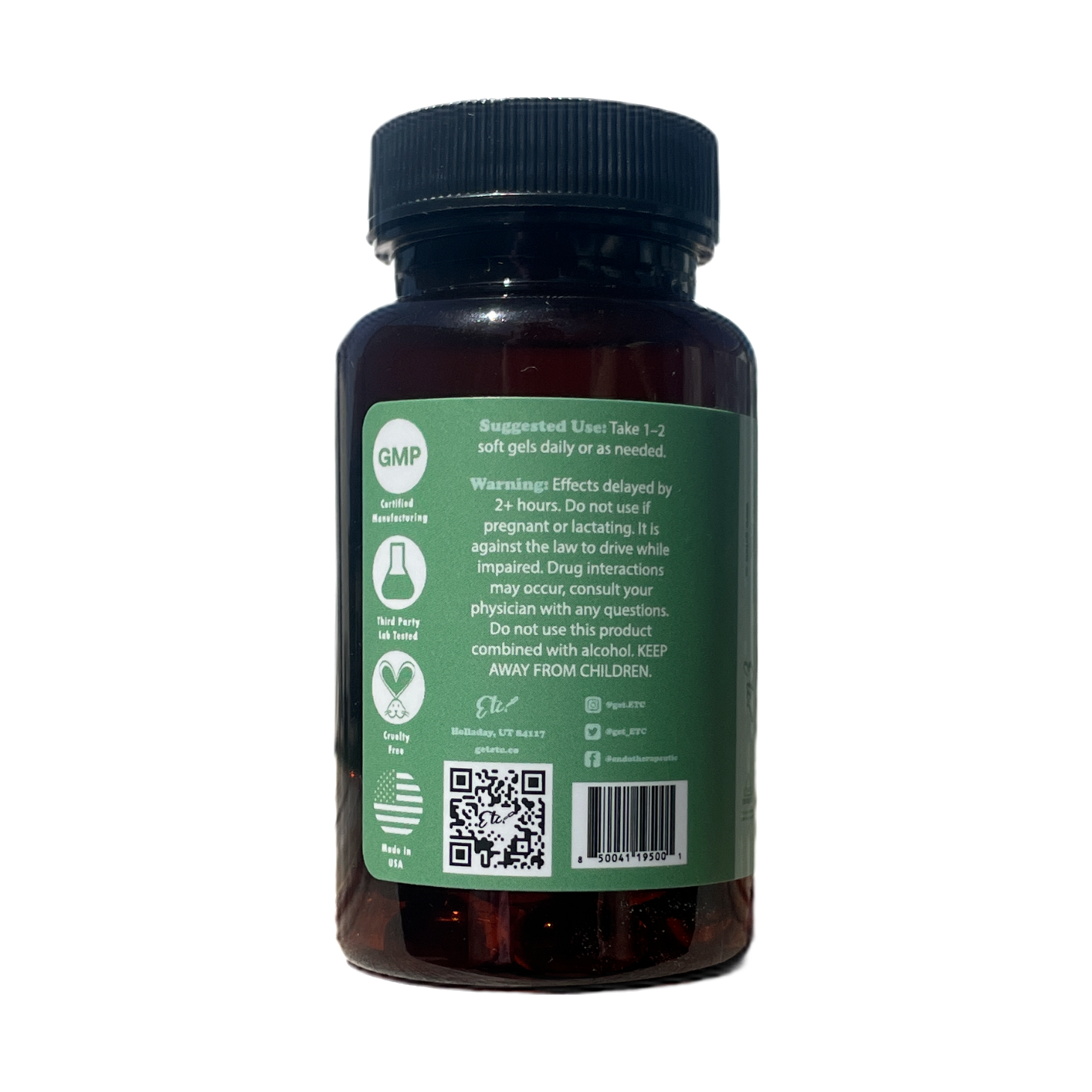
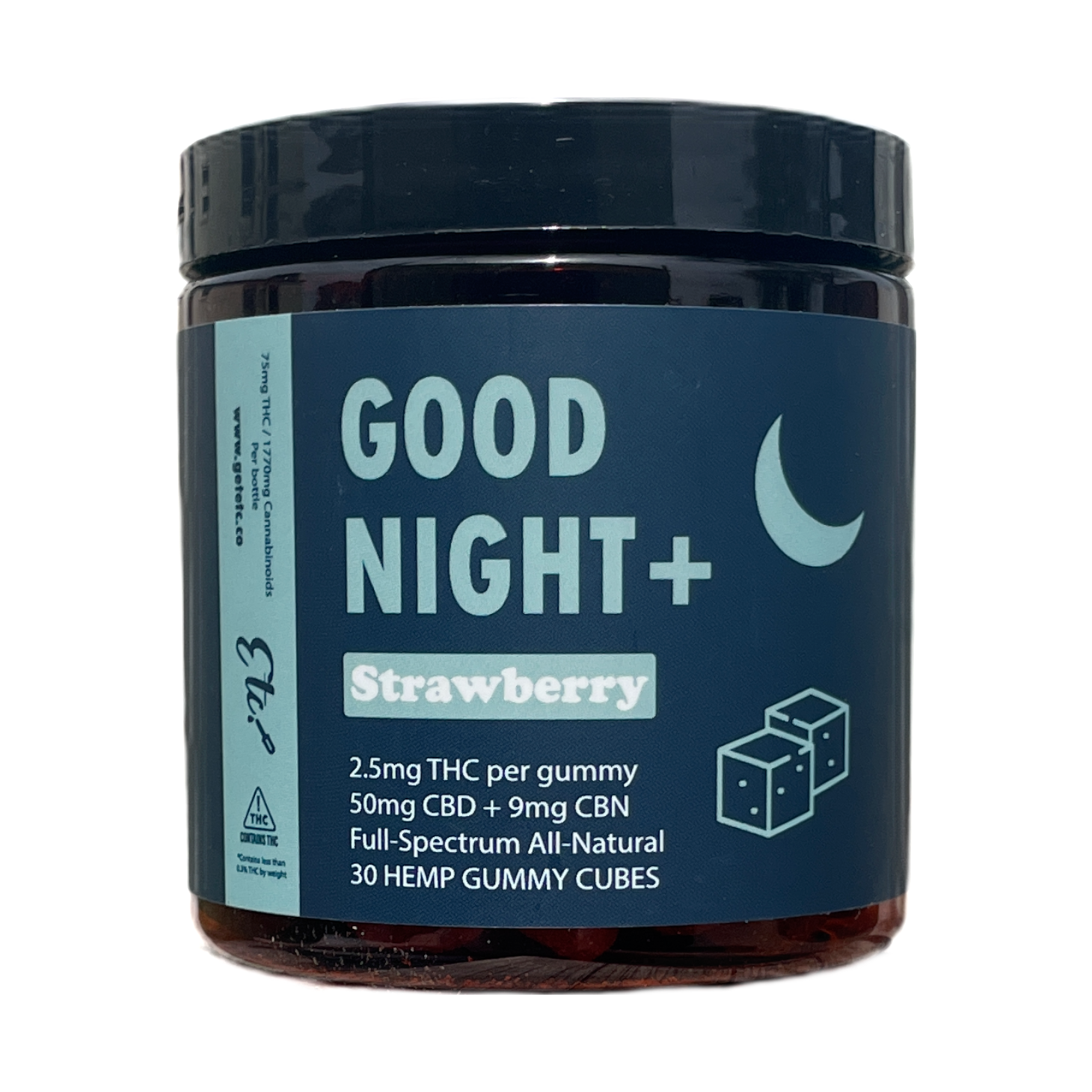
It comes in softgels and gummies. It takes 30 to 90 minutes to work. And the effects build over time: in ETC’s own 8-week study, participants’ energy and overall sense of wellbeing showed consistent week-over-week improvement, not a one-time spike that faded by Thursday.
Consistency is the mechanism. A daily routine that your body can count on tends to produce results that feel sustainable, not borrowed from tomorrow.
The part where trust actually matters
Here’s where the transparency angle becomes genuinely practical, not just a nice-sounding brand value.
When you’re adding something to your daily routine, you need to know what’s in it. Not because you’re paranoid, but because you’re paying attention to your own body now. You’re building a practice around it. You want to know that what the label says is what’s actually in the capsule or gummy.
ETC publishes third-party lab results for every batch at reliefetc.com/pages/coa. The certificates are public. The cannabinoid breakdown is there. The products are physician-reviewed. This isn’t a trust-us situation. It’s a check-for-yourself one.
For a skeptical person, which describes most people who are actually serious about wellness, that matters a lot. Not because you’ll read the COA every morning over coffee. But because you did once, and what you found held up, and now you can just… use the product and go live your life. The foundation is there. You don’t have to keep questioning it.
That’s the actual payoff of transparency. Not the transparency itself. The freedom it creates.
What this actually looks like on a Tuesday
You take your Good Day softgel with your morning coffee. An hour later, you’re in a meeting and you’re following the thread without effort. You’re contributing from a real place, not just waiting for your turn. At 3pm, when things historically start to blur, the blur doesn’t come.
You pick up your kid or call your parent or finish the thing you’ve been putting off. Not because you pushed through it. Because you had something left.
That’s the difference between alert and wired. One depletes you by evening. The other leaves you with enough left over for the people and moments that make the day worth having in the first place.
It’s a small shift in chemistry. It’s a pretty significant shift in quality of life.
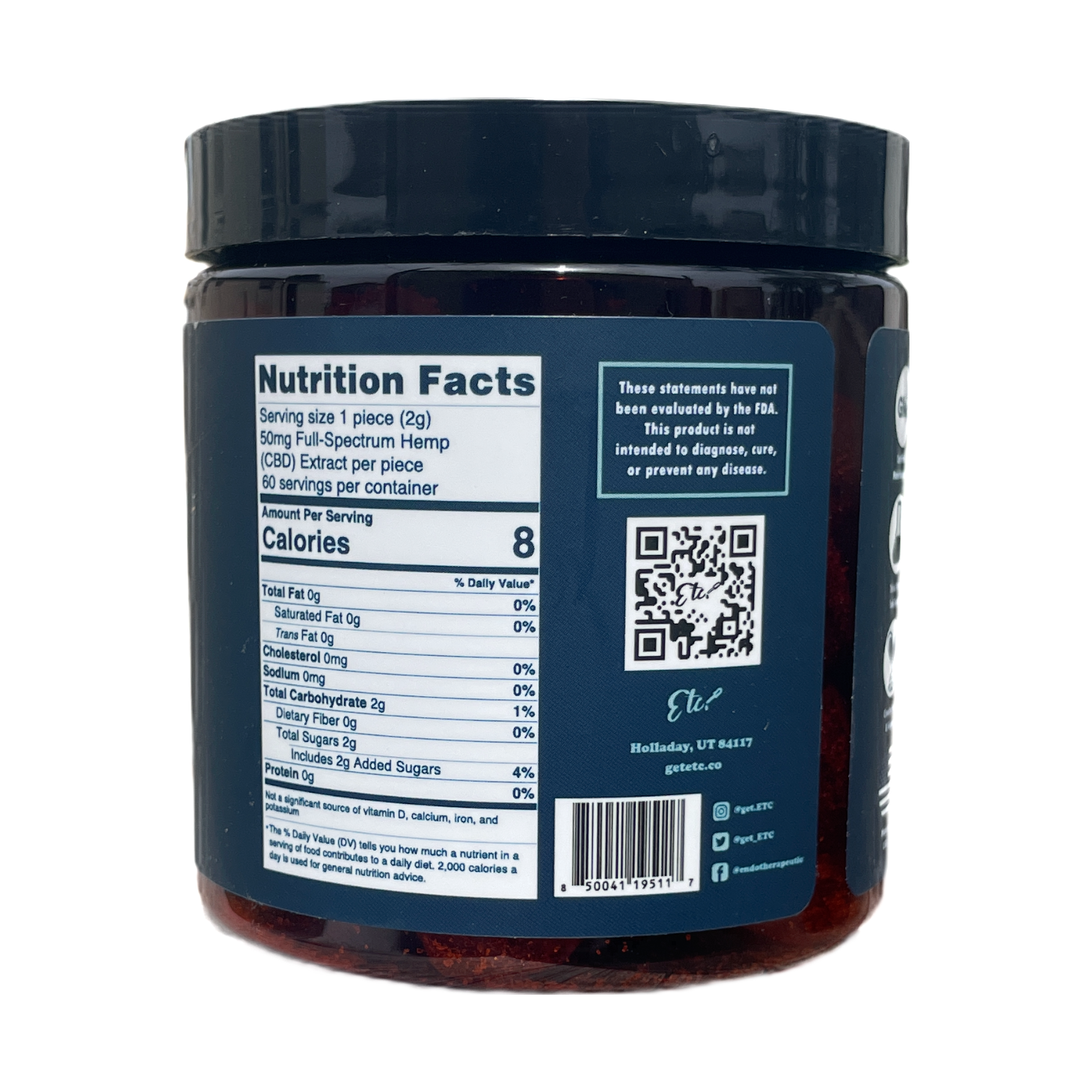
Disclaimer: These statements have not been evaluated by the Food and Drug Administration. This product is not intended to diagnose, treat, cure, or prevent any disease. Consult your healthcare provider before starting any new wellness regimen.
Photo by Anisur Rahman on Unsplash