




When Your Daily Routine Fits Cleanly Into Real Life
There’s a belief worth naming before we go any further: that the more committed you are to something, the more complicated it has to be.
It’s easy to see where that comes from. Serious goals get serious protocols. Elaborate meal plans. Color-coded supplement stacks. Wearables tracking every metric. The implicit message is that if your routine fits in a pocket and costs you less than a daily coffee, you’re probably not taking your health seriously enough.
That belief is wrong. And for the specific goal of building a sustainable daily wellness habit, it may be the thing that keeps more people from ever starting.
The Routine That Actually Gets Done
Here’s what tends to happen with complicated routines: they work beautifully for about eleven days. Then life happens. A work trip. A kid home sick. A week where you’re running fifteen minutes behind every single morning. And the elaborate system, the one that required three preparation steps and a designated window of time, gets quietly abandoned.
What survives isn’t the most ambitious routine. It’s the one that asks the least of you on your worst day.
That’s not a consolation prize version of self-care. That’s the actual goal. A practice you can maintain through a bad week is worth more, long-term, than one you can only keep when everything else is going perfectly. Consistency is the variable that determines outcomes, not complexity.
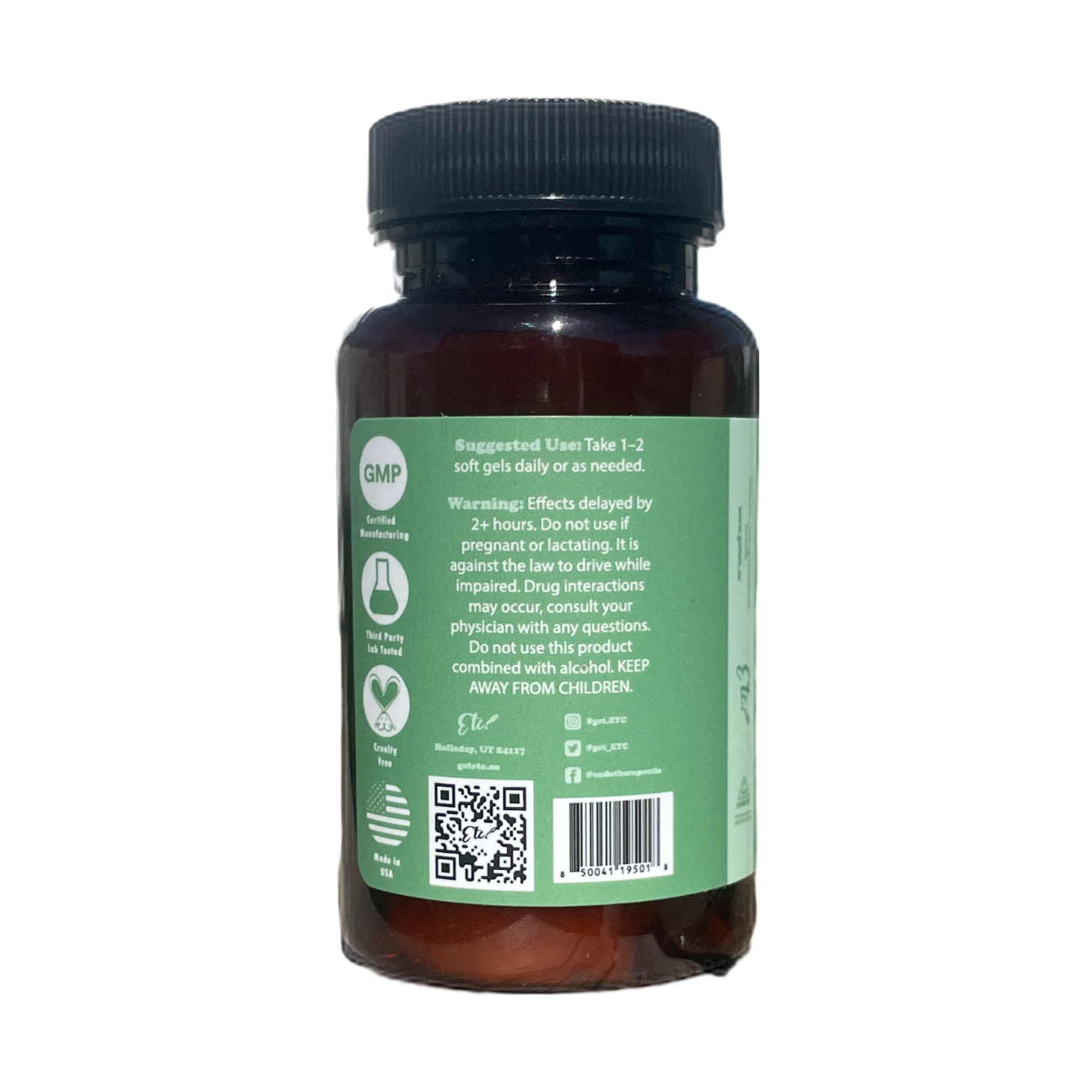
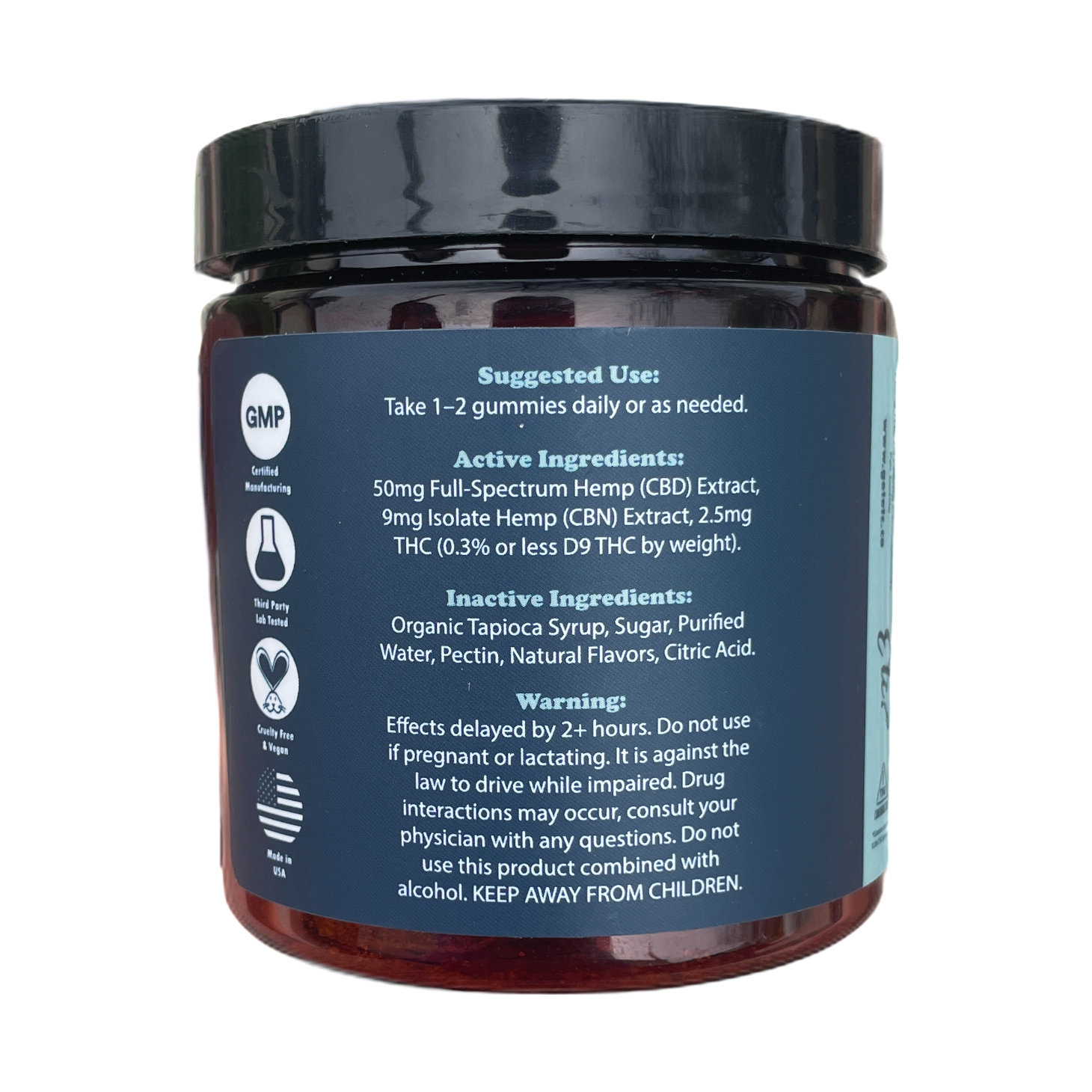
A softgel takes four seconds. A gummy takes slightly longer if you actually enjoy it. Neither requires prep. Neither requires you to have read anything the night before. They travel in a bag, sit in a desk drawer, and don’t expire when your circumstances change.
That’s not a feature to apologize for. It’s the point.
What You’re Actually Investing In
The cost question comes up, and it should. Anyone selling you anything should be willing to have the cost conversation directly.
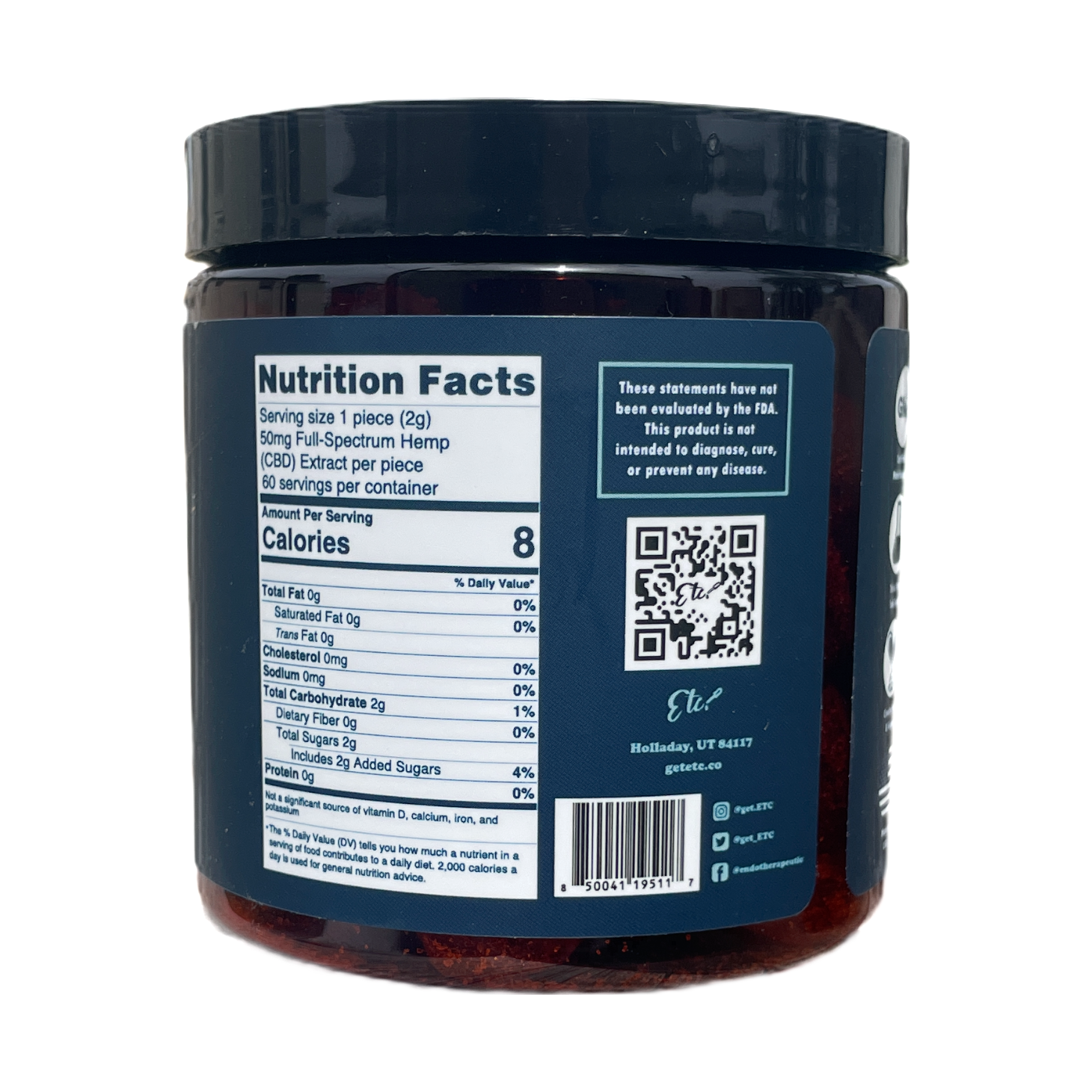
Full-spectrum hemp products aren’t free, and they’re not trying to be. But when you break them down to cost-per-dose, they often land in a range that surprises people. A 60-count supply at the softgel or gummy level means you’re making a choice for your wellbeing every day for two months, for roughly what you’d spend on a couple of specialty drinks.
That framing matters. Not because it’s a sales pitch, but because how you think about cost shapes whether you stick with something. A product that feels like an indulgence is the first thing to cut. A product that feels like a reasonable daily investment in how you function is a different category entirely.
The question worth asking isn’t “is this expensive?” It’s: “what does it cost me per day, and is that worth it for the version of myself I’m working toward?”
Most people who’ve been consistent with a hemp wellness routine for a few months stop thinking about it as a cost at all. It becomes part of the baseline, like buying groceries. That mental shift is worth more than the dollar amount.
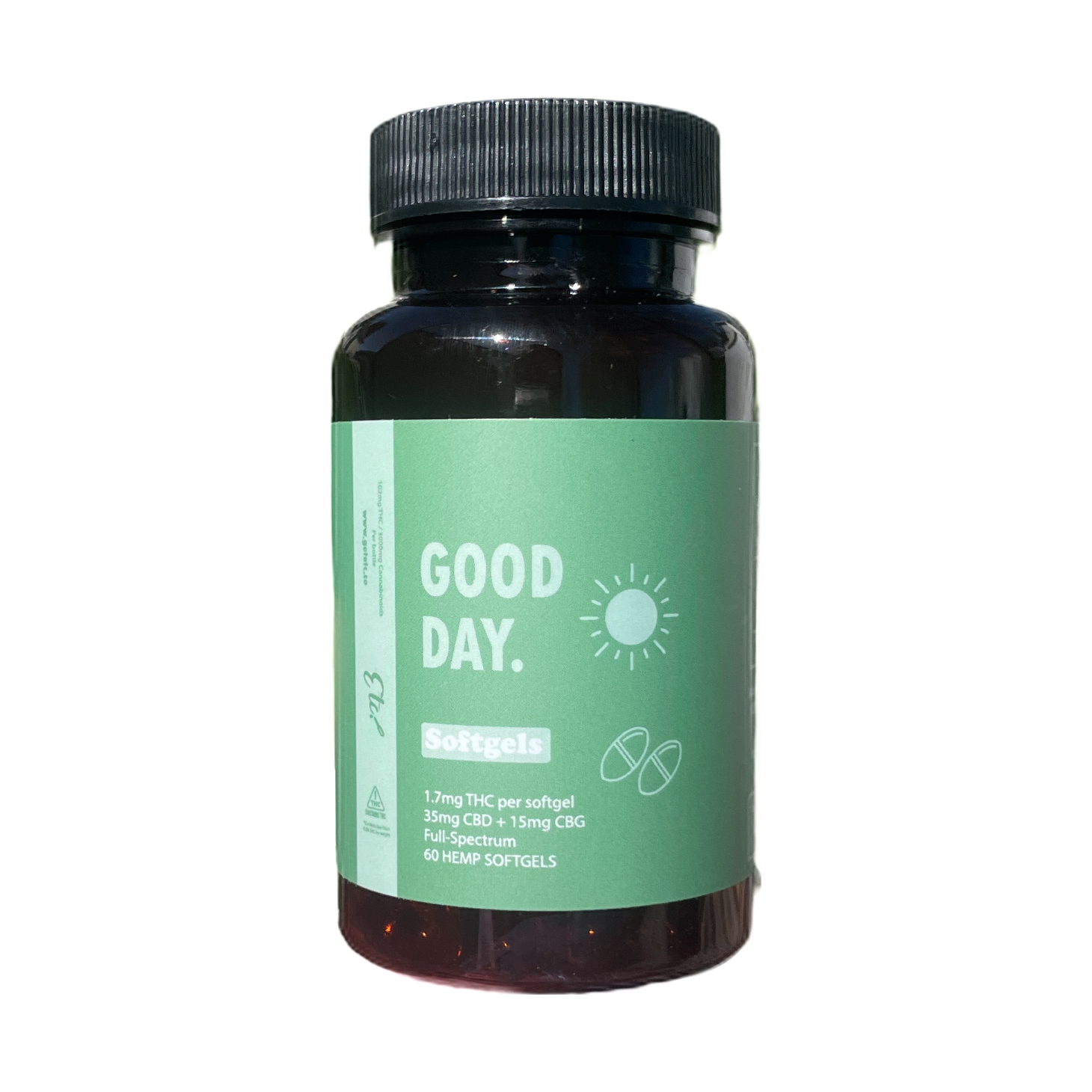
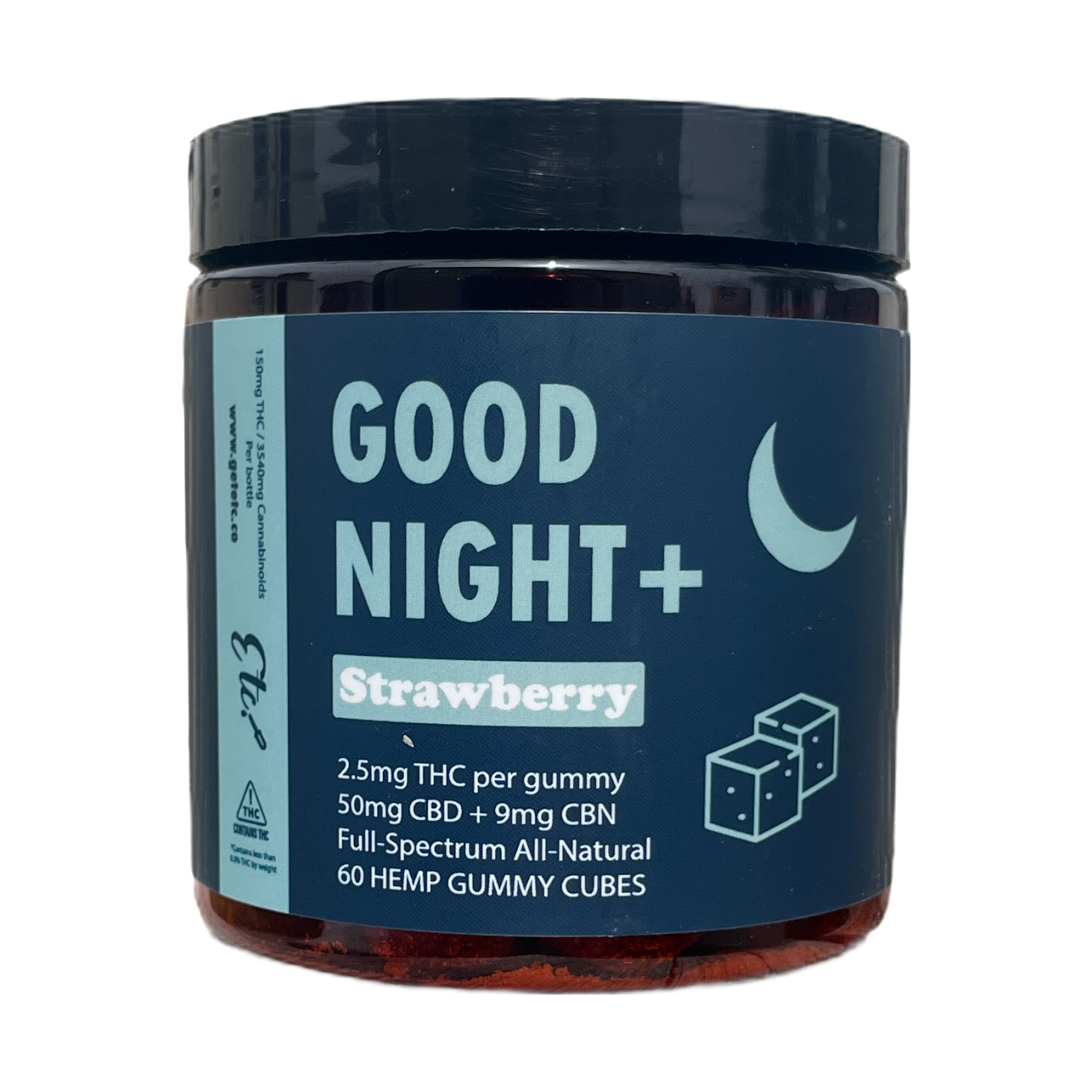
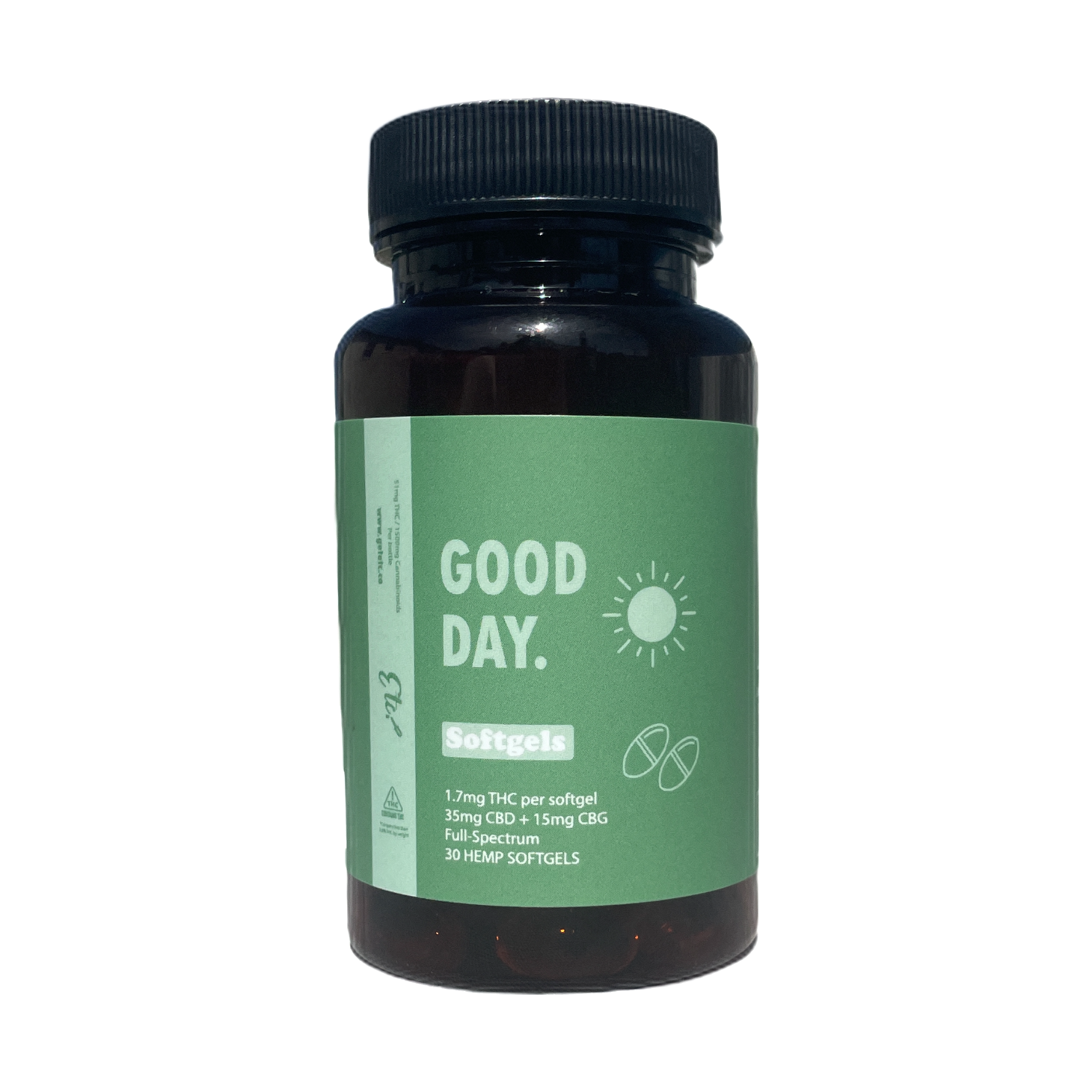
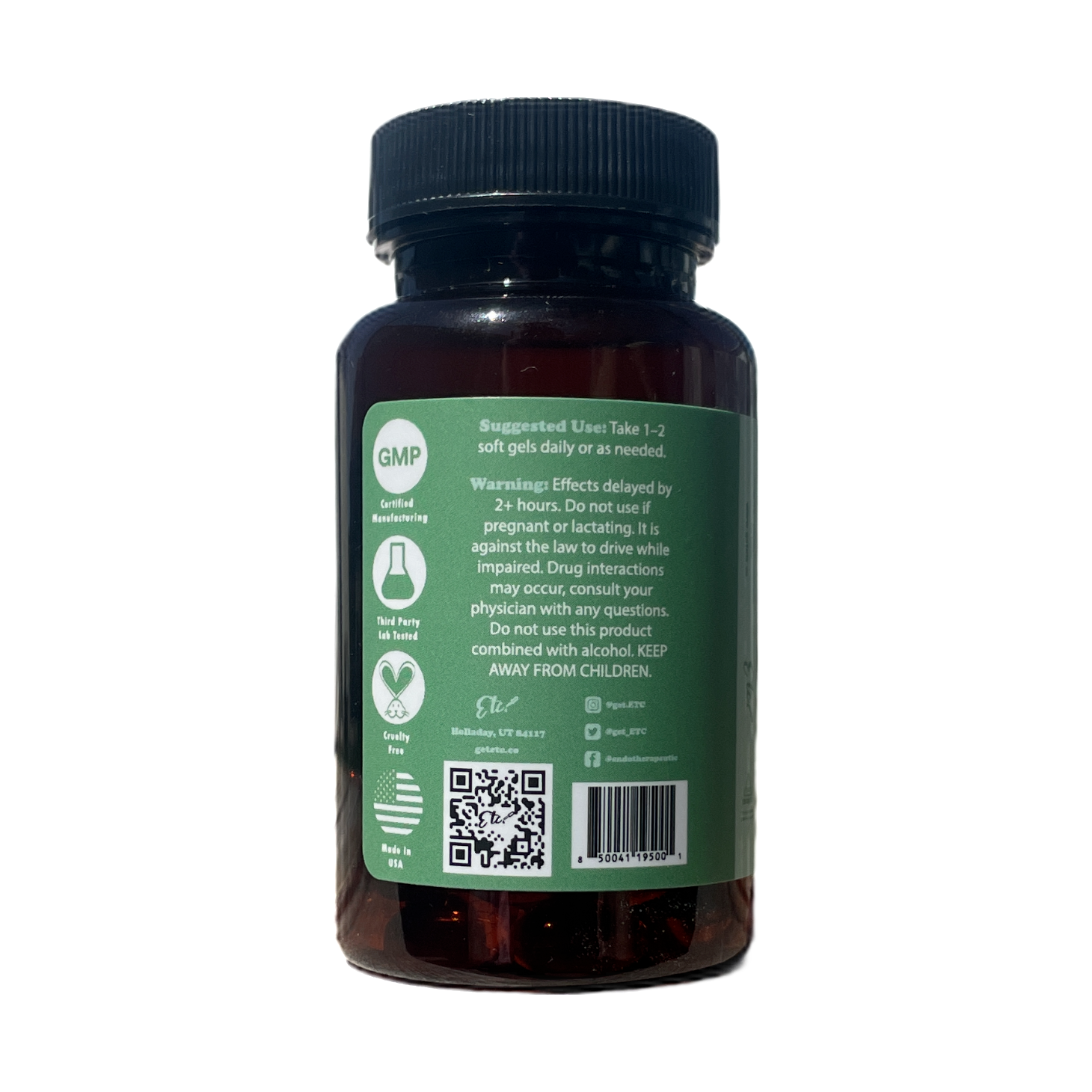
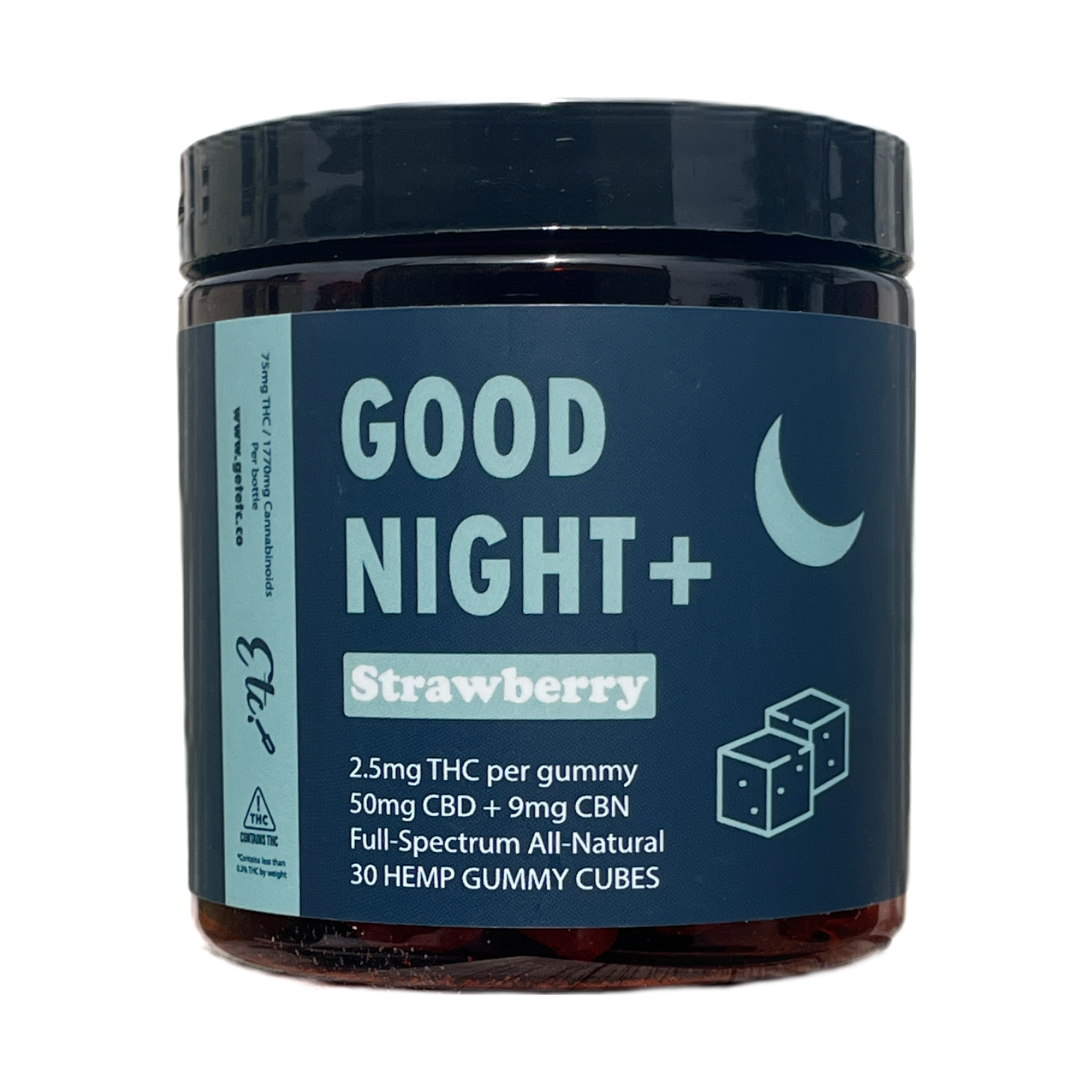
If you’re curious about the specifics, Good Night softgels and Good Day softgels both come in 30 and 60-count options, so you can start with a smaller commitment and scale up when you know what works for you.
The Inner Peace Argument for Simplicity
There’s a kind of quiet satisfaction that comes from having done a small thing consistently, day after day, without drama.
It doesn’t announce itself. Nobody gives you a certificate. But after weeks of making the same uncomplicated choice for your own wellbeing, something shifts in how you relate to yourself. You stop being the person who “means to” take care of yourself. You just are someone who does.
That shift, from intention to identity, is one of the more underrated moves in personal growth. It doesn’t require a dramatic turning point. It requires a low-friction habit that you can actually keep.
This is where simplicity does its deepest work. Not in the convenience of it (though that’s real), but in what the consistency builds over time. A routine you maintain through stress, travel, and ordinary chaos is one you’ve genuinely made yours. And the accumulation of those small kept promises to yourself adds up to something that feels like confidence, like groundedness, like knowing you’re doing the thing rather than planning to.
Building a Routine That Doesn’t Fight Your Life
A few practical notes that actually matter here.
Timing can be paired with something you already do without thinking: morning coffee, winding down before bed, the moment between putting the kids to sleep and returning to your own evening. The goal is to find the slot where the action is nearly automatic, not the one that sounds most responsible in theory.
The Good Day line is built around daytime support, with a cannabinoid profile that leans into focus and balance. The Good Night line is oriented toward evening wind-down. But the honest answer is that your best fit is individual. Some people find Good Night is exactly what they need at 2pm. Some find Good Day works well as part of a sleep routine. Start with what sounds right, and adjust from there without overthinking it.
Full-spectrum hemp means you’re getting the whole plant’s range of cannabinoids working together, not just a single isolated compound. Your body already has an endocannabinoid system designed to receive these; you produce your own cannabinoids naturally. What you’re doing with a daily hemp routine is supporting what that system already does, consistently and without complication.
The Part That’s Actually Hard
None of this requires expertise. It doesn’t require research rabbit holes or a spreadsheet. The only genuinely difficult part is deciding that you’re worth a consistent, low-drama daily investment.
That sounds small. It isn’t. A lot of people find it easier to build ambitious routines for their productivity or their career than to build something quietly devoted to how they actually feel. Getting past that resistance, the one that says you need to earn a simple practice or that convenience is somehow cheating, is the real work here.
Once you’re past it, the routine tends to take care of itself. And that’s the whole idea.
Disclaimer: These statements have not been evaluated by the Food and Drug Administration. This product is not intended to diagnose, treat, cure, or prevent any disease. Consult your healthcare provider before starting any new wellness regimen.