





The Small Nightly Cue That Helps Me Let Go
The belief goes something like this: a good evening routine is something you design once, optimize carefully, and then execute with discipline. A ritual. Something worthy of a Pinterest board or a productivity app.
That belief kept me from having one for years.
What actually stuck was smaller and stranger. Not a system. A cue. A single, low-stakes moment that my body started to recognize as “okay, we’re doing this now.” And from that one quiet signal, everything else in my evening got a little easier to let go of.
The Problem With “Evening Routines”
Here’s what most wind-down advice gets wrong: it approaches the evening as a project. Dim the lights at exactly 8:47. No screens after 9. Chamomile tea, journal, three deep breaths, face wash, magnesium, done. The whole thing sounds exhausting before you’ve even started.
The irony is that trying to engineer your way into relaxation tends to produce the opposite. You end up managing your evening instead of settling into it.
What works, at least for a lot of people who’ve actually kept a nighttime routine for longer than two weeks, is simpler. You don’t need a checklist. You need a cue. One consistent signal that tells your nervous system: this part of the day is different. You can start letting go now.
Why Cues Work When Plans Don’t
Your brain is a pattern machine. It doesn’t respond to intentions as well as it responds to repetition. A plan says “tonight I will wind down.” A cue says “this is what winding down feels like, and we’ve been here before.”
The power isn’t in the cue itself. It’s in the association you build around it. Over time, the cue stops being a reminder and starts being a trigger. The shift happens because you showed up, again and again, with the same small signal. The routine didn’t grow from discipline. It grew from familiarity.
That’s actually great news, because it means your starting point doesn’t need to be impressive. It needs to be consistent and repeatable.
What the Cue Looks Like for Me
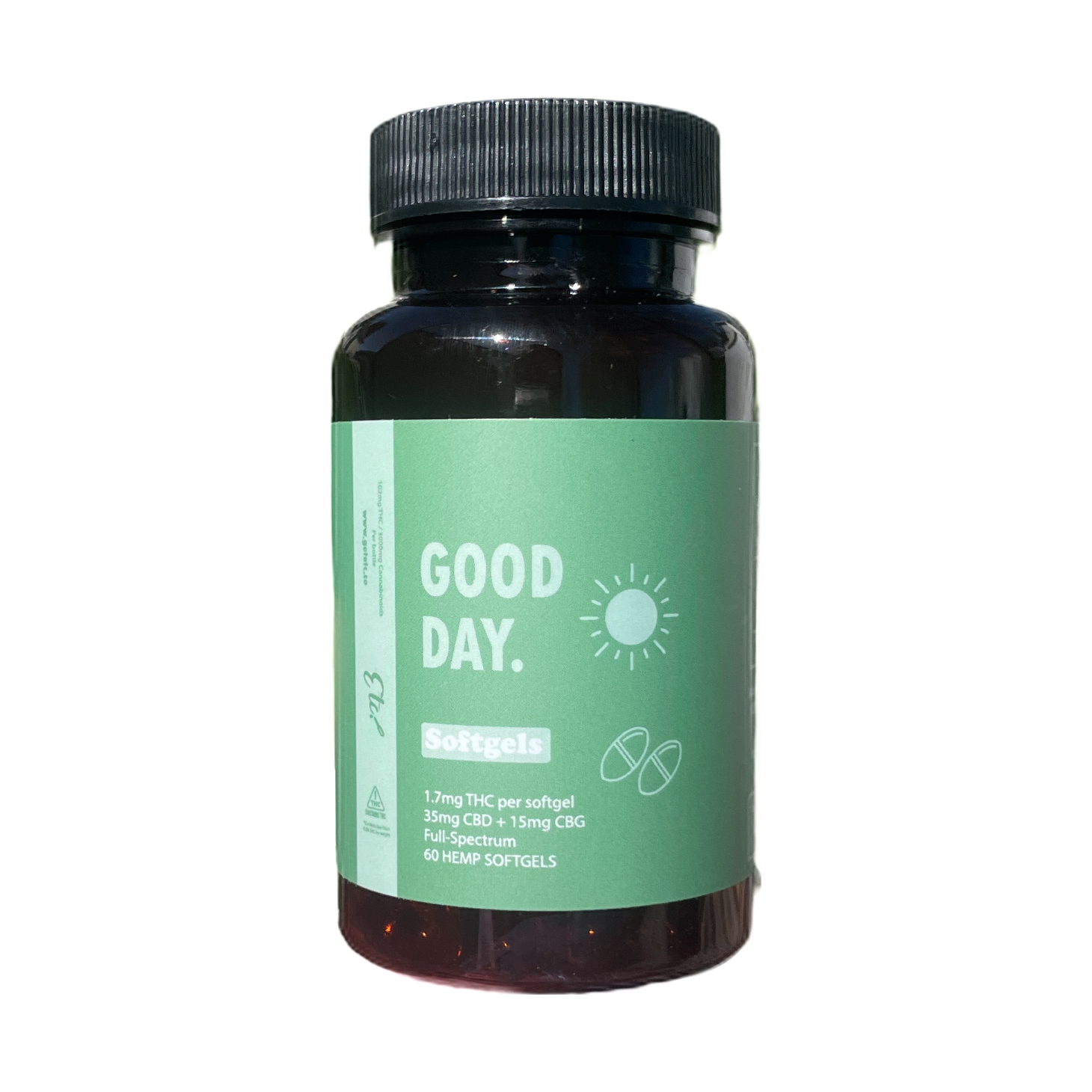
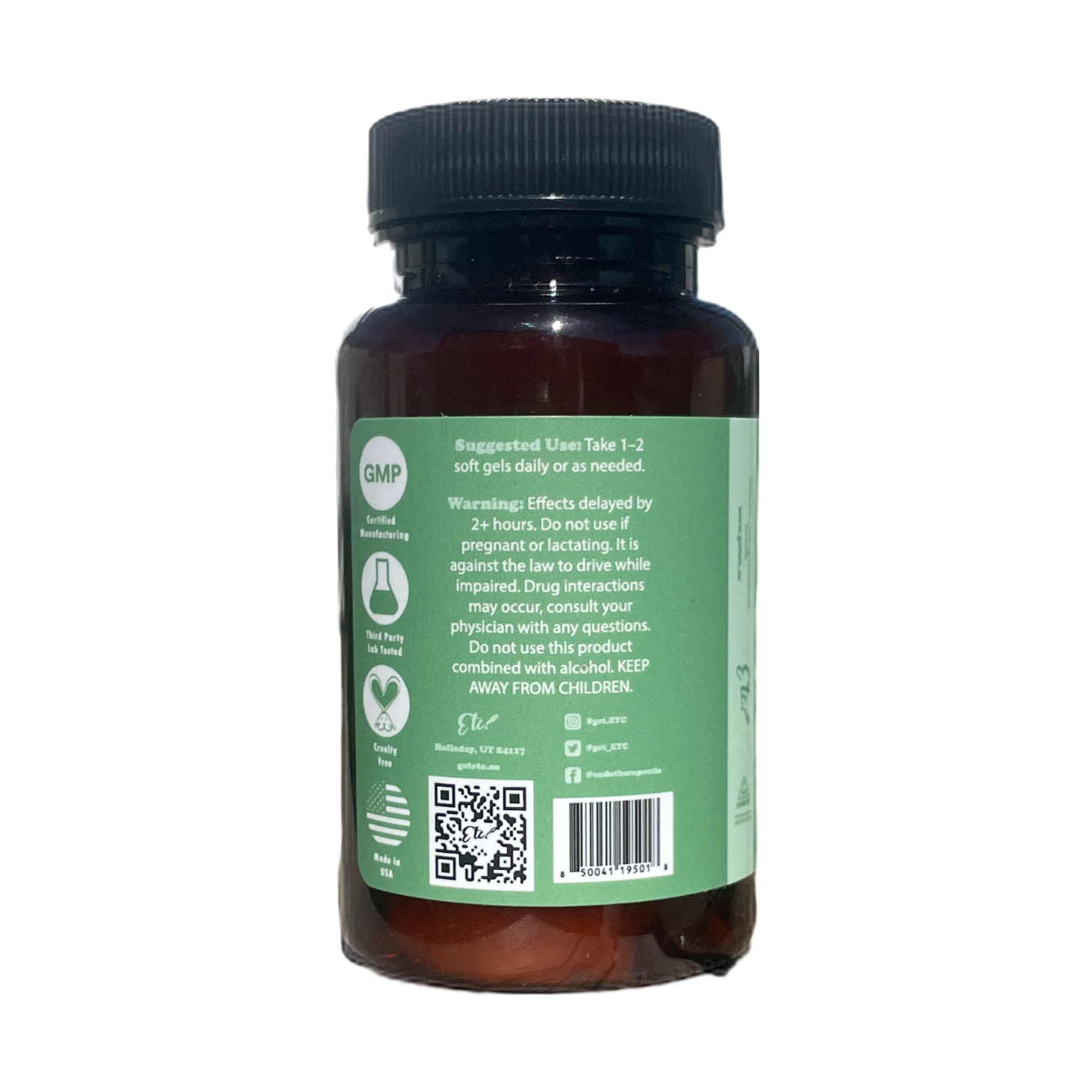
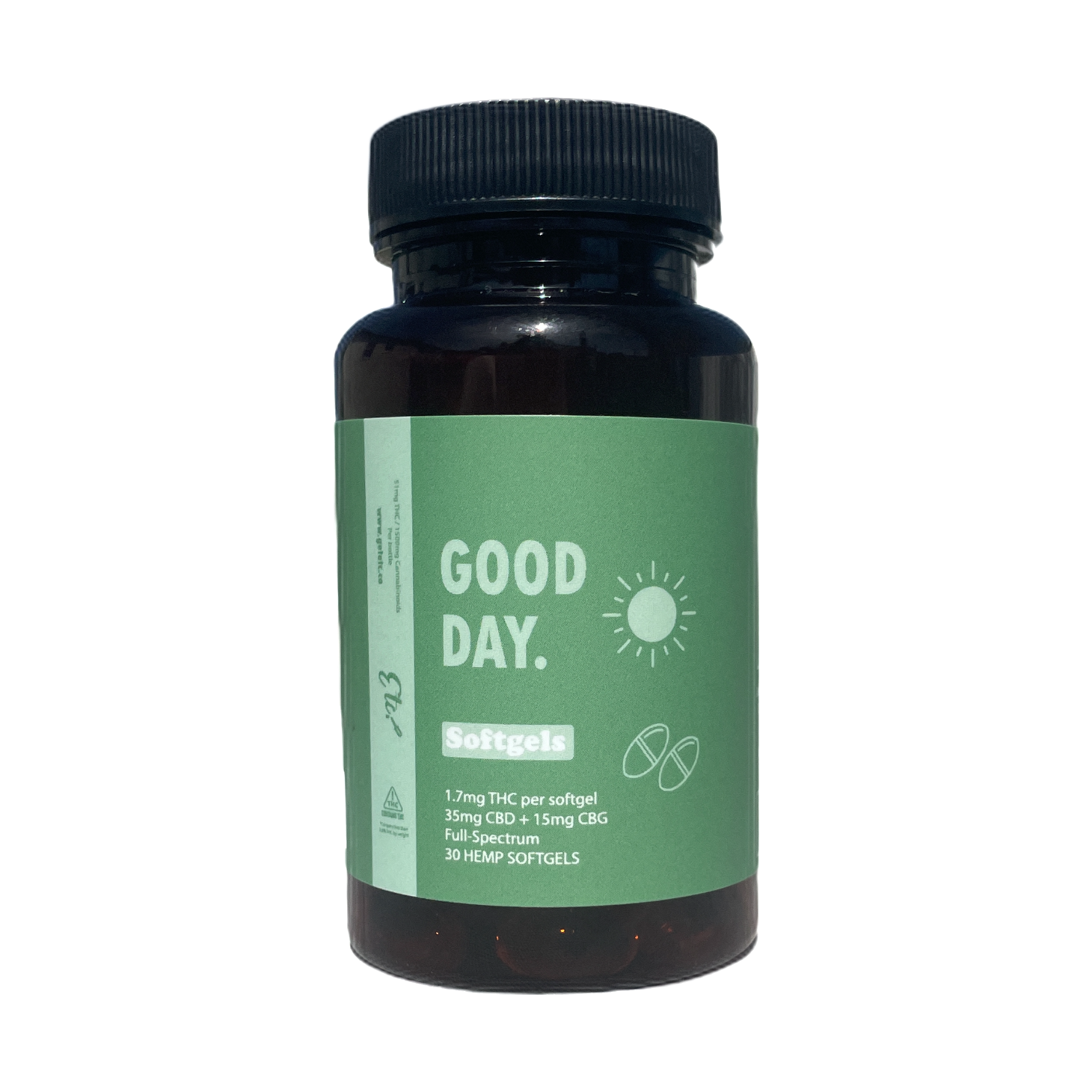
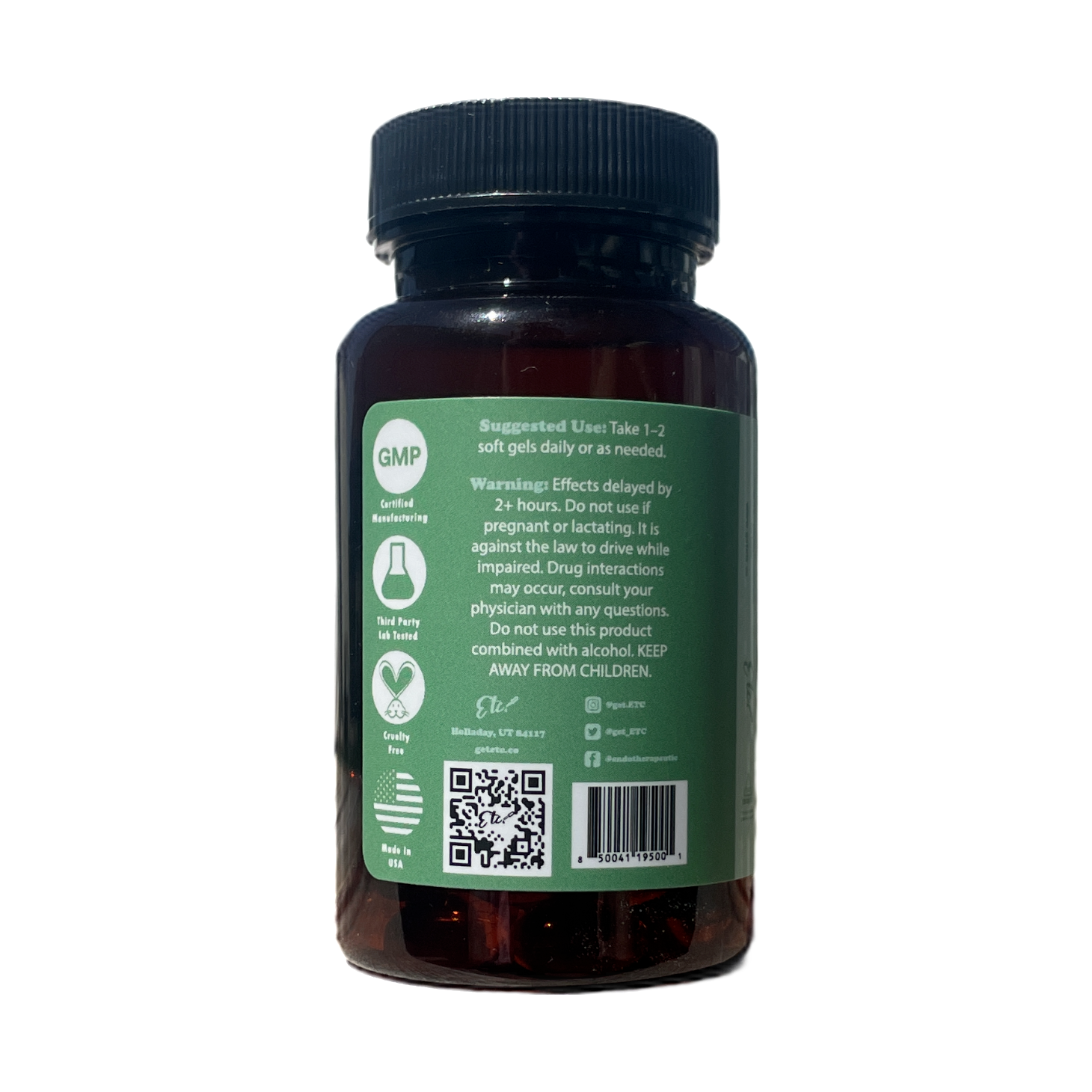
Mine is a softgel. Specifically, a Good Night softgel, taken about an hour before I want to actually feel settled.
That’s it. Not a ceremony. Not a whole sequence. I take it with a glass of water, usually in the kitchen, and that’s the moment my brain registers: okay, we’re heading somewhere quieter now.
A few things made this one stick where other cues hadn’t. First, it’s effortless enough that I actually do it every night. No prep. No cleanup. No forgetting it on the counter. Second, the softgel doesn’t taste like anything, which sounds minor but matters when you’re doing it seven nights a week. And third, it works well enough that my body has started anticipating what comes next. An hour later, I notice I’m slower. Not groggy. Just less revved.
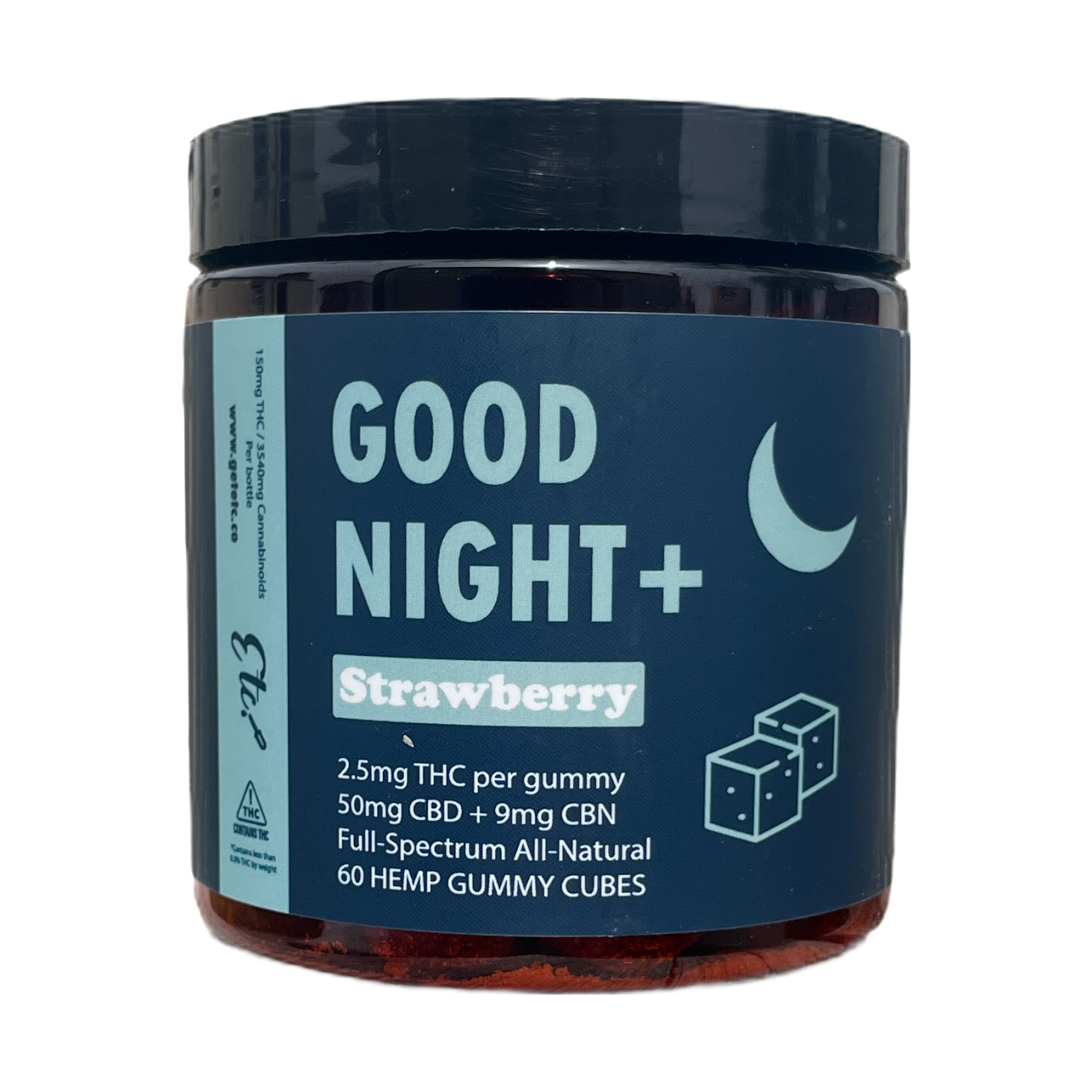
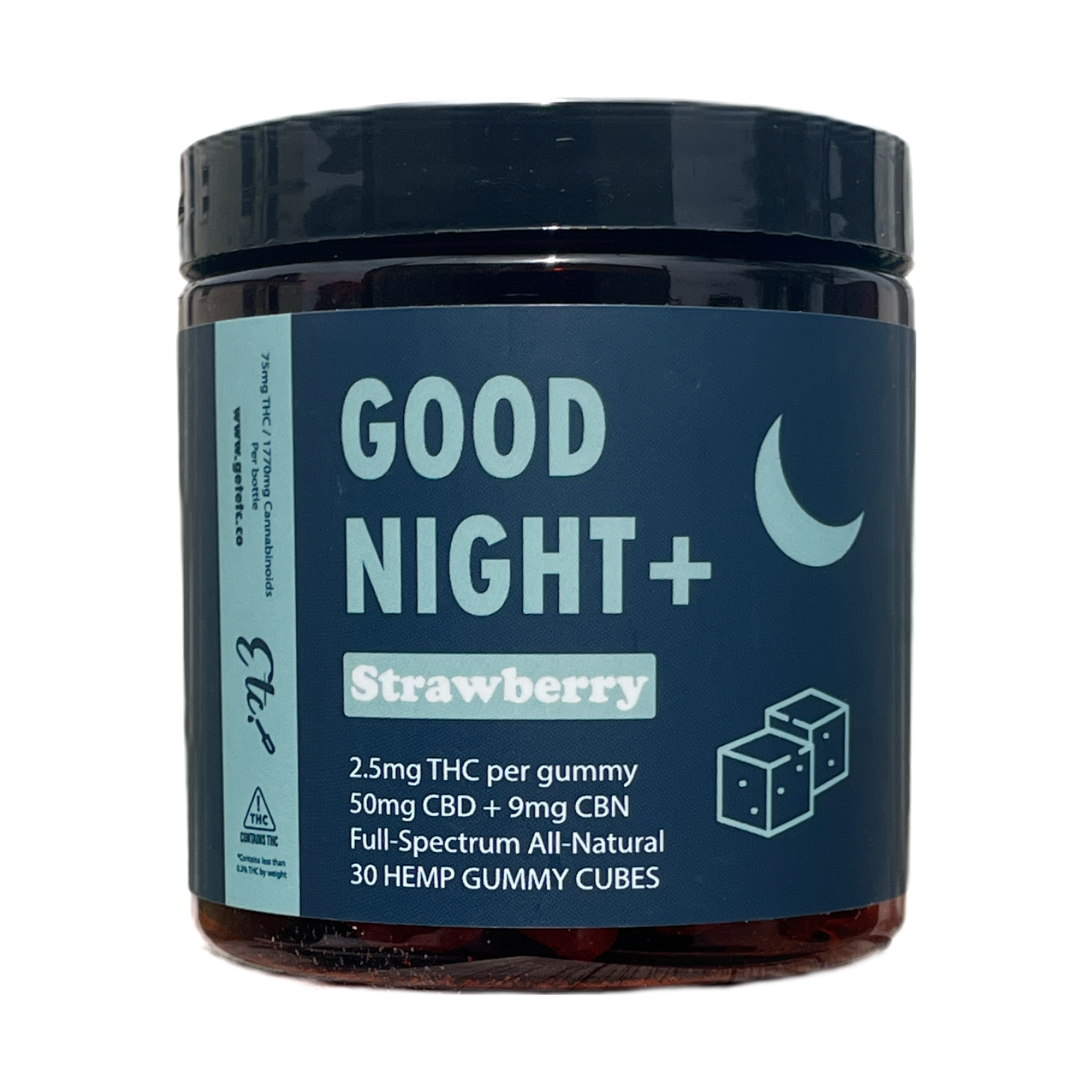
Good Night is formulated with boosted CBN, a cannabinoid associated with evening calm and drowsiness. The base is the same full-spectrum hemp formula in ETC’s other products, built to work with your body’s own endocannabinoid system. The CBN is what makes it feel right for nighttime specifically.
The Part Nobody Talks About: Cost as a Commitment Signal
Here’s something worth saying plainly: knowing what something costs per night helps you decide whether you’ll actually do it.
At roughly a dollar or two per dose depending on which count you go with, this is the kind of thing you can genuinely sustain. Not “I’ll try it for a month and reassess.” Actually sustain, for as long as it’s useful. That matters more than it sounds.
There’s a psychological flip that happens when you commit to something affordable. It stops being a trial and starts being a practice. You stop asking “is this worth it?” after every single night and start asking something more useful: “what do I notice after doing this consistently for a month?”
That’s when the real value shows up. Not in one night. In the accumulation.
What “Letting Go” Actually Looks Like
The phrase gets used so often it’s almost lost its meaning. But there’s a specific physical experience underneath it: the moment when you stop monitoring the day for things you forgot to do, and your thoughts stop firing in that quick, productive-but-relentless way.
Most people don’t create that moment. They wait for it to happen, and it either does or it doesn’t. What a consistent cue does is start to make that moment something you can move toward, instead of hoping it shows up on its own.
After a few weeks of the same cue, the same timing, the same predictable softness that follows, you start to feel something that’s harder to name but easier to recognize: a quiet confidence that this part of the day is handled. Not optimized. Handled. That’s a different thing, and it matters.
Starting Smaller Than You Think You Should
If you’ve tried evening routines before and they’ve dissolved by day four, that’s not a character flaw. It’s a design problem. You started with a whole system when all you needed was one cue.
Pick something consistent, something you’ll actually do on the nights you’re tired and behind and not feeling inspired. Something that takes less than 60 seconds. Let that be the anchor. Let the rest grow around it if it wants to.
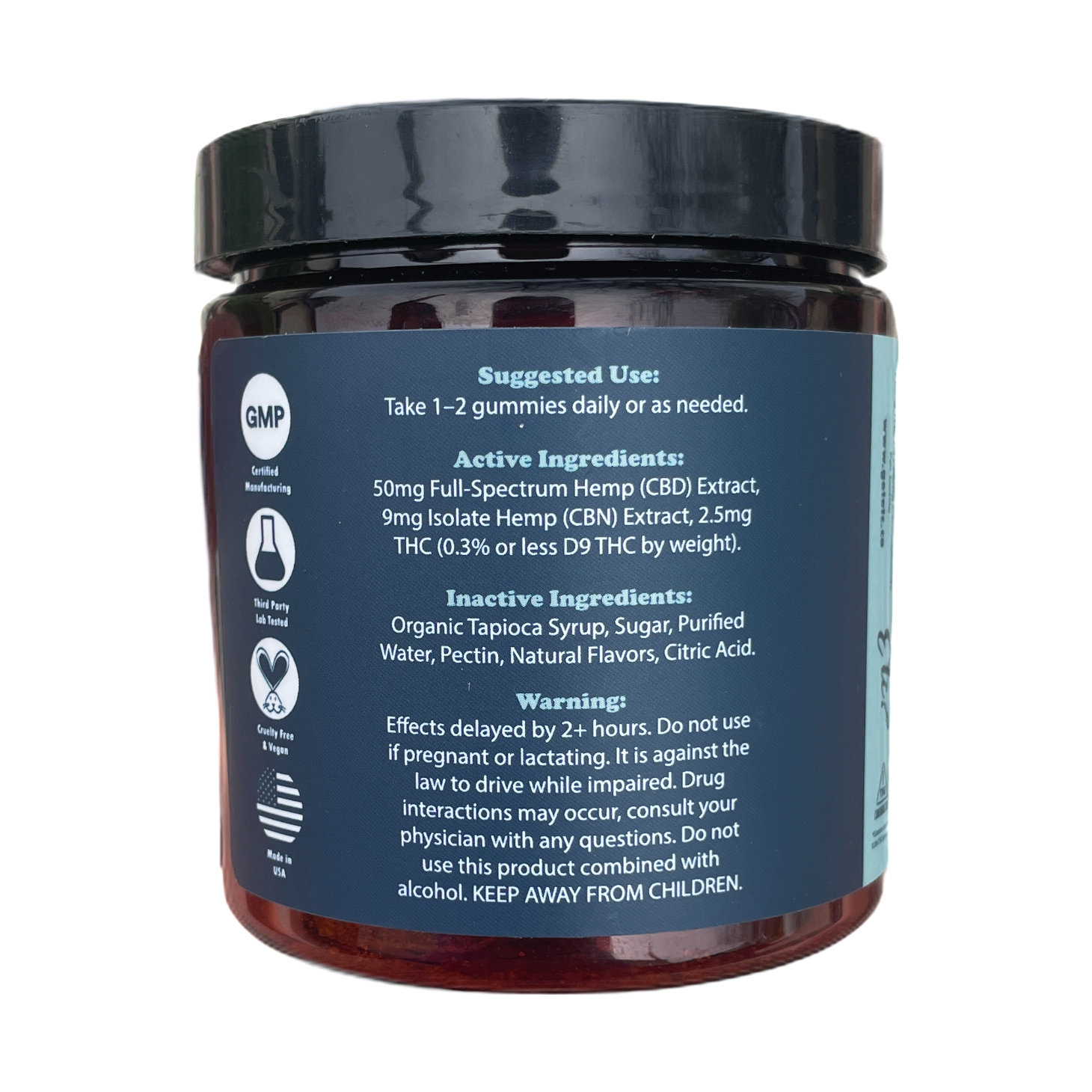
If you want to try Good Night as your cue, both softgels and gummies are available. The softgels are easier to make into a non-event, which is often exactly what you want.
The goal isn’t a beautiful evening routine. The goal is to actually stop carrying the day into the night. A small cue, repeated enough times, can do more of that work than any checklist ever did.
You’ve got enough things to manage. This one can be simple.
Disclaimer: These statements have not been evaluated by the Food and Drug Administration. This product is not intended to diagnose, treat, cure, or prevent any disease. Consult your healthcare provider before starting any new wellness regimen.
Photo by Octavio Fossatti on Unsplash