




What you discover on your own is hardest to doubt
Most of us have been talked into something we later regretted. A supplement with a compelling label. A routine that made sense on paper. A product endorsed by someone who seemed trustworthy, right up until they weren’t.
That experience leaves a residue. Not cynicism exactly, but a kind of low-grade vigilance. A voice that says: before you commit to this, find out for yourself.
That voice isn’t a problem to overcome. It’s actually one of the more useful things you’ve got.
The difference between believing and knowing
There’s a particular kind of confidence that comes from personal verification. It’s different from accepting someone else’s word for something, even if that person is credible. It’s different from reading reviews. It’s the kind of knowing that comes from looking at something yourself, understanding what you’re seeing, and making your own call.
In wellness especially, that experience is rare. Most of us operate on a combination of brand trust, social proof, and the quiet hope that what we’re taking is actually doing something. We rarely get to close the loop.
And when you don’t get to close the loop, you stay slightly uncertain. Which means you stay slightly on guard. Which means, even if something is genuinely working for you, a part of your attention is still managing the open question.
That’s not peace. That’s maintenance.
What closing the loop actually does
Consider what happens when you genuinely satisfy your own skepticism. Not because someone reassured you, but because you looked.
You read the lab results for yourself. You saw the actual cannabinoid breakdown. You confirmed the numbers matched what was on the label. You didn’t need anyone to summarize it; you formed your own read.
Something settles after that. Not with a bang, but quietly. The background monitoring quiets down. And in its place, you get something more useful: the ability to just use the thing and see what you feel.
That’s the underappreciated upside of transparency in wellness. It isn’t really about the data. It’s about what the data frees you to do. When you stop managing uncertainty, you start noticing outcomes. When you stop second-guessing the product, you start learning about yourself.
Every batch ETC makes gets third-party lab tested, and the certificates of analysis are posted publicly at reliefetc.com/pages/coa. No login, no request form, no “available upon request.” They’re just there. That’s not a feature to lead with, but it matters in the way that reliable foundations matter: you don’t think about them, and that’s exactly the point.
The thing that happens after you trust the input
Here’s what doesn’t get talked about enough: the ripple effect of actually trusting your wellness routine.
When you’re not mentally managing the question of whether what you’re taking is legitimate, you stop treating it like an experiment and start treating it like a practice. Consistency goes up, not because you’re more disciplined, but because uncertainty was the friction the whole time.
And consistency, as it turns out, is doing most of the work anyway. In ETC’s own eight-week observational study, participants reported steady week-over-week improvement across energy, mood, sleep, and overall wellbeing, averaging about 30% better overall by the end. Sleep was the first thing people noticed. Mood showed the largest total gain over time. What the data doesn’t capture, but anyone who’s run a consistent practice would recognize: the improvement wasn’t just in what they measured. It was in the felt sense of being someone who has their evenings under control. Who wakes up with less noise. Who shows up to the morning with a little more left in reserve.
That felt sense is the whole point. The numbers just reflect it.
Self-trust as a compounding return
There’s a reason the title of this piece is what it is. What you discover on your own is hardest to doubt. It applies to more than hemp products.
When you notice something for yourself, when you run the experiment carefully and observe the result and update your own model, you become more confident in your own perception. And that has a compounding quality to it. You start trusting your read on other things. You start making decisions with less second-guessing. You become, incrementally, someone who knows what works for them.
That’s not a small thing. For a lot of adults, especially those who have spent years deferring to experts or routines that weren’t really theirs, the experience of figuring something out personally and being right about it is quietly significant.
Wellness can be a context for that. It doesn’t have to be a passive experience where you just swallow something and hope. It can be a low-stakes place to practice trusting yourself.
Where to start if you’re still in the open-question phase
If you haven’t tried full-spectrum hemp and you’re carrying the usual mix of curiosity and skepticism, that combination is actually a good starting point. Skepticism means you’ll pay attention. Curiosity means you’ll give it a real chance.
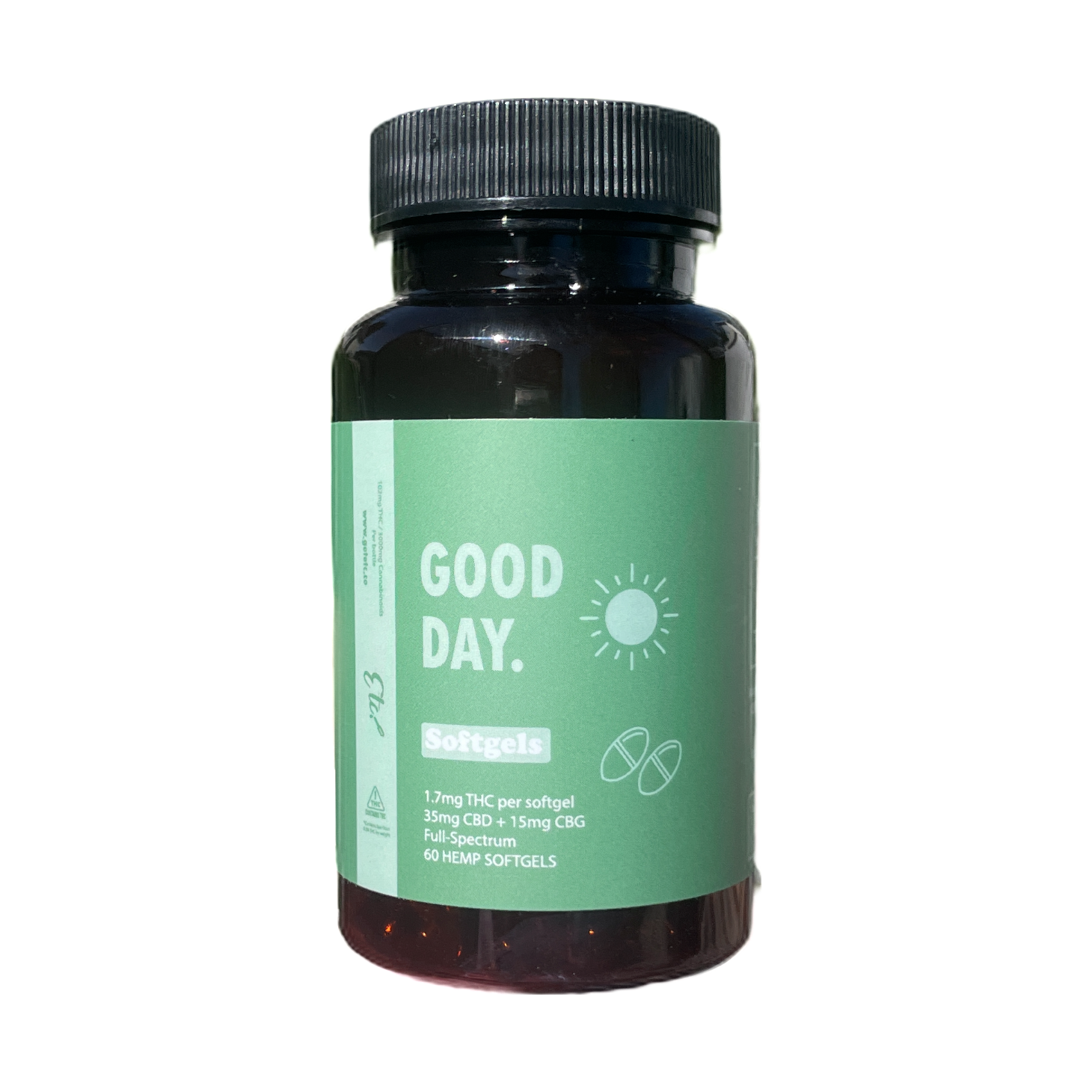
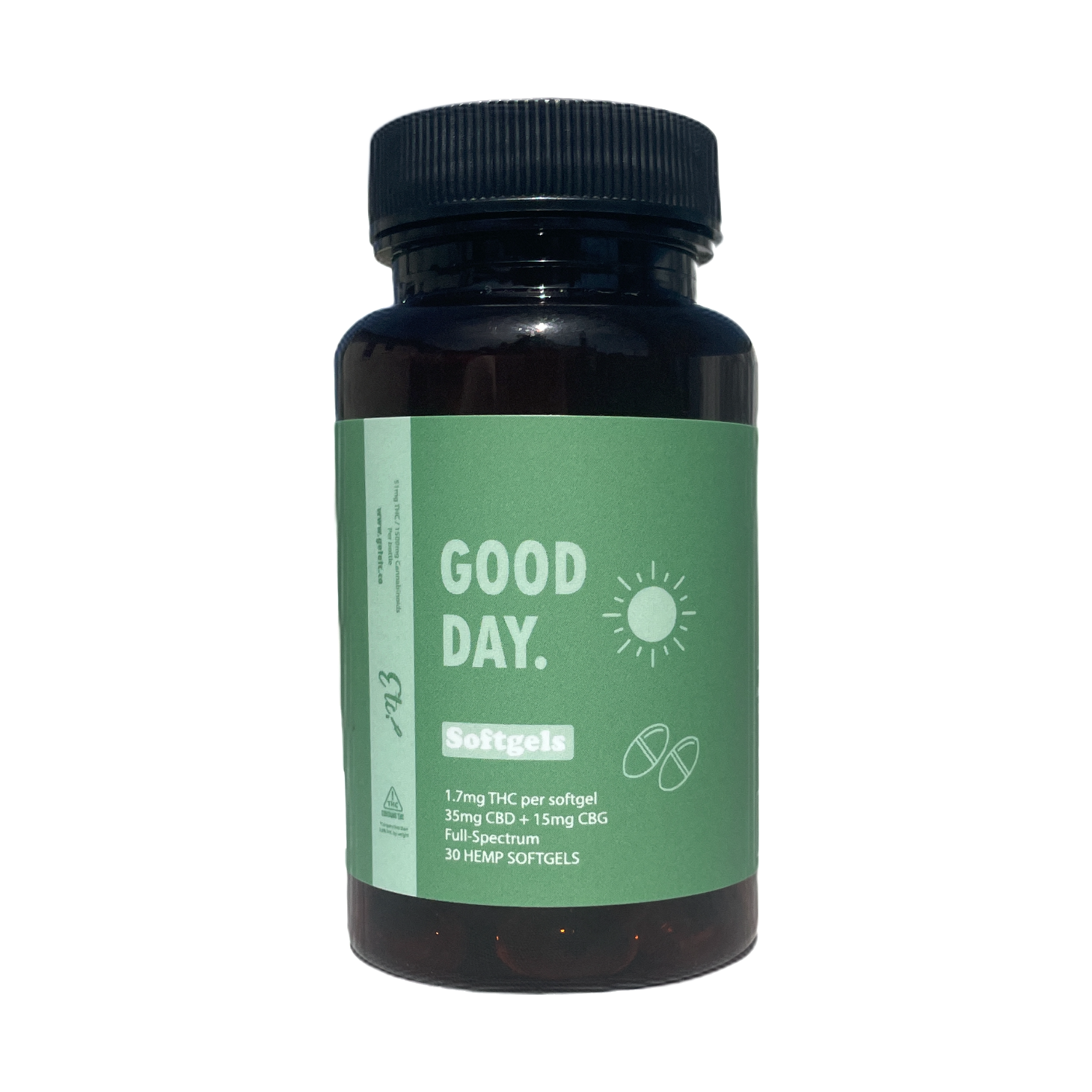
The Good Day line is a reasonable first move for anyone interested in daytime balance and focus. It’s a full-spectrum formula with boosted CBG, designed for the hours when you want to feel present and clear rather than dialed back.
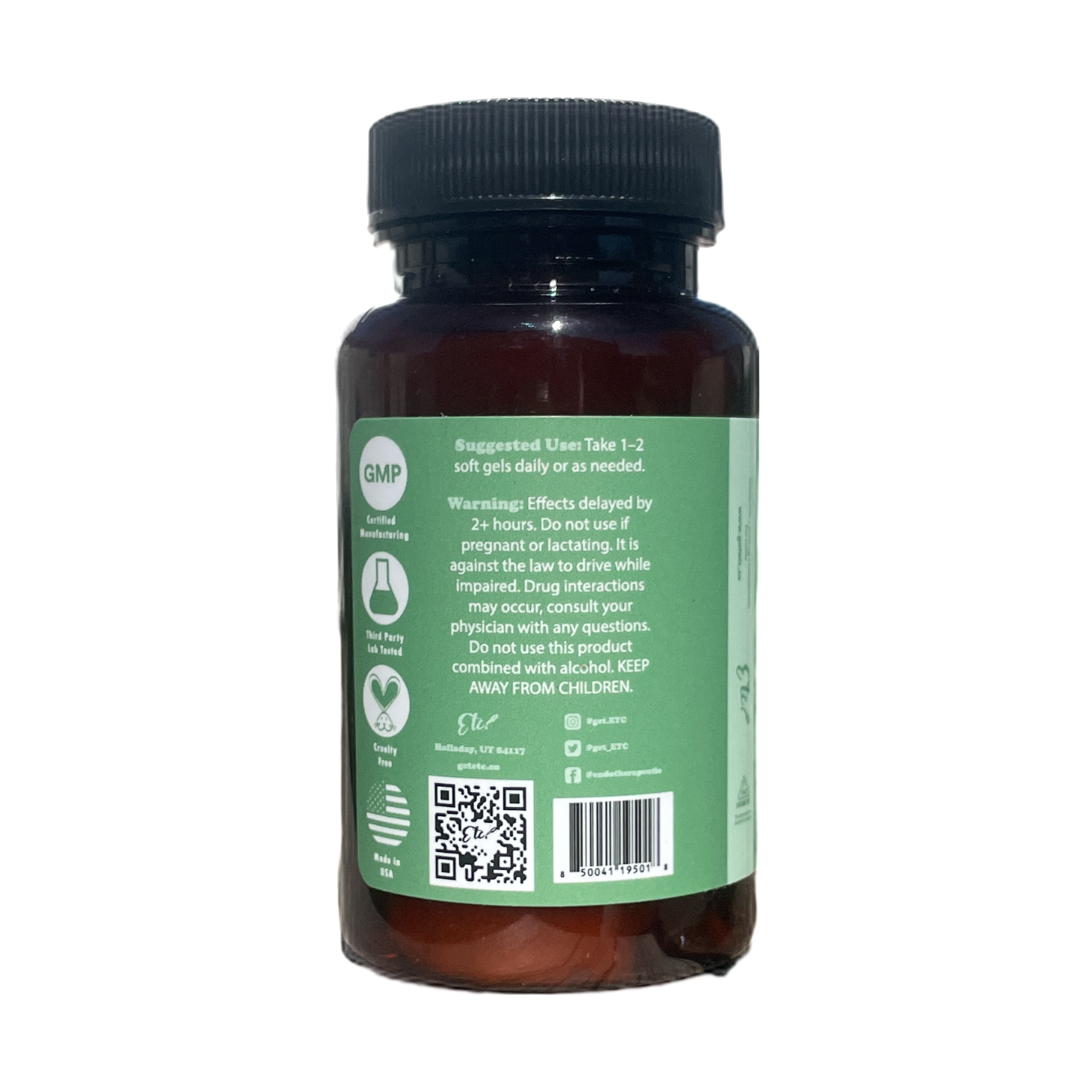
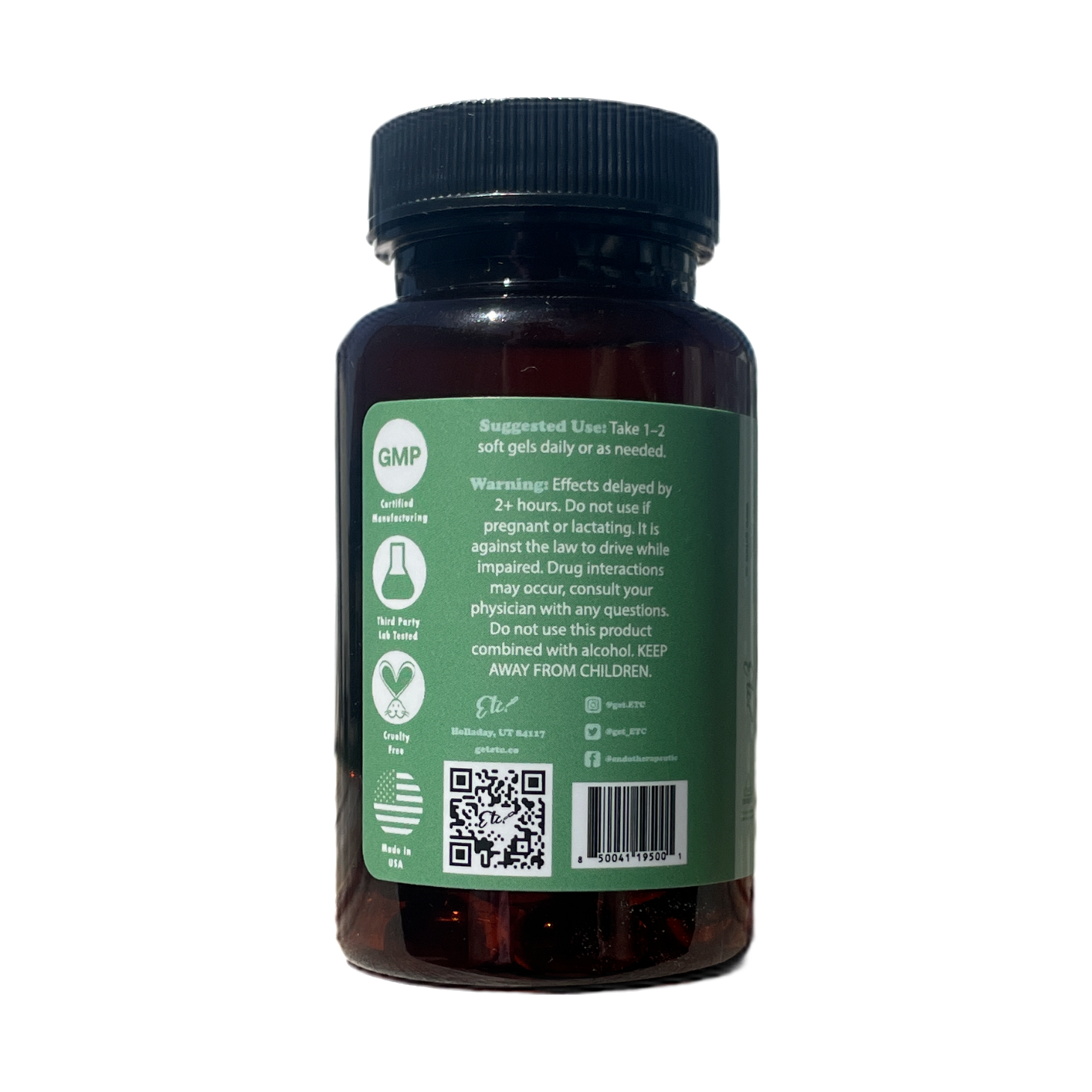
Don’t rush the experiment. Effects typically take 30 to 90 minutes to start and up to two hours for the full picture. First-week results are common, but some people find their signal builds over the first month. The study results above came from eight weeks of consistency, not a single dose.
Check the COA. Look at what’s actually in what you’re taking. Form your own opinion about whether you find the numbers credible. And then, having done that, let yourself actually notice how you feel.
What you find on your own will be harder to talk yourself out of. And that’s where real confidence lives.
Disclaimer: These statements have not been evaluated by the Food and Drug Administration. This product is not intended to diagnose, treat, cure, or prevent any disease. Consult your healthcare provider before starting any new wellness regimen.
Photo by Alex Shute on Unsplash