









What a calm evening gives the next morning
Most people think about their evening routine in terms of what they’re winding down from. The long day. The difficult meeting. The mental list that somehow got longer by 9 p.m. That’s a reasonable way to think about it.
But here’s the frame that actually changed things for a lot of people who use an intentional evening practice: your evening isn’t about the day behind you. It’s an investment in the morning ahead.
That shift sounds small. It isn’t.
The morning starts the night before
Think about what a genuinely good morning feels like. Not the ones where everything went perfectly, but the ones where you felt okay no matter what came up. Where you had a little more patience than usual. Where your first thought wasn’t dread.
Those mornings don’t happen by accident. They tend to follow evenings where you actually let yourself land.
The problem is that most of us spend our evenings still half-present in our days. We’re physically on the couch but mentally running through what we said in that meeting, or what we forgot to do, or what tomorrow is going to demand of us. We go through the motions of rest without actually resting. And then we’re surprised when the next morning doesn’t feel like a reset.
A real evening ritual isn’t about adding things to your night. It’s about creating a reliable signal to your mind and body that the day is done. That you can let go of it.
Why consistency matters more than intensity
Here’s something that surprised participants in ETC’s own 8-week observational study: sleep was the first thing people noticed improving. Not after weeks of optimization. Within the first week, people started reporting a shift in how they were sleeping. And then, steadily, other things followed: mood, energy, overall sense of wellbeing. By the end of eight weeks, participants reported an average 30% improvement in how they felt overall.
The study didn’t track one big dramatic intervention. It tracked consistency. People who kept a steady routine, same dose, same timing, week over week, were the ones seeing those cumulative gains. That’s not a coincidence.
This is what a sustainable wellness commitment actually looks like in practice. It’s not a heroic overhaul. It’s the quiet, boring, remarkably effective act of showing up for yourself at the end of each day, on purpose, without skipping it.
What an evening practice actually involves
There’s no perfect formula here, because people are different and evenings are different. But the practices that tend to stick share a few things in common.
They’re low-effort enough to do when you’re tired. They’re consistent enough to become automatic. And they give your body a concrete cue that the transition from “on” to “off” is actually happening.
For a lot of people, that looks something like: a set time when screens get put down, a brief physical wind-down (a short walk, some light stretching, a warm shower), and something deliberate they take to support that transition. The deliberateness matters. It’s the act of choosing your evening, not just falling into it.
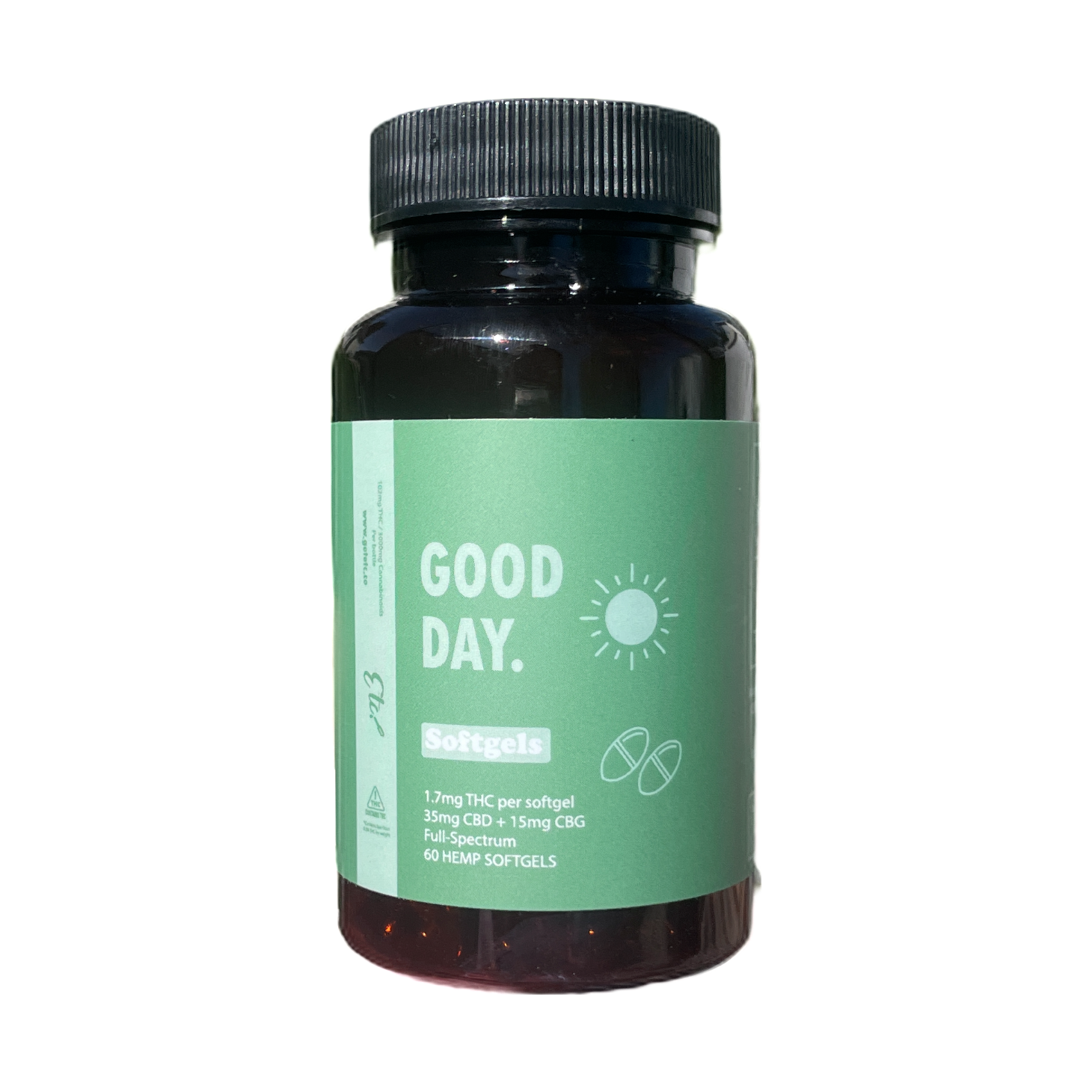
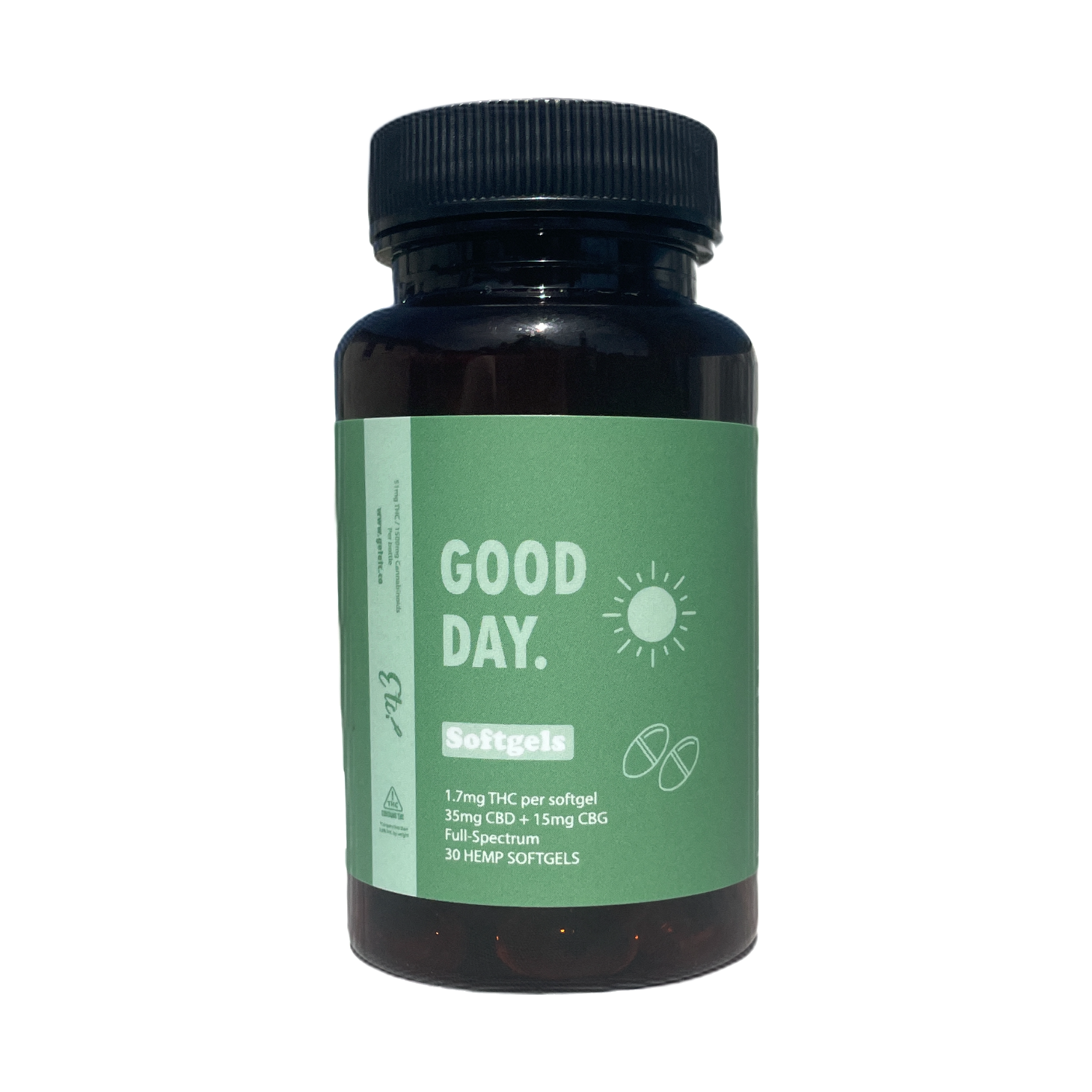
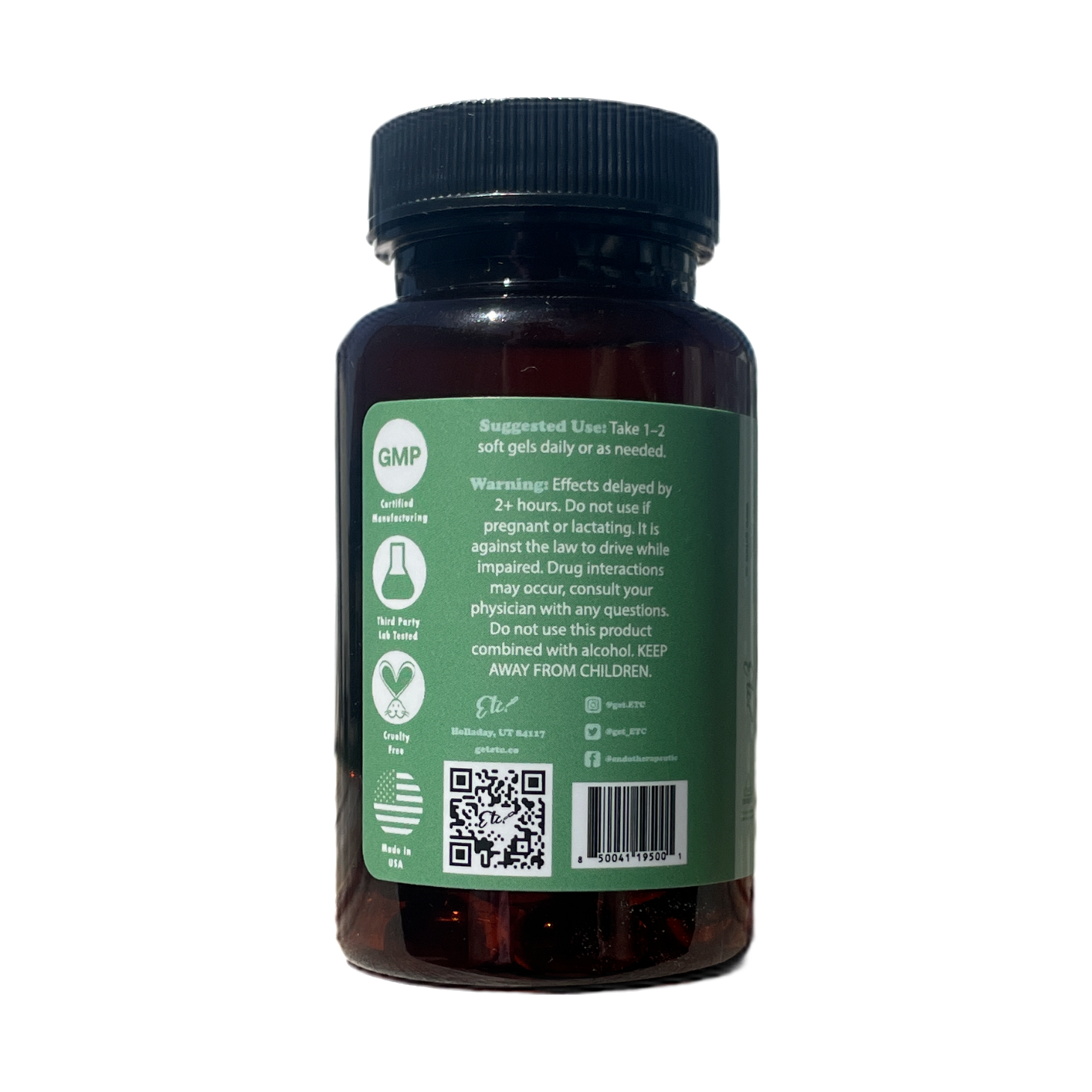
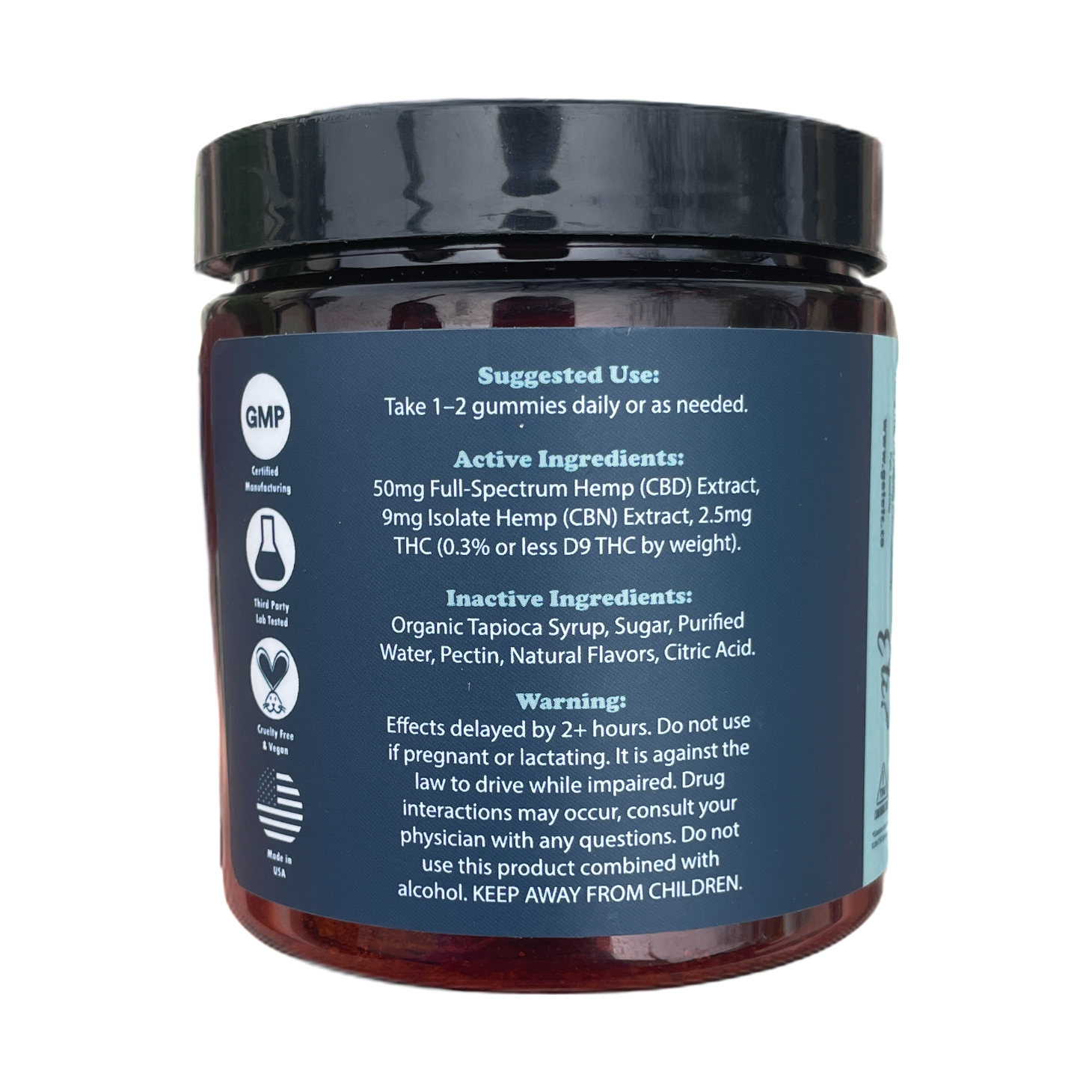
Good Night softgels or gummies fit naturally into this kind of ritual, not as a crutch, but as a consistent, affordable part of a practice you actually keep. Good Night has a boosted CBN profile specifically for evening support. At a few dollars a dose, it’s one of the lower-cost commitments in any wellness routine, and it’s the kind of thing you can maintain without doing math every month.
That’s the value piece that often gets overlooked. Fancy sleep systems, white noise machines, blackout curtains, all of those things can help. But the ones that actually compound are the ones you do every single night. Consistency doesn’t have to be expensive to be powerful.
The compounding effect no one talks about
When you have a genuinely calm evening three nights in a row, something subtle starts to shift. You start going to bed less wired. You wake up with a little more margin. That margin doesn’t solve hard days, but it changes how you meet them.
This is the inner peace conversation that usually gets reduced to “stress less,” which is not helpful advice. Real inner peace isn’t the absence of difficulty. It’s the sense that you have enough in reserve to handle it. That you’re not already running on empty before the day even starts.
A good morning gives you that margin. And a good morning starts with what you chose to do the night before.
The people who’ve built this kind of routine tend to describe it the same way: it became their time. Not time to optimize or achieve anything, just reliable space that belongs to them at the end of the day. That’s not a small thing. In lives that are full and demanding, carving out something that’s genuinely yours is an act of self-respect as much as self-care.
Starting without overthinking it
If you don’t have an evening ritual yet, or yours has gotten inconsistent, the bar for starting is lower than you think.
Pick a time. Do something quiet. Take your Good Night. Go to bed within the same window each night. That’s it, at least for the first two weeks. You’re not building a perfect system, you’re building a habit. The habit is the point.
If you want to see what options fit your routine, the Good Night softgels are a good starting place, especially if you prefer something tasteless and easy. Same formula as the gummies, zero flavor, and about as low-friction as a nightly commitment gets.
What you’re investing in isn’t just better sleep, though that tends to follow. You’re investing in the version of yourself who shows up tomorrow a little more present, a little more patient, a little more ready.
That version is worth the ten minutes it takes to build the habit.
Disclaimer: These statements have not been evaluated by the Food and Drug Administration. This product is not intended to diagnose, treat, cure, or prevent any disease. Consult your healthcare provider before starting any new wellness regimen.