


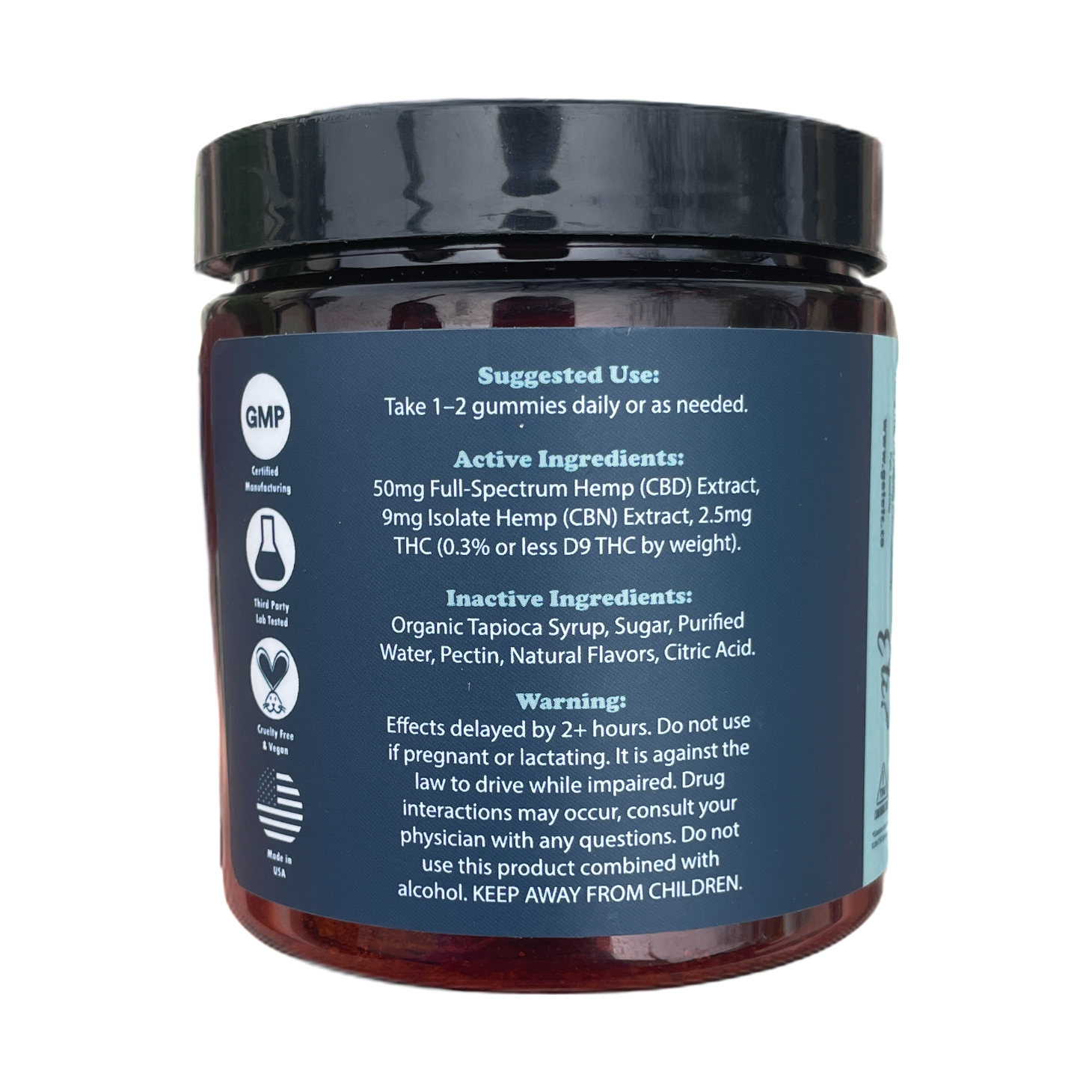


Third party testing means you're not just taking our word for it
Most people, when they’re trying something new for their wellness, do a version of the same thing: they read the label, feel vaguely reassured, and hope for the best.
That’s not a knock. That’s rational behavior when you have limited information and limited time. The label says what it says. The company seems fine. You move on.
But here’s the thing nobody talks about: the person who decides to want more than “seems fine” doesn’t just end up with a better product. They end up with something harder to put a price on. They end up in charge.
The gap between “we say” and “it’s verified”
Every supplement company in America can print whatever they want on a label. There’s no federal pre-market approval for dietary supplements. No one checks before the product ships. The system puts the burden of proof on you, the consumer, after the fact.
This isn’t a conspiracy. It’s just how it works. And for most people, most of the time, it’s fine enough.
But “fine enough” has a cost. It’s a small, persistent tax on your confidence. You took something, you’re not sure what was in it, and you either noticed something or you didn’t. You try again. You wonder. That uncertainty compounds quietly over months and years into something that looks like skepticism but feels more like resignation.
The person who’s done with that cycle isn’t cynical. They’re just done outsourcing their confidence.
What verified actually feels like
There’s a version of wellness that feels like crossing your fingers. And there’s a version that feels like you did your homework and you know what you’re doing.
Third-party testing is a small thing on the surface. An independent lab runs your product through analysis. The results get published publicly. You can look. Anyone can look. The numbers are either there or they’re not.
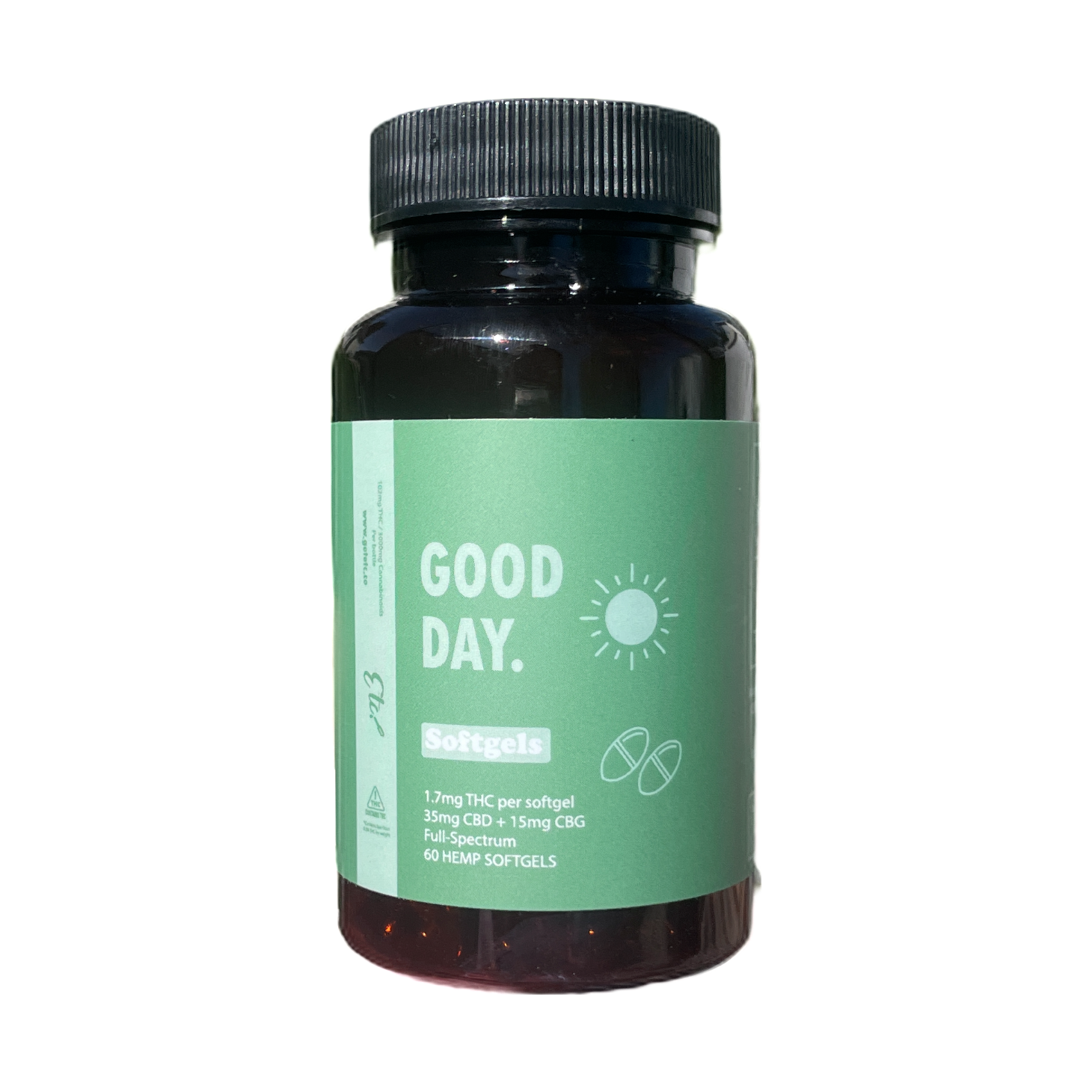
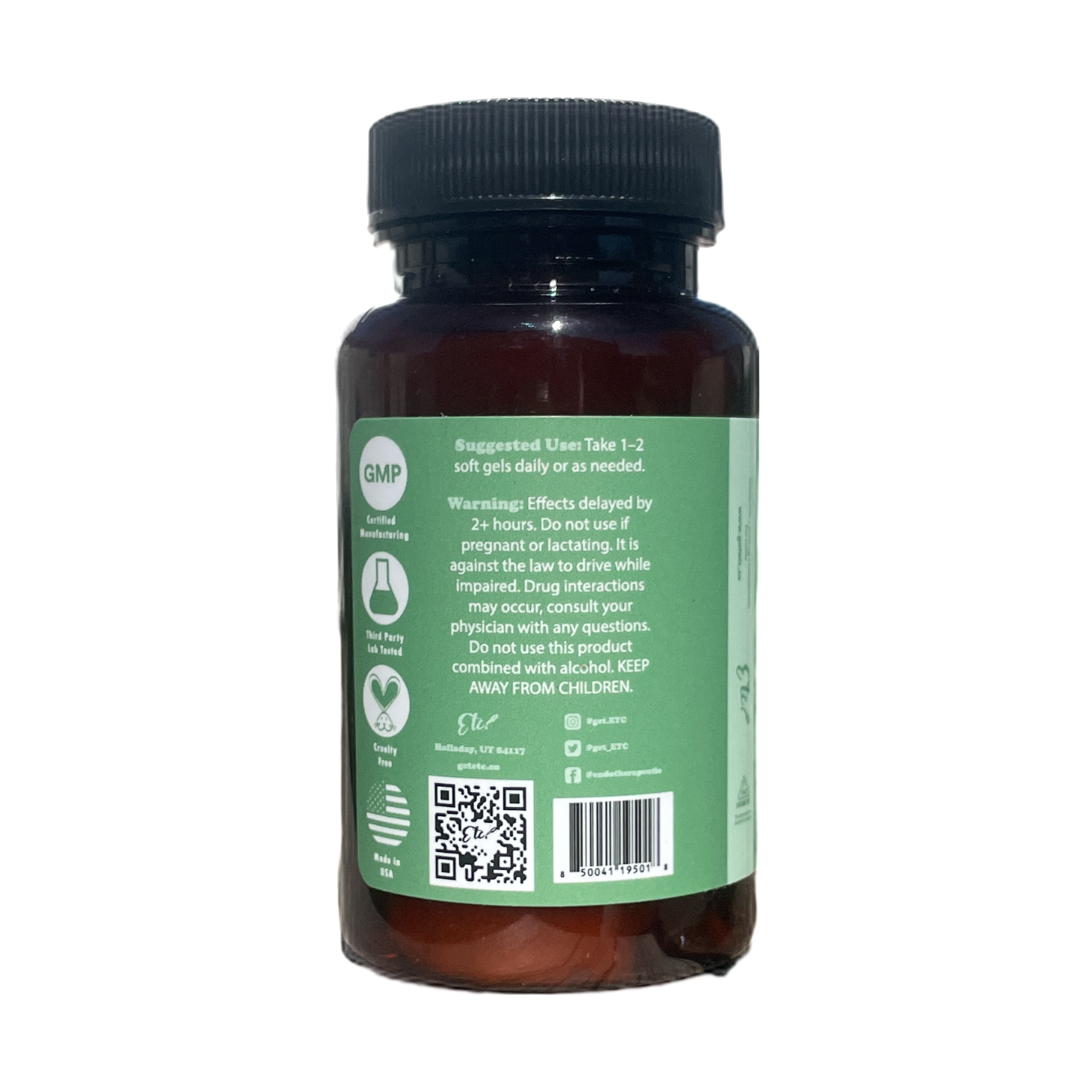
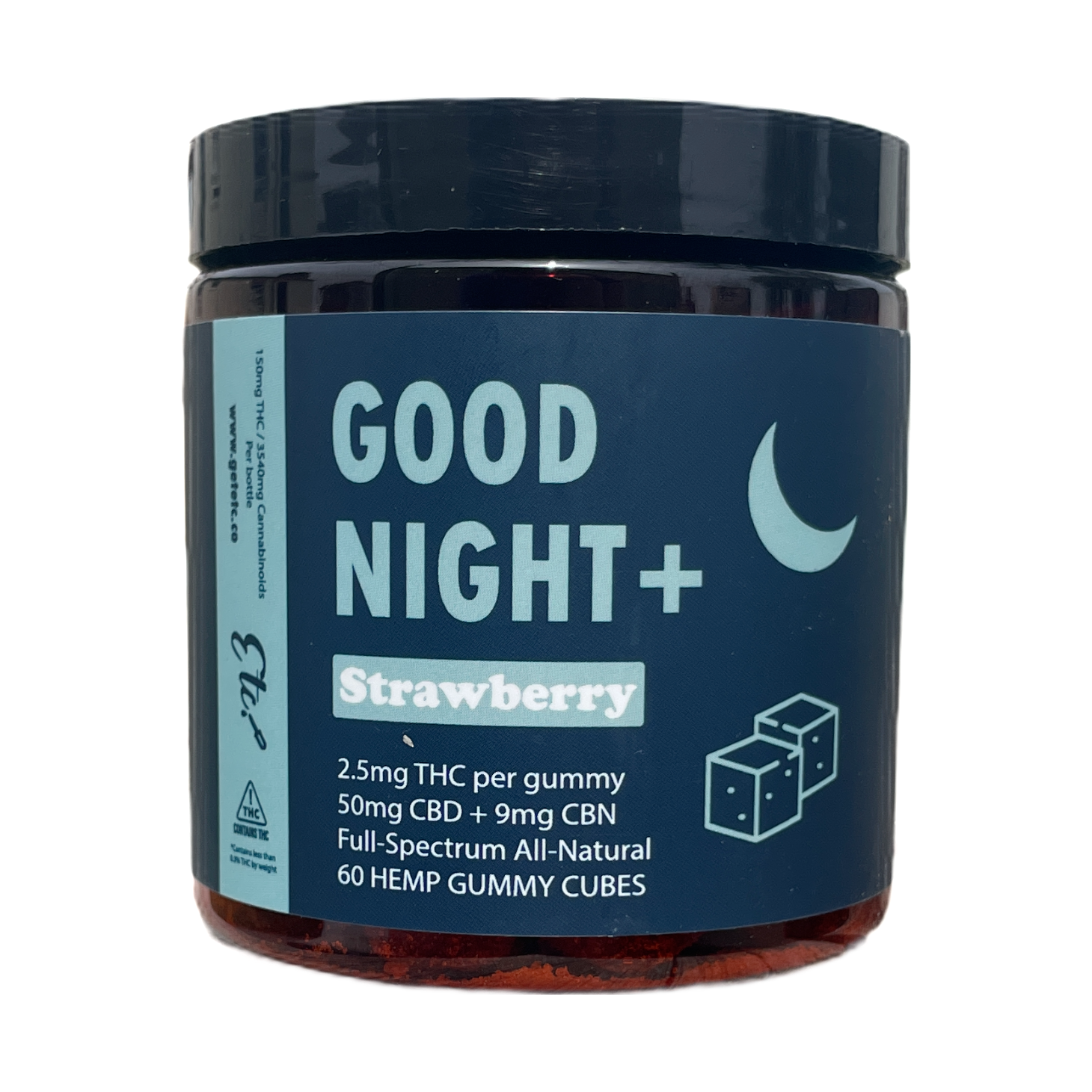
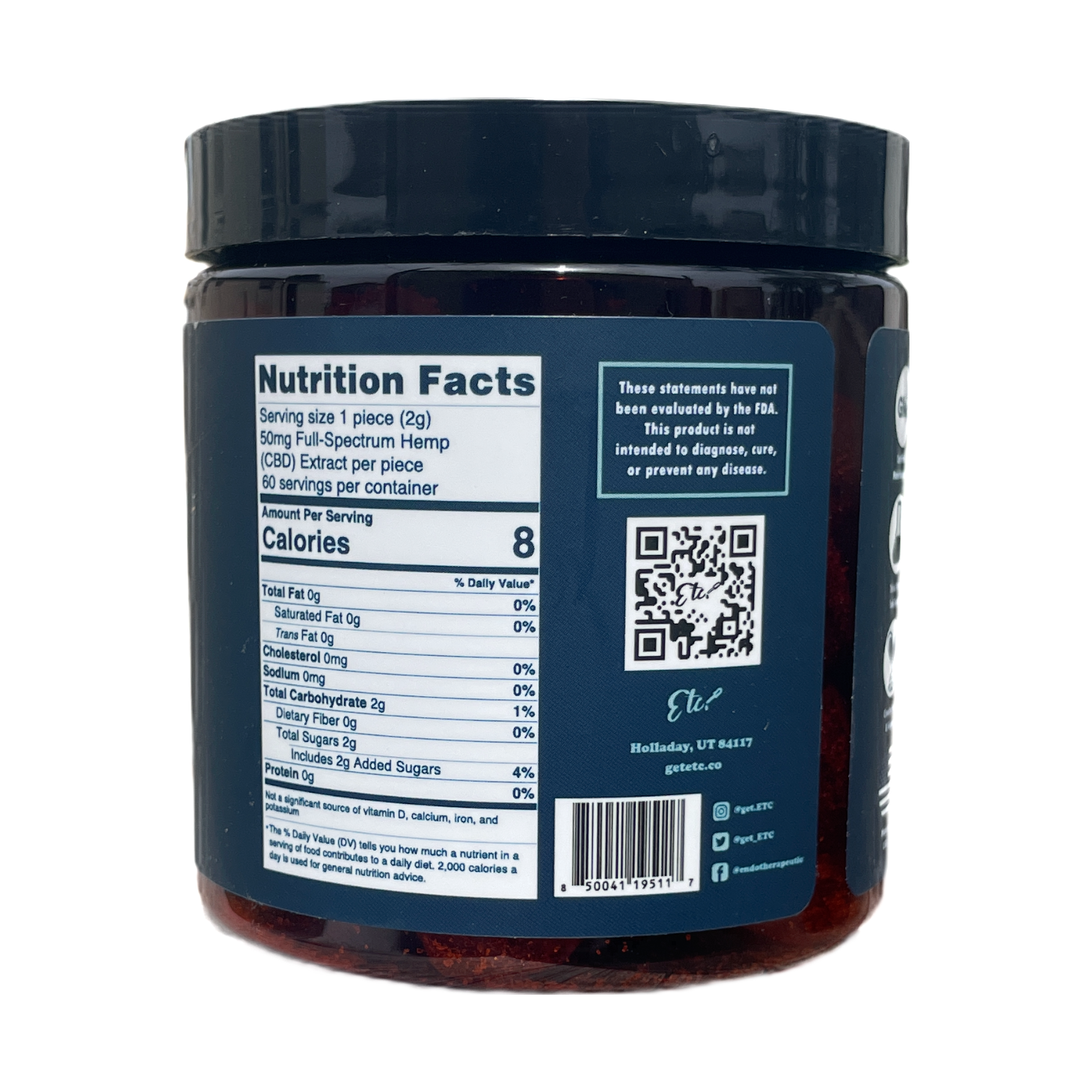
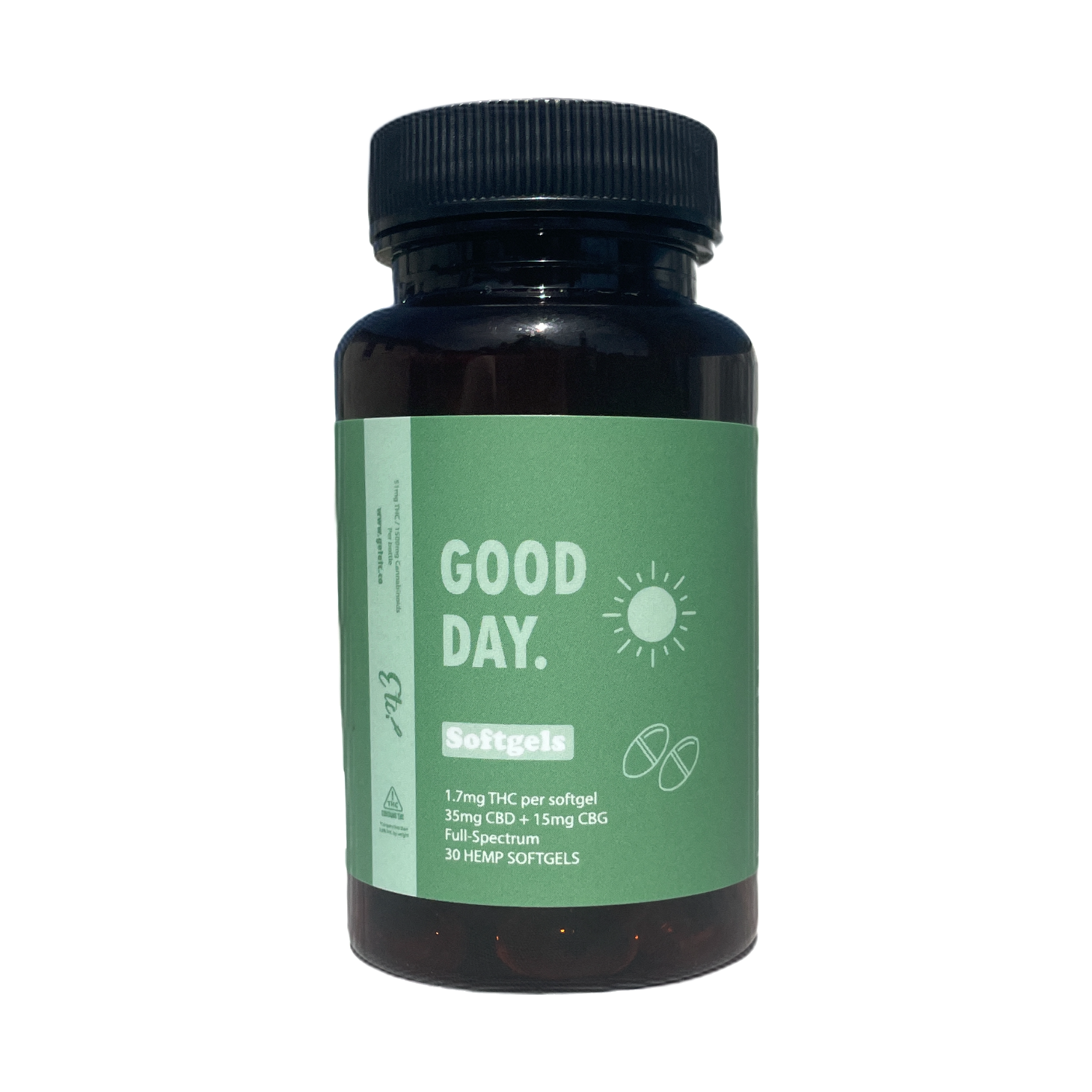
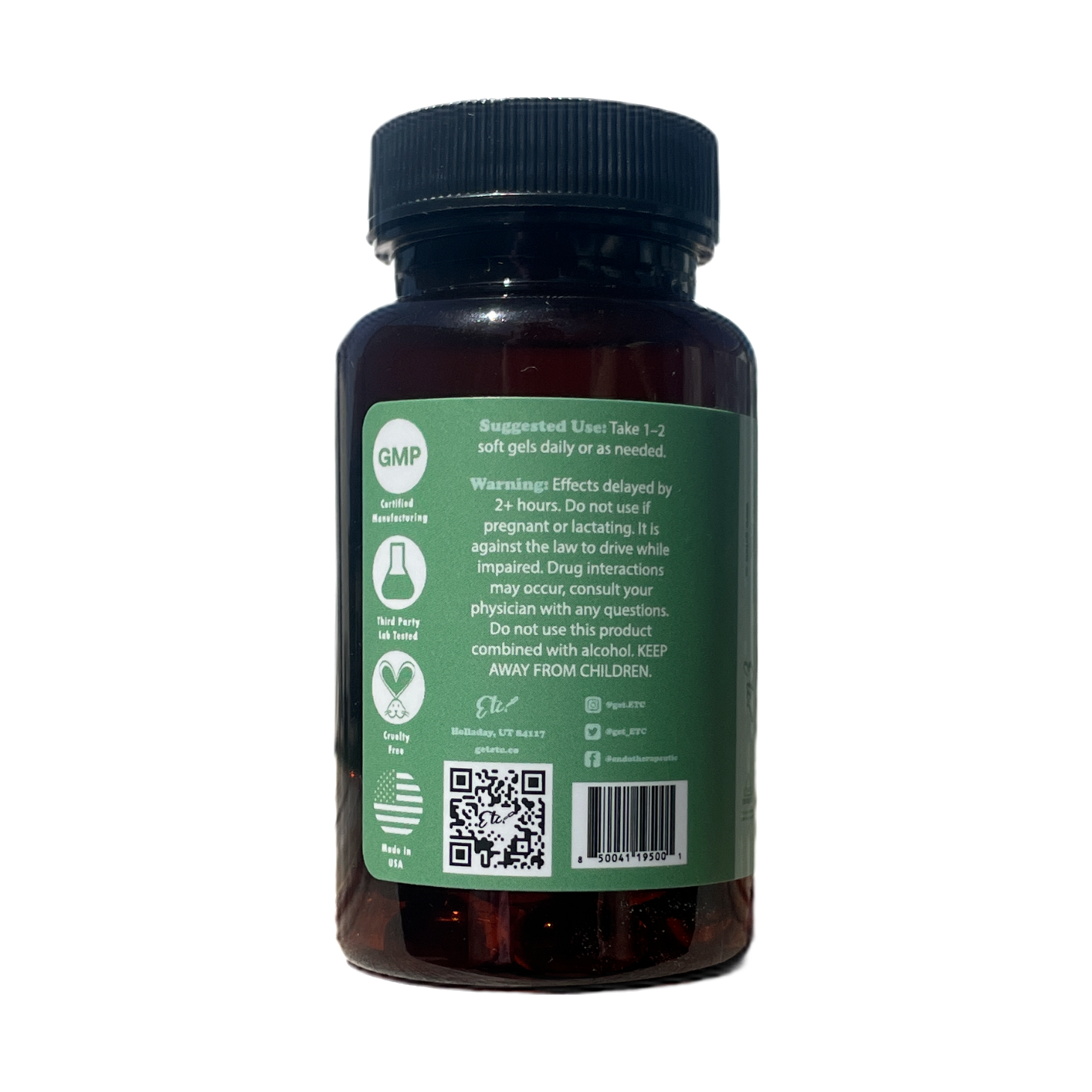
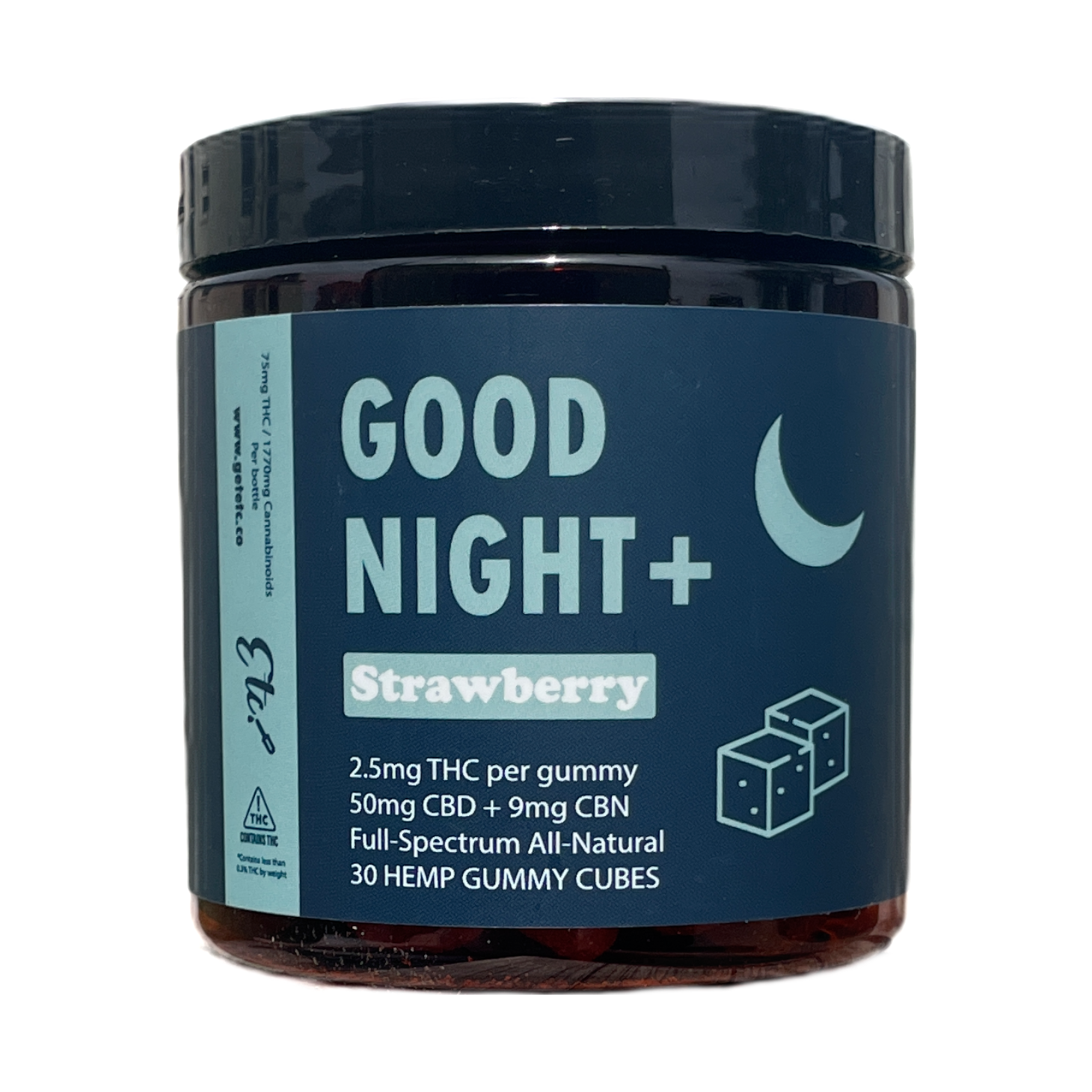
At ETC, every batch goes through this process, and the results live at reliefetc.com/pages/coa so you can check them yourself. That’s the fact, and it takes about ten seconds to say.
But the feeling that comes from knowing you checked? That’s something else.
It’s the feeling of not having to wonder. Of having an answer when someone asks what you’re taking. Of building a routine around something real instead of something probable. That feeling doesn’t announce itself. It just quietly removes a layer of low-grade doubt you didn’t realize was there.
The reader of labels wins
Here’s a reframe worth sitting with: the person who reads the label, asks for verification, and chooses based on evidence isn’t being fussy. They’re ahead of the curve.
The wellness industry has spent decades teaching people to respond to claims. “Natural.” “Pure.” “Doctor-recommended.” Most of those words mean nothing without documentation, but they trigger enough of a feeling to move product. That’s the game, and it’s been working.
The person who sees through that game, who asks “where’s the proof?”, who finds the COA and actually opens the PDF, is not being difficult. They are being the person the rest of the industry hopes you won’t become, because once you are that person, vague assurances stop landing.
That’s empowerment, and it’s not complicated. It’s just deciding that your wellness deserves the same scrutiny you’d apply to anything else that matters.
What you’re actually looking for
A certificate of analysis from a third-party lab confirms a few key things: what cannabinoids are present and at what levels, whether THC is within the federal limit (under 0.3% for legal hemp), and whether the product passed screening for contaminants. These aren’t exotic requirements. They’re the baseline.
In Utah, third-party testing is required by law. In most states, it’s still optional. That gap is worth knowing about, especially if you travel or shop across state lines.
When ETC publishes COAs, it’s not theater. It’s the actual answer to “how do I know what’s in this.” Which is, frankly, the only question that matters before anything else.
The part that’s hard to measure
There’s a downstream effect to this kind of verification that shows up in your daily life, not in lab results.
When you trust what you’re taking, you take it consistently. When you take it consistently, you start to notice what’s actually changing. When you notice what’s changing, you start to understand your own responses in a way no one else can hand you. You become the expert on you.
That’s where the real payoff lives. Not in the test itself, but in what the test makes possible. It makes possible a real routine, with a real product, that you can actually evaluate over time. The alternative is a rotating door of maybe-it-worked products that you cycle through every few months because you never built enough certainty to stay.
Our own 8-week study showed average participant improvement of around 30% in overall wellbeing, with steady gains week over week rather than a spike and a plateau. Consistency was the engine of that result. And consistency requires confidence.
A quiet kind of power
There’s a version of this that sounds like homework, and there’s a version that sounds like liberation.
Taking charge of what goes into your body, knowing how to read the documentation, choosing something you can verify rather than something you can only hope works, that’s not a burden. That’s you running the show.
The inner quiet that comes from a steady, trusted wellness routine is harder to market than a new formula or a catchy label. It doesn’t spike. It accumulates. And it starts the moment you stop taking someone’s word for it and go find out for yourself.
If you’re ready to start there, explore ETC’s full lineup alongside the COA for every product. The documentation is public. The choice is yours.
Disclaimer: These statements have not been evaluated by the Food and Drug Administration. This product is not intended to diagnose, treat, cure, or prevent any disease. Consult your healthcare provider before starting any new wellness regimen.