






How to Know When Your Body Is Actually Ready to Rest
Most people don’t wind down. They just run out of steam.
There’s a difference, and your body knows it. One feels like permission. The other feels like defeat. If you’ve ever dragged yourself to bed exhausted and still laid there for forty minutes staring at the ceiling, you already understand the gap between being tired and being ready.
Here’s the counterintuitive part: learning to recognize your body’s actual readiness signal is a skill, not a personality trait. And like most skills, it gets sharper the more you practice it.
The Myth of “Tired Enough”
We tend to operate on the assumption that if we stay up long enough, rest will eventually arrive. Push through the evening, finish the tasks, scroll until the eyes blur, then fall into bed and hope for the best.
But that’s not rest. That’s collapse with extra steps.
Your nervous system doesn’t have an on/off switch. It has a spectrum. And somewhere on that spectrum, well before the point of total exhaustion, is a window where your body is genuinely signaling that it’s ready to shift gears. Most of us blow right past that window because we’re busy, distracted, or just not paying attention.
The body’s wind-down signal is quieter than its alarm bells. It doesn’t shout. A slight drop in energy that feels different from midday fatigue. Eyes that lose their sharpness without strain. A subtle ease in the shoulders. Thoughts that start moving a little more slowly, a little less urgently. These are the signs. They’re easy to miss if you haven’t trained yourself to look for them.
Why the Evening Transition Matters More Than the Morning One
There’s no shortage of morning routines. Every wellness conversation seems to circle back to what you do when you wake up. But what you do in the two hours before bed quietly determines the quality of everything that follows.
The shift from active to rested isn’t just physical. It’s neurological. Your nervous system needs time to move from a state of vigilance into one of ease. When you shortcut that process, you don’t just sleep worse. You wake up less restored. You bring yesterday’s tension into tomorrow’s decisions. Over time, you borrow from your own reserves and wonder why you feel like you’re running a deficit.
An evening wind-down practice isn’t a luxury. It’s the bridge between who you were today and who you’re able to be tomorrow.
Building the Bridge
The most effective wind-down practices share one thing in common: they’re consistent enough to become a cue. Your body learns from repetition. When you do the same sequence of low-stimulation activities at the same time each evening, your nervous system starts to anticipate the shift before you even finish the ritual. That anticipation is the signal you’re training for.
A few things that actually work, and aren’t complicated:
The 90-minute rule. Not a hard cutoff, but a useful prompt. About 90 minutes before you want to be asleep, start reducing stimulation. Dimmer lights, quieter sounds, fewer decisions. Not because the research demands it, but because your body responds to environmental cues that say “we’re changing modes now.”
The end-of-day inventory. Not journaling, necessarily. Just a brief, honest accounting: what actually happened today, what’s sitting unresolved, what can wait until tomorrow. The goal isn’t to solve anything. It’s to give your mind permission to put things down for the night.
Something tactile and slow. A warm drink. A stretch. A few minutes outside. Something that asks your body to be present instead of productive. The physical cue matters more than the specific activity.
A consistent trigger. This is where a simple, sustainable wellness addition can genuinely help. Something you take at the same time each evening becomes part of the cue. It signals transition. Over weeks, that consistency compounds.
Consistency Over Intensity
Here’s what the research on habits, and ETC’s own 8-week participant study, both point toward: consistency matters more than any single effort. In that study, participants reported steady week-over-week improvements across sleep, mood, energy, and overall wellbeing, with sleep being the first thing most people noticed. Not because of a dramatic intervention, but because of something they did the same way, every evening, without drama.
That’s the unsexy truth about sustainable self-care. The results don’t come from the days you try hardest. They come from the days you just show up.
A routine you can afford to keep matters more than a perfect routine you eventually abandon. If the cost-per-dose math on a wellness product doesn’t work with your actual budget, it won’t stay in your life long enough to matter. Affordable, repeatable, and consistent is the formula. The inner peace that comes from genuinely committing to your own evenings isn’t a side effect of the commitment. It is the commitment.
What Ready Actually Feels Like
When you start honoring the wind-down window instead of bulldozing through it, something shifts. The transition stops feeling like surrender and starts feeling like intention. Going to bed becomes something you choose, not something you fall into.
The ceiling-staring decreases. Not always, not perfectly. But enough. And over time, the mornings change too. Not because you fixed your sleep, but because you started respecting the space before it.
Your body has been sending you these signals for years. You’re just learning to listen.
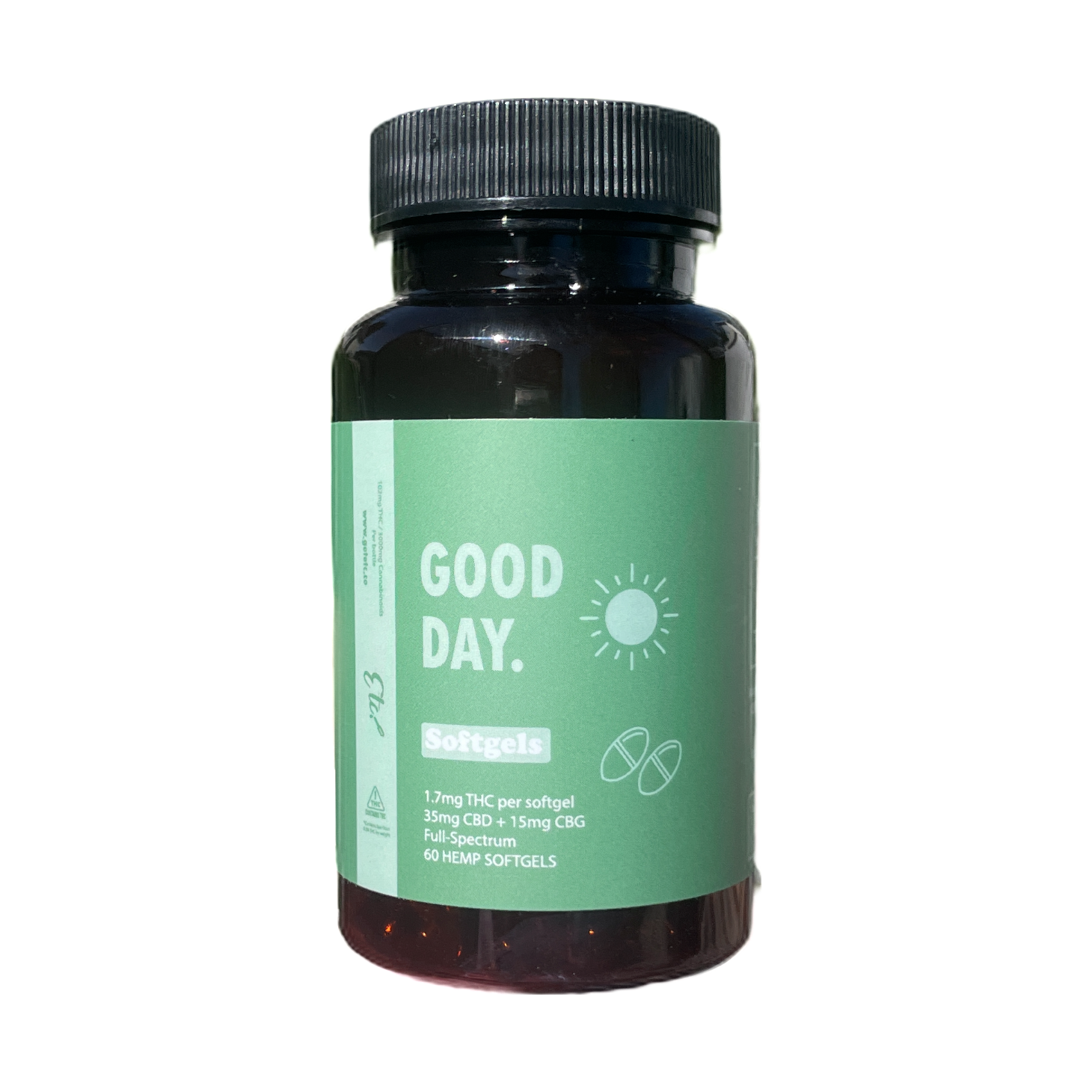
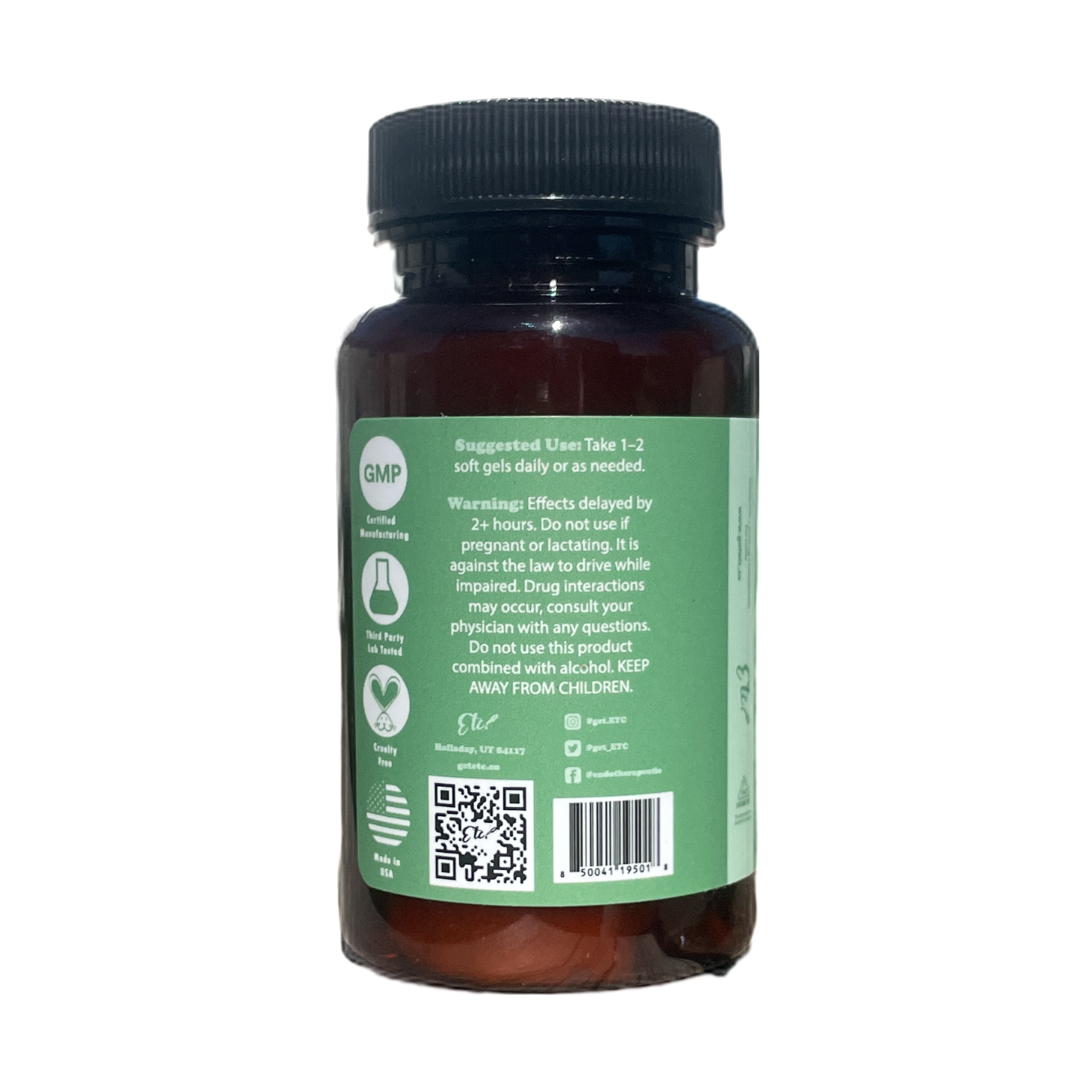
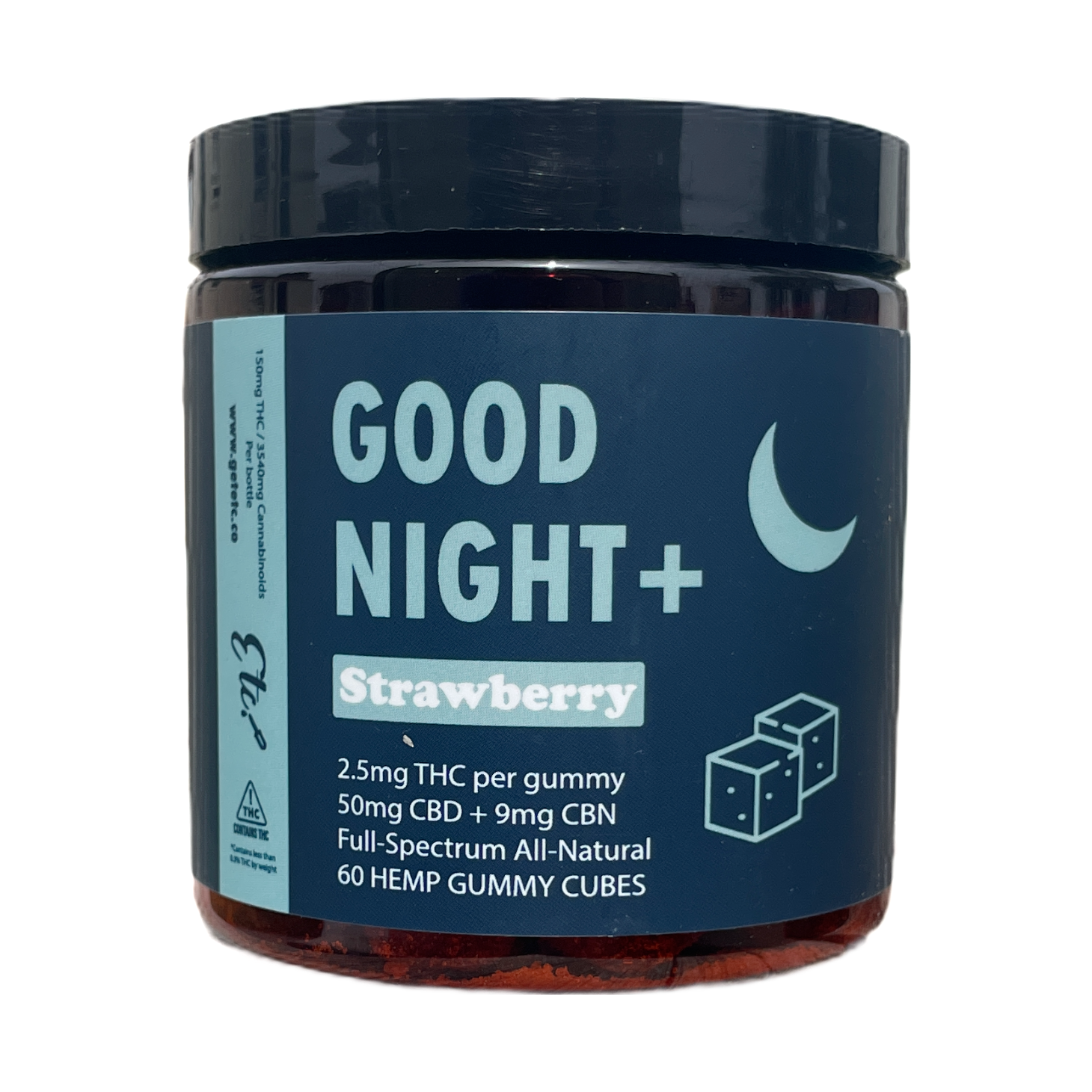
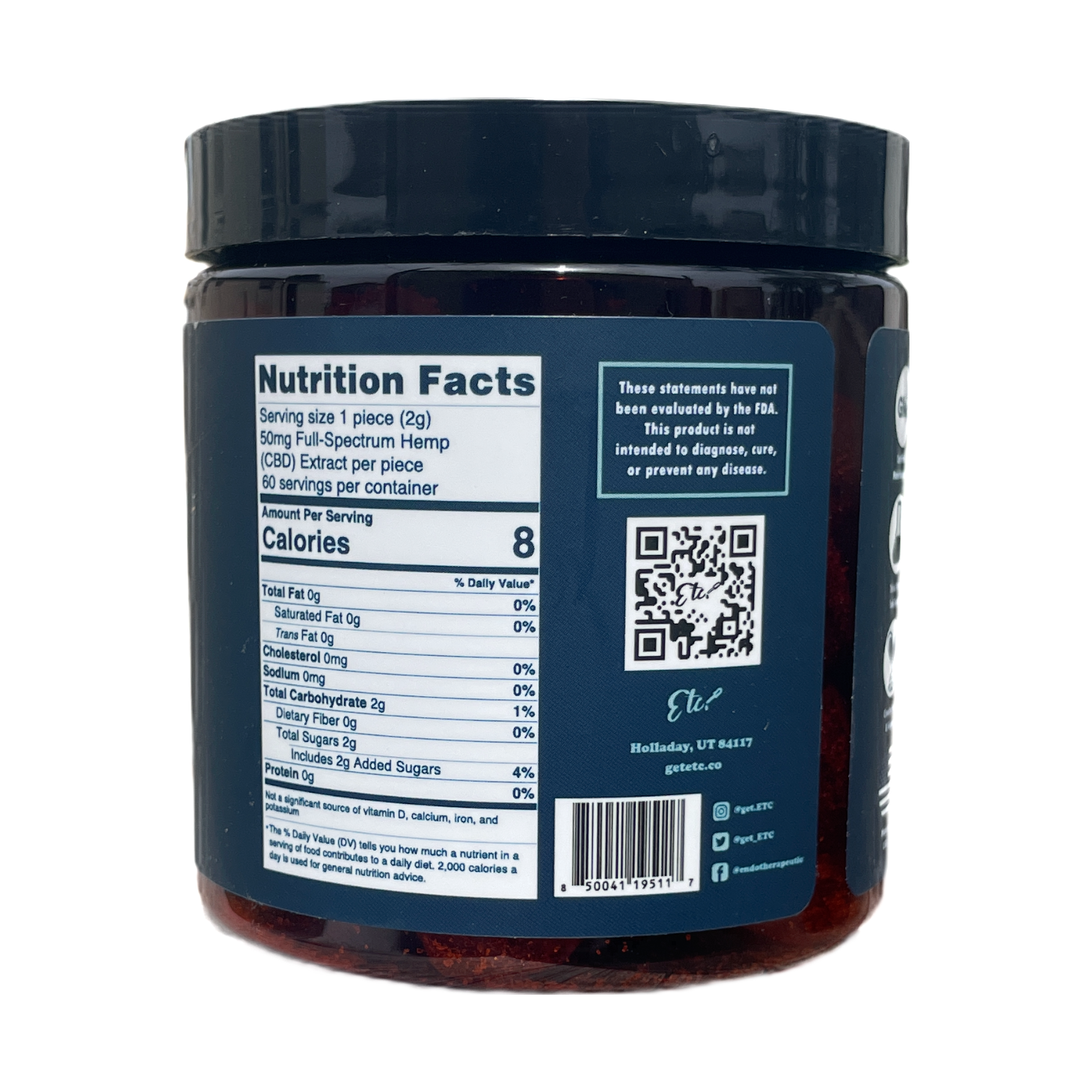
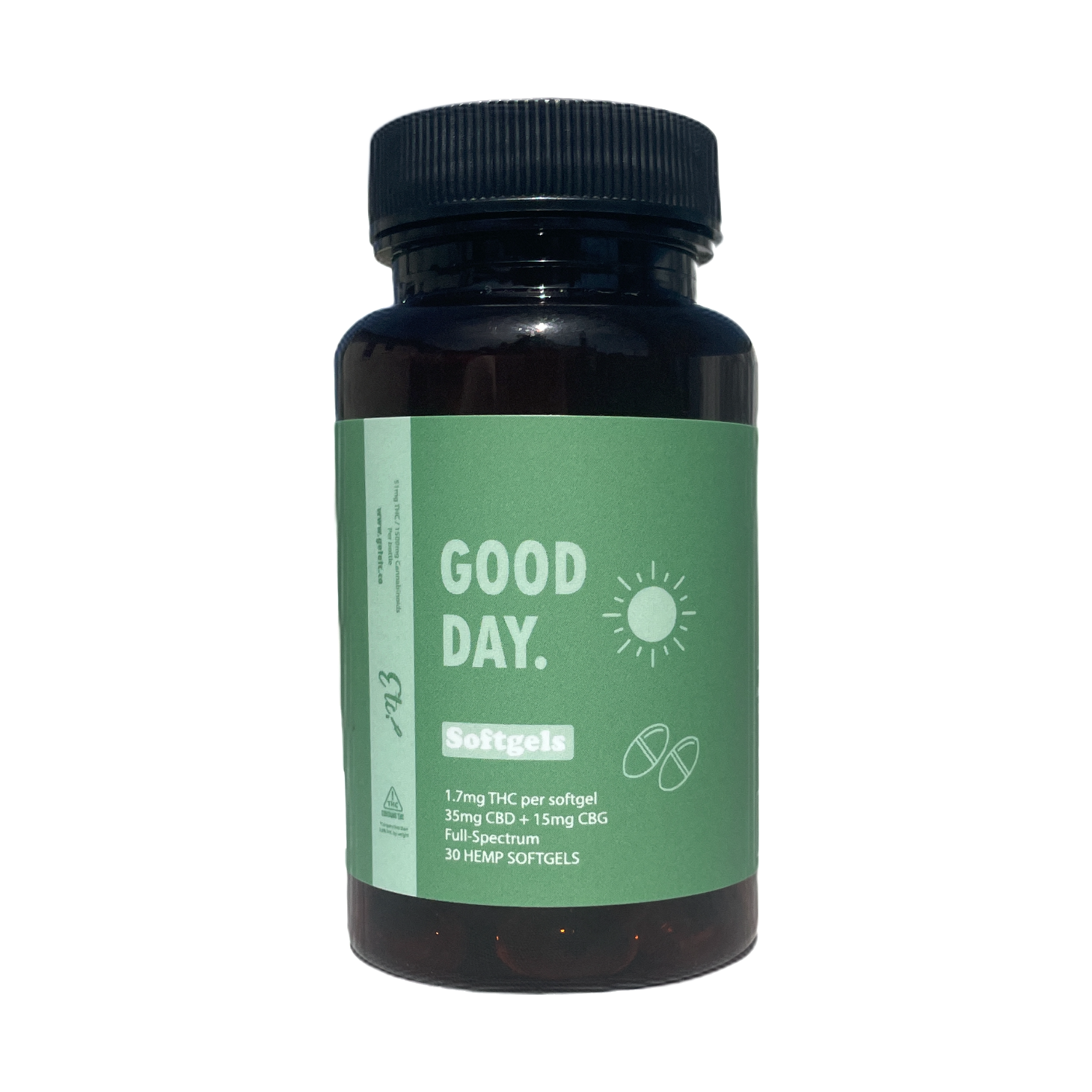
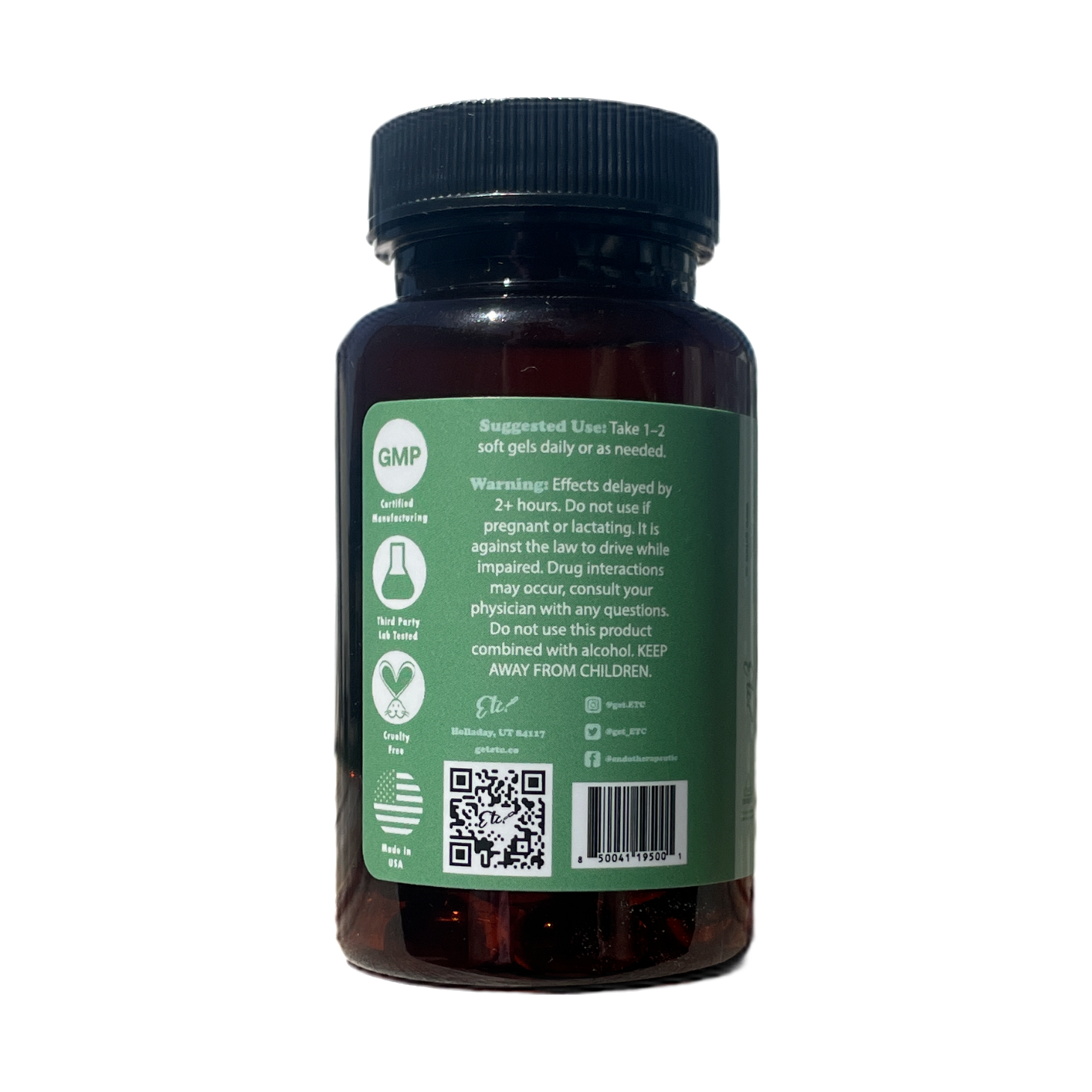
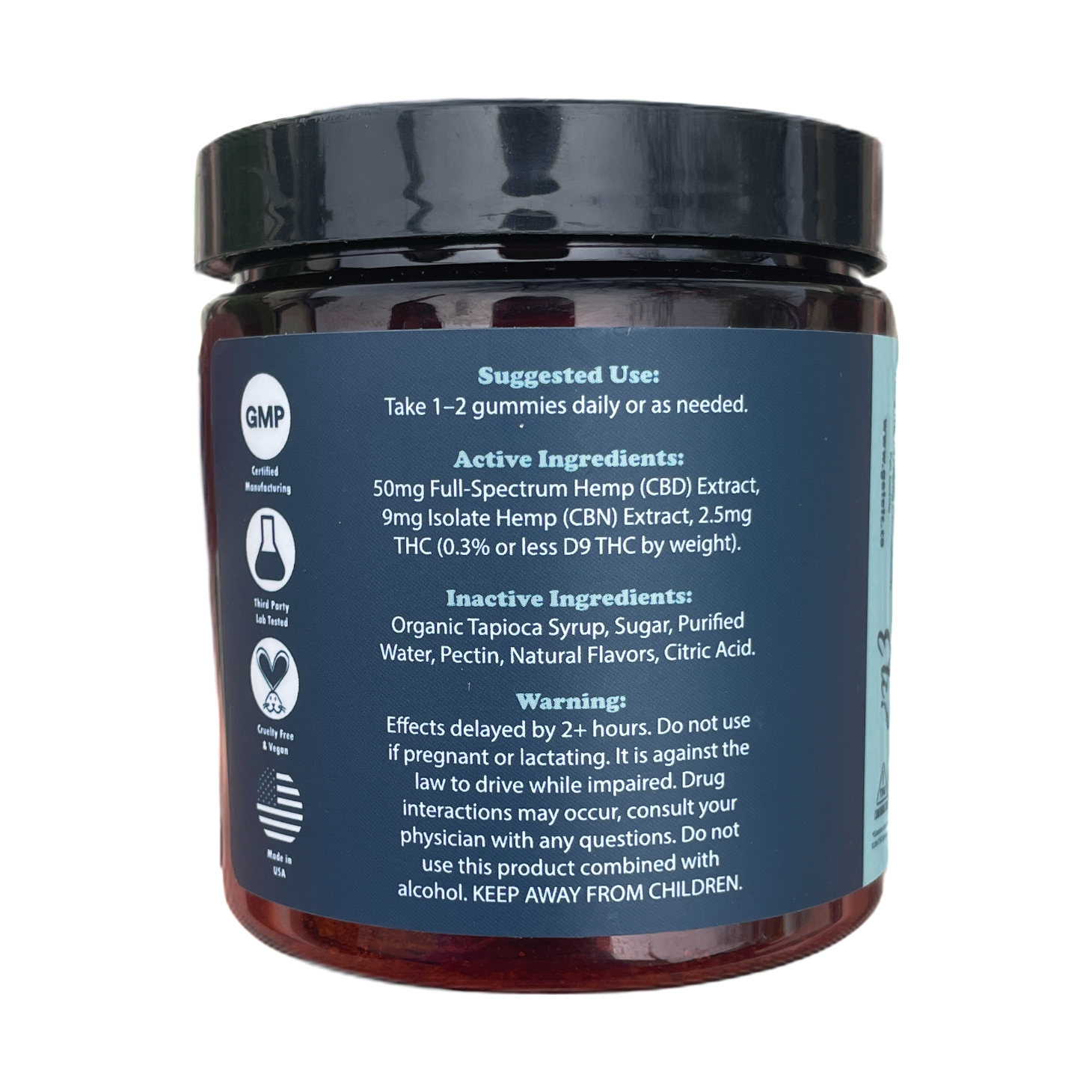
If you’re building a consistent evening routine and want something that earns its place in it, Good Night softgels and gummies are formulated specifically for evening wind-down, with boosted CBN alongside a full-spectrum hemp base. Straightforward ingredients, honest pricing, and designed to become a habit worth keeping.
And if you’re not sure where to start, browse the full collection and find the format that fits the routine you’re actually going to stick with.
Disclaimer: These statements have not been evaluated by the Food and Drug Administration. This product is not intended to diagnose, treat, cure, or prevent any disease. Consult your healthcare provider before starting any new wellness regimen.
Photo by 五玄土 ORIENTO on Unsplash