




Hemp and marijuana share roots, but your body experiences them differently
Most people assume hemp and marijuana are the same thing wearing different legal hats. That assumption costs them. It keeps cautious, curious adults on the sideline of something that might genuinely change how they feel, and it keeps impulsive buyers from asking the questions that matter.
Here is the actual distinction, explained plainly, because once you understand it, you are no longer guessing. You are choosing.
The legal line is real, and it exists for a reason
Hemp is legally defined as cannabis containing less than 0.3% THC. Marijuana is cannabis with more. That line was formalized in the 2018 Farm Bill, and it is not arbitrary. The federal government drew it at the point where psychoactive effects become practically relevant for most people.
Below that threshold, you are in hemp territory. Above it, you are in a different legal and physiological category entirely.
The cannabis strains sold in dispensaries today have been selectively bred over decades to push THC content as high as possible, in many cases exceeding 20 or 30 percent. That is not naturally occurring. It is the result of intentional cultivation for a specific recreational effect.
Hemp, by contrast, has been cultivated for thousands of years for something entirely different: industrial use. Rope, textiles, paper, fiber. The wellness applications are relatively recent, but the plant itself has a long, practical history.
What the trace THC in hemp actually does
This is where people get confused, and the confusion is understandable.
THC is psychoactive. That is a true statement. But “psychoactive” covers a wide range of effects at a wide range of concentrations. Caffeine is also technically psychoactive. Nobody panics about their morning coffee.
Think about the difference between a small cup of tea and a triple espresso. Same molecule, completely different experience, because dosage is not a minor detail. It is the whole story.
The trace amount of THC in a legal hemp product sits far below the threshold where most people experience impairment. For many people, it contributes to the overall effect without announcing itself at all. What it does contribute is real: THC has antioxidant properties and works alongside the other cannabinoids in full-spectrum hemp to create what researchers call the entourage effect, where the compounds work better together than any single one does in isolation.
This is why full-spectrum products (which retain all cannabinoids from the hemp plant, including trace THC) outperform CBD isolates for many users. You are not getting a drug. You are getting the whole plant, in proportions that keep you on the right side of the law and on the right side of your own daily functioning.
One important caveat to know before you start
Even at legal hemp levels, regular use can trigger a positive THC result on some employer drug screenings. This is not about impairment. It is about how certain tests are calibrated. If your employer tests for THC, check their policy before you begin using any hemp product.
That is not a reason to avoid hemp. It is a reason to make an informed decision, which is exactly the kind of person this information is designed to help.
Why the distinction changes how your body experiences it
Marijuana at dispensary-level THC concentrations produces a noticeable psychoactive effect because the THC concentration is high enough to overwhelm the body’s baseline. You feel it as a shift in perception, a change in your sense of time, sometimes a spike in appetite or a change in mood, for better or worse depending on the person and the dose.
Hemp at federally legal levels does something different. The primary active compounds are CBD, CBG, CBN, CBC, and others, with THC as a supporting character rather than the lead. These cannabinoids interact with the endocannabinoid system, a regulatory network your body already runs continuously. The ECS was only discovered in the early 1990s, which is part of why it still surprises people. But it is not new to your body. It has been there your whole life, working to maintain balance across sleep, mood, energy, and more.
The difference between hemp and high-THC marijuana, in practical terms, is the difference between supporting that system and overriding it.
The empowered position: knowing what you are actually choosing
The person who understands this distinction walks into a wellness purchase differently. They are not buying something exotic. They are not taking a risk on an unknown. They are selecting a product with a known cannabinoid profile, a verified THC content, and a clear regulatory status.
That knowledge matters because it changes the relationship between you and the product. Instead of hoping something works and not knowing why, you understand the mechanism well enough to evaluate your own experience. You can adjust. You can be consistent. You can tell the difference between “this isn’t for me” and “I haven’t given it enough time.”
Consistency, it turns out, is where results actually happen. ETC’s own 8-week participant study showed steady week-over-week improvement across mood, energy, and overall wellbeing, not a spike in the first days, but a gradual, compounding shift that participants noticed over time. That kind of outcome is only available to someone who knows what they are taking and trusts it enough to stay with it.
How to find a hemp product worth trusting
Not all hemp products are made the same, and the market has enough noise that the distinction matters. Look for:
- Full-spectrum formulation (all cannabinoids, including trace THC, working together)
- A published Certificate of Analysis (COA) from a third-party lab confirming cannabinoid content and confirming THC is within legal limits
- Clear labeling of what is in the product and how much
ETC publishes all COAs publicly at reliefetc.com/pages/coa. If you want to see exactly what is in the product before you buy, you can. That is what verified looks like.
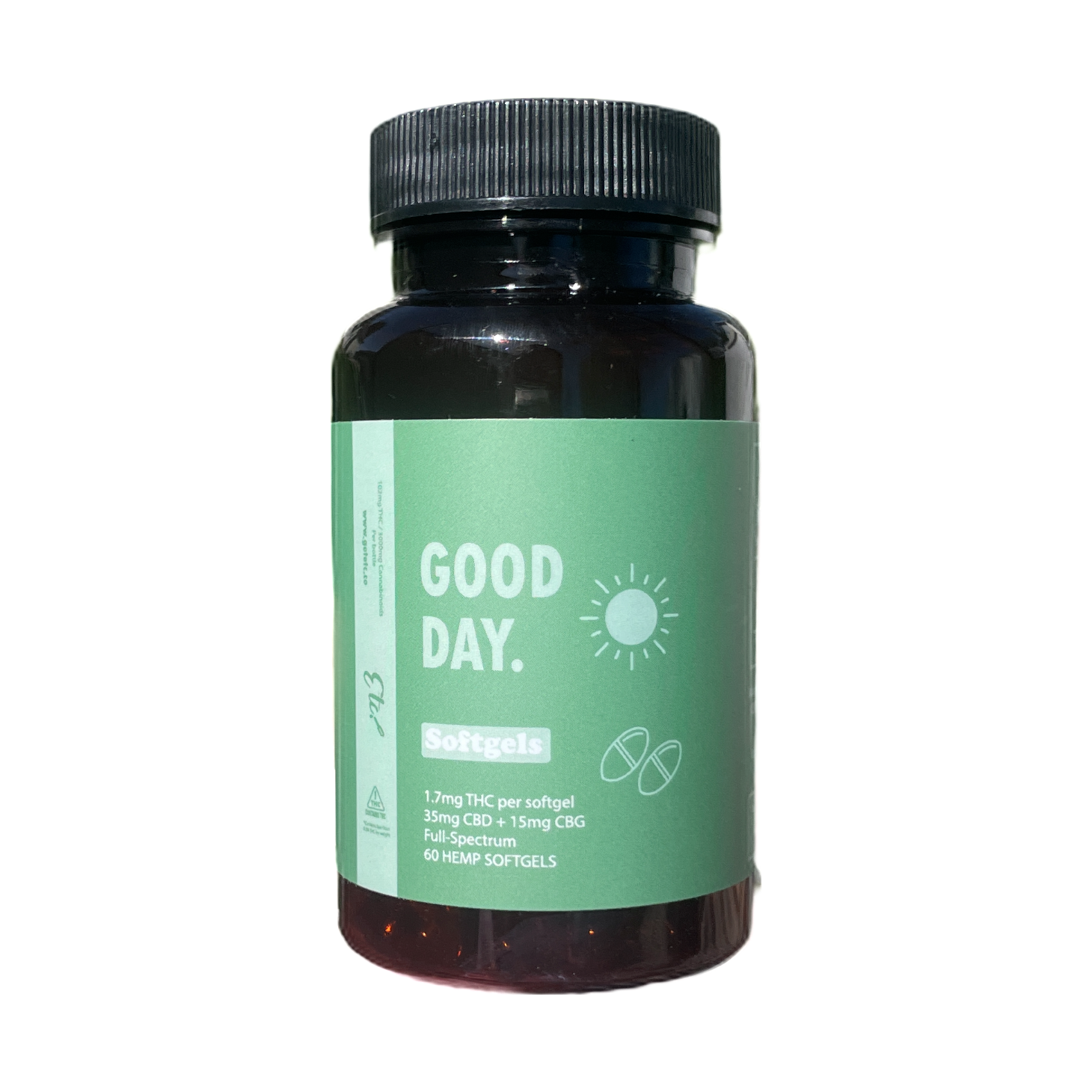
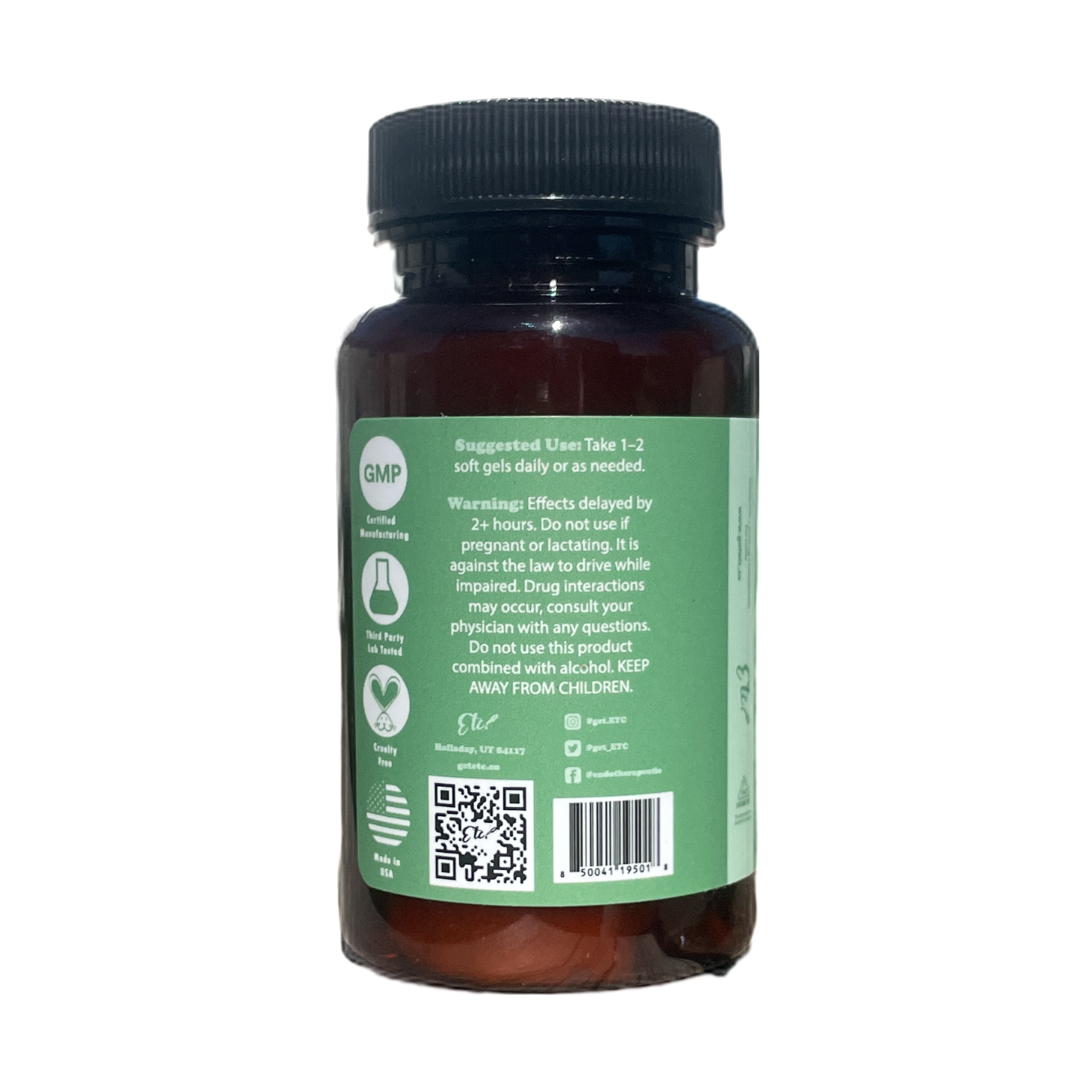
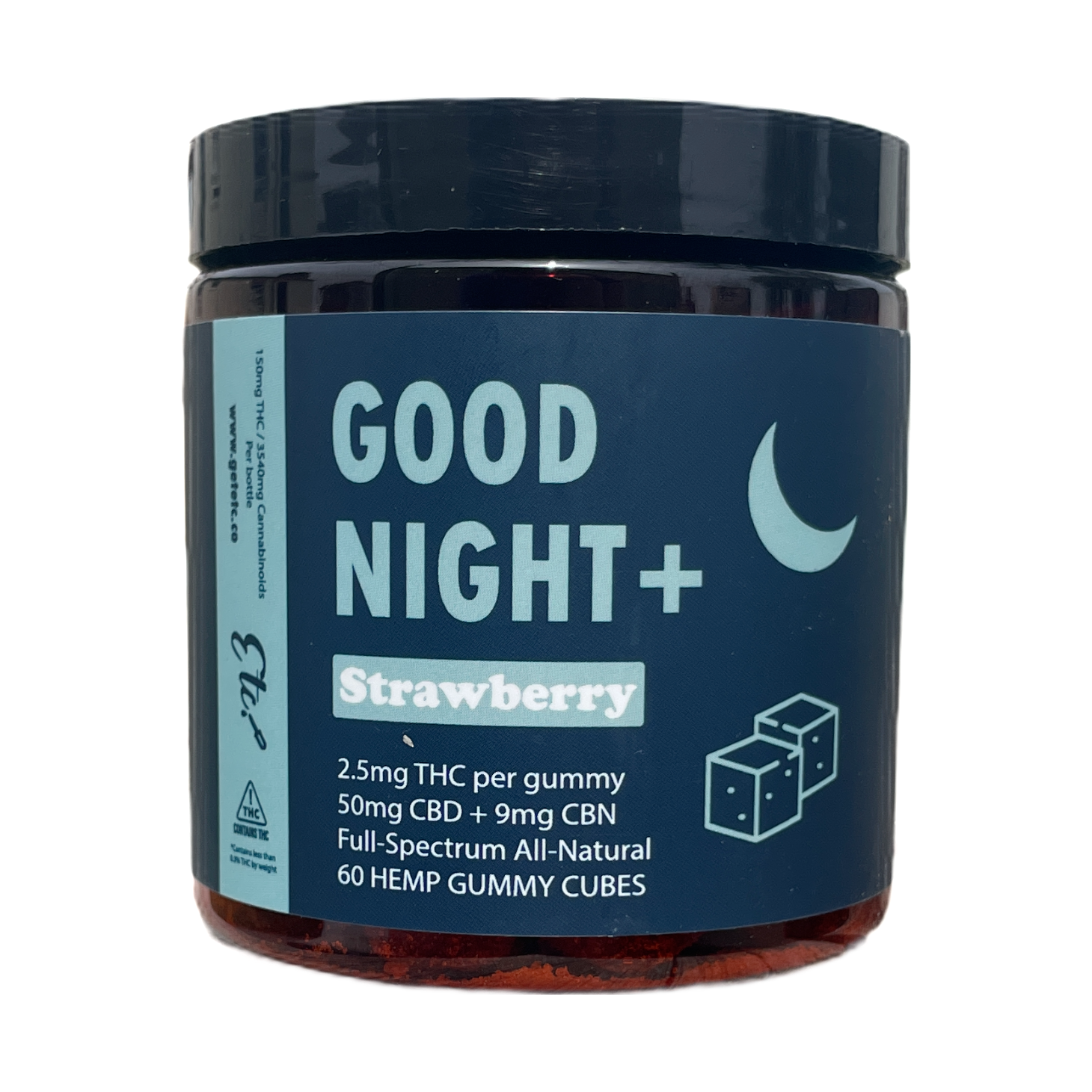
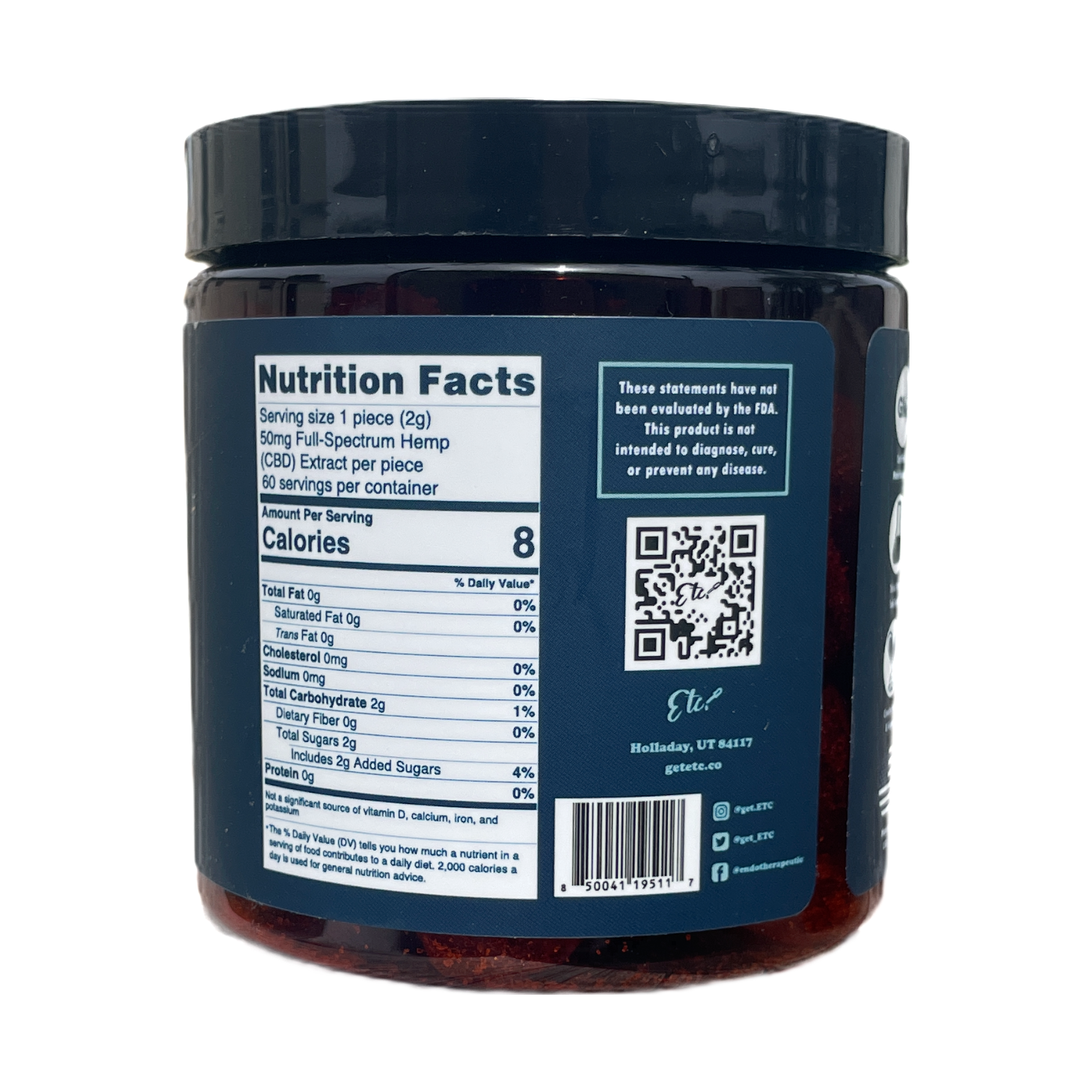
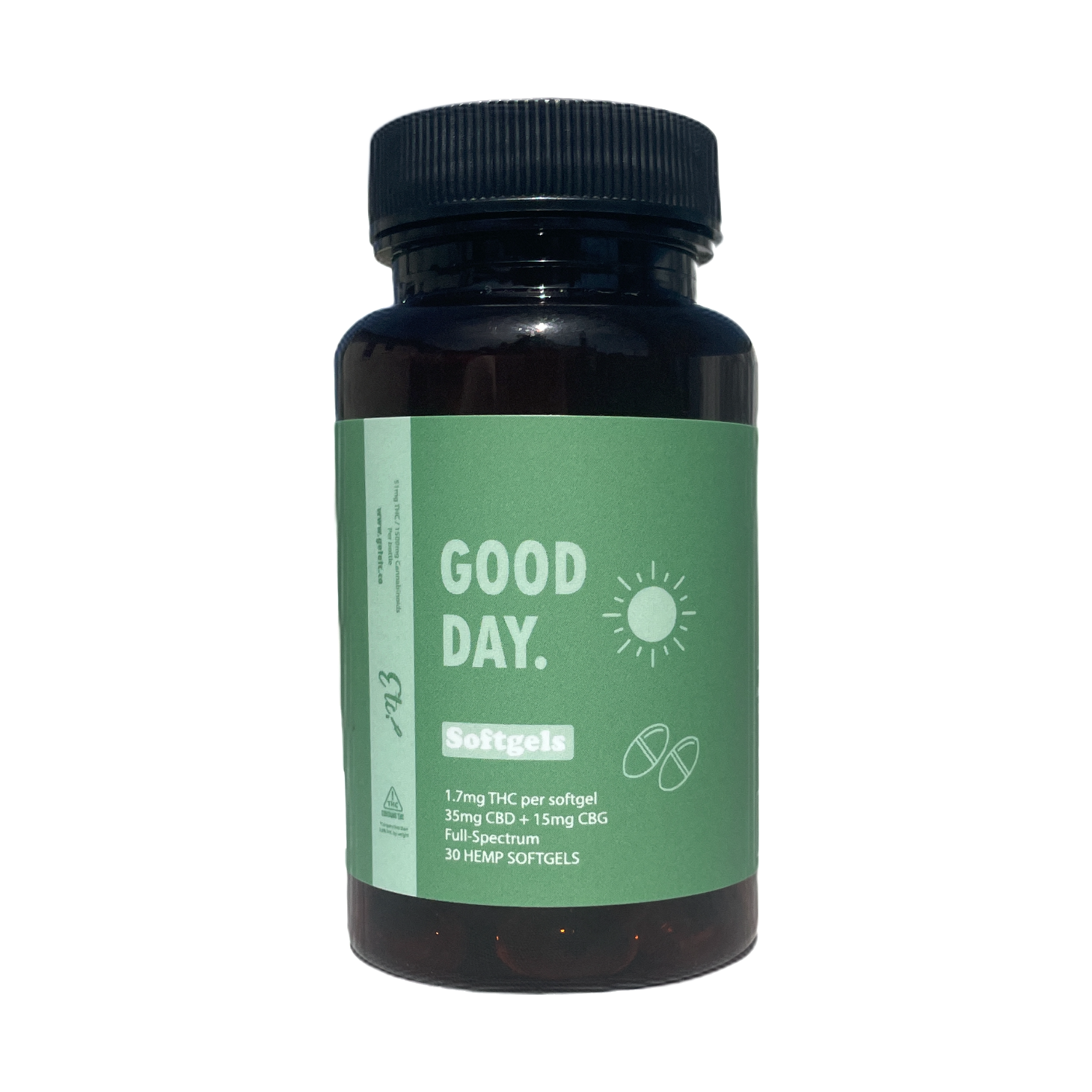
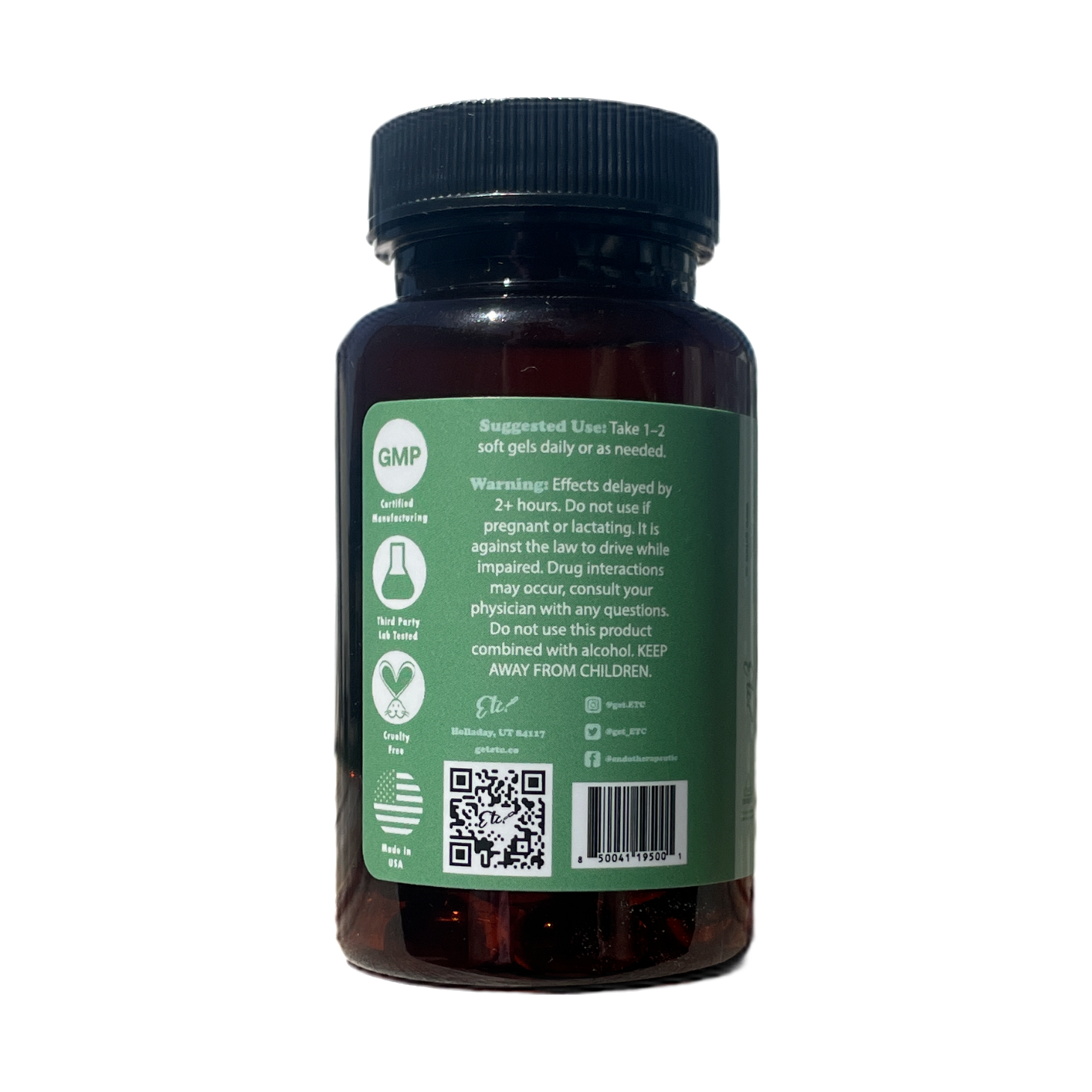
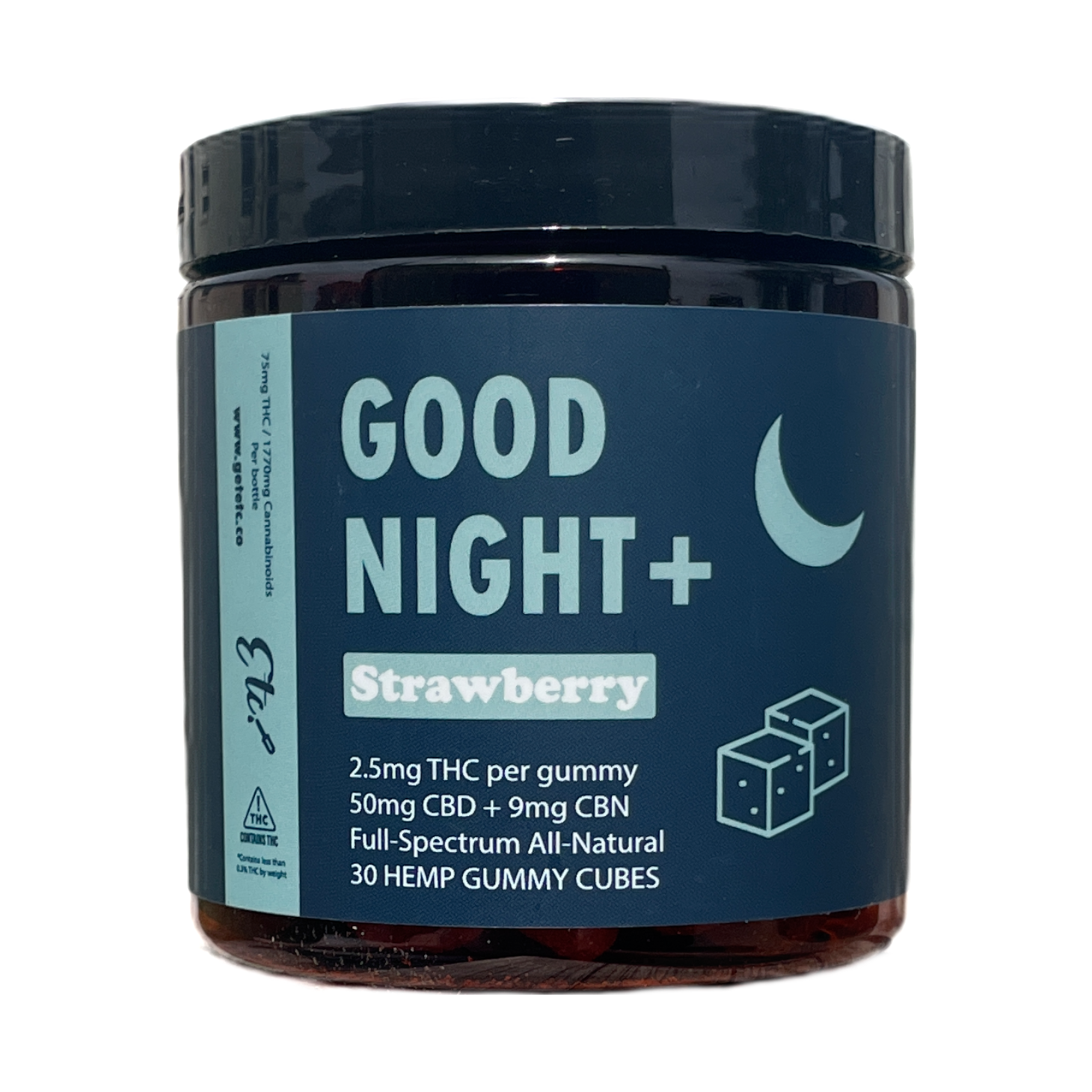
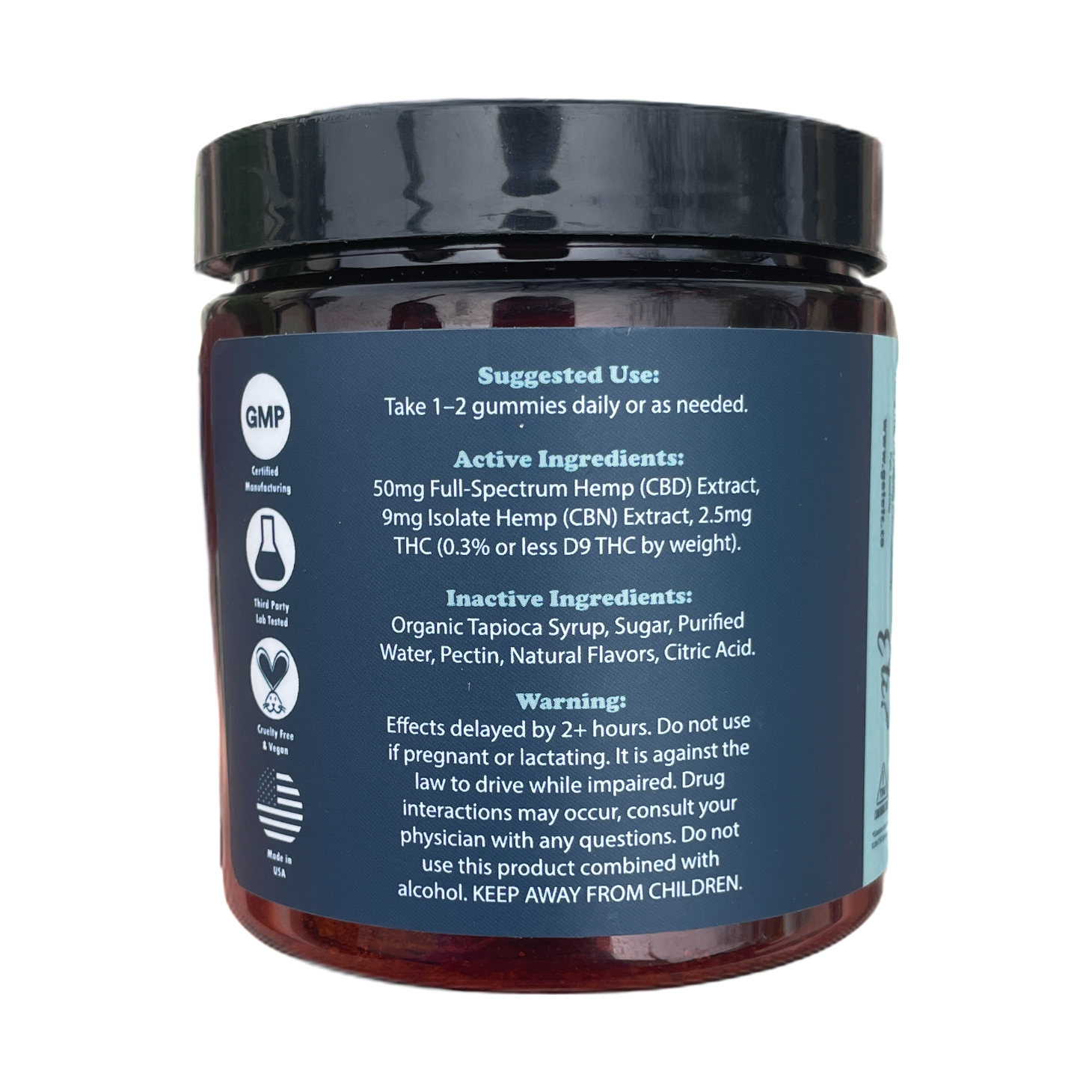
If you are curious where to start, the Good Day and Good Night lines are built around the same full-spectrum hemp base, with targeted cannabinoid boosts for daytime balance or evening wind-down, depending on what you are working toward.
Understanding hemp versus marijuana is not a technicality. It is the foundation of making a choice you can stand behind. And the person who makes that choice clearly, based on real information, is the one who actually gets to experience what consistent hemp wellness feels like.
Disclaimer: These statements have not been evaluated by the Food and Drug Administration. This product is not intended to diagnose, treat, cure, or prevent any disease. Consult your healthcare provider before starting any new wellness regimen.
Photo by Rick van der Haar on Unsplash