

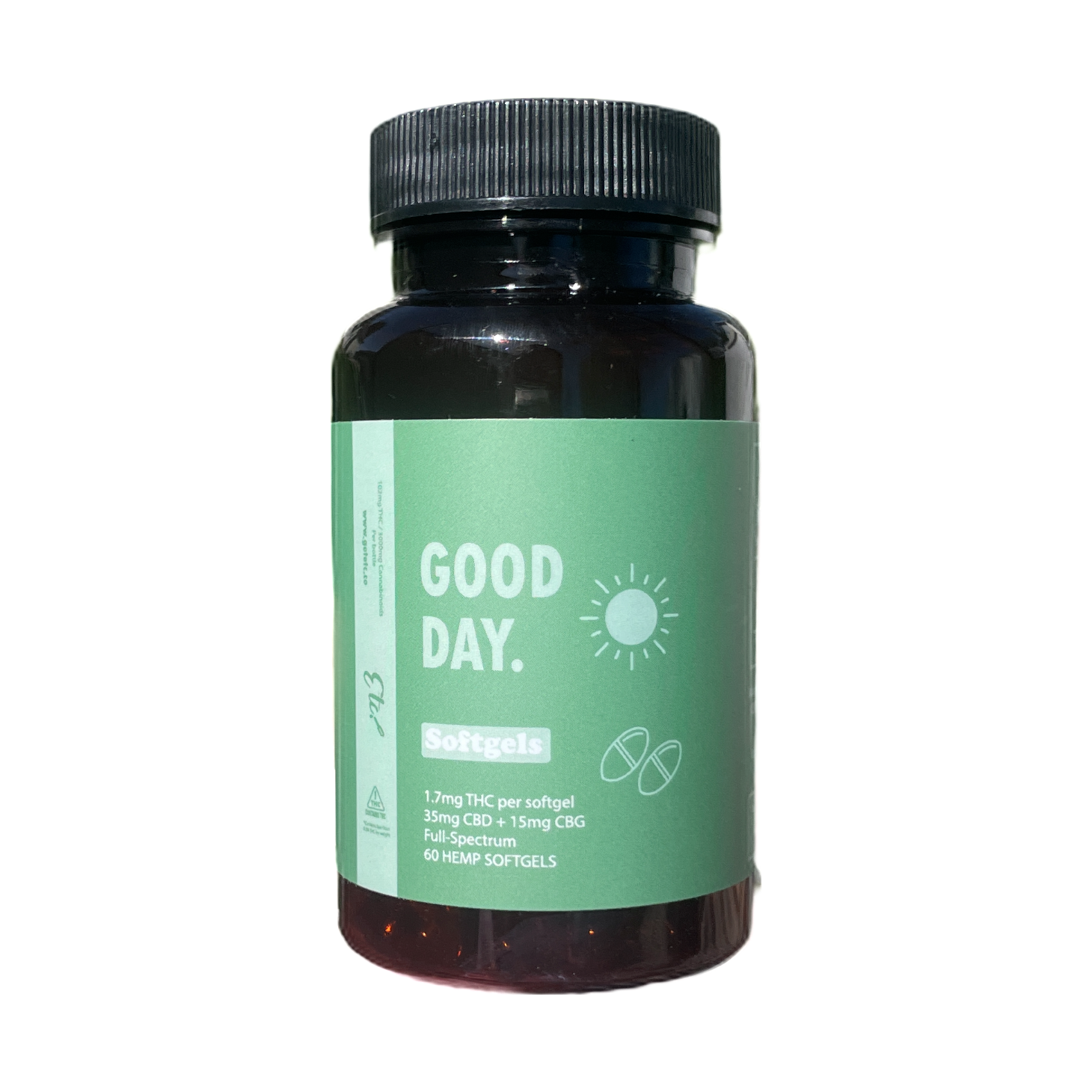
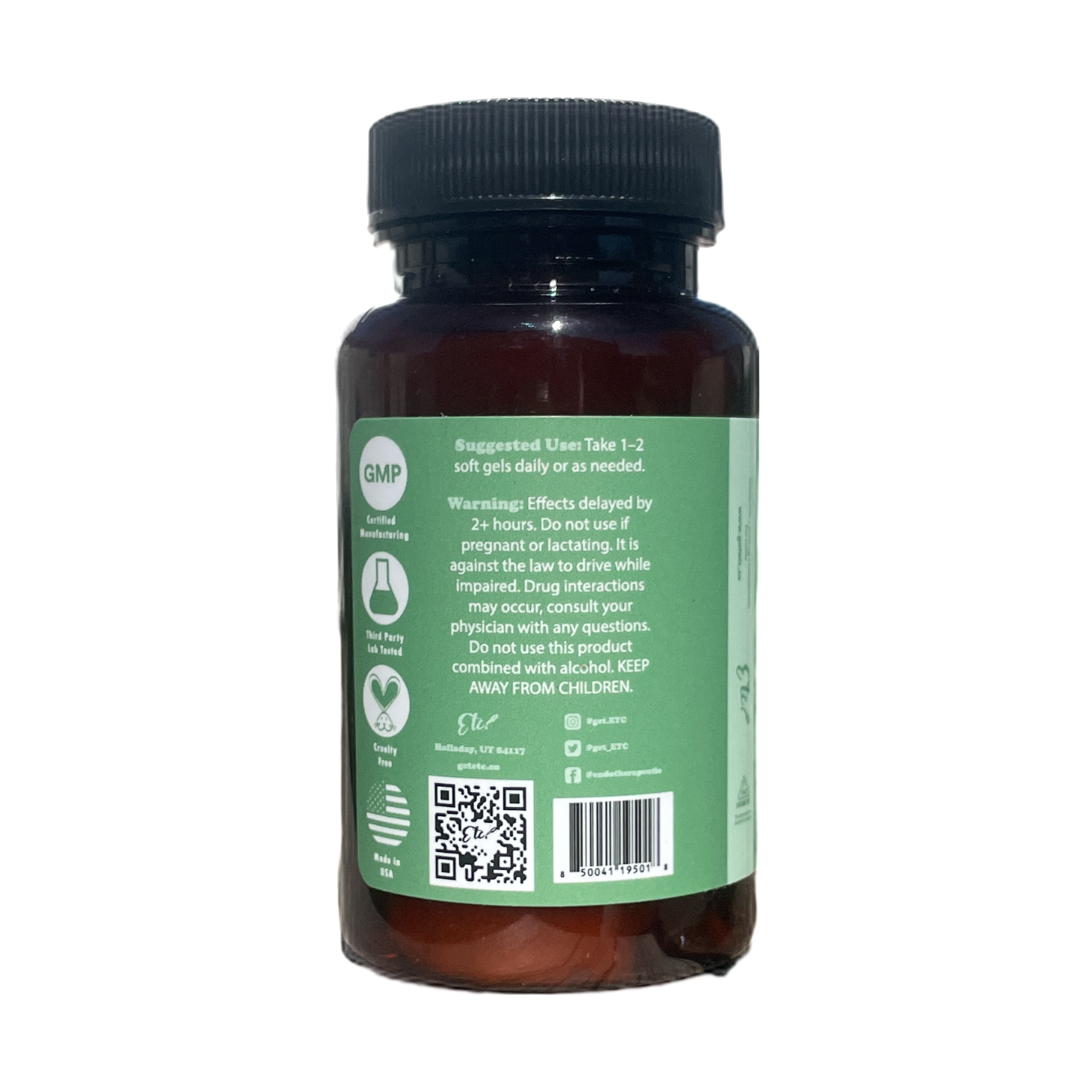
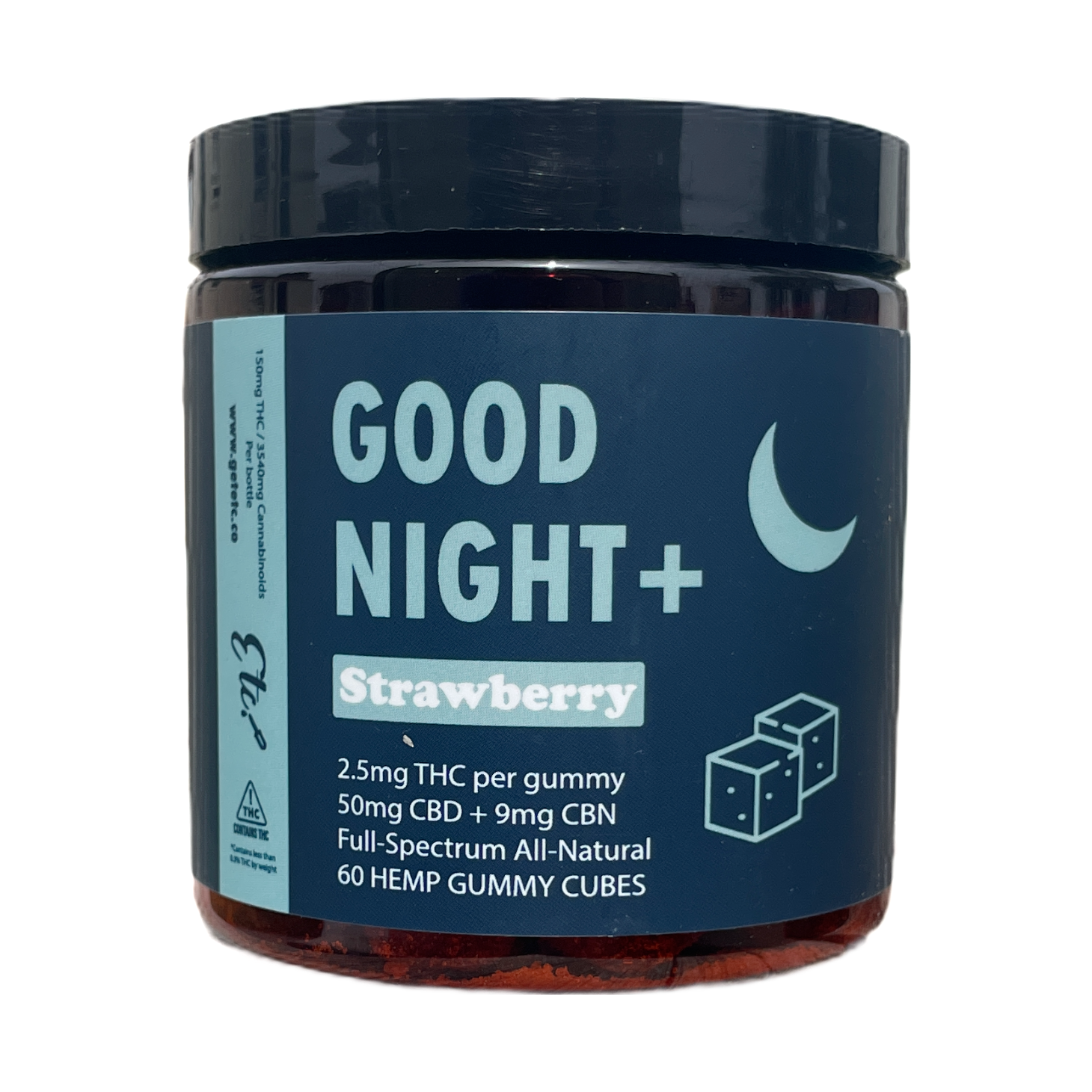
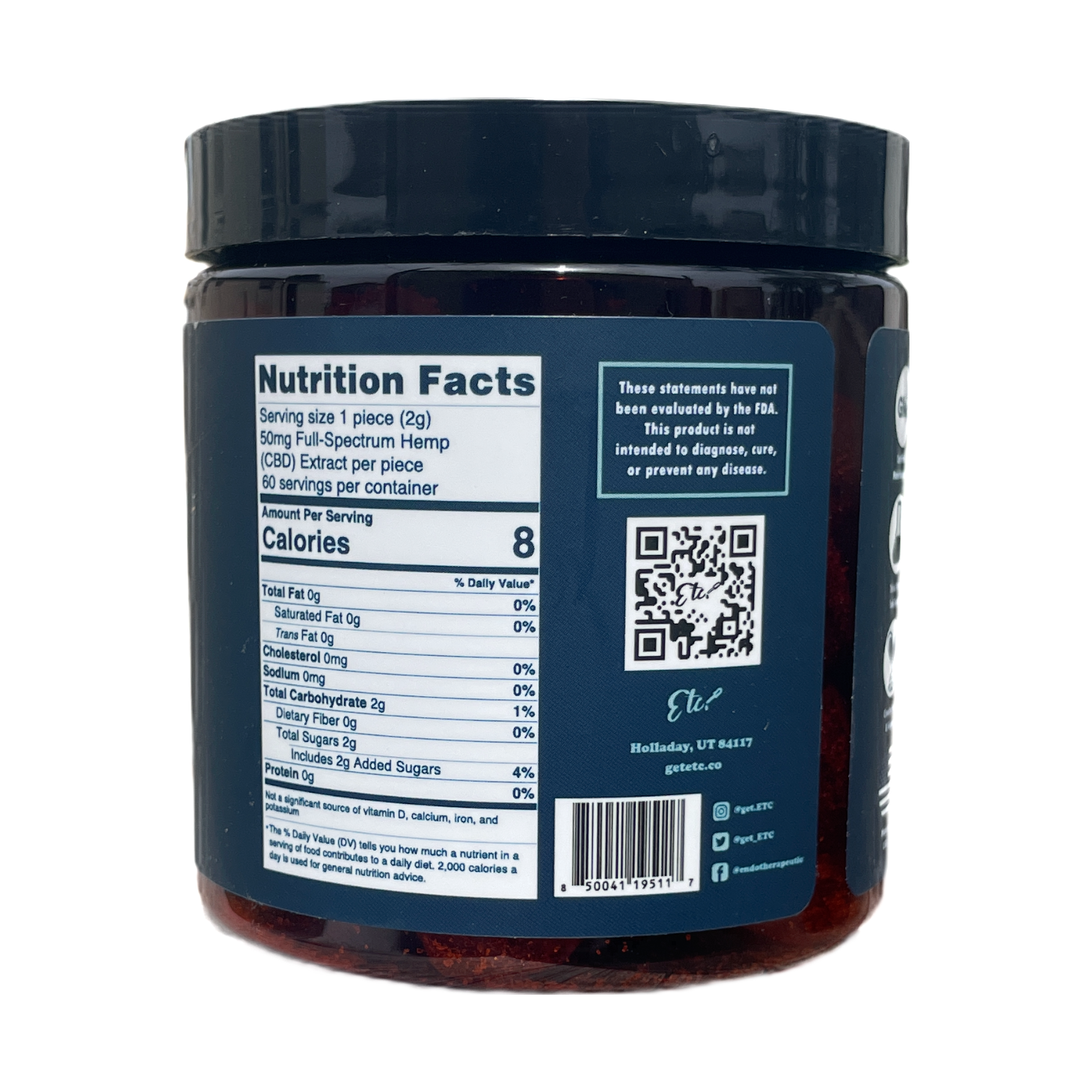



Nothing synthetic. Nothing hidden. Just plants doing their job.
Most of us have read an ingredient label and felt that small, deflating moment of recognition: you don’t know what half of it is. Not because you’re uninformed, but because half of it isn’t a real thing. It’s a chain of syllables that used to be something else before a lab got to it.
That feeling matters. It’s your gut telling you something your brain is still processing.
What “natural” actually means here
Hemp is a plant. The cannabinoids in a full-spectrum hemp product come directly from that plant, through an extraction process, without synthesizing them from scratch in a chemical reactor.
Your body, it turns out, was already built to receive them. You have an endocannabinoid system, the same system found in every mammal, every bird, every fish on the planet. You produce your own cannabinoids naturally. The ones that come from hemp aren’t foreign; they speak a language your biology already knows. When life gets in the way of your body making enough of them on its own, plant-based support is a reasonable option.
That’s not marketing language. That’s basic physiology.
The question underneath the question
When people ask “what’s in this?”, they’re usually asking something slightly different: “Can I trust this? Will I regret taking it?”
Those are fair questions. The wellness space has not always earned the benefit of the doubt. Decades of vague promises, mystery ingredients, and products that expired in a garage before they reached a shelf have made skepticism the sensible default.
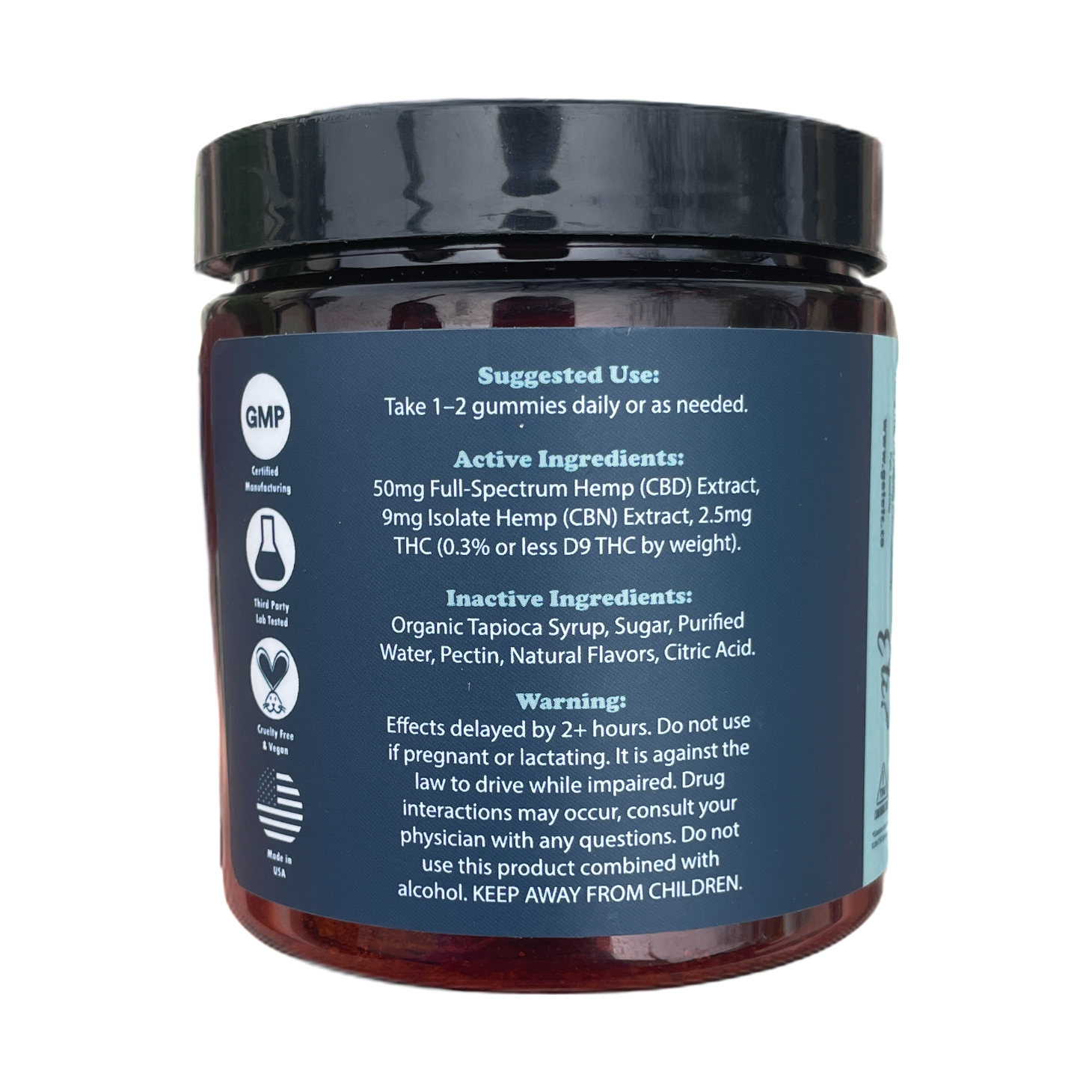
So here’s the straightforward version of what full-spectrum hemp actually contains: plant-derived cannabinoids (CBD, CBG, CBN, CBC, and trace THC at or below the 0.3% federal legal limit), all working together the way the plant intended. Researchers call this the entourage effect. The full cast of compounds is more effective working in concert than any single cannabinoid pulled out and put to work alone.
No synthetic stand-ins. No fillers doing the heavy lifting. Plants doing what they evolved to do.
Why consistency beats a single big dose
Here’s where the cost-per-dose math starts to matter in a real way. If you’re building a wellness routine you can actually keep, affordability isn’t a footnote. It’s the whole game.
A routine that breaks your budget eventually breaks itself. You skip a few days because the bottle runs low and you’re waiting to reorder. Then a few more. Then the habit dissolves before it had the chance to actually work.
In ETC’s own 8-week study, participants reported steady improvement week over week in sleep, mood, energy, and overall wellbeing, with an average 30% improvement by the end. The pattern wasn’t a spike followed by a plateau. It was a consistent upward climb. That kind of result doesn’t come from a single heroic dose. It comes from showing up for yourself, day after day, with something reliable and affordable enough to keep around.
That’s personal growth in its least glamorous, most useful form: a habit you can actually sustain.
What gummies actually contain (the ETC version)
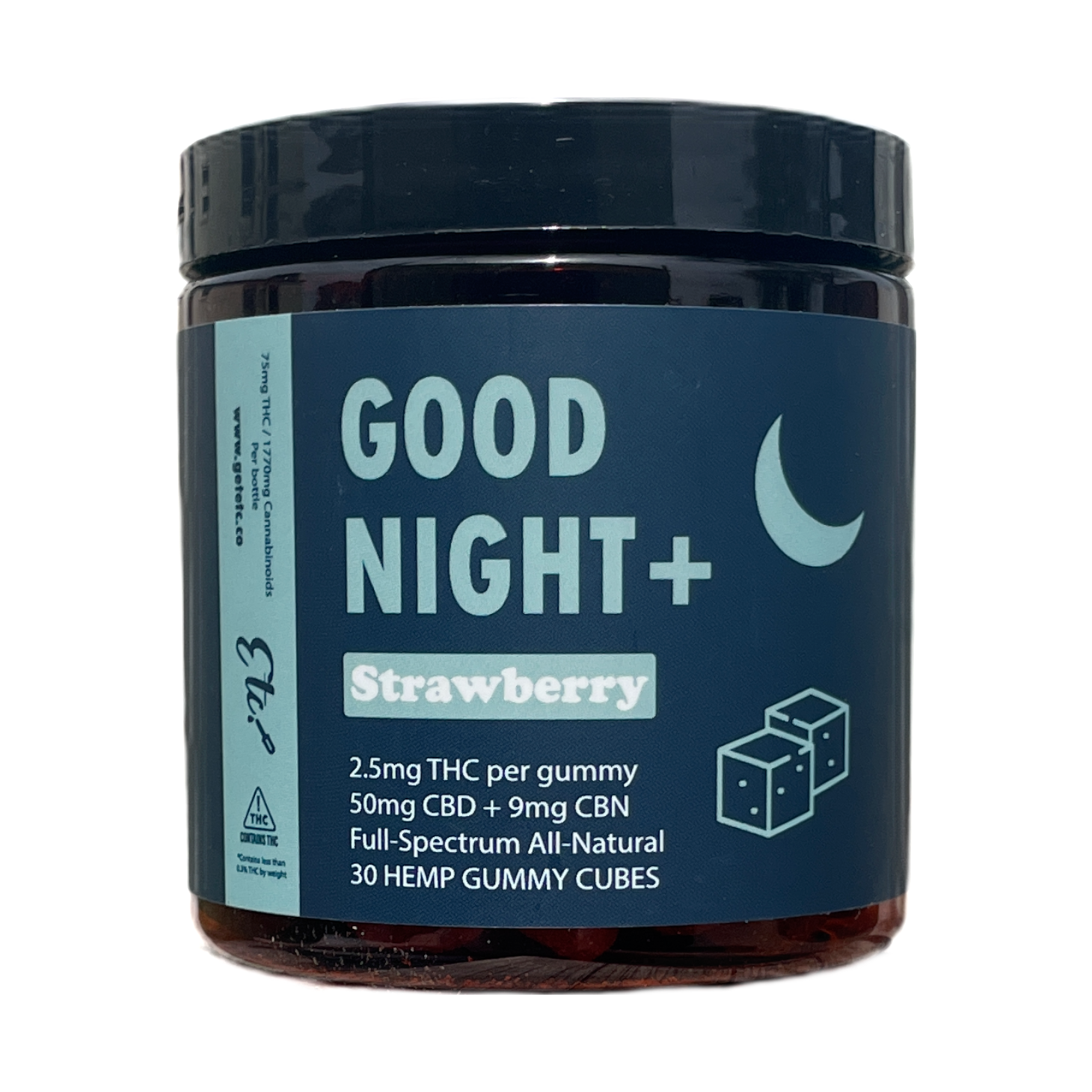
The Good Day and Good Night gummies are vegan, made with real fruit pulp, gluten-free, and contain no artificial flavors or synthetic ingredients. They taste like something a person made, not something a chemist approximated.
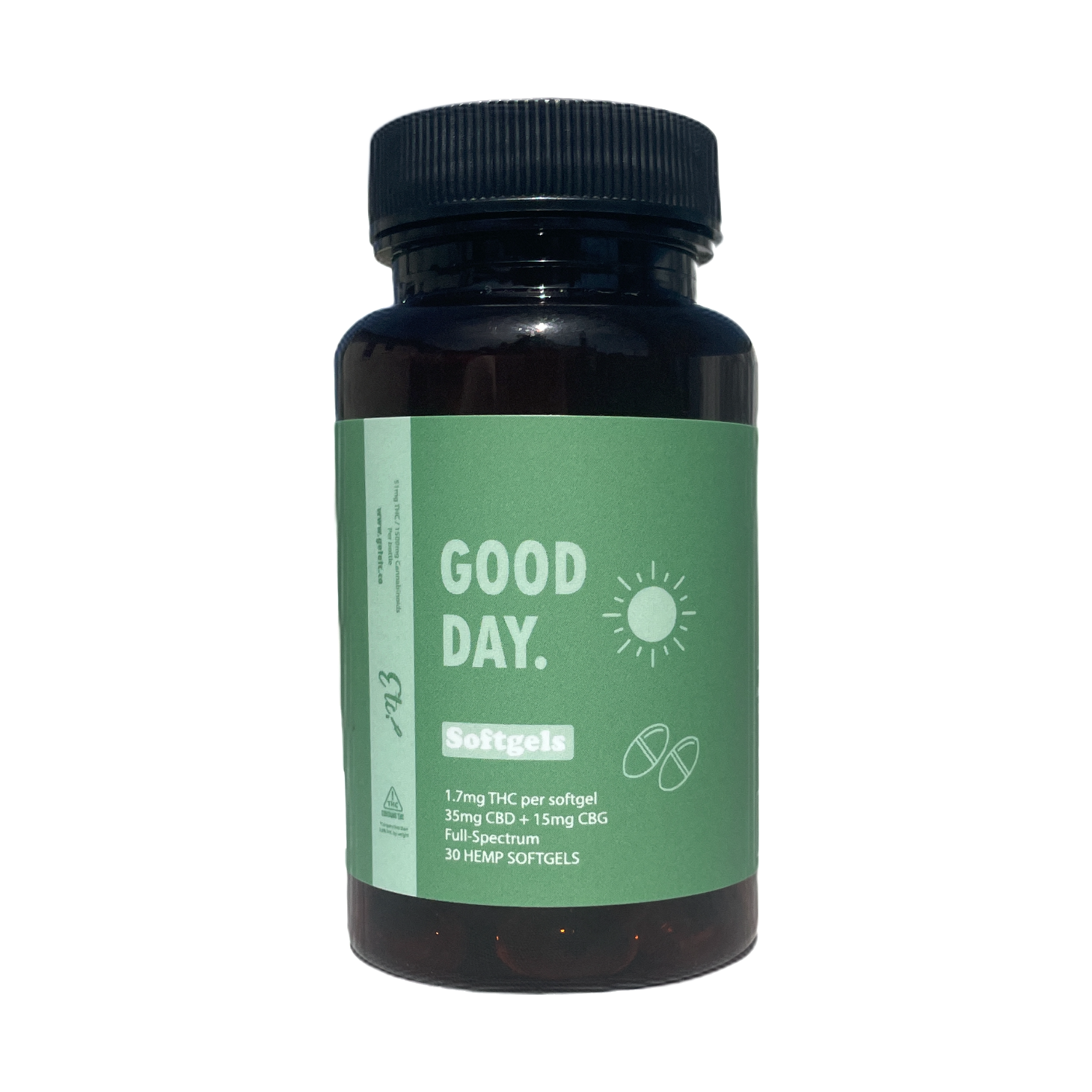
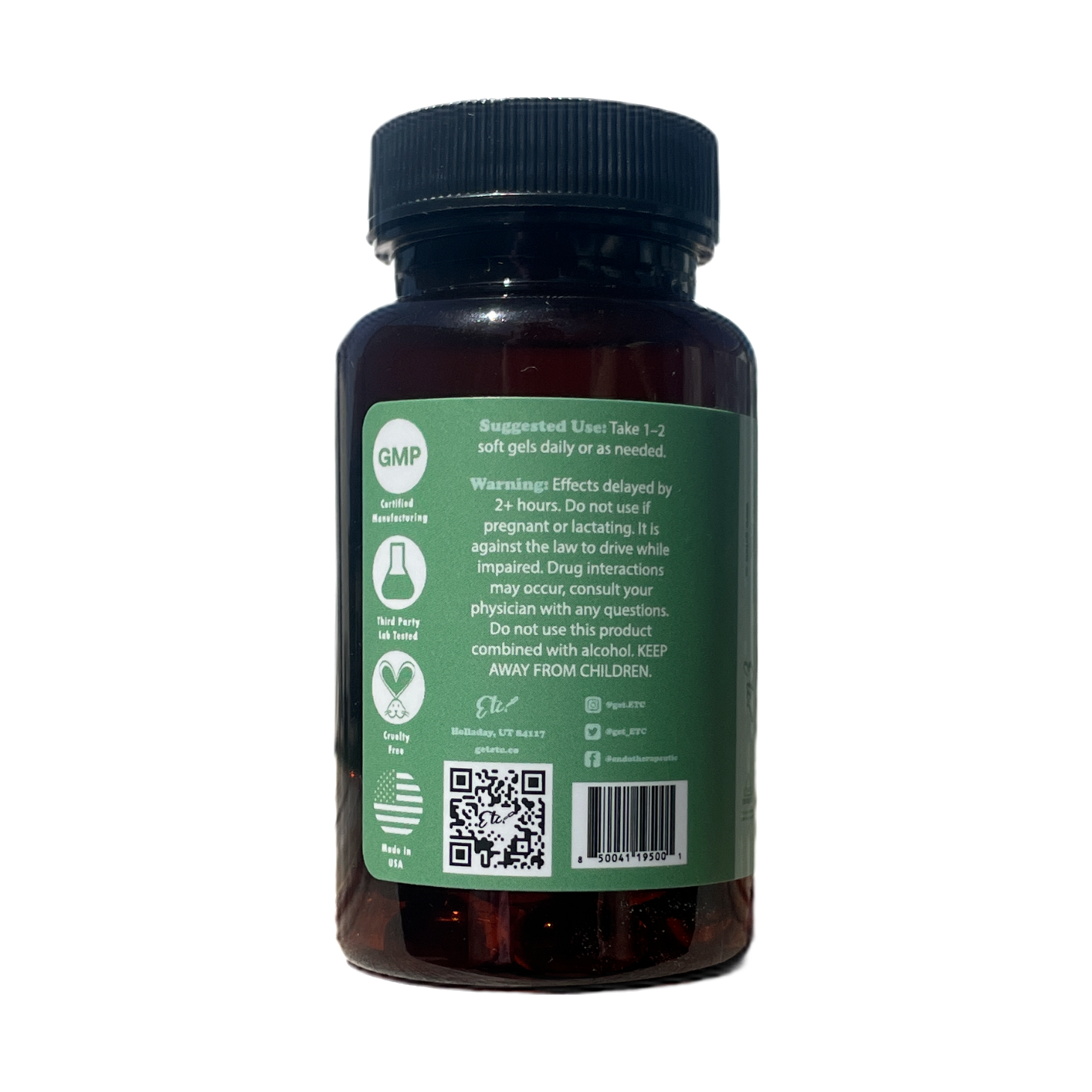
The softgels are the other end of that spectrum: no taste, no texture, just the formula in a clean, easy-to-swallow capsule. Same ingredients. Different delivery.
What both have in common is a cannabinoid profile you can actually look up. Not a rough estimate on a label. A published certificate of analysis at reliefetc.com/pages/coa, reflecting the exact batch you’re holding.
That’s the part that often surprises people who are new to the brand. The transparency isn’t a promise. It’s a document.
The inner peace angle nobody talks about
There’s a kind of calm that comes not from taking something, but from knowing what you’re taking.
When you’ve done your research, read the label, looked up the lab results, and decided this is something you feel good about, you remove an entire category of low-level worry from your day. The “should I be doing this differently?” voice goes quiet. Not because you silenced it, but because you answered it.
That’s a different kind of inner peace than the one people usually associate with hemp wellness. It’s not just the relaxation that comes with winding down in the evening. It’s the settled confidence of a decision you made deliberately, with open eyes, for your own wellbeing. That confidence compounds over time the same way the habit does.
A reasonable way to start
If you’re weighing clean ingredients as a reason to try hemp wellness for the first time, the lowest-friction entry point is probably gummies or softgels. Start with the smallest recommended serving. Give it at least a week of consistent use before drawing conclusions. Most people notice something within the first week; some find the changes subtle enough that they only recognize them after a month of looking back.
The ingredients are straightforward. The commitment is small. The only thing that takes time is time.
That’s sustainable. That’s the point.
Disclaimer: These statements have not been evaluated by the Food and Drug Administration. This product is not intended to diagnose, treat, cure, or prevent any disease. Consult your healthcare provider before starting any new wellness regimen.