




What opens up when you're not fighting yourself
Think about the last time you felt genuinely at ease. Not distracted or numb, just actually present. Maybe it was a conversation where you weren’t half-composing your response while the other person was still talking. Maybe it was a meal you tasted. A laugh that came out full and unrehearsed.
Now think about how rare that is.
Most of us have gotten so accustomed to a low-level internal friction that we’ve stopped noticing it. We manage it. We work around it. We call it “just how I am” or “just how things are.” The tension becomes background noise, and we assume that noise is just the cost of being a functioning adult.
But here’s what shifts when that background friction quiets down: you get access to yourself again.
The energy you didn’t know you were spending
There’s a particular kind of exhaustion that has nothing to do with how many hours you slept. It comes from the ongoing effort of managing yourself, buffering your reactions, white-knuckling through a Tuesday afternoon, recalibrating after small things knock you sideways.
It’s not dramatic. Nobody puts it in a performance review. But it costs something real, day after day, and the people around you can feel the difference when you’re spending that energy on them instead.
When your nervous system isn’t running a background program of self-correction, things change in practical, visible ways. You stop cutting people off, not because you’re trying harder to listen, but because you actually want to hear what they’re saying. You make the phone call you’ve been putting off. You sit down with your kid and the Legos don’t feel like an interruption. None of this requires more discipline. It just requires less drag.
What trust has to do with it
There’s a version of wellness that asks you to do more. More tracking, more optimizing, more products with more instructions and more caveats. The irony is that this often adds a layer of friction instead of removing one. You’re now managing your wellness routine on top of everything else.
The kind of support that actually frees something up is the kind you can trust and then set down. You take it, it does what you hoped, and then you go live your life. That’s the whole point.
That kind of trust gets built through evidence. Not through promises on packaging or enthusiastic testimonials, but through knowing what’s actually in what you’re taking, understanding why it was formulated the way it was, and seeing it work consistently over time. When all of that lines up, you stop second-guessing and start just using it. The mental overhead disappears, and something more useful can take its place.
What consistent support can shift over time
ETC ran an 8-week observational study with more than 60 participants, and then ran it again to confirm the results. What they found wasn’t a dramatic spike. It was a steady, week-over-week arc. Sleep was the first thing people noticed. Mood showed the largest total gain over the full eight weeks, finishing with a nearly full-point improvement on a 5-point scale. Energy followed. Overall wellbeing averaged about a 30% improvement from where people started.
That’s not a headline. That’s a trajectory. And a trajectory is more interesting than a headline, because it describes something that changed a life rather than something that changed a morning.
Showing up isn’t about performance
There’s a lot of wellness content out there that’s quietly about optimization. Become a better version of yourself. Unlock your potential. Perform at your peak. That framing puts you back in competition with yourself, which is exactly the friction this article is about.
What we’re talking about is something different. Not performing better, but being less in the way of yourself. There’s a meaningful distinction between the two.
When you’re not fighting yourself, patience isn’t a virtue you’re exercising. It’s just your default state. When you’re not fighting yourself, showing up for the people and things that matter to you isn’t a discipline. It’s just what happens. The version of you that emerges isn’t a peak version; it’s just you, without the drag weight.
That’s not a small thing. For most people, that’s actually the whole thing.
The routine question
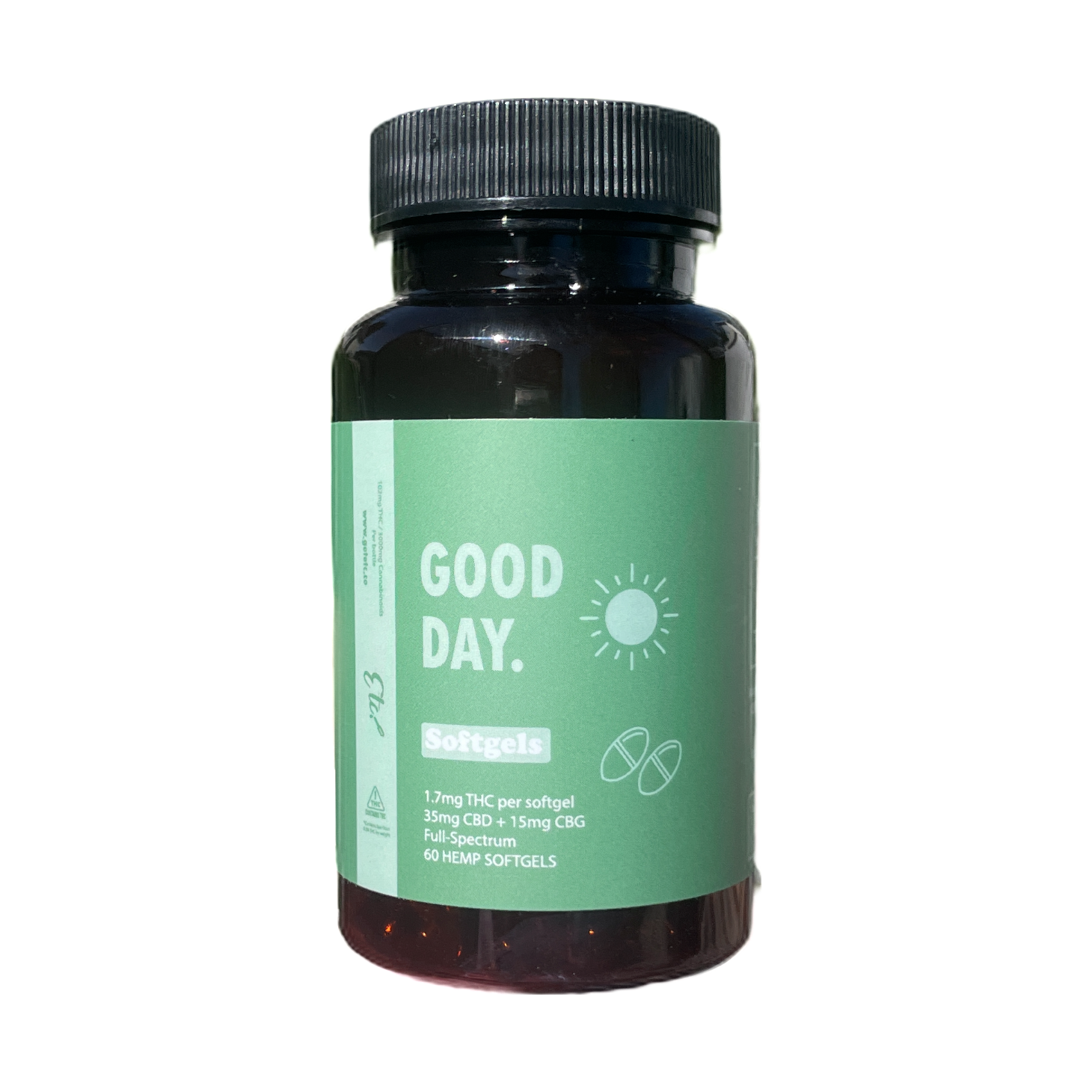
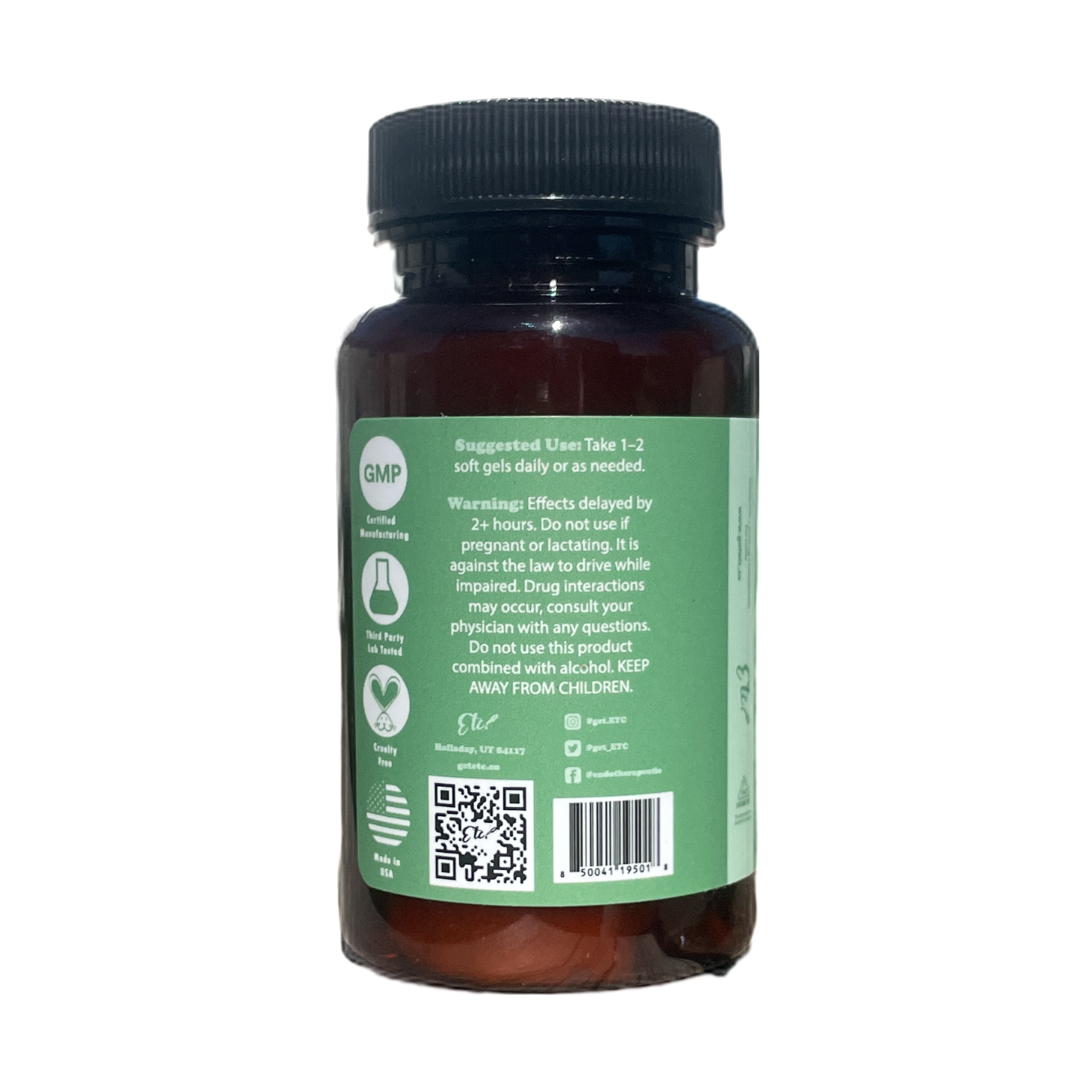
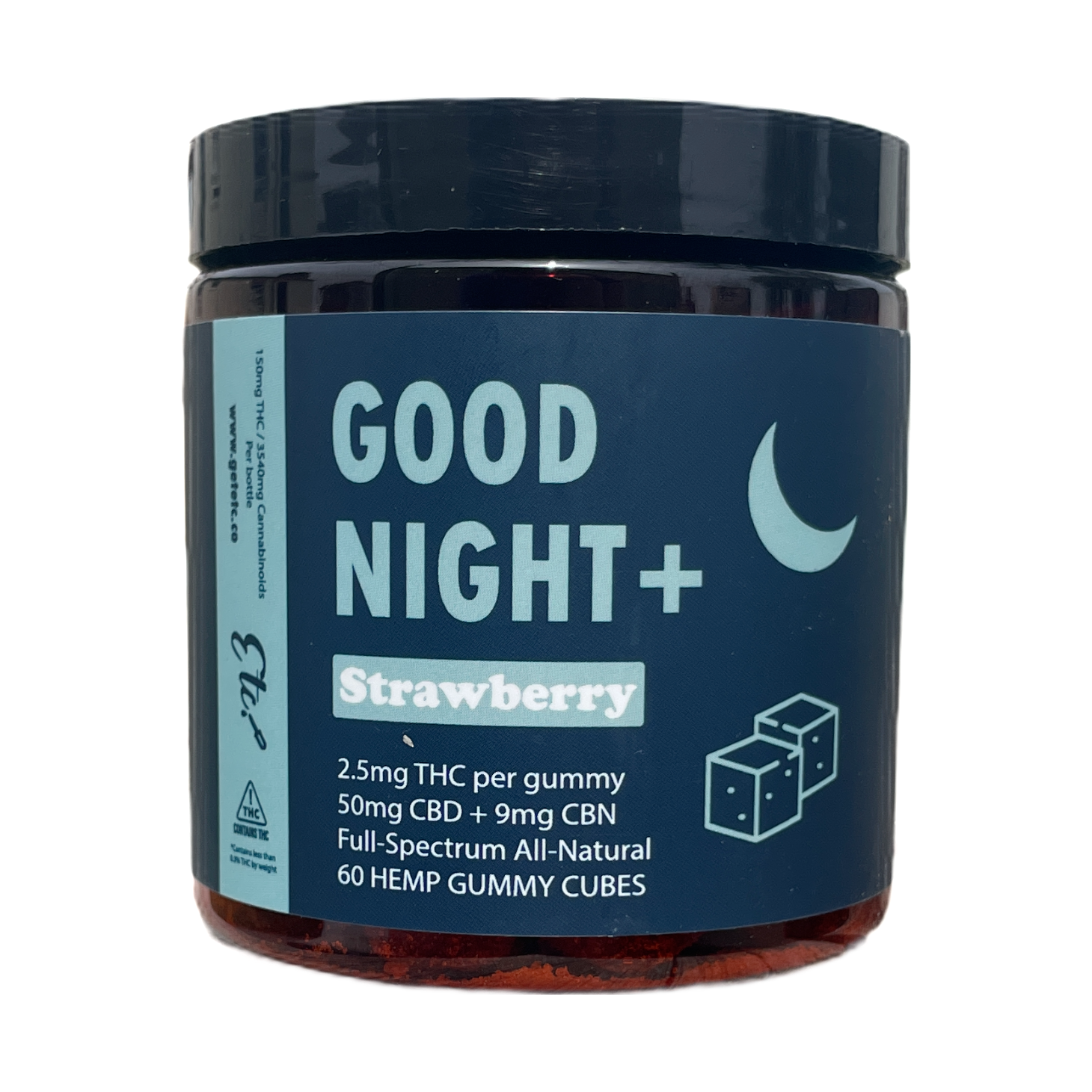
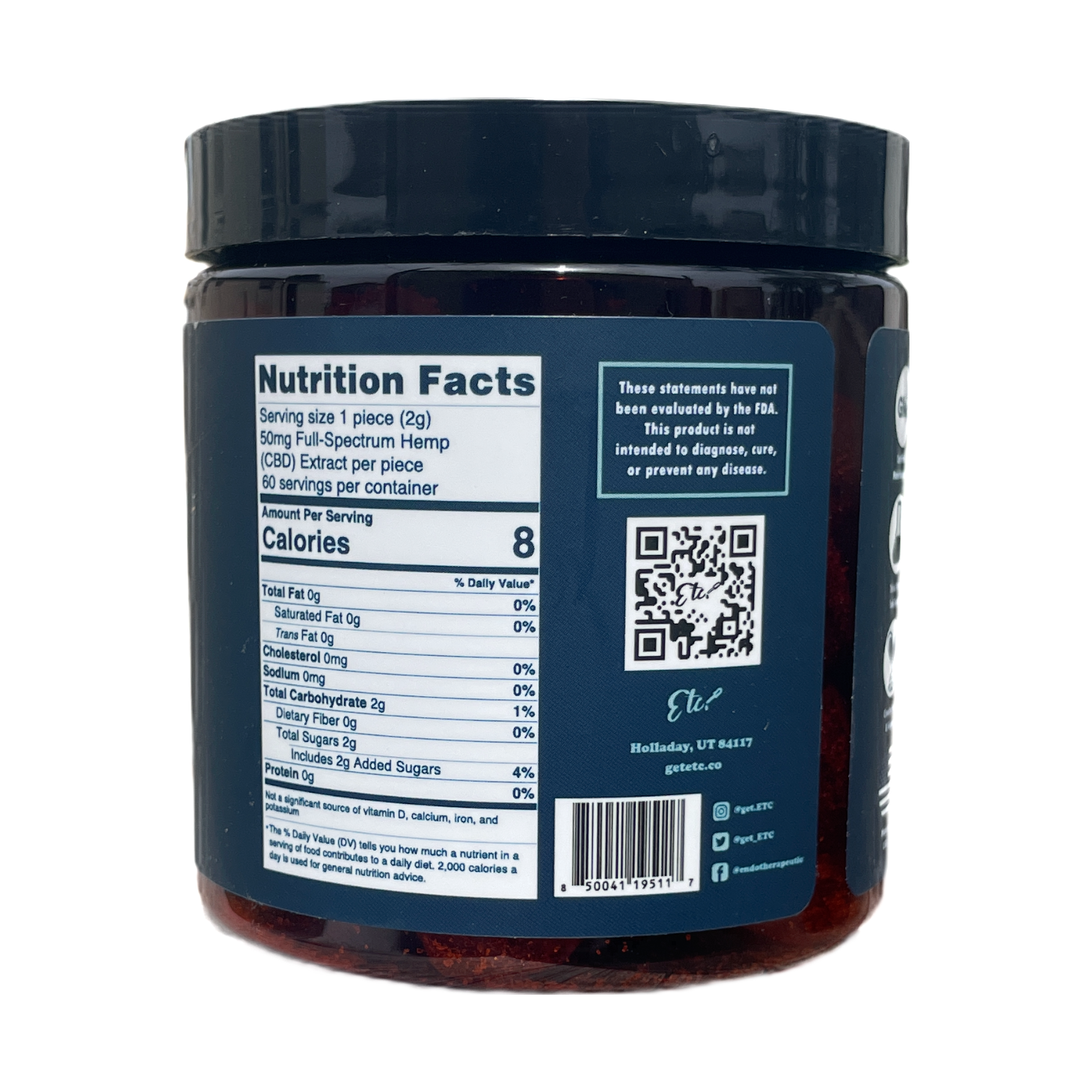
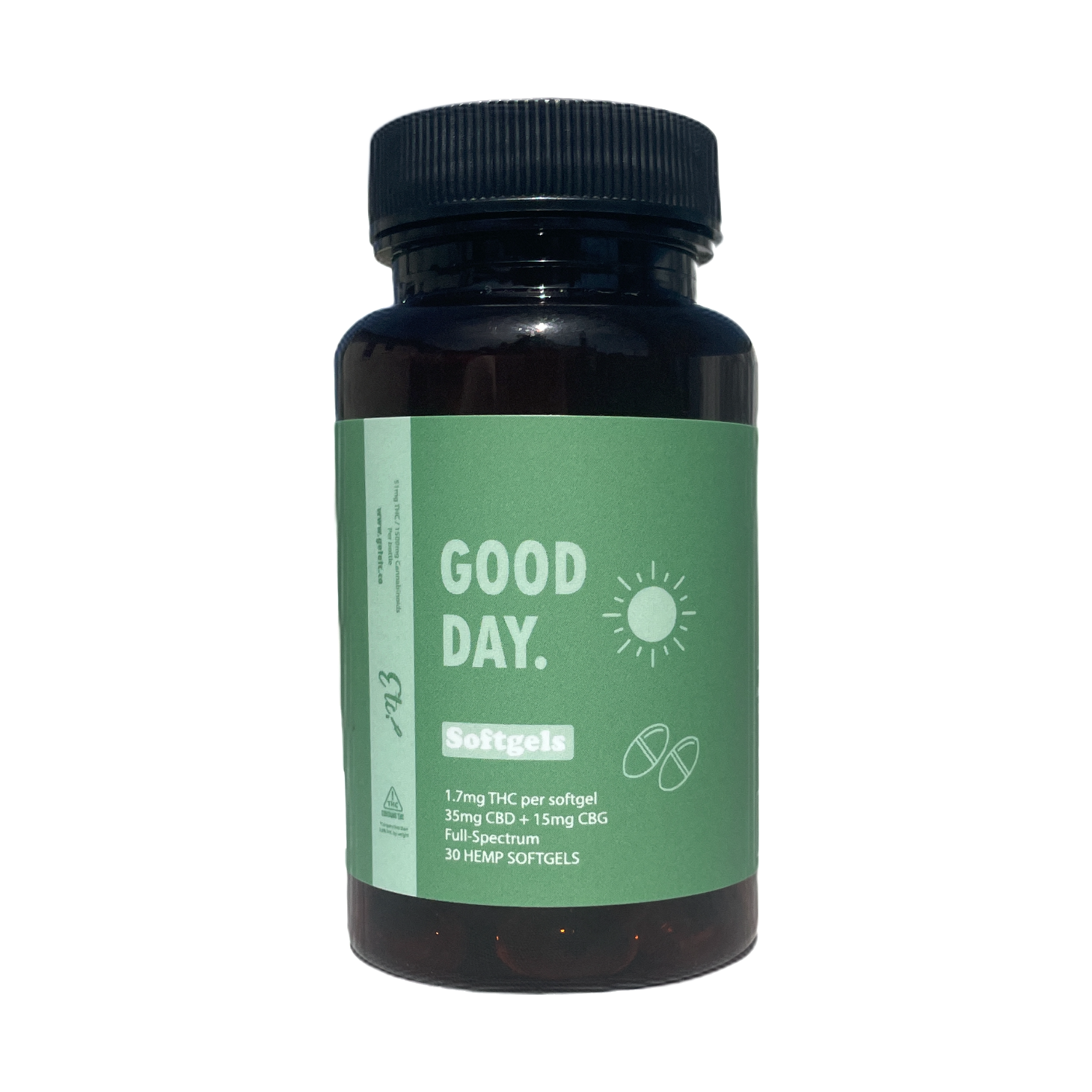
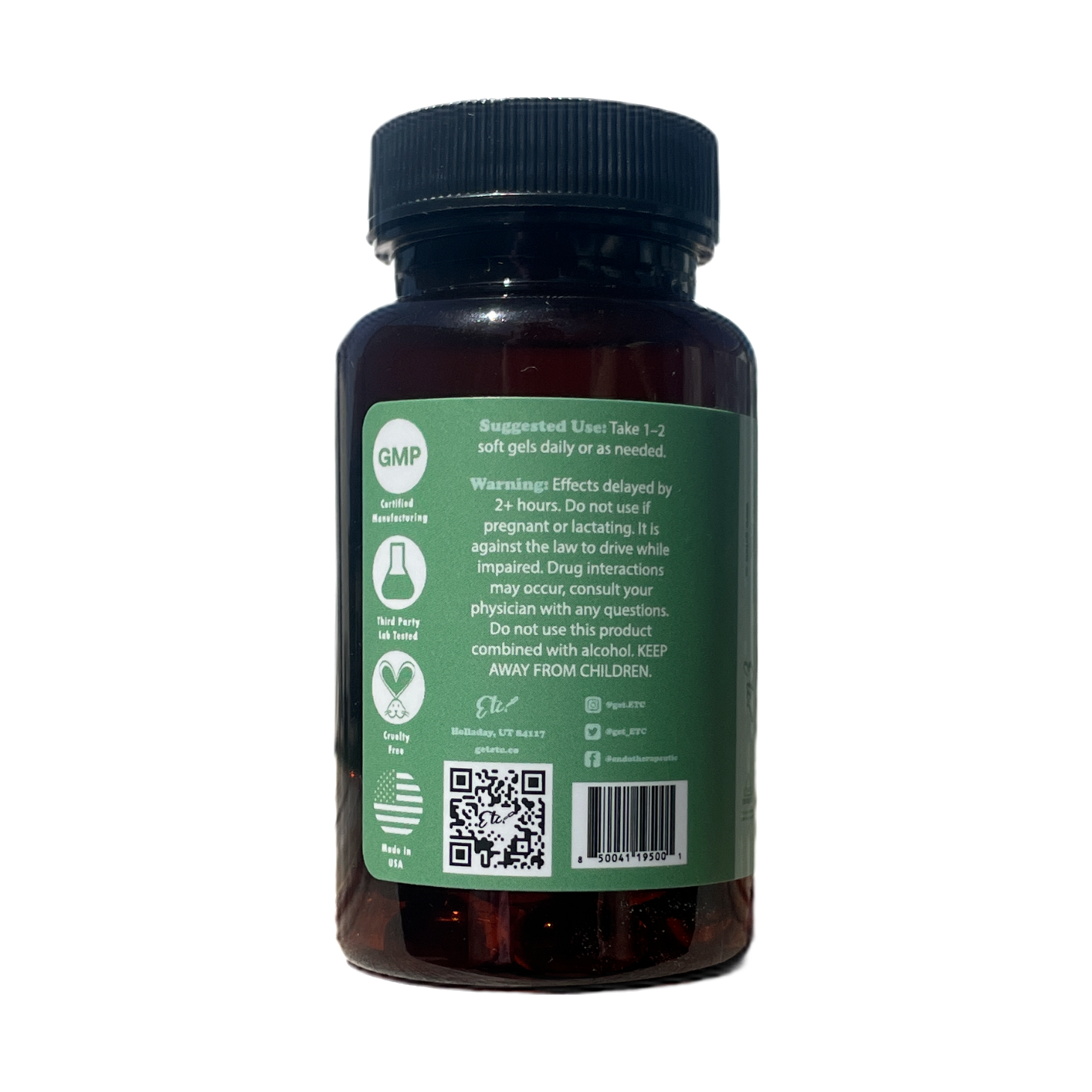
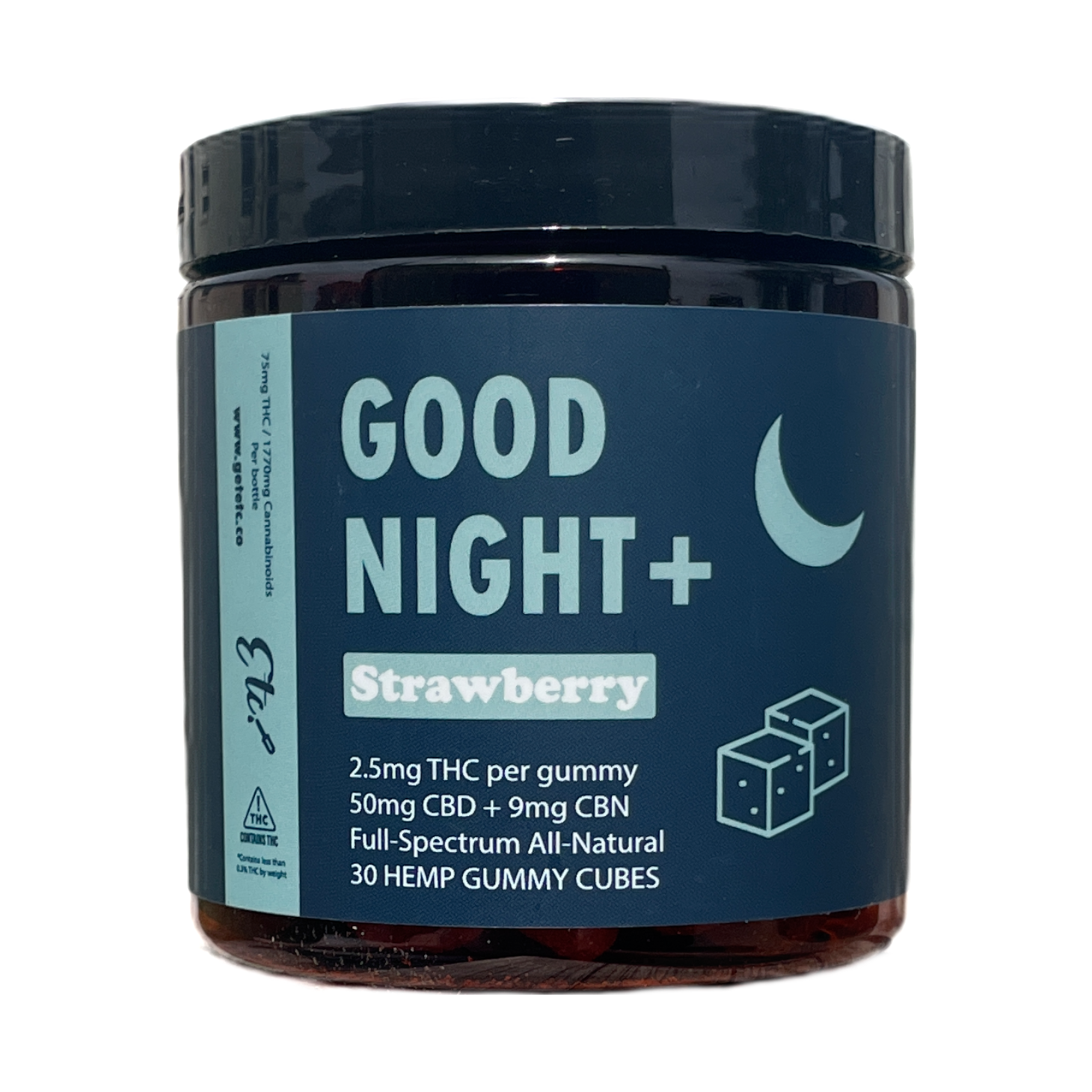
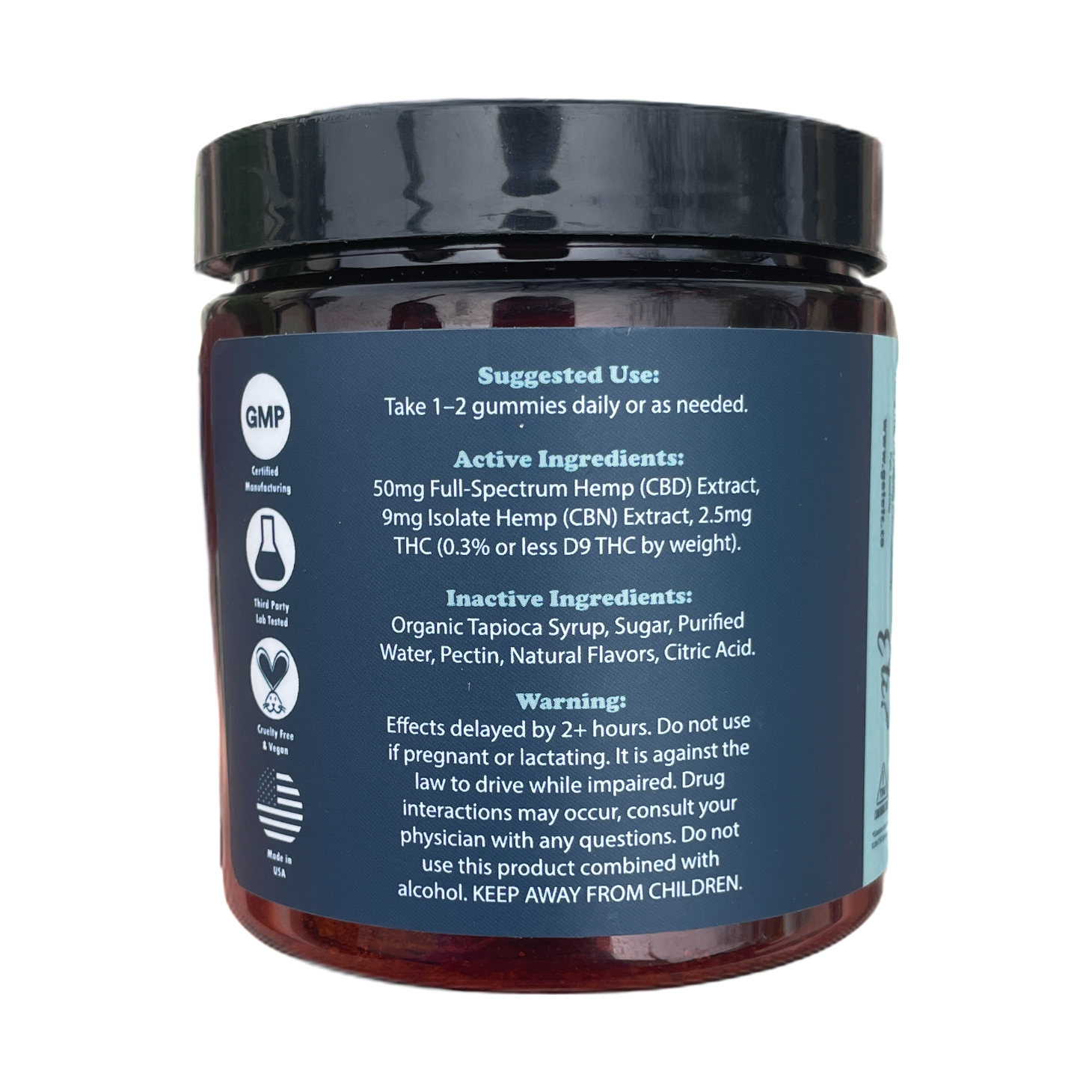
People often ask about the “right” way to build a wellness routine, and the honest answer is that there isn’t one. Some people take Good Day in the morning and find that it shifts the texture of their day in ways they can’t fully articulate but wouldn’t give up. Some use Good Night in the evening and find they move through the next morning differently. Some use both.
What stays consistent across those patterns is the intention underneath them: not to become a new person, but to stop spending so much energy managing the one you already are.
The people who stick with it long enough to feel the difference tend to describe it the same way. Not as something they noticed dramatically. More like something they noticed in its absence when they forgot to take it for a few days. A subtle return of the background friction. An awareness, suddenly, of how much quieter things had been.
That’s how you know a routine is working. Not because it makes news. Because it becomes the kind of thing you quietly rely on, the way you rely on sleep and water and a conversation with someone who actually knows you.
One thing worth checking
If you’re curious about what goes into ETC products, the certificates of analysis for every batch are published at reliefetc.com/pages/coa. Not because reading lab results is anyone’s idea of a good time, but because knowing you can look, anytime, and that the information is actually there, is part of what makes it possible to take the product and then stop thinking about it.
That’s the practical version of trust: nothing to wonder about, nothing to verify. Just a thing you took, and a Tuesday that went better than expected.
Not everything has to be a project. Sometimes the most meaningful shift is the one that gives you your own attention back, so you can point it somewhere worth pointing.
Disclaimer: These statements have not been evaluated by the Food and Drug Administration. This product is not intended to diagnose, treat, cure, or prevent any disease. Consult your healthcare provider before starting any new wellness regimen.
Photo by Klara Kulikova on Unsplash