

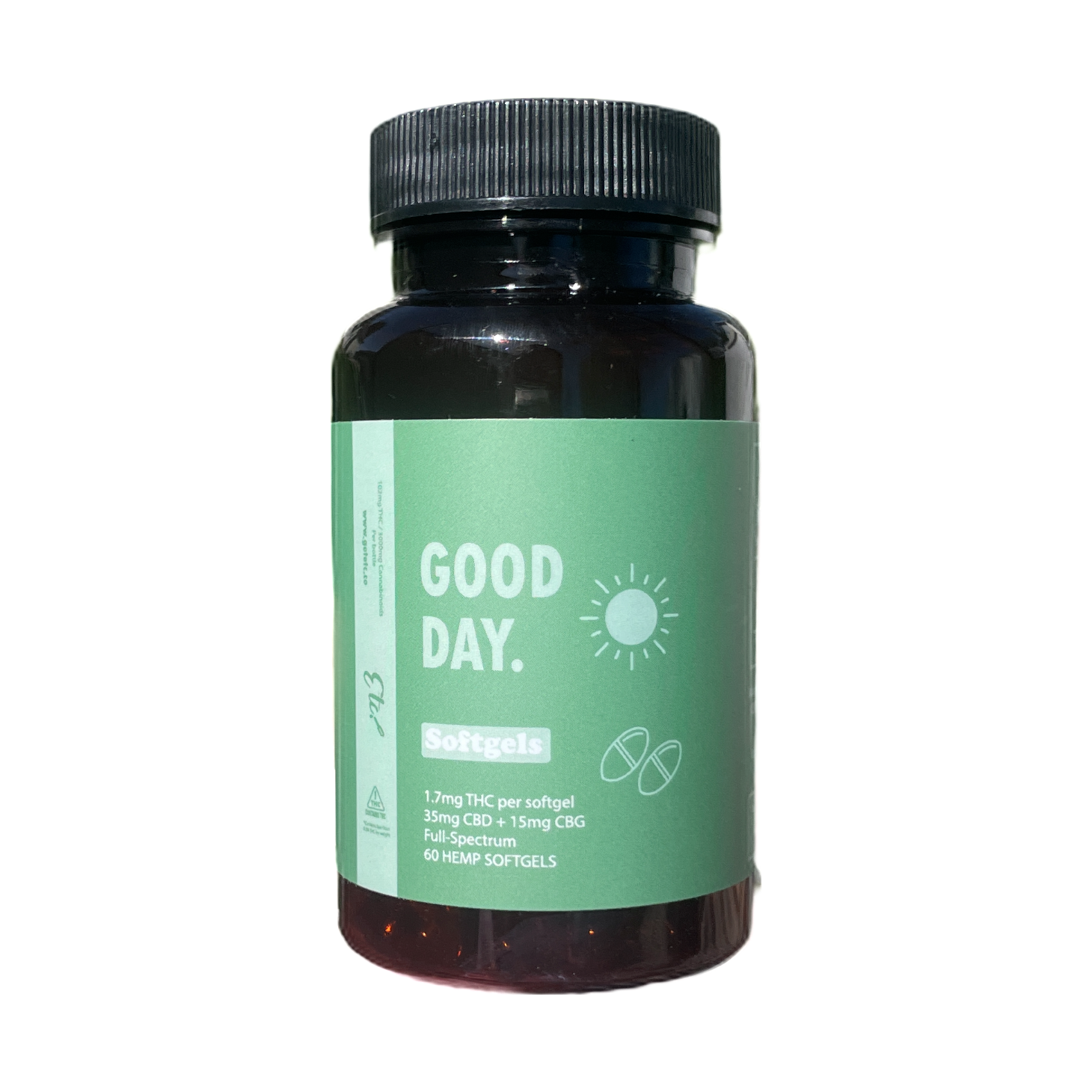
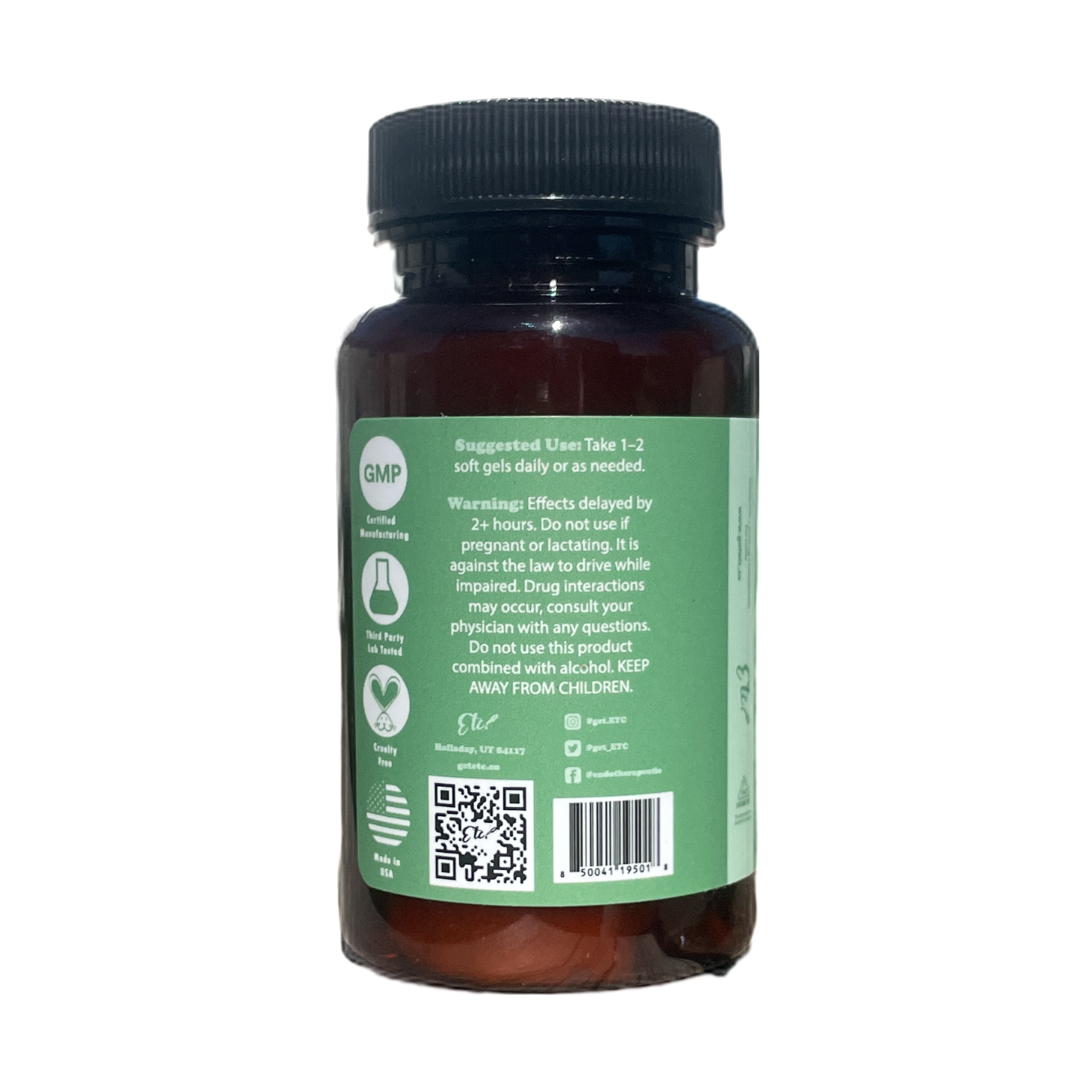
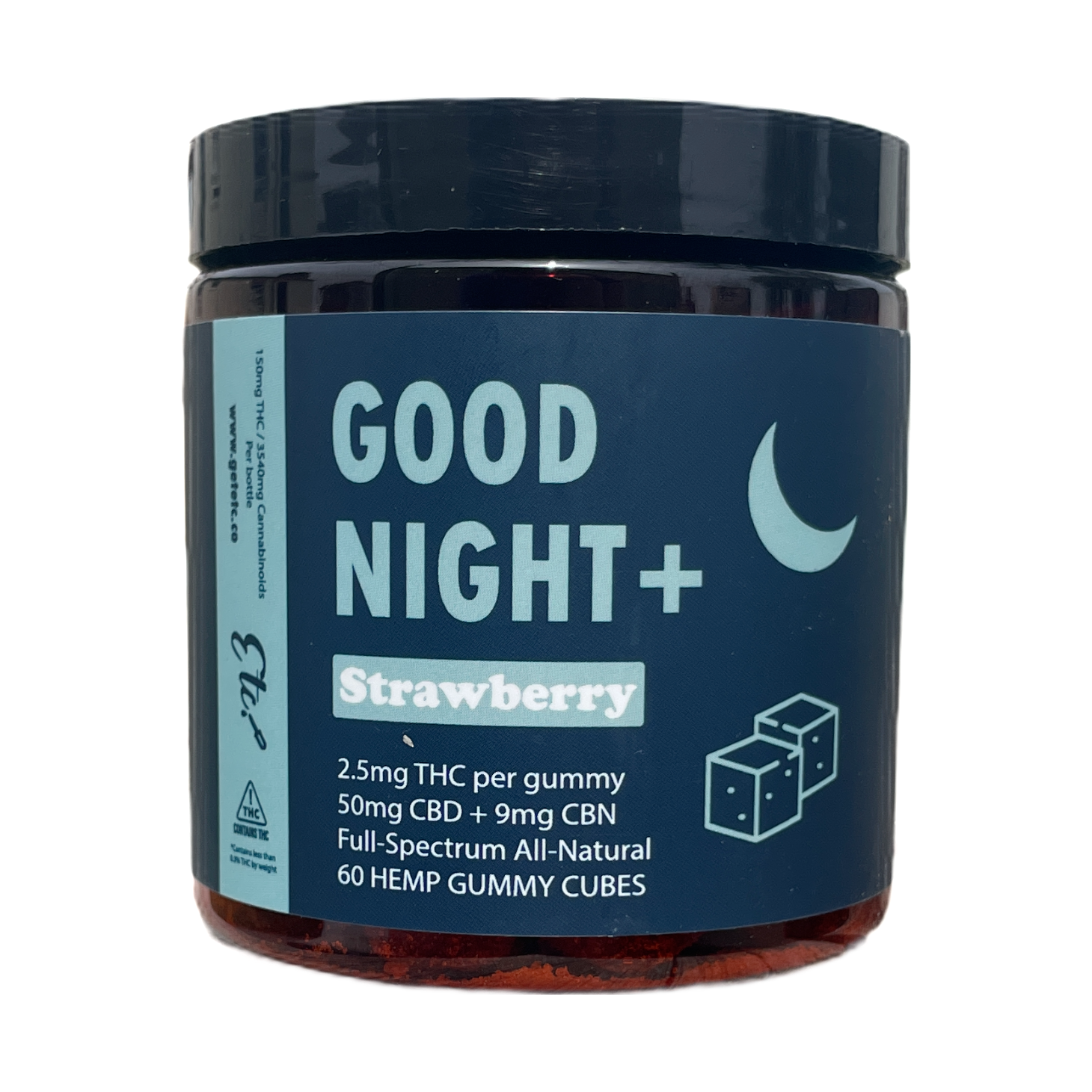
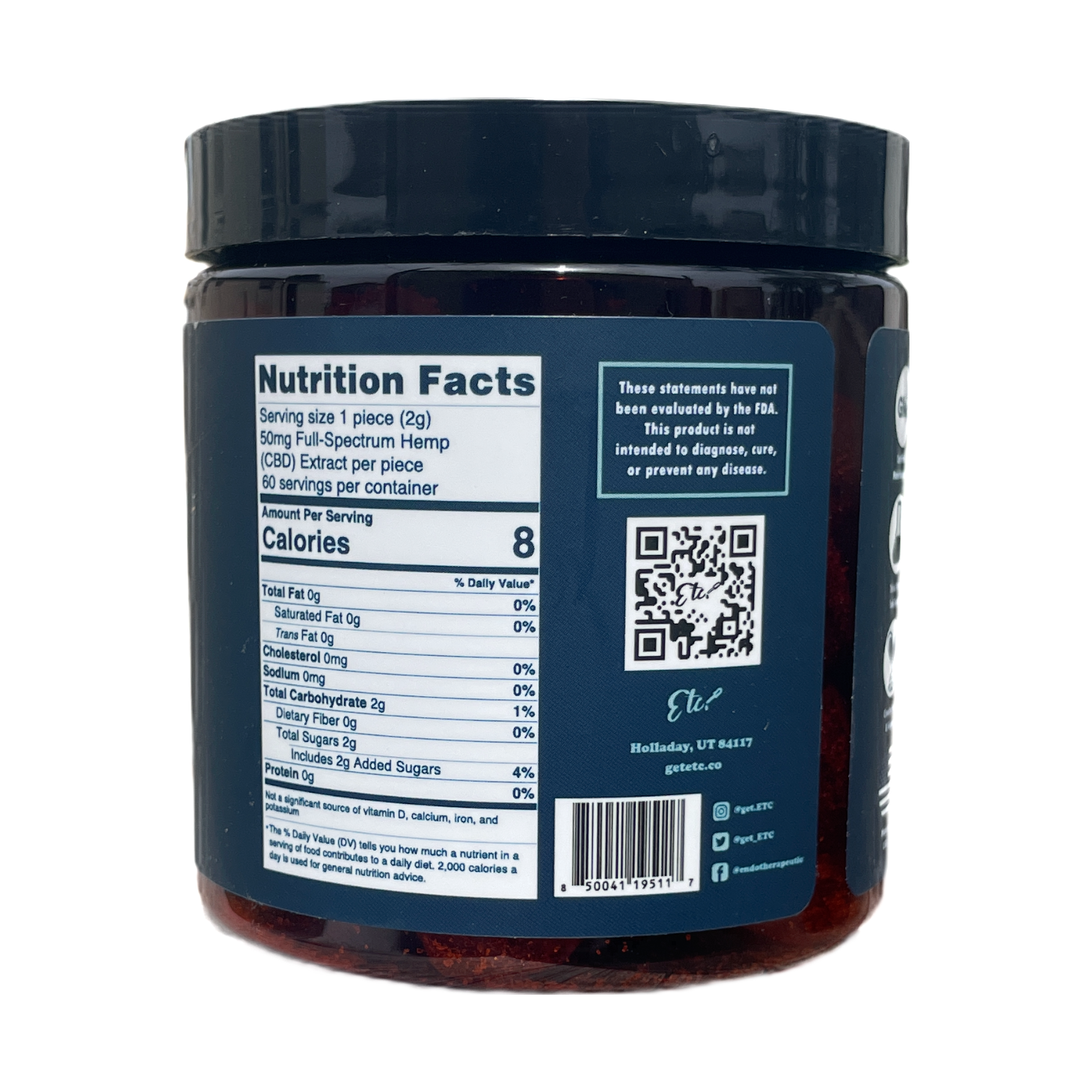



The One Page That Tells You Everything About Your CBD
Most people buy a wellness product and trust it. They read the front of the label, maybe the back, and they move on. That’s fine — that’s how most of us shop for cereal too.
But CBD isn’t cereal. And the person who learns to look one layer deeper isn’t a skeptic. They’re just someone who’s done outsourcing their wellness decisions to whoever wrote the prettiest label.
There’s a single page that changes everything. In the CBD world, it’s called a Certificate of Analysis, or COA. Learning to read one takes about ten minutes. And once you do, you’ll never look at a hemp product the same way again.
What a COA Actually Is
A COA is a lab report issued by an independent, third-party testing facility. It documents what’s actually in a product — not what the brand says is in it, but what a lab found when they tested it.
Think of it like a nutrition facts panel, except it was written by someone with no financial stake in making the numbers look good.
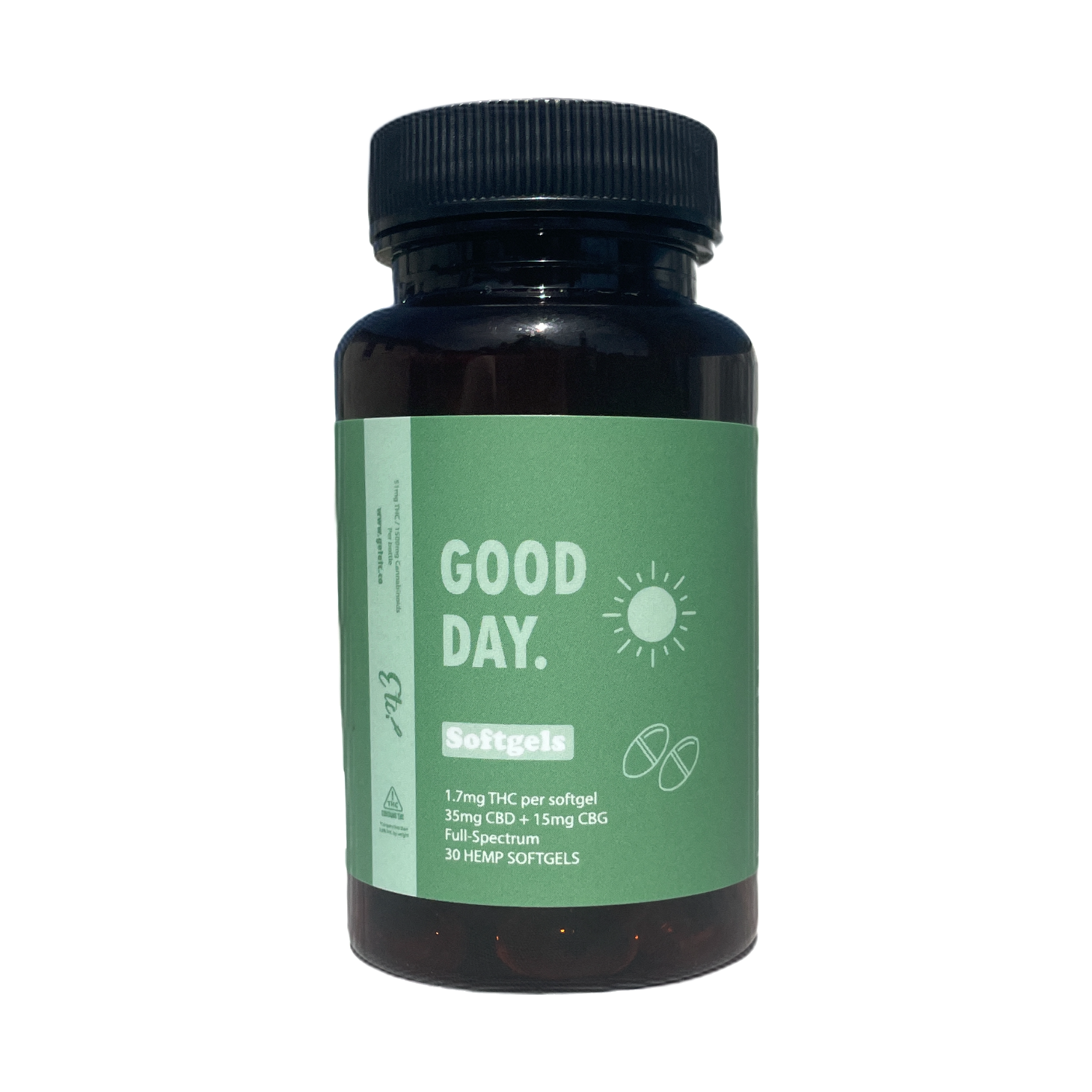
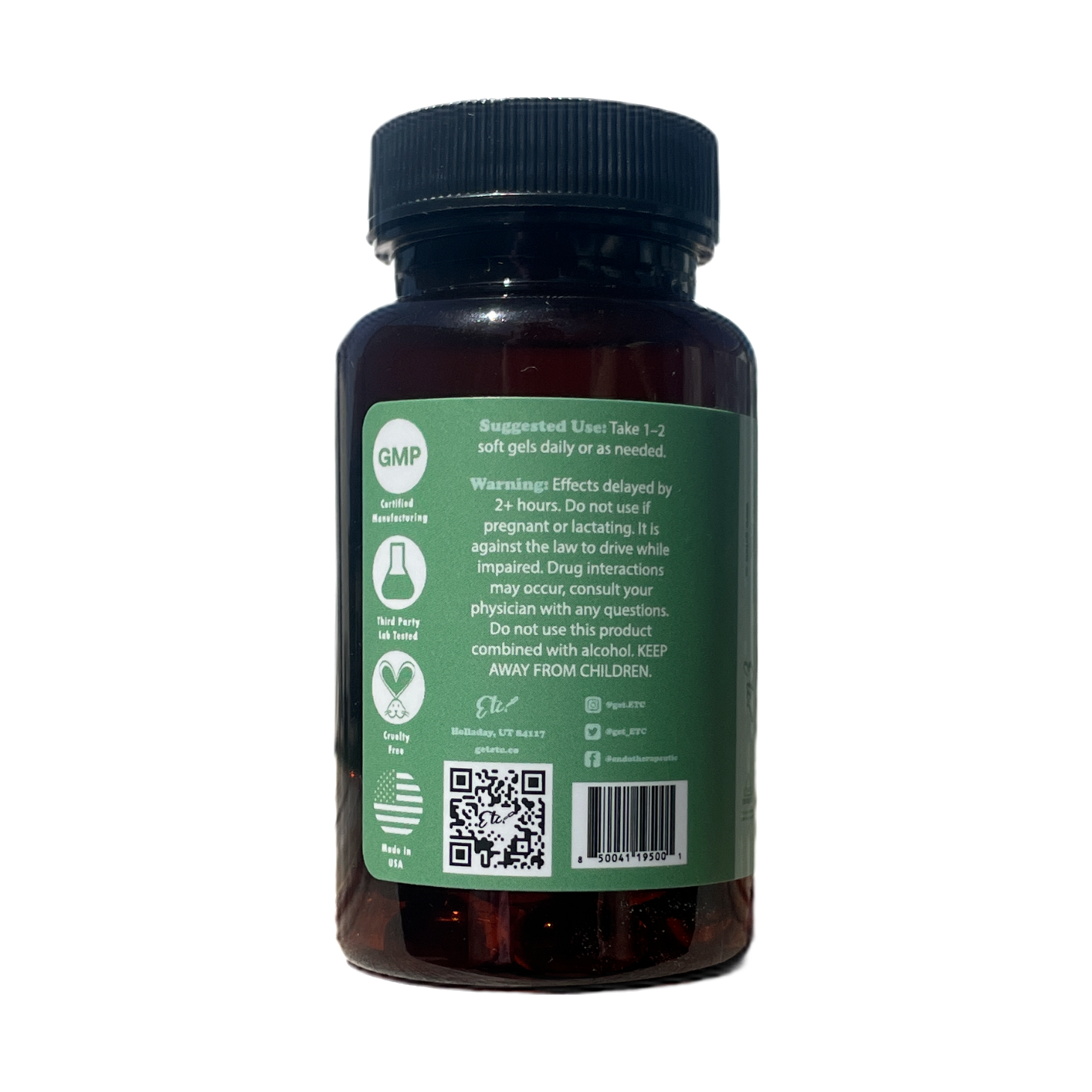
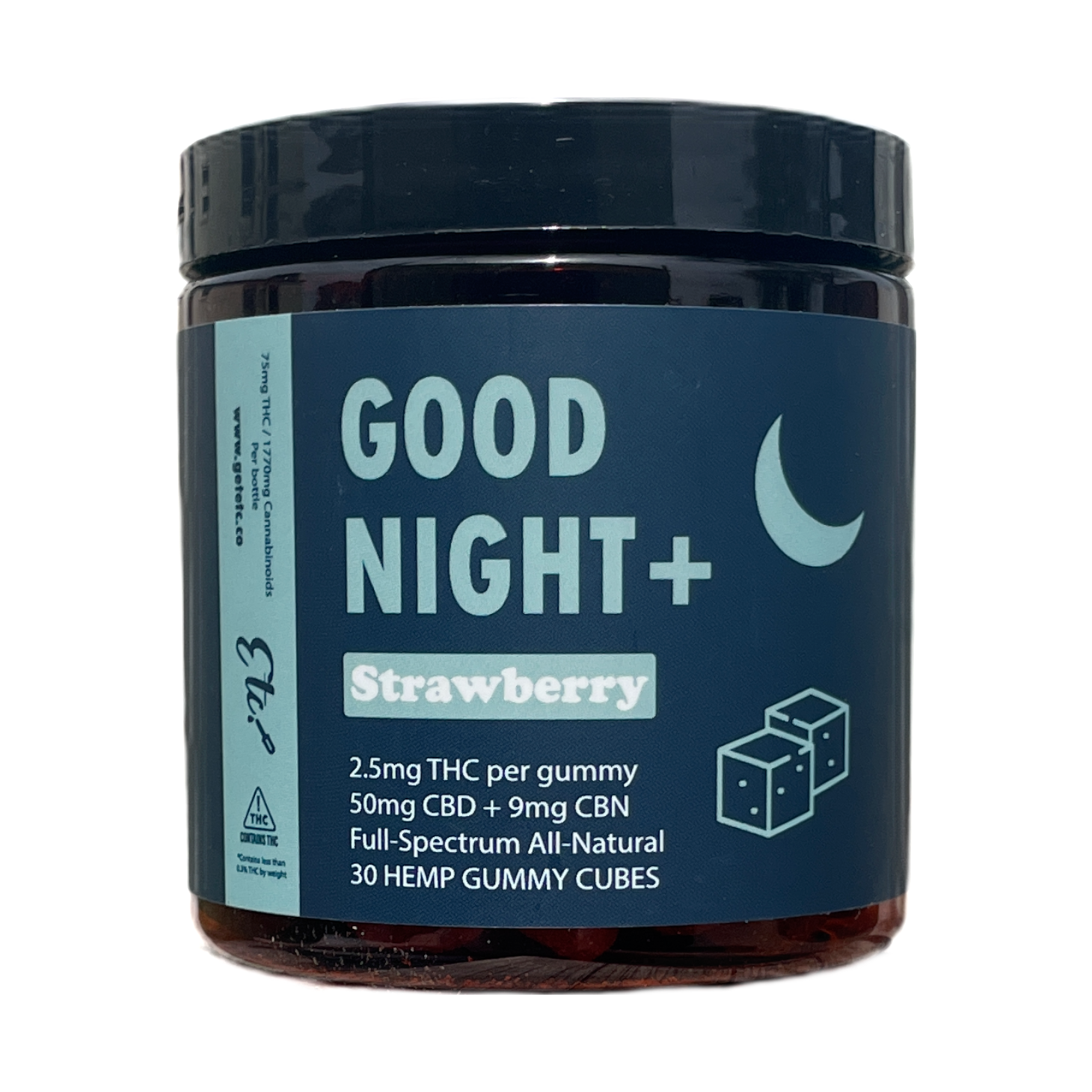
Every ETC product has one, and they’re published openly at reliefetc.com/pages/coa. You don’t have to ask. You don’t have to email. They’re just there.
Why This One Page Is Worth Your Time
Here’s the uncomfortable truth about the CBD industry: because federal regulation has lagged behind the market, some brands sell products that contain significantly less (or more) than they claim. Some contain contaminants. Some are what they say they are.
You can’t tell which is which from the packaging.
The COA is how you tell. It’s the moment you stop taking a brand’s word for it and start reading the actual receipts.
That shift — from passive consumer to informed one — is not a small thing. It changes how you feel about your routine. When you know what you’re putting in your body has been verified by a lab that has no reason to flatter anyone, you stop wondering. And that certainty has a way of making everything downstream feel more grounded.
Walking Through a COA: What to Actually Look At
You open the page. It looks like a chemistry report. Don’t panic.
Here’s what matters:
The cannabinoid panel
This is the most important section. It lists every cannabinoid detected in the product and at what concentration — usually in milligrams per gram or per milliliter.
You’re looking for a few things:
Does the CBD amount match the label? If a product says 30mg per serving, the lab results should confirm something in that neighborhood. Minor variation is normal. A large gap is a flag.
What other cannabinoids are present? Full-spectrum products should show a range of cannabinoids: CBD, CBG, CBN, CBC, THC, and others. This is a good sign. It means you’re getting the whole plant, not just one isolated compound. The cannabinoids in a full-spectrum product work together in ways that isolated compounds don’t replicate as well.
How much THC? Legal hemp must contain less than 0.3% THC. The COA will show you the exact number. For ETC products, this is consistently well within federal limits — but you can verify it yourself rather than taking that on faith.
The contaminant panel
A thorough COA also tests for things that shouldn’t be there: pesticides, heavy metals, residual solvents, and microbial contaminants. Ideally, these come back as “not detected” or “ND” across the board.
If a brand can’t show you clean contaminant results, that’s your answer.
The testing facility
Look at who ran the test. It should be a third-party lab — meaning a company that has no ownership connection to the brand. Some companies test their own products internally, which is a bit like grading your own homework. A credible COA comes from an outside lab with its own accreditation.
The date
Lab results age. If the COA you’re looking at is years old, it’s not telling you much about the product currently on the shelf. Look for recent testing, ideally by batch.
The Confidence That Comes After
Here’s what nobody talks about when they teach people to read a COA: it’s not really about the document.
The document is just a tool. What it gives you is permission to stop second-guessing.
When you know how to read one, when you’ve checked the numbers and they hold up, when you’ve looked at the contaminant panel and seen all those ND results, something settles. You’ve done your due diligence. The decision is yours, fully. That’s a different experience than just hoping a brand is being straight with you.
There’s a version of a wellness routine that’s fragile because it’s built on trust you can’t verify. And there’s a version that’s solid because you actually looked. The second one is easier to stick with. The second one is the one that has a real chance of becoming part of how you live.
One More Thing Worth Knowing
Utah law requires third-party testing for hemp products. So in this state, a COA isn’t extra credit — it’s a baseline requirement. What that means for you: if a brand is operating legally in Utah and publishing its COAs, you’re already in a better-regulated environment than most states offer.
That’s not a reason to stop reading the COA. It’s a reason to feel good about what you’ll find when you do.
If you want to see what this looks like in practice, start here with ETC’s published results — then bring that same standard to every hemp product you ever consider.
The person who reads the COA is the person who actually knows what they’re doing. Everything else is just hope with a label on it.
Disclaimer: These statements have not been evaluated by the Food and Drug Administration. This product is not intended to diagnose, treat, cure, or prevent any disease. Consult your healthcare provider before starting any new wellness regimen.
Photo by Jack Sparrow on Unsplash