




Joy as a practice, not a destination
Most people approach joy the way they approach a vacation: something earned after enough suffering, scheduled for later, contingent on everything going right first. Finish the project. Get past this rough patch. Wait until the kids are older or the mortgage is smaller or the calendar finally clears.
The problem isn’t the plan. It’s the assumption underneath it — that joy is a destination you arrive at, rather than something you practice in the middle of everything.
The subtle trap of “I’ll be happy when…”
There’s a version of wellness culture that accidentally makes this worse. It’s the one that promises transformation just around the corner: just try this supplement, just sort out your sleep, just optimize this, and then you’ll feel like yourself again. The implication is that joy is always one solution away.
But here’s what that framework misses: joy isn’t waiting at the end of a fixed checklist. It’s built in the small, consistent moments of actually showing up for your own life.
That reframe sounds simple. Living it is harder. And that’s not a personal failing — it’s just what modern life is. Overscheduled, overstimulating, and quietly exhausting in ways that are easy to normalize.
Which is why the question worth asking isn’t “when will I feel better?” It’s “what would it take to feel more present right now?”
Presence is where joy actually lives
Think about the last time you felt genuinely good. Not euphoric, not on vacation, just… good. Chances are you were actually in whatever you were doing. Laughing at something dumb with someone you love. Getting absorbed in a project. Walking somewhere you’ve walked a hundred times but actually noticing it.
That quality of being present is the raw material of joy. And it turns out it’s also the thing that erodes fastest when we’re running on fumes, distracted, or just worn down by the friction of daily life.
This is the part that tends to surprise people: the goal isn’t to feel extraordinary. It’s to feel like yourself. To be patient with the people at dinner instead of somewhere else in your head. To actually enjoy a Saturday morning instead of just getting through it.
That sounds modest. It’s actually everything.
Why trust becomes the foundation
Here’s where this gets practical. One of the quietest saboteurs of daily presence is uncertainty. Not the big existential kind — the small, nagging kind. Is this thing working? Is what I’m putting in my body actually what it says it is? Am I making a good decision or just a hopeful one?
That low-grade uncertainty is a real cognitive and emotional tax. It doesn’t announce itself; it just sits there, making it slightly harder to fully commit to anything.
This is why transparency matters — not as a marketing talking point, but as a functional prerequisite for trust. When you know what’s in what you’re taking, and you know it’s been verified by independent labs (our COAs are published at reliefetc.com/pages/coa for exactly this reason), you get to stop wondering. And when you stop wondering, you get to start participating.
That’s not a small thing. The mental load of doubt adds up. Letting it go creates space — the kind of space where presence, and eventually joy, can actually take root.
What a consistent routine actually gives you
ETC ran an 8-week participant study, and the results told an interesting story. Sleep improved first. Then energy. Then mood — which showed the largest overall gain of any category, climbing from a 3.7 average to a 4.6 by week eight. And overall wellbeing improved by about 30% across participants.
What’s striking isn’t just the numbers. It’s the arc. The improvements weren’t a spike after week one — they built steadily, week over week. That’s not the profile of a product that hits you once and fades. That’s the profile of a consistent practice paying dividends over time.
Participants weren’t trying to manufacture happiness. They were just showing up, consistently, with something that supported how they felt. And over time, how they felt changed what they could do. What they could notice. Who they could be in a room with.
That’s joy as a practice. Not scheduled for later. Earned gradually, in the repetition.
The practical architecture of feeling good
So what does this actually look like?
It looks like a morning that has a shape, not just a to-do list. A nighttime routine that signals to your nervous system that you’re allowed to let go. A product you reach for because you trust it, not because you’re desperate and hoping.
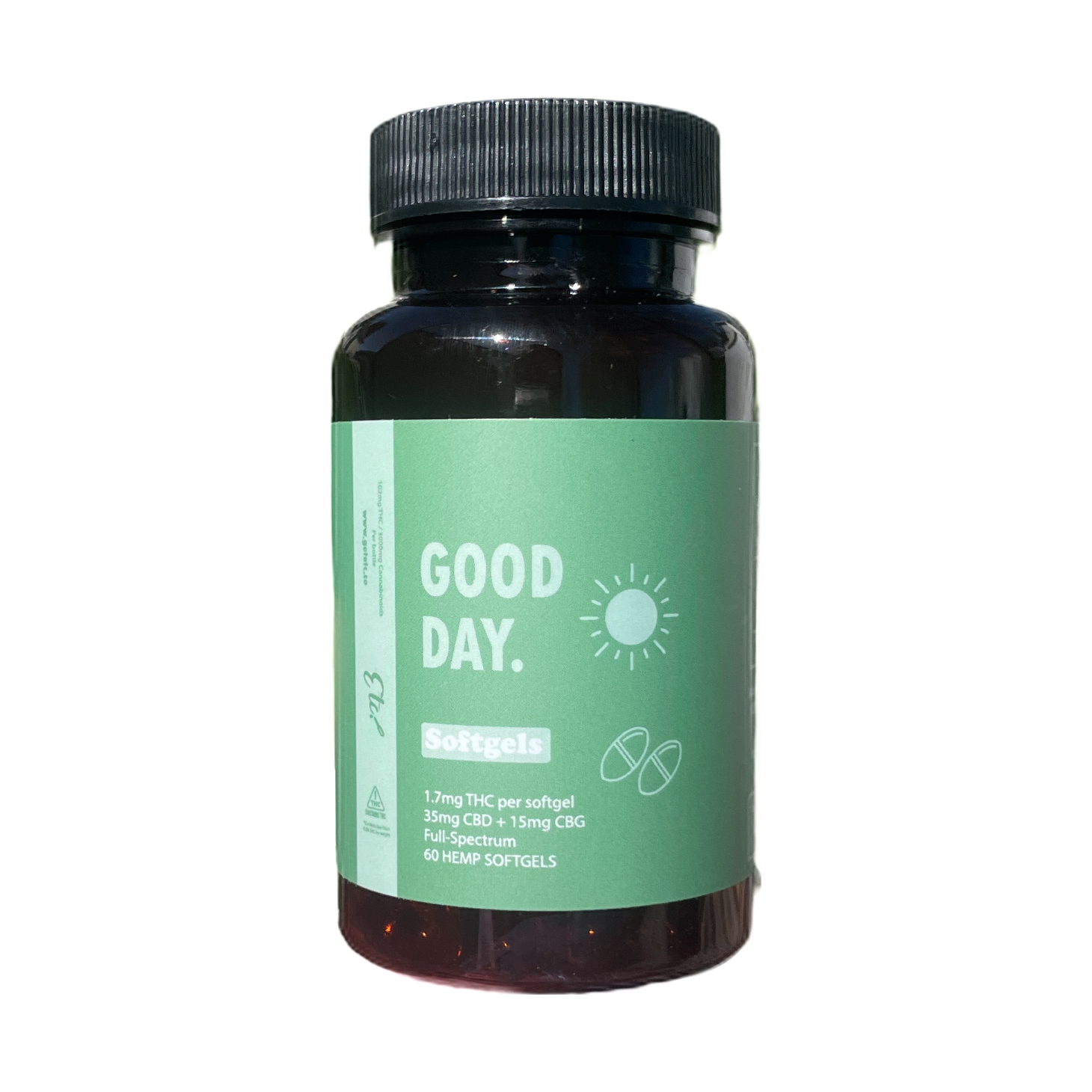
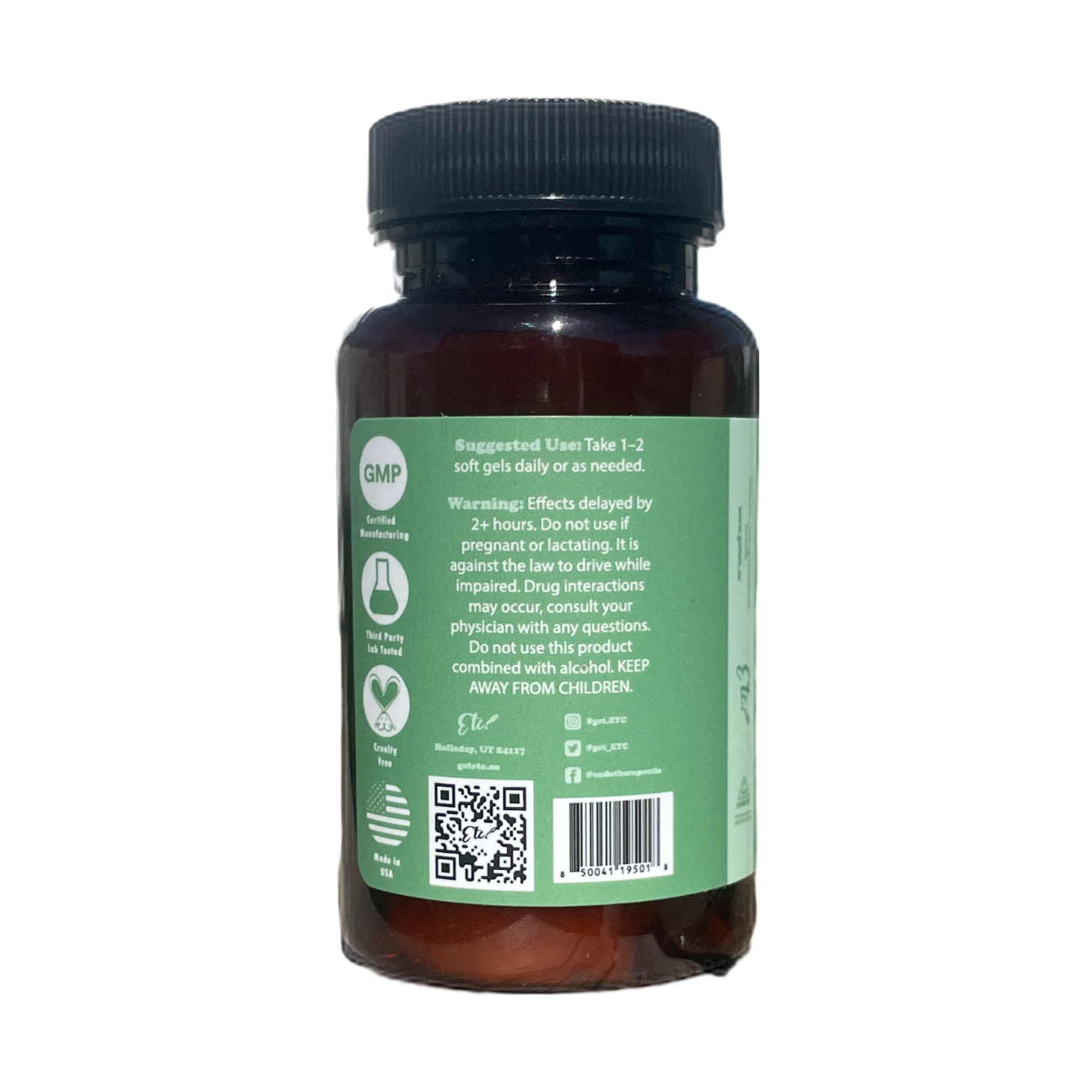
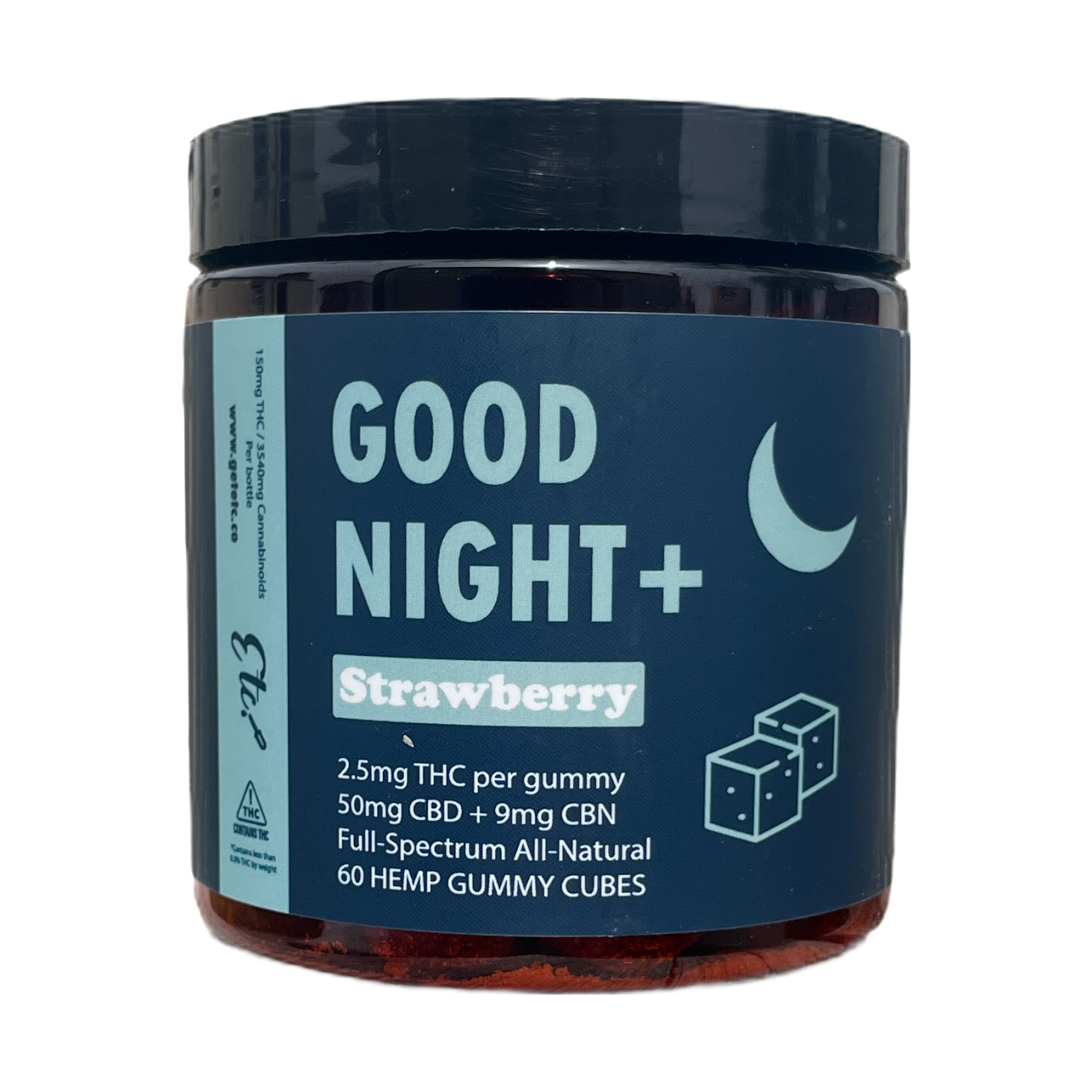
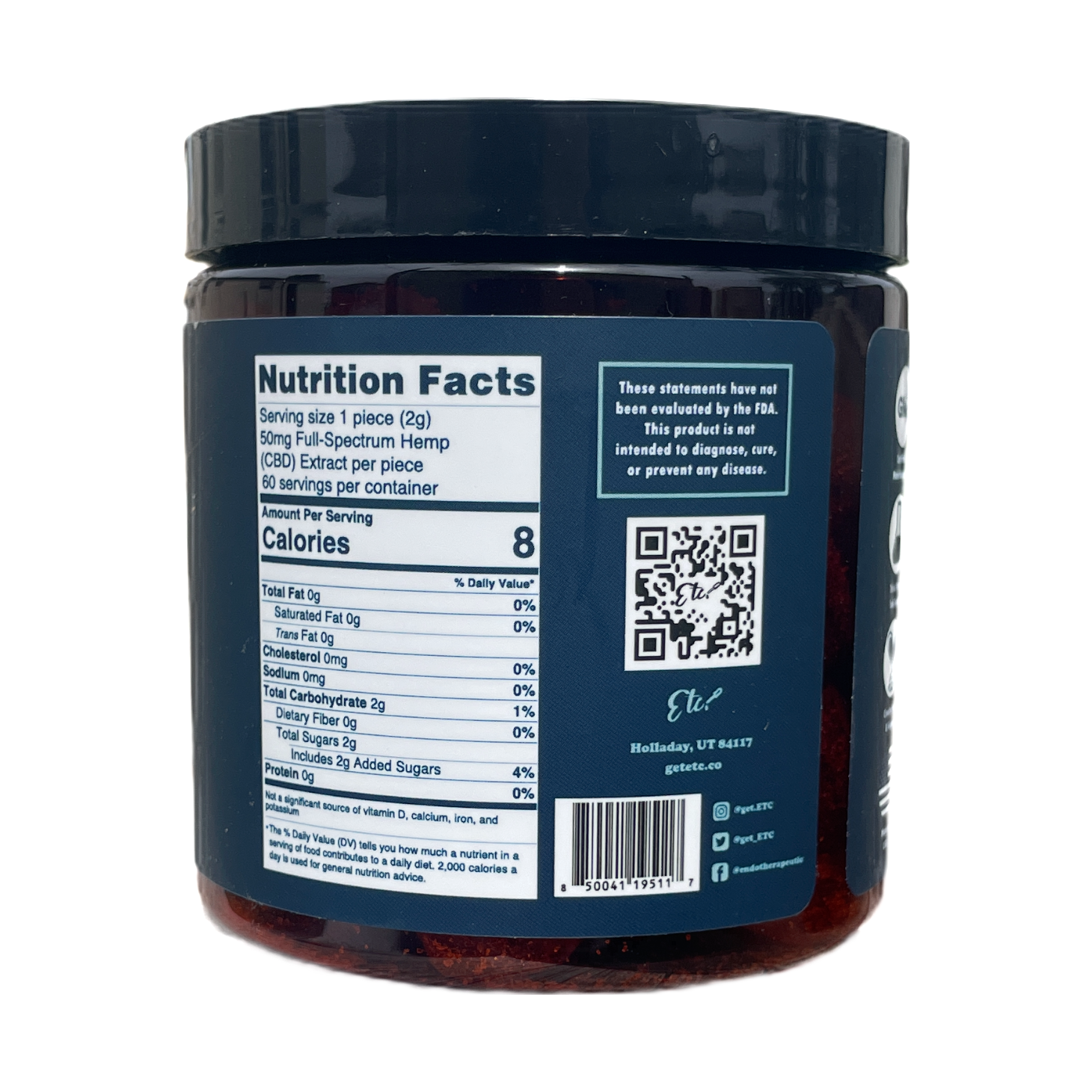
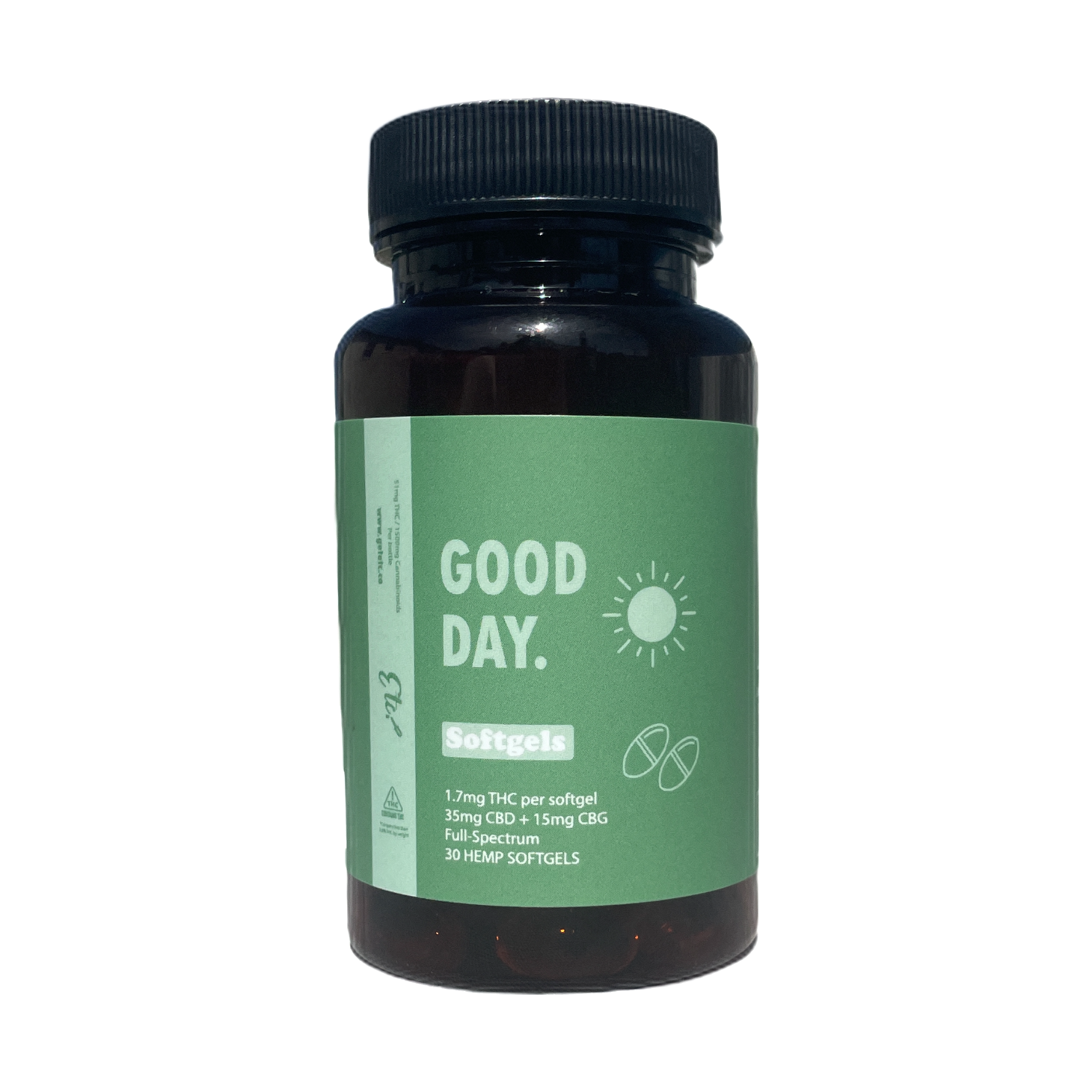
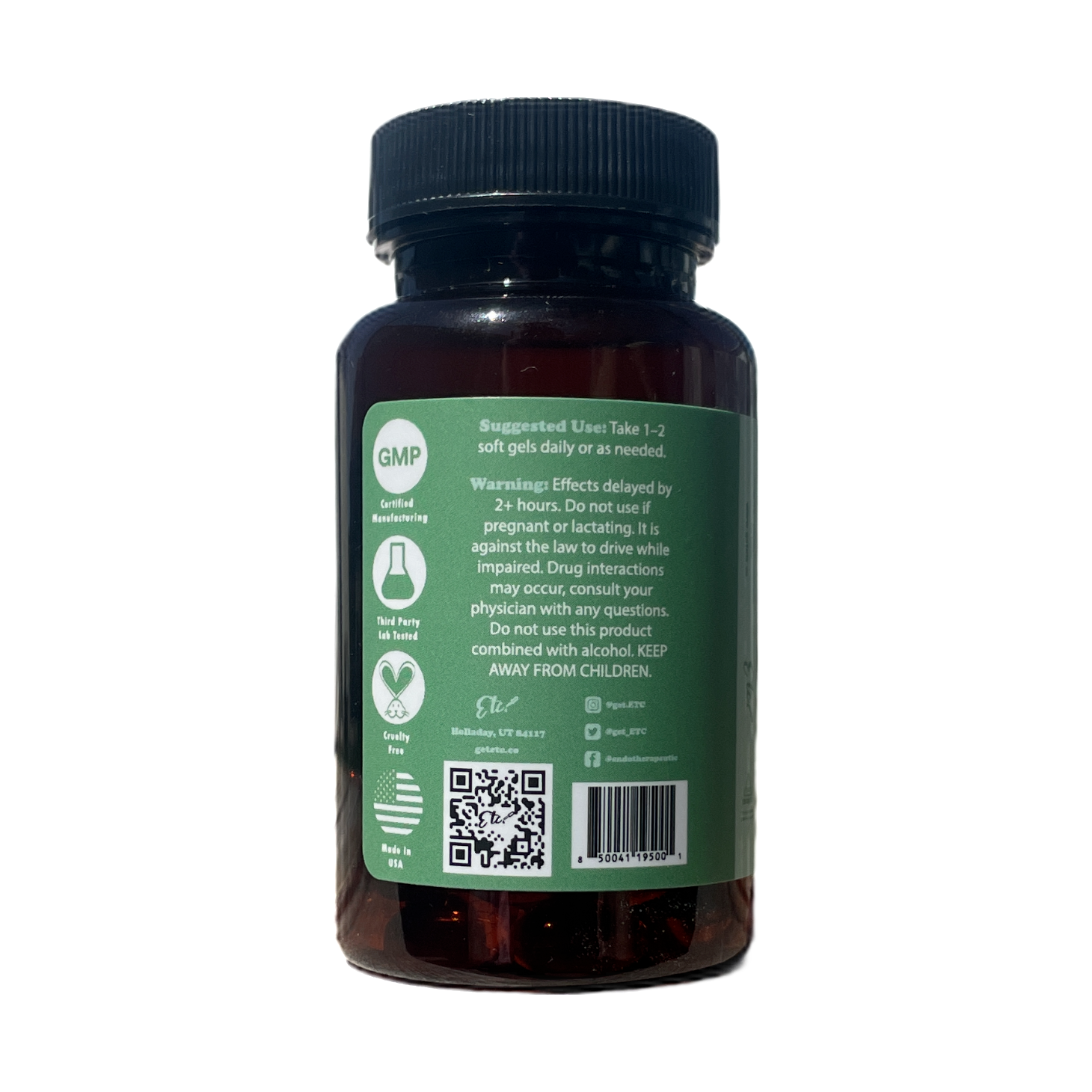
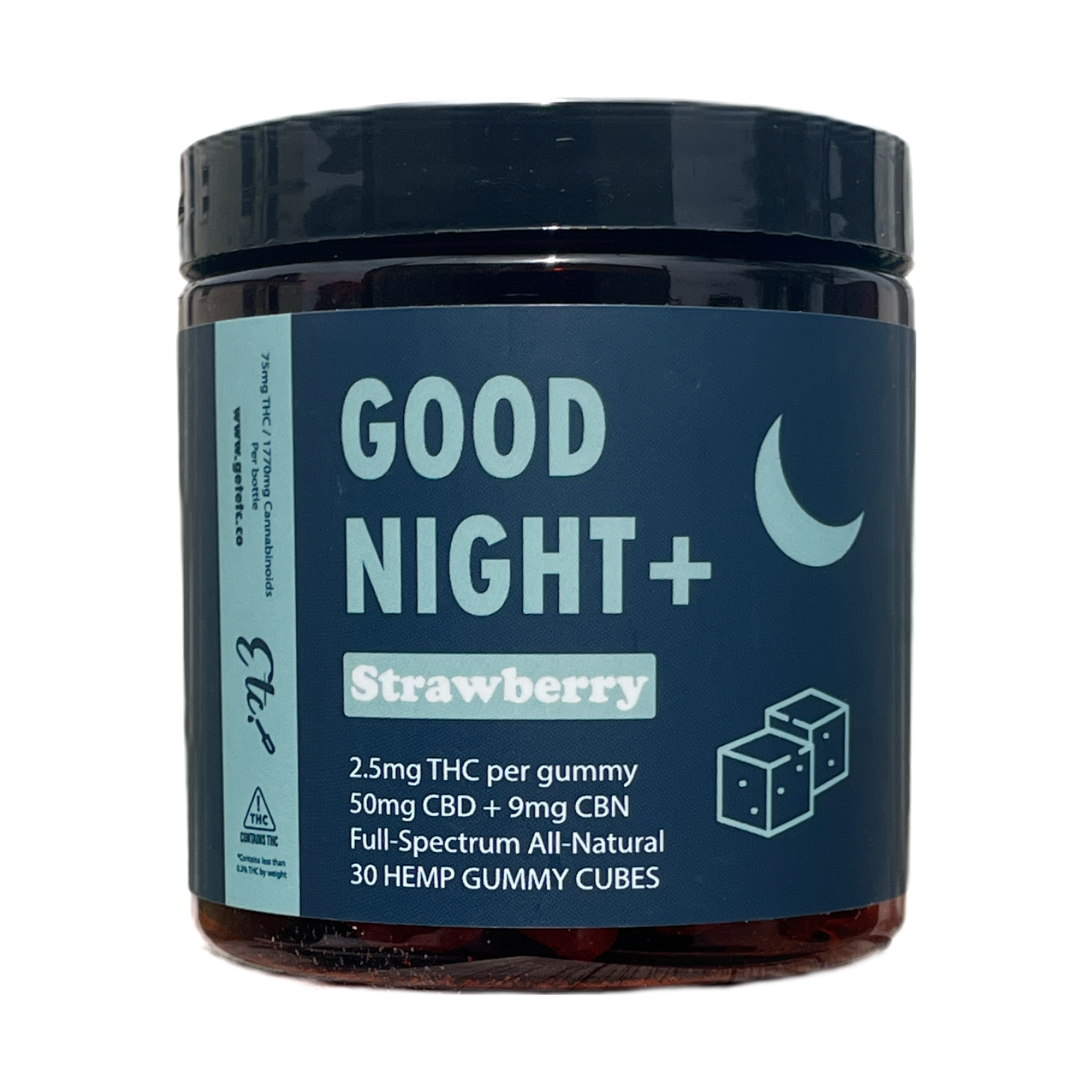
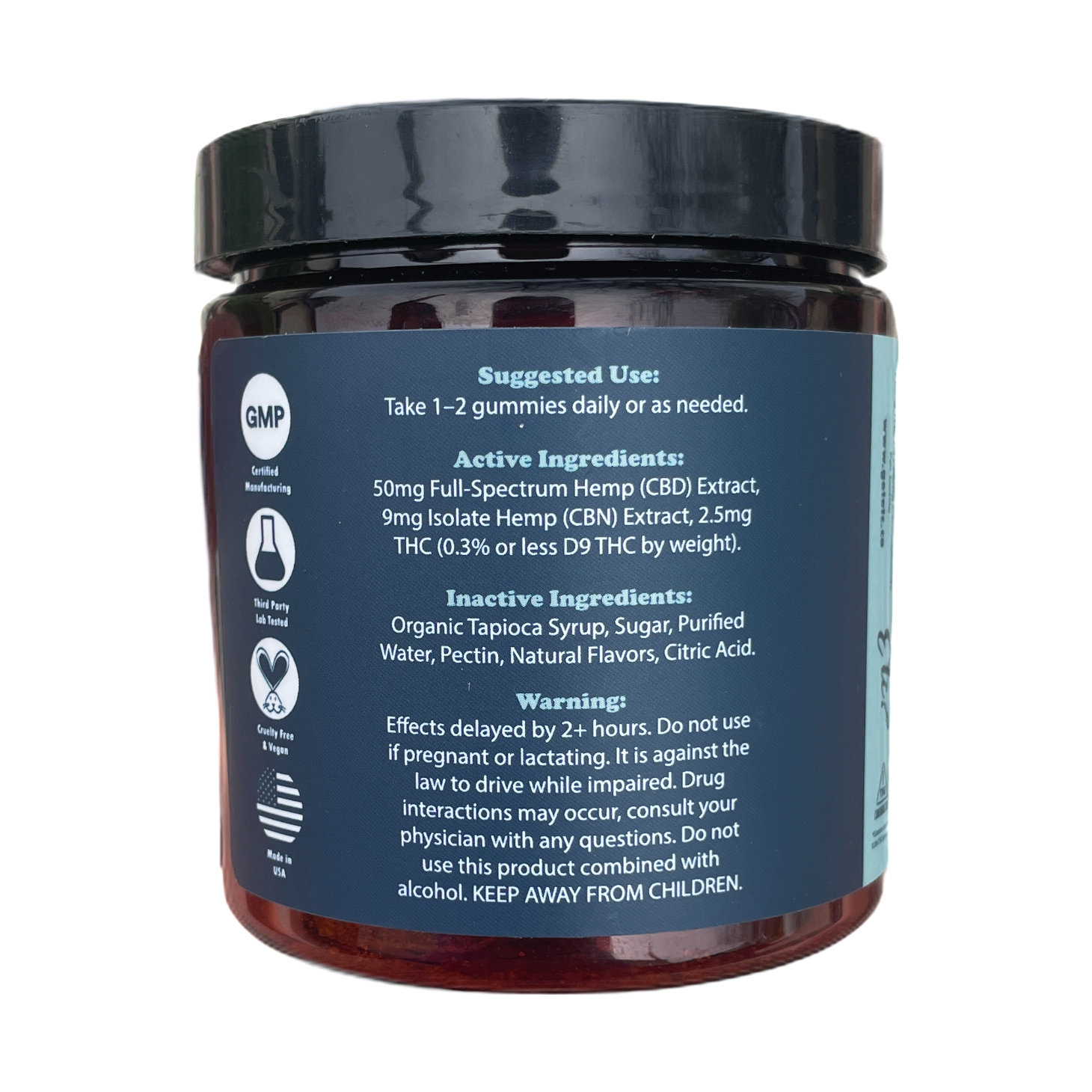
For mornings, Good Day is formulated with boosted CBG, which tends to support focus and daytime balance. For evenings, Good Night leans into CBN for wind-down support. Some people use them exactly as labeled. Some people experiment and find their own rhythm. Both approaches work — because the point is building your practice, not following someone else’s prescription.
The softgels are easy to fold into any routine without thinking about them. The gummies feel more like a small, intentional moment. Either way, what you’re doing when you reach for one is reinforcing a signal: I am someone who takes care of myself. That signal, repeated enough times, becomes identity. And identity shapes behavior in ways that individual decisions can’t.
Joy is not a reward for finishing
The shift worth making — and it is a genuine shift, not a motivational poster — is from seeing joy as something you’ve earned to seeing it as something you practice.
Practice is different from achievement. Practice has no finish line. It doesn’t require your circumstances to be perfect or your calendar to clear. It requires showing up, in the small ways, with enough consistency that the small ways start to add up.
Being more patient with your kids because you slept. Being actually present at dinner instead of mentally still at your desk. Noticing that you laughed today, not because something extraordinary happened, but because you had the bandwidth to let something be funny.
That’s not a destination. That’s a daily practice. And it’s available to you right now, in the middle of whatever is currently hard.
You don’t have to wait for circumstances to be perfect to start feeling good. You just have to start.
Disclaimer: These statements have not been evaluated by the Food and Drug Administration. This product is not intended to diagnose, treat, cure, or prevent any disease. Consult your healthcare provider before starting any new wellness regimen.
Photo by Shruti Mishra on Unsplash