




The freedom of a routine designed by you, for you
Most wellness advice is someone else’s idea of what you need.
Wake up at 5 a.m. Cold plunge. Meditate for twenty minutes before you’ve had coffee. Journal three pages by hand. Take this stack of fourteen supplements in a specific order. Oh, and don’t forget your red light therapy.
There’s nothing wrong with any of those things if they genuinely work for you. But somewhere in the avalanche of optimization content, a quiet question got buried: what do you actually want your days to feel like?
That question matters more than any protocol.
Ownership isn’t a productivity hack
There’s a version of “wellness ownership” that’s just a new kind of pressure dressed up in empowerment language. Hit your numbers. Track every metric. Optimize the output. But real ownership isn’t about performing health for an invisible audience. It’s about building something that’s actually yours.
That means it reflects your schedule, your temperament, your season of life. It evolves. It doesn’t shame you when you skip a day. And it’s motivated by something you genuinely want, not by fear of falling behind some imaginary curve.
For a lot of people, the shift toward building their own routine starts with one small change that actually sticks. Not a complete lifestyle overhaul. Just one thing they chose deliberately, that showed up consistently, and that gave them something back.
From there, trust builds.
What trust actually feels like in a daily routine
When something in your routine reliably does what you expected, it changes your relationship to your day. Not dramatically. Just a quiet confidence that grows over time. You start to feel like someone who follows through. Someone who knows what they need and has the means to meet it.
That’s not a small thing. That internal narrative, “I know what works for me,” is the foundation that everything else gets built on. More presence with your family. More patience during a frustrating afternoon. More energy left over for the people and projects that matter after work is done.
The gap between who you are when you’re running on empty and who you are when you feel taken care of is enormous. Closing that gap, even partially, is the whole point.
The transparency piece: why it matters more than you think
Trusting a product deeply enough to build it into your daily life requires something real. Not just a good label or a slick website. You need to know what’s actually in it.
That’s why third-party lab testing and publicly posted certificates of analysis aren’t just compliance moves, they’re the foundation of a genuine relationship between you and what you’re putting in your body. When you can look up exactly what’s in your formula, in the specific batch you purchased, at reliefetc.com/pages/coa, you’re not being asked to trust a brand. You’re being given the information to decide for yourself. That’s a different thing entirely.
And that kind of transparency is what makes it possible to actually relax into a routine. You’re not second-guessing. You’re not wondering. You built something on a foundation that holds.
The payoff nobody talks about enough
Here’s what the wellness industry rarely says out loud: the goal isn’t the routine. The routine is just a vehicle. The actual goal is everything the routine makes possible.
Being less reactive at 4 p.m. when everything’s going sideways. Having enough patience to actually listen to your kid’s story about something that happened at school, instead of nodding with a distracted mind. Showing up to a weekend with something left to give.
In an 8-week participant study, people using ETC products consistently reported steady week-over-week improvements across every dimension they measured: sleep, mood, energy, overall wellbeing. An average of 30% overall improvement. That’s not a single good day. That’s a trend line that keeps going in the right direction.
Sleep was the first thing people noticed. Then mood. Then energy. By the end of the eight weeks, participants weren’t just feeling better on paper. They were showing up differently, for themselves and the people around them.
That’s the actual prize.
Designing yours
There’s no universal template for a routine that’s designed by you, for you. But there are a few questions worth sitting with.
What time of day do you feel most like yourself, and what time do you feel furthest from it? What would it take to close that gap by 20%? Not eliminate it. Just narrow it a little.
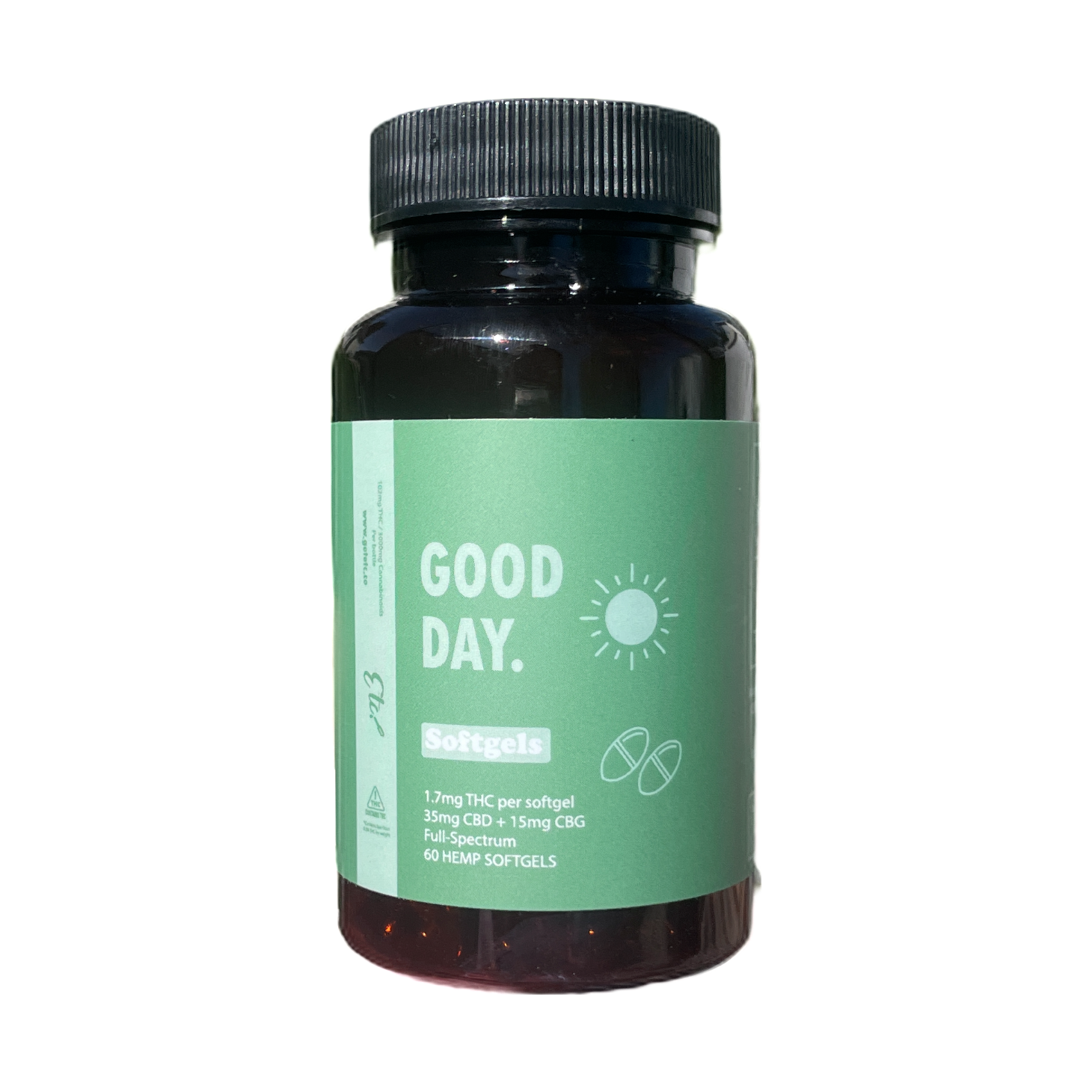
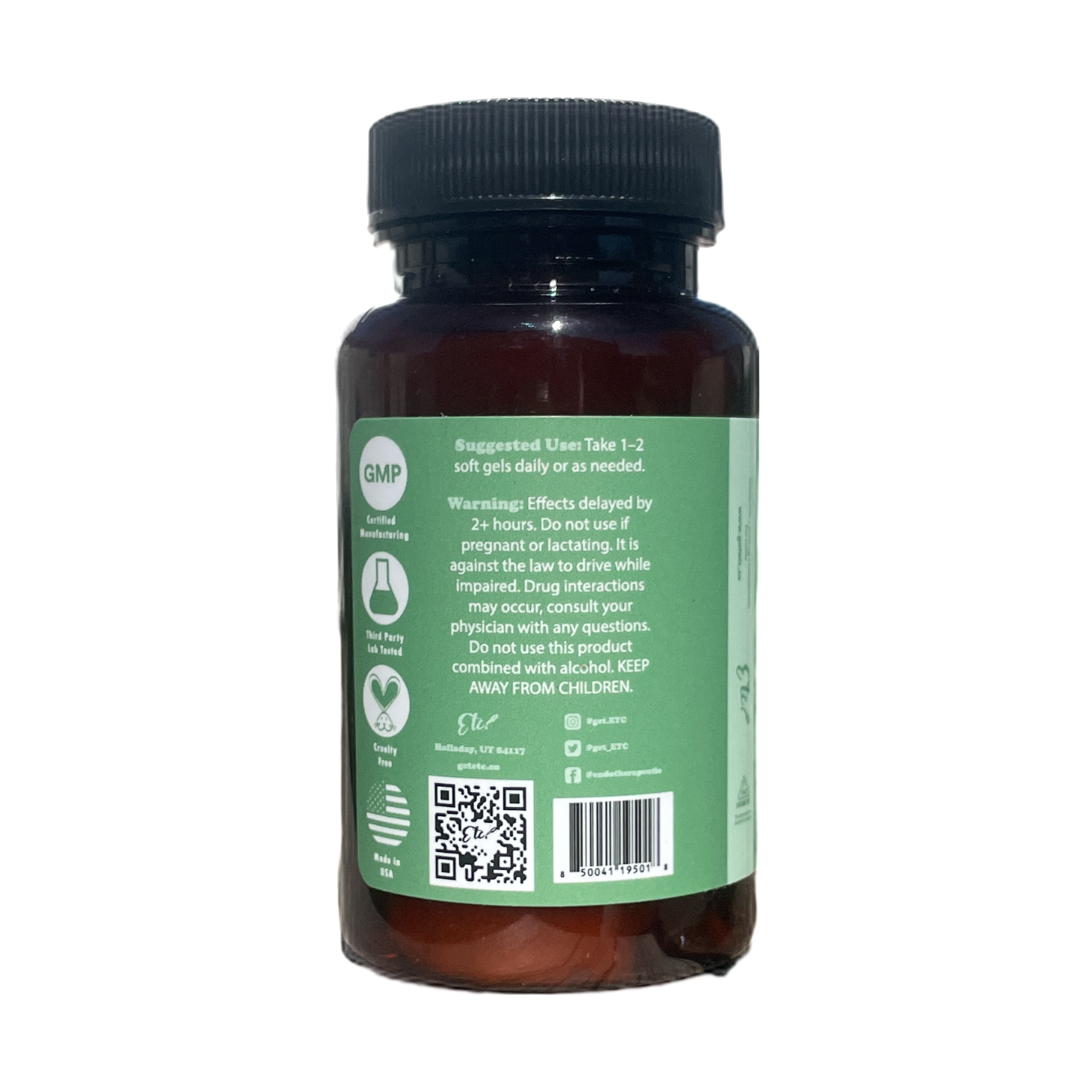
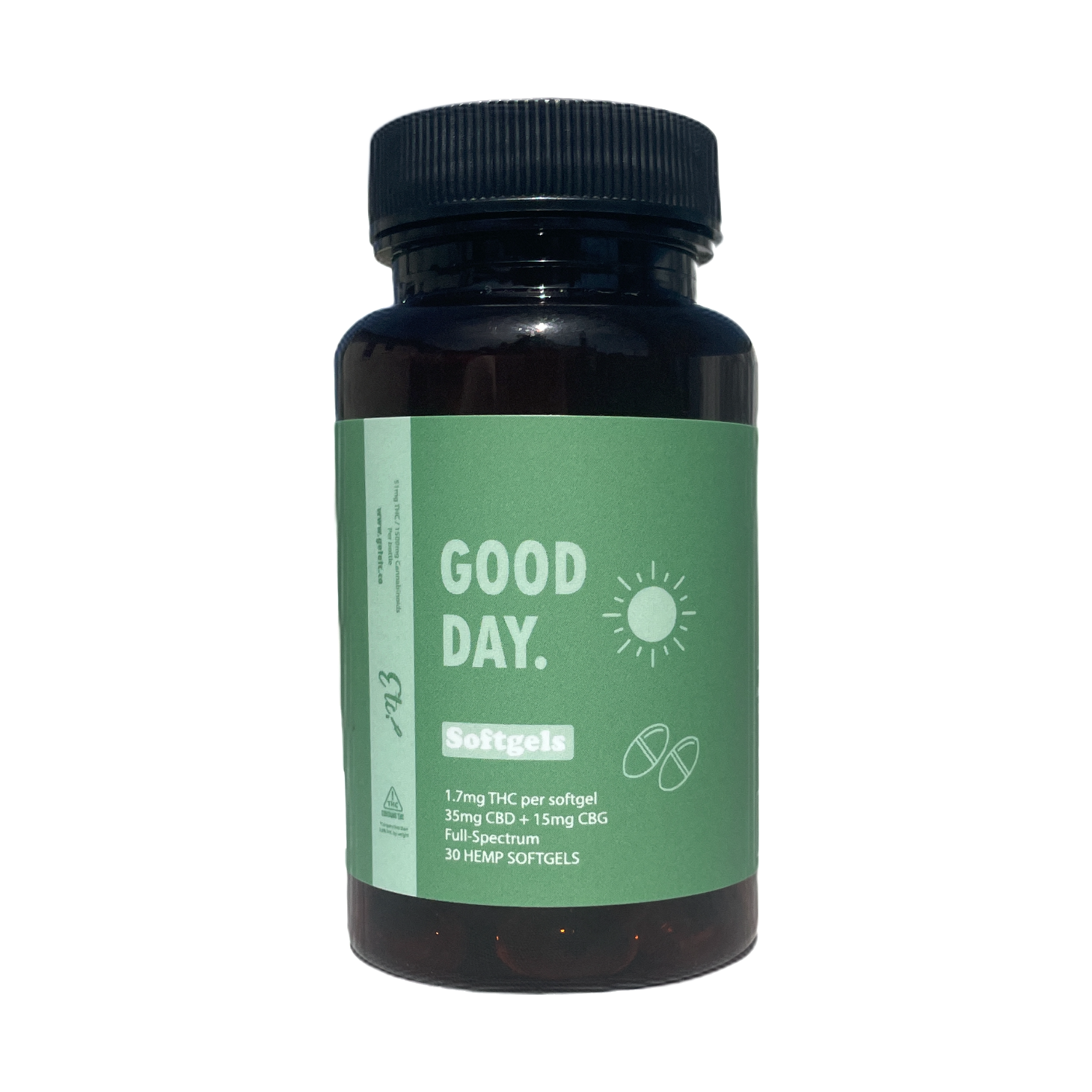
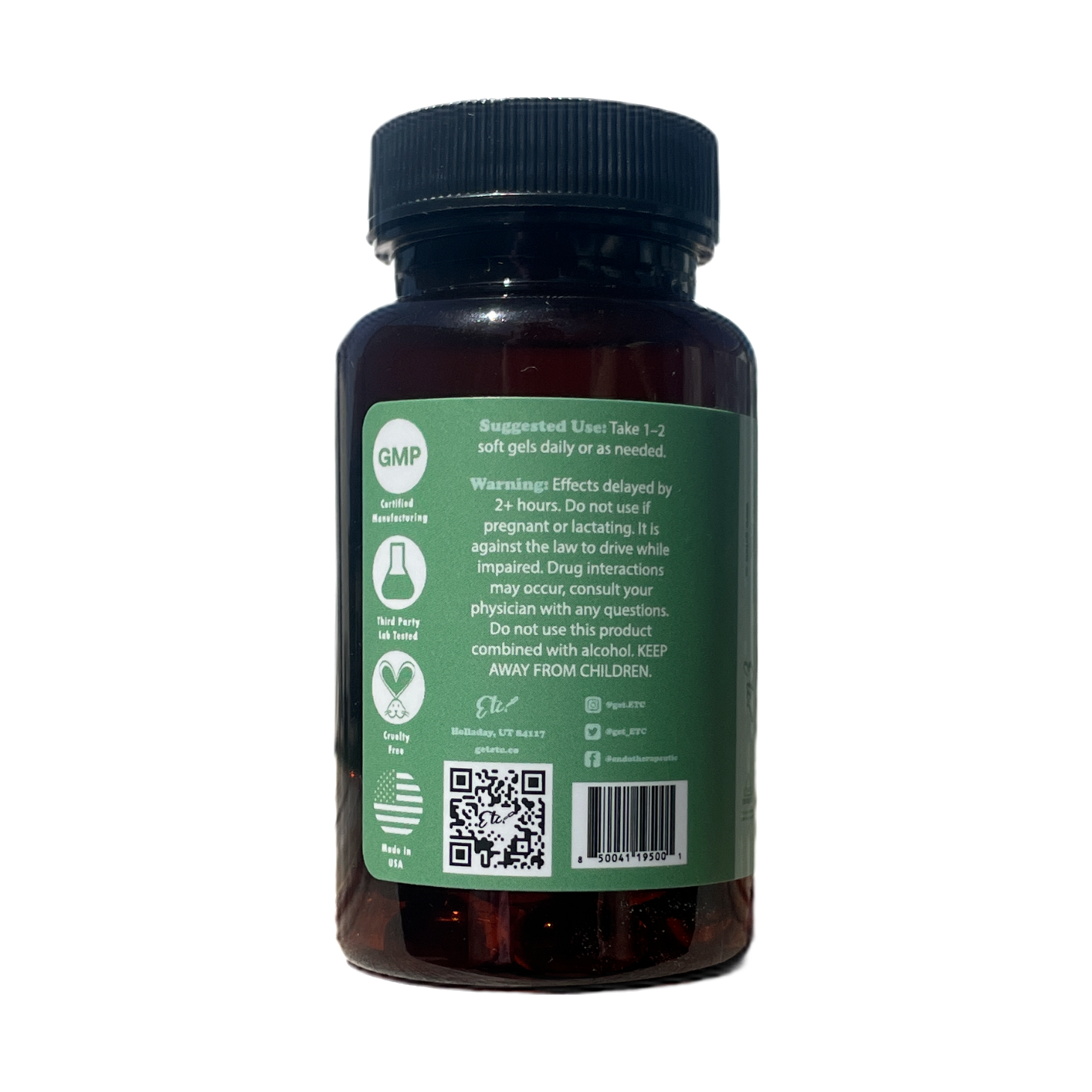
If your toughest stretch is the morning, when focus is slippery and the day’s demands hit before you’re ready, a daytime formula with a little extra CBG might be worth trying. ETC’s Good Day line was designed with that window in mind: daytime balance, a little more mental clarity, without anything that leaves you foggy.
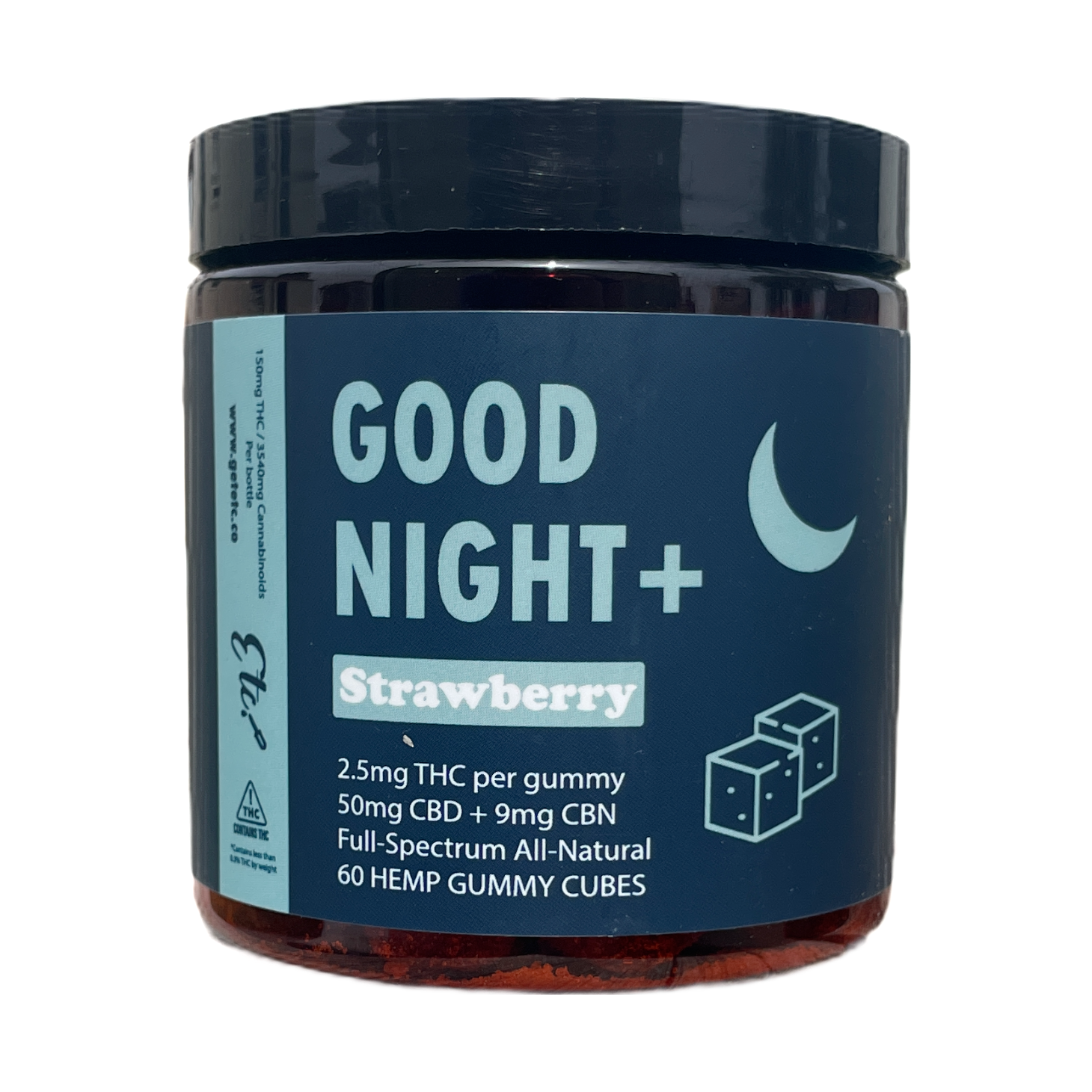
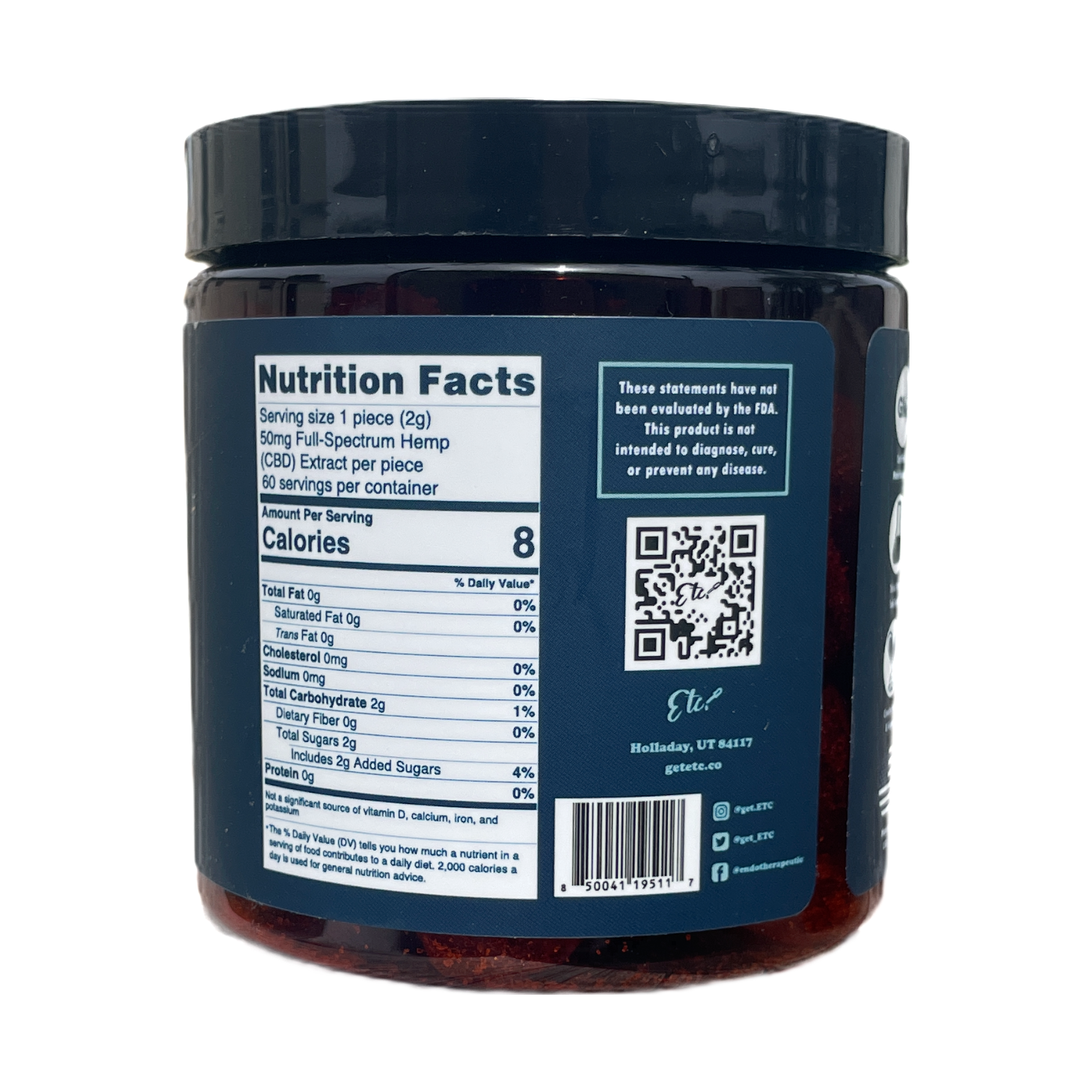
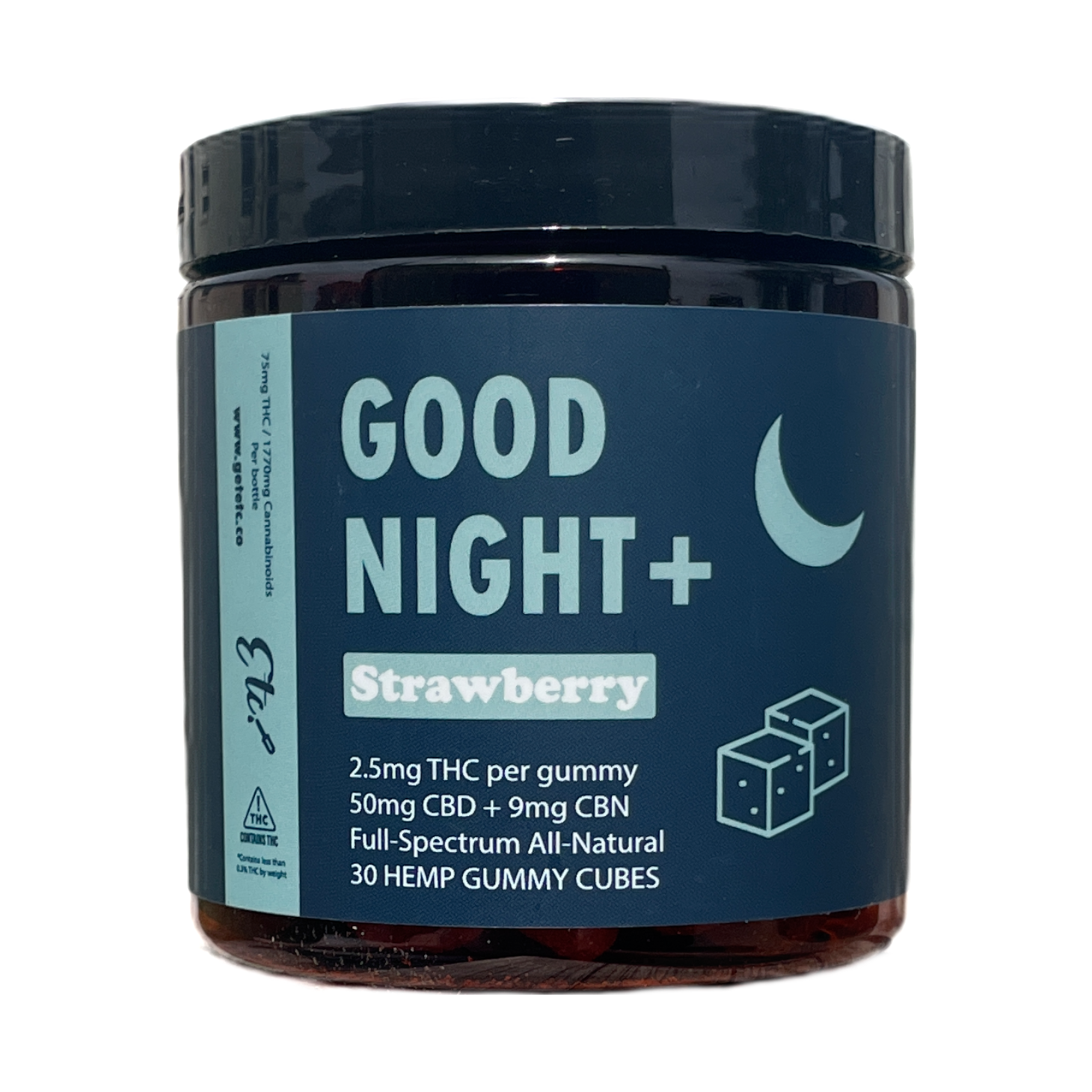
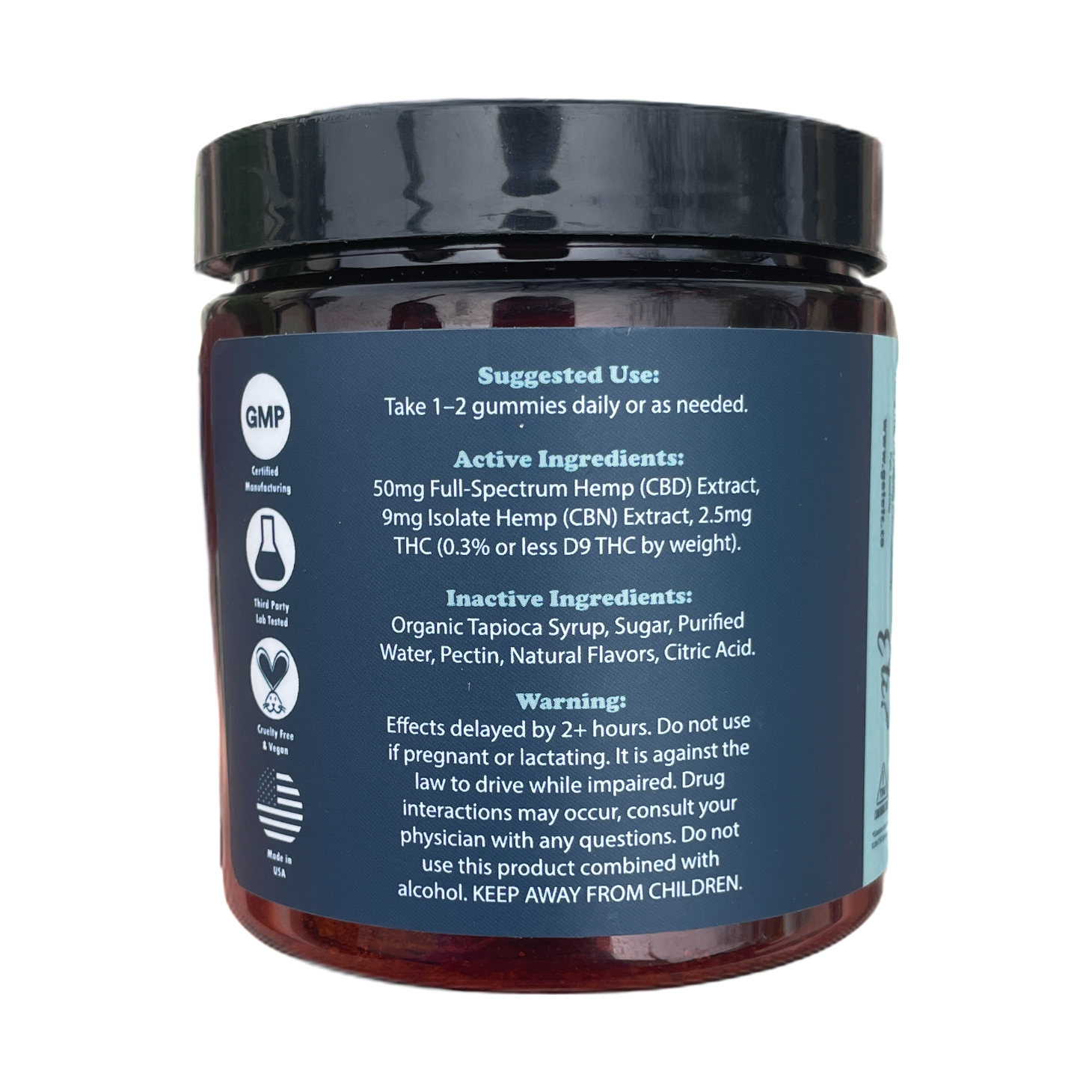
If your toughest stretch is the transition into evening, when the day won’t let go and rest stays out of reach, something that supports that wind-down is what’s worth building in. Good Night, with its boosted CBN, was made for that specific hour.
Or both, at different times. Some people use Good Night in the middle of the afternoon when things get loud. Some find Good Day helps them sleep better. The point isn’t the clock. The point is noticing what you need and giving yourself permission to build around that.
The routine that’s actually yours
Nobody else can design this for you. You can read all the protocols, watch all the videos, copy someone else’s morning to the minute. But the routine that sticks, the one that gradually shifts who you are in your days, is the one you built on your own terms.
That means starting small. Being honest about what you actually need. Finding the things that hold up under scrutiny so you can trust them. And then letting the compounding do its work quietly over time.
The freedom in that isn’t the freedom from structure. It’s the freedom that comes from structure you chose. That belongs to you. That’s working.
Disclaimer: These statements have not been evaluated by the Food and Drug Administration. This product is not intended to diagnose, treat, cure, or prevent any disease. Consult your healthcare provider before starting any new wellness regimen.