




The wellness that works is the one you forget about
There’s a tell-tale sign that a wellness habit is actually working: you stop thinking about it.
Not because you gave up. Because it became part of the furniture. Like brushing your teeth or locking the door before bed, the habit quietly wove itself into the day, and now skipping it would feel stranger than doing it. That’s not indifference. That’s mastery.
Most wellness content won’t tell you this, because “forget about it” doesn’t sell. But the habits that genuinely shift how you feel are almost always the unglamorous, repeatable ones. Not the dramatic overhaul. Not the thirty-day reset. The Tuesday morning softgel you take before you even check your phone.
The Myth of the Transformation Moment
We are collectively obsessed with the before-and-after. The pivot point. The thing that changed everything. And while those stories make for great content, they’re a terrible blueprint for daily life, because they set up a standard that maintenance can never live up to.
Real wellness rarely arrives with a trumpet fanfare. It shows up as a slightly better night’s rest. A morning where you didn’t feel like you were starting from zero. A week where you handled something difficult without feeling gutted afterward. You might not even notice it happening until someone mentions that you seem different lately, and you realize you kind of do.
That 30,000-foot view matters, because building a routine worth keeping requires letting go of the idea that you’ll feel the shift instantly and dramatically. Some people do notice something in the first week. Others take a month to look back and recognize that the floor has quietly risen.
Why Consistency Beats Intensity (and Also Costs Less)
Here’s something that often gets skipped in the wellness conversation: the economics of showing up daily are better than you’d think.
A single splashy purchase feels satisfying in the moment, but it doesn’t compound. A consistent daily habit does. Whether you’re talking about a morning walk, a hydration goal, or a hemp supplement, the math changes when you commit to the practice instead of the event.
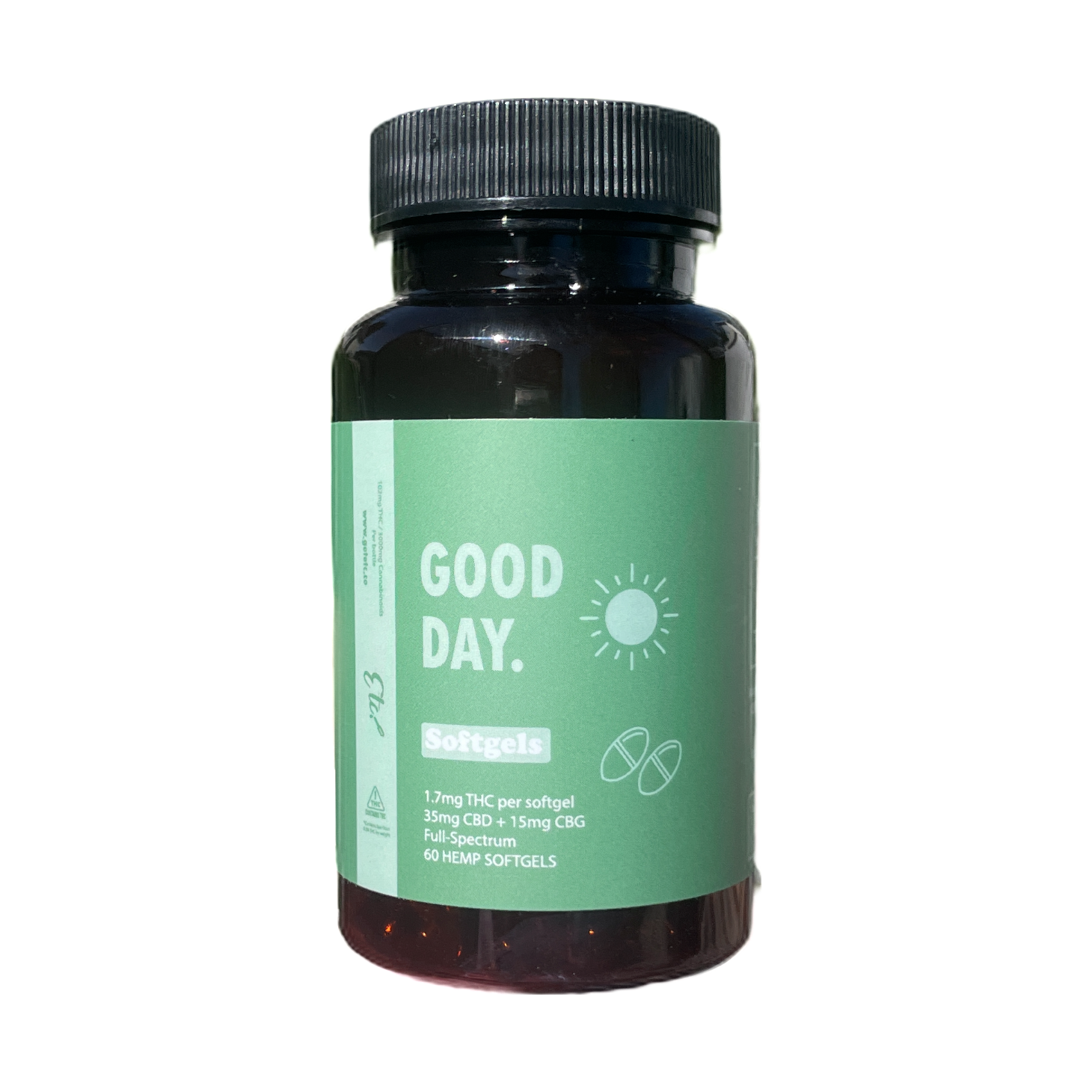
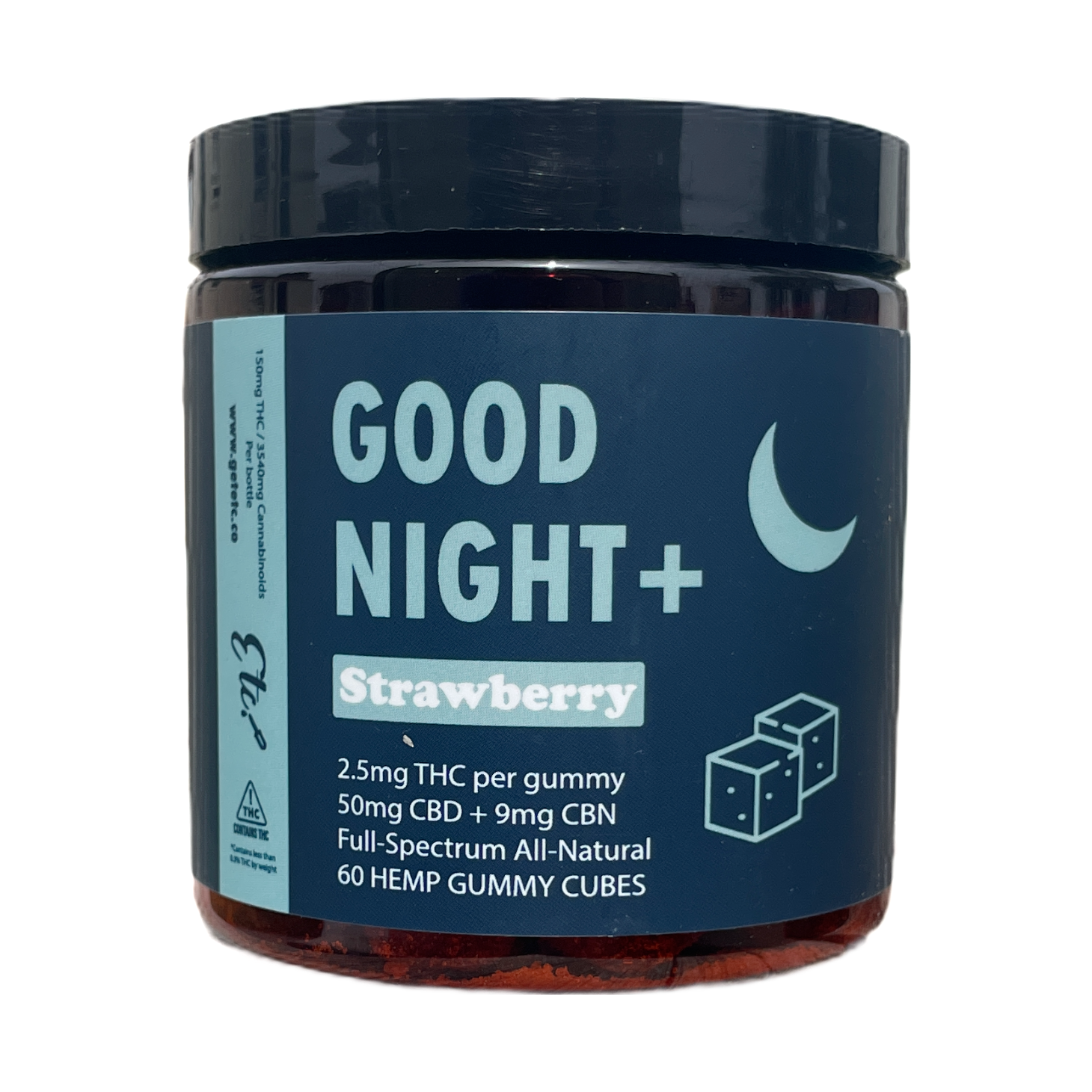
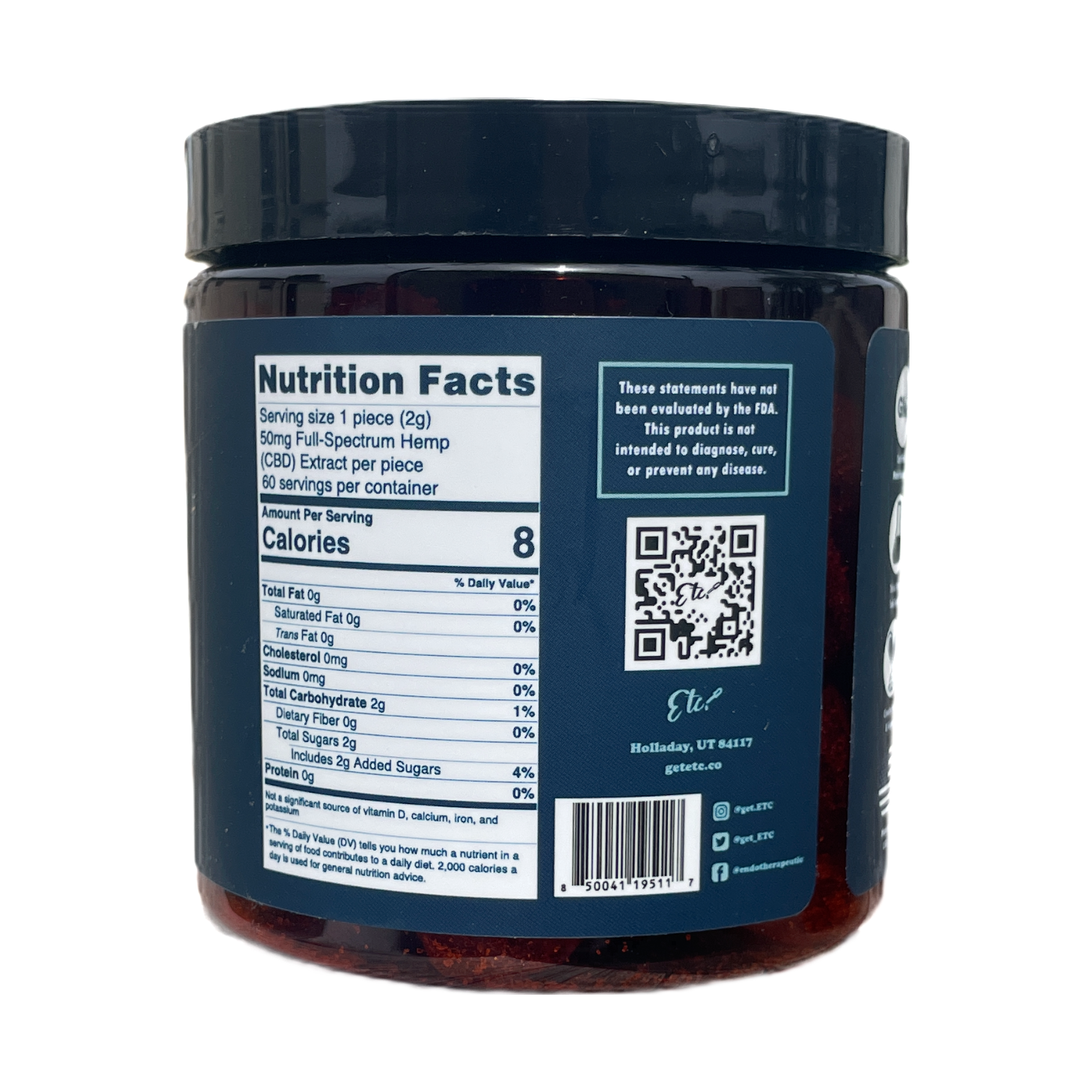
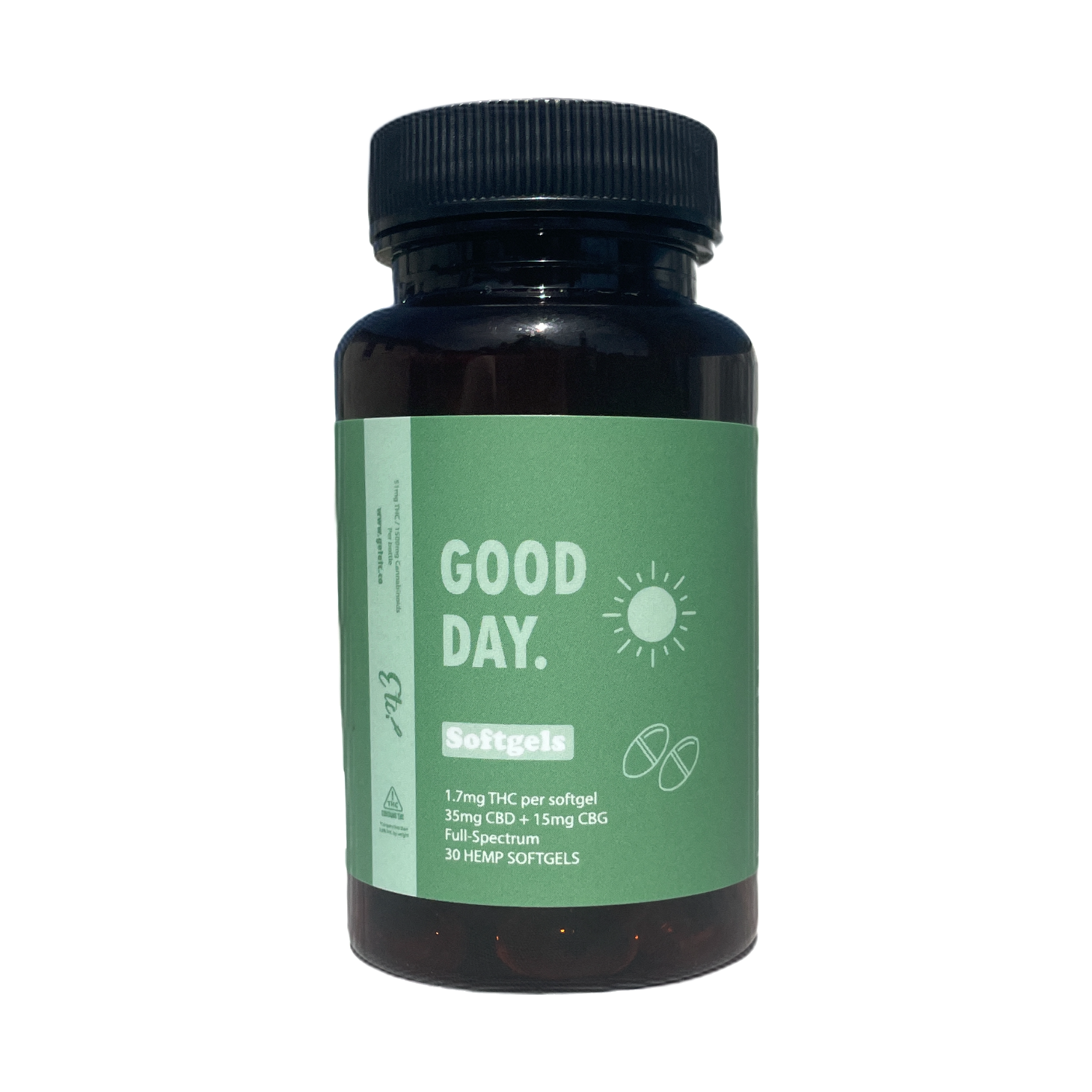
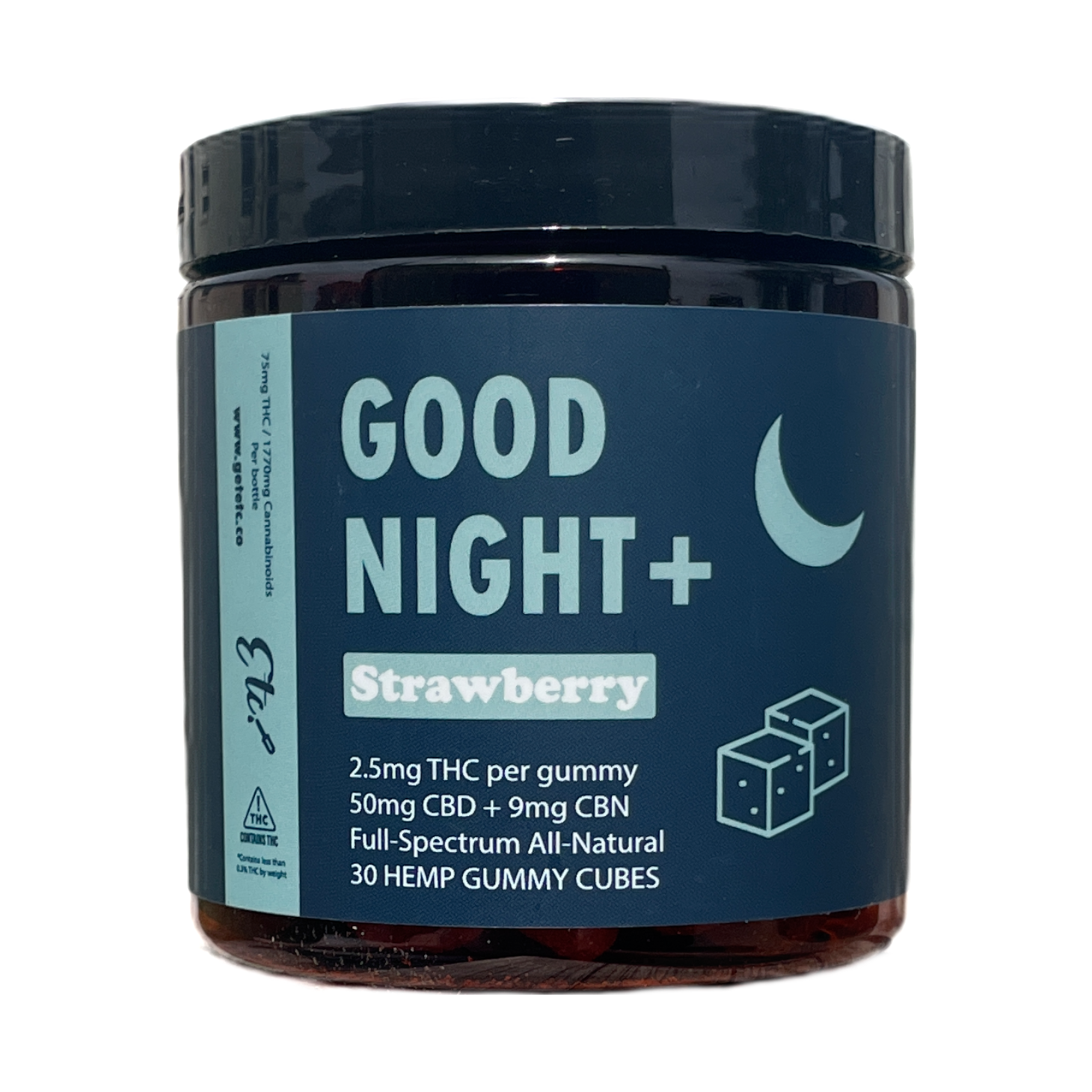
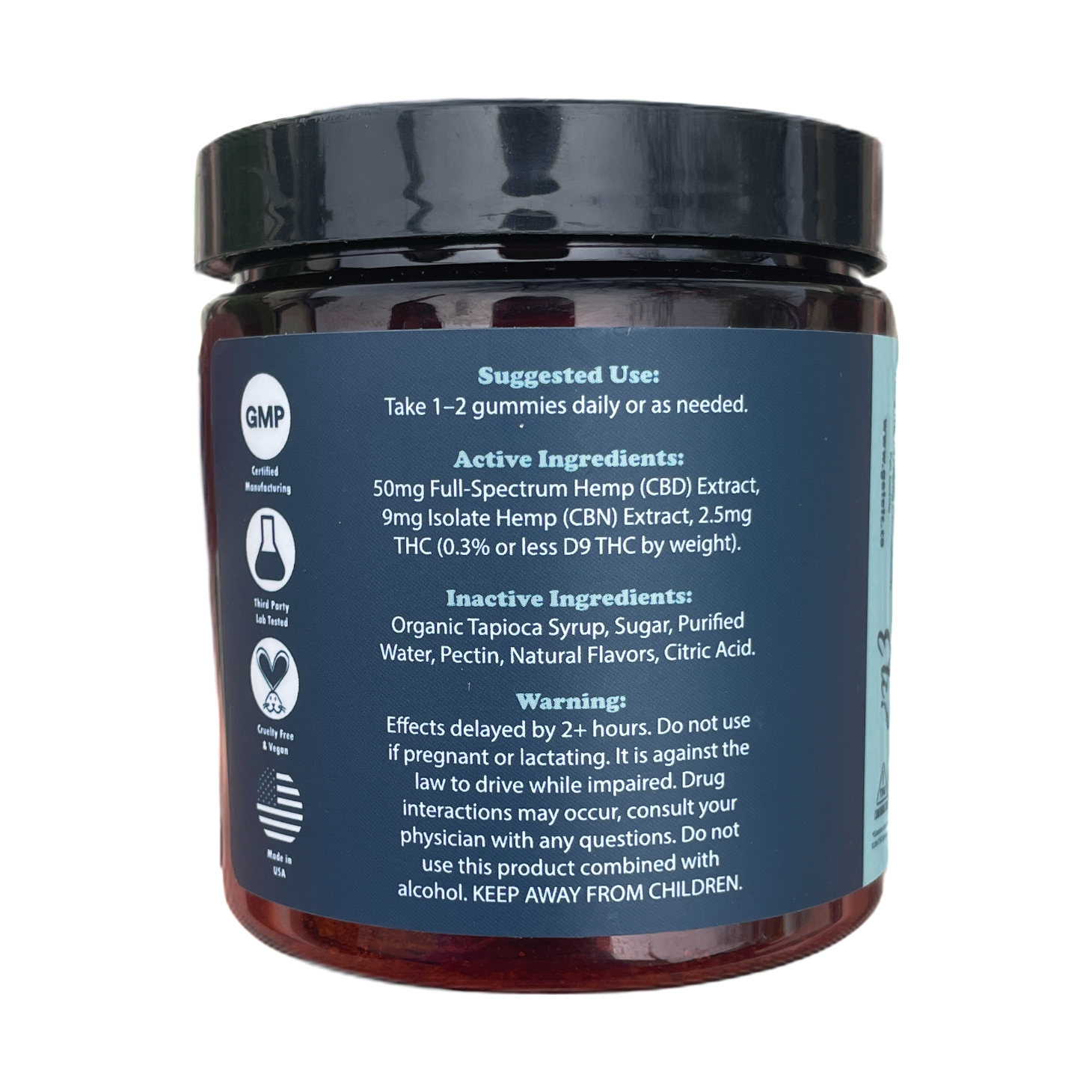
ETC’s full-spectrum hemp gummies and softgels, for example, work out to a few dollars a day at most, especially in a 60-count. That’s genuinely affordable as daily self-care goes. But more importantly, it’s the kind of cost that feels easy to sustain, which means you actually do sustain it, and that’s where the real value lives.
In ETC’s own 8-week observational study, participants reported an average 30% improvement in overall wellbeing by the end of eight weeks. The gains were steady and week-over-week, not front-loaded. Sleep was often the first thing people noticed, followed by improvements in mood, energy, and a general sense of feeling more like themselves. The through-line in the data wasn’t a particular dose or a specific product. It was consistency.
That’s the part that doesn’t make headlines, but it’s the part that matters.
What “Sustainable” Actually Feels Like
There’s an early phase of any new routine where it requires some willpower. You’re paying attention to it, tracking it, talking about it. That phase is necessary. But it isn’t the goal.
The goal is the other side of that phase, when the habit has become background infrastructure for a life you actually want to live. When you’re not white-knuckling your wellness routine, you’re free to show up for everything else. The project at work. The conversation with your kid. The weekend hike you’ve been putting off because you didn’t have the energy.
That’s not a small thing. A sustainable routine is what makes room for the rest of it.
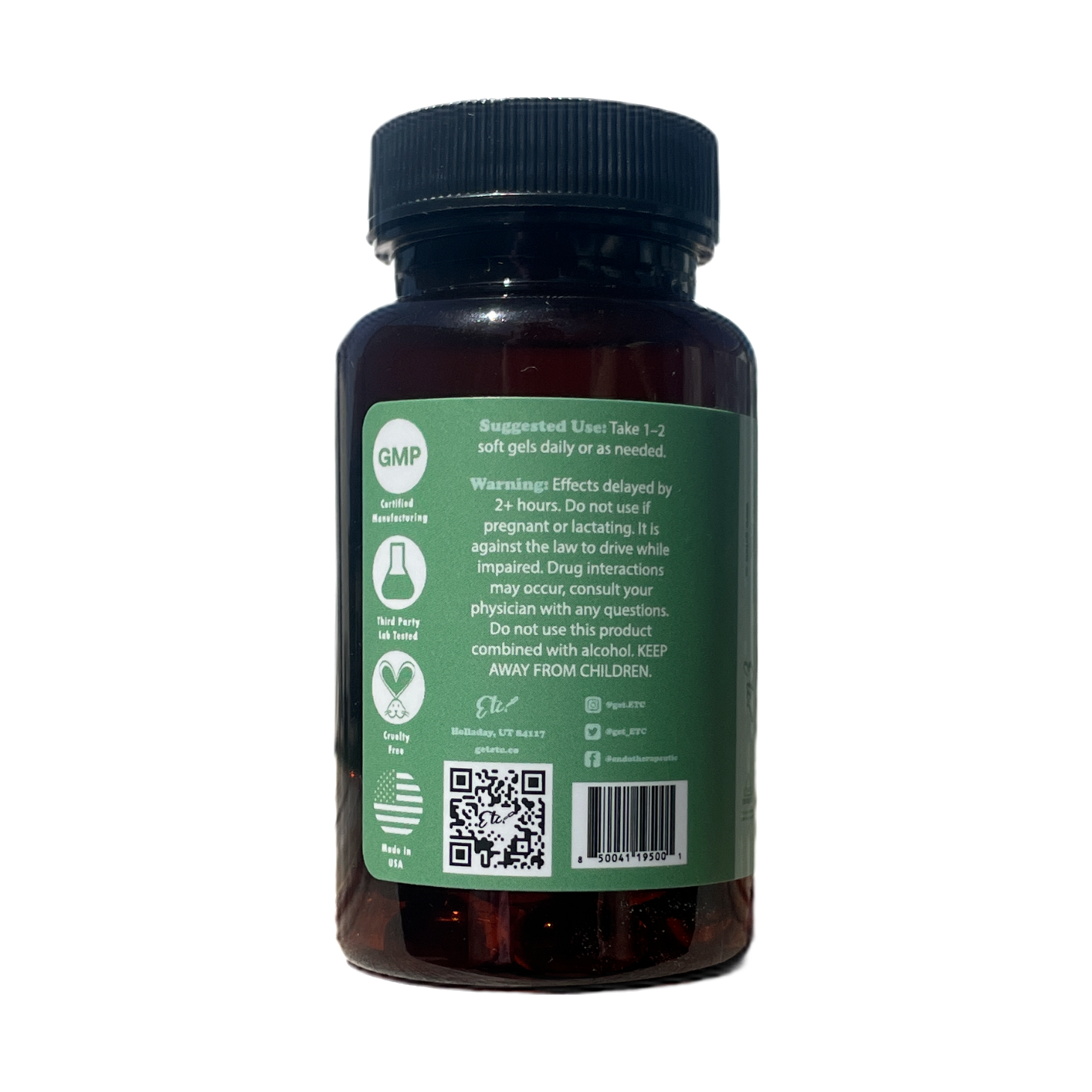
Full-spectrum hemp fits neatly into this picture precisely because it isn’t a standalone experience. It doesn’t demand that you clear your schedule or announce a new chapter. A softgel travels in your bag. A gummy goes on the nightstand. You take it. You move on. And over time, the background hum of your day gets a little quieter, a little steadier.
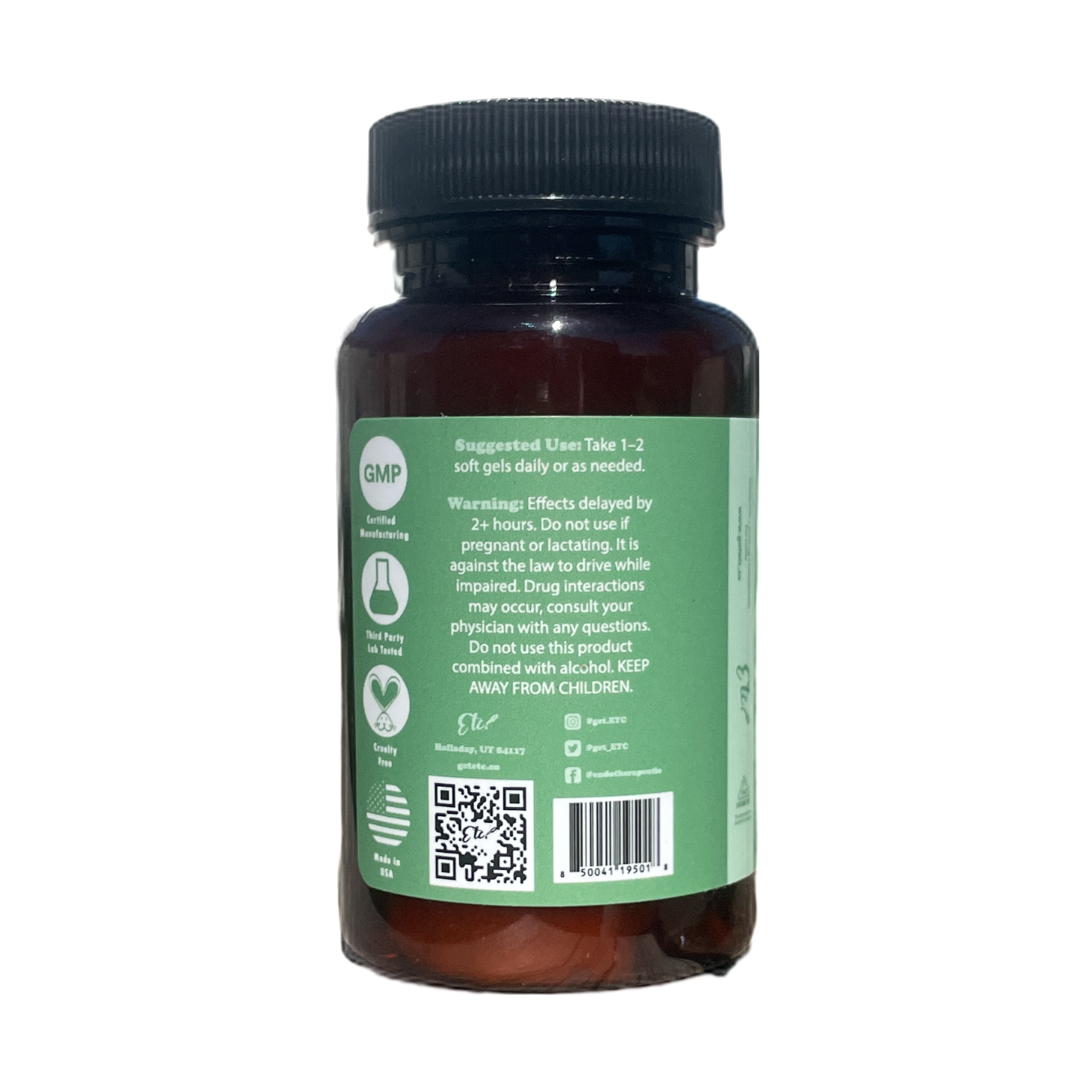
Good Day softgels and gummies are a natural starting point if mornings feel like the right anchor for your routine. If evenings are where you need the most support, Good Night is built specifically for winding down, with a cannabinoid profile weighted toward the kind of rest that actually resets you.
Building the Habit Without Overthinking It
The research on habit formation is clear on one point: habits stick when they attach to something that already exists. Not when they require a whole new behavioral scaffolding.
So instead of building a wellness routine from scratch, ask what’s already happening at the same time every day. Coffee in the morning. Scrolling before bed. The moment you sit down at your desk. Any of those is a perfectly serviceable anchor. Attach something small to it. Repeat.
That’s it. That’s the whole system.
What you’re building, underneath the logistics, is something quieter and more valuable than any specific health outcome. You’re building the experience of being someone who follows through. Someone who made a commitment to their own wellbeing and kept it. That kind of internal evidence accumulates. It becomes its own reward.
There’s a particular quality of peace that comes from a routine that runs. Not the peace of having solved everything, but the peace of knowing you’re doing the thing. Showing up. Not dramatically, not performatively. Just consistently, on a Tuesday, same as last Tuesday.
That kind of peace is hard to manufacture and easy to underestimate. But it’s one of the better things a daily habit can give you, and it gets stronger the longer the streak runs.
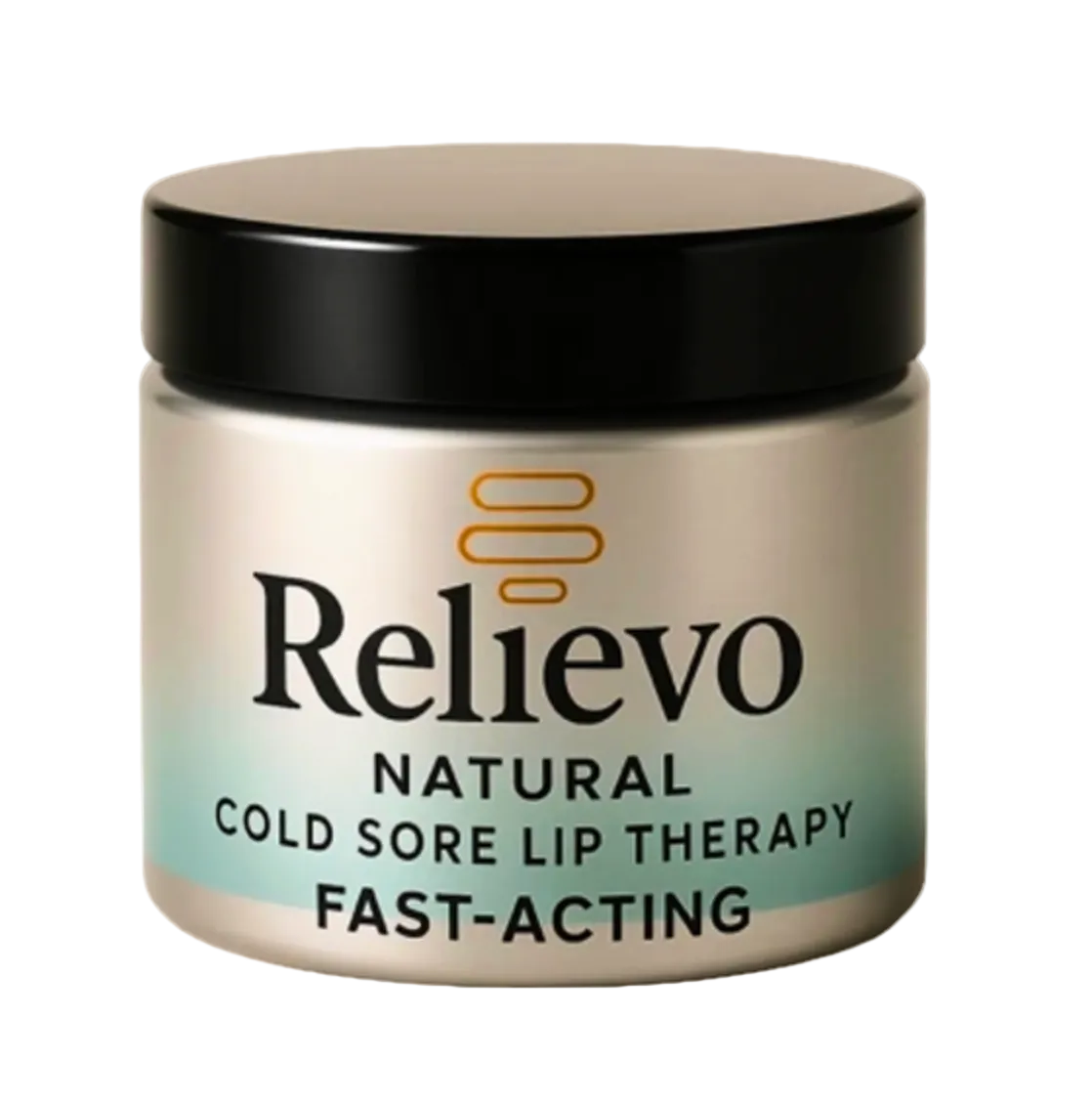
If you’re curious where to start, ETC’s full lineup is built around formats that fit into real life: softgels for the no-fuss crowd, gummies for people who actually enjoy the ritual, and topicals for when your body needs a more targeted kind of attention. All third-party tested, all publicly available at reliefetc.com.
The best wellness habit is the one you keep. And the one you keep is usually the one you eventually stop noticing.
Start there.
Disclaimer: These statements have not been evaluated by the Food and Drug Administration. This product is not intended to diagnose, treat, cure, or prevent any disease. Consult your healthcare provider before starting any new wellness regimen.