




A Calmer Way to Read a Product Label
You’re standing in a health food store on a Tuesday afternoon. The aisle smells like cedar and something vaguely herbal. You’ve picked up a bottle of hemp softgels, and you’re reading the label. You’re not even sure what you’re looking for. You put it back. You pick up another one. Same thing happens.
You leave with nothing.
Most people don’t leave because they aren’t interested. They leave because the label didn’t give them a reason to trust it. And trusting something you’re going to put in your body, consistently, over weeks, is a reasonable thing to want to feel good about.
Here’s what changes when you know what to look for.
The Label Isn’t the Product. It’s a Promise.
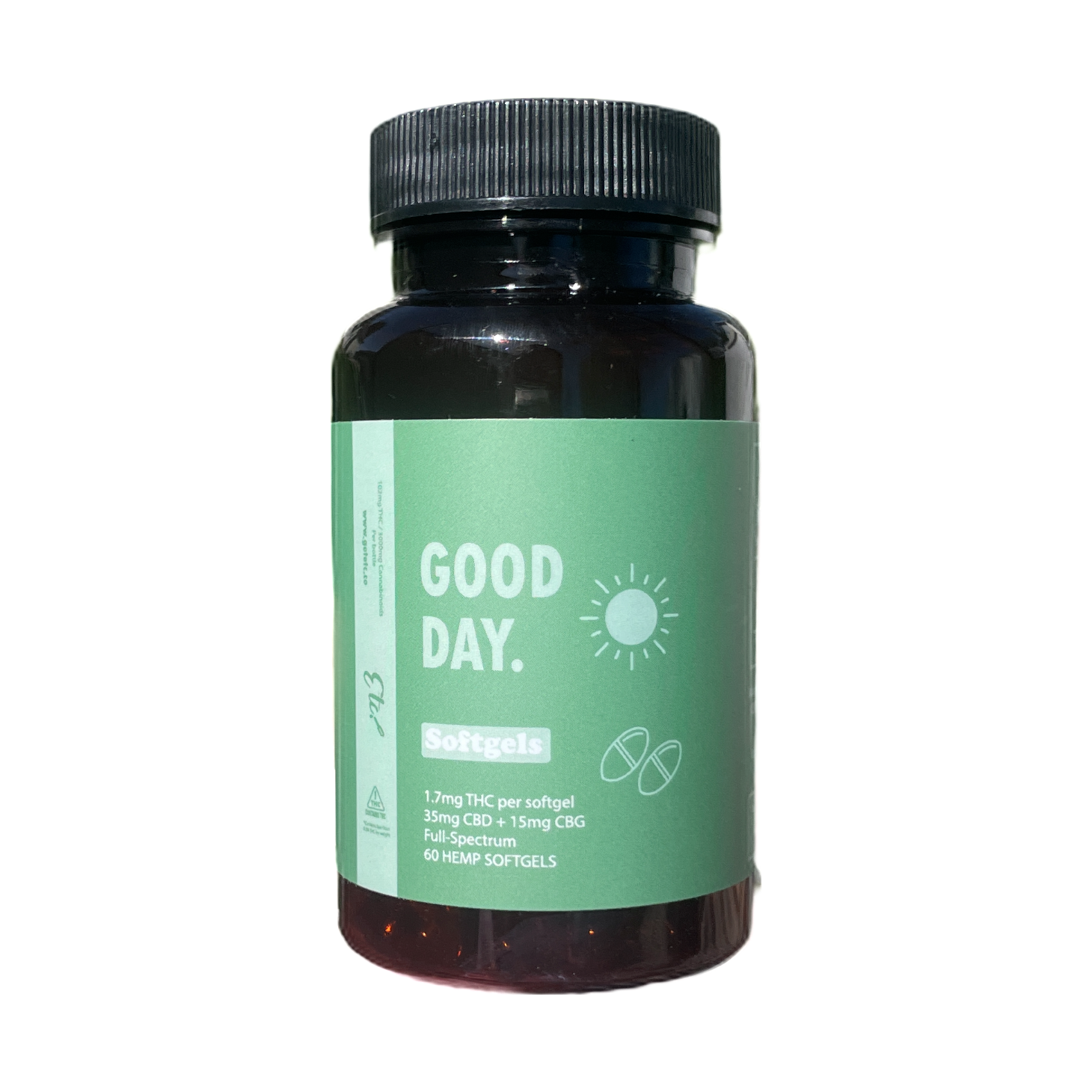
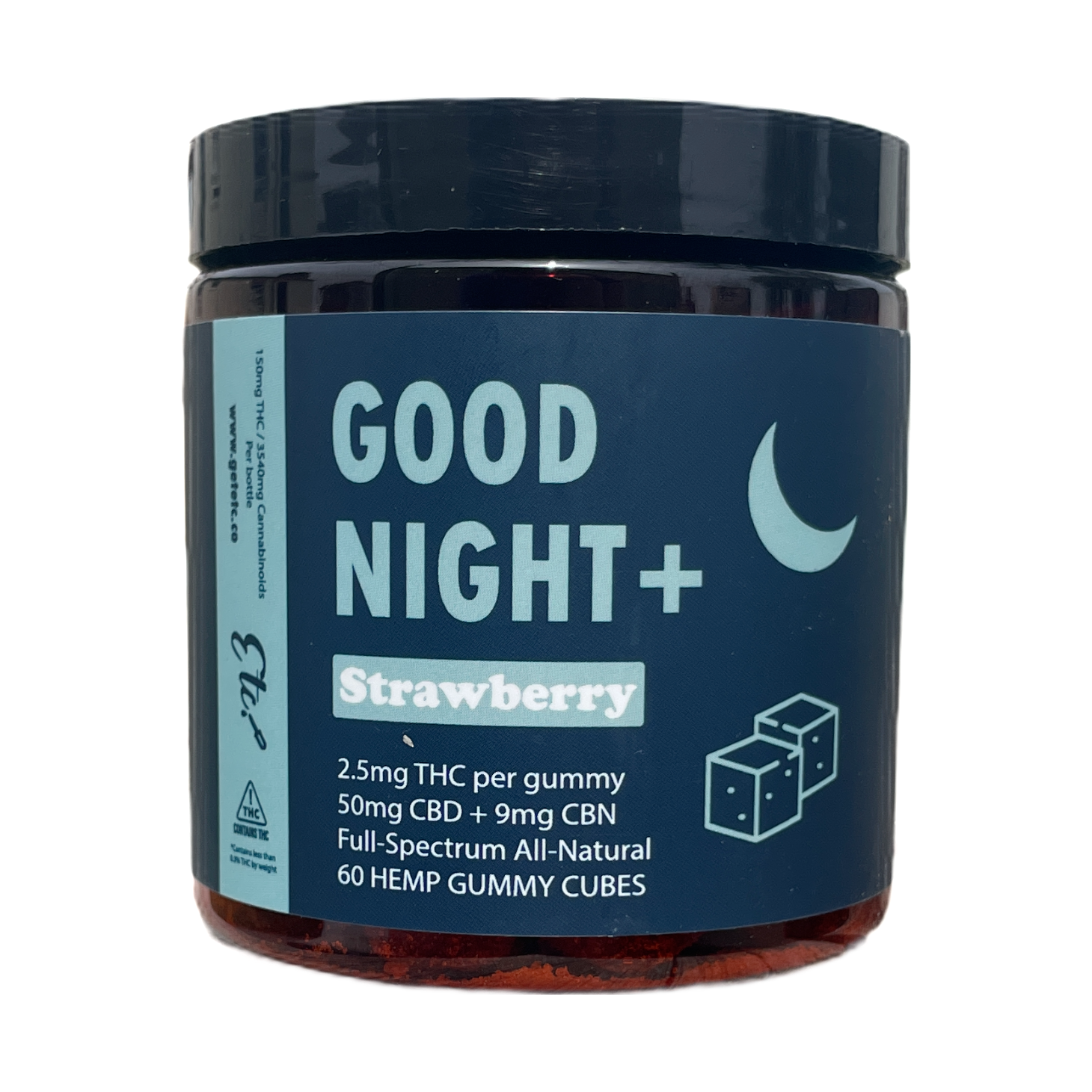
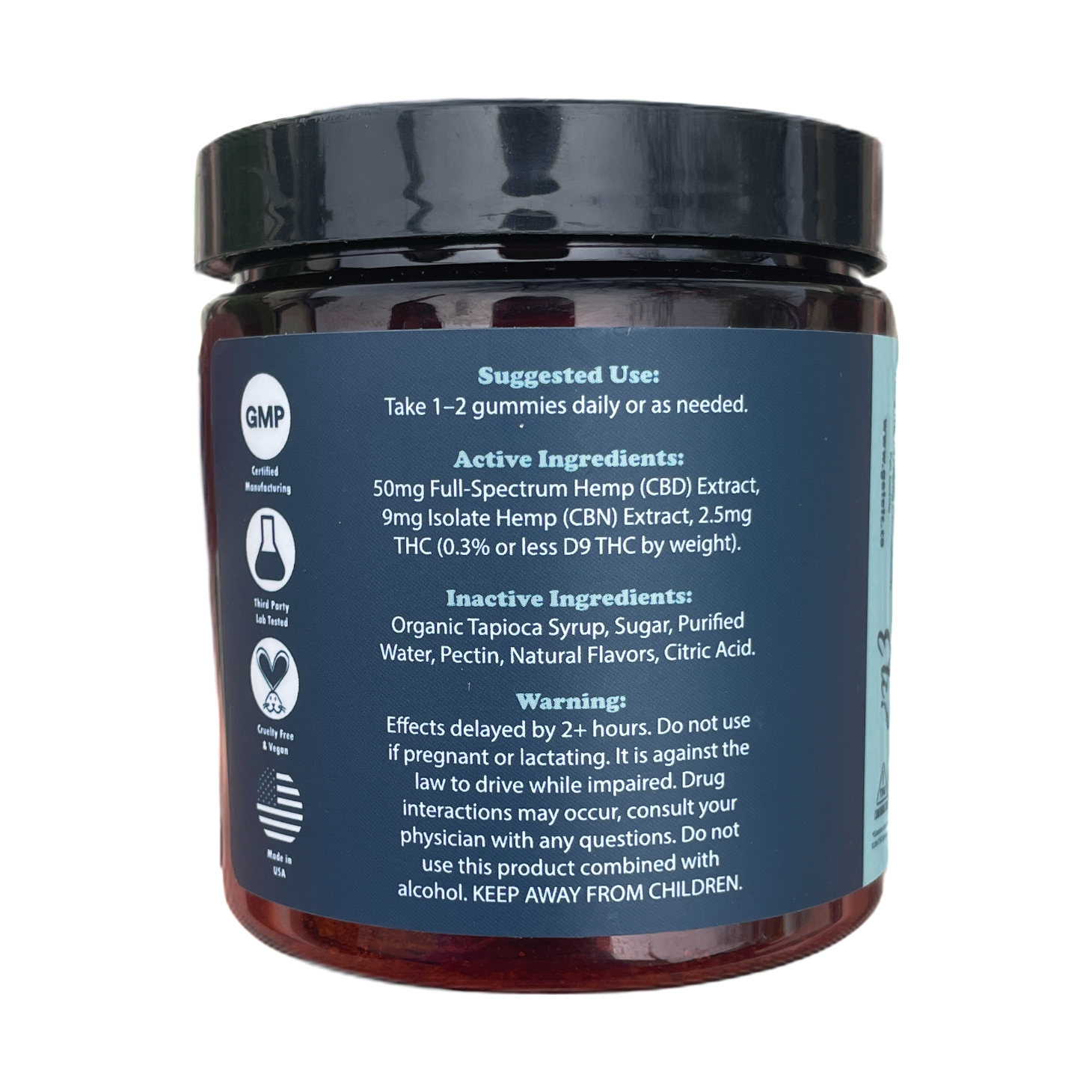
Every hemp wellness label makes implicit claims. “Full-spectrum.” “Third-party tested.” “Physician-reviewed.” “50mg per serving.” These phrases can mean a lot, or almost nothing, depending on what the company is willing to back them up with.
The goal of reading a label, calmly and with some knowledge behind you, isn’t to catch anyone lying. It’s to figure out whether the person who made this product took their responsibility seriously. Because when they did, you’ll know. And when you know, something small but real shifts. You stop second-guessing. You stop wondering mid-week whether you bought something worth taking. You just take it, and you pay attention to how you feel.
That’s the actual payoff of a well-read label: not product literacy for its own sake, but the freedom to stop deliberating and start noticing.
What “Full-Spectrum” Is Actually Telling You
Hemp plants contain more than a hundred known compounds. When a product is full-spectrum, it means the manufacturer used the whole plant rather than extracting just one component. The reason this matters is that those compounds tend to work better together than any one does alone.
A label that says “CBD isolate” means you’re getting one cannabinoid. A label that says “full-spectrum hemp extract” means you’re getting a broader profile, which typically includes CBD alongside smaller amounts of CBG, CBN, CBC, trace THC (under 0.3%, which is the federal legal limit), and other plant compounds.
Neither is inherently dishonest. But they’re different things, and a company that labels clearly which one you’re getting is a company that respects your ability to make your own call.
“Physician-Reviewed” Means Someone Signed Their Name
This phrase shows up on some products and not others. When it’s real, it means a licensed medical professional reviewed the formulation, the dosage, the literature, and the labeling, and decided it was worth attaching their professional credibility to.
That’s not nothing. Physicians don’t review products casually. Their licenses are on the line. So when you see “physician-reviewed” on a hemp product, the useful question is: can you find any evidence this is true, or is it just language on a box?
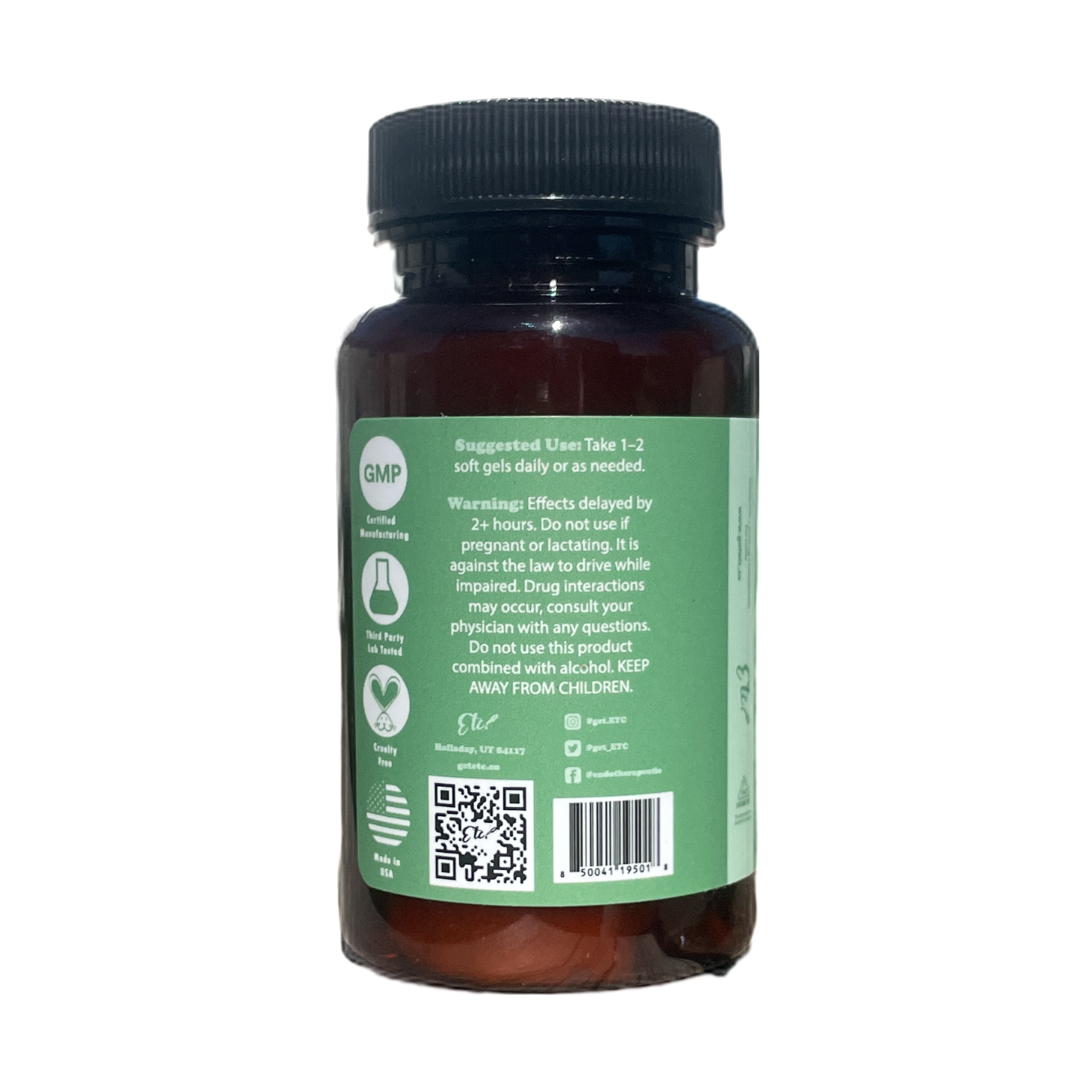
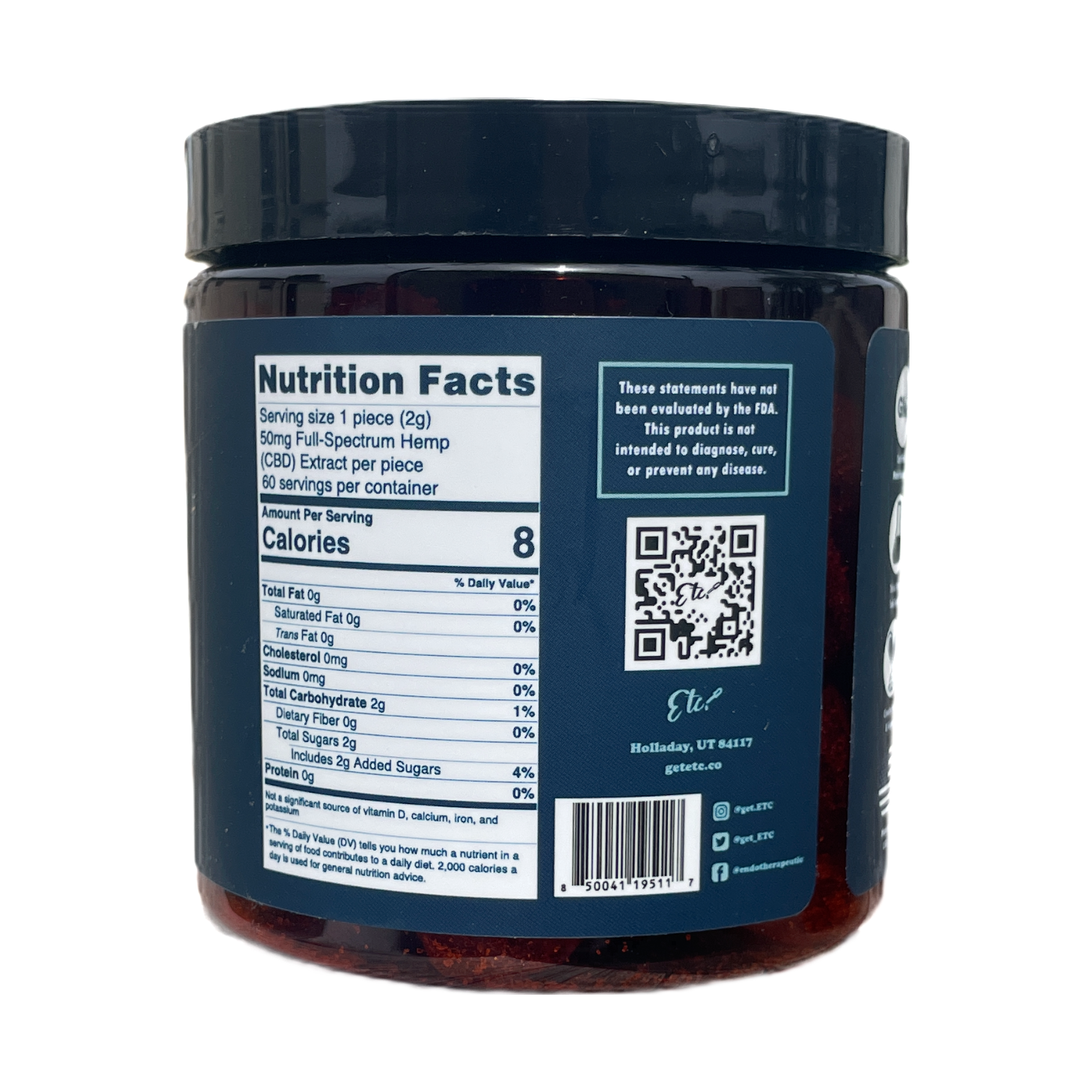
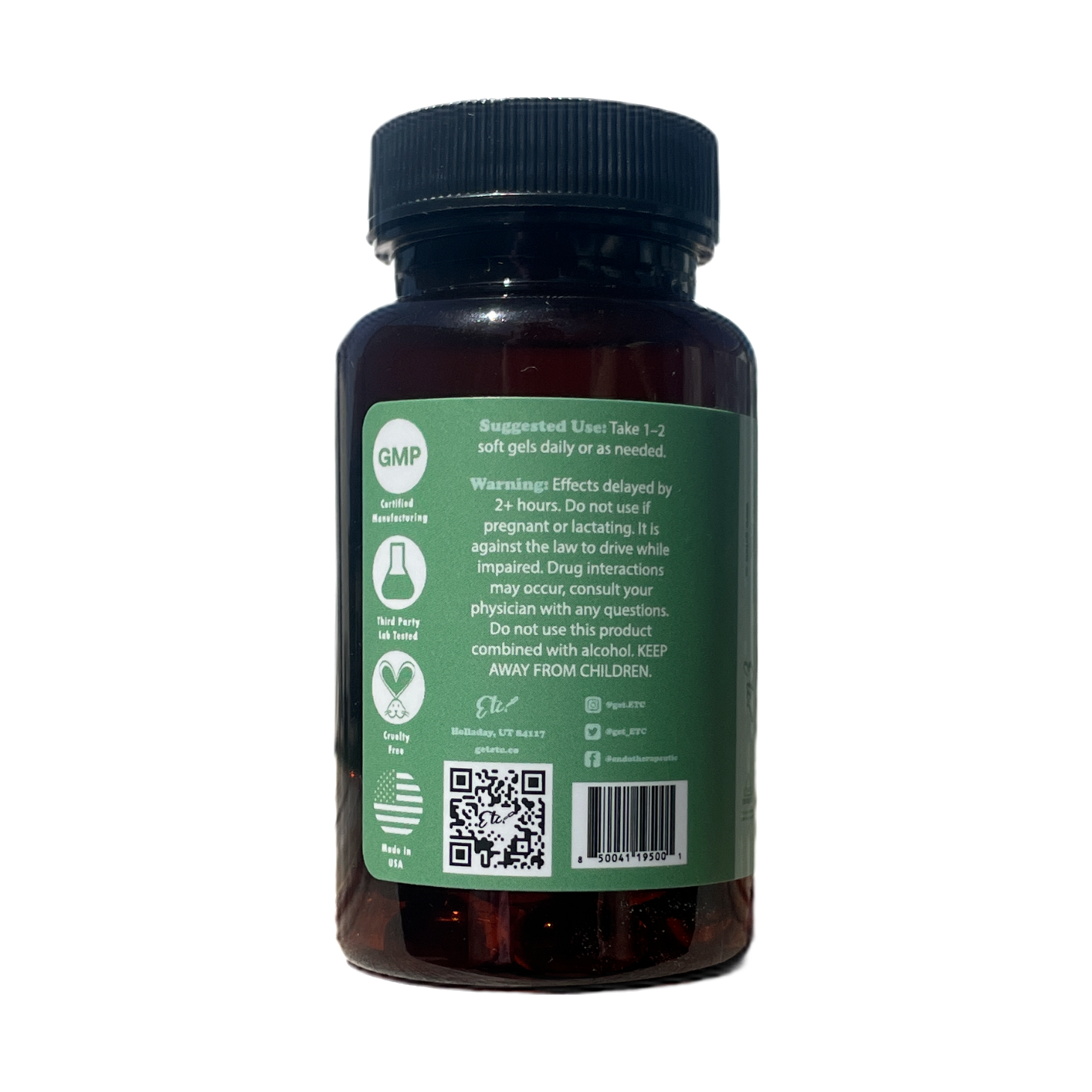
For ETC products, the answer is findable. The products and literature are physician-reviewed, and the COAs (certificates of analysis from third-party labs) are publicly posted at reliefetc.com/pages/coa. These aren’t marketing documents. They’re lab reports. If the label says 25mg of CBD per serving, the COA either confirms that or it doesn’t.
One or two sentences of due diligence, and you know.
The Serving Size Line Is Doing a Lot of Work
People sometimes gloss over this. They shouldn’t. “50mg per gummy” and “50mg per two gummies” are very different experiences and very different costs. Before you assume you know what a serving is, read the label again. Check whether the listed cannabinoid amount is per piece or per recommended serving.
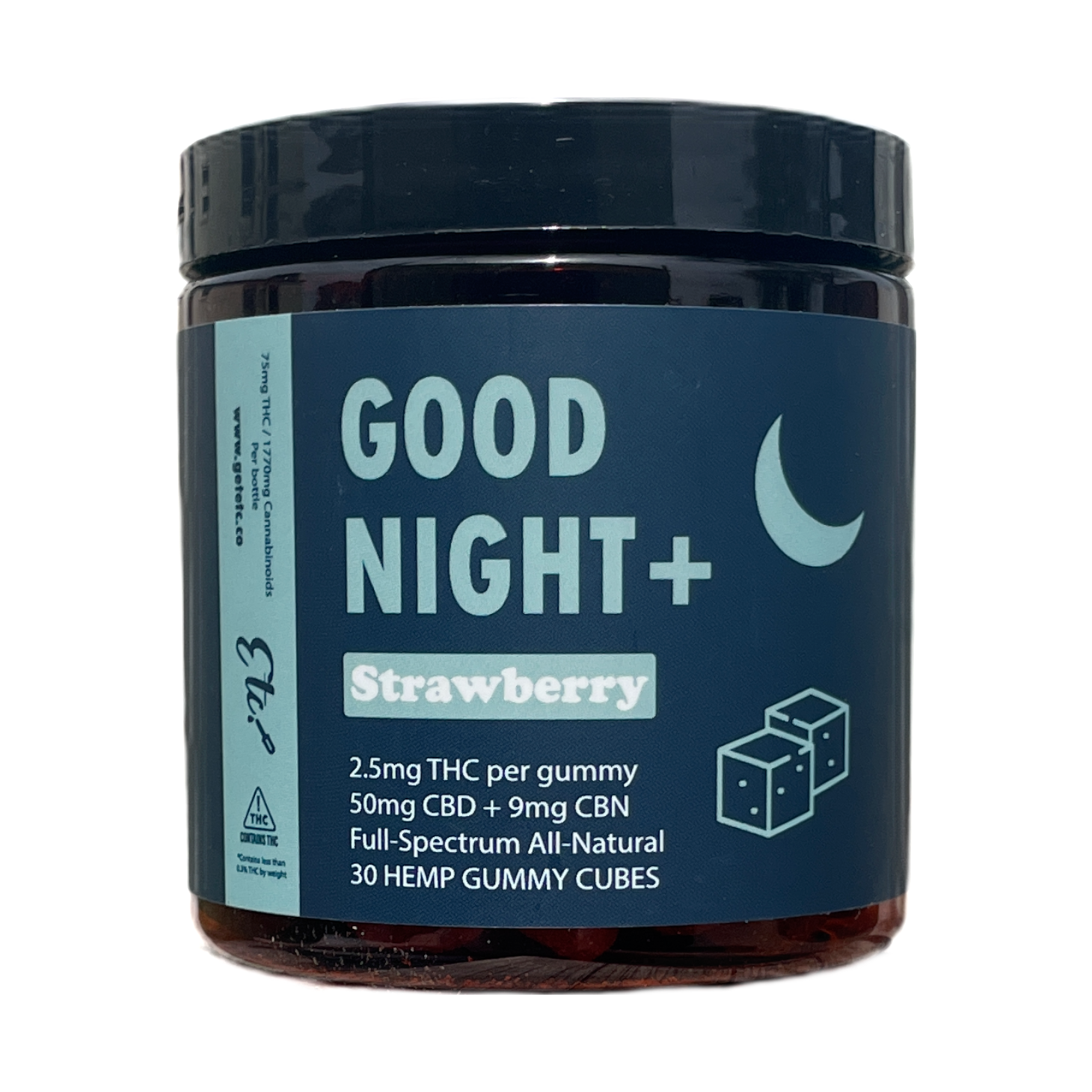
This is also where format matters. Softgels give you a precise amount in a small, tasteless package. Gummies give you the same precision plus something you actually look forward to taking. If you’ve ever avoided a wellness routine because you couldn’t stand the product, the format question is worth taking seriously. Consistency is where results happen, and consistency is hard if you dread the 8pm reminder on your phone.
Before You Deliberate Yourself Out of It Again
There’s a version of the label-reading experience where you learn just enough to feel overwhelmed and decide to “do more research later.” This is how Tuesday’s health food store moment becomes a six-month delay.
The calmer version looks like this: you pick up a product, you check whether it’s full-spectrum, you look for evidence that someone with medical credentials reviewed it, and you confirm there’s a COA you can actually look at. That’s the checklist. It takes three minutes.
If a product passes those three things, you’ve done your due diligence. The rest is just trying it.
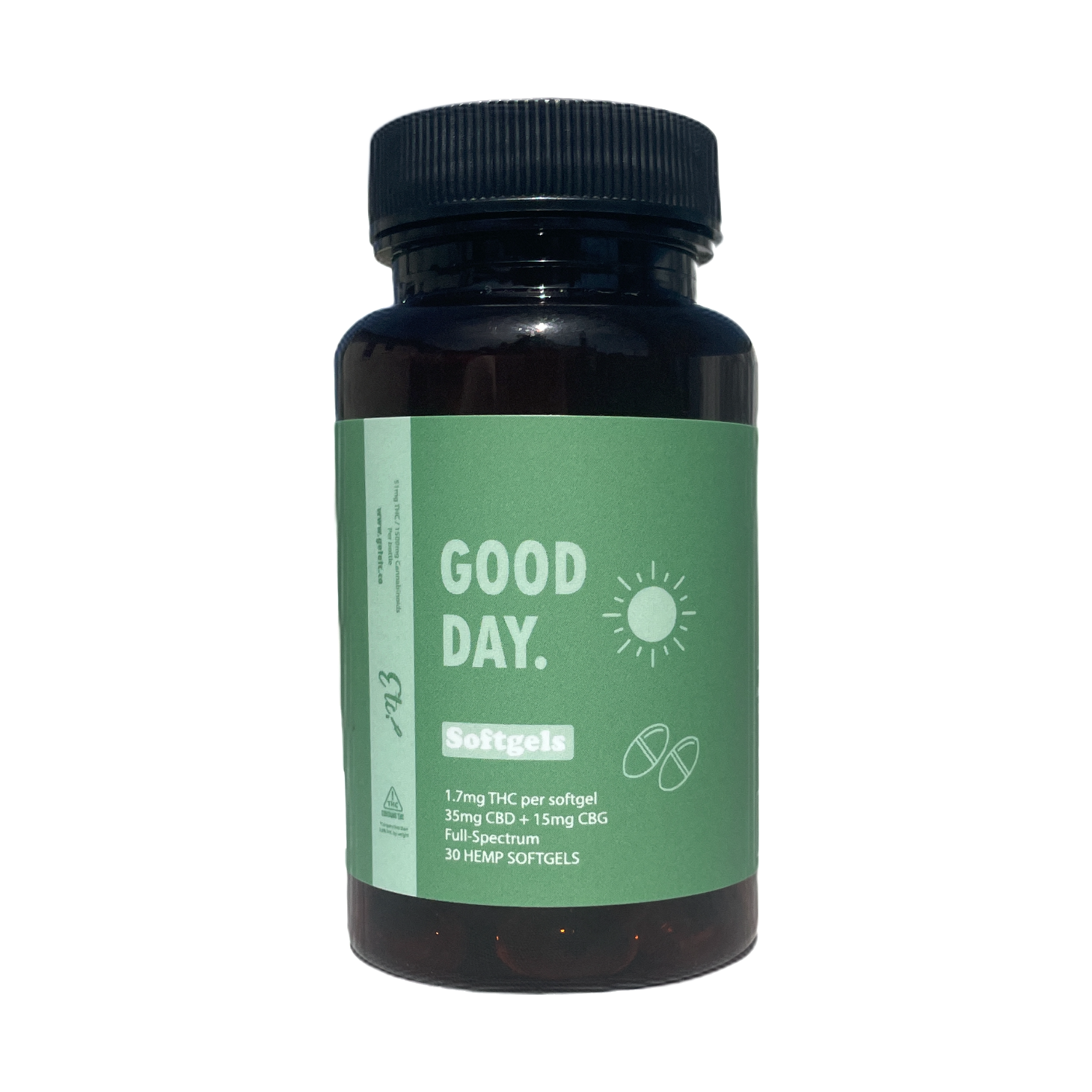
Good Day and Good Night are built to pass that checklist. Full-spectrum, physician-reviewed, third-party tested, with COAs you can read before you buy.
The Person Who Chooses Well, Consistently, Wins
Here’s what no label can tell you: how it will feel to have made a quiet, informed decision for yourself and then followed through on it, week after week, until it becomes simply part of how you take care of yourself.
There’s a particular kind of confidence that comes from this. Not the loud kind. The kind where you walk through a Tuesday afternoon and you’re not wondering whether you’re doing enough, or spending money on something that doesn’t deserve it, or ignoring something your body has been trying to tell you.
You made an informed call. You bought something you understood. You took it consistently. You paid attention.
That’s the whole thing, really. The label just has to earn the first step.
Disclaimer: These statements have not been evaluated by the Food and Drug Administration. This product is not intended to diagnose, treat, cure, or prevent any disease. Consult your healthcare provider before starting any new wellness regimen.
Photo by National Cancer Institute on Unsplash