




How I Help My Body Understand the Day Is Done
There’s a belief worth questioning: that winding down in the evening is something that just happens. You finish work, you stop moving, and eventually your body figures it out.
For a lot of people, that’s not quite how it goes.
The to-do list doesn’t evaporate at 7 PM. The mental tab that was open at 2 in the afternoon is still running. You’re sitting on the couch but not really there. Your body got the memo that the day ended, but your nervous system is still at the office.
This isn’t a character flaw. It’s just what happens when your days ask a lot of you.
The Gap Between “Done” and Actually Done
There’s a difference between stopping and truly settling. Stopping is logistical: you closed the laptop, you ate dinner, you sat down. Settling is physiological. It’s your whole system recognizing that the urgency has passed.
That gap used to frustrate me. I’d do all the right things. Dim the lights. Put my phone down. Make tea. And still feel like I was running at a frequency that didn’t match the moment.
What helped wasn’t a dramatic change. It was building a small ritual with enough consistency that my body started to recognize the pattern as a signal. This is what we’re doing now. You can let go.
The ritual isn’t magic. It’s more like a language you teach your body, one evening at a time. Over weeks, it becomes fluent.
What a Wind-Down Routine Actually Does
Here’s the part that helped me think about this differently: your body already wants to settle. It has systems built specifically for that purpose. The endocannabinoid system, discovered in the early 1990s, is one of them. It plays a real role in helping the body find its footing after a demanding day, including the regulation of mood, sleep cycles, and how the nervous system interprets and releases stress signals.
Your body produces its own cannabinoids naturally. The system is already there. But stress, irregular sleep, and the sheer volume of modern life can put it behind. Full-spectrum hemp is one way some people choose to support that system, not replace it.
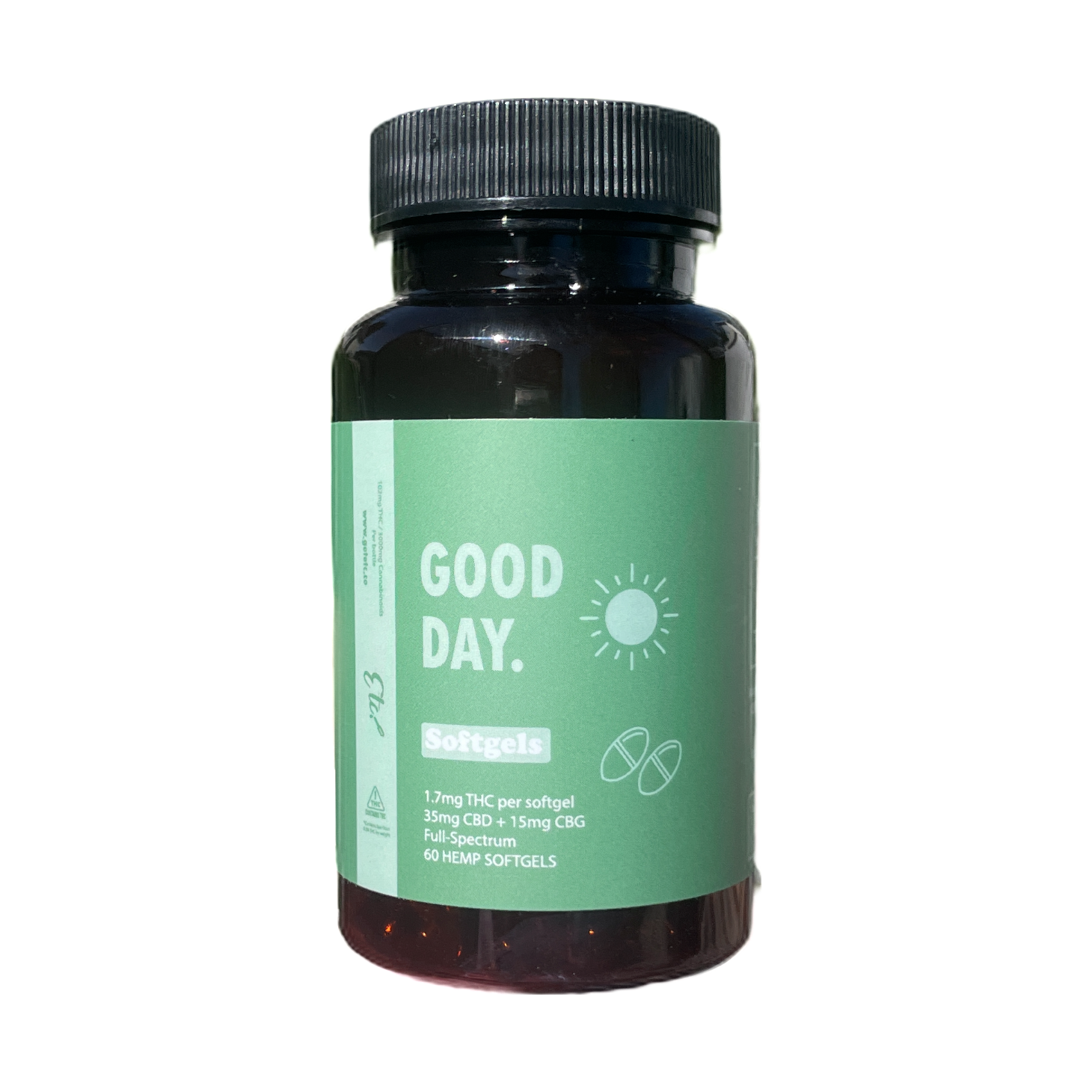
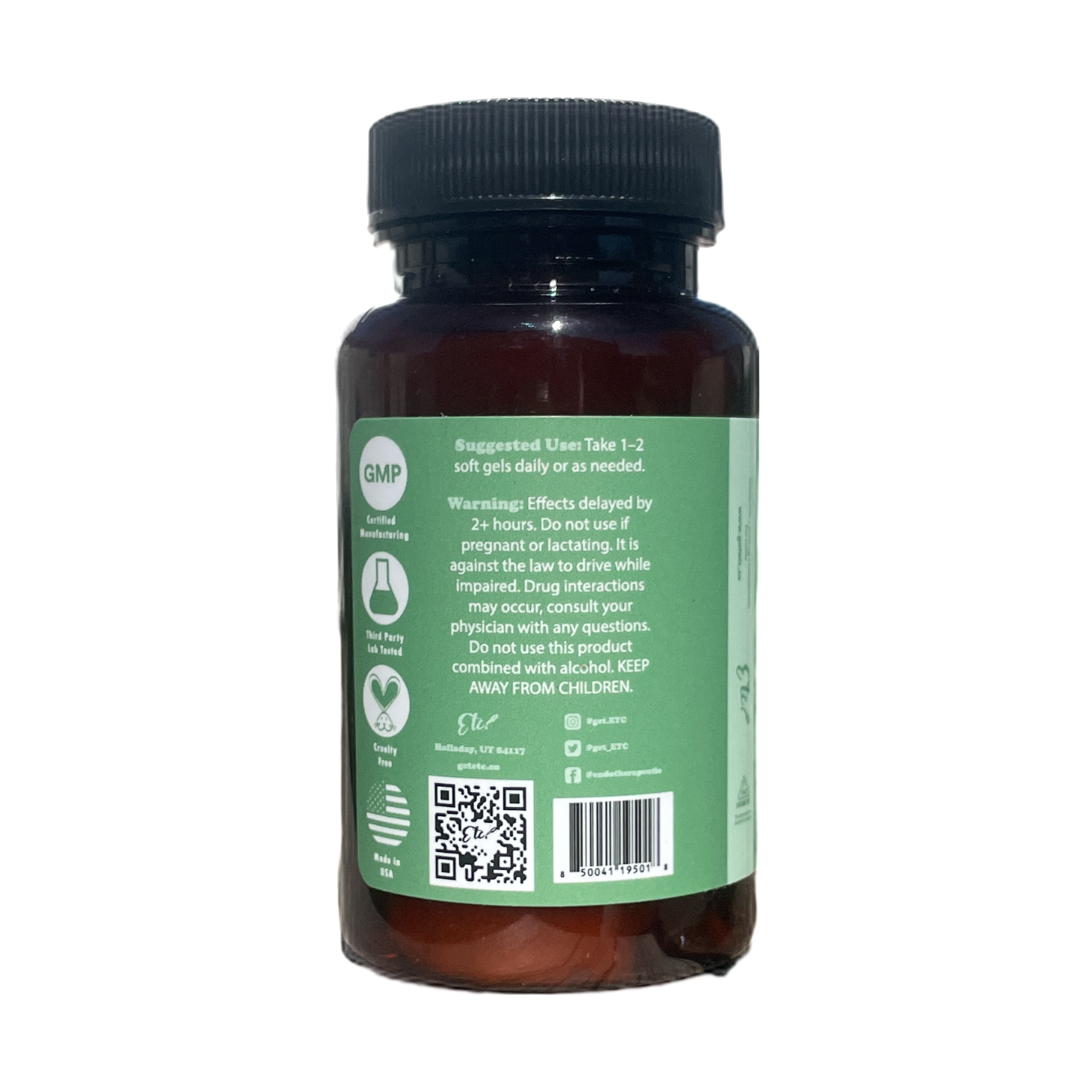
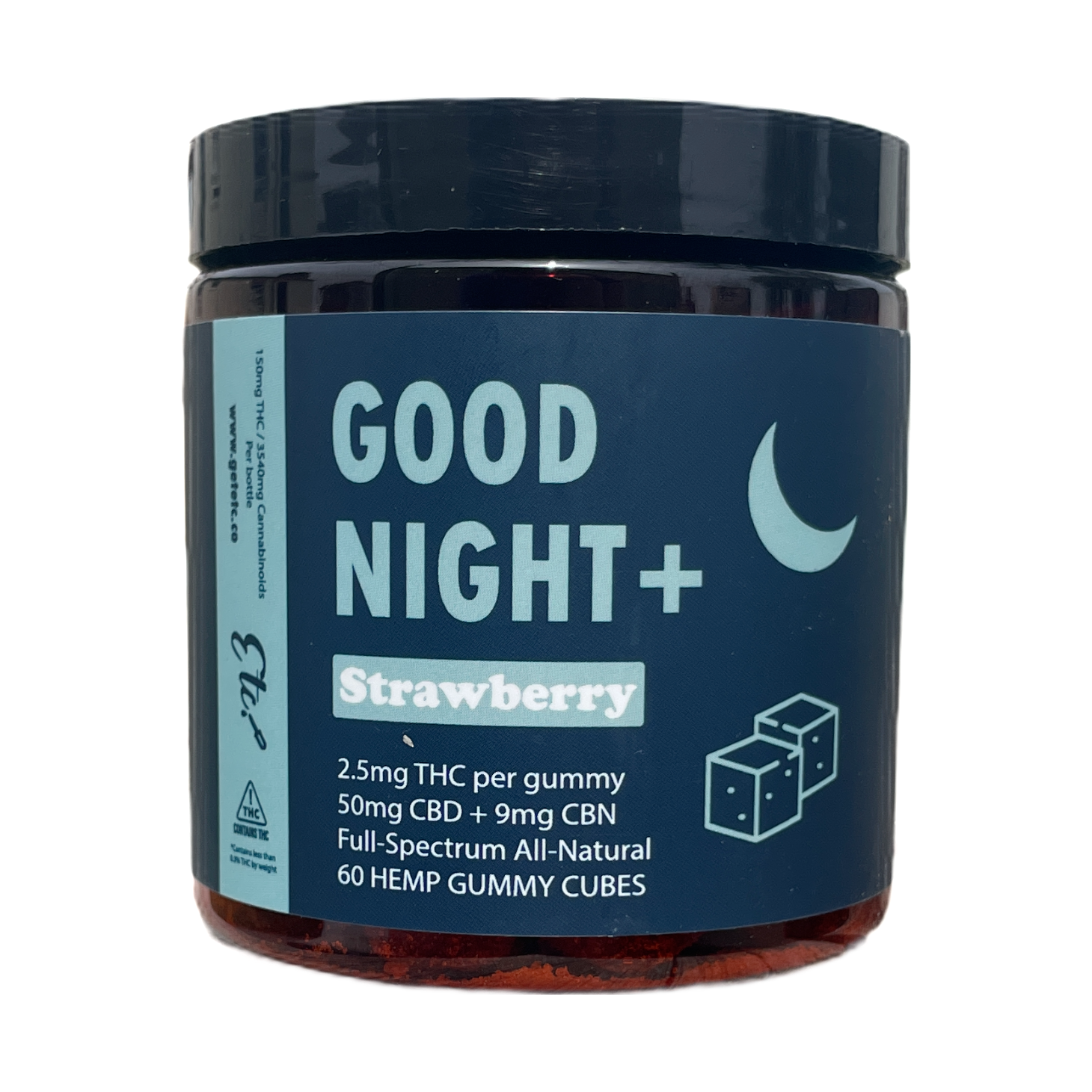
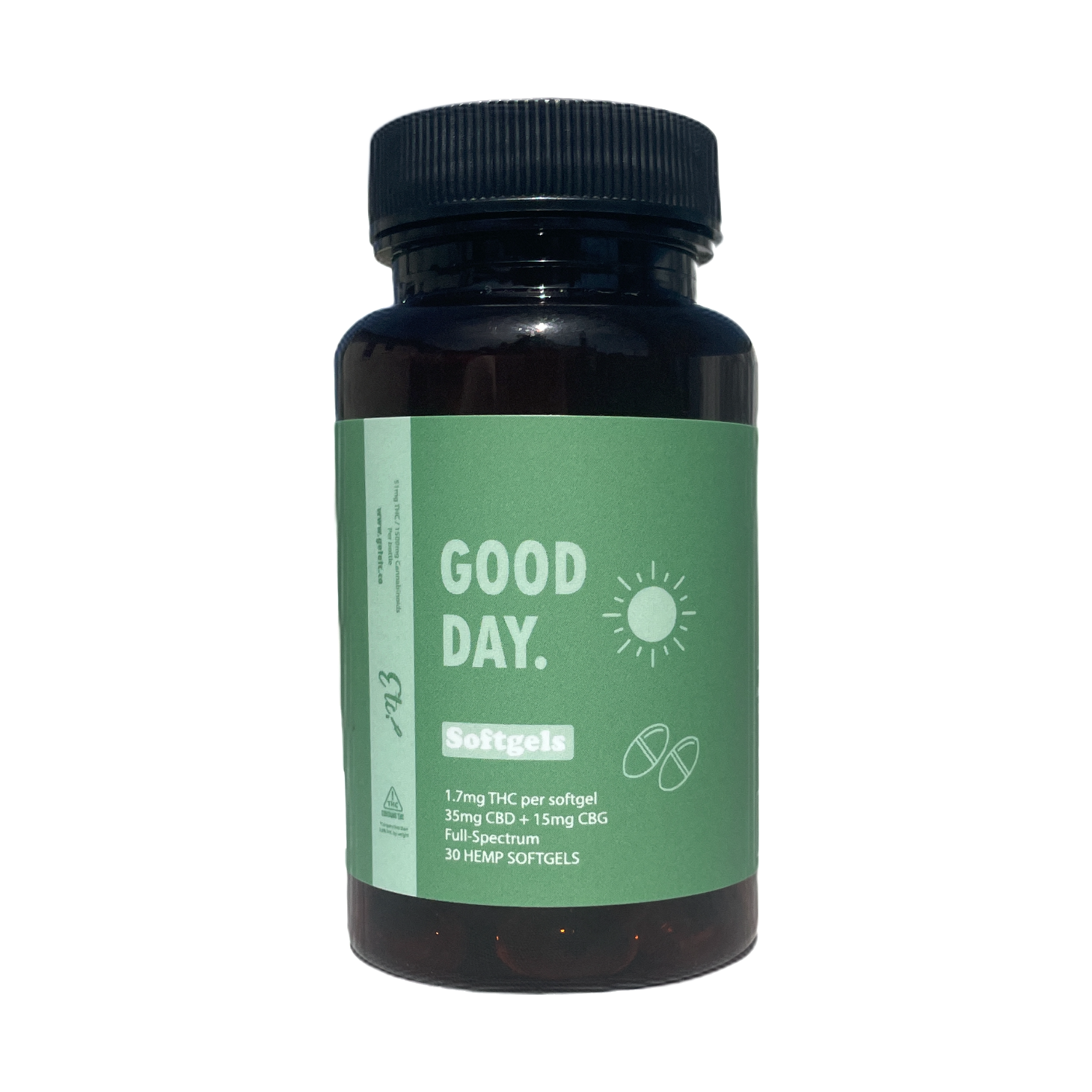
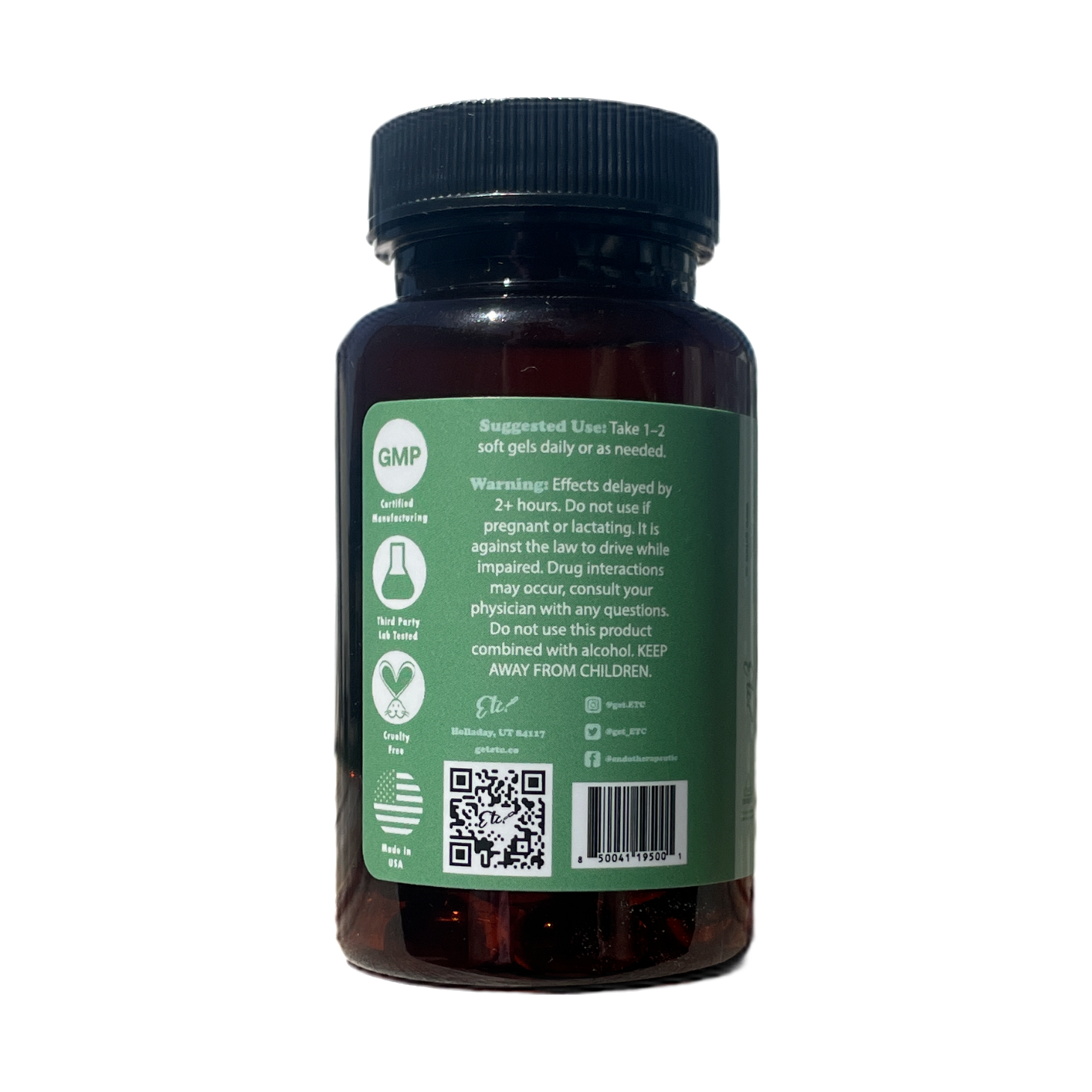
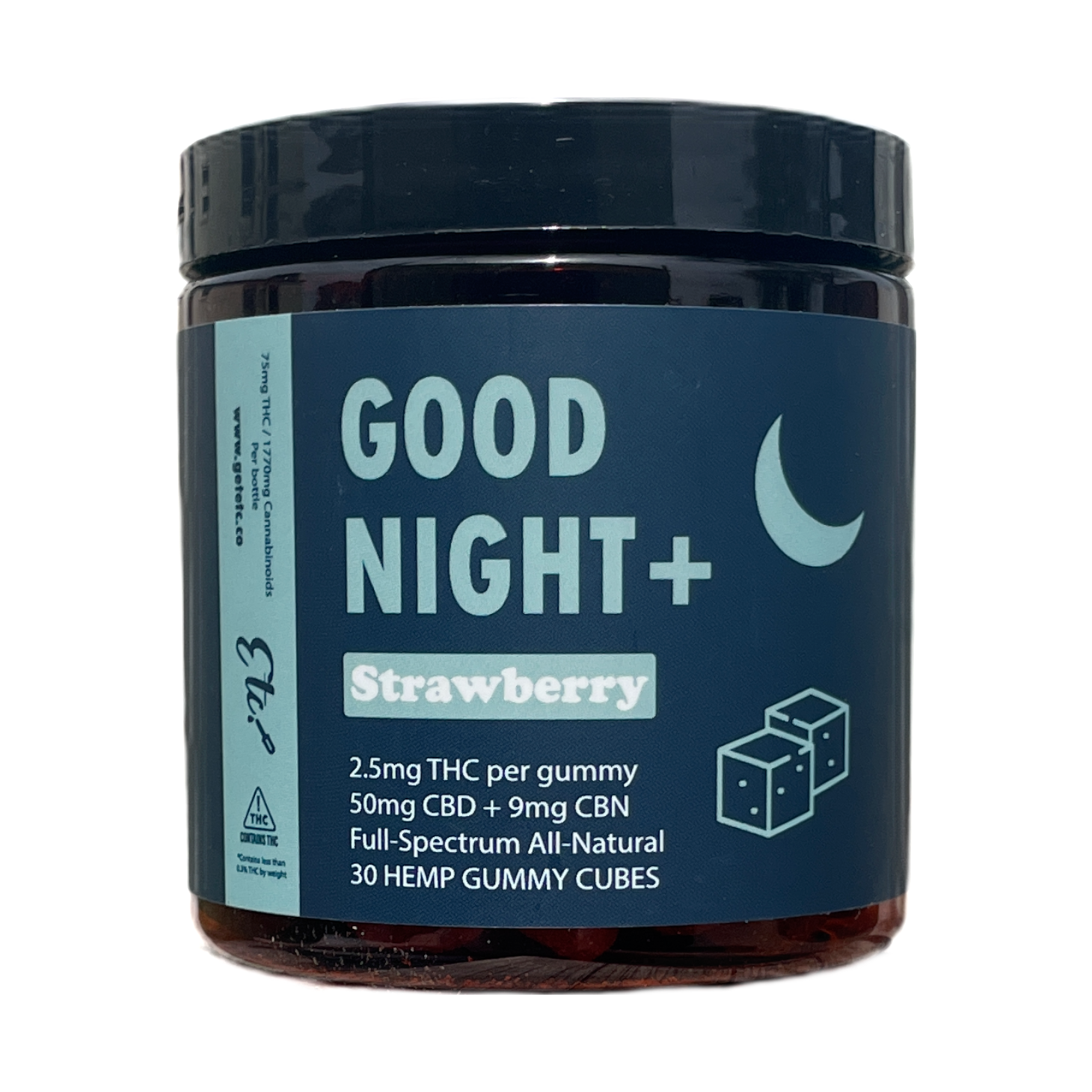
I started using Good Night softgels in the evening, about an hour before I actually wanted to be winding down. Not as a shortcut, but as part of the sequence. They have extra CBN, a cannabinoid that a lot of people associate with evening calm and better sleep, layered into a full-spectrum base. No taste, no fuss, easy to work into a routine.
Effects generally take 30 to 90 minutes to settle in, sometimes up to two hours for the full shift. So I’m not looking for something to knock me out. I’m looking for a door to open, slowly and in the right direction.
The Routine I Actually Kept
I’ve tried routines that were too complicated to stick to. The ones that require a journal, a candle, a gratitude list, a five-minute cold rinse, and seventeen minutes of box breathing. I respect those. I don’t do them.
What I kept was simpler.
Around 8 or 8:30, I take the softgel with a small glass of water. That’s the anchor. Everything else I do after that gets pulled into its orbit: stepping away from screens, maybe a short walk if the evening is nice, something low-stakes on TV if that’s what the night calls for. The goal is sensory downshift, not achievement.
The softgel doesn’t do the work for me. But it helps my body hear what the rest of the routine is saying. And over time, that becomes the whole point. The routine teaches. The body learns.
What Changes When You Actually Land
Here’s what surprised me most: evenings didn’t just get calmer. The next day got better.
When you actually settle in the evening instead of just stopping, you show up differently in the morning. There’s less of that gummy, dragging quality to the first few hours. You’re more present. More patient with the people around you. More able to bring your actual self to the things that matter.
That’s the part that doesn’t get talked about enough in wellness content. The payoff of a good evening isn’t just sleep. It’s the version of you that walks into tomorrow. The parent who listens instead of half-listens. The colleague who thinks clearly instead of running on fumes. The person who, at the end of a long day, can feel genuinely present at the dinner table.
The evening wind-down isn’t self-indulgence. It’s preparation.
The Part About Trusting What’s in the Bottle
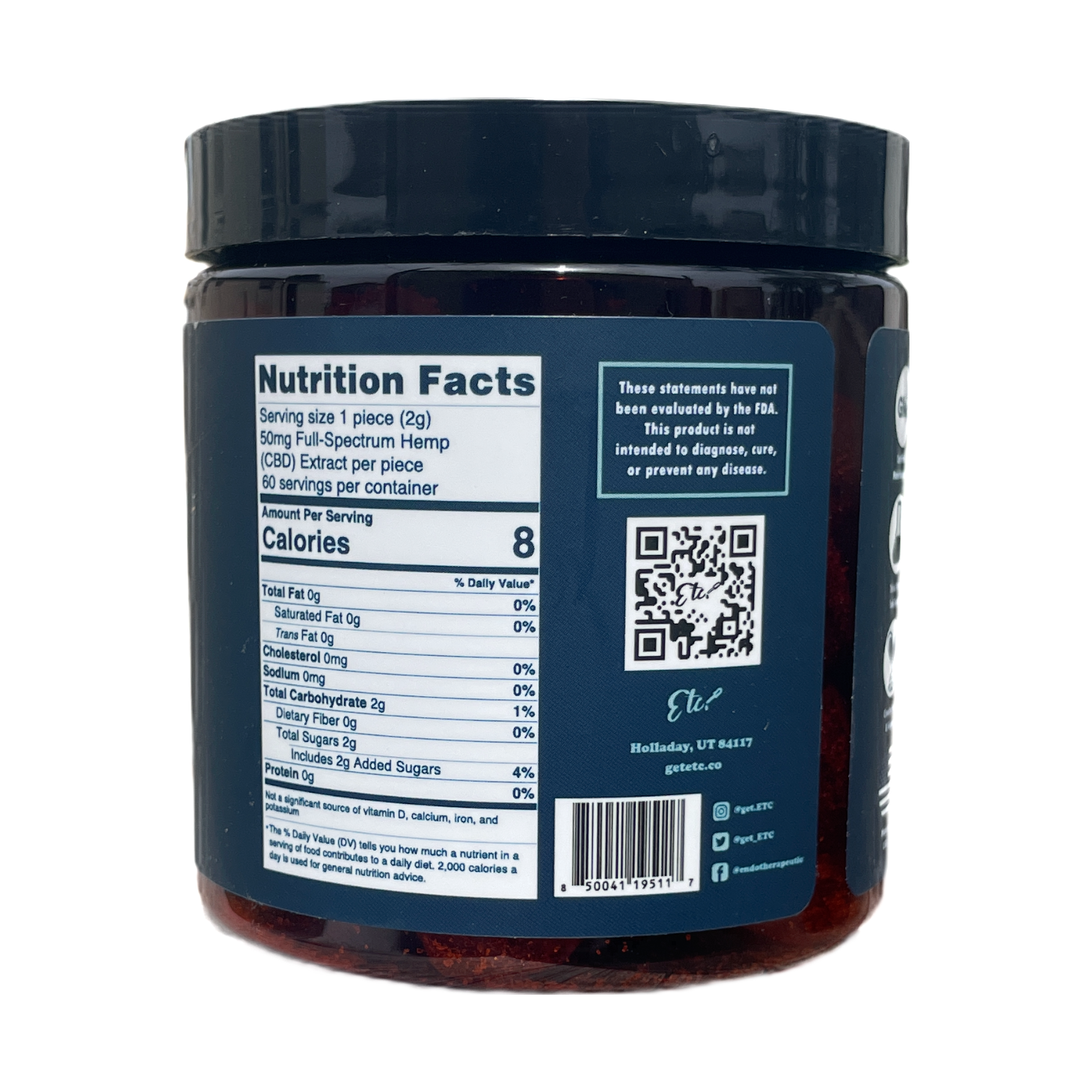
I’ll say this simply: one reason this routine works for me is that I’m not second-guessing what I’m taking. ETC publishes third-party lab results for every batch at reliefetc.com/pages/coa. Products are physician-reviewed. I looked, I checked, and I moved on. That peace of mind is quieter than it sounds, but it matters. A routine you trust is one you’ll actually keep.
Starting Without Overthinking It
If you’re new to any of this, start at the lowest recommended serving and give it at least a few days before drawing conclusions. The body needs time to calibrate. Some people notice a shift in the first week. Some find it takes a full month of consistency before it clicks.
The consistency is the whole game. Any single evening is just one data point. A month of evenings is a pattern, and a pattern your body can work with.
The day is done. Your only job now is to help your body believe it.
Disclaimer: These statements have not been evaluated by the Food and Drug Administration. This product is not intended to diagnose, treat, cure, or prevent any disease. Consult your healthcare provider before starting any new wellness regimen.
Photo by Eric Stone on Unsplash