




Why Plant Type Shapes the CBD Experience
Is hemp just “weak weed”?
If you’ve wondered that, you’re not alone, and it’s a fair question. The two plants look similar, grow similarly, and come from the same botanical family. But the experience they produce, and what they’re actually designed to do, diverges in ways that genuinely matter when you’re trying to make a smart, informed choice for your wellness routine.
Understanding the difference isn’t just trivia. It’s the kind of knowledge that puts you in the driver’s seat.
Same family. Very different intentions.
Both hemp and marijuana come from the cannabis plant. But they’ve been bred over time to do completely different things. Marijuana strains have been selectively cultivated over the past century to increase THC, the compound most associated with psychoactive effects. Hemp, by contrast, has largely been kept closer to the plant’s natural state: rich in a wide range of cannabinoids, low in THC.
Under the 2018 Farm Bill, the legal threshold is clear: hemp contains less than 0.3% THC. Anything above that is legally classified as marijuana. That line isn’t arbitrary. It’s the federal boundary that determines how a plant is grown, sold, tested, and used.
The practical difference for most people? Hemp doesn’t get you high. The trace amount of THC in a hemp product is to a marijuana product roughly what a cup of chamomile tea is to a double espresso. The mechanism is related; the experience is not.
Why that matters for your body
Here’s something worth knowing: your body already has a system built to receive cannabinoids. The endocannabinoid system (ECS) exists in every mammal on Earth, and it was doing its job long before anyone named it. Scientists only identified it in the early 1990s, which means it’s a surprisingly recent discovery for something so fundamental to how we maintain balance.
The ECS plays a role in mood, sleep, immune function, and how your body responds to everyday stress. Your body produces its own cannabinoids naturally. Hemp is simply a way to support what your body is already doing, especially during stretches when daily demands outpace your reserves.
This is why hemp, used consistently, tends to feel more like a foundation than an event. You’re not chasing a spike. You’re filling in something the body was already looking for.
The full-spectrum advantage
Hemp’s value isn’t just CBD. Cannabis contains at least 113 known cannabinoid compounds, and full-spectrum hemp products use the whole plant, all of them working together. Researchers call this the entourage effect: the idea that cannabinoids are more effective in combination than any single compound in isolation.
CBG, for instance, tends to support focus and daytime clarity. CBN leans toward evening calm. CBC, THC at trace levels, THCV, and others each contribute something to the overall picture. The reason a full-spectrum hemp product often feels more balanced than a CBD isolate comes down to this: you’re getting the whole conversation, not just one voice.
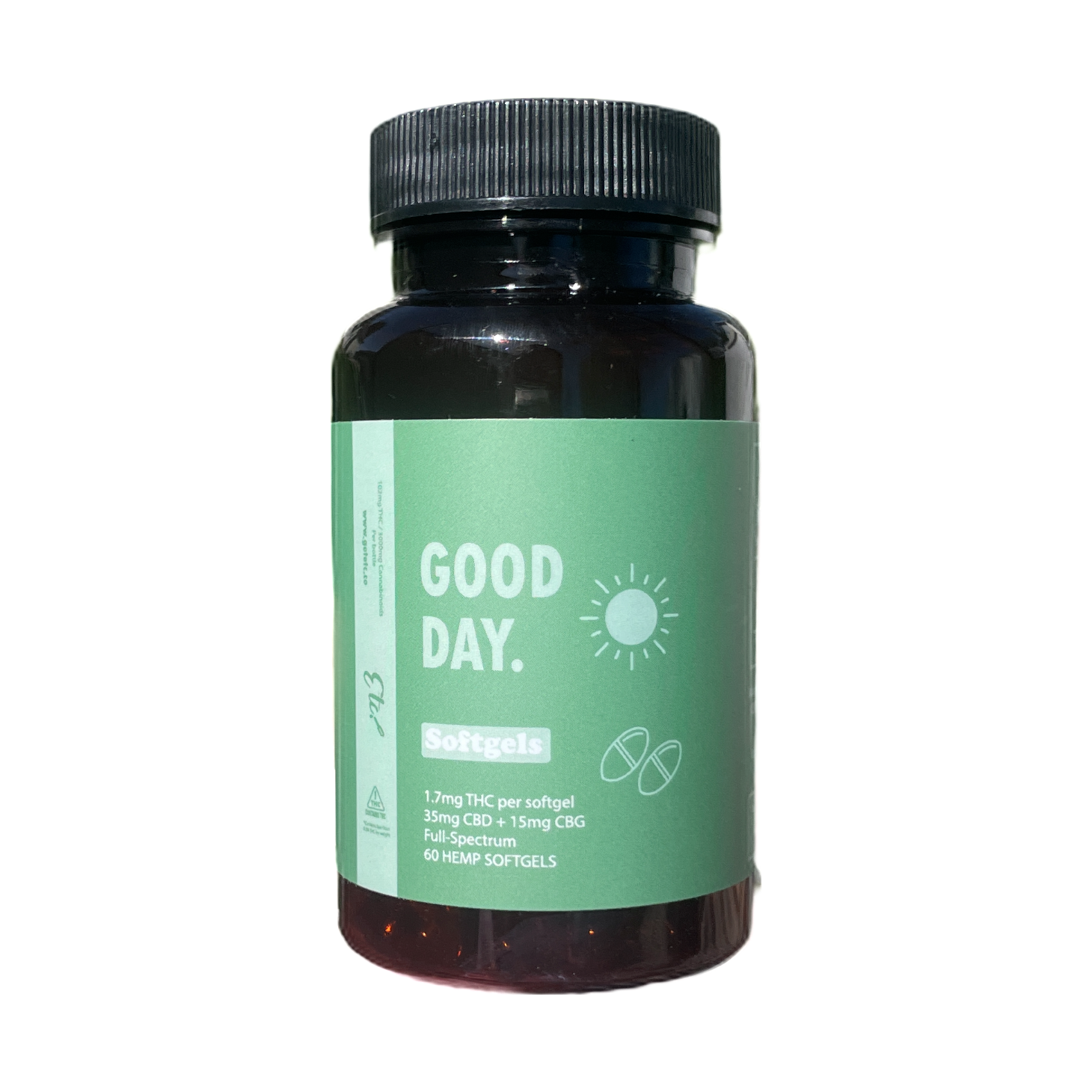
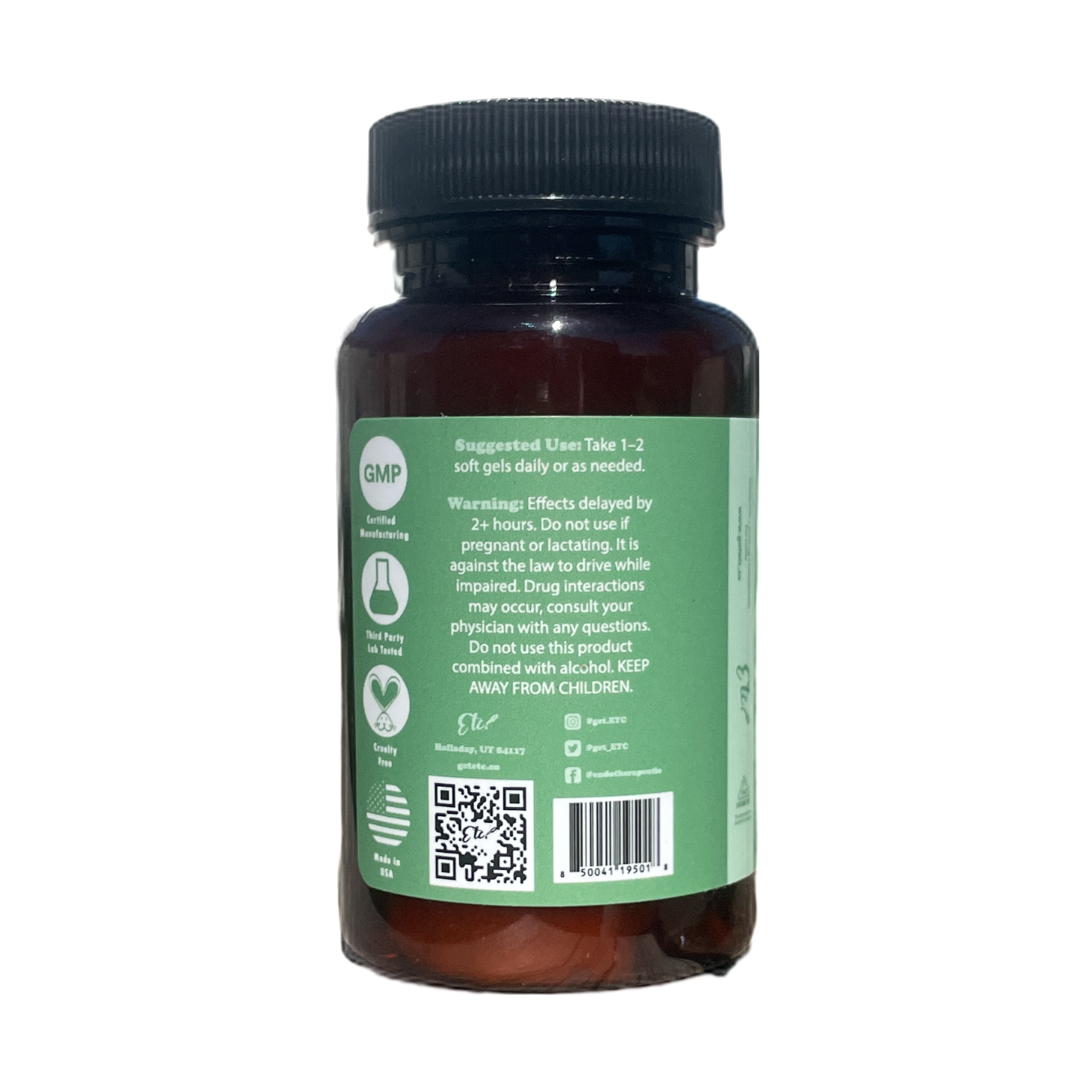
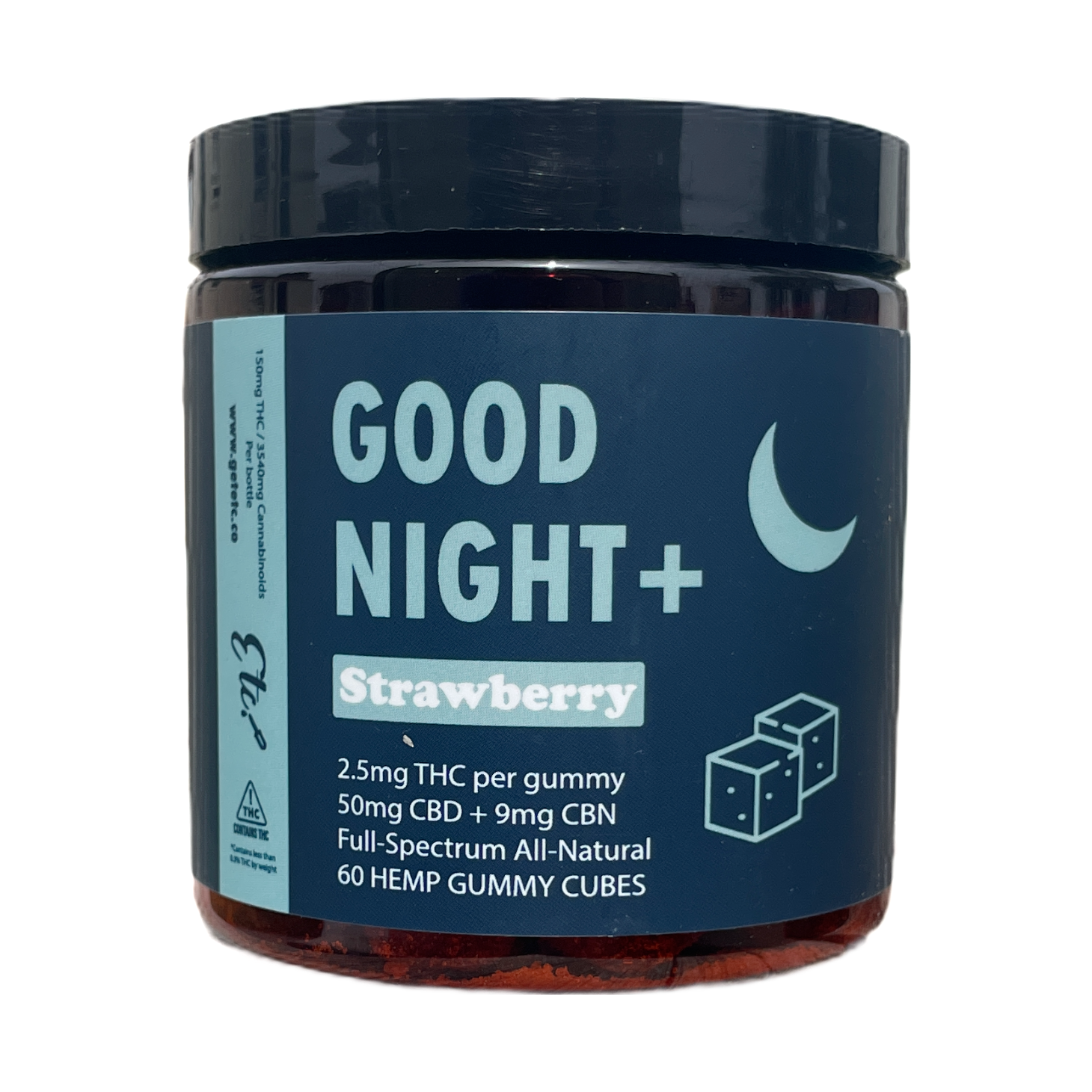
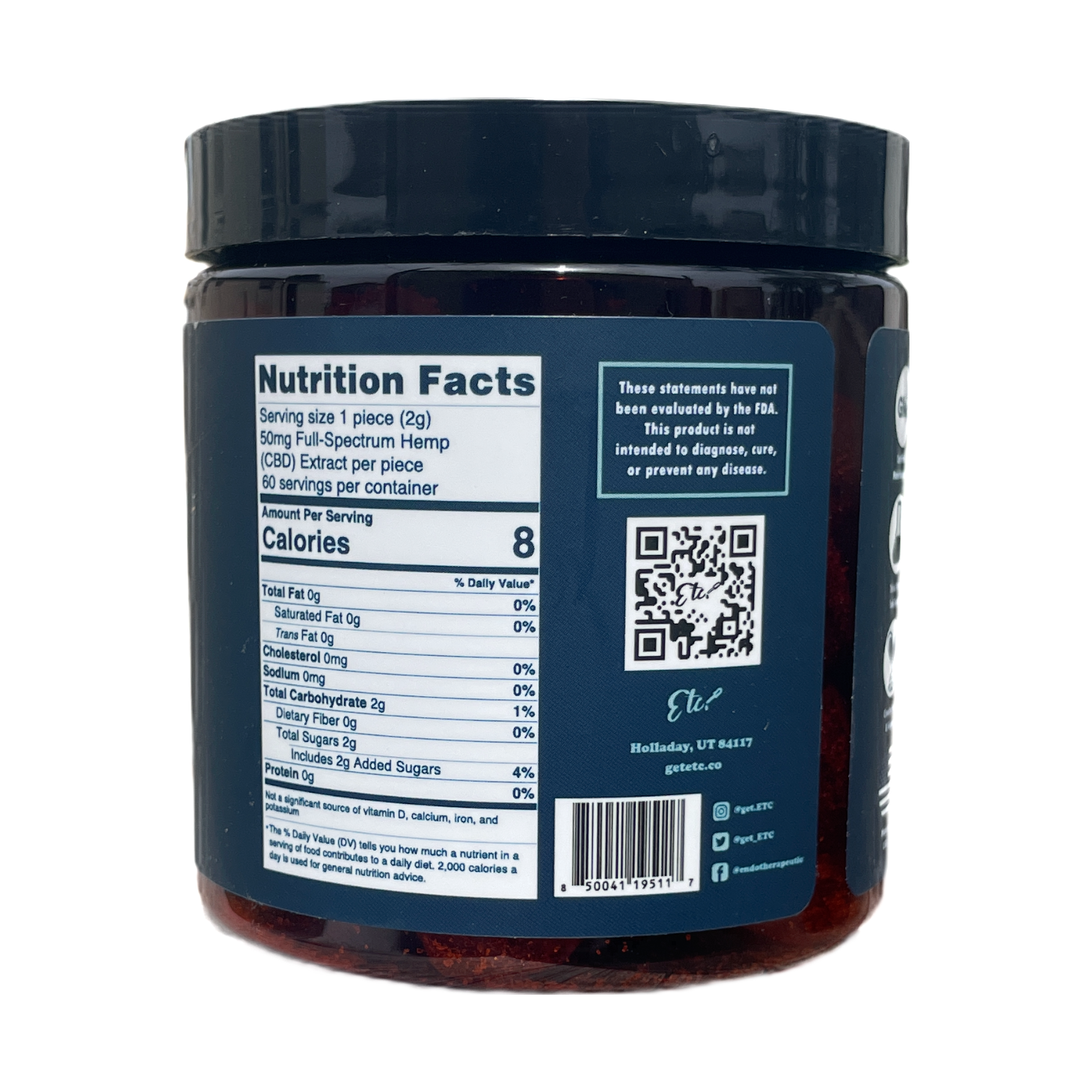
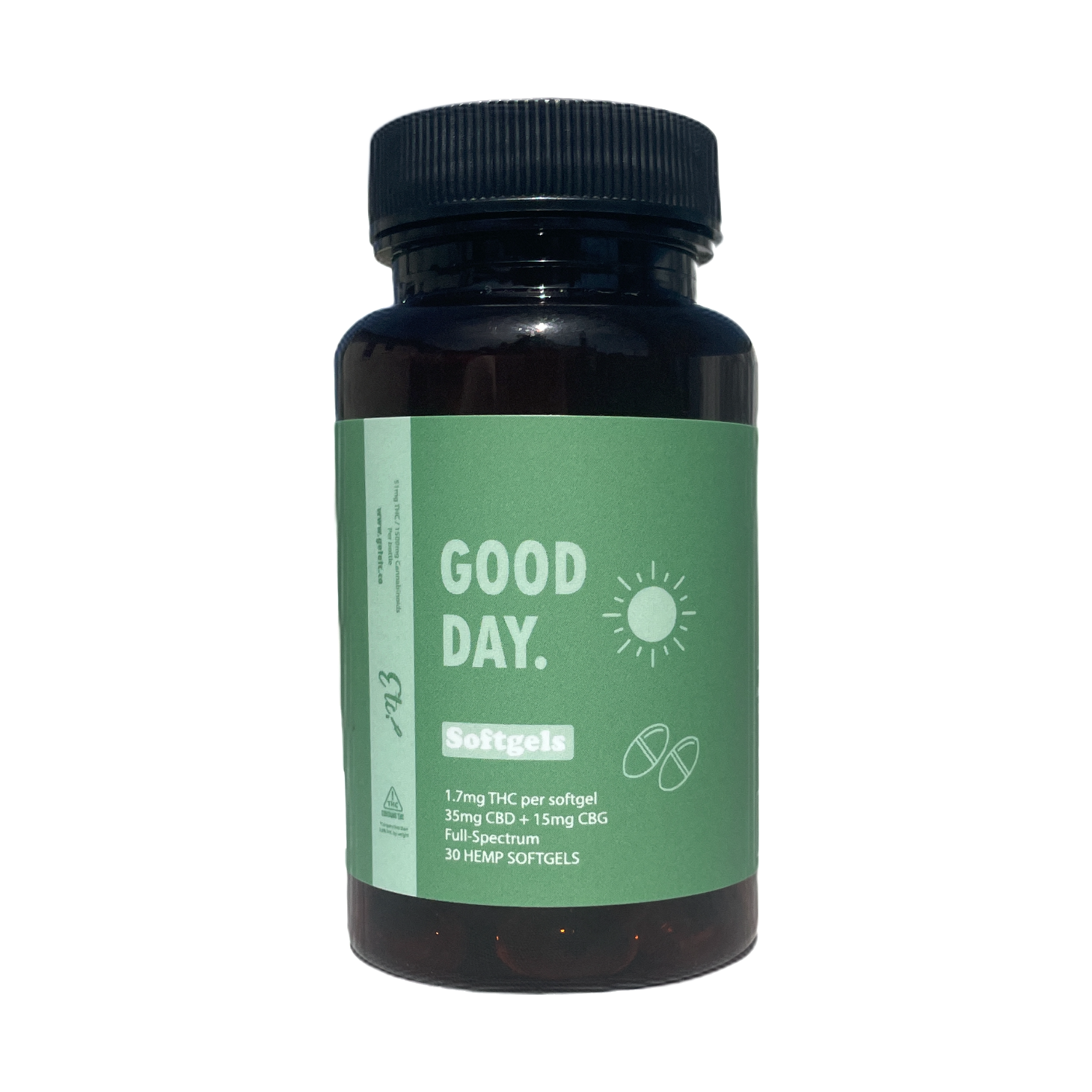
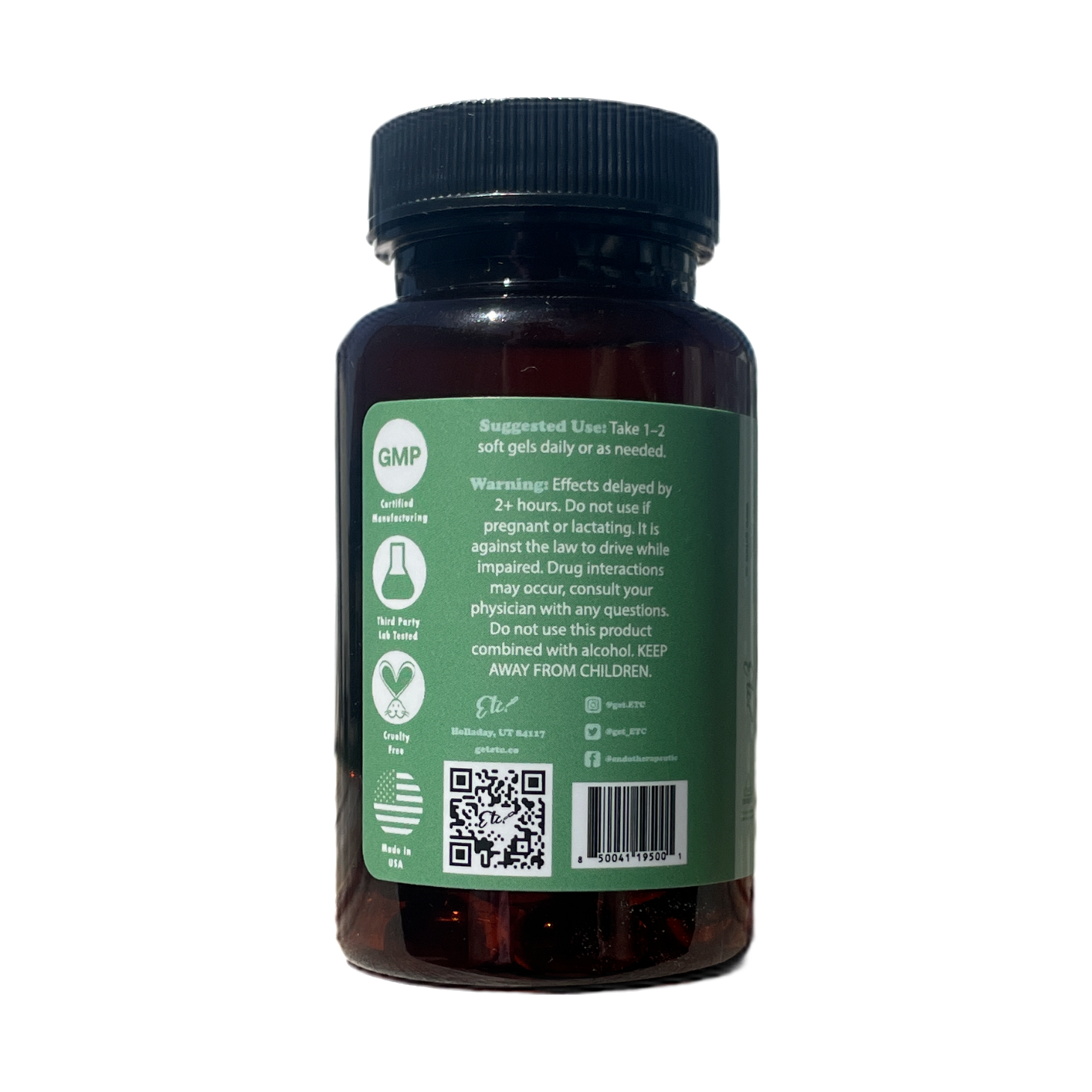
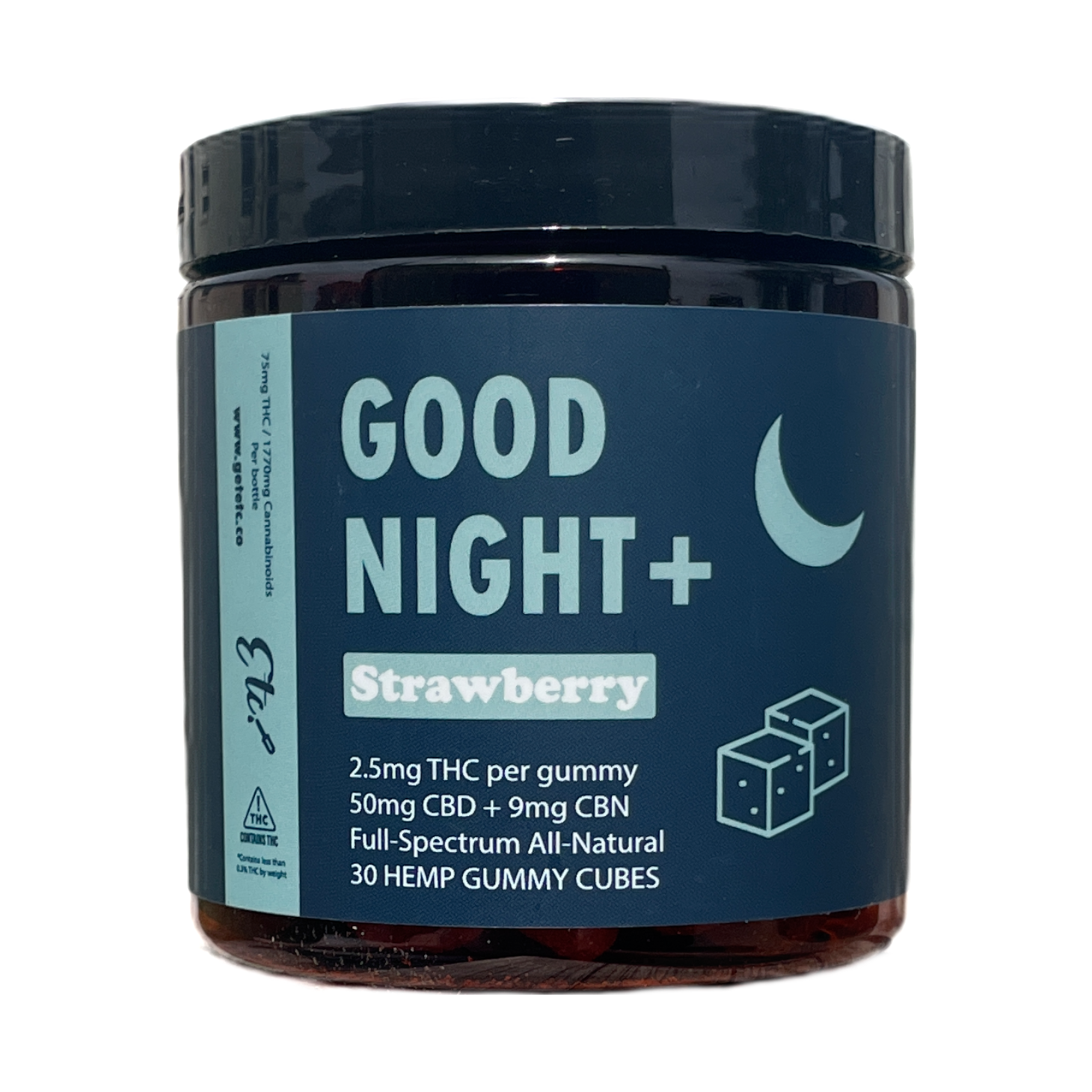
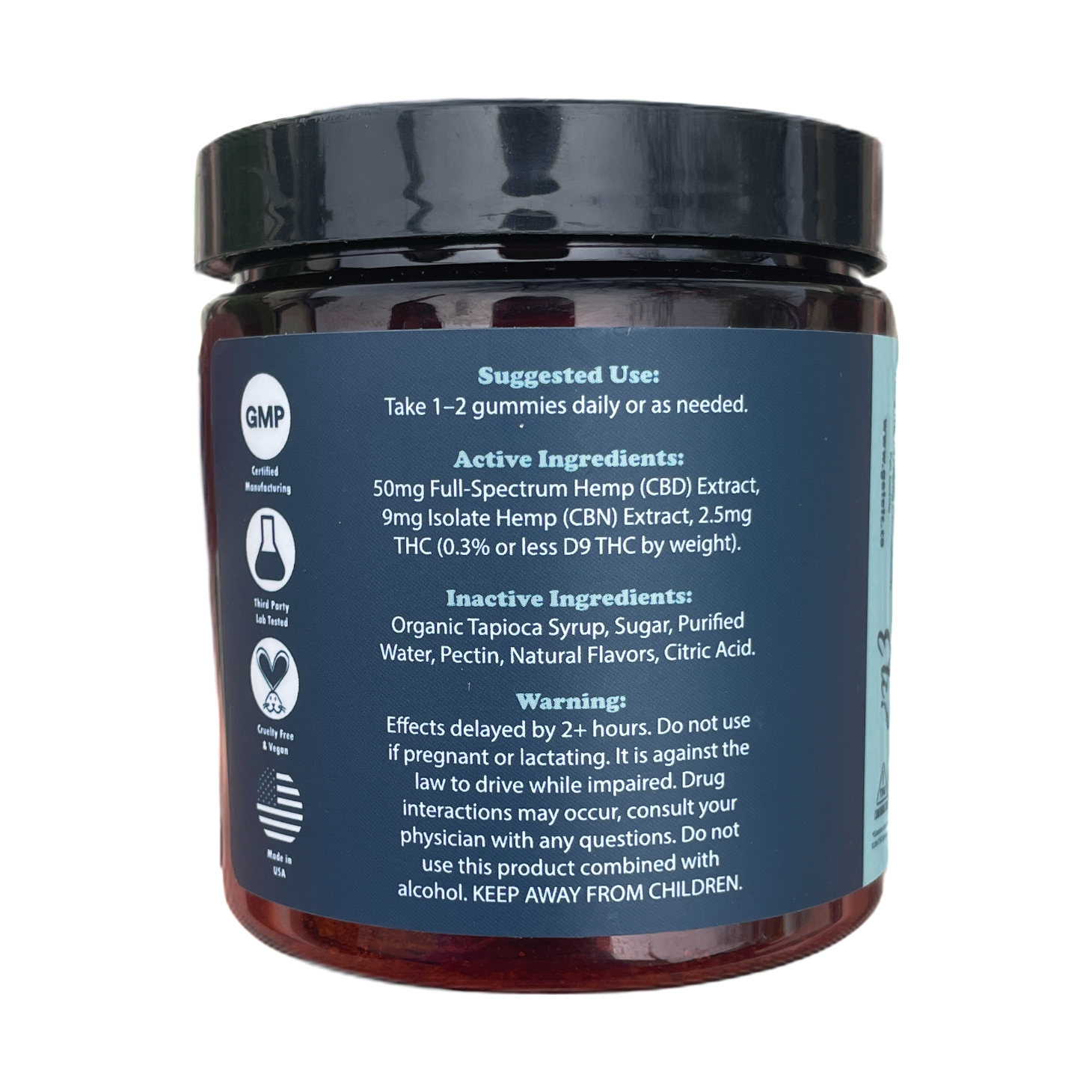
This is also why the specific cannabinoid profile of a product matters. ETC’s Good Day line boosts CBG for daytime support. The Good Night line boosts CBN to support an easier transition into evening. Same full-spectrum base, different emphasis for different moments in your day.
The question underneath the question
When someone asks “is hemp just weak weed?”, what they’re really asking is: will this actually do anything for me?
And that’s worth answering directly.
Hemp products at legal THC levels are not trying to replicate a marijuana experience. They’re not a lesser version of something else. They’re a different tool with a different purpose: consistent, daily support for the body’s own regulatory systems. The goal isn’t to feel altered. It’s to feel like yourself, only more steadily so.
People who find the most value in hemp wellness products tend to share one thing in common: they stayed with it. Not because they followed a rigid protocol, but because they paid attention, adjusted as needed, and kept going. The first week sometimes brings noticeable shifts. Sometimes the changes are subtle enough that you only recognize them in retrospect, looking back at how you felt a month ago compared to now.
That arc of gradual, sustainable improvement is something you can only build if you understand what you’re working with, and why you chose it.
Being the informed one in the room
There’s a real kind of confidence that comes from knowing what’s in your product and why it works the way it does. Not the confidence of reciting lab results at people, but the quieter kind: you looked into it, you understood what you were choosing, and you made a decision that aligns with what you actually want.
That starts with understanding that hemp and marijuana are not the same thing. It continues with knowing that the cannabinoid profile of a product shapes what it does. And it builds from there as you learn what your own body responds to.
ETC products are physician-reviewed and third-party tested, which you can verify directly at reliefetc.com/pages/coa. That’s the supporting evidence. But the more meaningful thing is what you do with the knowledge: choose clearly, consistently, and for the right reasons.
What this actually changes for you
When you understand the hemp-versus-marijuana distinction, a few things shift.
You stop second-guessing whether a hemp product will do something weird. You start comparing products based on their actual cannabinoid profiles rather than just price or brand feel. You get better at evaluating what your body is telling you. And over time, that informed relationship with your own wellness routine compounds into something genuinely valuable: a sense of agency over how you feel.
That’s not a small thing. That’s the whole point.
If you’re just getting started or thinking about adding something consistent to your daily routine, the Good Day collection is a solid place to begin: full-spectrum hemp, CBG-boosted for daytime balance, available in softgels or gummies depending on what fits your life.
The plant type shapes the experience. And when you understand how, you’re the one shaping yours.
Disclaimer: These statements have not been evaluated by the Food and Drug Administration. This product is not intended to diagnose, treat, cure, or prevent any disease. Consult your healthcare provider before starting any new wellness regimen.
Photo by Tyler Butler on Unsplash