




Same Plant Family, Different Daily Roles
Here’s a fact that surprises a lot of people: Good Day and Good Night start from the exact same hemp base. Same plant. Same full-spectrum foundation. The difference isn’t night and day in the way you might think. It’s more like two playlists built from the same library, arranged for a different hour.
That distinction matters more than it might seem, especially if you’ve been wondering whether you really need both, or whether the whole morning/evening thing is just clever packaging.
It isn’t. Here’s why.
What They Share
Both formulas begin with full-spectrum hemp extract, which means both carry the whole roster of naturally occurring cannabinoids: CBD, CBG, CBN, CBC, trace THC, and others. That “full-spectrum” part isn’t incidental. When cannabinoids work together, each one contributes something the others amplify. The shorthand for this is the entourage effect, and it’s one of the main reasons full-spectrum products tend to feel more complete than a single-cannabinoid isolate.
So if you’re taking either formula consistently, you’re already getting that full-plant benefit. Good Day and Good Night don’t split the plant in half. They build on the same complete foundation and then tip the scale in one direction.
The Difference Is in the Tipping
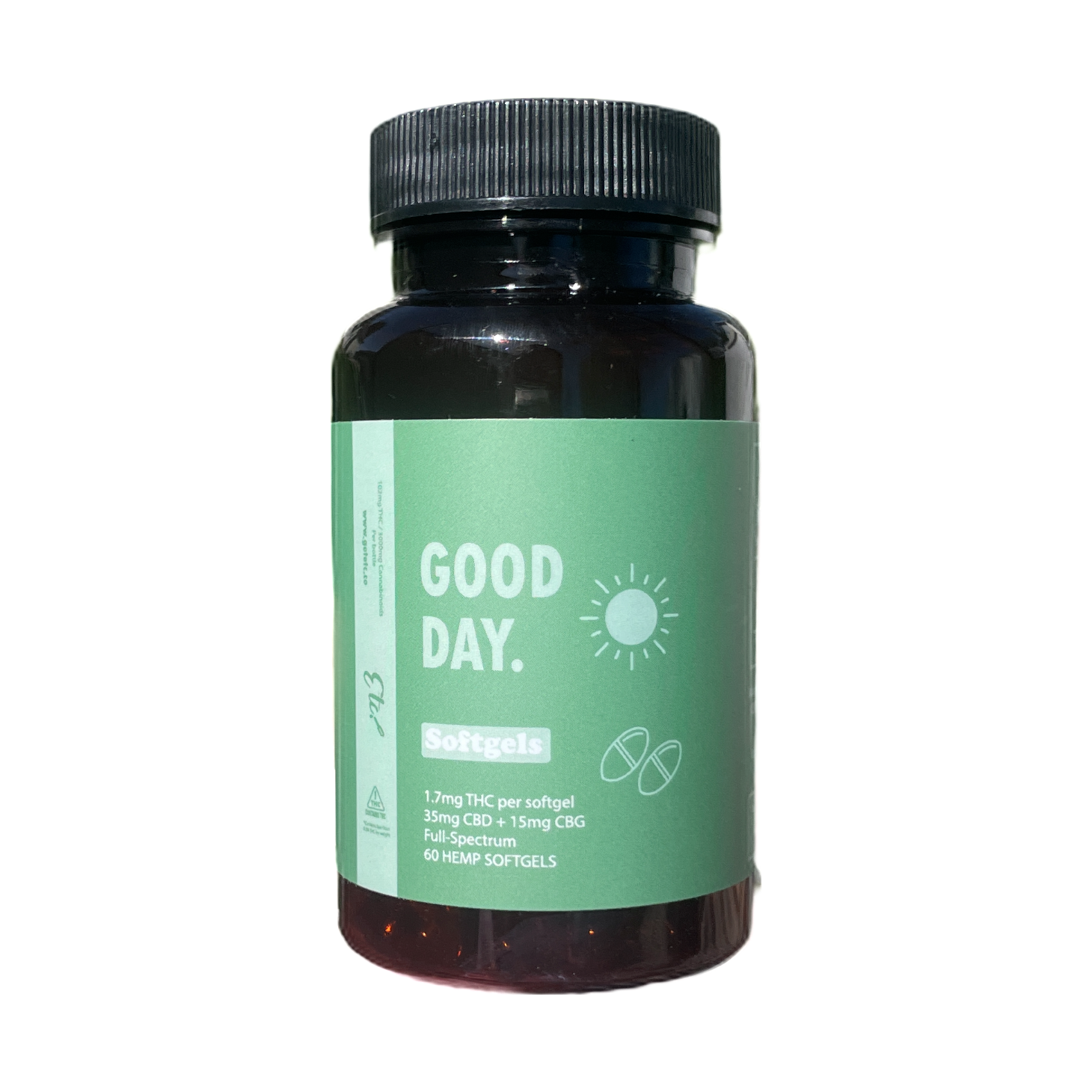
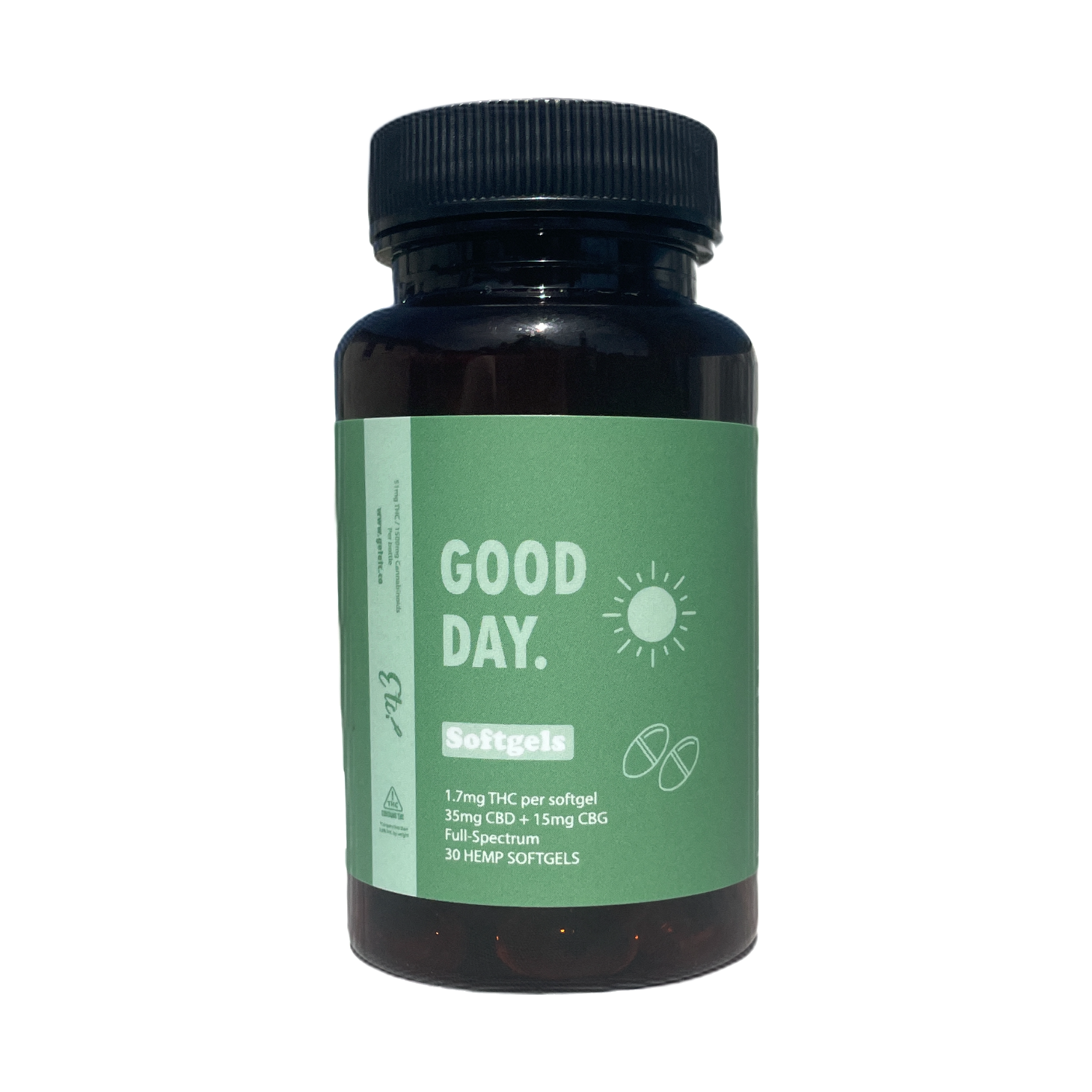
Good Day is formulated with a boost of CBG. Cannabigerol, if you want the full name, though most people don’t. CBG is associated with alertness, focus, and a kind of clear-headed balance that makes it a natural fit for the front end of your day. You’re not chasing energy, exactly. It’s more like the low-level static clears, and you can actually think.
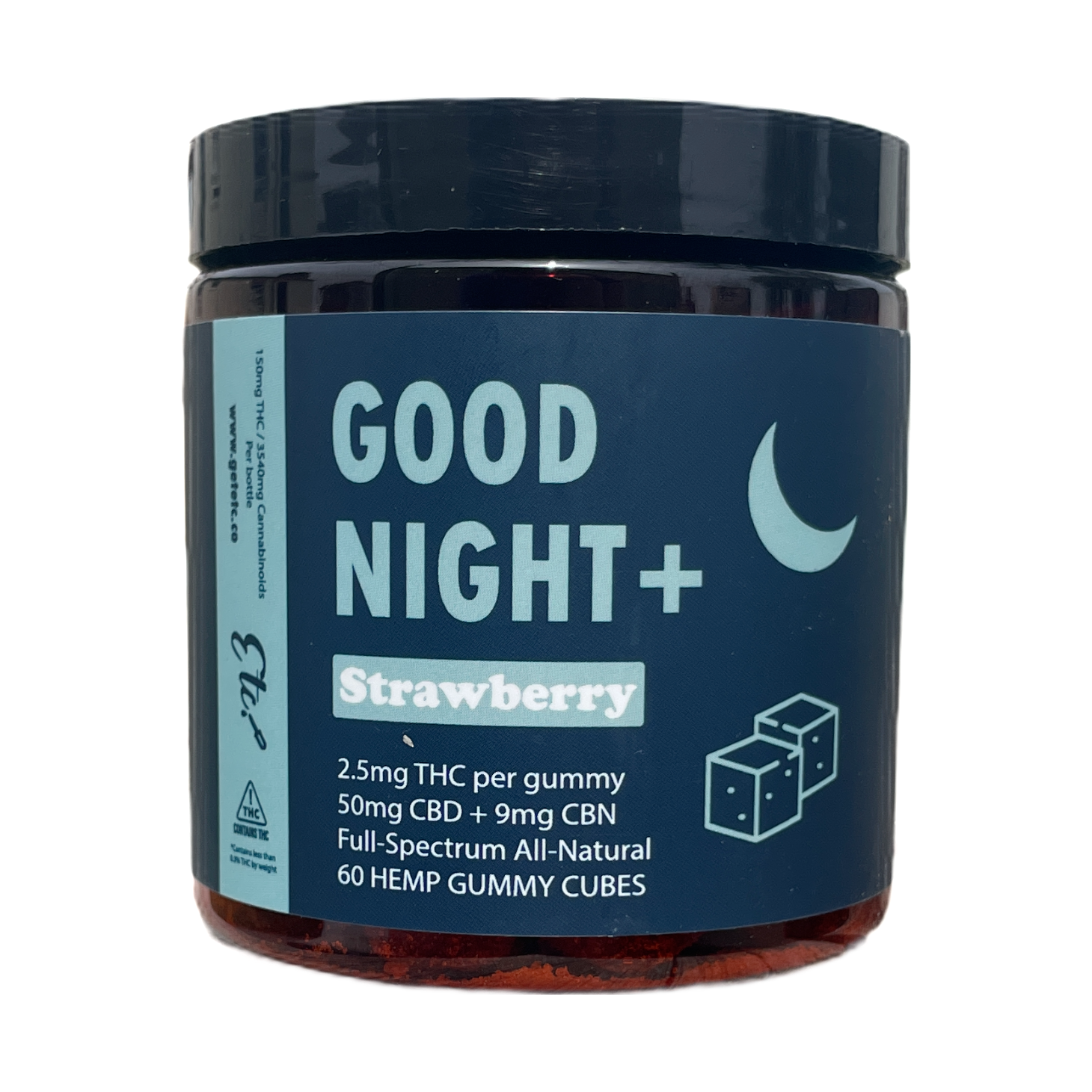
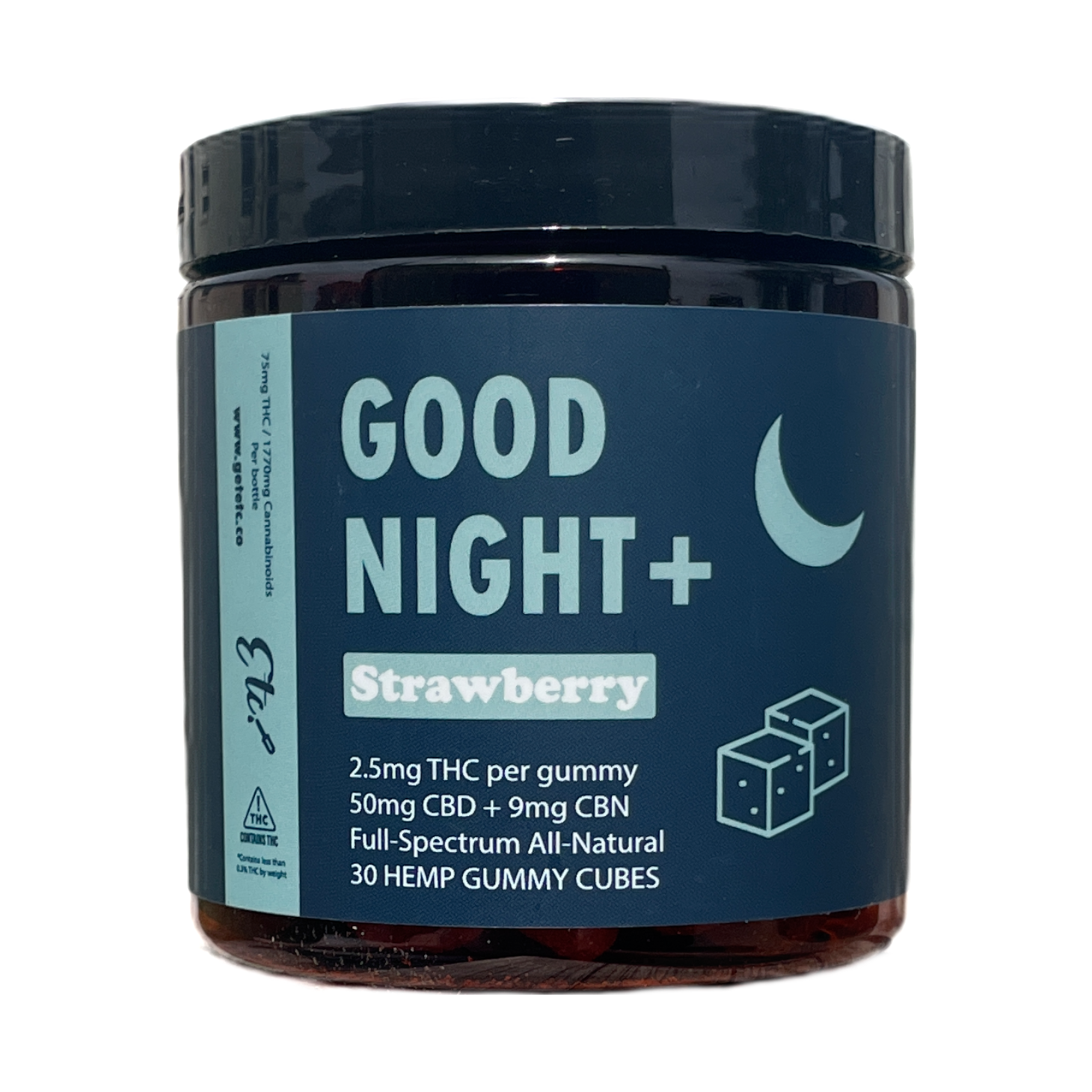
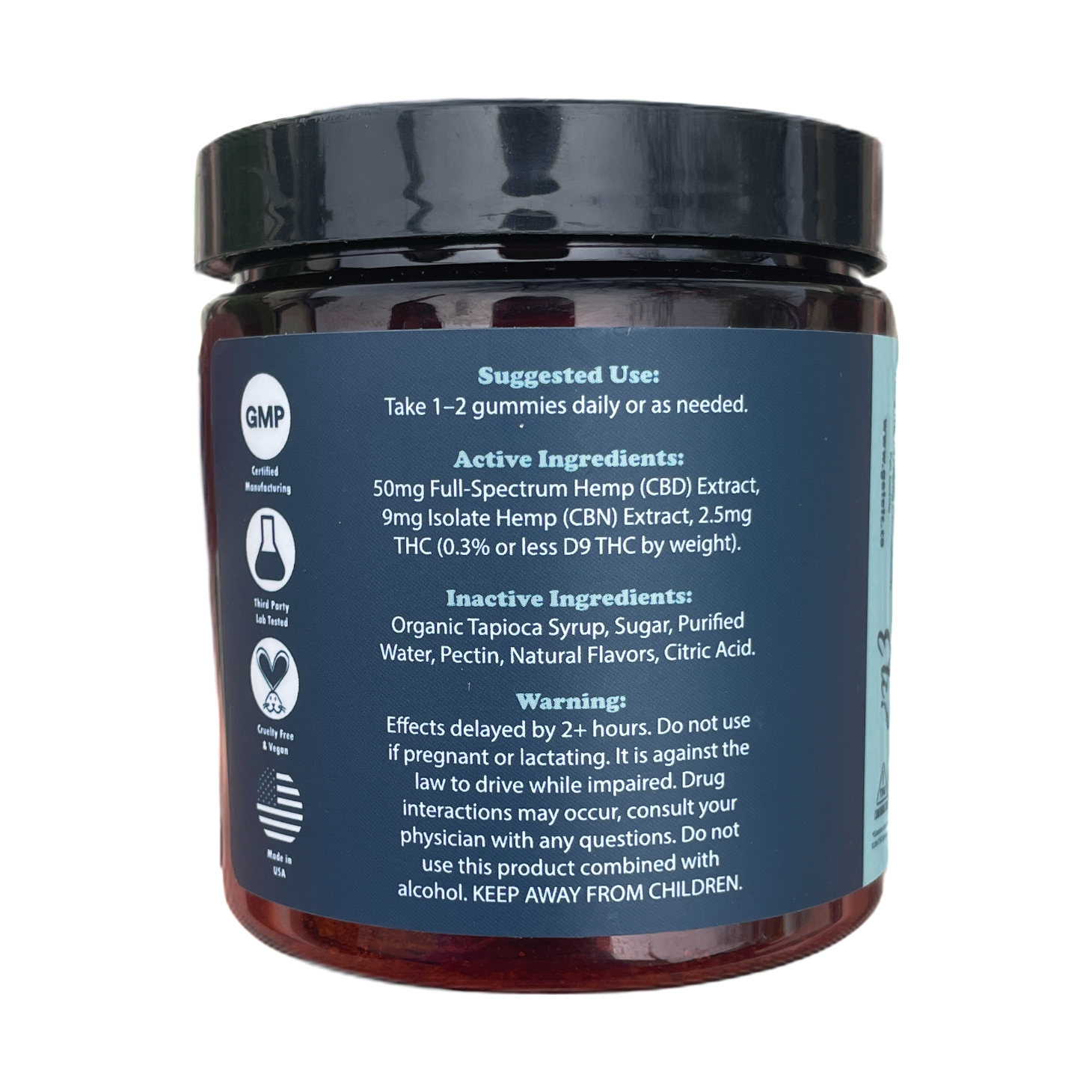
Good Night is formulated with a boost of CBN. Cannabinol. It’s the one that tends to show up in conversations about winding down, settling in, and making peace with the fact that tomorrow is tomorrow and tonight is tonight. CBN is associated with that softer, quieter state that makes it easier to let go of whatever the day left behind.
Neither formula causes a dramatic on/off effect. The shift is subtler than that. Think of it as tilting the experience rather than flipping a switch.
Why Two Products Instead of One
This is the question worth sitting with. And the honest answer is: because morning you and evening you have genuinely different needs.
Morning you is (hopefully) about to engage with the world. You need the mental bandwidth to do your job, navigate your relationships, make good decisions under pressure, and maybe not snap at the person who took your parking spot. CBG-forward support is built for that.
Evening you has already run the gauntlet. What you need now isn’t more activation. You need permission to come down. You need a signal that the next thing on your schedule is rest, not another task. CBN-forward support is built for that.
Using a single product for both moments isn’t wrong. Some people do it. But it’s a little like wearing the same shoes to the gym and to a dinner out: technically possible, not quite optimized.
The Cost-Per-Day Angle (Which Actually Changes the Conversation)
People sometimes balk at the idea of buying two products. That’s a fair instinct. But here’s how it works out in practice.
Both Good Day and Good Night come in 30-count and 60-count options. If you’re doing a softgel or gummy in the morning and one in the evening, a 30-count of each gets you a full month of twice-daily coverage. Per day, that’s often in the range of what you’d spend on a good cup of coffee. Possibly less.
The question isn’t really “can I afford two products.” The question is what a consistent daily practice is worth to you over time. And that’s a very different calculation.
The value in a two-formula routine isn’t that each individual dose is doing something dramatic. It’s that you’re building a rhythm your body can actually count on. Morning and evening, bookending the day with something intentional. That rhythm is where the real return shows up.
What Consistency Actually Feels Like
Here’s what people often report after a few weeks of a two-formula routine: not a dramatic shift, but a gradual settling. The mornings feel a little more like mornings. The evenings feel a little more like evenings. The boundary between the two becomes easier to cross in either direction.
That might sound like a small thing. It isn’t. When you can reliably transition into your day and reliably transition out of it, everything in between gets easier to manage. You’re not fighting your own nervous system to wake up or to wind down. You’re working with it.
That’s the inner peace angle that doesn’t get talked about enough. It’s not a feeling you can point to on any given Tuesday. It’s more like a rising baseline: a quiet confidence that you’ve built something that’s actually working, because you showed up for it consistently.
The habit itself becomes its own kind of reward.
A Practical Starting Point
If you’re new to either formula, the most common entry point is to start with whichever end of the day feels more unmanageable. If mornings are the hard part, start with Good Day. If your evenings keep running long and loud when you need them to go quiet, start with Good Night. Add the second formula once the first feels settled.
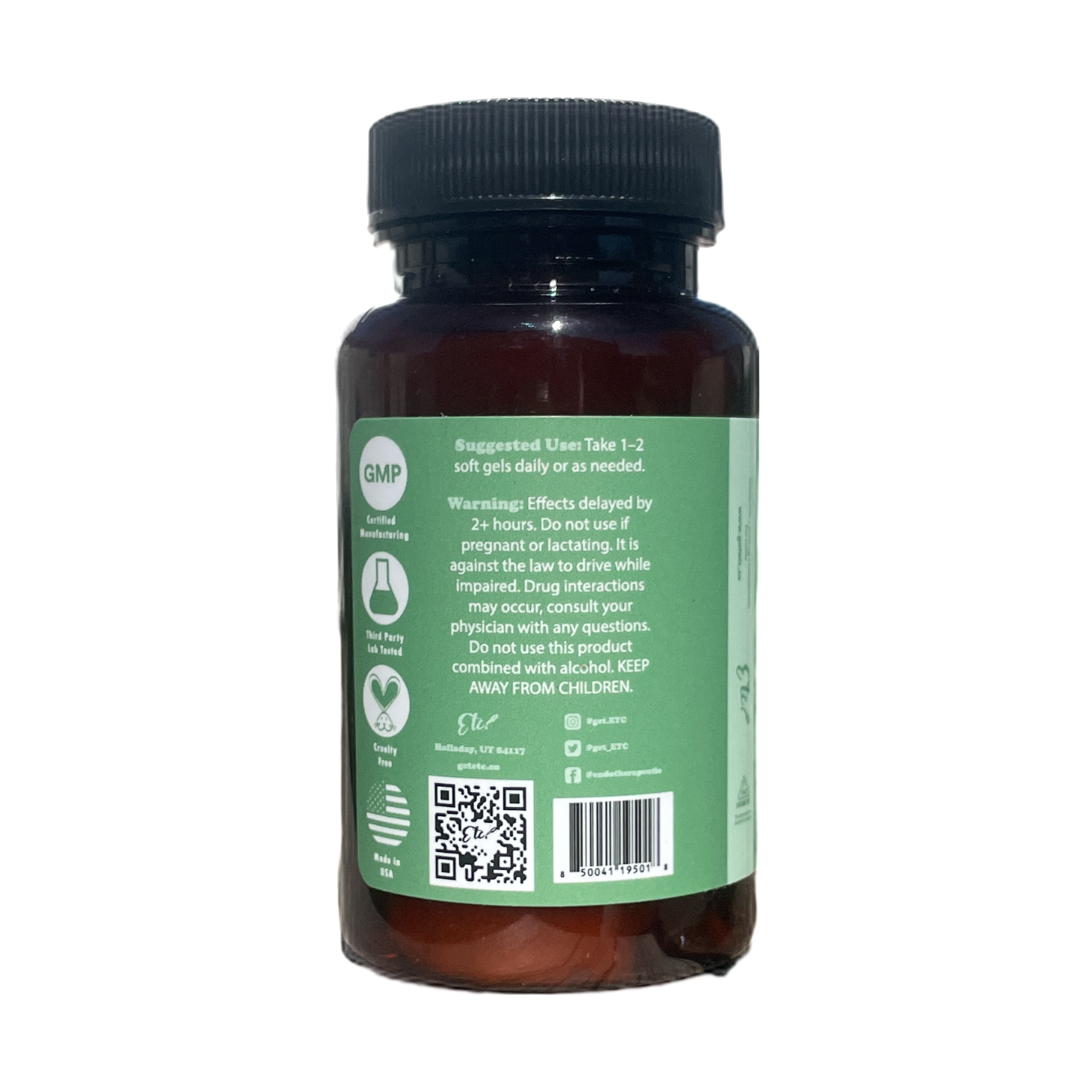
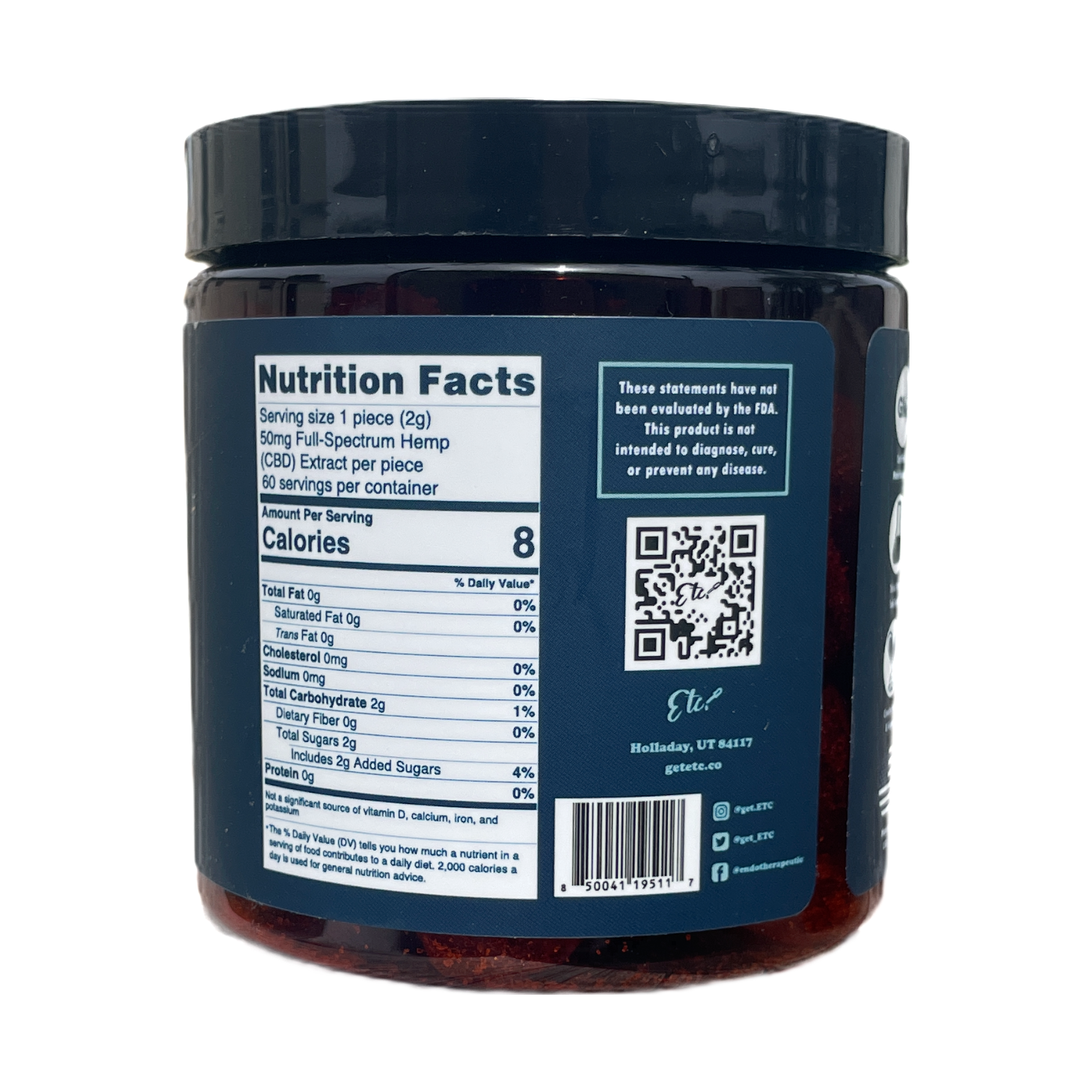
Both are available in softgels (no flavor, easy to swallow, easy to forget you even took them) and in gummies if you prefer something a little more deliberate. The + versions carry 50% more cannabinoids per serving, worth knowing if you’ve tried the standard and felt like you wanted a bit more.
One More Thing Worth Saying
The people who get the most out of a two-formula routine aren’t necessarily the ones who feel the biggest single-dose effect. They’re the ones who kept going long enough for consistency to compound.
That’s not a sales pitch. It’s just how this particular category of wellness tends to work. The early doses are exploratory. The later ones are where you start to recognize what’s changed. And by the time you’re a month into a morning-and-evening rhythm, you usually can’t remember exactly when it started feeling easier. It just did.
That’s the version of this worth building toward.
Disclaimer: These statements have not been evaluated by the Food and Drug Administration. This product is not intended to diagnose, treat, cure, or prevent any disease. Consult your healthcare provider before starting any new wellness regimen.
Photo by Bernd 📷 Dittrich on Unsplash