






Why I Give CBD Time Before Deciding How It Feels
The first week with CBD, almost nothing happens. And that might be the best sign it’s working.
That’s the kind of claim that sounds like spin until you’ve lived through the alternative: taking something, waiting an hour, feeling vaguely unsure, deciding it doesn’t work, and moving on. It’s how a lot of us relate to new wellness routines. We give them a trial period measured in hours, not weeks, and then we wonder why nothing sticks.
But with CBD specifically, that approach tends to produce one result: a half-used bottle and a shrug.
Here’s what I’ve come to understand after enough conversations with people who stuck with it long enough to notice something real. The window for judging a single dose and the window for judging CBD as a practice are very different things. Conflating them is an honest mistake, but it’s still a mistake.
The Difference Between a Dose and a Practice
When you take CBD for the first time, effects typically begin somewhere in the range of 30 to 90 minutes, and can take up to two hours to fully settle in. That part is knowable, practical, and worth paying attention to. Don’t dose and then immediately go assess yourself in a mirror. Give it actual time, ideally in a setting where you’re not doing anything that requires sharp focus.
But individual doses aren’t really the unit that matters most.
The bigger shift is what happens across days and weeks of consistent use. The endocannabinoid system, the network in your body that cannabinoids interact with, is a regulatory system. It works through accumulation and calibration, not just single moments of input. Think of it less like a light switch and more like adjusting the thermostat in a house with slow radiator heat. You set it. Then you wait. Then the room feels different.
Some people notice something meaningful in the first week. Others find the changes subtle enough that they only recognize them in retrospect, a month or so later, when they realize they’ve been waking up less groggy or navigating a stressful Tuesday with slightly more ease. Neither experience is wrong. Both are real.
That variation is one reason the patience piece matters as much as the dosing instructions.
Why “Starting Low and Staying Consistent” Is Actual Advice
Starting with the lowest recommended serving is a common suggestion in CBD guidance, and it can sound like boilerplate. It isn’t.
The reasoning is practical. Cannabinoid response is highly individual. Two people can take identical amounts and have noticeably different experiences, not because one of them is doing it right and one is doing it wrong, but because individual biology varies in ways we can’t always predict upfront. Starting low gives you room to adjust without overshooting, and it gives your system time to establish a baseline before you change variables.
Chasing a stronger response by increasing too early tends to muddy the picture rather than clarify it.
What actually works, for most people who report that CBD made a real difference in their lives, is something less dramatic: showing up for it consistently. Same time of day, same format, enough weeks to let the pattern settle. It’s not exciting advice. It also happens to be the advice that leads somewhere.
The Format Question Is Worth Getting Right
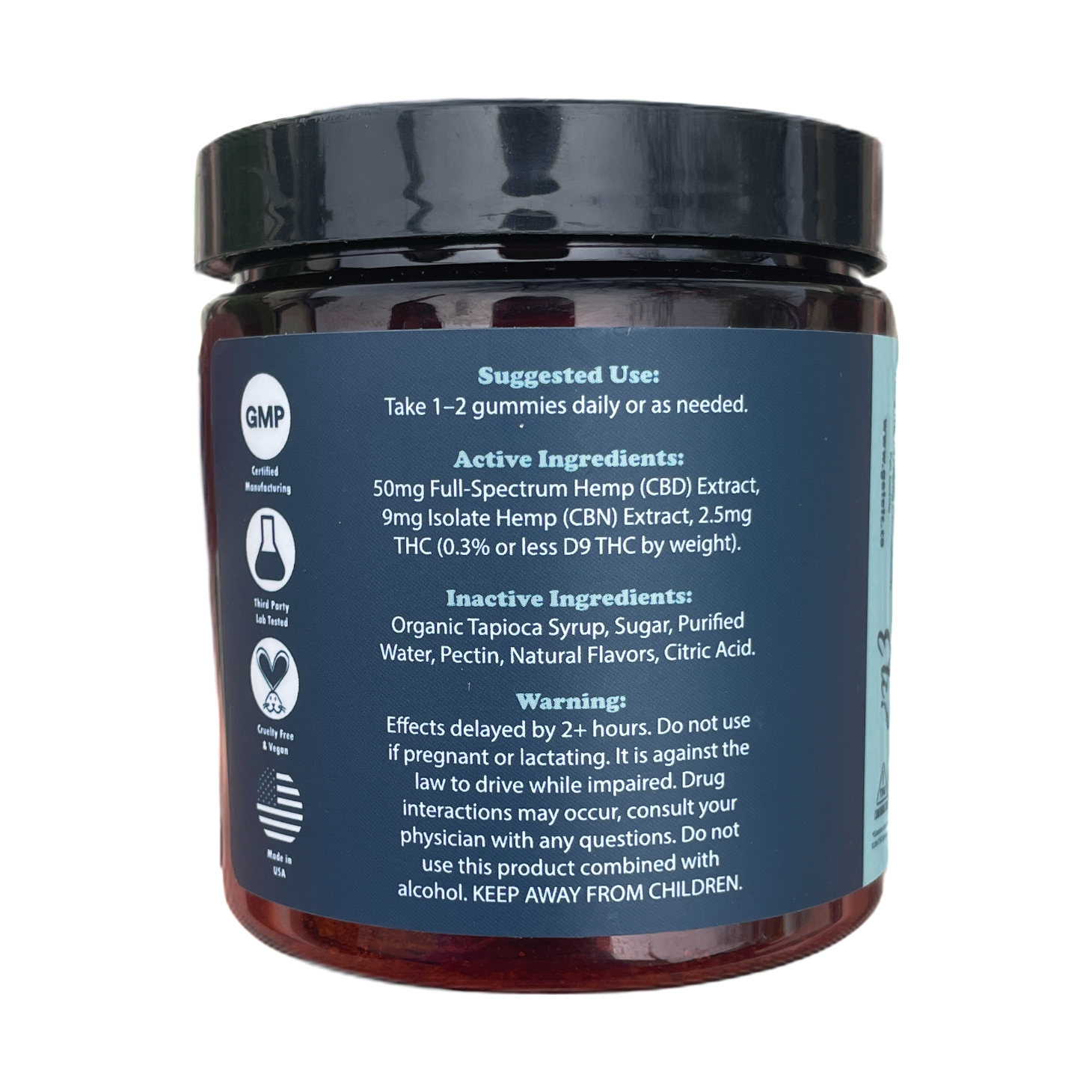
One thing that derails consistent use, more than people expect, is a format that creates friction. If you dislike the taste of a gummy and you’re forcing yourself to take it every morning, that resistance adds up. If a softgel is easier to fold into your routine, the softgel wins, not because it works differently, but because you’ll actually take it.
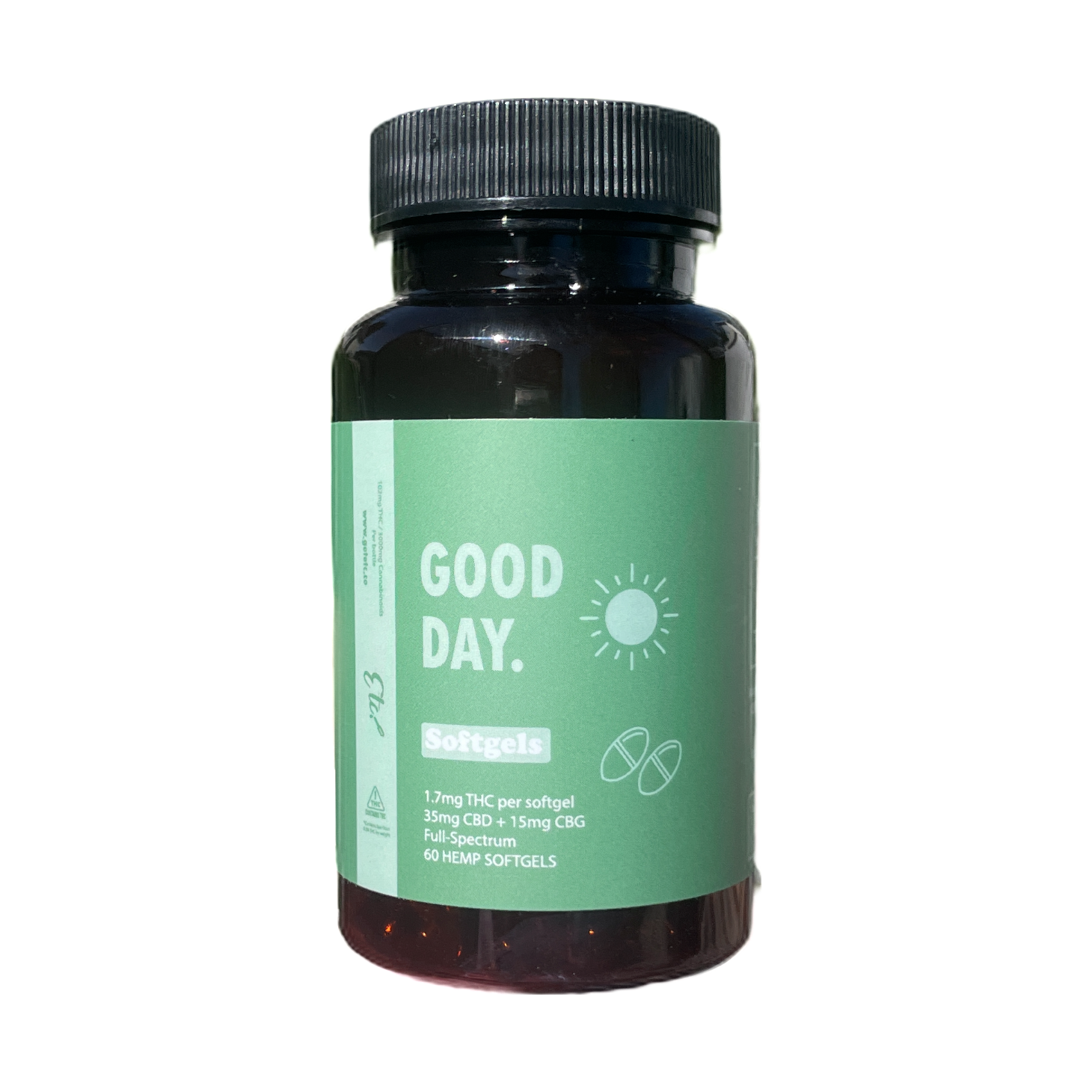
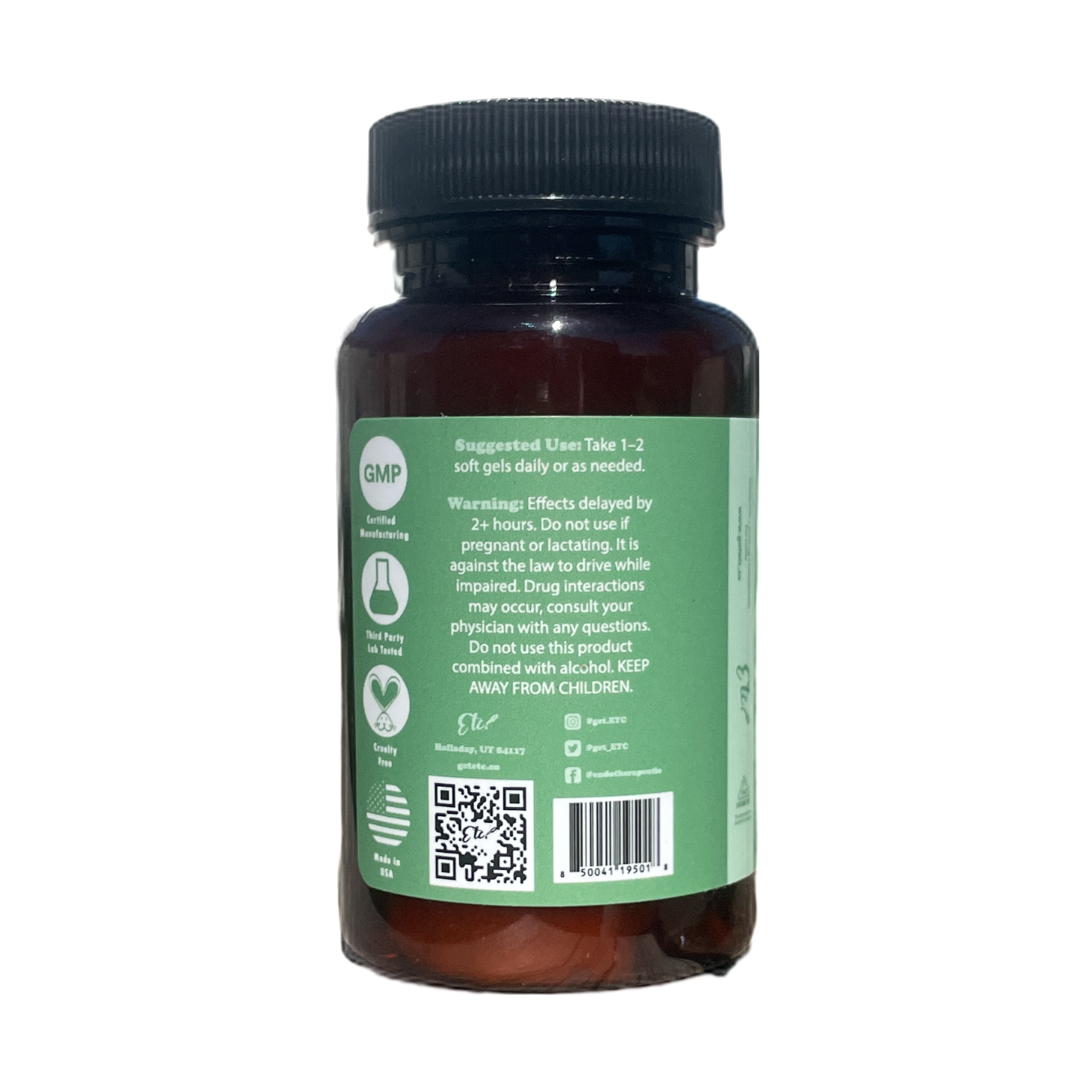
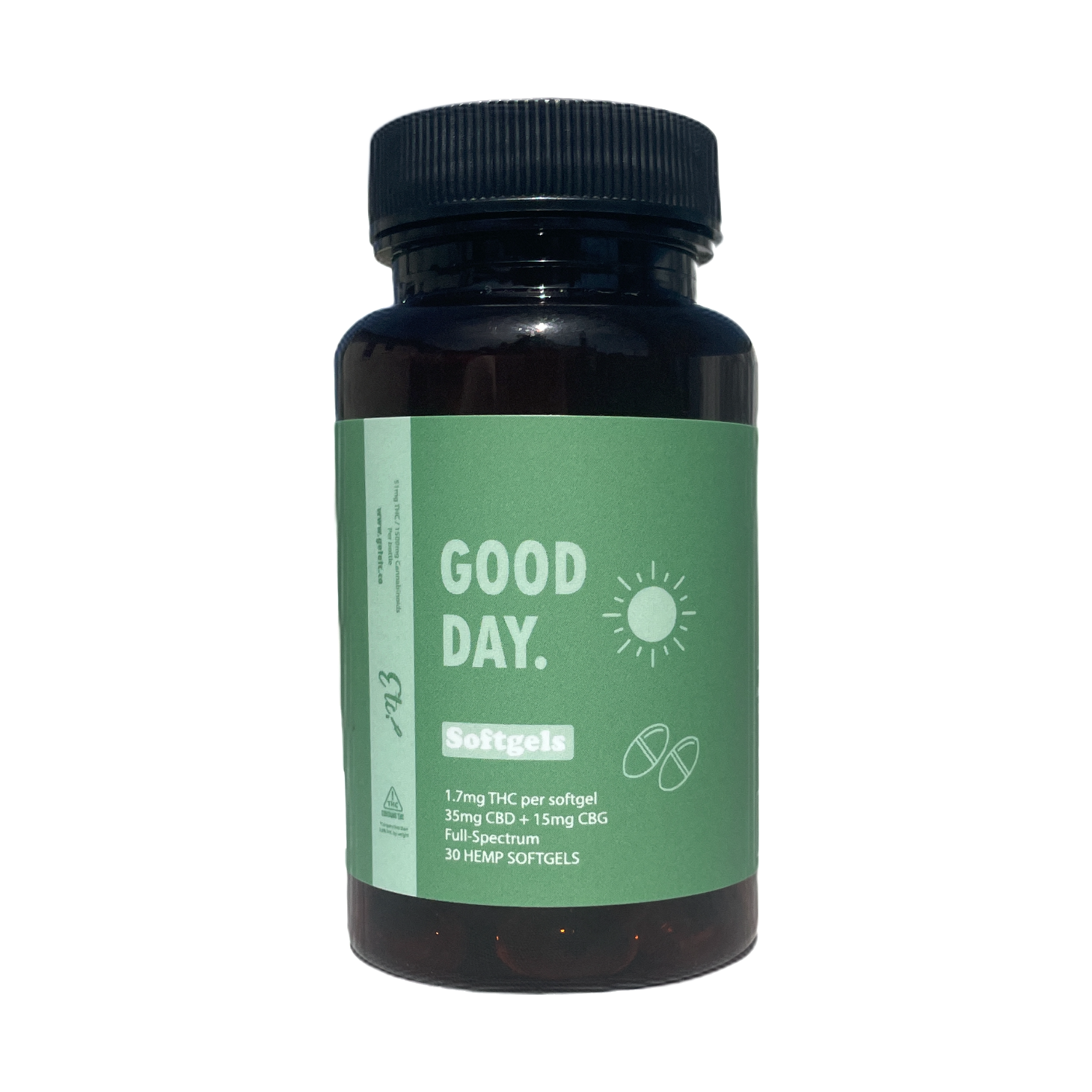
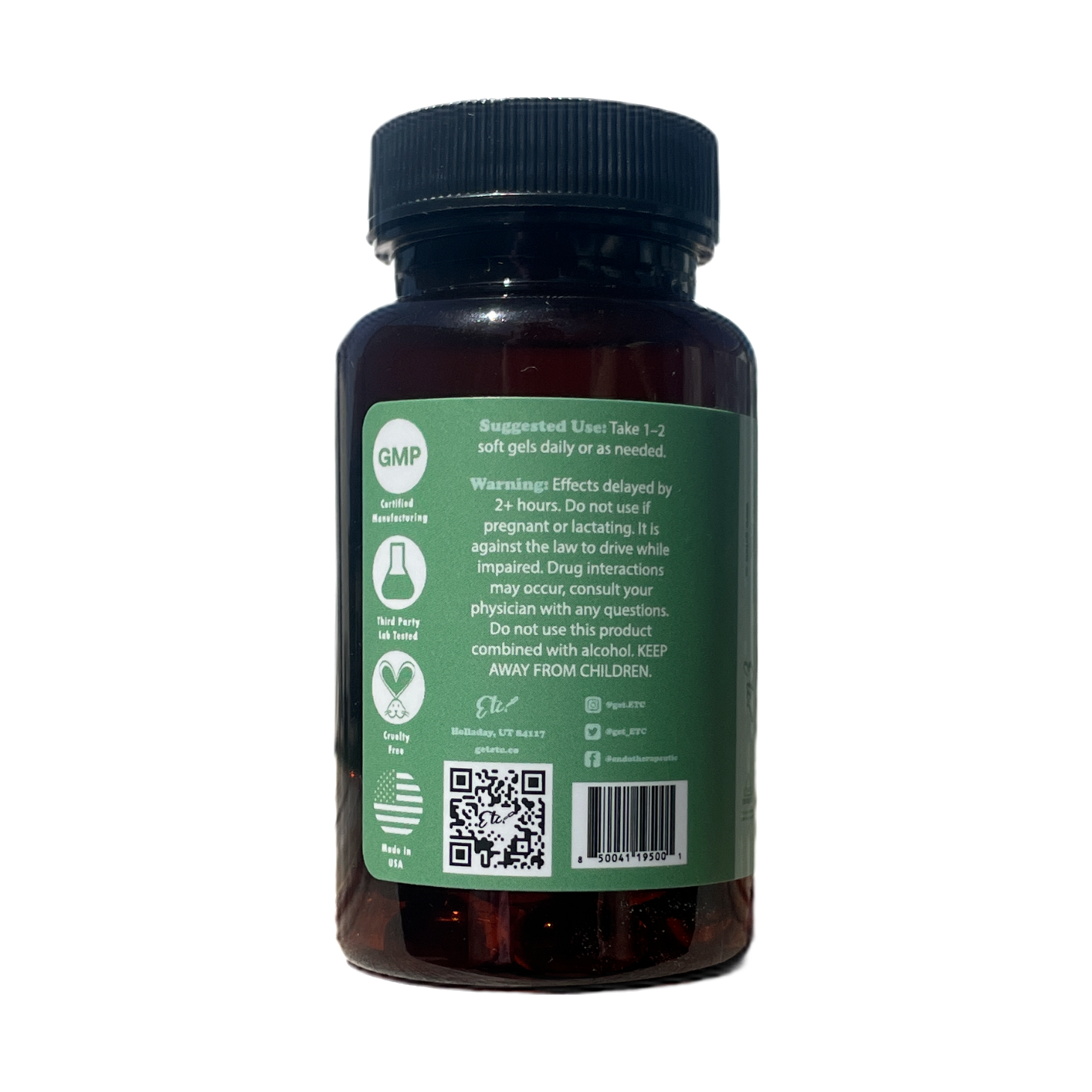
Good Night Softgels and Good Day Softgels both carry the same full-spectrum formula as the gummies, just without flavor. No taste, easy to swallow, easy to forget you’re doing anything other than your regular morning or evening routine. For people who want simplicity, that frictionlessness matters more than they expect when they’re starting out.
The Real Payoff Isn’t in the Moment
Here’s where I want to step back from the dosing mechanics for a second.
The reason patience with CBD is worth developing isn’t just that it leads to better information about whether a product is working. It’s that the payoff, when it comes, tends to show up in life rather than in a self-report.
People don’t usually say “my CBD is definitely working” after one good morning. They say it when they notice they’re more patient with their kids than they were six months ago. Or that they made it through a difficult conversation at work without that background hum of tension they’d stopped noticing because they’d gotten so used to it. Or that they went to bed without rehearsing everything they forgot to do.
That’s a slower story than “felt something after 45 minutes.” It’s also a truer one.
Trust, in this context, gets built in the same way. You don’t trust a wellness routine after one week. You trust it after it’s shown up for you consistently, after you’ve seen what your life looks like with it in place long enough to know what you’d be walking away from.
That’s why giving CBD time before deciding how it feels isn’t a workaround for a slow-acting product. It’s a form of paying attention. And paying attention, it turns out, is one of the things consistent wellness practice makes easier.
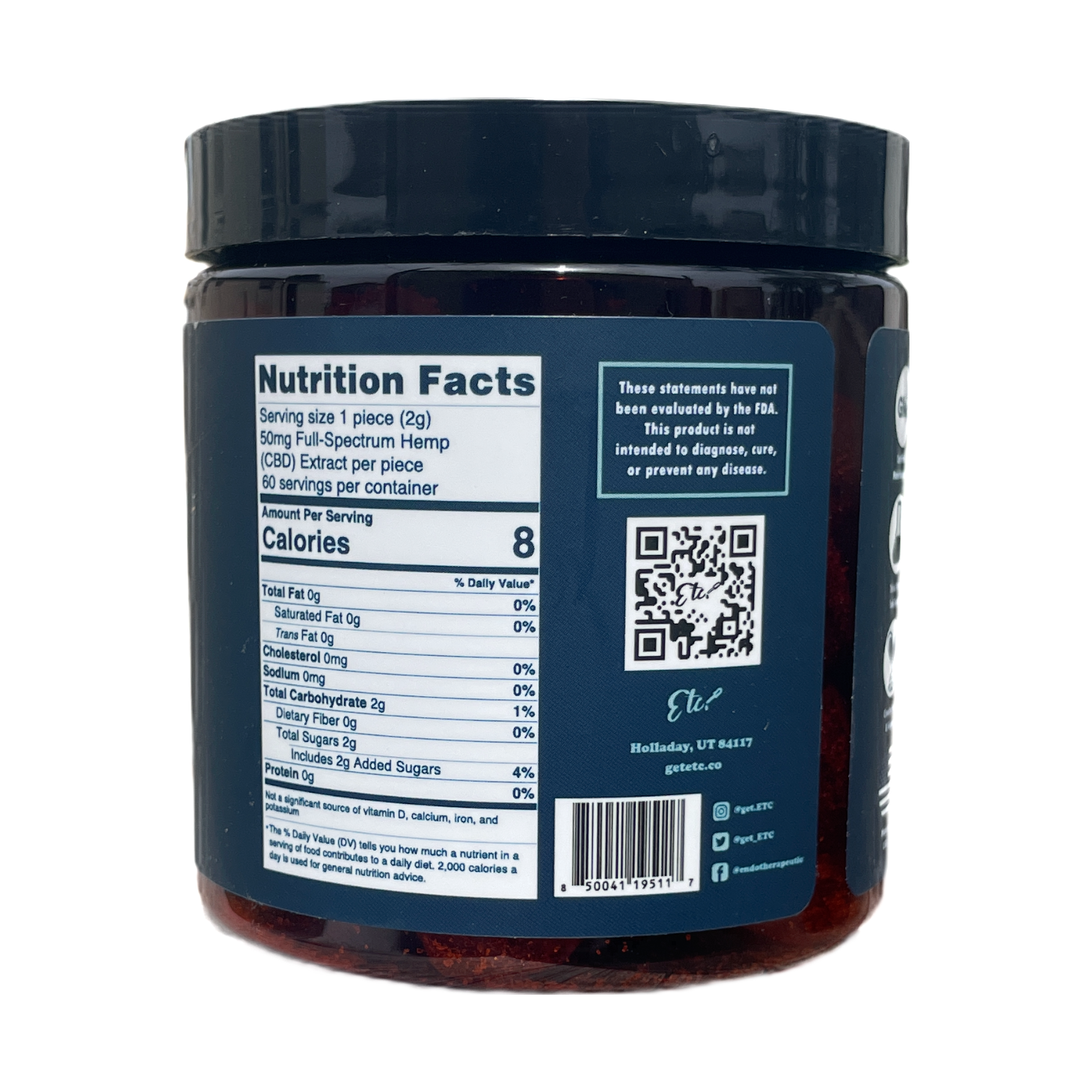
The labels on ETC products include third-party COA lab results, available at reliefetc.com/pages/coa, because knowing what’s in your serving is the foundation of that trust. You’re not guessing at what you’re taking or hoping it matches what’s printed. That certainty frees up your attention for the part that actually matters: noticing how you feel over time, and letting that information lead you.
Which is, in a small way, its own kind of presence. And presence, if you ask most people what they actually want from a wellness routine, tends to be pretty close to the answer.
Disclaimer: These statements have not been evaluated by the Food and Drug Administration. This product is not intended to diagnose, treat, cure, or prevent any disease. Consult your healthcare provider before starting any new wellness regimen.