




Why your evening wind down matters more than you think
Sleep was the first thing people noticed.
Not mood. Not energy. Not the vague sense of “feeling better.” In ETC’s own 8-week study, sleep improvement showed up in week one — before any other dimension had time to shift. That finding stuck with us, because it aligns with something most people already know but rarely act on: the hour before bed is not dead time. It’s where the next day is either set up or sabotaged.
Here’s the thing nobody tells you about wind-down routines: they’re not about sleep itself. They’re about the decision to take yourself seriously.
The Myth of “I’ll Just Crash”
Most adults have convinced themselves that tiredness is a wind-down plan. If you’re exhausted enough, your body will eventually overrule your brain, and you’ll sleep. And technically, that’s true. But the quality of rest you get after a chaotic, screen-lit, stress-marinated evening is not the same as what you get after an intentional hour of decompression. Your body knows the difference, even if you don’t feel it until weeks in.
An evening ritual isn’t a luxury. It’s the moment in the day when you stop performing and start recovering. The people who build this habit consistently tend to notice something interesting: mornings start feeling different too. Not because they fixed their mornings. Because they finally committed to their evenings.
Why Consistency Beats Intensity
Here’s a pattern worth understanding. In that same 8-week study, participants didn’t see a dramatic spike and plateau. They saw steady, week-over-week improvement across every dimension, ending with an average 30% gain in overall wellbeing. That’s not a one-time dose doing heavy lifting. That’s a routine compounding over time.
This is the part people underestimate when they try something for three days and shrug. Consistency isn’t just about cannabinoids. It applies to every component of an evening ritual: the time you start, the things you put down, the things you pick up. The value isn’t in any single night. It’s in the pattern you’re building.
A sustainable routine — one you can actually keep, not just aspire to — is one of the most underrated investments in your own wellbeing. And that’s exactly where cost-per-dose thinking becomes worth your time.
The Math You Didn’t Know You Needed
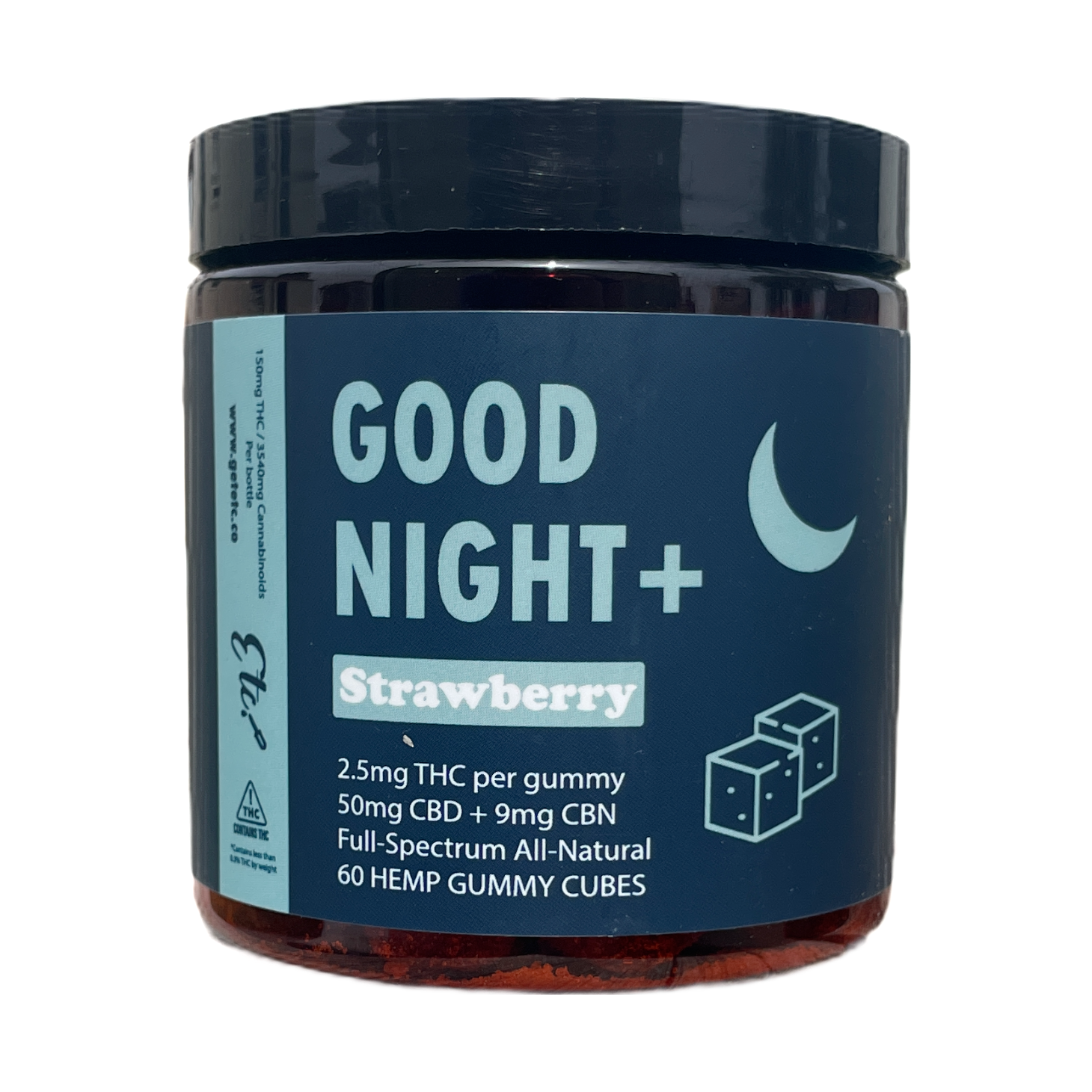
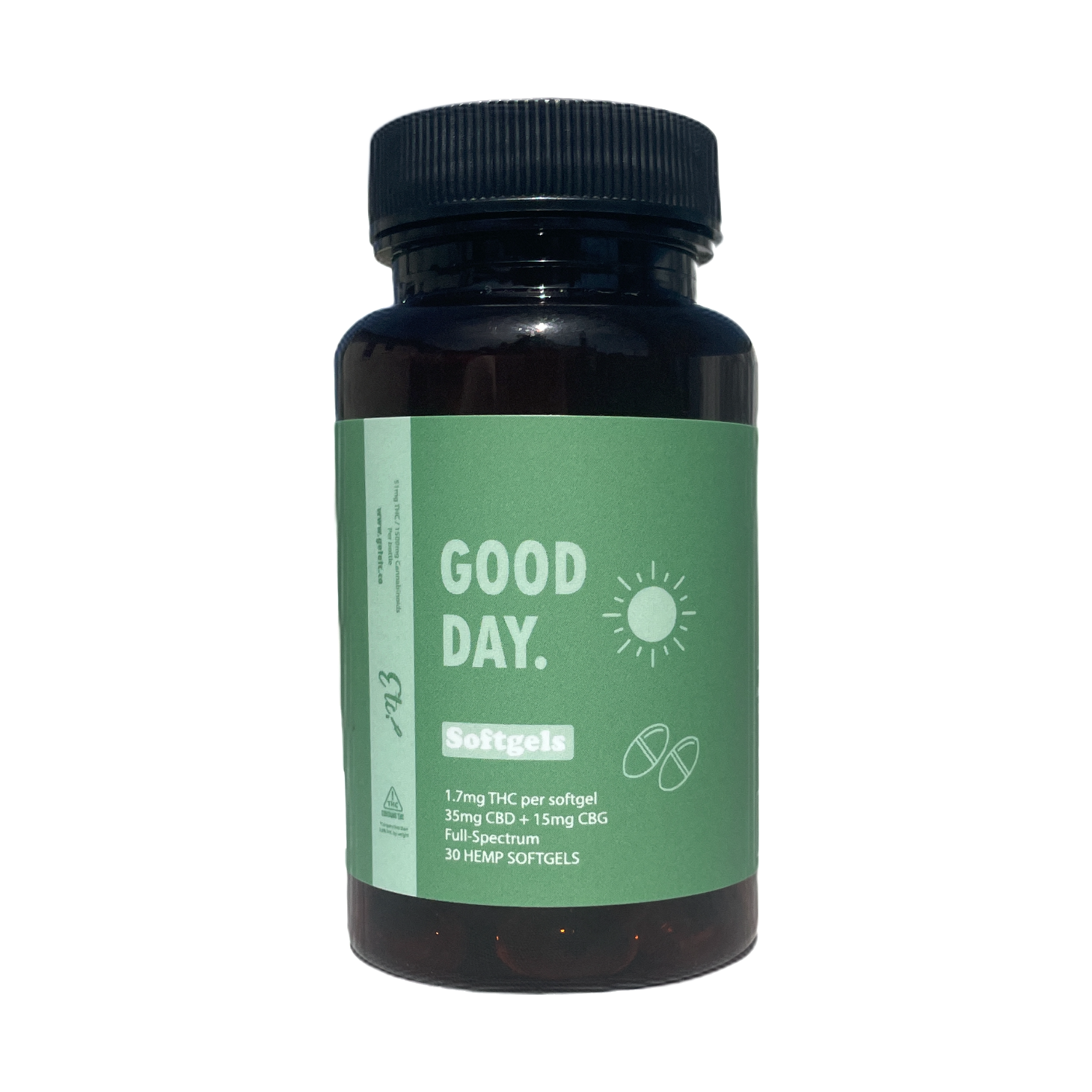
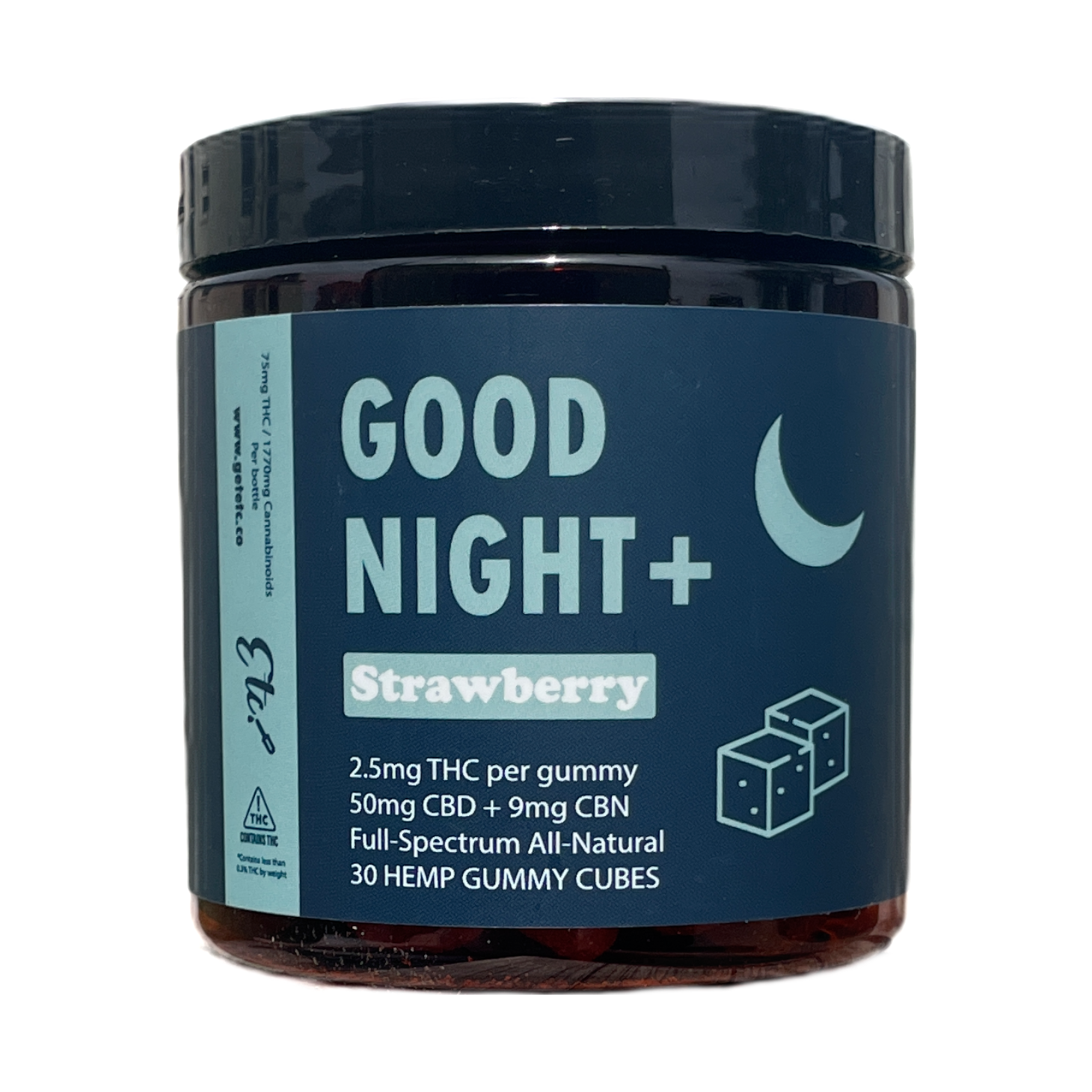
If you’ve glanced at wellness products and quietly thought “that’s a lot,” you’re not wrong to do the math. But most people stop at the sticker price and don’t divide by what they actually get. Good Night softgels and gummies are available in 30 and 60-count options, and the per-dose cost lands in territory that competes easily with a daily coffee habit — except this one is designed for the end of the day, not the beginning.
That’s not a trivial distinction. Most people spend freely on things that get them going and almost nothing on things that help them recover. If you budget $5 for a morning drink and zero for an evening wind-down, that’s a choice — and it’s one worth reconsidering.
When you find a ritual you can sustain without budgetary guilt, you stop seeing it as a special occasion and start seeing it as part of your life. That’s the difference between something that works and something you abandoned in February.
What Good Night Actually Brings to the Equation
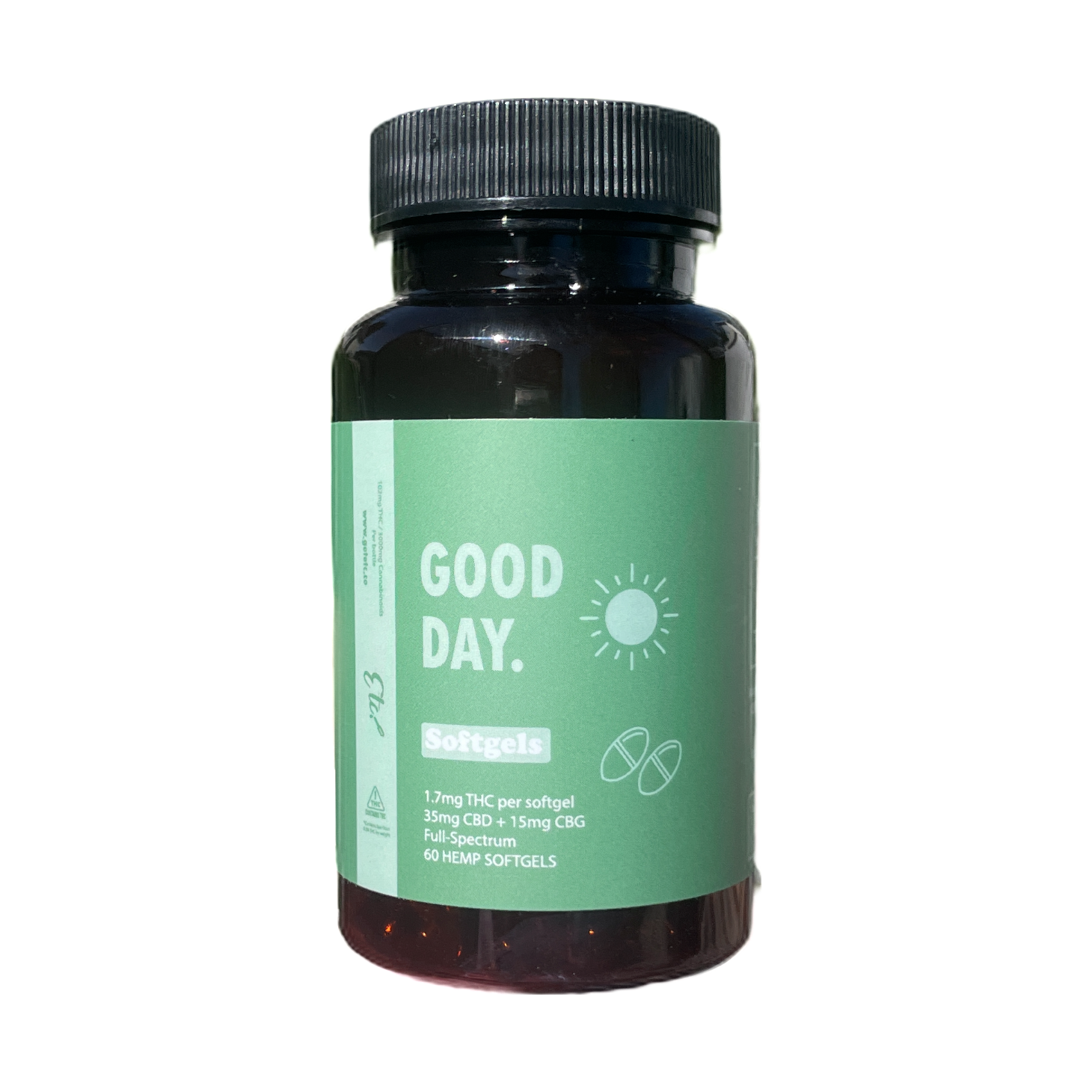
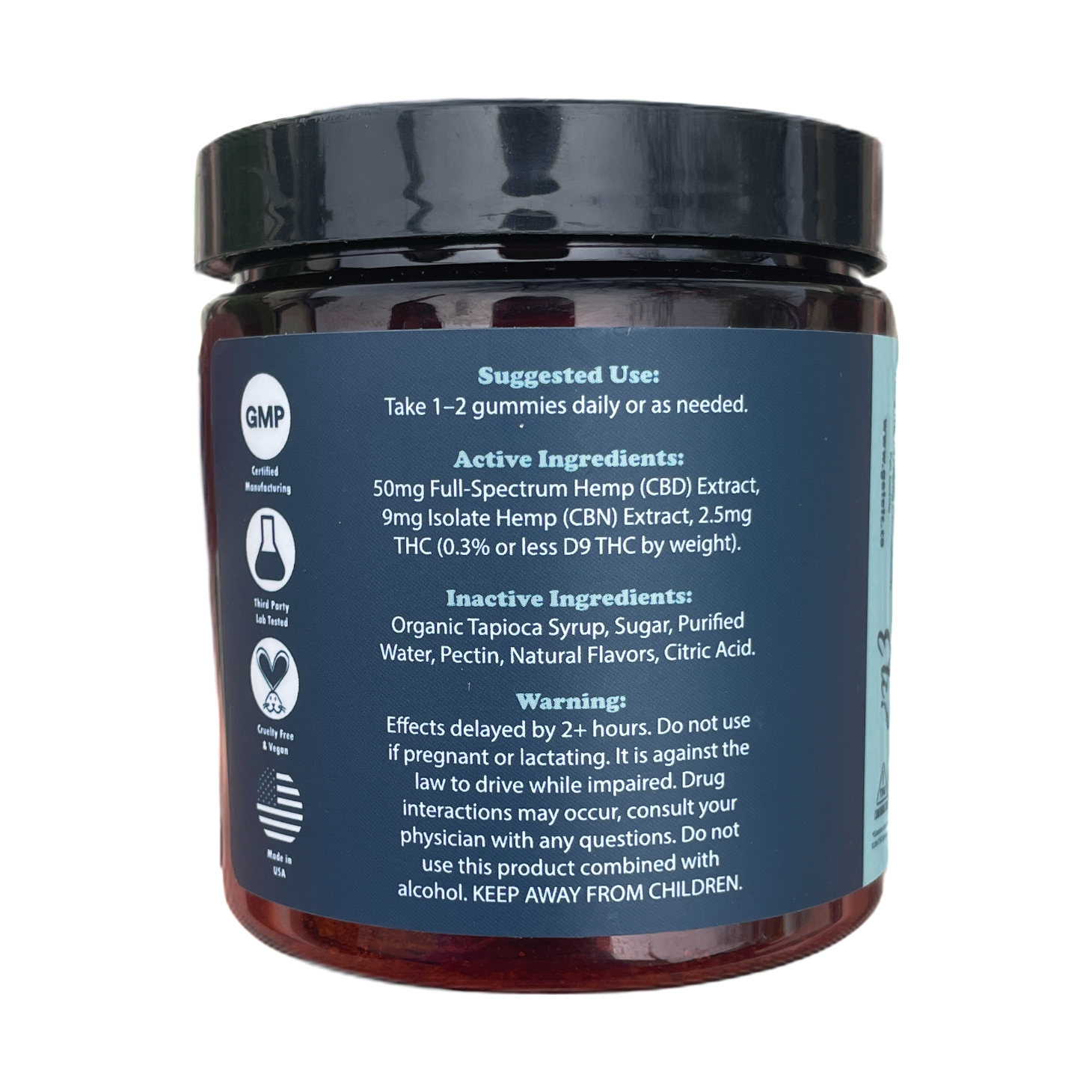
Good Night’s formula starts with the same full-spectrum hemp base as Good Day, then adds a boost of CBN — a cannabinoid that researchers have noted for its calming, relaxing qualities. The full-spectrum approach matters here because no single cannabinoid is doing all the work. All 113+ compounds in the hemp plant are present, working together the way your body’s own endocannabinoid system expects them to.
Your body already produces cannabinoids naturally. The ECS — the endocannabinoid system — is a regulatory network found in every mammal on the planet, and it’s been doing its job long before the supplement industry figured out how to talk about it. When life’s demands outpace what your body can produce on its own, full-spectrum hemp offers a way to supplement what you’re already doing. That’s not a dramatic claim. It’s just biology.
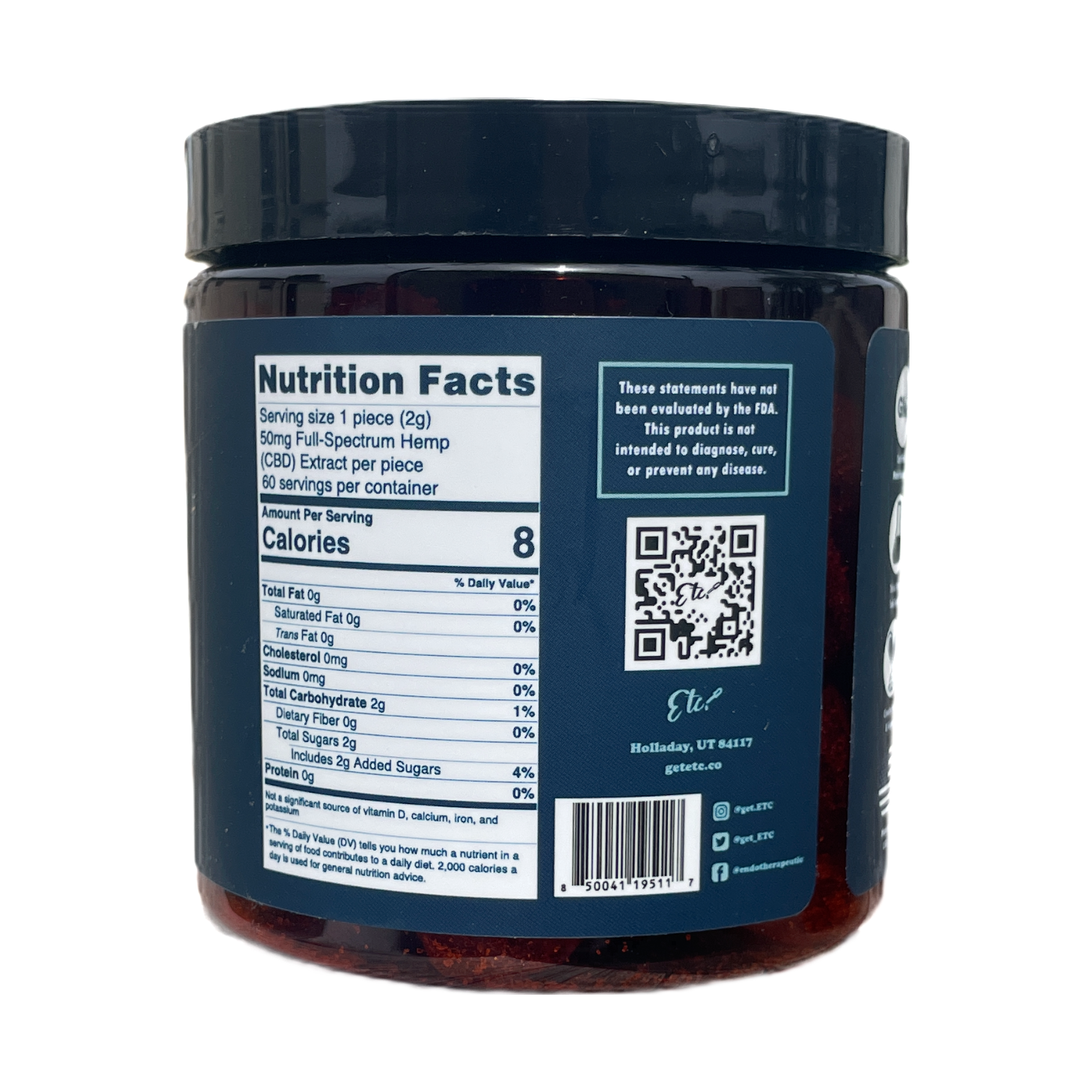
Good Night is available in both softgels (unflavored, easy to swallow) and gummies (vegan, made with real fruit pulp, gluten-free). If taste is a non-issue, gummies make a pleasant part of a ritual. If you’d rather just take something and move on, softgels are the quiet workhorse.
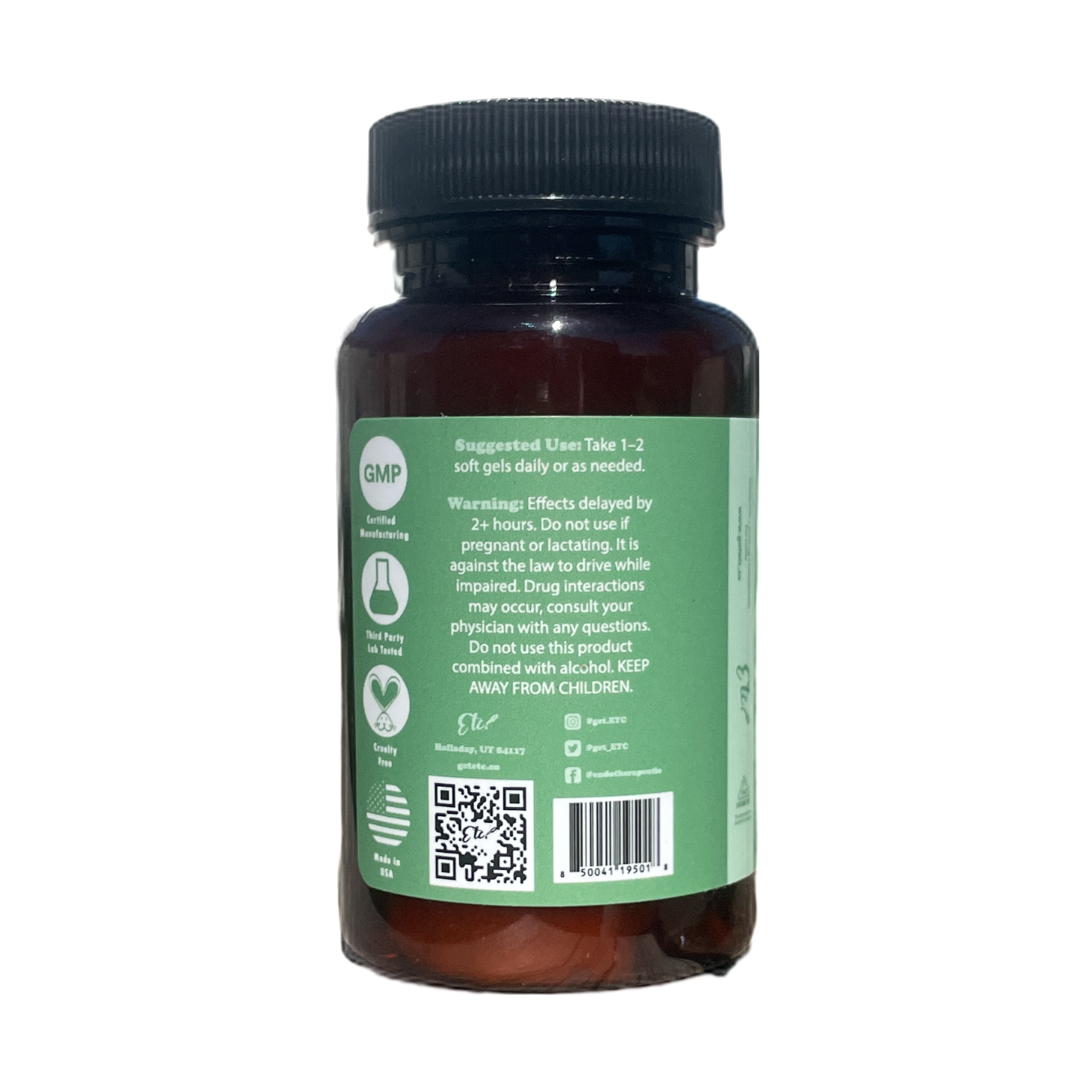
Effects typically begin within 30 to 90 minutes, so timing matters. If your goal is a 10pm wind-down, starting around 8:30 or 9 gives the formula time to settle in before you actually want to feel it.
Building the Ritual Around It
An effective evening wind-down doesn’t need to be elaborate. It needs to be yours, and it needs to be repeatable. A few things that tend to anchor the ritual well:
A consistent start time — not because 8:47 is magic, but because your nervous system responds to cues. When you do the same things in the same order, your body starts preparing ahead of you.
Something physical. Stretching, a short walk, or simply stepping away from the desk counts. The point is a clear signal that work-mode is over.
Something that isn’t a screen, even briefly. Not forever — just a window. The difference in morning alertness for people who protect even 20 minutes of screen-free evening time is notable enough that sleep researchers keep writing about it.
And if you’re including Good Night in that sequence, give it a consistent place. Same time, same context, same intention. The habit builds on repetition, not heroic effort.
What You’re Actually Building
Here’s the reframe worth sitting with. A wind-down routine isn’t a bedtime rule. It’s a daily act of self-respect. It’s the moment you tell yourself that recovery matters as much as output. That you’re worth the 45 minutes. That your next day is worth preparing for.
People who build this habit tend to describe something that sounds less like a wellness result and more like a shift in identity. They’re not just sleeping better — they’re someone who takes their evenings seriously. That small internal change has a way of spreading into other parts of life.
That’s the long game. And it starts tonight.
Disclaimer: These statements have not been evaluated by the Food and Drug Administration. This product is not intended to diagnose, treat, cure, or prevent any disease. Consult your healthcare provider before starting any new wellness regimen.
Photo by James Sestric on Unsplash