




I Tried CBD Without Expecting Much
Does this stuff actually do anything?
That question has a way of sitting in the back of your mind, especially when you’re the kind of person who reads labels, checks sources, and has watched plenty of wellness trends evaporate. You’re not cynical exactly. You just need a reason to believe something before you spend money on it and start telling other people about it.
Fair enough. This one’s for you.
What Skepticism Actually Earns You
There’s something good about demanding evidence before you commit. The problem is that skepticism, taken too far, becomes its own kind of wall. You stop experimenting. You stop being open to the thing that might actually shift something. And then a year later, you’re still exactly where you were, still wondering.
The people who seem to get the most out of a new wellness practice aren’t the most credulous. They’re the ones who start with honest doubt, give the thing a fair try, and stay curious about what they notice. That’s a different posture than either blind faith or perpetual resistance.
So if you came here because someone handed you a bottle of CBD and you weren’t sure what to do with it: that’s a good place to start.
The Transparency Test
One thing that helps skeptics most is having access to actual information. Not claims. Information.
Full-spectrum hemp products that are worth trusting will have a Certificate of Analysis, or COA, for every batch. That document comes from an independent third-party lab, and it shows you exactly what’s in the product: how much CBD, how much CBG or CBN, whether any trace THC is within the legal limit, and whether the product is free of contaminants. If a company publishes these openly, without requiring a login or a support request, that’s a meaningful signal. You can check ETC’s right now at reliefetc.com/pages/coa.
That kind of radical legibility matters, not as a trophy the brand hangs on its wall, but as the thing that earns the right to ask for your trust in the first place. It means you can form your own opinion based on what’s actually in what you’re putting in your body.
That’s the starting point. Here’s what comes after.
What the Skeptic Often Misses
The honest thing to say about CBD is this: it doesn’t hit you like a pharmaceutical. There’s no obvious signal. No “ah, there it is.” For a lot of people, the first response is, I don’t feel anything. And then they assume it doesn’t work and stop.
What they miss is that the change often doesn’t announce itself. It shows up in the gap between the thing that usually tips you over and the fact that you didn’t tip over. Your commute got rough and you stayed even. A conversation that normally would have clenched your jaw didn’t. You sat down with your kids at dinner and you were actually there, not running problem-solving loops in the background.
That’s not nothing. That’s actually a lot.
Your body already has a system built for this kind of regulation. It’s called the endocannabinoid system, and it exists in every mammal on the planet. It was discovered in the early 1990s, and its job is to maintain internal balance across mood, sleep, and a range of other functions. You produce cannabinoids naturally. Hemp-derived CBD is essentially compatible with that system in a way that supports what your body is already trying to do. When you’re running low, for whatever reason, supplementing with a consistent daily serving can start to fill the gap.
The key word is consistent. In our own 8-week observational study, participants reported steady, week-over-week improvement across every dimension we tracked: sleep, mood, energy, and overall sense of wellbeing. Not a spike and a crash. A gradual upward trend that added up to an average 30% improvement in how people felt by the end. Mood showed the largest total gain. Sleep was the first thing people noticed.
That’s the rhythm of this. Not a lightning bolt. A slow, steady return to yourself.
What “Showing Up” Actually Means
Here’s the part that surprised first-timers the most, and it’s worth saying plainly.
The goal isn’t to feel different. It’s to be able to show up the way you actually want to. More patient. More present. Less stuck in your head during the moments that deserve your full attention. Less reactive on the days when everything is already a little too much.
That’s the real payoff, and it’s not dramatic. It just feels like yourself, but without the interference.
There’s no altered state here. Think of the trace THC in a full-spectrum hemp product the way you think about caffeine in tea versus coffee. The amount in a legal hemp product is far below any psychoactive threshold for most people. This is a wellness product built for clarity, not for checking out.
A Real Starting Point
If you’re ready to try it with reasonable expectations and an open mind, here’s what actually helps:
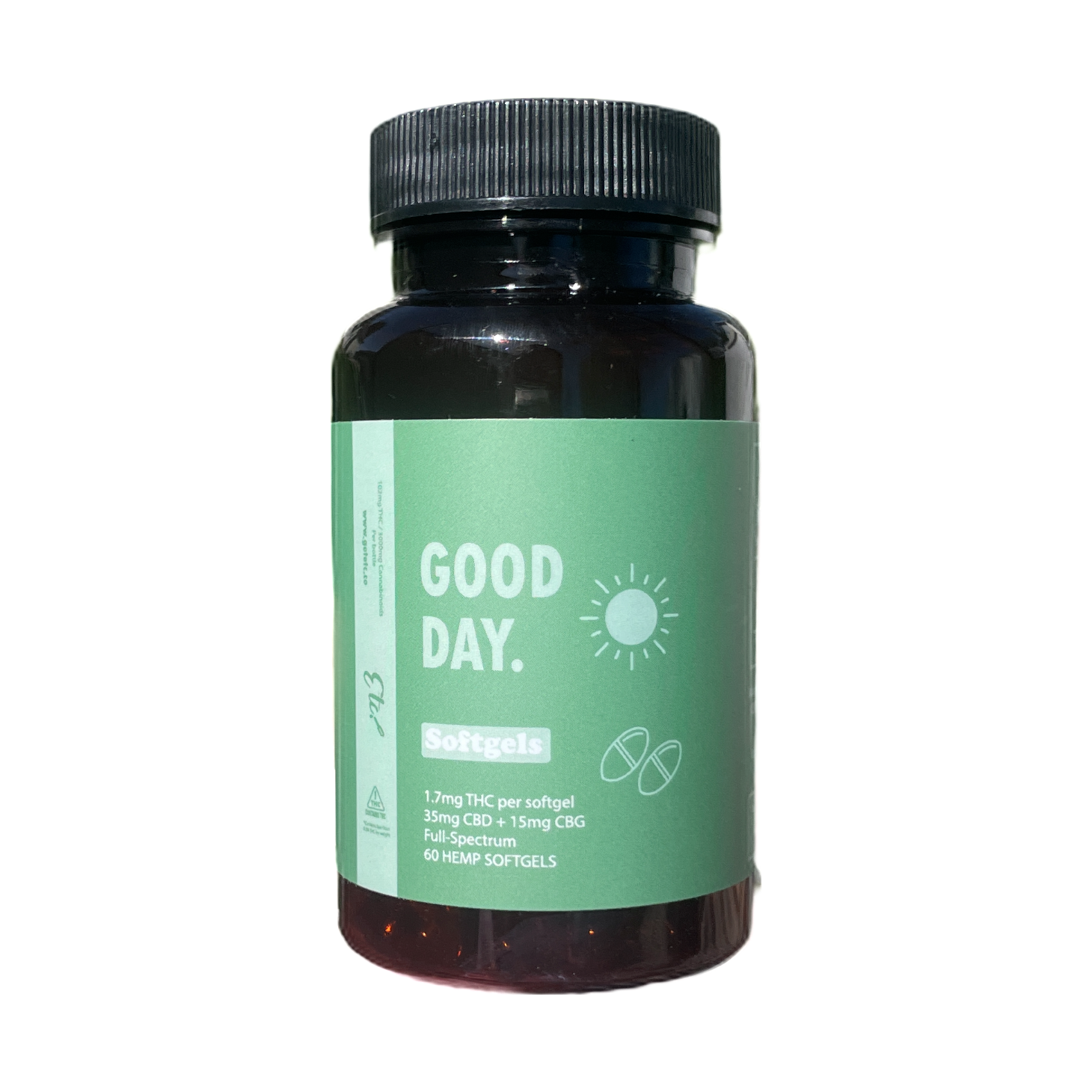
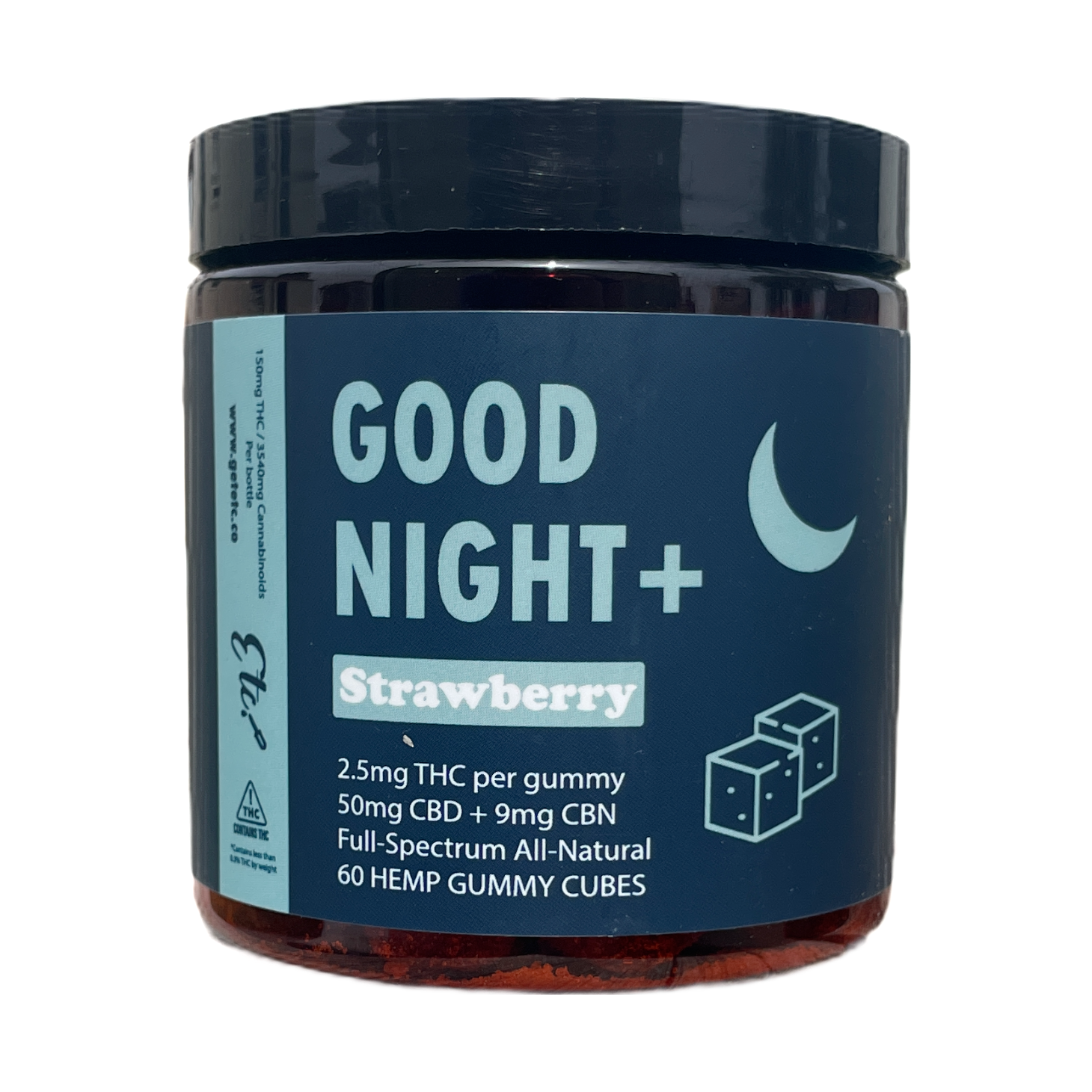
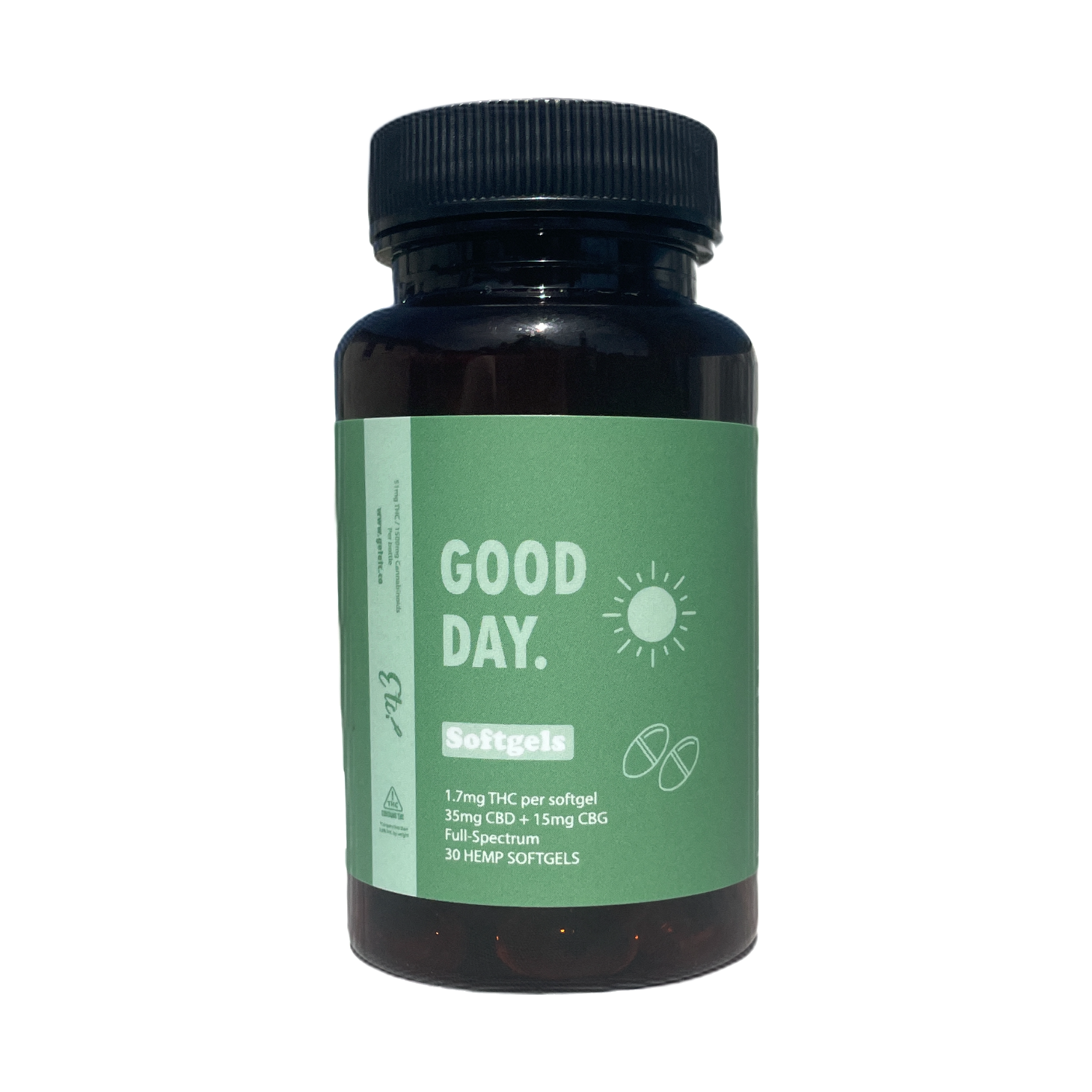
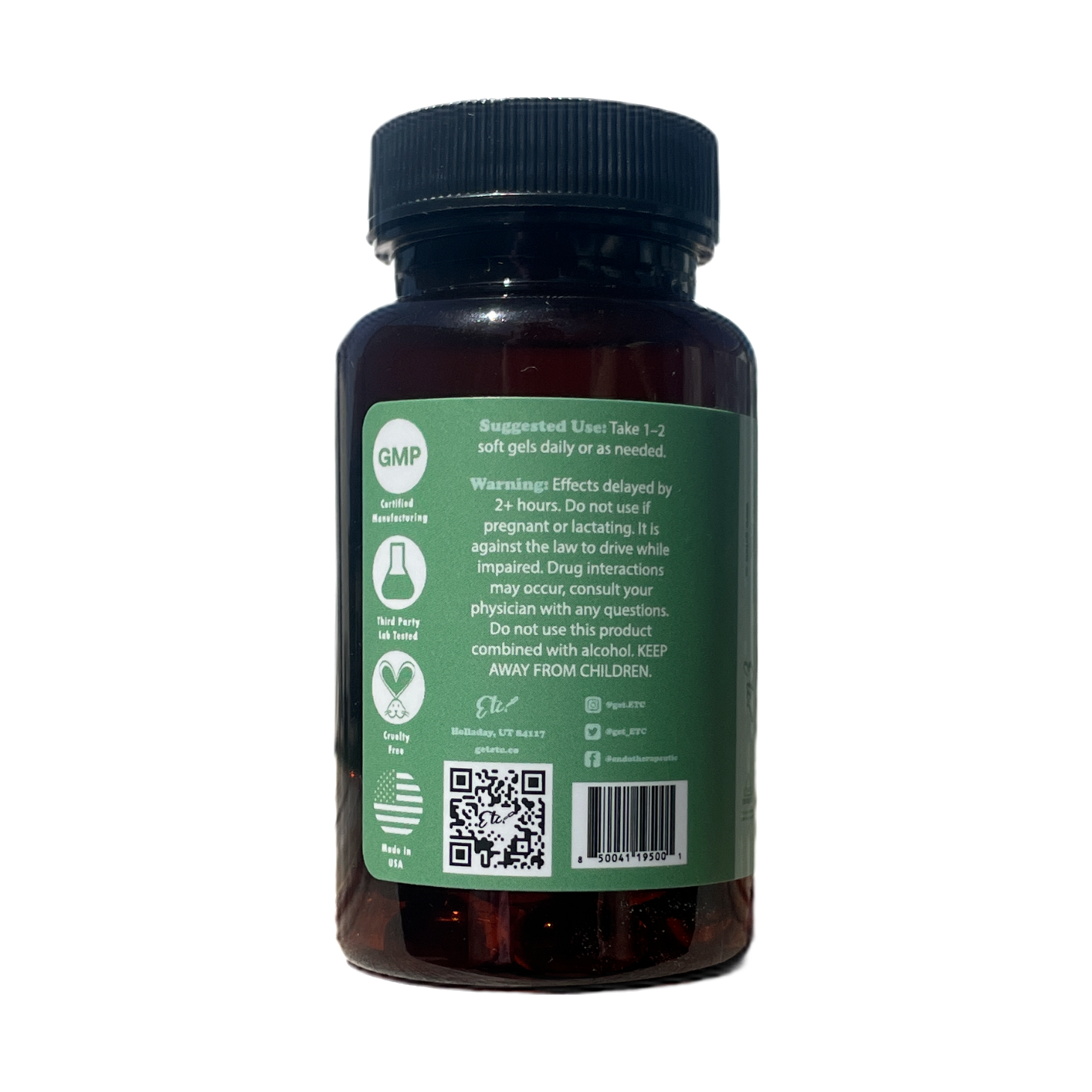
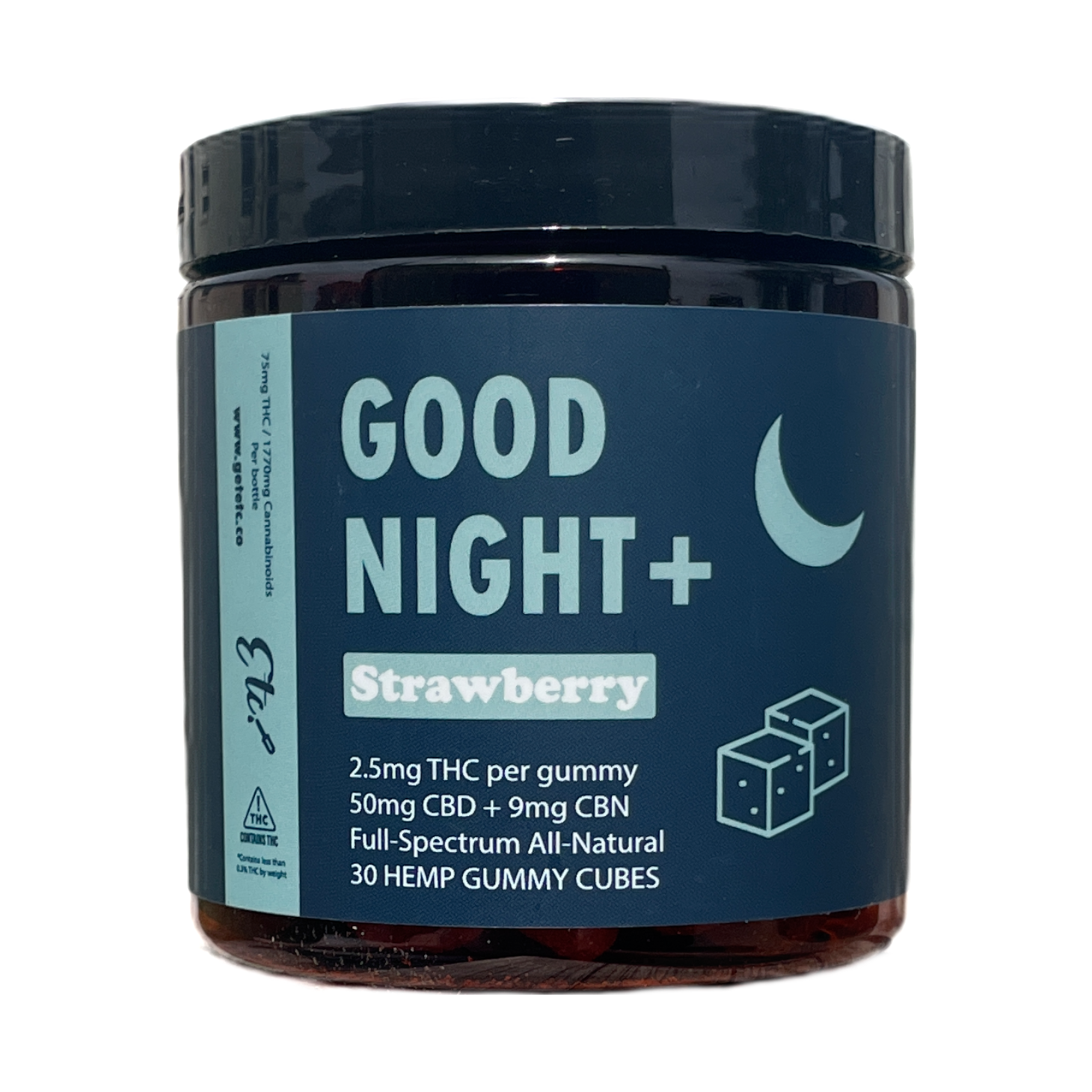
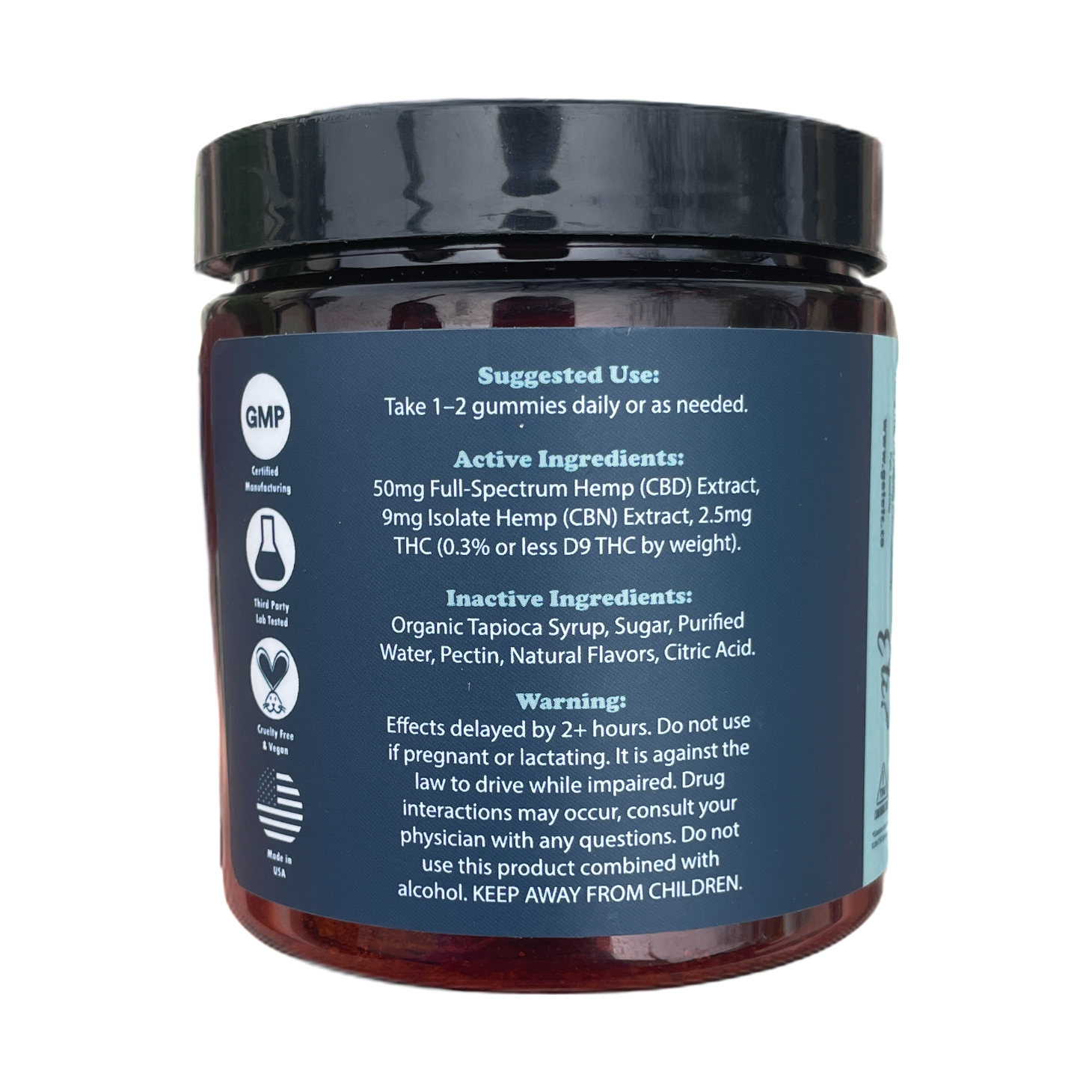
Pick a format you’ll use consistently. Gummies and softgels both work well because they’re simple and the dose is already measured out. Good Day has a boost of CBG for daytime focus and balance. Good Night has extra CBN for evening wind-down. Start with whichever fits your life and take it at the same time each day.
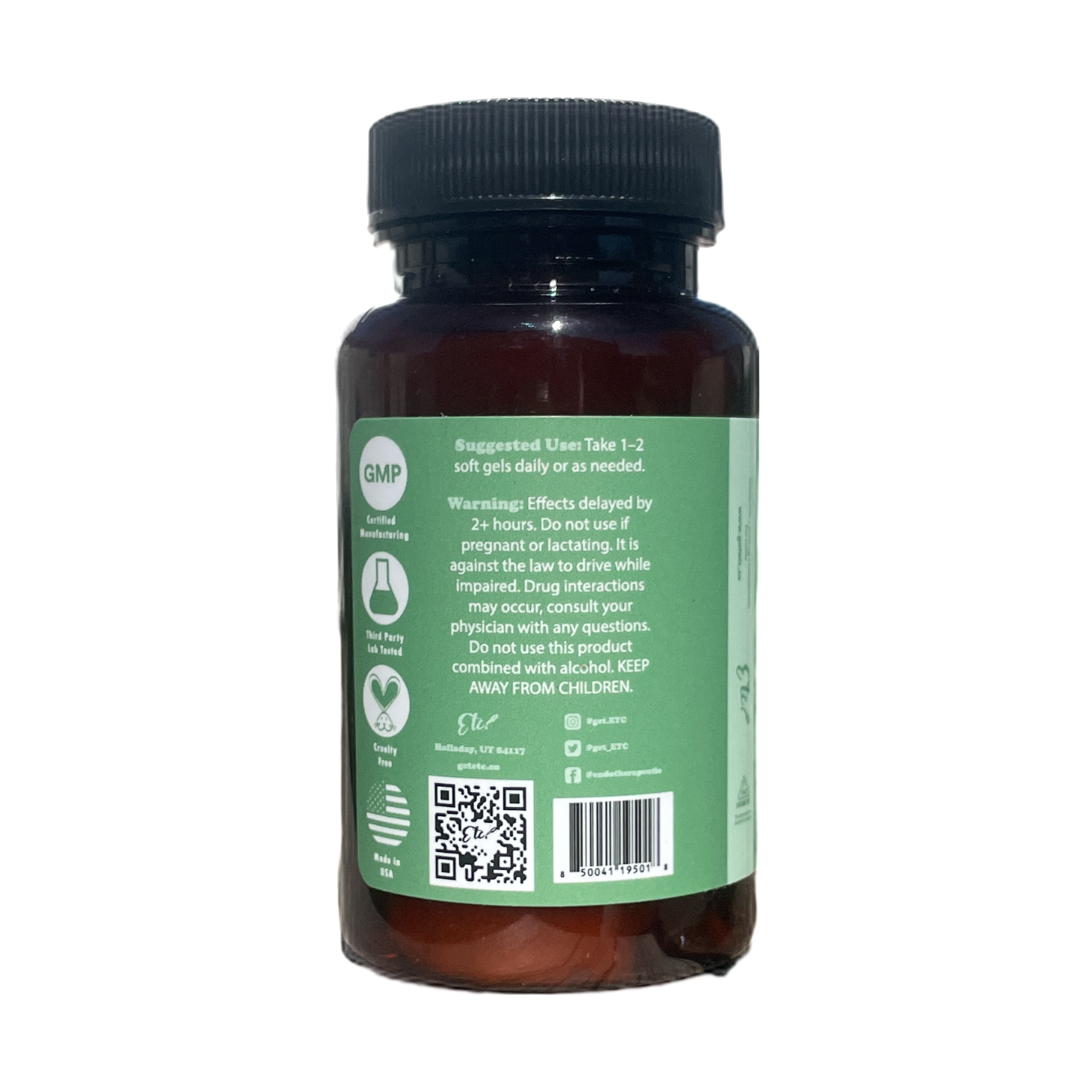
Give it a week before you make any decisions. Effects typically begin within 30 to 90 minutes of a dose, but the real changes accumulate. Notice small things: how you handled a hard conversation, whether you were actually present at dinner, whether the noise in your head quieted down even a little. Keep a loose mental log.
And if after two weeks you notice nothing at all, that’s useful information too. The + versions have 50% more cannabinoids per serving. Some people need more to find their effective range.
The Skeptic’s Advantage
Here’s what the people who went in skeptical tend to say afterward: they trust their experience more because they didn’t go in expecting it to work. When something shifts, they know it wasn’t wishful thinking.
That’s a real advantage. Bring it with you. Just don’t let it be the reason you never find out.
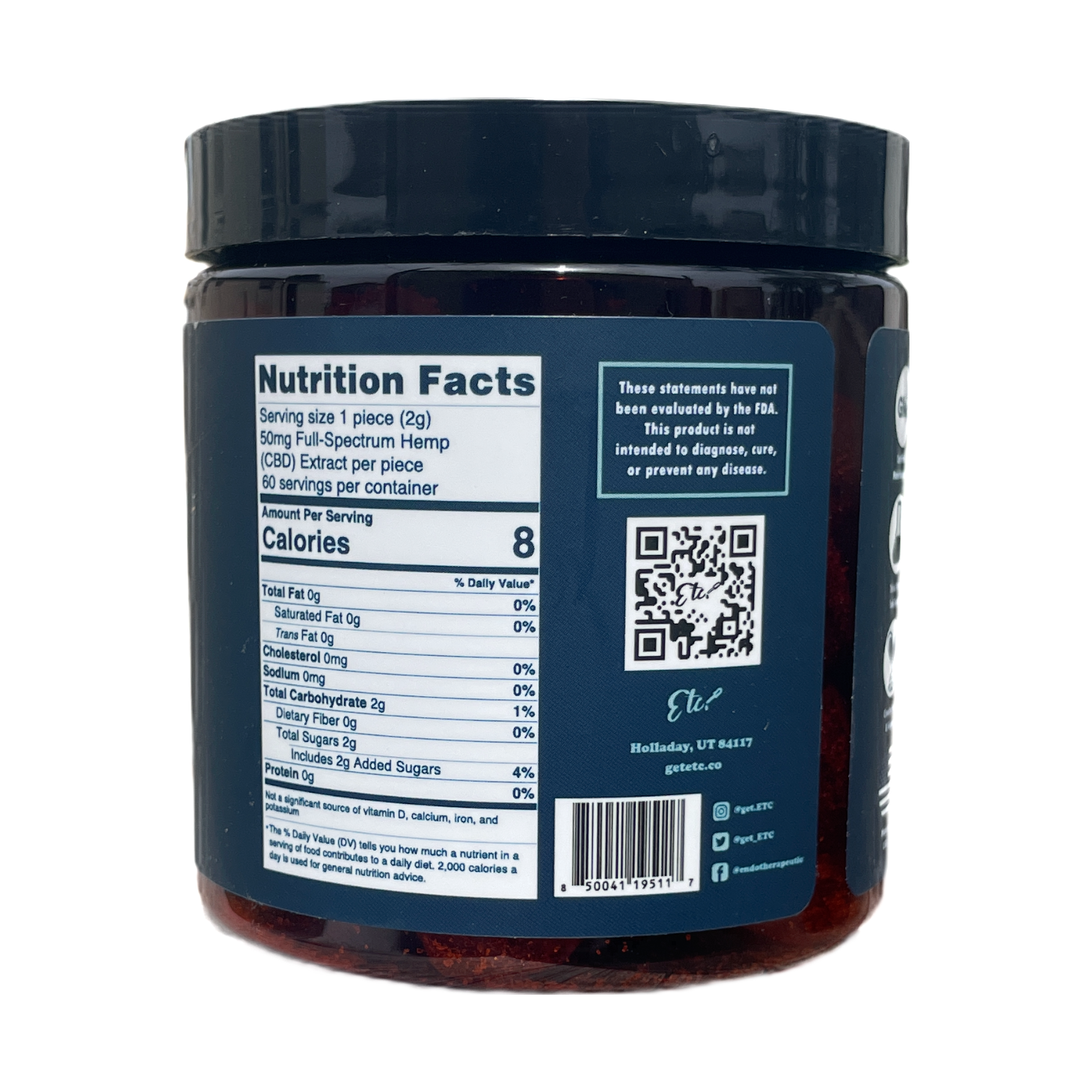
Disclaimer: These statements have not been evaluated by the Food and Drug Administration. This product is not intended to diagnose, treat, cure, or prevent any disease. Consult your healthcare provider before starting any new wellness regimen.
Photo by Chris Benson on Unsplash