




Some Mornings, Feeling Ready Is Enough
It’s 6:48 in the morning. The light coming through the kitchen window is that particular pale gold that only lasts about four minutes before it either clouds over or hardens into actual day. You’ve got coffee going. You haven’t looked at your phone yet. And for a few seconds, the day hasn’t made any demands of you.
That’s the window. That’s what a morning ritual is actually protecting.
Not productivity. Not a perfect mindset. Just those few minutes where you belong to yourself before everything else starts asking for pieces of you.
The Ritual Isn’t About Being Ready
Here’s something worth sitting with: most mornings, you’re not going to feel ready. That’s not a failure of the routine. That’s just Tuesday.
The purpose of a morning ritual isn’t to manufacture a feeling of total readiness. It’s to make a small, consistent declaration that your wellbeing matters enough to show up for, even when the day ahead looks complicated, even when you’re not at your best, even when you’d rather not.
That’s actually what makes it powerful. Not the good mornings. The ordinary ones.
When something becomes a true habit, it stops depending on motivation. You don’t decide to brush your teeth based on how you feel about dental hygiene that particular morning. You just do it. The value comes from the doing, not from the wanting-to-do.
A wellness routine earns that same quality over time, but only if the routine is simple enough to survive a bad week.
Simplicity as a Form of Respect
There’s a reason people abandon elaborate morning protocols. Too many steps. Too much friction. Too easy to skip when you’re running ten minutes behind or the kids need something or you just didn’t sleep well.
The routines that stick tend to have one thing in common: they’re small enough to do badly on the worst days. And that’s okay, because a partial effort on a hard day is still an effort. It still counts. It still says: I’m here, I’m paying attention, I’m not giving up on this.
That’s the practical argument for keeping your morning additions manageable. One softgel with your coffee. A gummy while you check the weather. Not a production, not a project. Just something you do.
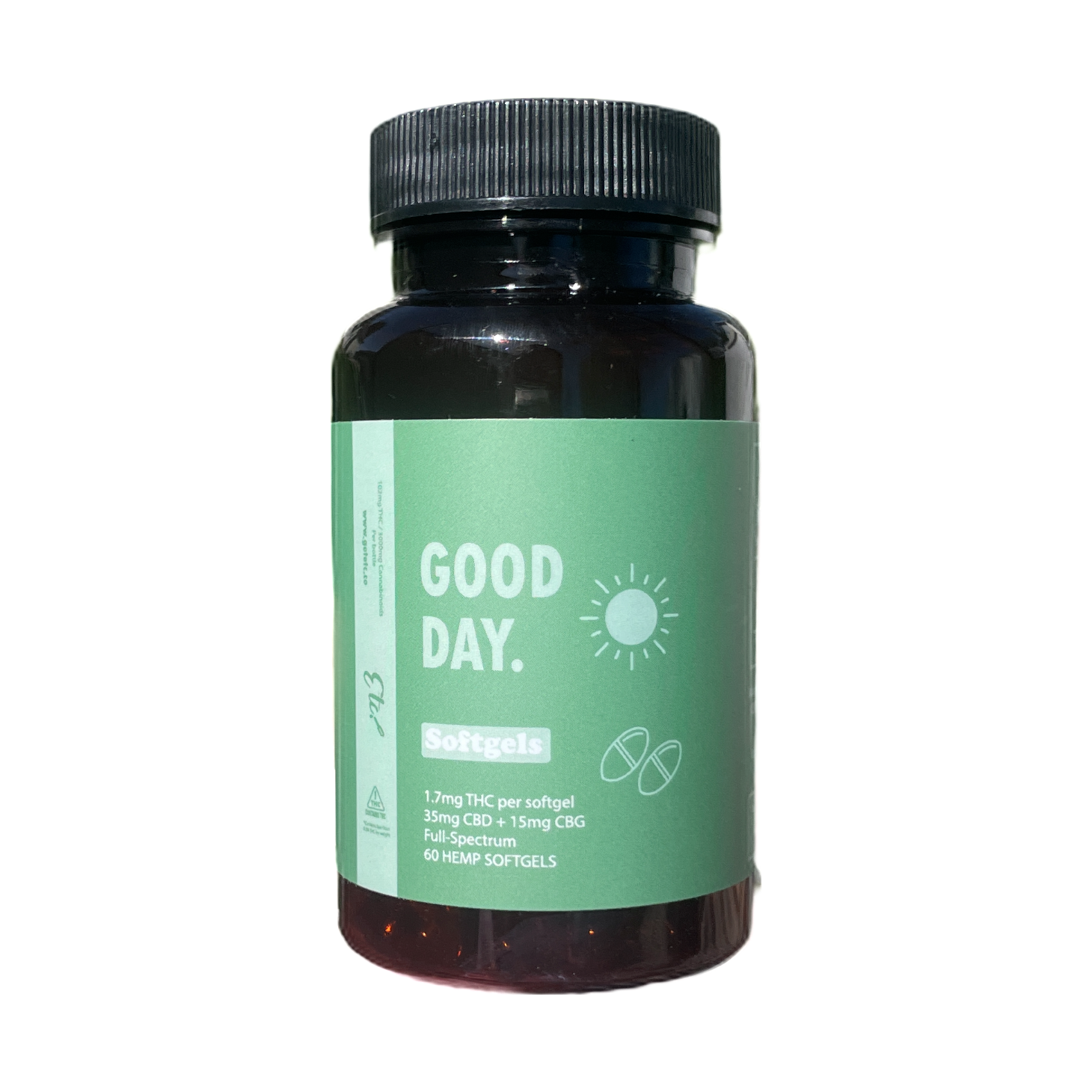
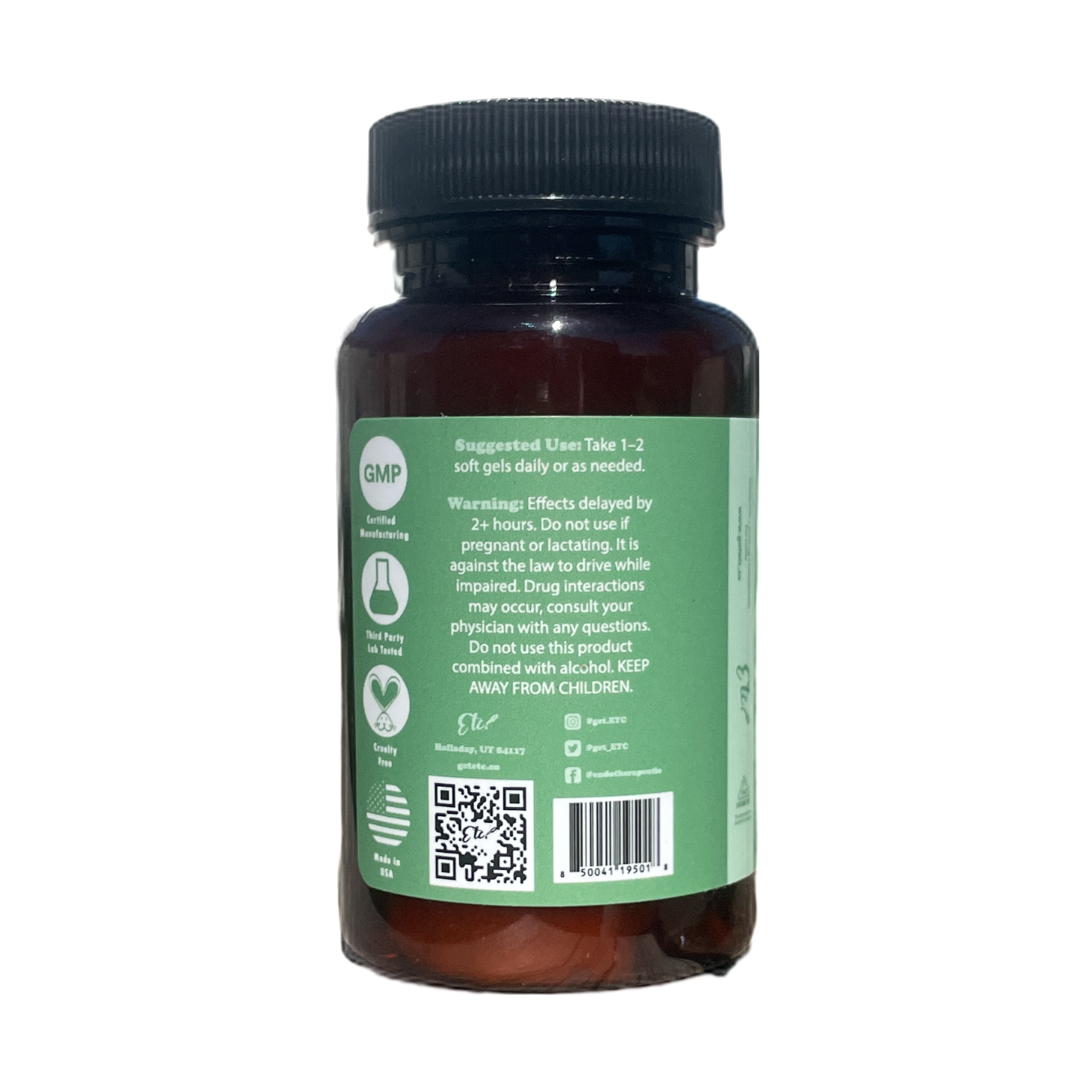
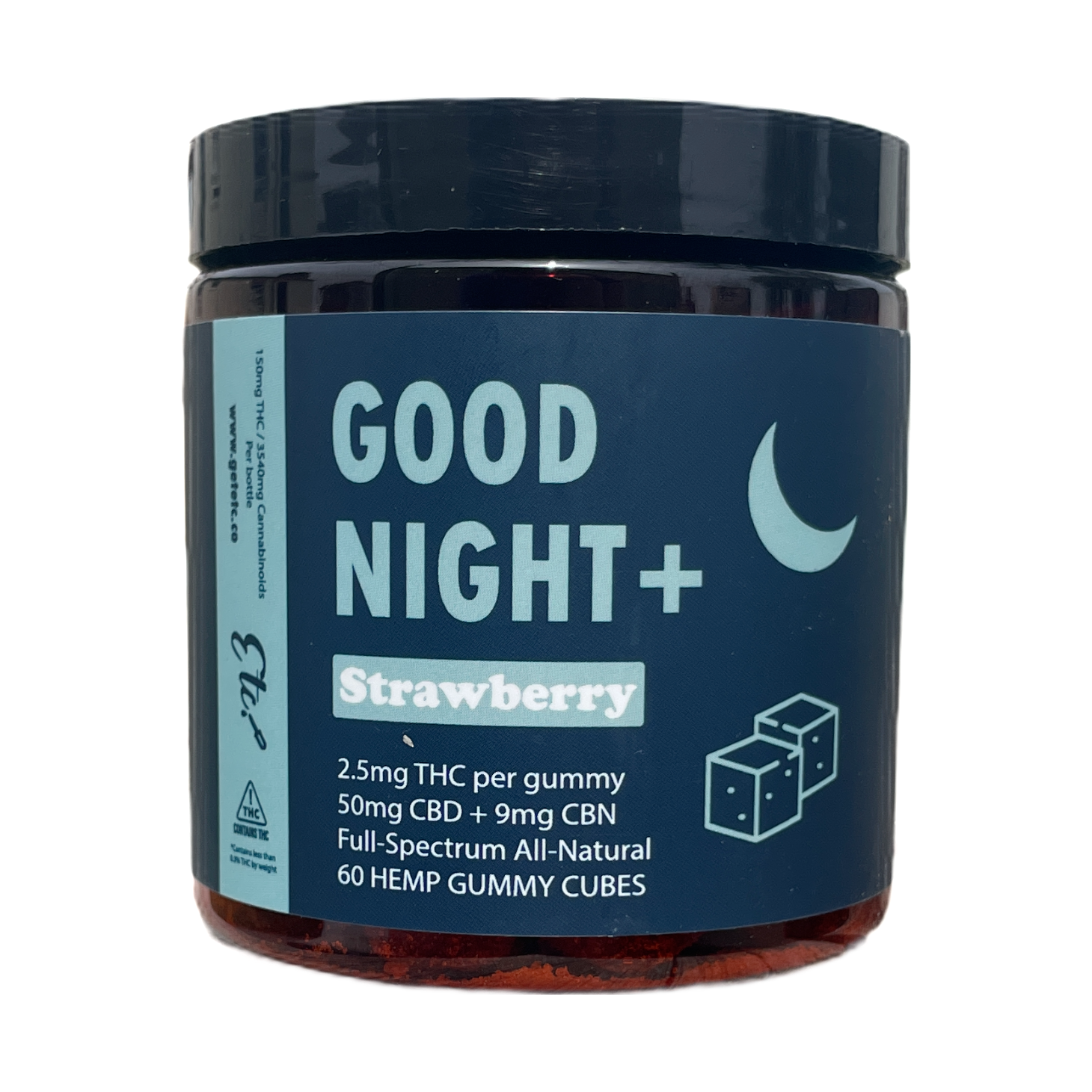
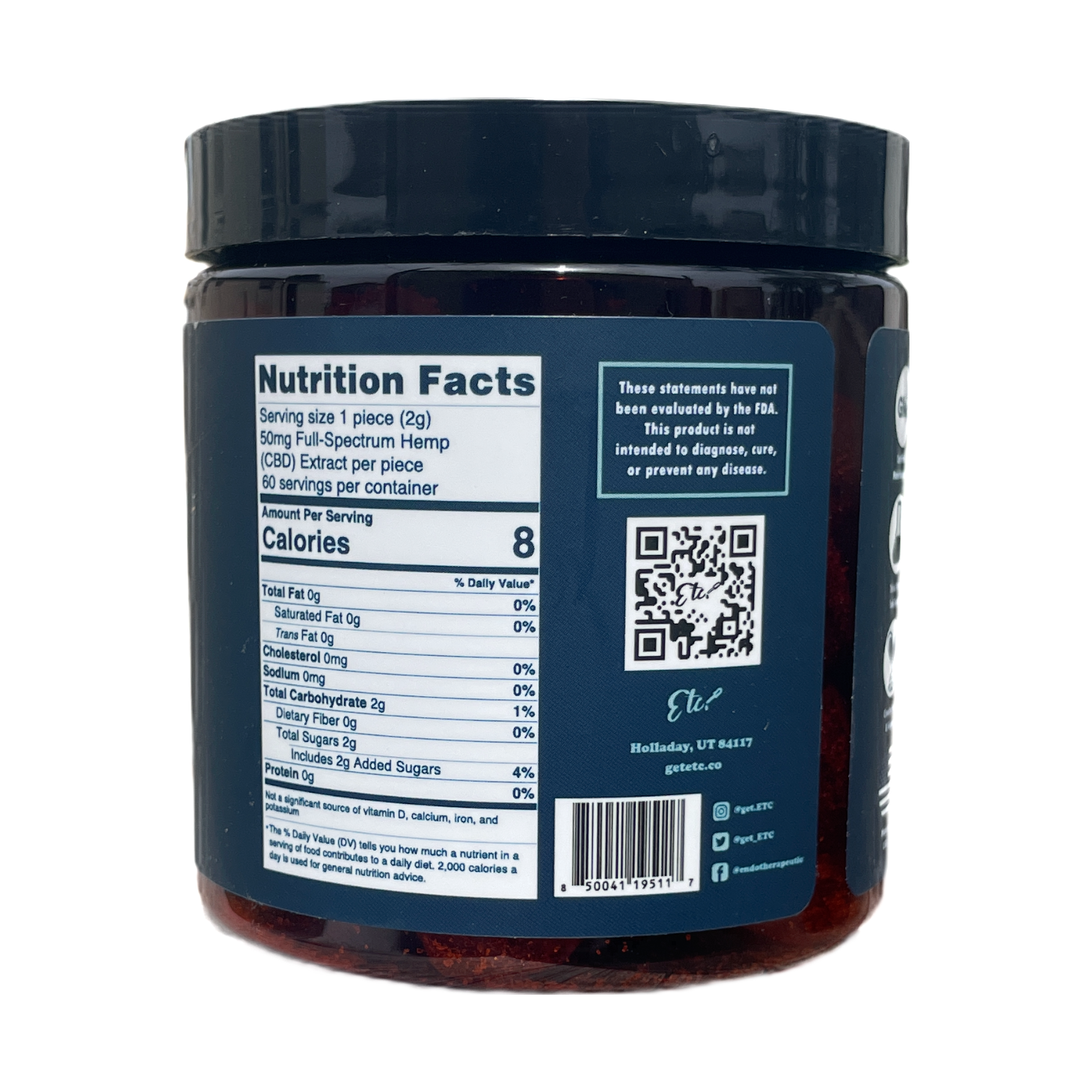
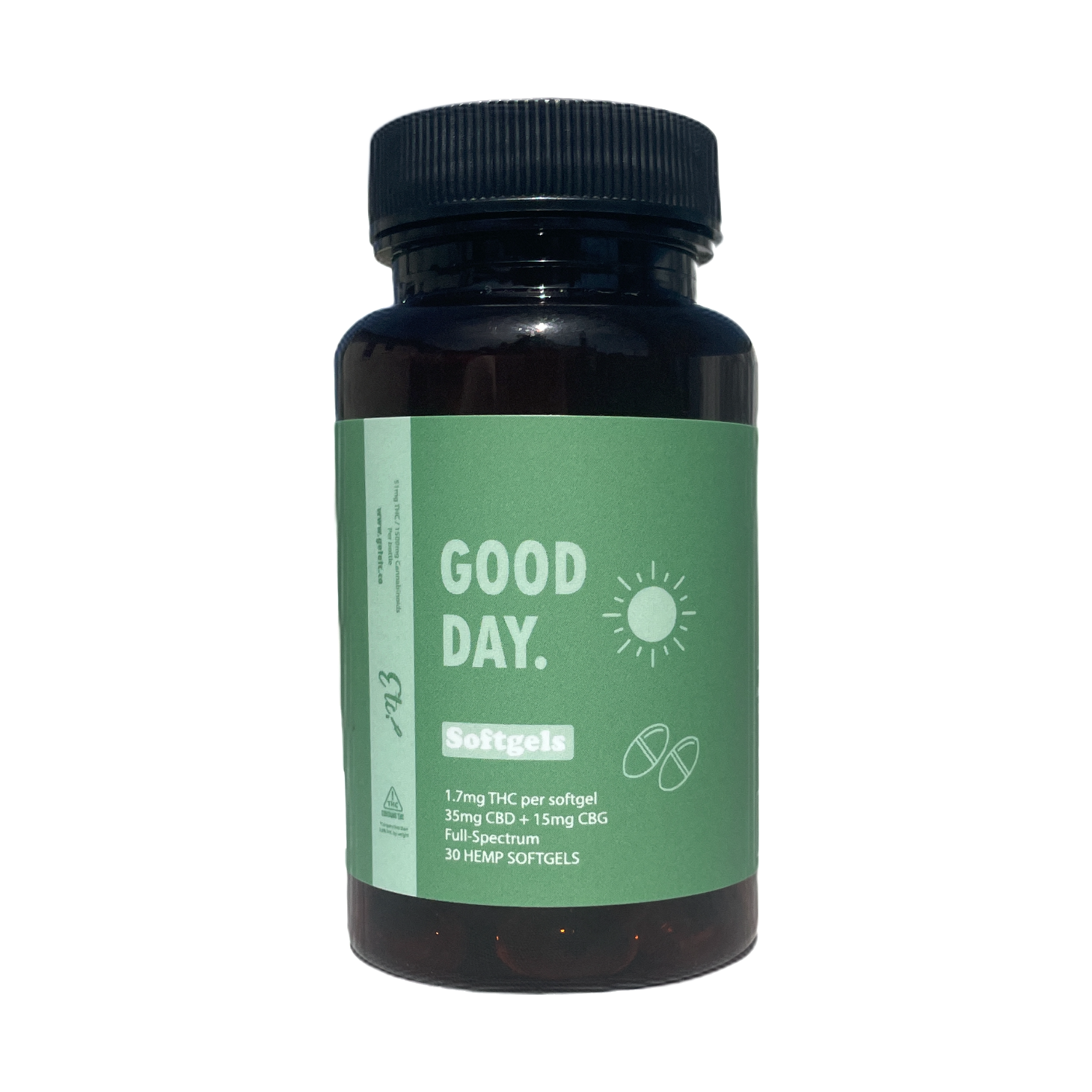
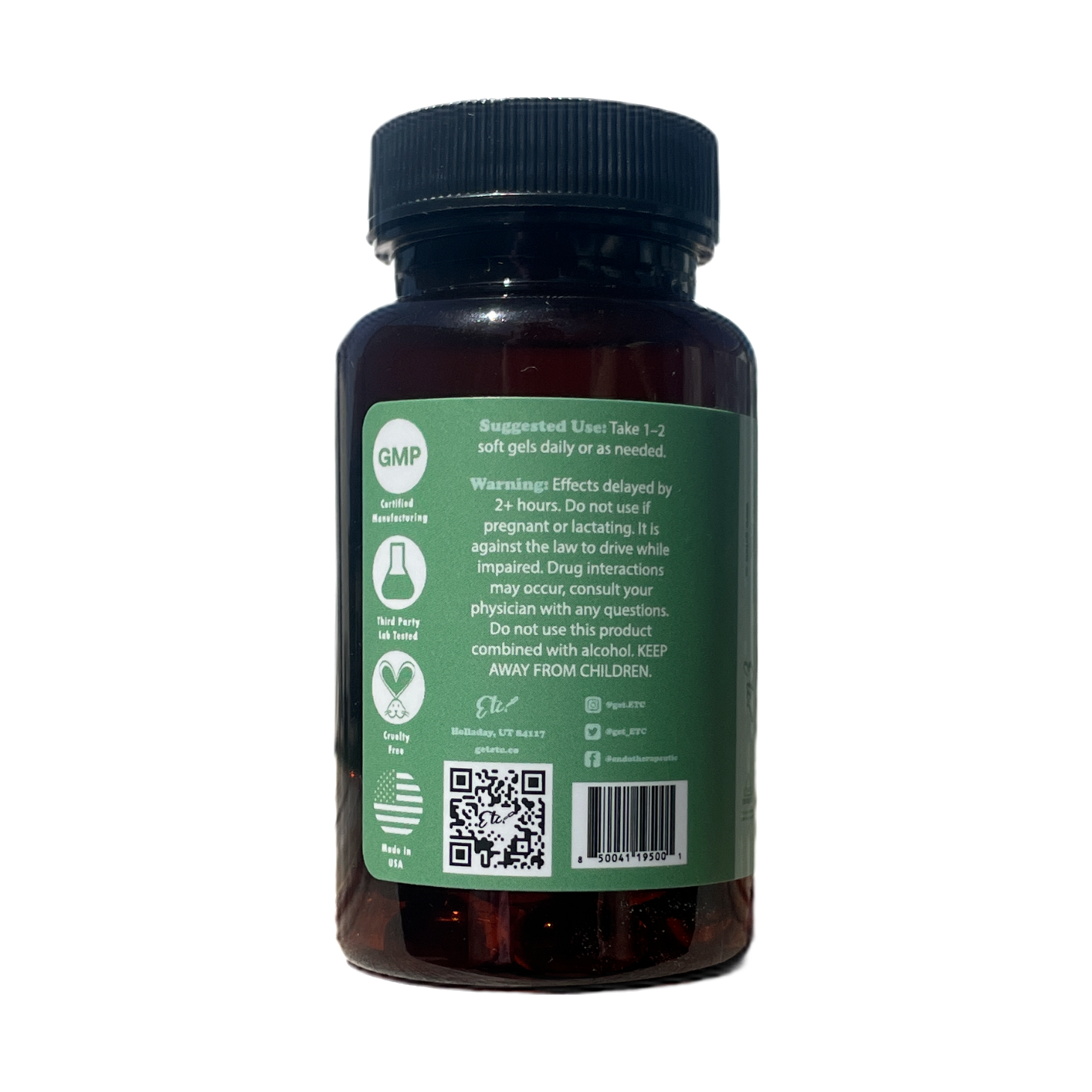
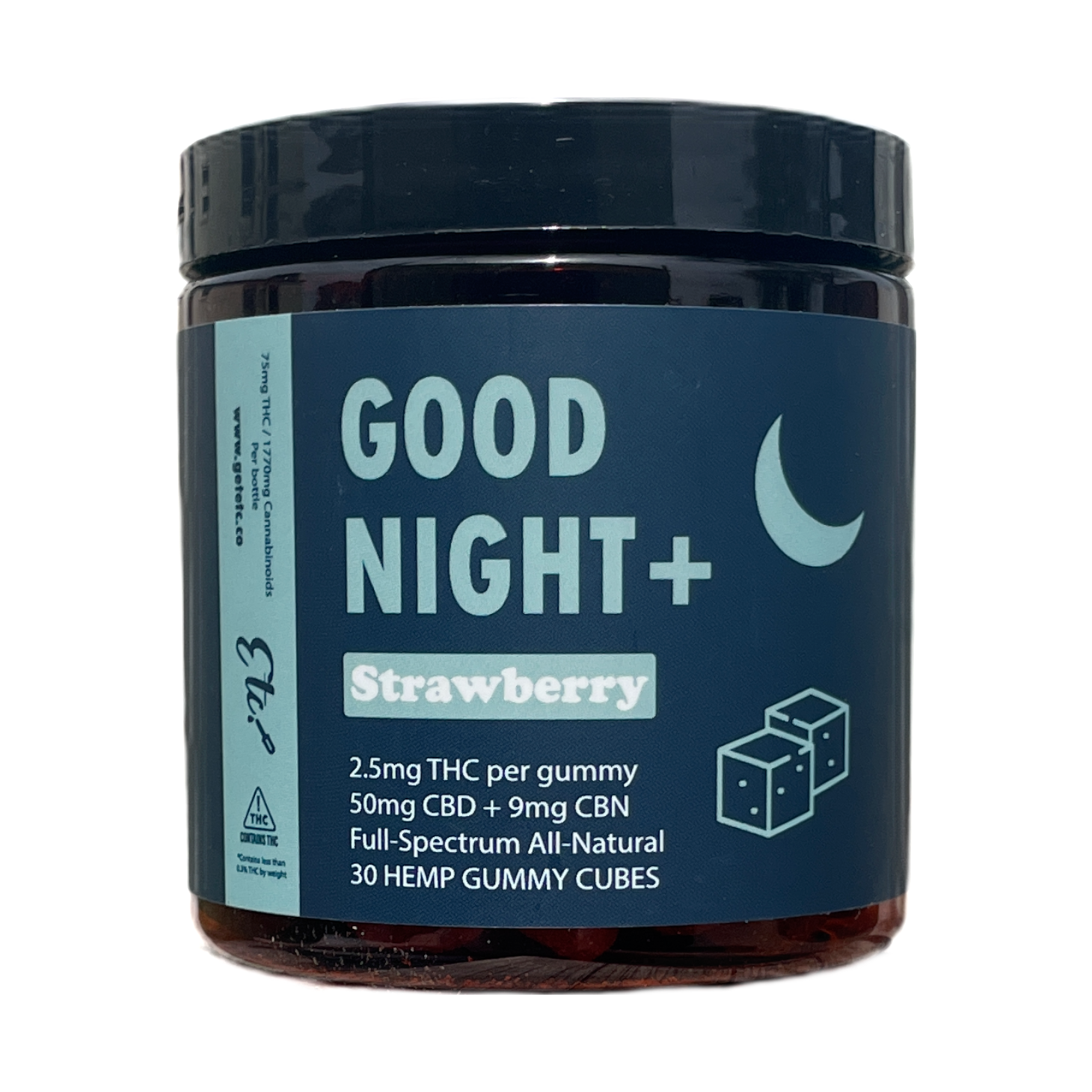
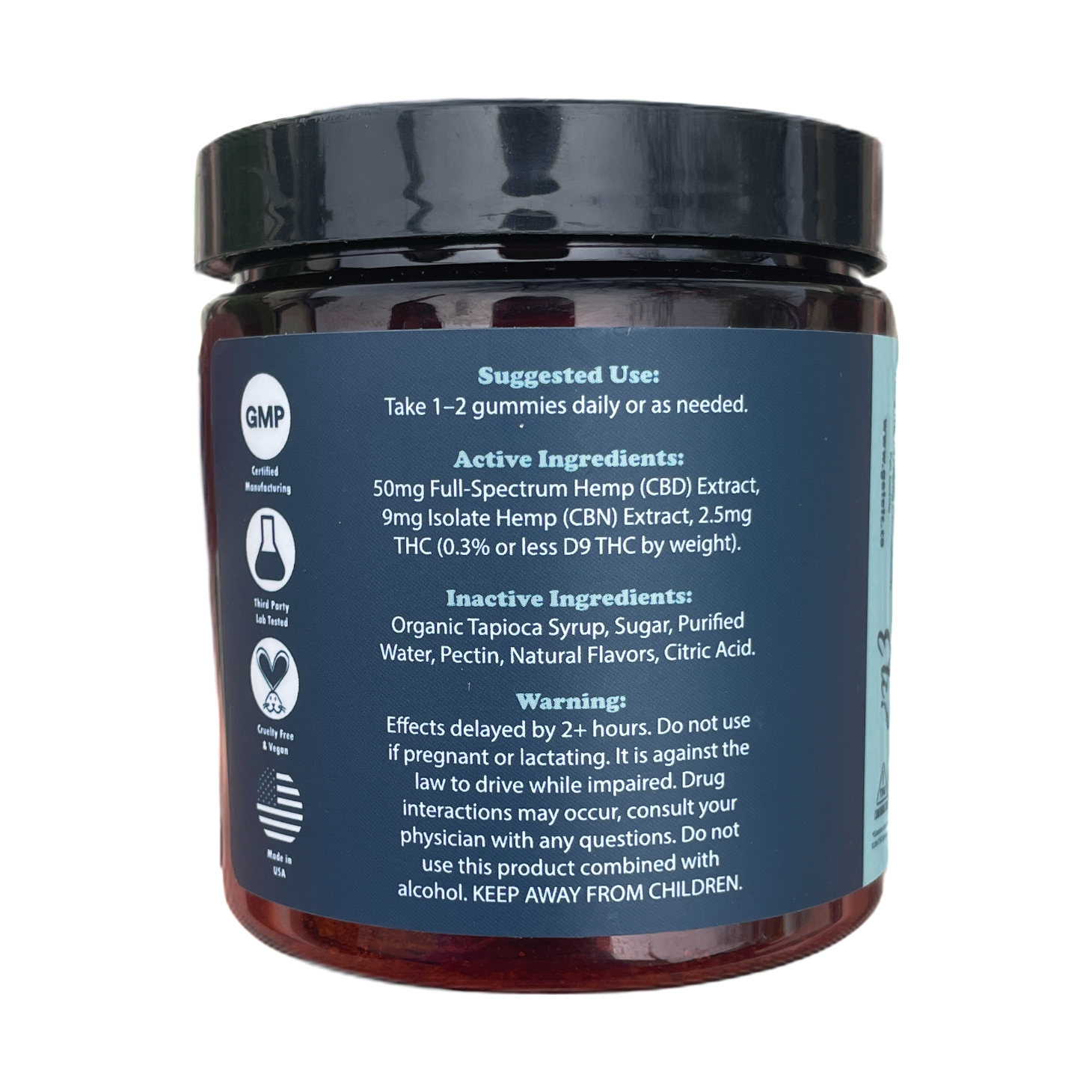
Good Day softgels and gummies are designed with exactly this kind of day in mind. The softgels are tasteless and easy to swallow. The gummies are made with real fruit, no artificial anything. Both fit into a morning without fanfare.
What “Affordable” Actually Means for a Habit
Cost-per-day matters more than people initially realize when they’re building a long-term habit. A high per-dose cost creates a subtle psychological pressure: is today worth it? Should I skip tomorrow? Am I using too much?
That mental math, applied to a wellness practice, is quietly corrosive. It turns self-care into a budgeting exercise and makes you question something that shouldn’t require constant justification.
When a daily routine runs around a dollar or two per day, that math stops happening. You just take it. The habit has room to breathe. And habits that have room to breathe are the ones that actually build into something.
This is one of the quieter things that matters about getting value right in wellness: it’s not about being cheap. It’s about removing a reason to quit.
What Builds on the Other Side
The inner peace that comes from a consistent morning ritual doesn’t announce itself dramatically. It’s more like noticing, after a few weeks, that you feel slightly more like yourself before noon. That decisions feel a little less heavy. That you walked into a meeting without the low-grade edge you used to carry in without noticing.
These aren’t fireworks. They’re more like a gradual return to baseline, to the version of you that was there before too many things piled up.
The CBG that’s boosted in the Good Day formula is part of why some people find it particularly suited to mornings. While the full-spectrum base does its work across the whole system, CBG is associated with focus and daytime balance. It’s not a stimulant. It’s more of a steadiness.
But honestly, the cannabinoid science is secondary to the commitment. What creates lasting change is the consistency of saying, every morning, I’m doing this thing for myself. The biochemistry supports it. The habit carries it.
The Morning You Don’t Skip
There will be a morning soon where you genuinely don’t feel like doing your routine. You’re behind, you’re tired, something went wrong the night before, and the idea of adding one more thing feels like too much.
That morning is actually the most important one.
Not because of what happens biochemically in those twenty minutes. But because of what you demonstrate to yourself: that the routine is real, that it belongs to you, and that you’re not going to abandon it just because it’s inconvenient.
That’s the version of personal growth that doesn’t get talked about enough. Not the motivated version of you, building habits when everything’s aligned. The other version. The one who shows up at 6:48 on a Thursday when the light isn’t even pretty yet, pours the coffee, takes the softgel, and decides that today counts.
That’s the version worth building a routine for.
Starting Somewhere
If you’re thinking about a morning wellness practice and haven’t found something that sticks yet, the simplest starting point is one that requires almost nothing of you. One format, one time of day, two weeks of consistency. That’s enough to find out whether it’s working.
You can always add to it. You can always adjust. But you can’t evaluate something you haven’t genuinely tried.
The Good Day collection is a reasonable place to start: softgels if you want zero fuss, gummies if you want something that feels a little more intentional. Both are third-party tested, with COAs published openly so you can see exactly what’s in them.
But more than the product, what matters is the morning itself. The window before the day makes its demands. The small act of deciding that you’re worth a few minutes of care, even before you feel ready.
Some mornings, that’s exactly enough.
Disclaimer: These statements have not been evaluated by the Food and Drug Administration. This product is not intended to diagnose, treat, cure, or prevent any disease. Consult your healthcare provider before starting any new wellness regimen.