




A Clearer Head for the Middle of the Day
Here’s a strange thing to sit with: your brain is at its sharpest for roughly four hours after you wake up. After that, something shifts. Not dramatically, not in a way anyone else would notice, but you notice. The words come a little slower. The decision that should have taken five minutes takes twenty. You re-read the same paragraph twice and aren’t sure why.
That window isn’t a character flaw. It’s just how the afternoon goes for a lot of people. The question worth asking isn’t “what’s wrong with me?” It’s “what would it look like if that window stayed open a little longer?”
The Part of the Day Nobody Talks About
Morning routines get all the attention. There are entire books, podcasts, and Instagram accounts dedicated to the first two hours after your alarm. Evening wind-downs have their moment too, especially lately.
But the middle of the day? That’s the quiet gap. The 1 p.m. to 4 p.m. stretch where plenty of adults are doing their actual work, making their actual decisions, and trying to stay present for the actual people in front of them. It’s also the stretch where most of us are running on caffeine fumes, a lunch that may or may not have been a real meal, and the accumulated weight of everything that happened before noon.
Supporting that part of the day isn’t about hacking productivity. It’s about staying yourself through the whole of it.
What “Balance” Actually Feels Like
Balance is one of those words that gets used so often it stops meaning anything. So let’s be more precise.
A balanced afternoon feels like this: you can follow a thread of thought without losing it. You can move from one task to the next without a three-minute transition ritual. When something unexpected lands in your inbox, you don’t spiral. You just handle it and move on. You get to the end of the day and feel like you actually showed up, not just survived.
That experience doesn’t happen by accident. It’s built, gradually, through the small things you do consistently. And consistency is the part most wellness products ignore, because consistency isn’t exciting to sell. A single dramatic result is exciting. A steady, quiet improvement that compounds over weeks? That’s harder to package.
But that’s the version that actually changes things.
Why the Daily Habit Is the Whole Point
If you’ve ever tried to eat well for a week and then stopped, you know how quickly the benefit fades. The same logic applies here. Cannabinoids work with your body’s own systems, and those systems respond to regularity. One dose is a conversation opener. A daily practice is the relationship.
People who notice real shifts in their midday clarity almost always describe it the same way: they didn’t feel a dramatic “on” switch. They just started having fewer of the moments they used to dread. The scattered hour. The decision fatigue setting in before 3 p.m. The afternoon where they felt like they were watching themselves from a slight distance.
That shift doesn’t announce itself. You notice it in retrospect, usually when you realize you haven’t complained about your afternoons in a while.
The Cost Question (And Why It’s Actually Encouraging)
Here’s where a lot of people quietly talk themselves out of a wellness habit before they ever start it. The mental math goes: this costs money, I’m not sure it’ll work, I’ll try it when I’m more certain.
The problem with that logic is that certainty requires experience, and experience requires actually starting.
Full-spectrum hemp softgels and gummies, taken consistently, run most people somewhere around a dollar or two per serving. That’s less than a specialty coffee that gives you a two-hour window of focus followed by a crash. It’s less than most of the other things people reach for in the middle of the afternoon without thinking twice.
When you frame the cost that way, it stops being a splurge and starts being a daily investment with a daily return. Not a transaction. A practice.
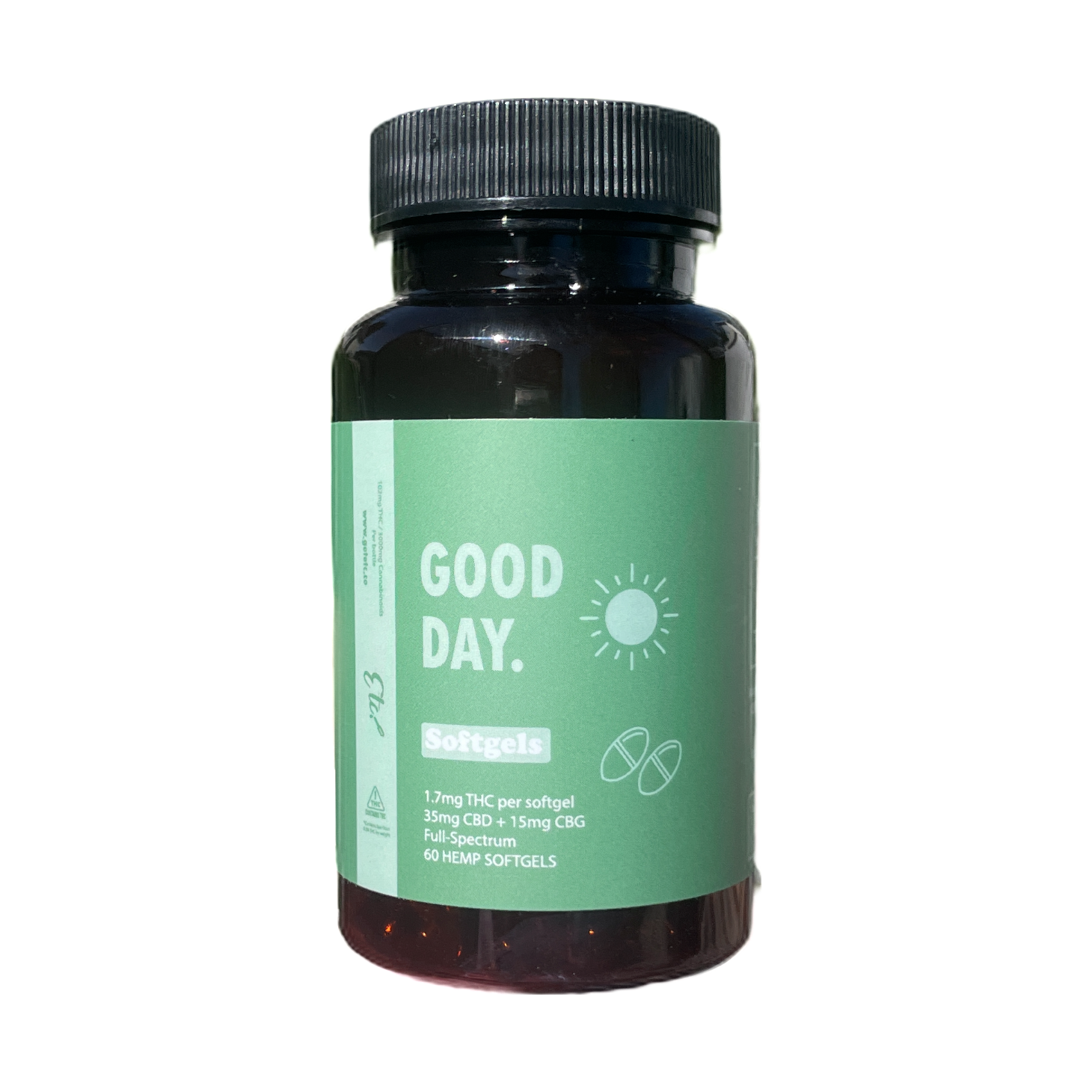
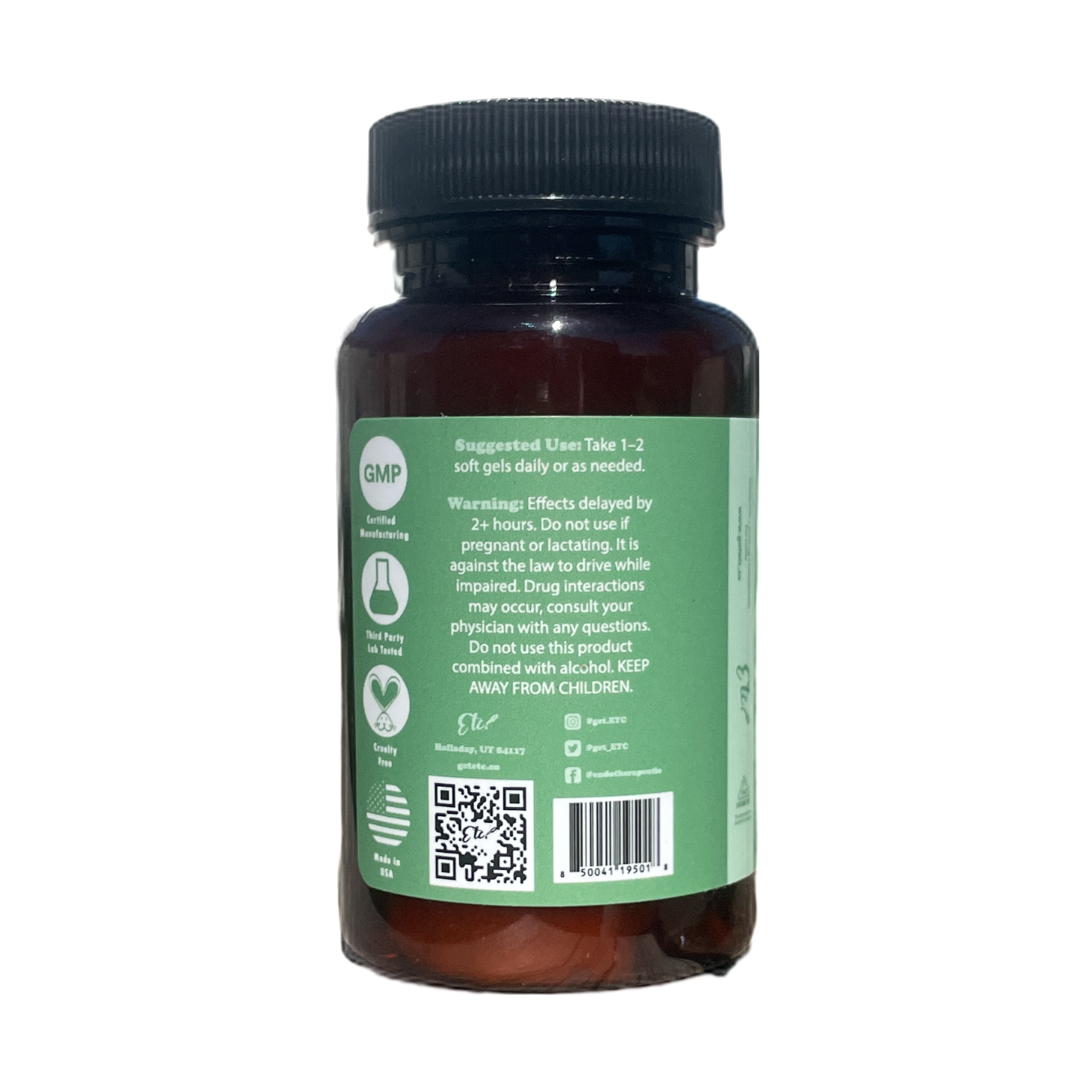
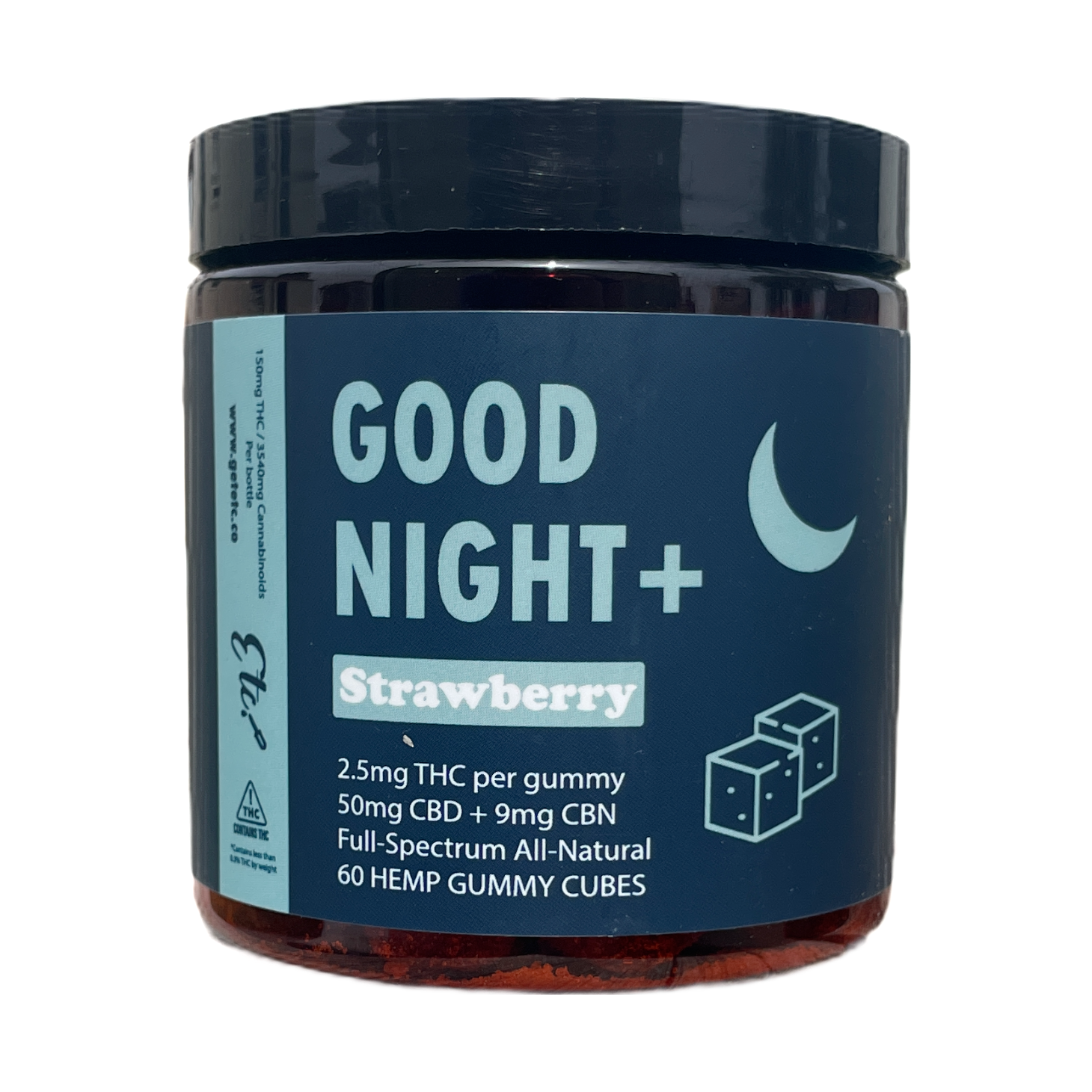
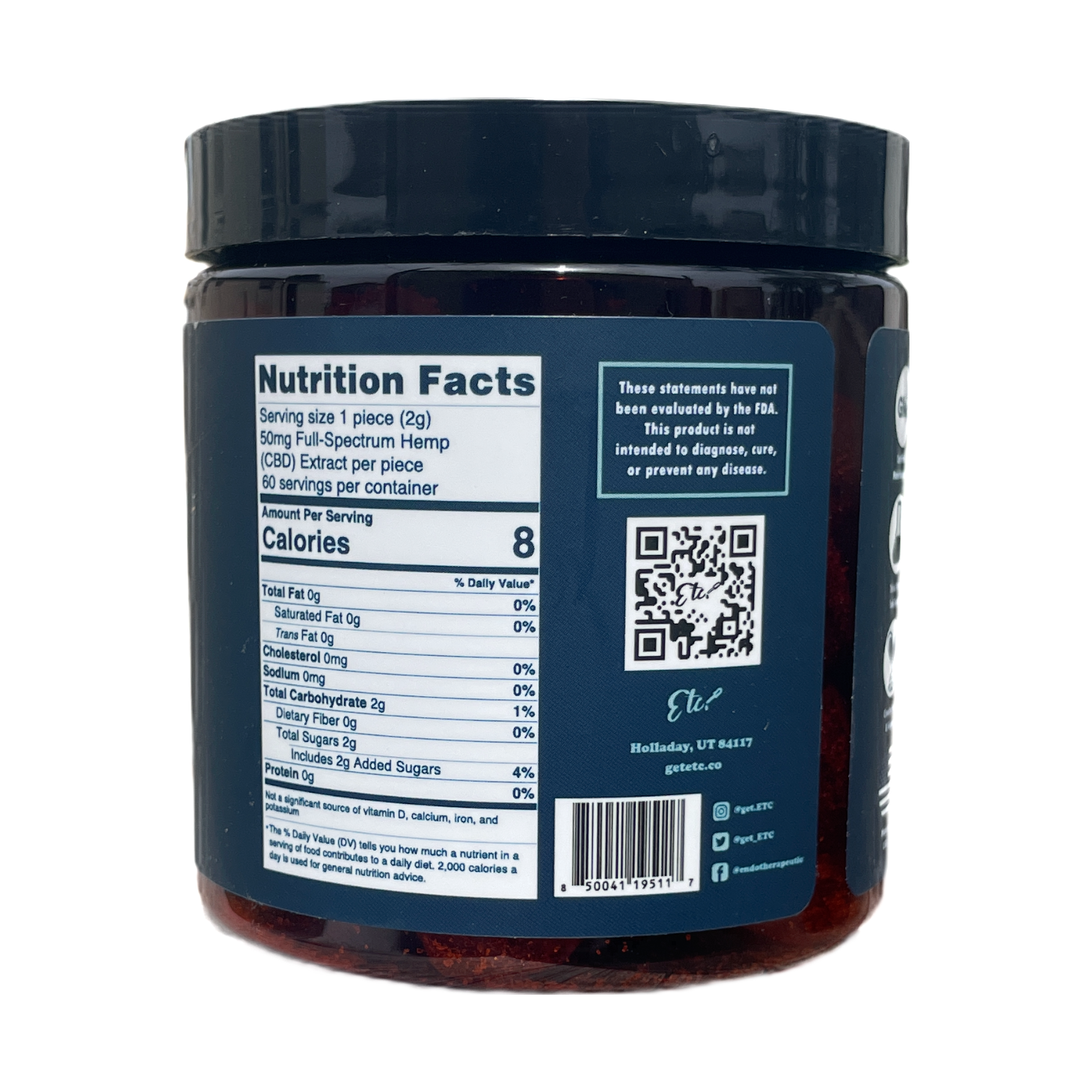
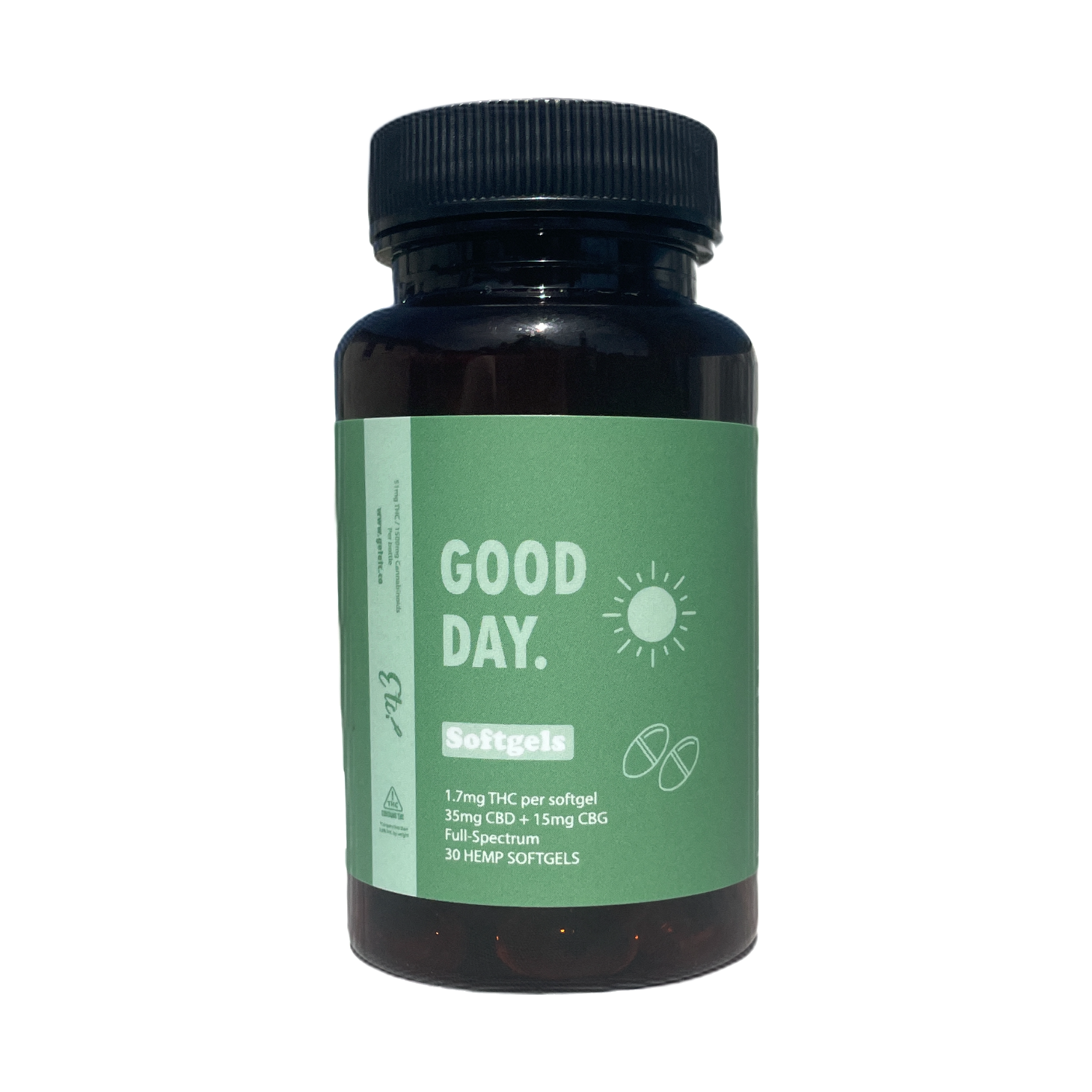
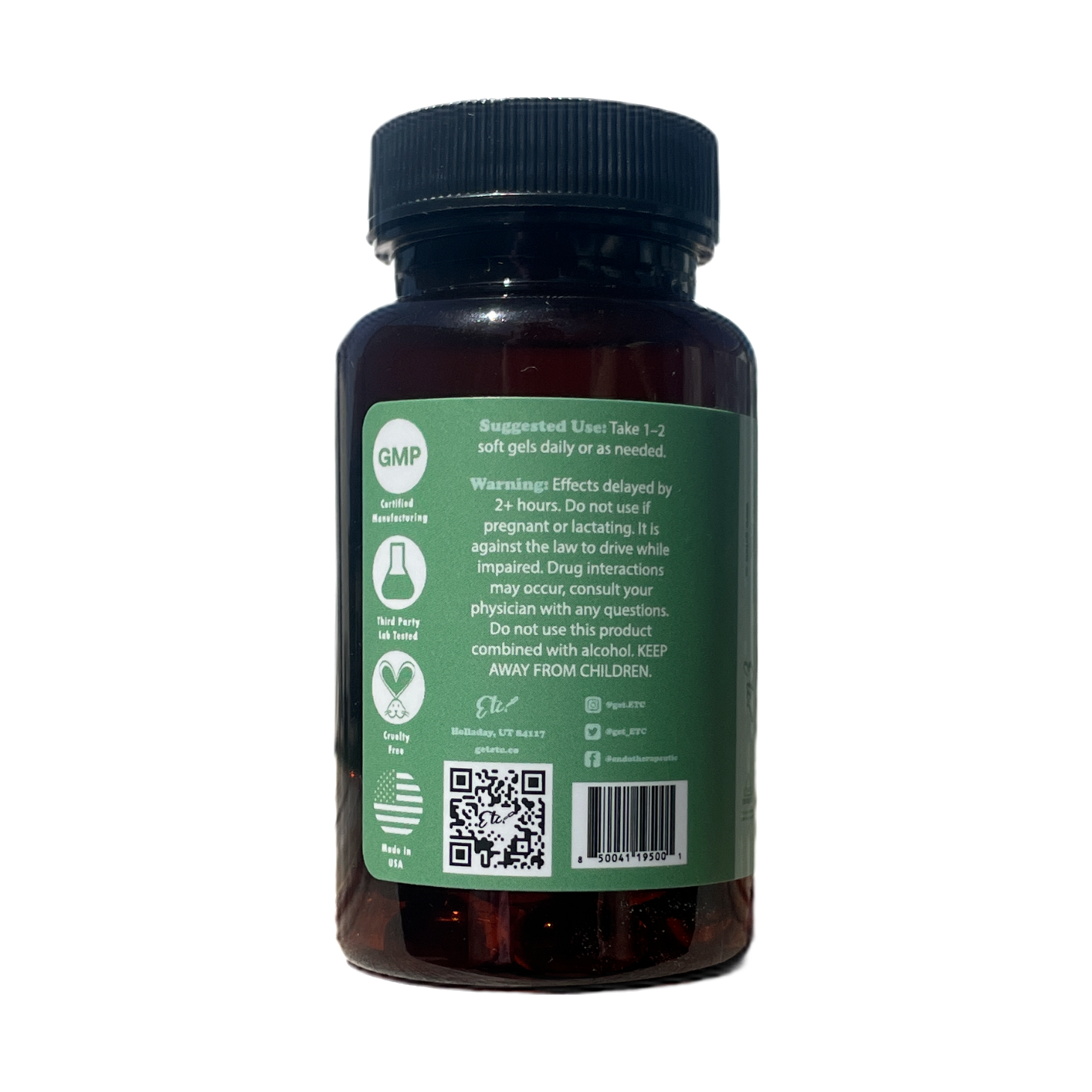
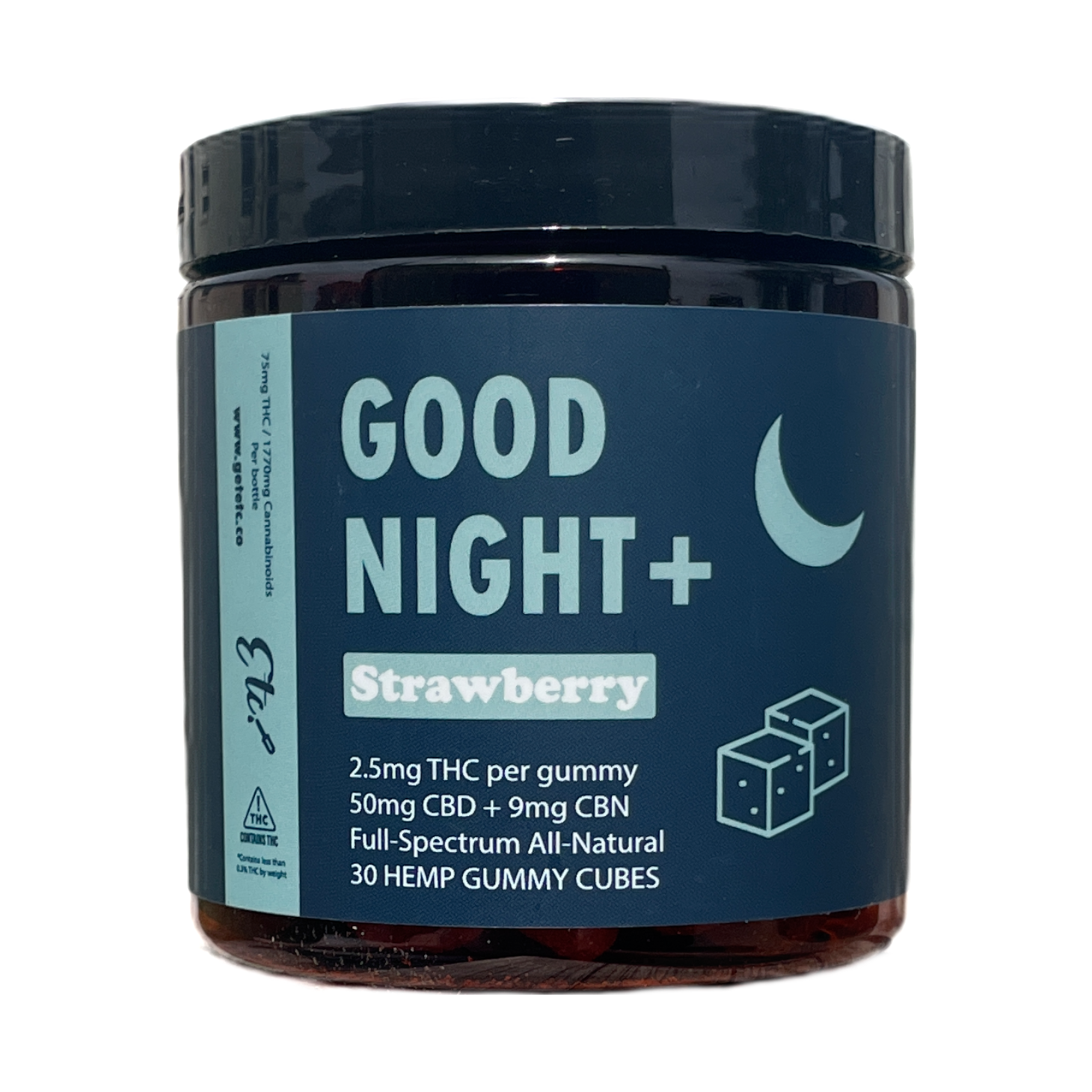
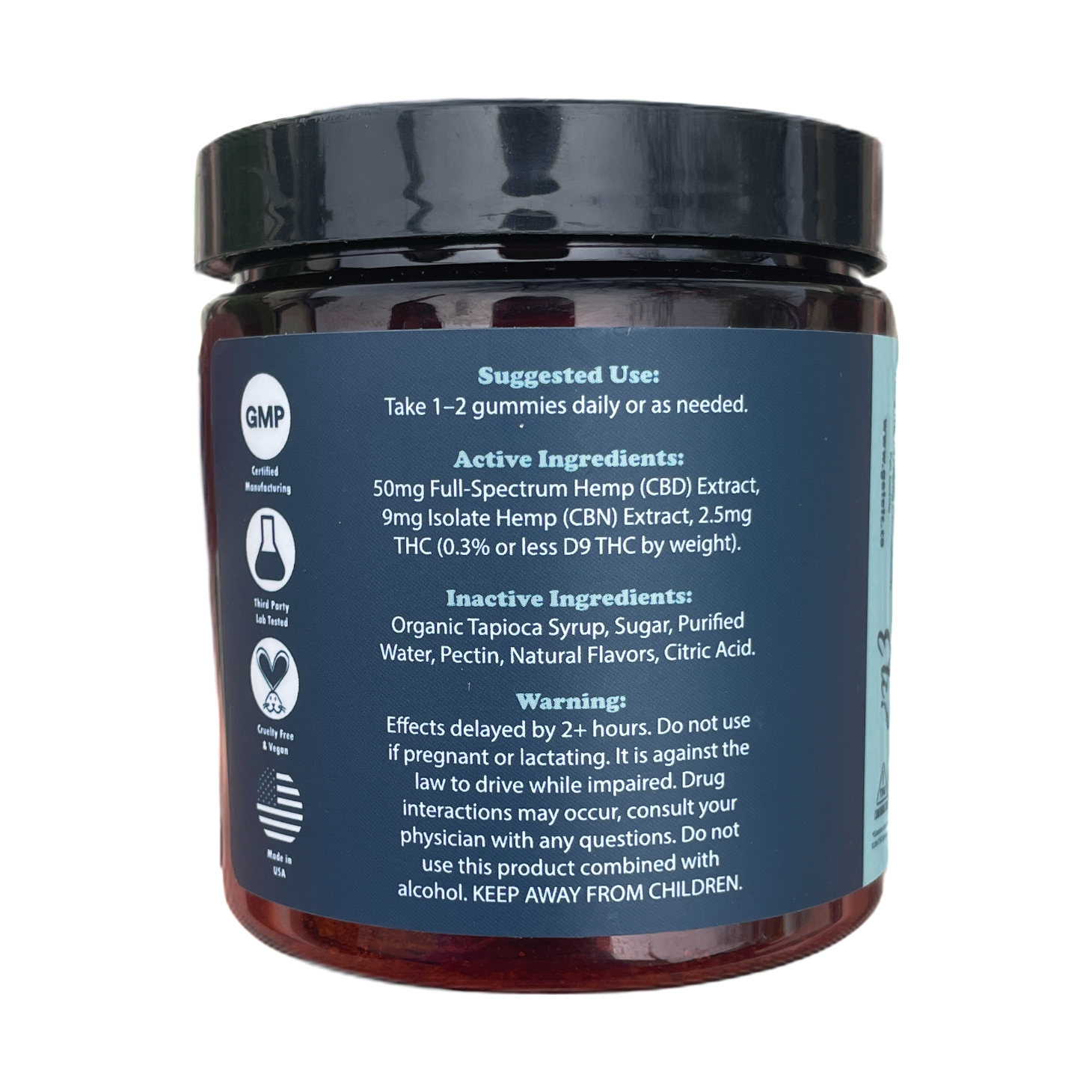
Good Day+ Gummies are formulated with extra CBG alongside the full cannabinoid profile, which is specifically designed for daytime balance. If you prefer something with no taste and no chewing required, the Good Day Softgels carry the same formula in a format that fits easily into any routine, anywhere.
The Commitment to Yourself That Makes the Rest Easier
There’s something that happens when you decide to take your own wellbeing seriously. Not in a dramatic, overhaul-everything way. In the small, daily way of choosing something that supports you, consistently, without making it complicated.
It sounds minor. It isn’t. That choice, repeated, becomes evidence. Evidence that you are someone who follows through. That your midday clarity matters enough to protect. That you don’t just want to feel better in theory; you’re actually doing something about it.
That accumulation of small, consistent choices is where inner peace starts to take root. Not in some future state when everything is finally figured out, but right now, in the decision to show up for yourself the same way you show up for everything else.
A clearer head in the middle of the day isn’t just a productivity tool. It’s part of what makes the whole day feel like yours.
Starting Simple
If you haven’t built a midday wellness habit yet, the easiest place to start is with a format you’ll actually remember to take. Softgels work well for people who want something discreet and zero-fuss. Gummies work well for people who like a small, intentional ritual. Either way, the timing is roughly 30 to 90 minutes before you want to feel the effect, which for most people means sometime mid-morning.
Give it a few weeks. Not because you’re waiting for something dramatic, but because the whole point is the slow, steady building of something that lasts. The afternoons that used to feel like a slide toward the end of the day start feeling more like a continuation of it.
That’s the version worth committing to.
Disclaimer: These statements have not been evaluated by the Food and Drug Administration. This product is not intended to diagnose, treat, cure, or prevent any disease. Consult your healthcare provider before starting any new wellness regimen.
Photo by Zulfugar Karimov on Unsplash