




What Letting Go Can Feel Like After a Long Day
The tightest part of your day isn’t usually the hardest thing that happened. It’s what you carry home.
The meeting that ran long, the commute that didn’t cooperate, the inbox that grew faster than you could empty it. None of it is catastrophic. But by the time you walk through the door, something in your shoulders, your jaw, the space between your shoulder blades has decided to hold onto all of it anyway.
Here’s the counterintuitive part: the tension you feel at the end of a long day is not the problem. It’s actually evidence that you tried.
Your body was engaged. It braced for impact at 9 a.m. and never quite got the signal to stand down. That’s not a flaw in your wiring. That’s your nervous system doing its job, which means “letting go” isn’t something you do by willpower. It’s something you have to help your body remember how to do.
The Part No One Tells You About Physical Tension
We talk about stress as if it only lives in the brain. But the body keeps its own records.
By late afternoon, a lot of people notice they’ve been holding their breath slightly shallow, or that their shoulders have crept somewhere near their ears without anyone asking them to. The jaw. The lower back. The hands. These are all places where the day gets stored, in the absence of any reason to let it go.
Most of the usual advice (stretch more, drink water, breathe) isn’t wrong. But it tends to address the memo without addressing the filing system. You need your whole system to participate in the transition from “on” to “off,” not just one part of it.
That’s where consistency starts to matter more than any single remedy.
What Consistent Support Actually Feels Like
There’s a before-and-after that people don’t often describe accurately, because it happens slowly. One week you realize you’re not bracing quite as hard. A few weeks later, you notice you feel something by 7 p.m. that resembles actual rest. Not sedation. Not checking out. Just the quiet physical fact of your body releasing the day.
That’s what a genuine wind-down routine does when it’s working: it stops being something you do, and starts being something your body expects.
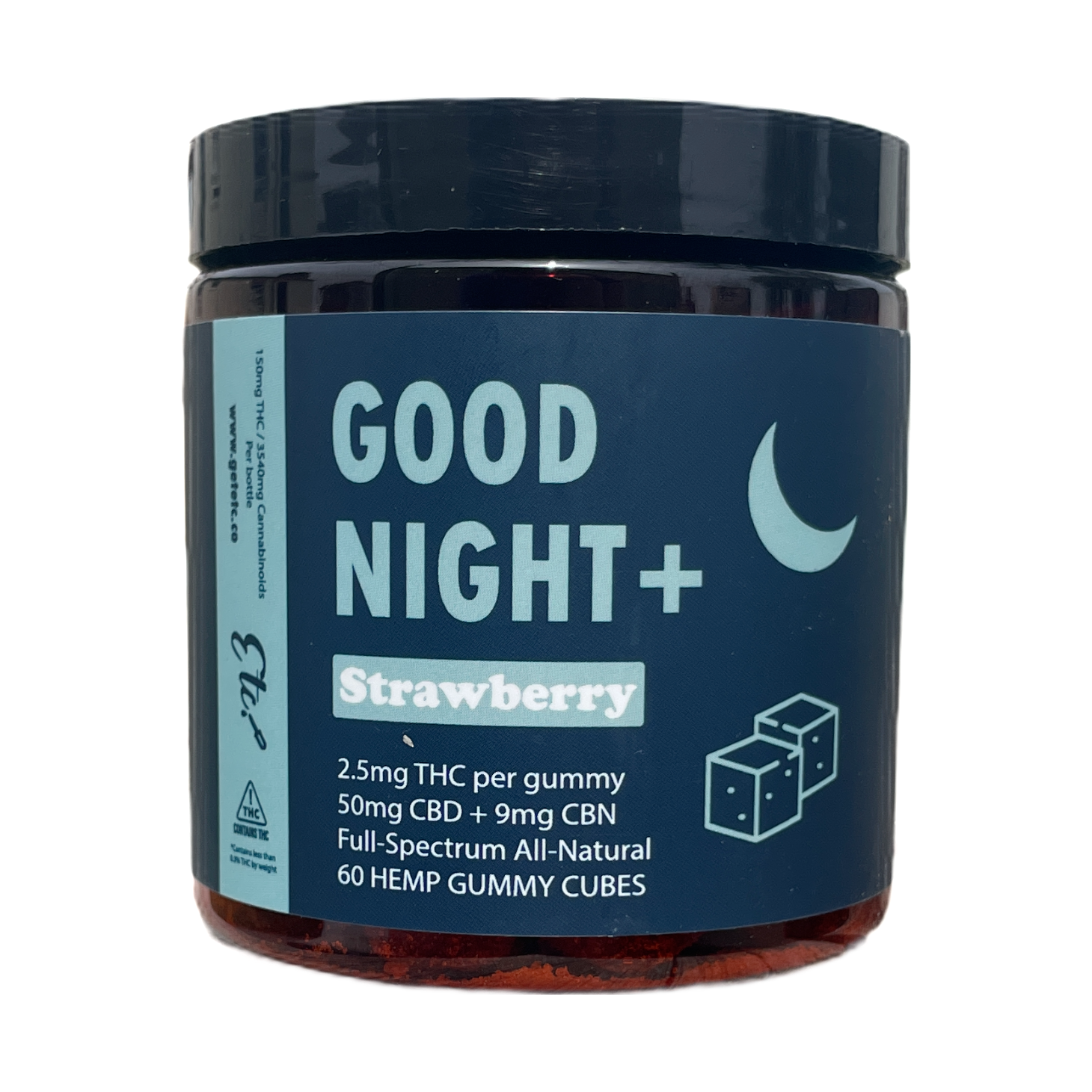
Full-spectrum hemp, when used consistently, is part of how some people get there. The cannabinoids in hemp (CBD, CBN, CBC among them) have properties that may support muscle relaxation and physical ease. The entourage effect is the reason full-spectrum tends to outperform isolates: the whole plant working together, rather than a single compound working alone.
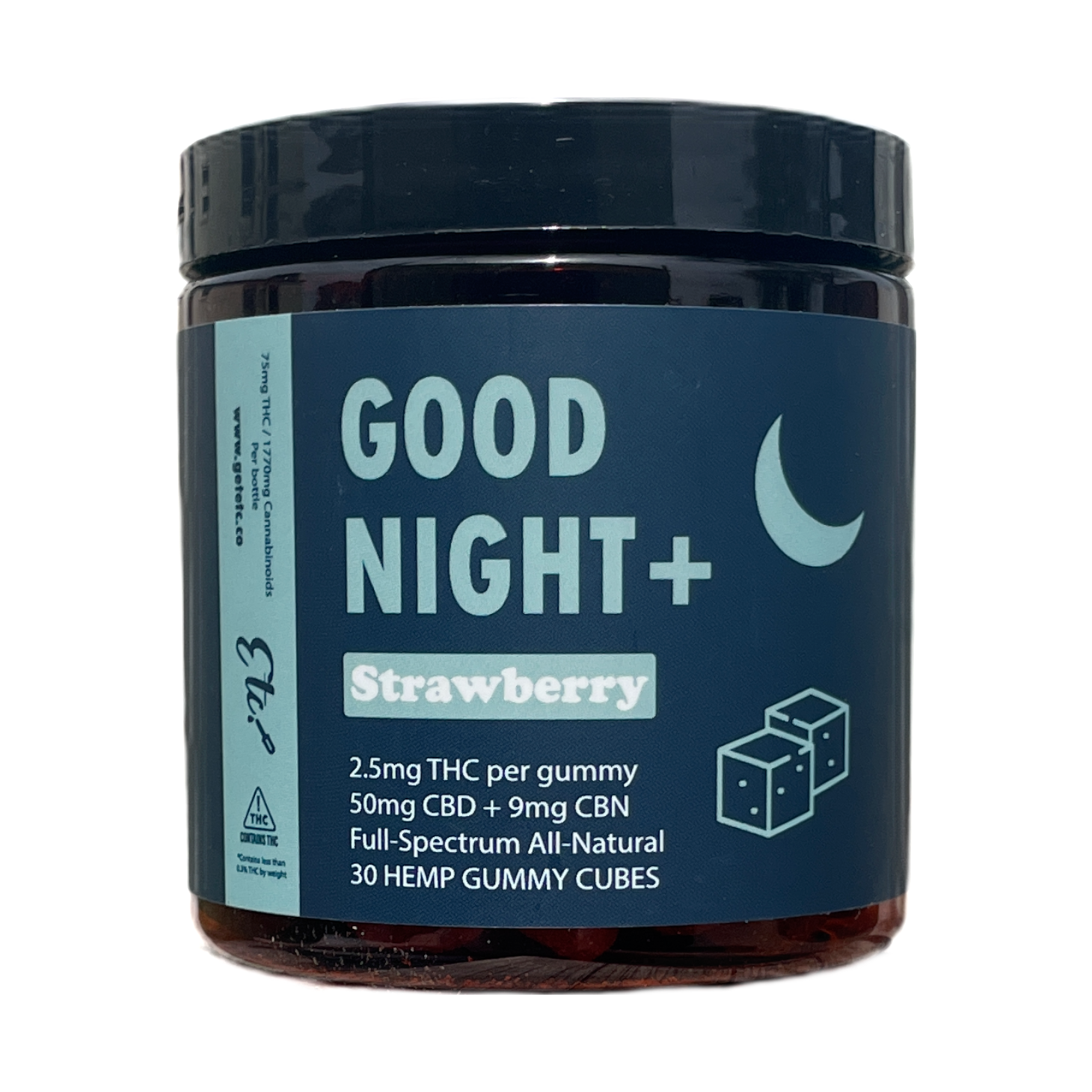
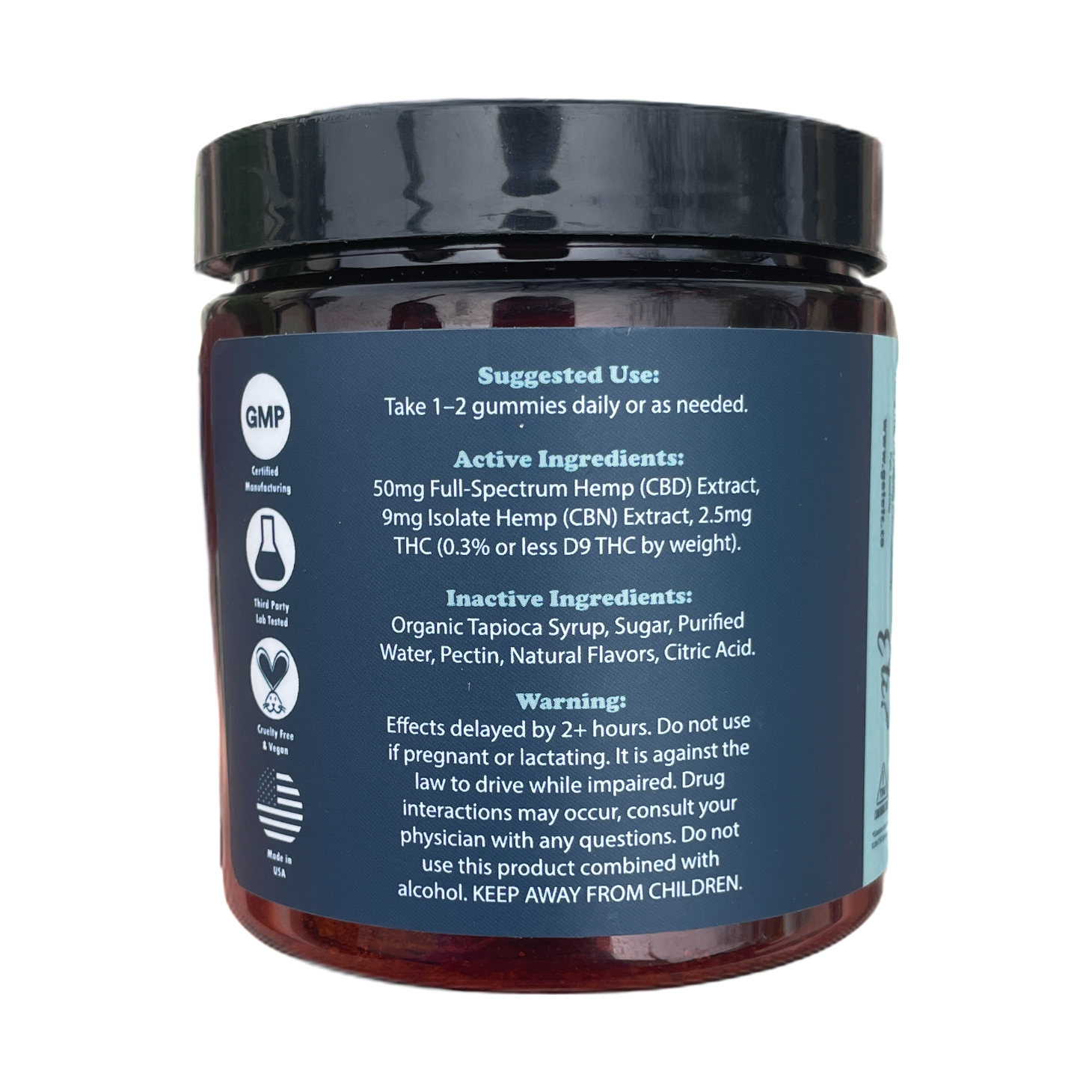
For evening use, Good Night is formulated with boosted CBN, a cannabinoid that people often associate with a softer, more settled feeling by the end of the day. It doesn’t shut anything down. It just helps the “still on” signal get quieter.
For people who want something localized, PureMotion Deep Relief Lotion works differently. It uses DMSO, a compound that allows the formula to reach deeper tissue than typical topicals. If your shoulders or lower back are where the day shows up most visibly, there’s something to be said for addressing it directly, right there, before you sit down for dinner.
Why “Letting Go” Is Worth Taking Seriously
This isn’t about the end of the workday. It’s about what comes after it.
The hours between dinner and sleep are, for a lot of people, the only hours in the day that belong to them. If those hours are spent half-present, still running the day’s highlight reel in the background while nominally watching television or talking to the people who matter most, then something important is being lost.
Presence. That’s the word. The ability to actually be where you are.
Children notice when you’re genuinely there with them versus technically there. Partners feel it. You feel it, even if you can’t name it in the moment. There’s a particular kind of frustration that comes from getting through the day, only to discover that you also got through the evening without actually inhabiting it.
Physical tension is one of the main reasons that happens. When your body is still carrying the weight of the workday, a part of your attention stays there with it.
The payoff of a real wind-down routine is not just physical comfort. It’s the downstream thing: actually laughing at something, actually tasting dinner, actually hearing what someone says to you. Being there for the part of your life that isn’t work.
Earning the Trust You Put in a Product
A quick note for the skeptics, because this is where transparency earns its keep.
Full-spectrum hemp is a category with a lot of noise. Knowing what’s actually in a product matters. ETC publishes third-party lab results for every batch at reliefetc.com/pages/coa, and the formulas are physician-reviewed. That’s not the headline of this conversation, but it is the reason you can actually lean on the routine instead of wondering about it.
Trust in what you’re taking means you can stop thinking about the product and start paying attention to how you feel. That’s the point.
A Different Definition of Relief
Letting go at the end of a long day isn’t passive. It doesn’t just happen because you made it home. Your body has to be invited to do it.
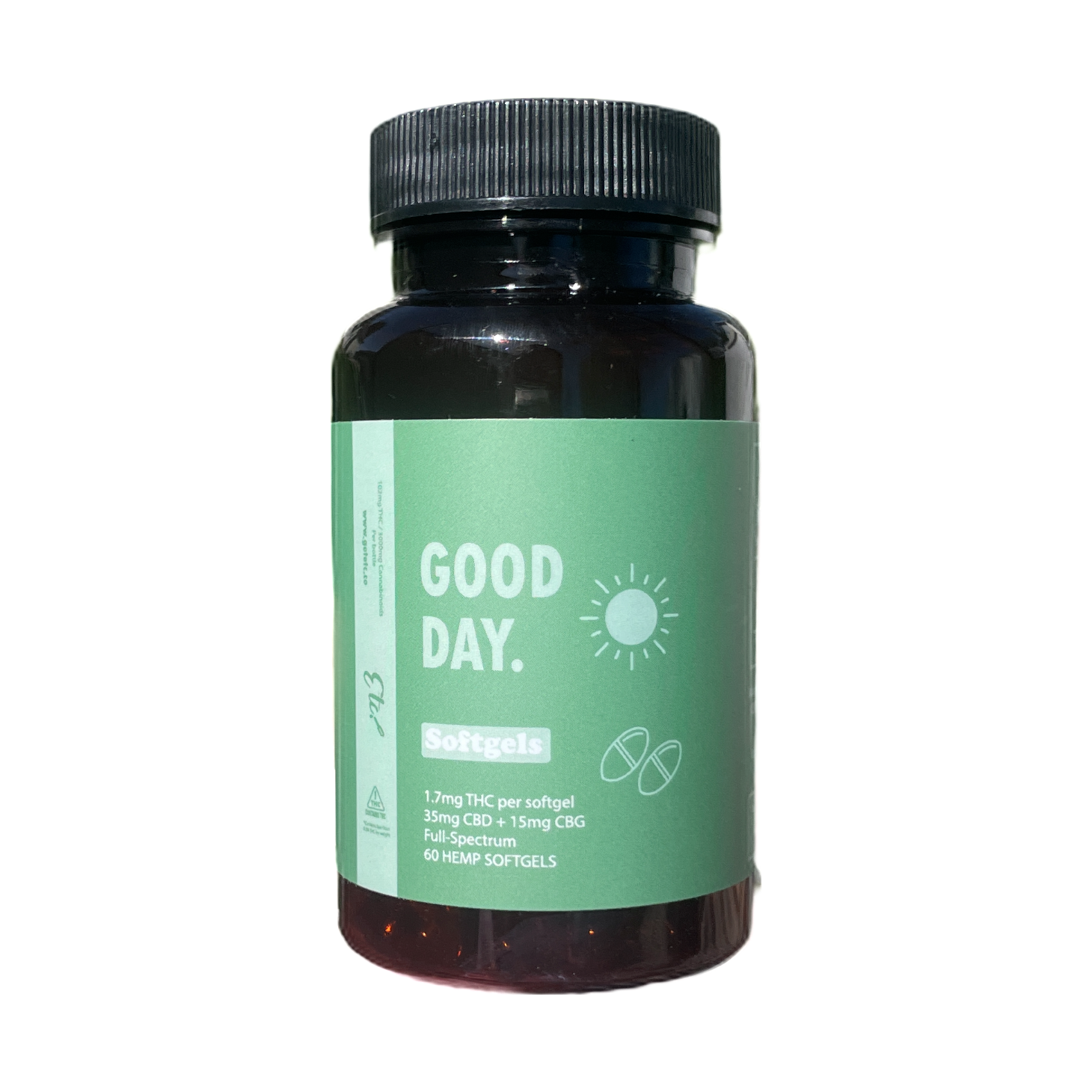
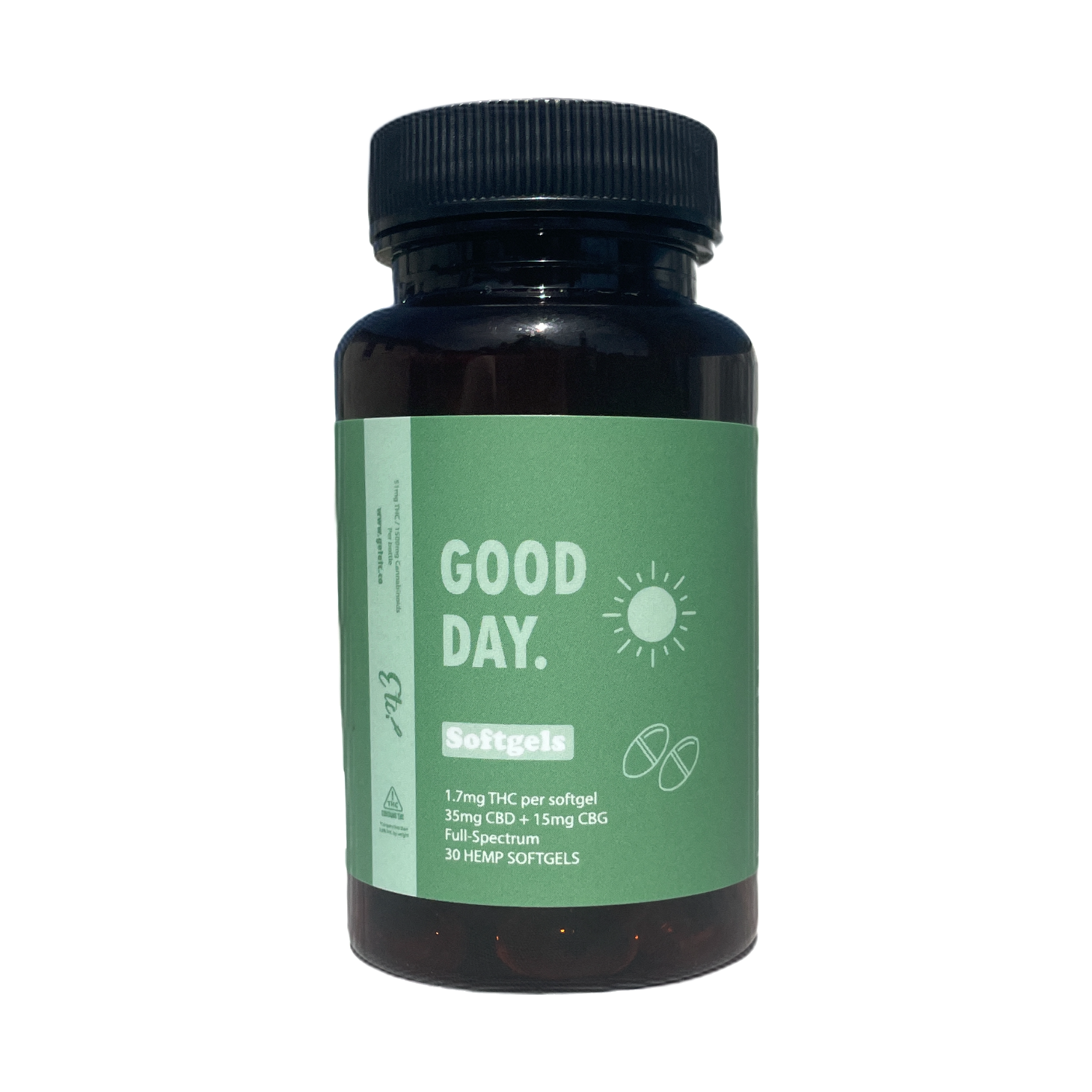
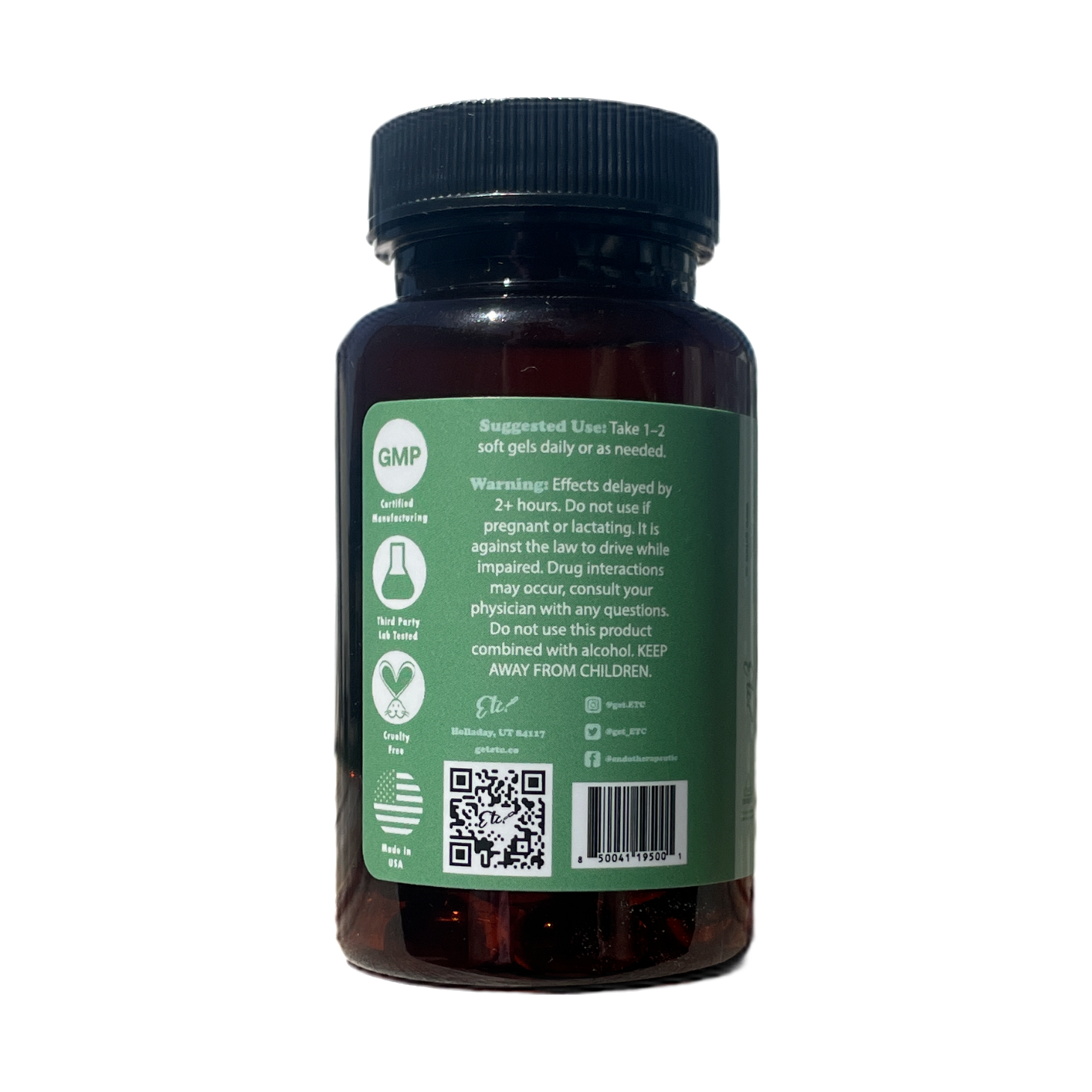
The invitation looks different for everyone. For some people it’s the lotion they smooth into their shoulders before dinner. For some it’s the softgel they take at 6 p.m. that makes 8 p.m. feel genuinely different. For some it’s the gummy that has become the small, consistent signal their body now recognizes as “we’re done for today.”
Whatever the form, the thing you’re building toward isn’t just a more comfortable evening. It’s a more present one. A more patient one. The version of yourself that your people actually get.
That’s what letting go makes room for.
Disclaimer: These statements have not been evaluated by the Food and Drug Administration. This product is not intended to diagnose, treat, cure, or prevent any disease. Consult your healthcare provider before starting any new wellness regimen.
Photo by Declan Sun on Unsplash