




Localized Relief: Why Topicals Reach What Oral Products Can't
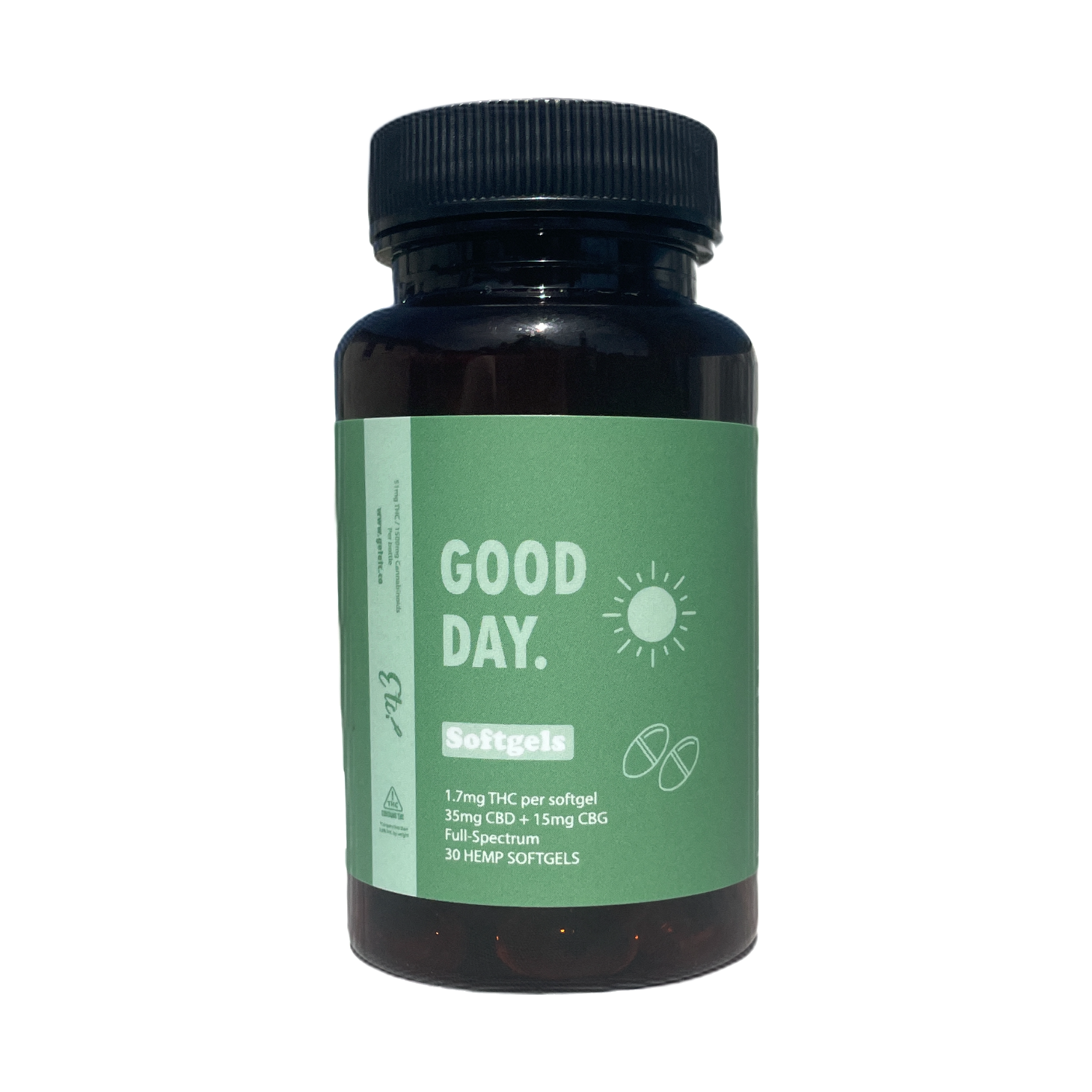
It’s 9 p.m. on a Tuesday. You’ve already taken your evening softgel, done what you’re supposed to do, and your shoulders are still sitting somewhere up near your ears. Not dramatically. Just… there. A background hum of tightness that a good day somehow didn’t shake loose.
You rub the spot yourself, absentmindedly, the way people do. And something clicks: your hands already know where to go. The question is whether what you put there can actually follow.
That’s the actual conversation about topicals. Not whether they’re “legit.” Not whether you should choose them over oral products. It’s a more practical question: what kind of support are you looking for, and what’s the most direct route to it?
The Geography of Getting There
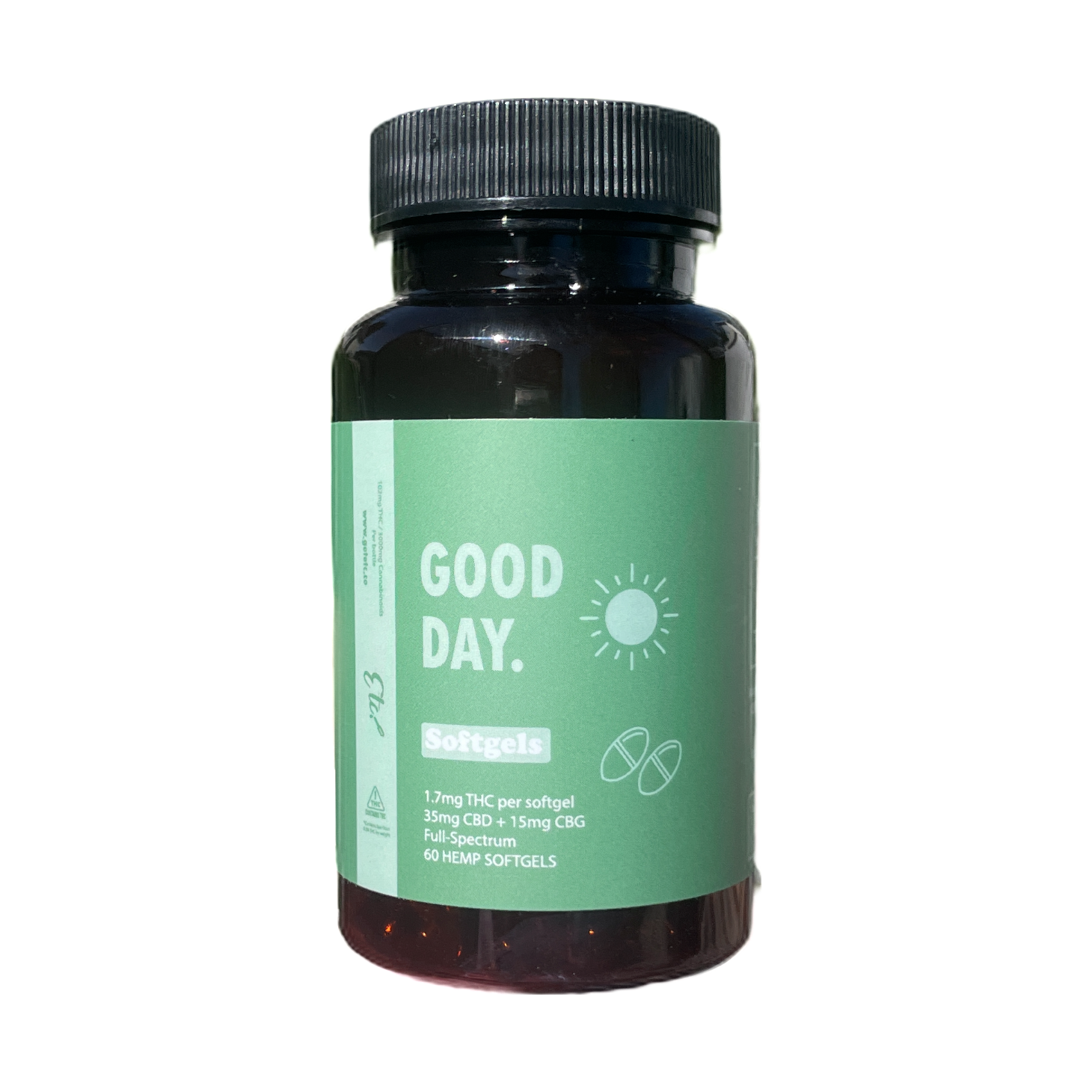
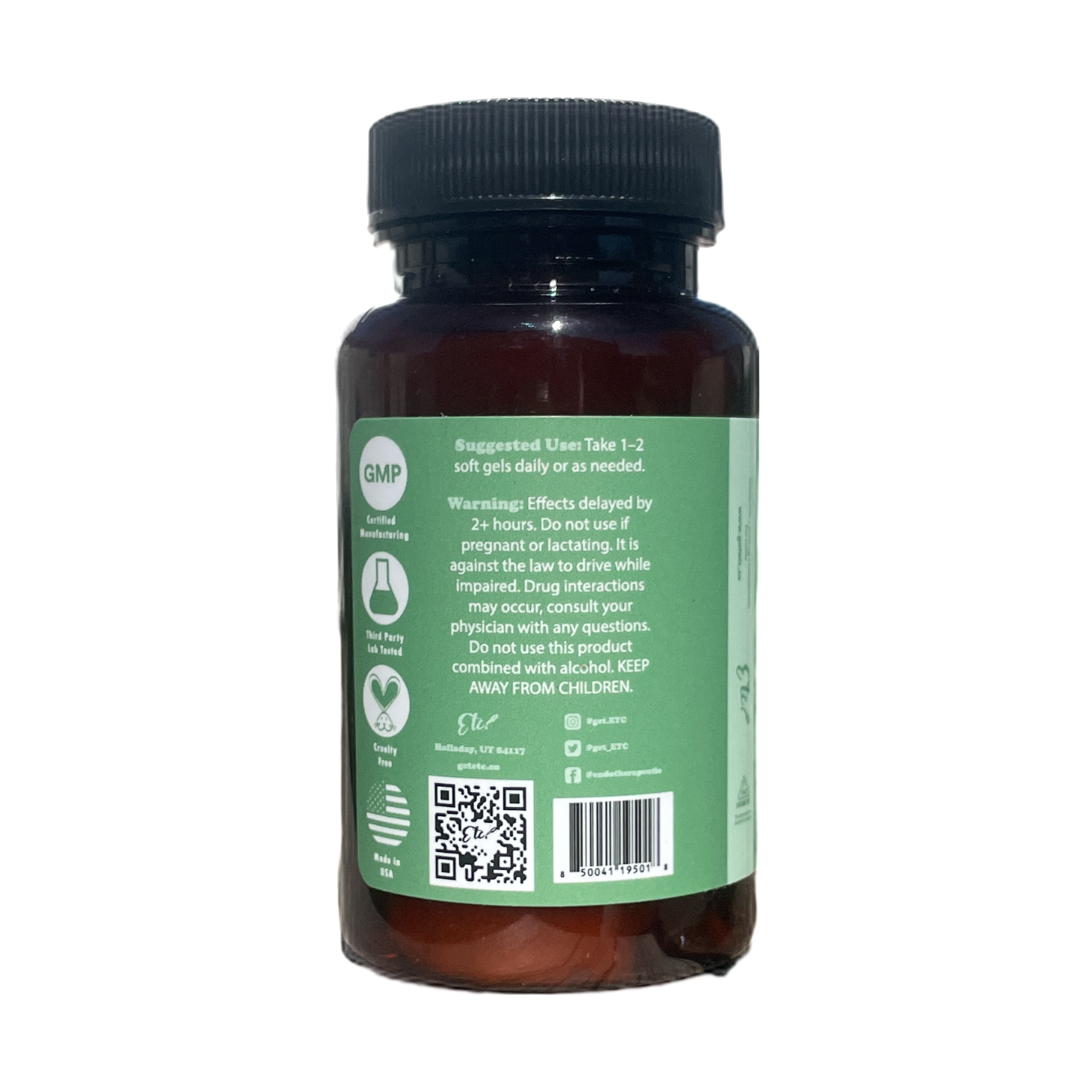
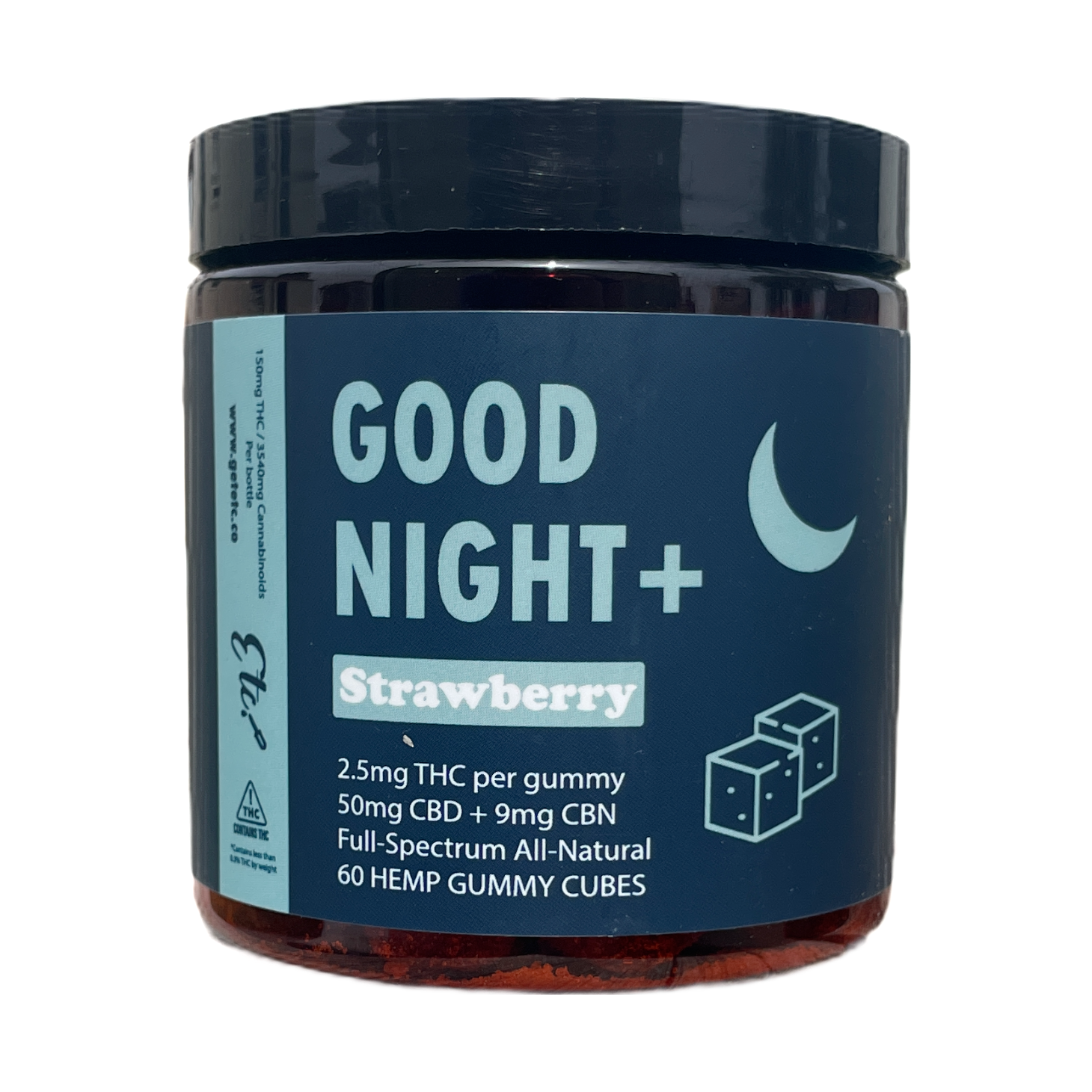
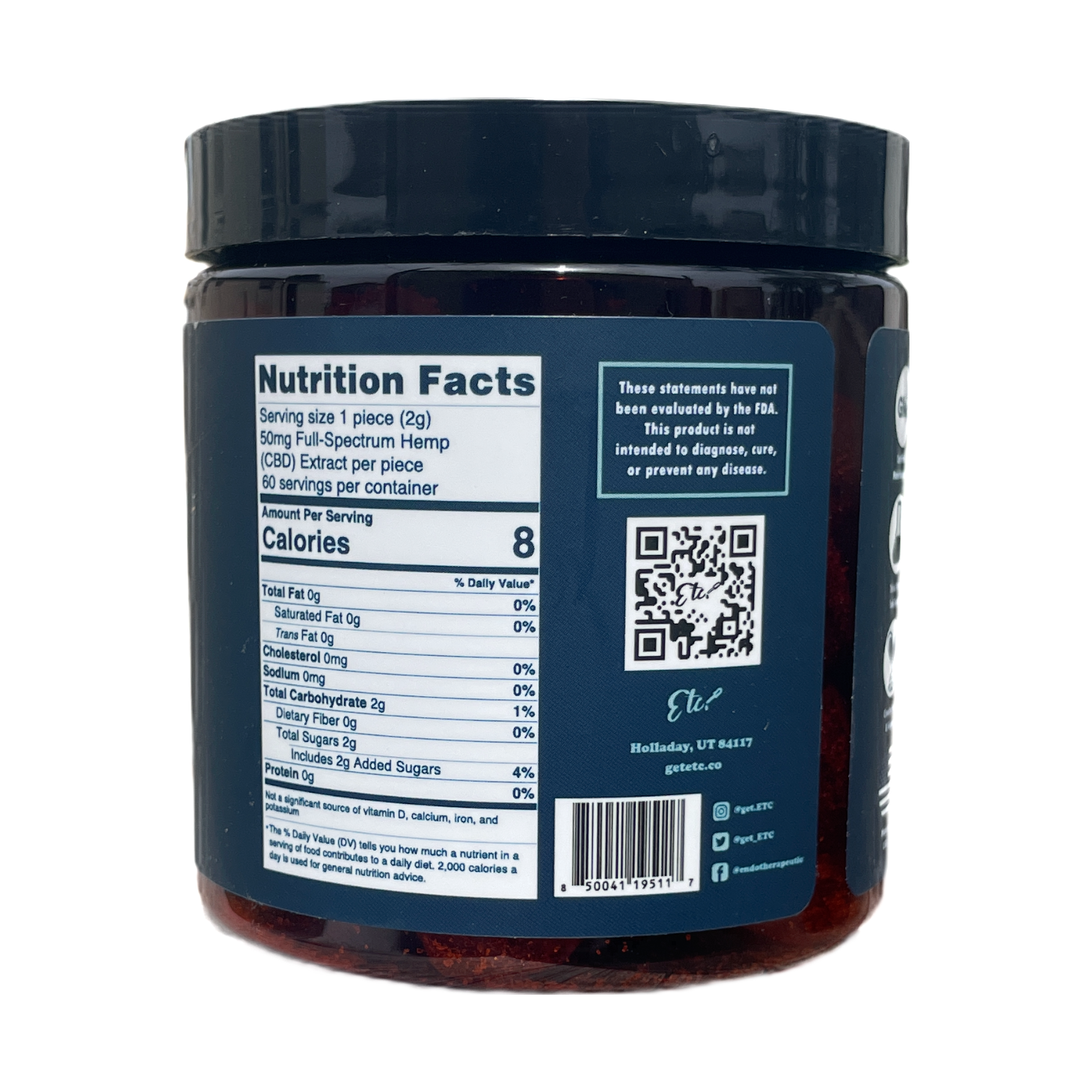
When you swallow a softgel or a gummy, the cannabinoids move through your digestive system, enter the bloodstream, and circulate. That’s a real, whole-body journey, and it works. But the route takes time, and it distributes broadly. Which is exactly what you want, most of the time.
Topicals take a different road entirely. They don’t enter the bloodstream the way oral products do. Instead, they interact with cannabinoid receptors right there in the skin and underlying tissue. Localized. Targeted. The cannabinoid doesn’t need to travel; it gets to work where you put it.
That’s not better or worse than systemic support. It’s a different tool for a different job.
Think of it the way you’d think about tools in general. A hammer and a wrench both belong in the same drawer. You don’t pick one as your permanent answer. You pick the one that fits what’s in front of you.
What Nice Cream Is Actually For
Nice Cream is a full-spectrum hemp soothing cream, and it’s built for the smaller, more precise moments: fingers that got stiff on a cold morning, knuckles after a long week at the keyboard, wrists and hands and feet. The places where you want gentle, targeted surface support without overthinking it.
It’s also just… nice to use. The texture matters. The ritual of applying something intentional to a specific spot, taking thirty seconds to actually pay attention to your own body, is part of what makes it work on a human level, not just a biochemical one.
At $44.95 for a 2oz jar, it’s a reasonable commitment. Not a throwaway. Not a luxury you’d feel strange buying twice.
What PureMotion Is Actually For
PureMotion Deep Relief Lotion is a different category of product, and the difference is worth understanding.
PureMotion contains DMSO (dimethyl sulfoxide), a compound with a well-documented ability to penetrate deeper into tissue than standard topical carriers. Most lotions sit relatively close to the surface. DMSO changes that. It carries the active ingredients further down, which is why PureMotion is the pick for muscle recovery, post-workout soreness, or the kind of deep tightness that feels less like surface tension and more like something buried underneath.
If Nice Cream is the finishing touch, PureMotion is the deeper conversation.
Some people use both, and that’s not overkill. Nice Cream for hands and surface work in the morning. PureMotion after a workout or a hard day of physical output. The two aren’t redundant; they address different depths.
Why Topicals Fit Into a Sustainable Routine
Here’s where the cost math actually works in your favor.
A jar of Nice Cream or a bottle of PureMotion is a fixed cost that stretches across weeks or months of daily use. You’re not burning through it the way you would with a daily oral supplement. Used consistently on the spots that need attention, these are genuinely low cost-per-use products. And that matters, because a wellness routine you can sustain financially is the only kind that actually sticks.
The habit piece is real too. Adding a topical to a specific moment in your day (after your morning shower, after your evening workout, before bed) creates an anchor. That anchor becomes a signal to yourself that you’re paying attention to your own body. That you’ve built a routine that isn’t aspirational, it’s actual.
That shift, from “I should probably do something about this” to “I already did something about this,” is quiet but not small. It’s one of the things people describe when they talk about feeling more in control of their own wellbeing. Not because any one product fixed everything, but because they stopped leaving themselves to chance.
Oral and Topical: Not a Competition
One of the more useful things to understand about a full-spectrum hemp routine is that oral and topical products genuinely complement each other. They’re not alternatives. They address different things through different mechanisms.
The oral products (softgels, gummies) support your whole system over time. Consistent use builds on itself. In our own 8-week observational study, participants reported steady improvement across every dimension they tracked, with mood showing the largest total gain. That’s systemic support doing what systemic support does.
Topicals are the targeted layer on top of that. Specific. Immediate. Physical.
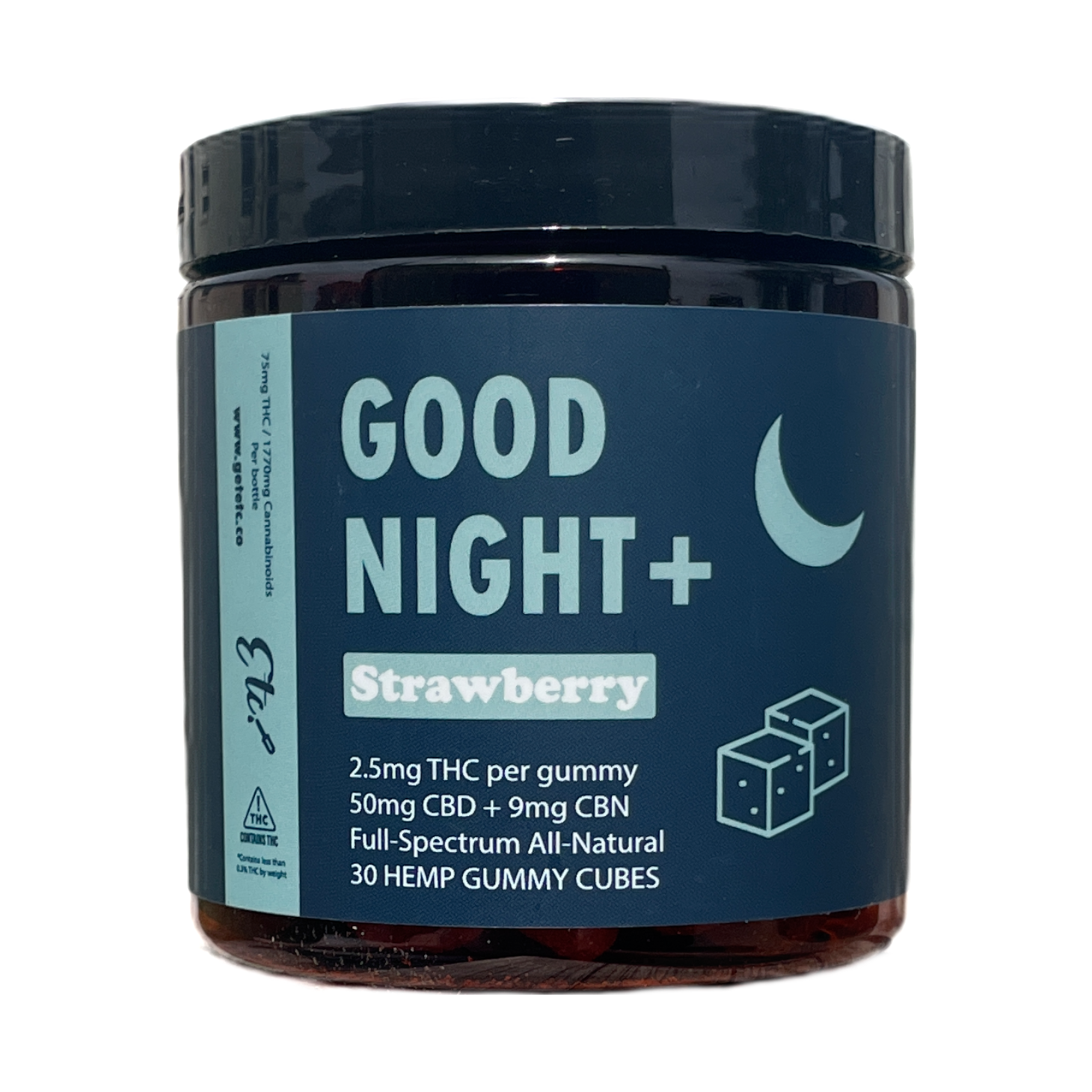
If you’ve been using Good Night softgels for a while and things feel generally better but there’s still a spot that doesn’t get the memo, that’s what topicals are for.
A Note on Full-Spectrum in Topicals
Both Nice Cream and PureMotion use full-spectrum hemp, which means you’re getting the whole profile of cannabinoids, not just CBD in isolation. That matters because the cannabinoids work together. Full-spectrum isn’t a marketing word here; it’s the reason these products carry real potency.
The products are third-party tested, with results published at reliefetc.com/pages/coa if you want to look at what’s actually in them. That’s there if you’re the kind of person who checks. No pressure either way.
What to Start With
If you’re new to topicals and not sure which one fits your life, the honest answer is to go with what your body is telling you.
Hands, wrists, feet, surface-level stuff? Nice Cream.
Muscles, deeper recovery, post-workout? PureMotion.
Both? Also a reasonable answer.
The point isn’t to have every product. The point is to stop working around the spots that need attention and start showing up for them with something that can actually meet them there.
That’s a small decision. Over time, it doesn’t feel small.
Disclaimer: These statements have not been evaluated by the Food and Drug Administration. This product is not intended to diagnose, treat, cure, or prevent any disease. Consult your healthcare provider before starting any new wellness regimen.