


Transparent Sourcing: A Holistic Approach
There’s a moment most of us have had — standing in a supplement aisle, or scrolling a product page, squinting at an ingredient list that reads like a chemistry exam. You want to make a good choice. You just can’t tell if you’re being sold something or informed about something.
That gap — between what a brand tells you and what you can actually verify — is where trust either gets built or quietly falls apart.
At ETC Wellness, we think about that gap a lot. Because the hemp wellness space has a real transparency problem, and it matters more than most people realize.
Why Transparency Isn’t Just a Marketing Word
In a lot of industries, “transparency” means posting a cheerful mission statement and hoping nobody digs deeper. In the hemp world, the stakes are higher. You’re putting something into your body. You deserve to know exactly what’s in it, where it came from, and whether the numbers on the label match what’s actually in the bottle.
Here’s the uncomfortable truth: without third-party lab testing, there’s no way to know. A product can say “500mg full-spectrum CBD” and deliver something very different. It can claim “THC-free” and contain trace amounts that show up on a drug screen. It can list impressive cannabinoid profiles with no verification whatsoever.
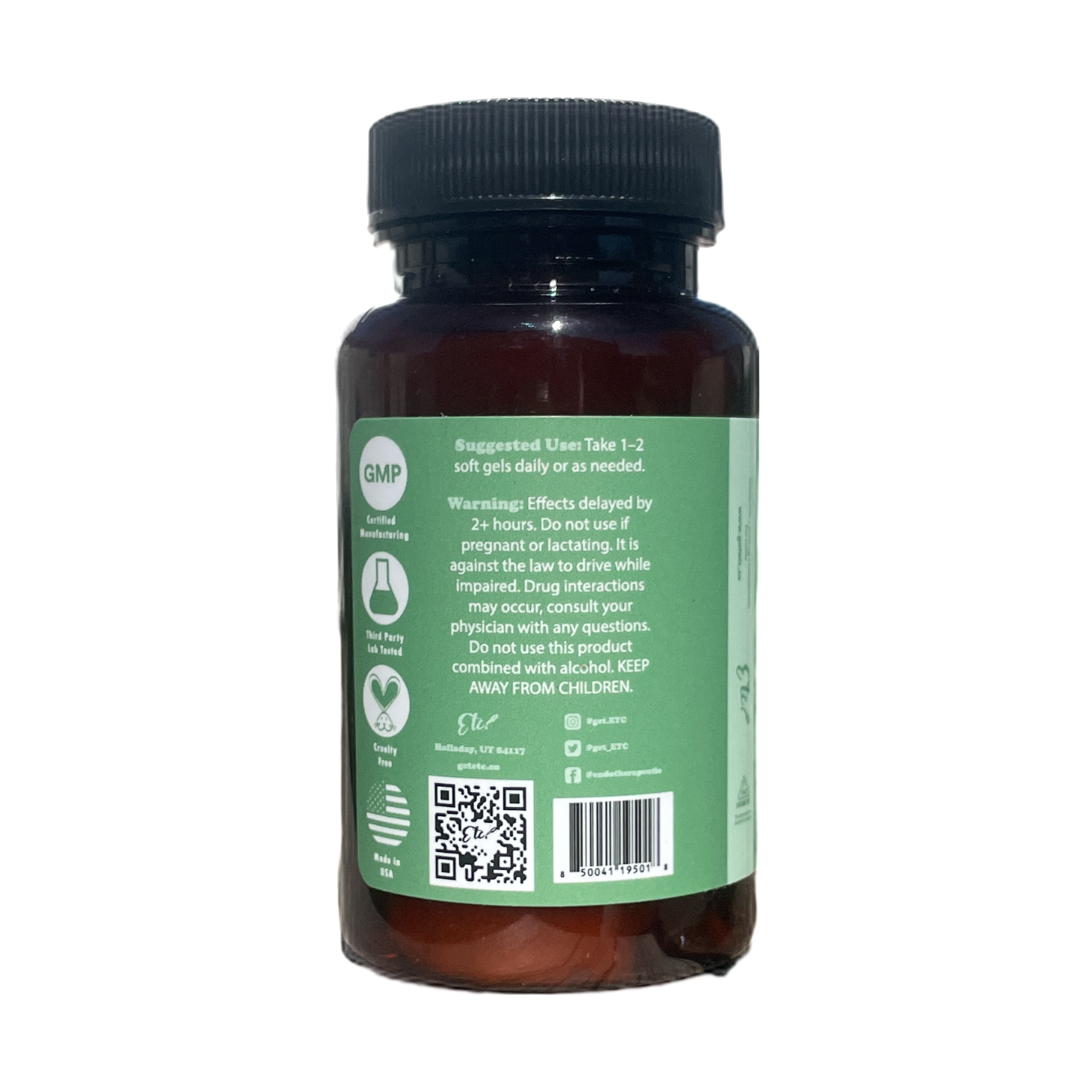
This is why ETC Wellness publishes all Certificates of Analysis (COAs) publicly at reliefetc.com/pages/coa. Every batch, every product, tested by an independent third-party lab. You don’t have to take our word for anything. You can check.
In Utah, third-party testing is required by law — so you could argue that’s table stakes. But in much of the country, it’s still voluntary. Which means when a company does it and publishes the results openly, it signals something about how they operate when nobody’s watching.
What a COA Actually Tells You
A Certificate of Analysis is a third-party lab’s independent report on a hemp product. Here’s what to look for when you read one:
Cannabinoid Panel
This shows the actual concentration of each cannabinoid — CBD, CBG, CBN, THC, and others. Compare these numbers to the label. Do they match? Are they within a reasonable range? A reputable product should be close to what’s advertised.
THC Levels
Federal law defines hemp as cannabis containing less than 0.3% THC by dry weight. The COA should confirm your product falls within that limit. This matters legally, and it matters practically — if you’re subject to employer drug screenings, even legal trace amounts of THC can accumulate with regular use. (More on that in a moment.)
Contaminant Screens
A thorough COA also tests for pesticides, heavy metals, microbials, and residual solvents. You want to see “ND” (not detected) or results below safety thresholds on all of these. If a brand’s COA only shows cannabinoid content and nothing else, that’s worth noting.
Batch Numbers
Every COA should include a batch or lot number that matches the product you’re holding. This is how you confirm the test was done on your actual product, not some idealized sample from six months ago.
The Drug Test Question Nobody Wants to Skip
This is the transparency conversation people sometimes wish they didn’t have to have. But here it is: if you use full-spectrum hemp products regularly, there is a real possibility you could trigger a positive result on an employer drug screen.
ETC products contain less than 0.3% THC — the legal limit. They’re not designed to be intoxicating, and most people don’t experience them that way. But THC metabolites can accumulate with consistent use, and standard drug tests don’t distinguish between trace hemp amounts and recreational use.
If your employer tests for THC, check your company’s policy before starting a hemp wellness routine. That’s not a disclaimer buried in fine print — it’s something we say upfront, because it’s the kind of thing you actually need to know.
Transparency means telling people the things they might not want to hear, not just the things that sell product.
Full-Spectrum Sourcing: Why the Whole Plant Matters
ETC products are full-spectrum, meaning they contain the complete range of naturally occurring cannabinoids from the hemp plant — not just isolated CBD. Hemp contains at least 113 known compounds, and there’s a well-documented phenomenon called the entourage effect: these compounds work together synergistically, producing results that isolated cannabinoids alone don’t replicate as effectively.
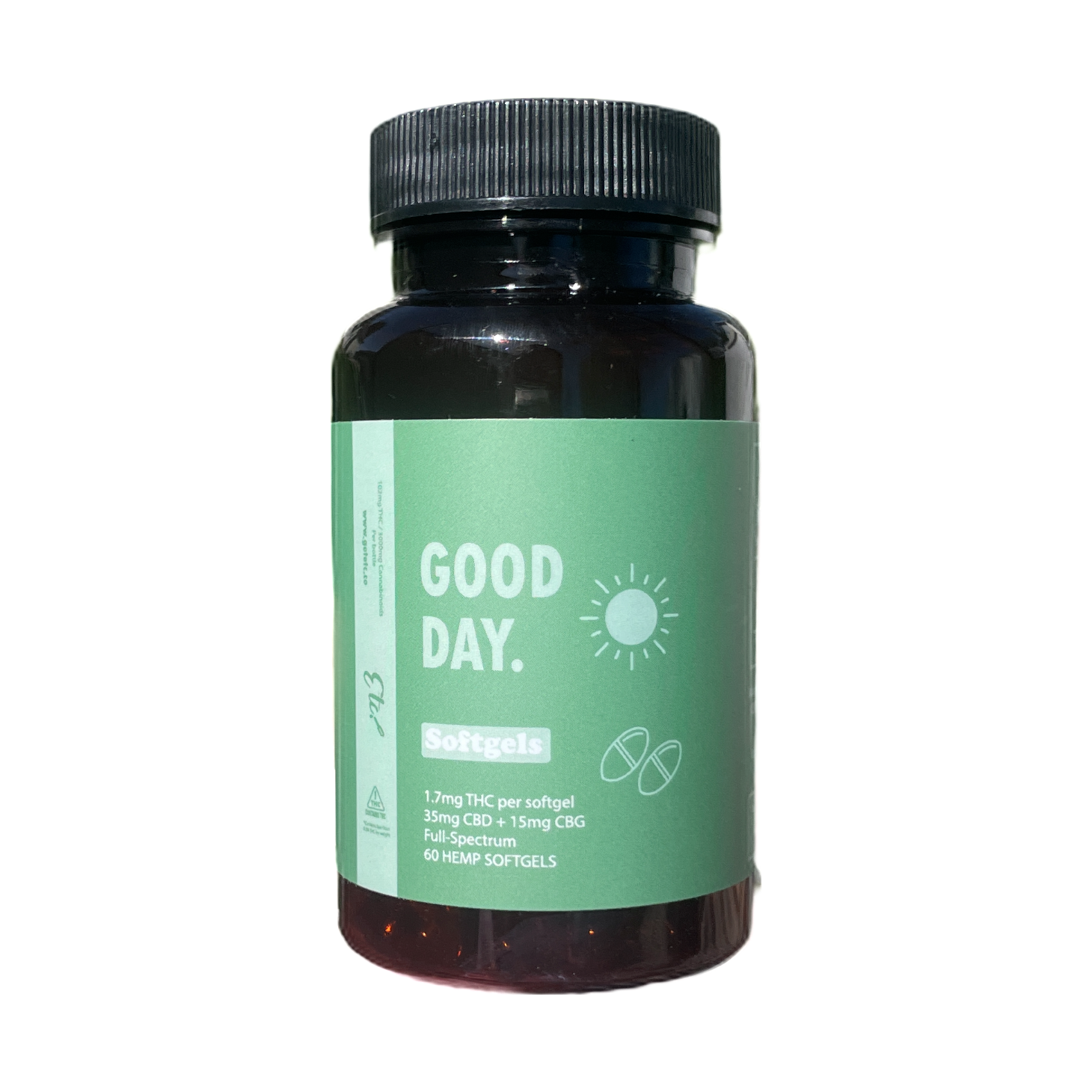
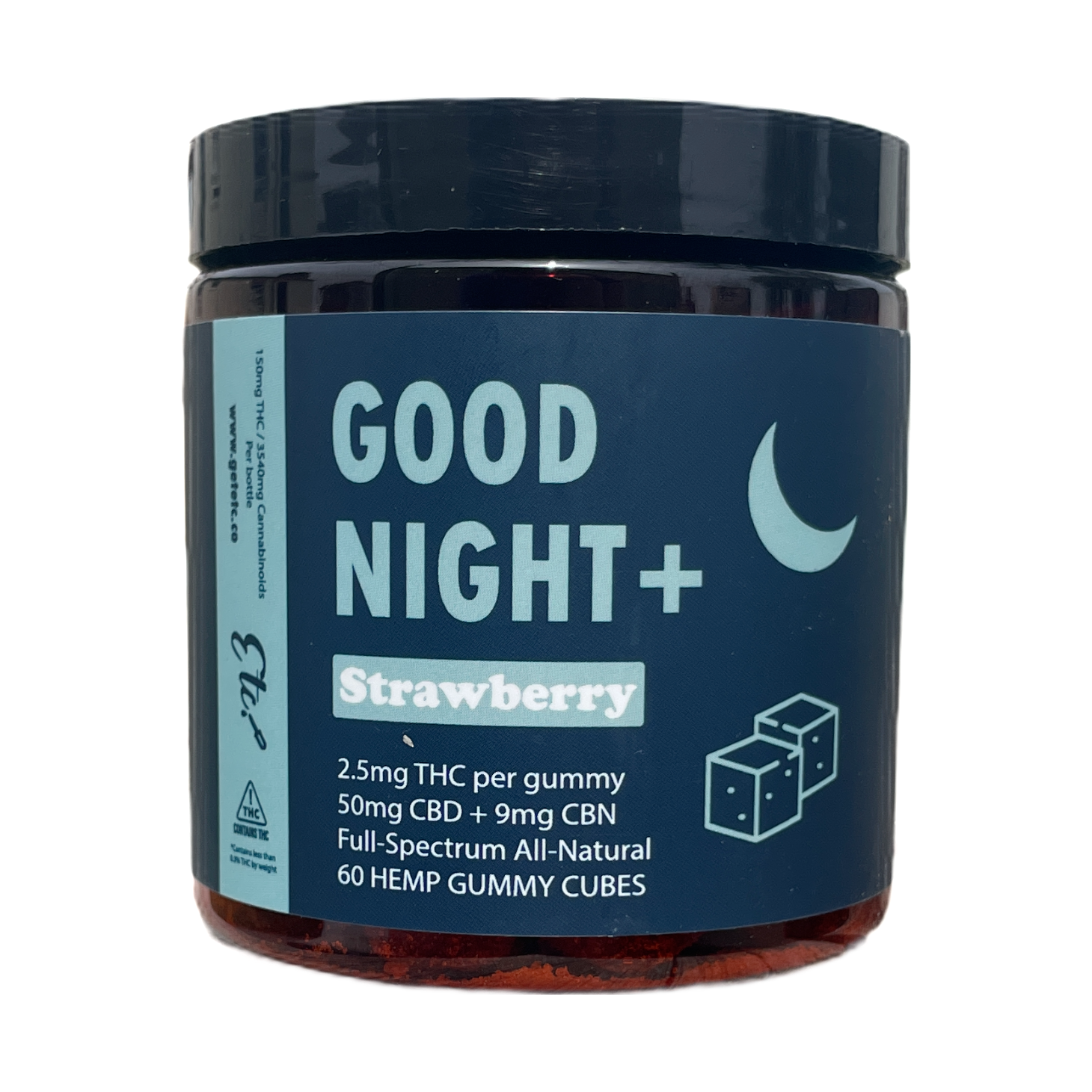
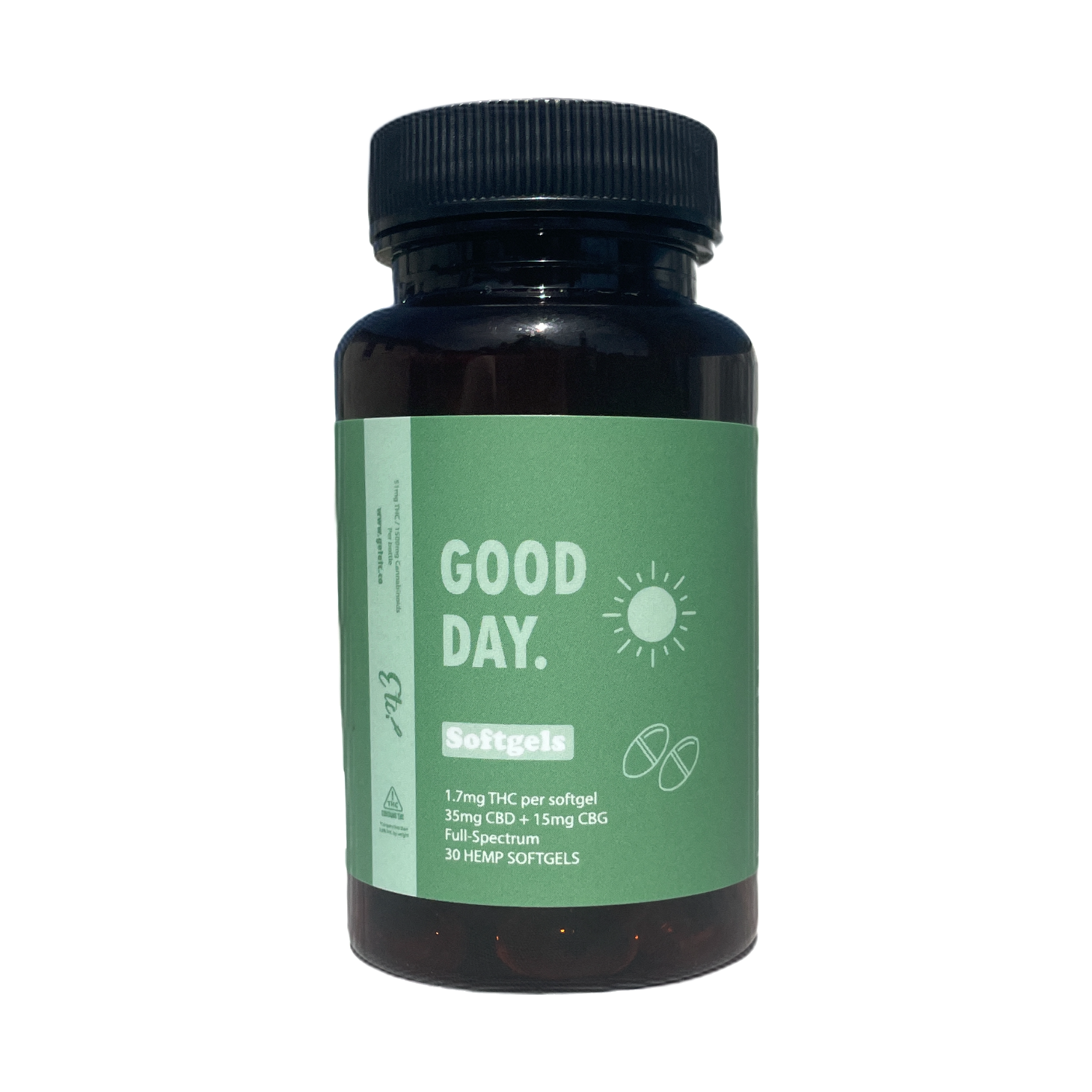
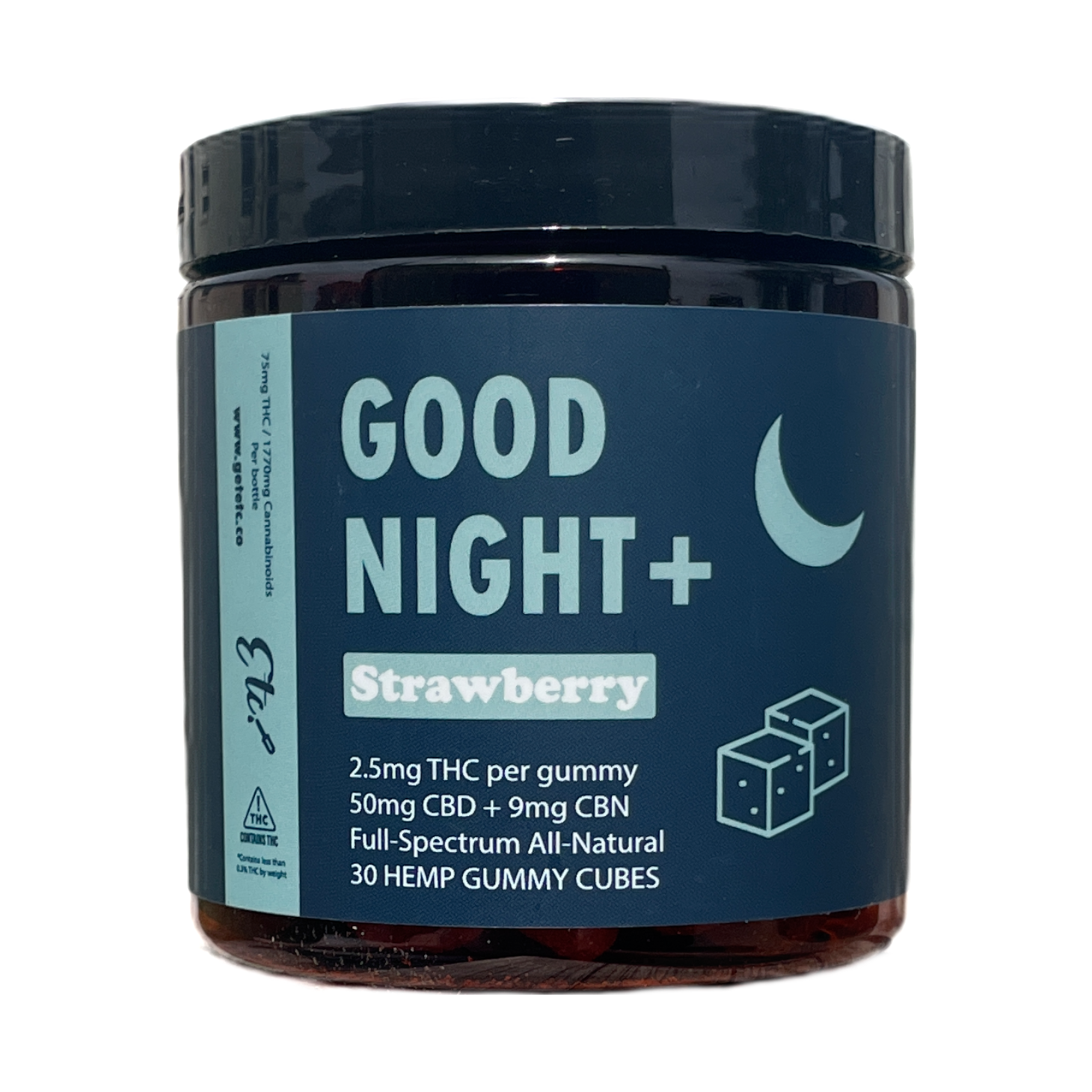
The Good Day line is built on a full-spectrum base with boosted CBG, a cannabinoid associated with daytime focus and balance. The Good Night line uses the same base with boosted CBN, which has been linked to evening wind-down and sleep support. In our own 8-week observational study, participants reported an average 30% overall improvement in how they felt — with sleep being the first thing most people noticed.
That kind of sourcing decision — using the full plant, balancing the cannabinoid profile intentionally, publishing the results — reflects a philosophy. You’re not getting a product that was engineered to look impressive on a label. You’re getting something that was built to actually work, backed by data you can see.
If you’re curious about the daytime formula, the Good Day collection is a good place to start.
Transparency as a Practice, Not a Feature
Here’s where this connects to something bigger than supplement labels.
When you can trust what you’re putting in your body, something subtle shifts. You stop second-guessing. You stop waiting for the other shoe to drop. You can just… get on with it.
That might sound like a small thing. But think about the mental overhead of chronic uncertainty — whether it’s about the products you use, the food you eat, the information you consume. Every unverified claim, every murky ingredient list, every brand that deflects rather than answers — it adds up. It takes up space that could be used for something else.
Verified wellness routines have a compounding effect. Not just physiologically, but psychologically. When you know what you’re doing and why, and you have the evidence to back it up, you show up differently. More present. More patient. More available to the people and moments that actually matter.
That’s the real payoff of transparent sourcing. Not just clean ingredients — but a kind of quiet confidence that lets you get out of your own head and back into your life.
If you want to see what that looks like in practice — the lab results, the cannabinoid panels, the batch numbers — everything is at reliefetc.com/pages/coa. No login required. No email gate. Just the data.
Relief, verified.
Disclaimer: These statements have not been evaluated by the Food and Drug Administration. This product is not intended to diagnose, treat, cure, or prevent any disease. Consult your healthcare provider before starting any new wellness regimen.
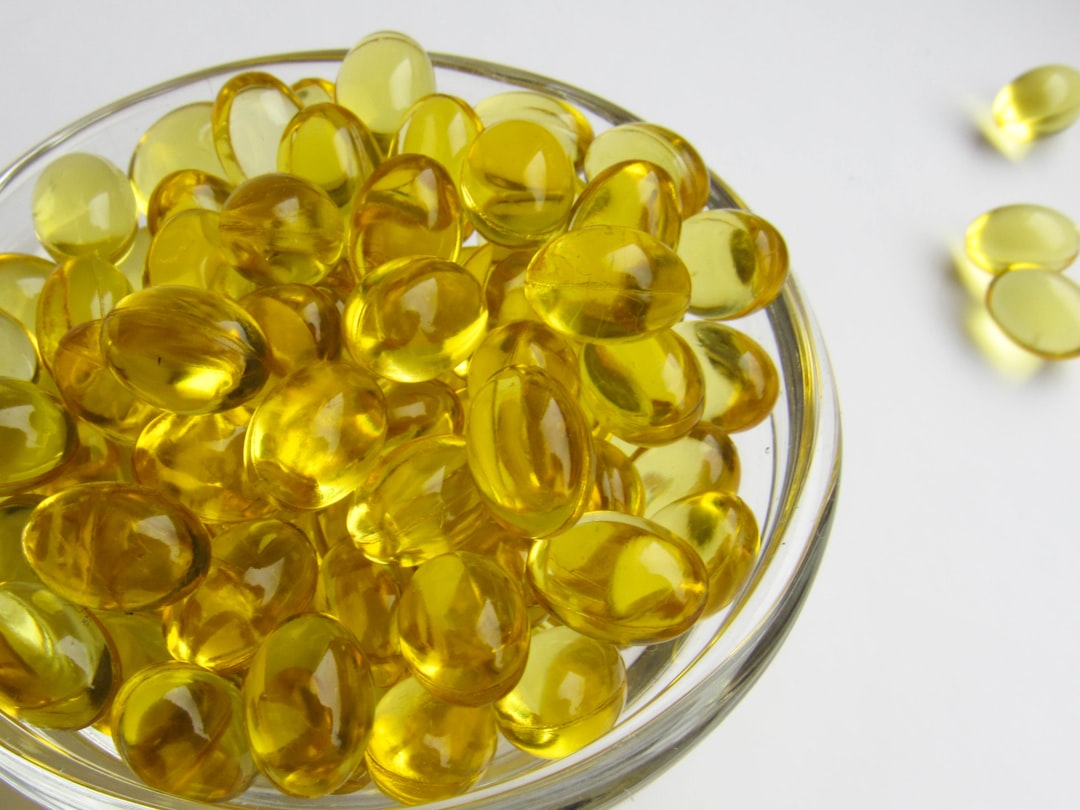
Photo by EqualStock on Unsplash