




The 20 minute mark is where most people give up
Most people don’t give up on hemp wellness because it doesn’t work.
They give up at minute 22.
They took it, they waited, they stared at the clock, and somewhere between “I should feel something by now” and “this is probably a waste of money,” they decided it wasn’t for them. They poured the rest of the gummies in the trash or shoved the bottle to the back of a drawer where it would become a small, silent argument they’d never revisit.
That’s not a product failure. That’s a timing misunderstanding — and it’s one of the most common ones in wellness.
What’s actually happening in your body
When you take a hemp softgel or a gummy, it doesn’t bypass your digestive system. It goes through it. That means it has to survive your stomach, get absorbed through your small intestine, pass through your liver, and enter your bloodstream before it can do anything you’d notice.
That takes time. Not a lot of time, but more time than most of us are comfortable waiting.
The honest range for onset is 30 to 90 minutes. Some people feel something in 45. Some don’t hit full effect for close to two hours. Both of those are completely normal. Neither of those are failures.
The 20-minute check-in that so many first-time users do (you know you’ve done it — sitting very still, waiting to feel something) is actually the most dangerous moment in the whole process. Because nothing has happened yet, and nothing should have happened yet.
Why we’re so bad at waiting
There’s a real irony here. The people most likely to try hemp wellness products are often exactly the people least equipped to wait patiently for anything. High-achievers, driven professionals, people who have tried everything, people who want results and want to know whether something works so they can decide and move on.
That urgency is understandable. But it maps very poorly onto how the body actually operates.
Your endocannabinoid system — the network of receptors your body uses to maintain balance across mood, sleep, energy, and stress — doesn’t respond to a single dose the way caffeine does. It responds to signals over time, and it responds more clearly when those signals are consistent.
This is why the most useful framing isn’t “did I feel it today?” It’s “do I feel different this week than I did last week?”
The study result most people miss
In ETC’s own 8-week observational study, participants reported measurable improvements across every dimension tracked — sleep, mood, energy, and overall wellbeing — with a 30% average improvement by the end of week eight.
Here’s the part worth sitting with: the improvements were consistent and gradual, week over week. Not a spike on day one. Not a dramatic shift after a single dose. A slow, reliable accumulation of effect that compounded into something participants could actually feel and point to.
That’s not a flaw in the data. That’s how this works.
If you stopped at day three because you weren’t sure you felt anything, you stepped off the escalator before it got moving.
A practical walkthrough for your first two weeks
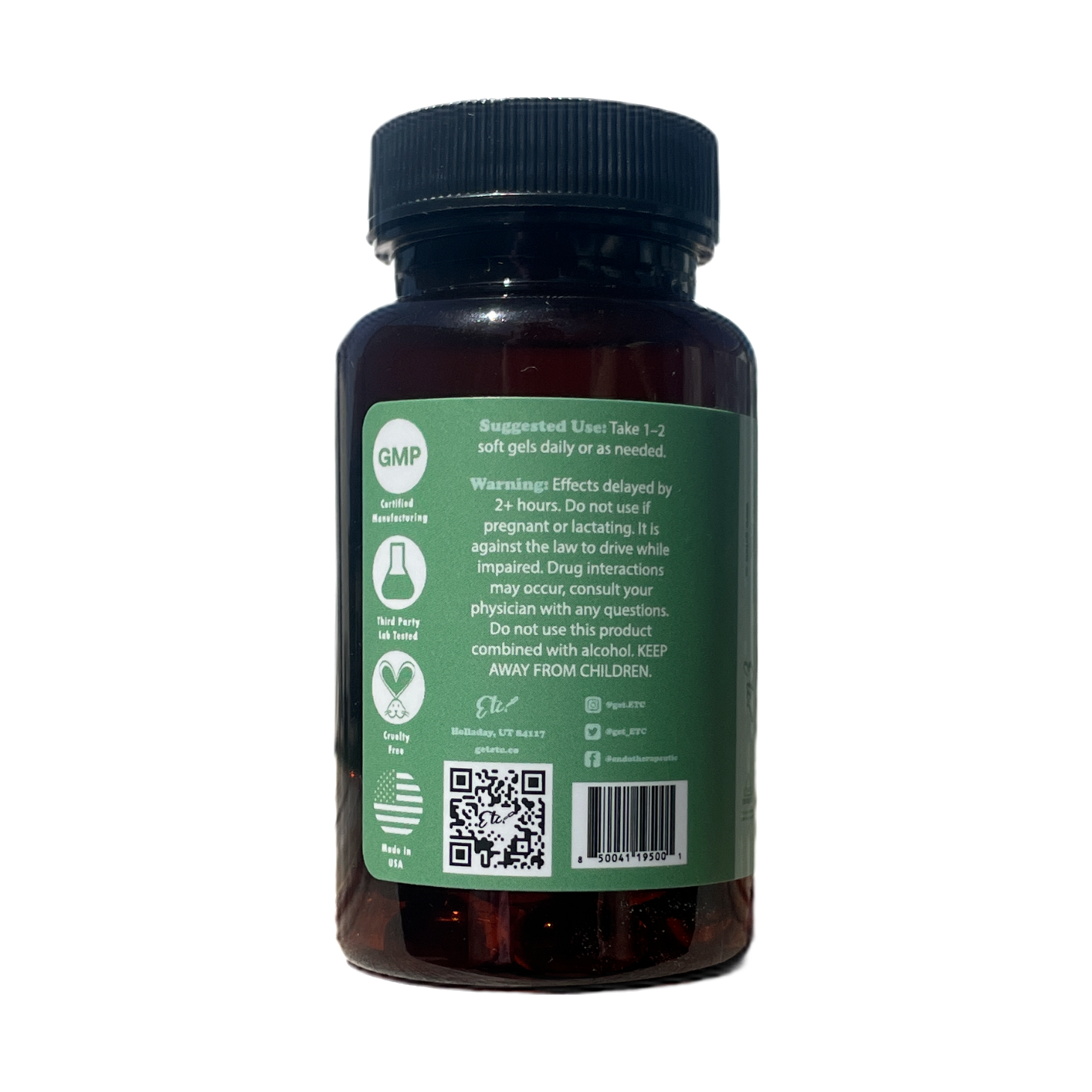
Week one: Start with the lowest recommended serving. Take it at the same time each day. Don’t evaluate it during the first 20 minutes — go do something else. Drink a glass of water. Walk around. Don’t sit and wait. Let the clock do its job without your anxious attention on it.
If you take a larger first dose, the knowledge base is blunt about this: set aside four to six hours, don’t drive, and don’t sign anything important. That’s rare but real advice worth knowing going in.
The first week: Most people notice something within the first seven days. For some it’s sleep quality. For others it’s the absence of something — a tension that isn’t there the way it used to be, an evening that felt less heavy than usual. These first signals are subtle. They’re easy to miss if you’re looking for drama instead of noticing what’s different.
The first month: Some people don’t notice the full shape of the change until they’ve been consistent for closer to four weeks. If you’re someone who takes a month, that’s not a character flaw. That’s just your endocannabinoid system operating on its own timeline, not yours.
The trust piece
Here’s where transparency earns its keep. Not because it makes you feel warm about a brand, but because knowing what’s in your product and understanding how it works means you don’t have to guess whether something is going wrong or whether the clock just hasn’t run out.
When you can look up third-party lab results, check the cannabinoid breakdown, and confirm that what’s on the label is in the product, you can stop spending mental energy on “is this even real?” and redirect it toward actually giving the experience a fair shot.
That trust isn’t just reassurance. It’s permission to wait. When you trust what you took, the waiting becomes easier.
You can find COA documentation for every ETC product at reliefetc.com/pages/coa — not buried, not behind a form, just there.
Showing up differently
The real payoff of dosing patience isn’t pharmaceutical. It’s what happens when you stop bracing and start noticing.
When you give a wellness routine enough time to actually work, you start showing up differently in ways that compound. A week where you sleep more deeply is a week where you’re sharper, more patient with your kids, less reactive in a meeting that would have set you off. An evening where you wind down instead of white-knuckling through your to-do list is an evening you actually get back.
That’s what this is pointing toward — not a dramatic transformation, but a quiet accumulation of days that feel more like yours.
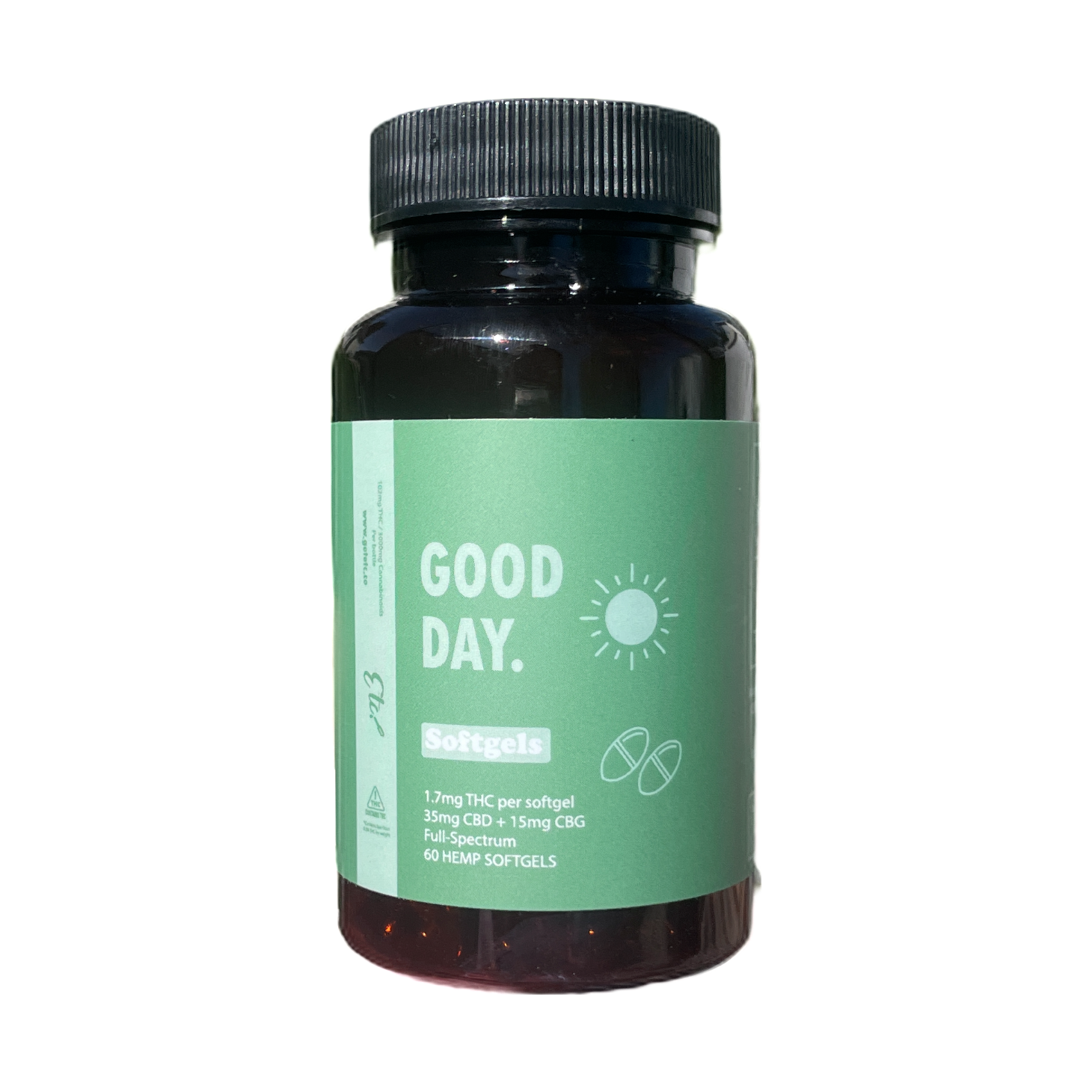
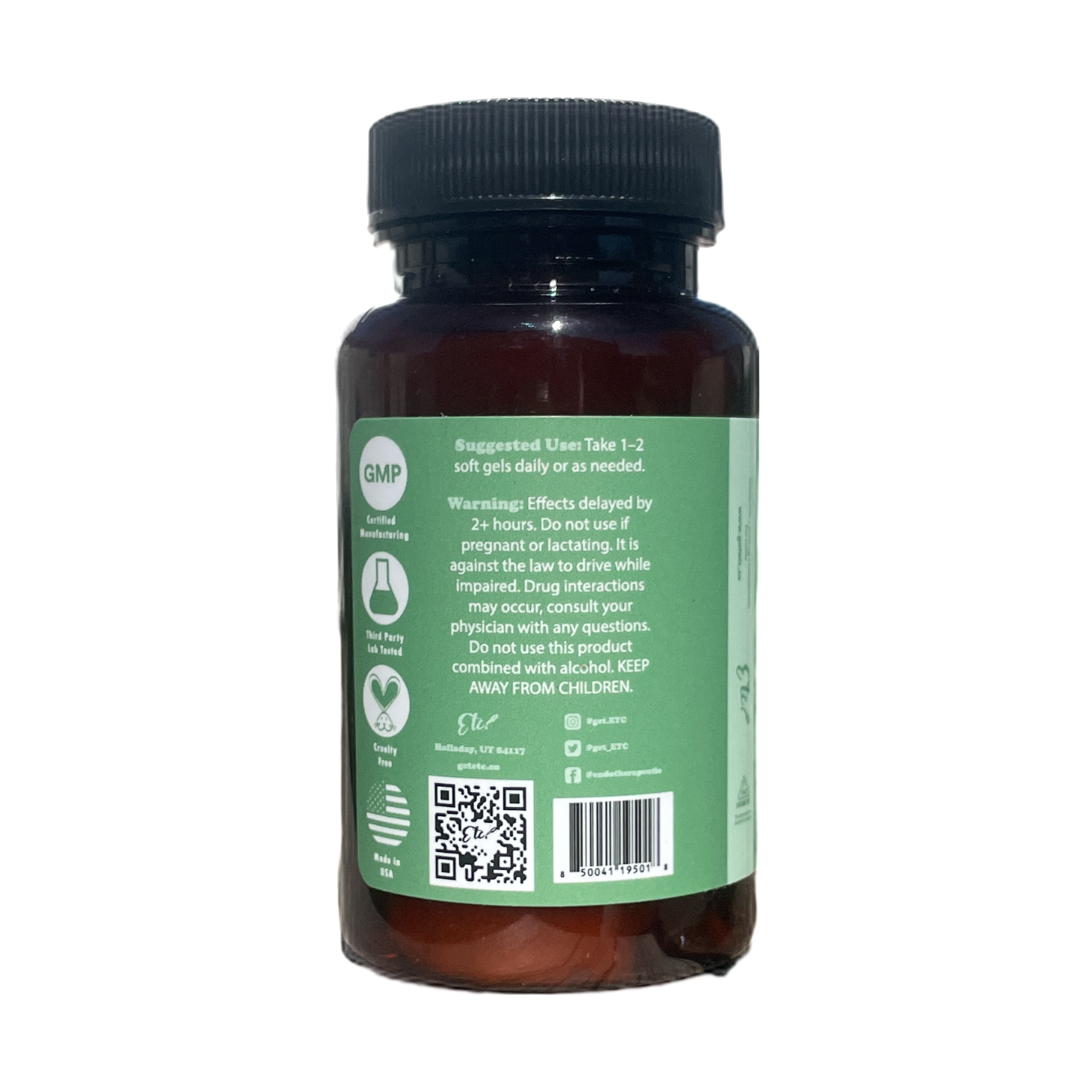
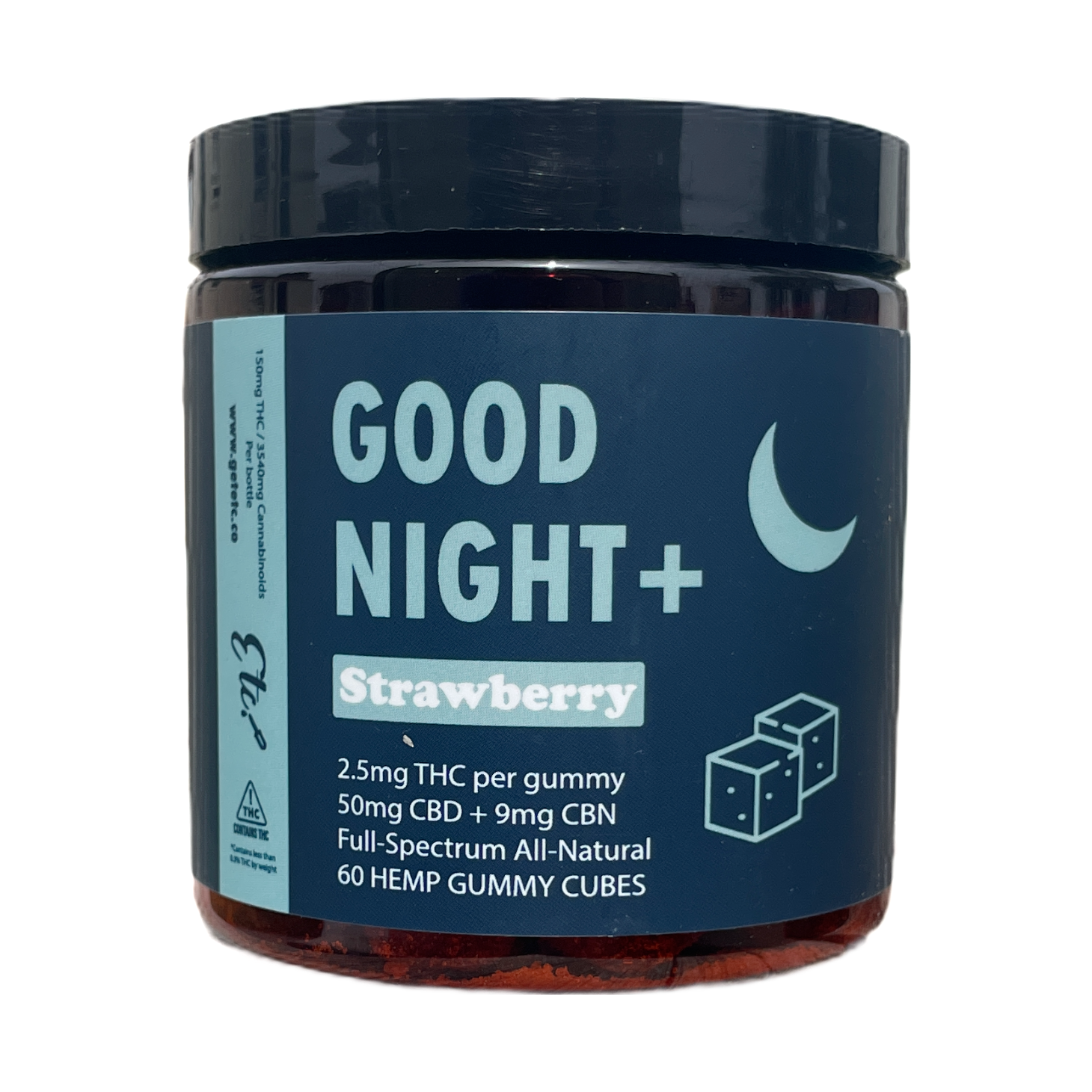
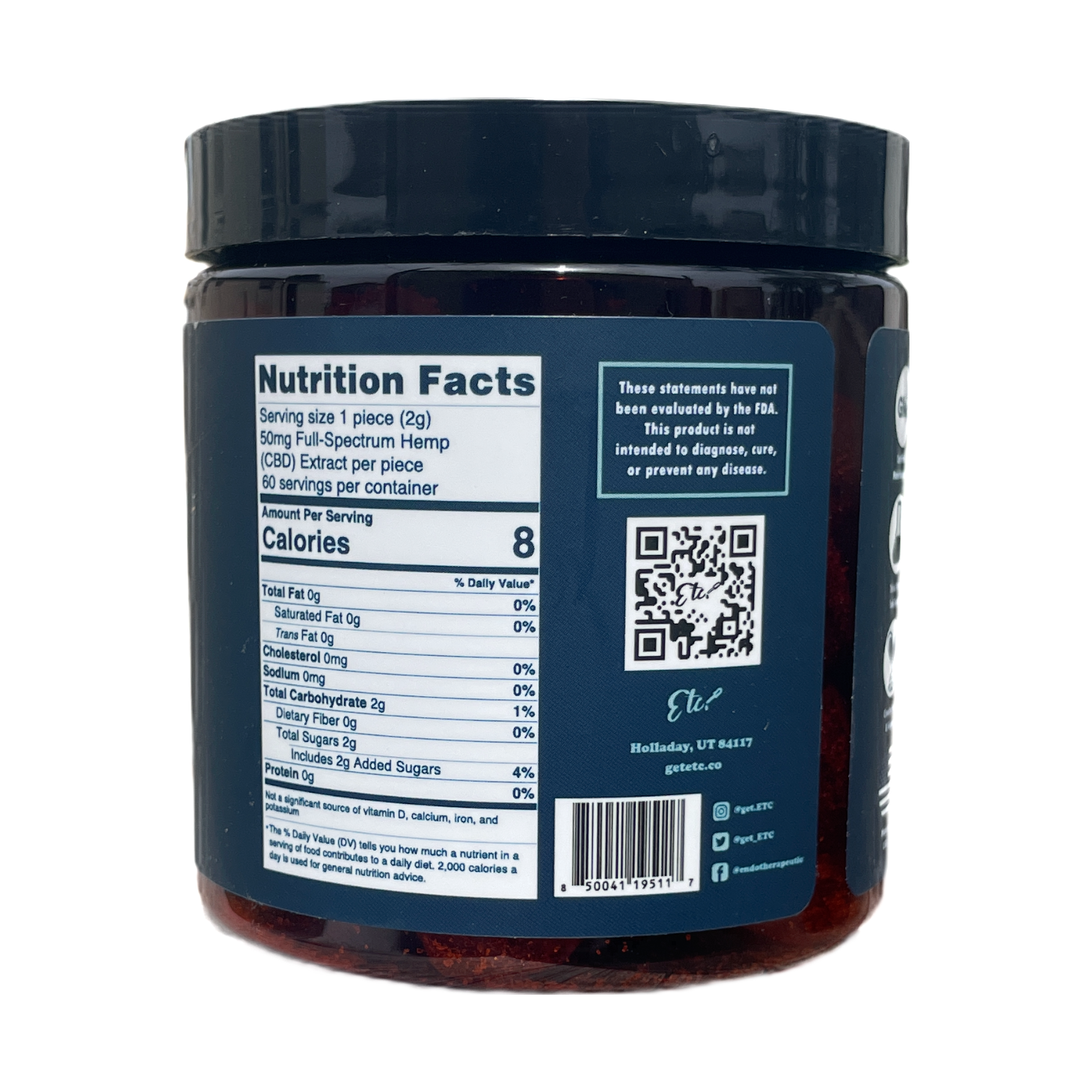
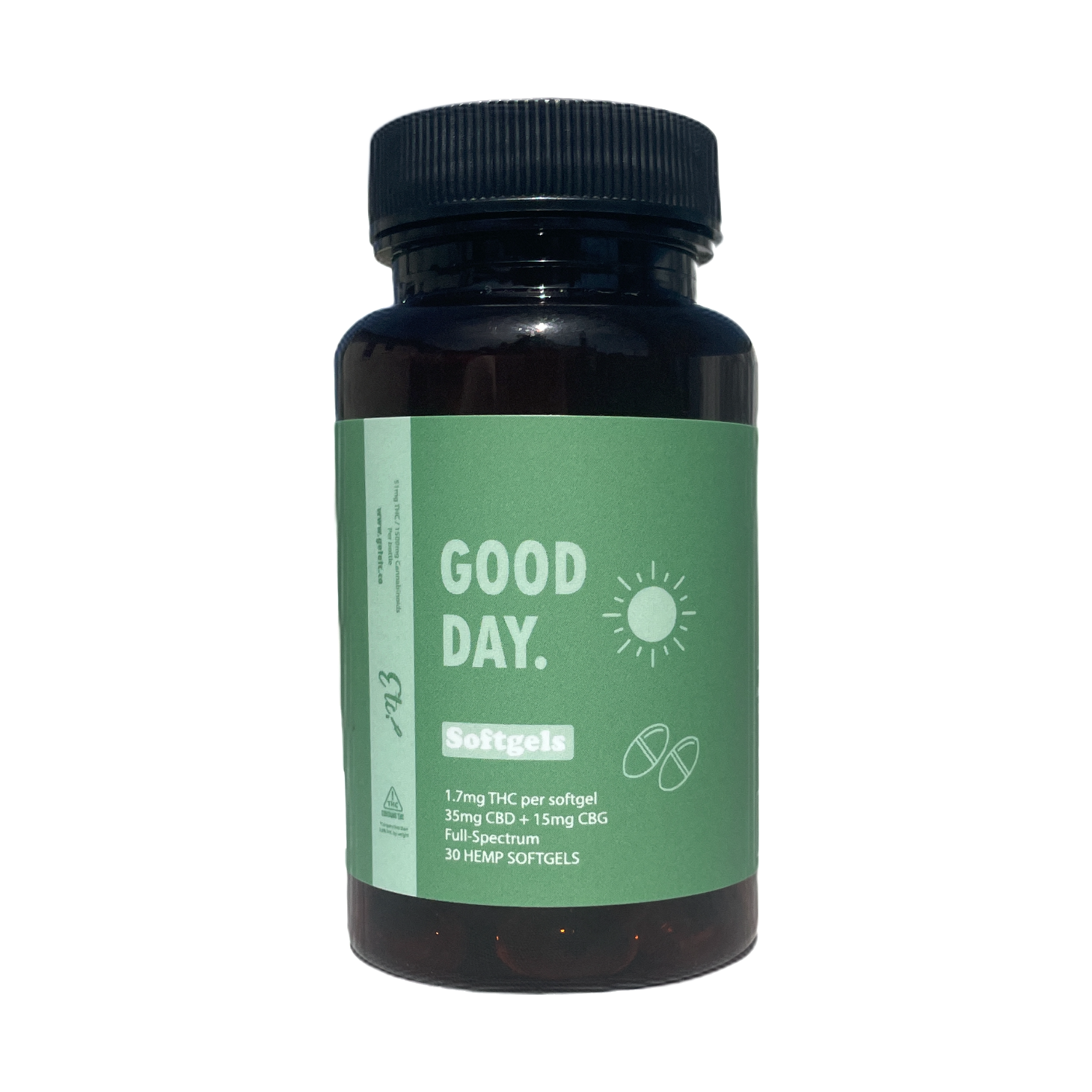
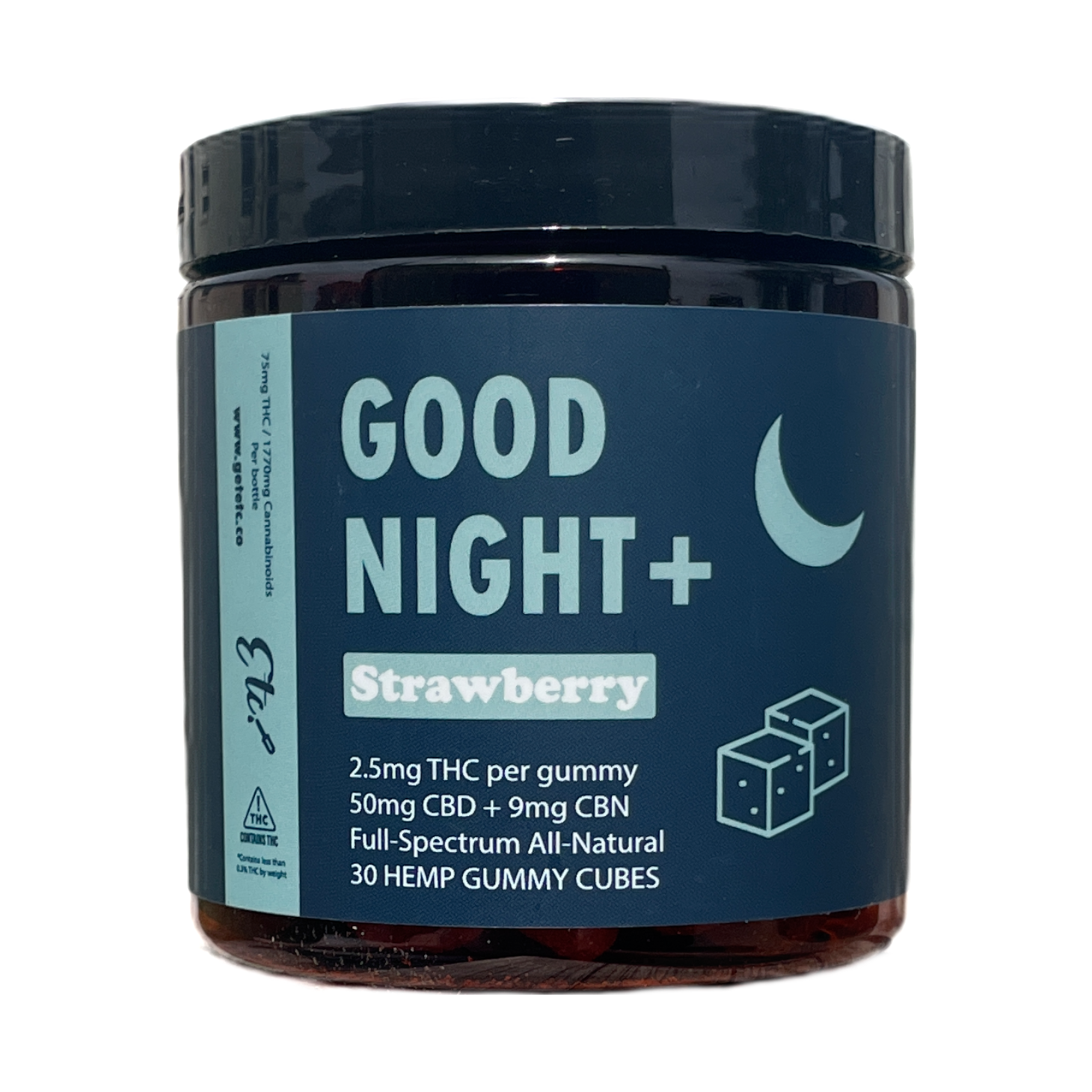
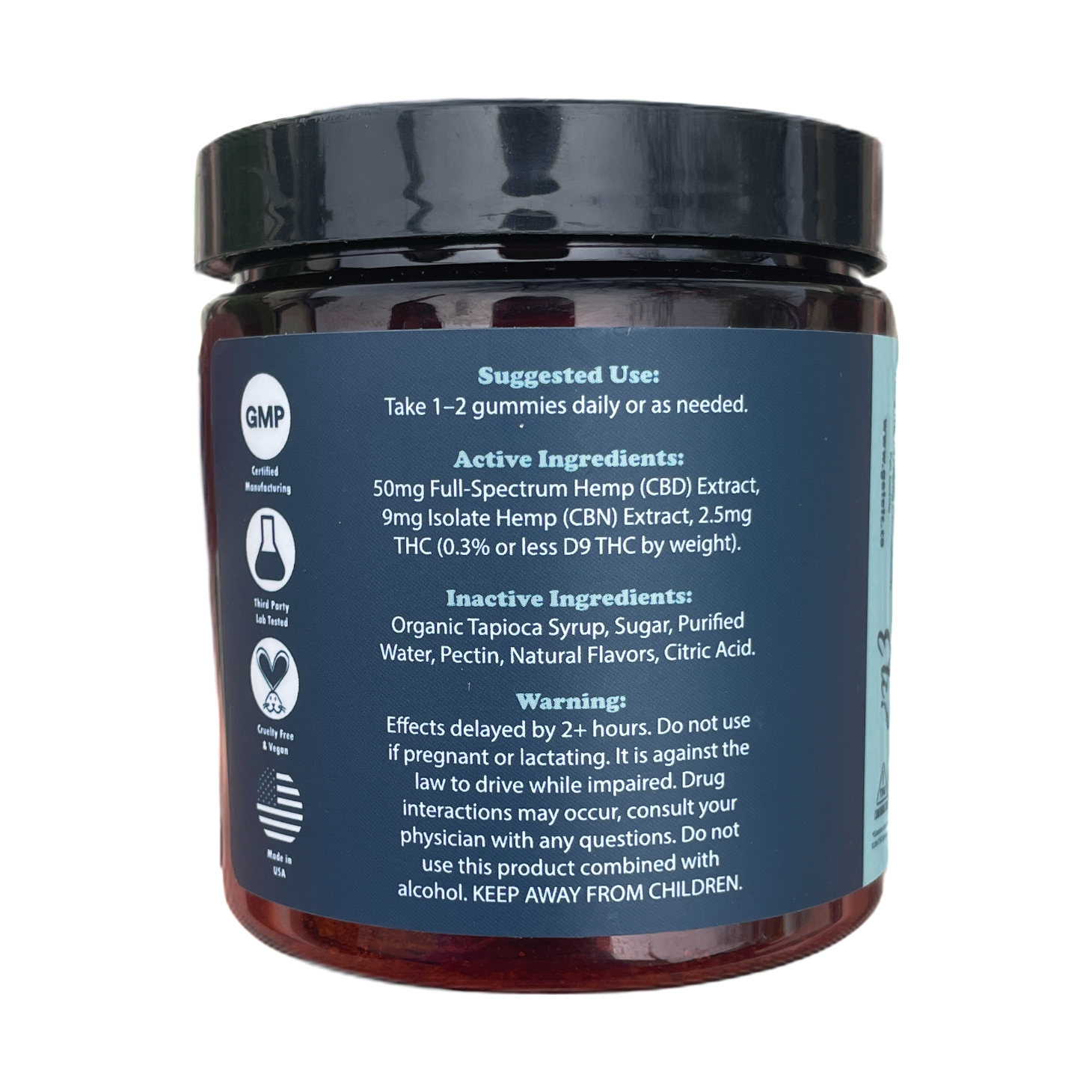
If you want to start with something formulated for daytime balance and focus, Good Day is a natural place to begin. If evenings are where you want to start, Good Night was built for exactly that.
Either way: take it, set the timer, and go do something else.
Minute 20 is not the finish line. It’s barely the starting pistol.
Disclaimer: These statements have not been evaluated by the Food and Drug Administration. This product is not intended to diagnose, treat, cure, or prevent any disease. Consult your healthcare provider before starting any new wellness regimen.