



FDA Guidelines for CBD Safety Standards: A Practical Guide
There’s a version of shopping for hemp wellness products that goes something like this: you read the label, the label sounds reasonable, you buy the thing, and you hope for the best.
That approach works fine for most consumer goods. A bad candle won’t hurt you. A sketchy protein powder might taste weird. But when something is going into your body — something that interacts with your endocannabinoid system, something that could affect how you feel, sleep, or move through your day — “hope for the best” isn’t really a strategy.
This is where third-party lab testing comes in. And once you understand what it actually means, you’ll never look at a hemp product the same way again.
Why Third-Party Testing Exists in the First Place
The hemp wellness industry occupies an interesting regulatory space. The 2018 Farm Bill federally legalized hemp (defined as cannabis containing less than 0.3% THC), but it didn’t hand the FDA a fully developed framework for regulating CBD products overnight. That process is still unfolding.
In the absence of universal federal standards, quality control in the hemp space is… variable. Some brands test rigorously. Some don’t test at all. Some test internally — which is a bit like grading your own homework.
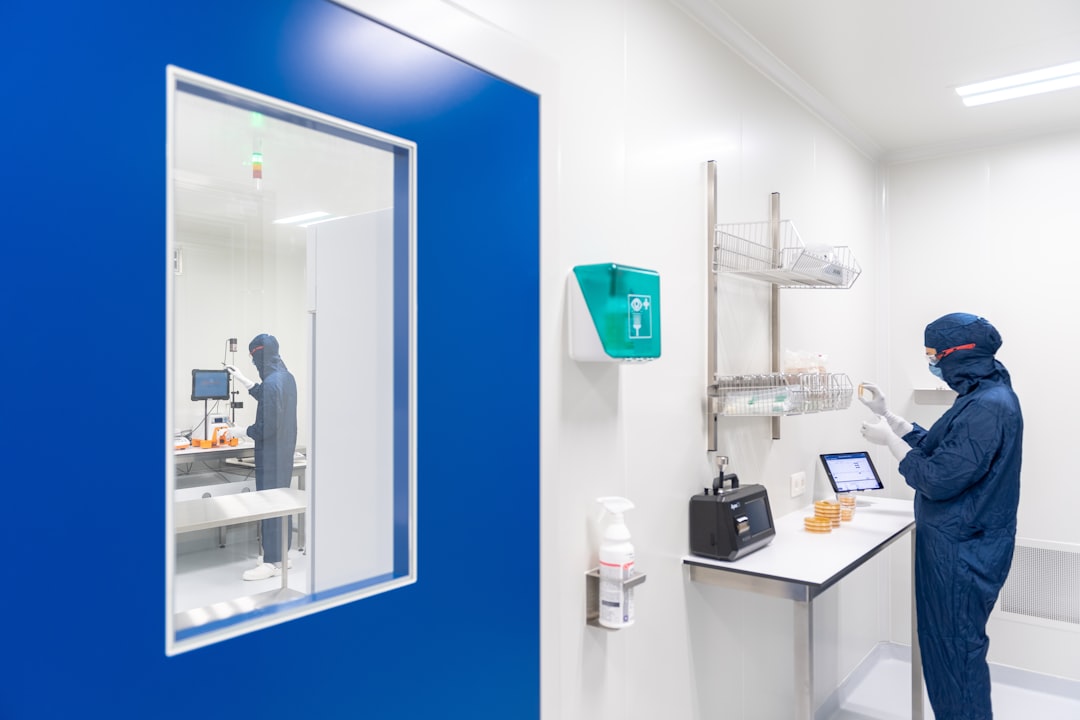
Third-party testing means an independent, accredited laboratory — one with no financial stake in whether your product passes or fails — analyzes the product and publishes the results. That independence is the whole point. It’s the difference between a restaurant health inspection and the restaurant owner saying “trust me, the kitchen is clean.”
In Utah specifically, third-party testing is required by law. But in many states, it’s still voluntary. That gap matters to anyone buying hemp wellness products, regardless of where they live.
What a Certificate of Analysis Actually Tells You
The document that comes out of third-party testing is called a Certificate of Analysis, or COA. It sounds bureaucratic. It’s actually one of the most useful pieces of consumer information in the wellness space — if you know how to read it.
Here’s what a legitimate COA will show you:
Cannabinoid Profile
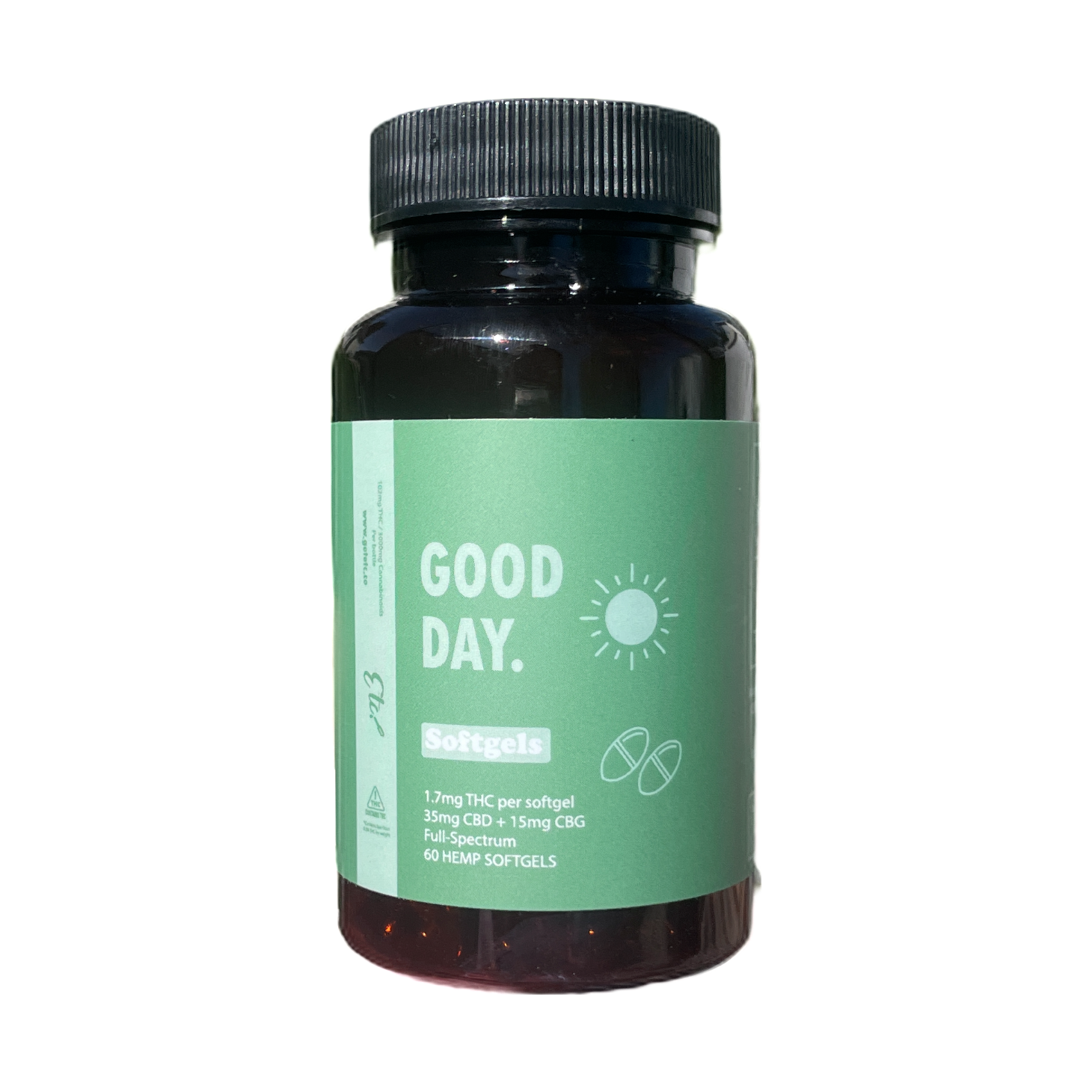
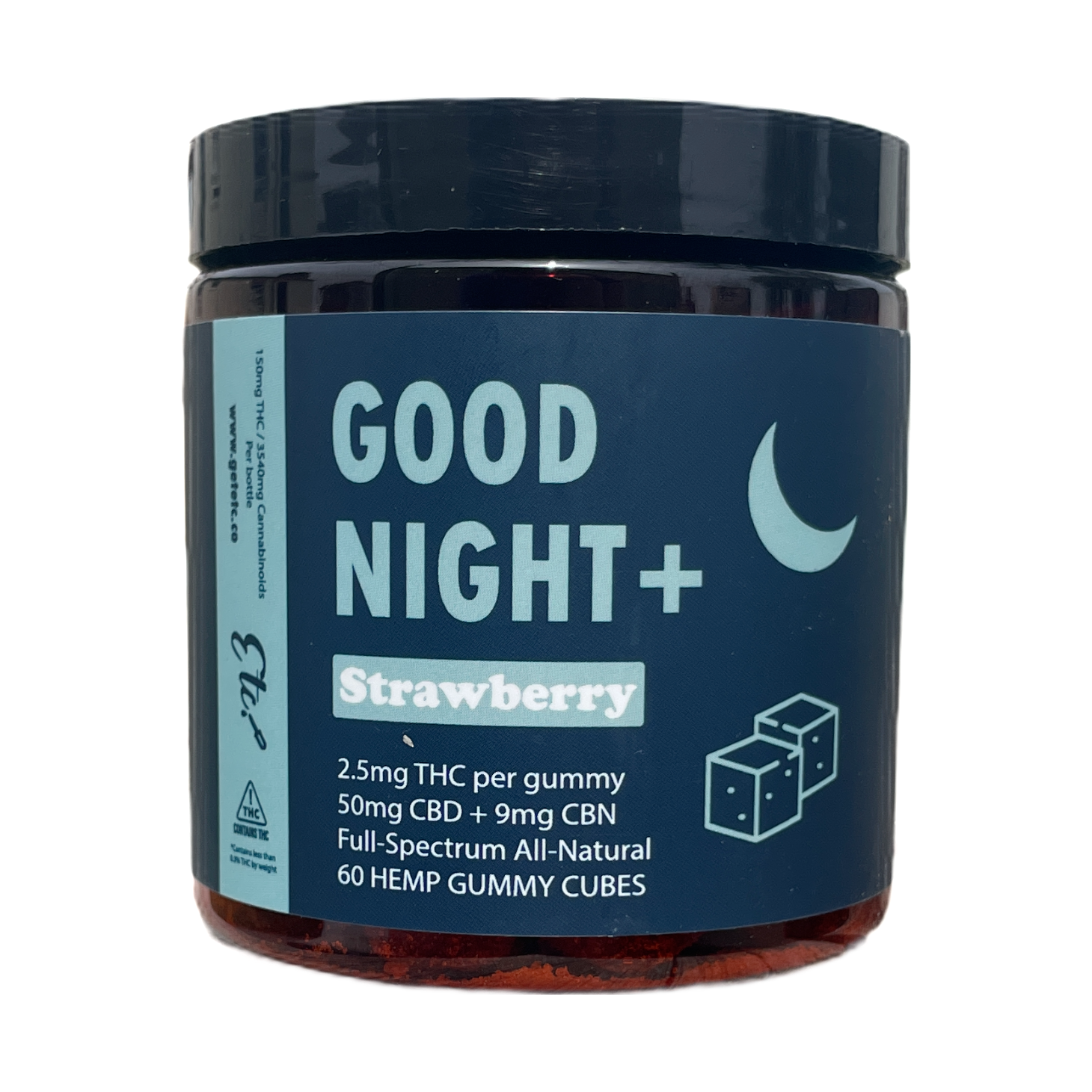
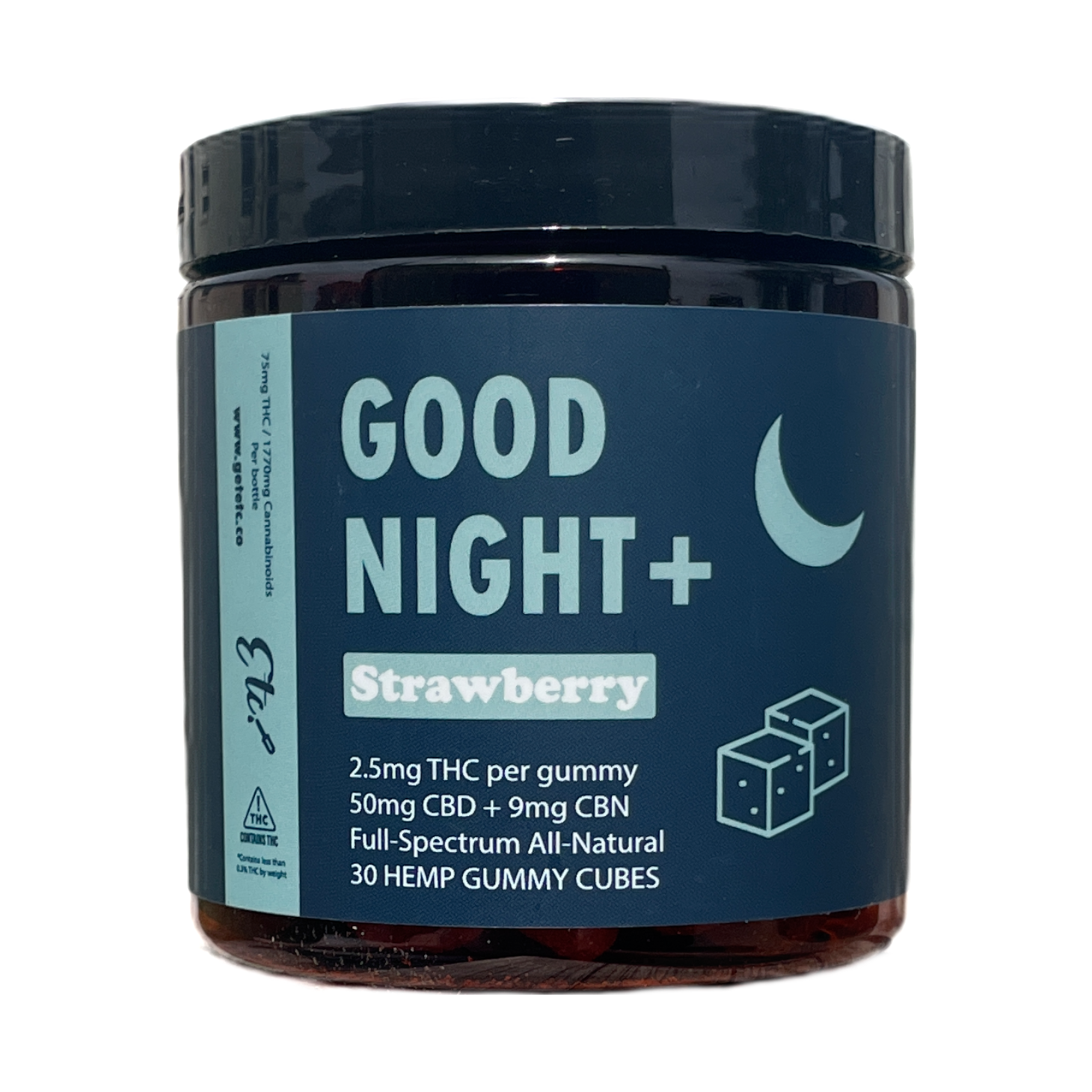
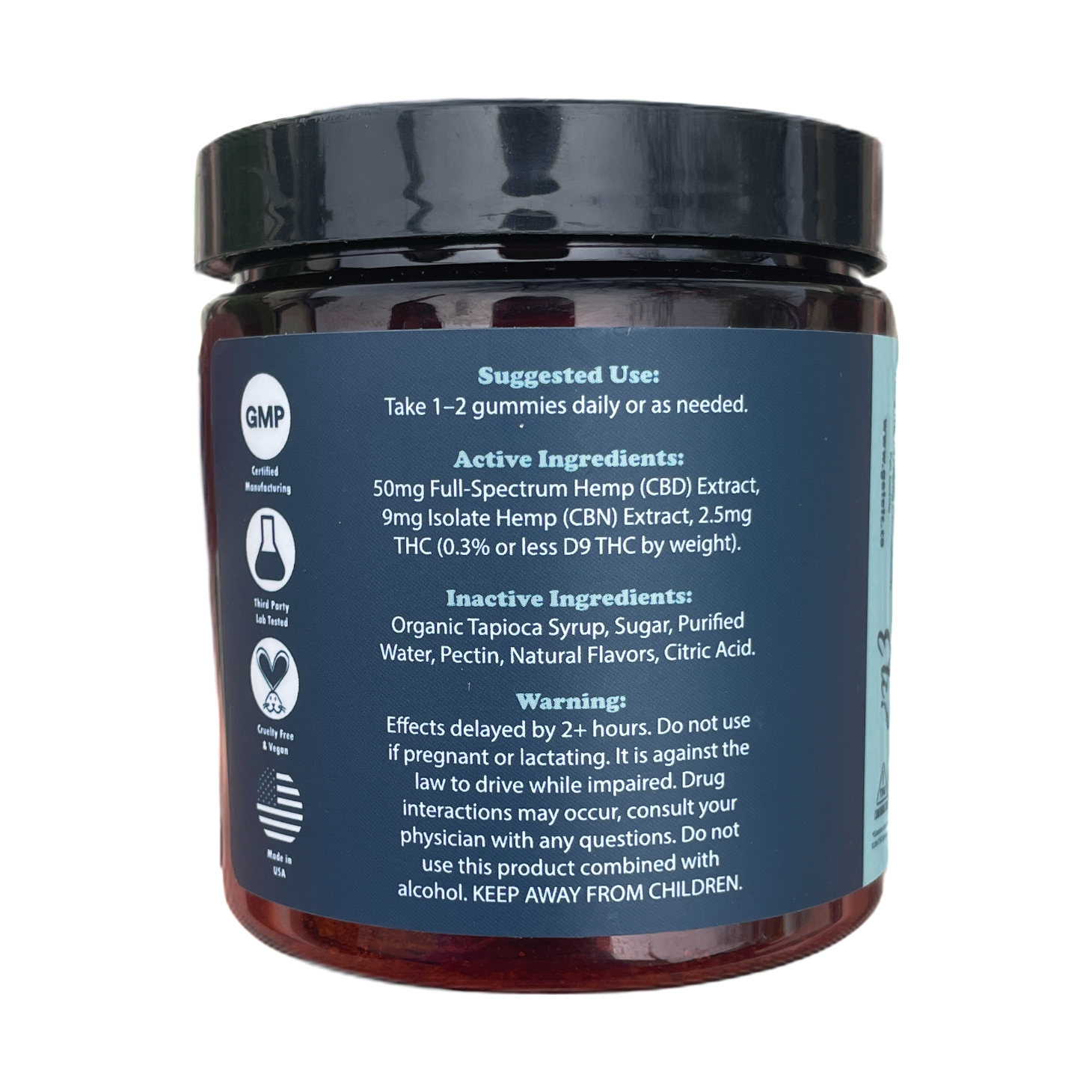
This is the section that tells you what’s actually in the product. A full-spectrum hemp product should show a range of cannabinoids — CBD, CBG, CBN, CBC, trace THC, and others. The hemp plant contains at least 113 known compounds, and a quality full-spectrum product will reflect that complexity.
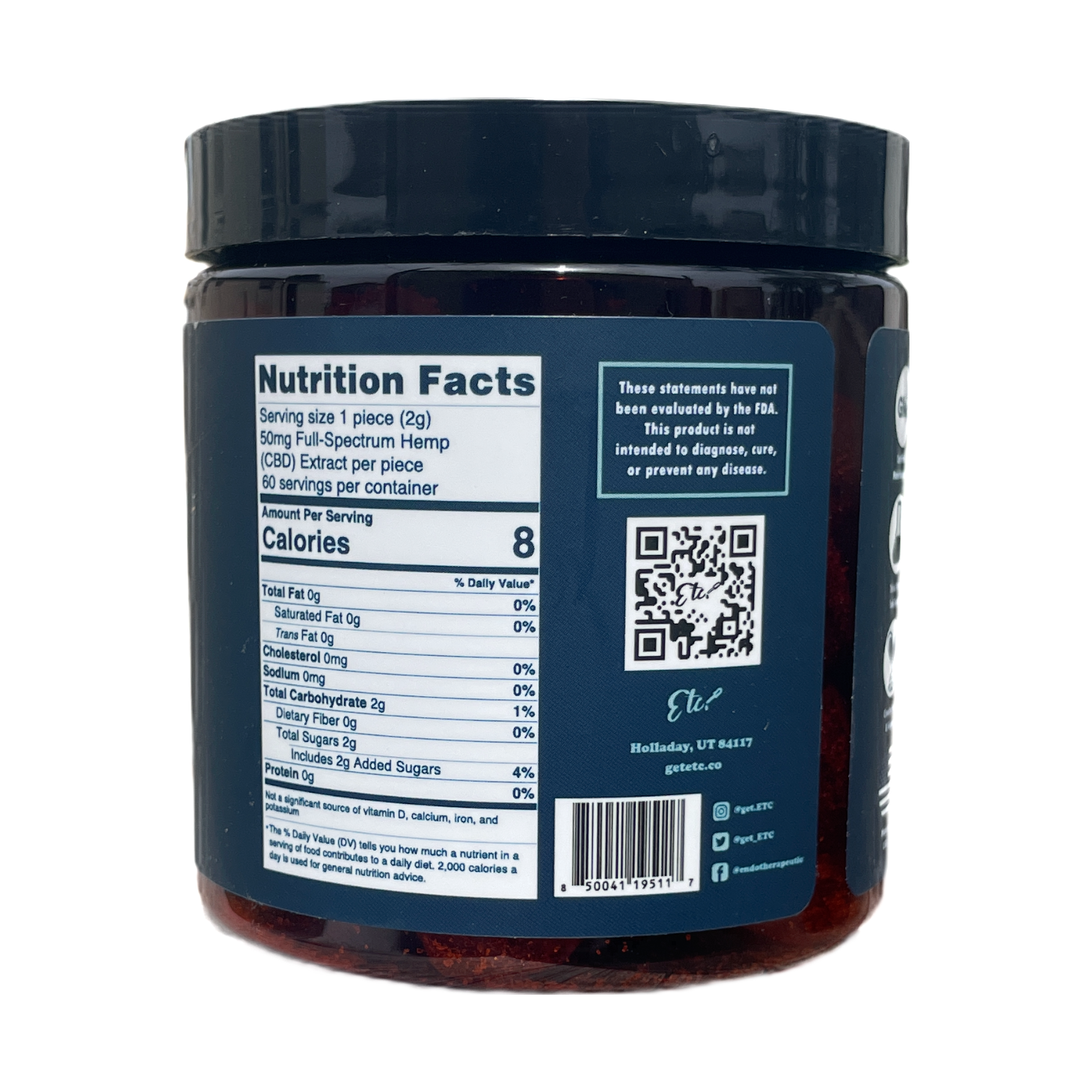
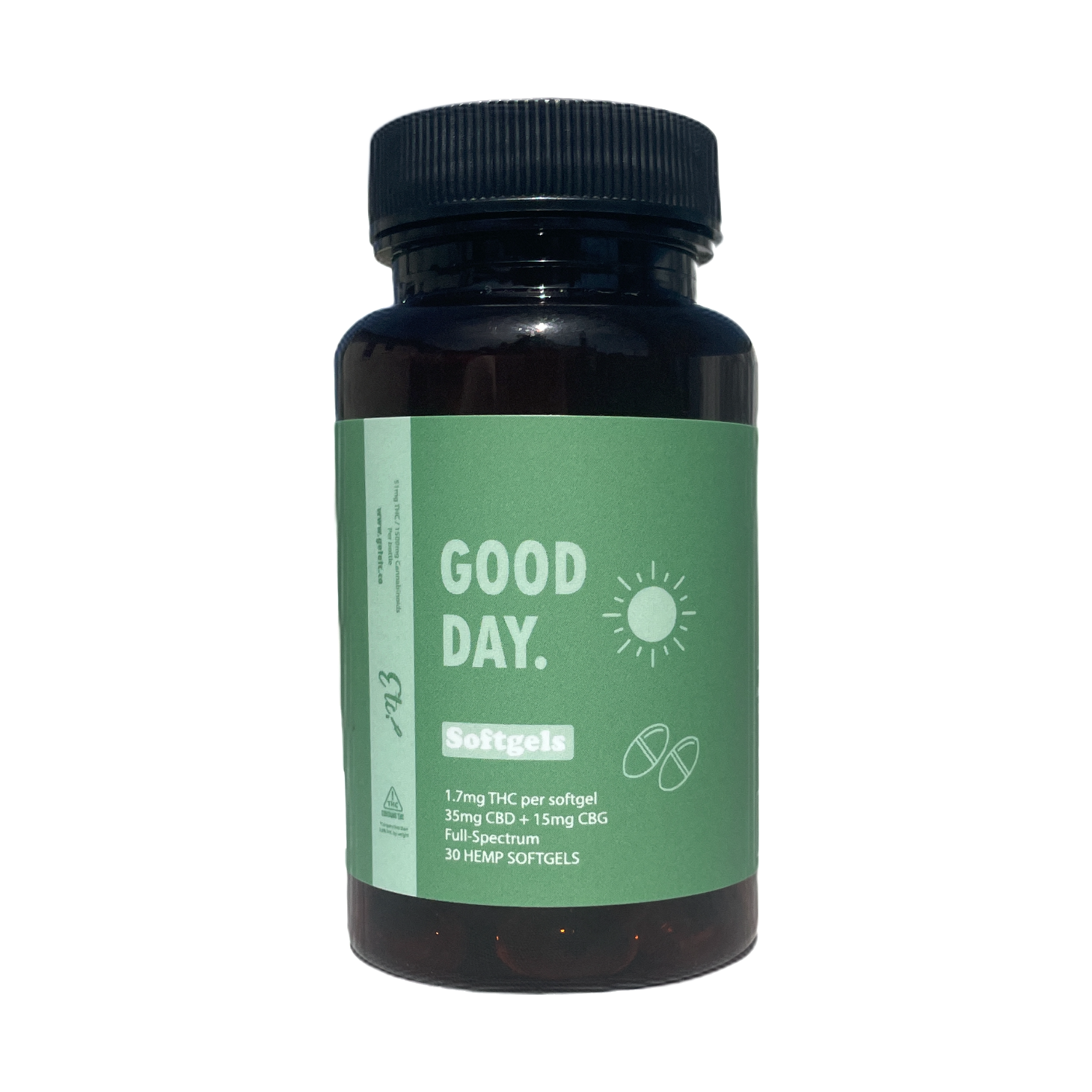
Importantly, the COA will show you the actual concentration of each cannabinoid, so you can verify that what’s on the label matches what’s in the bottle. If a product claims 25mg of CBD per serving, the COA should support that claim.
THC Verification
This is the number most consumers focus on first, and for good reason. Federal law caps hemp-derived products at 0.3% THC. The COA confirms whether a product actually meets that threshold.
One practical note worth knowing: even at legal hemp levels, regular use can trigger a positive result on employer drug screenings. THC accumulates in fat tissue over time. If workplace drug testing is part of your life, this is worth factoring into your decision — not a reason to avoid hemp products, but a reason to know the facts.
Contaminant Screening
This is the part of the COA that most people overlook — and it might be the most important section for your actual safety.
A complete COA includes screening for:
- Heavy metals (lead, mercury, arsenic, cadmium) — hemp is a bioaccumulator, meaning it pulls compounds from the soil it grows in. High-quality sourcing and testing matter here.
- Pesticides — a broad panel of agricultural chemicals that may be present if the hemp wasn’t grown to appropriate standards.
- Microbials — bacteria, mold, yeast, and other pathogens that shouldn’t be present in any ingestible product.
- Residual solvents — chemicals that may remain if extraction methods weren’t properly controlled.
A product with a clean cannabinoid profile but no contaminant screening isn’t fully tested. Look for all four categories.
Batch Numbers and Date
A legitimate COA will include a batch number that corresponds to the specific product lot, and a testing date that’s reasonably recent. If a brand is showing you a COA from three years ago, that’s not verification — that’s a filing cabinet.
How to Actually Use This Information
Knowing what a COA contains is one thing. Using it effectively is another.
The first step is finding it. Any reputable hemp brand should make their COAs publicly accessible — not behind a registration wall, not “available upon request,” but actually findable on their website. ETC publishes all lab results publicly at reliefetc.com/pages/coa. That’s what accessibility looks like.
Once you have the COA in hand:
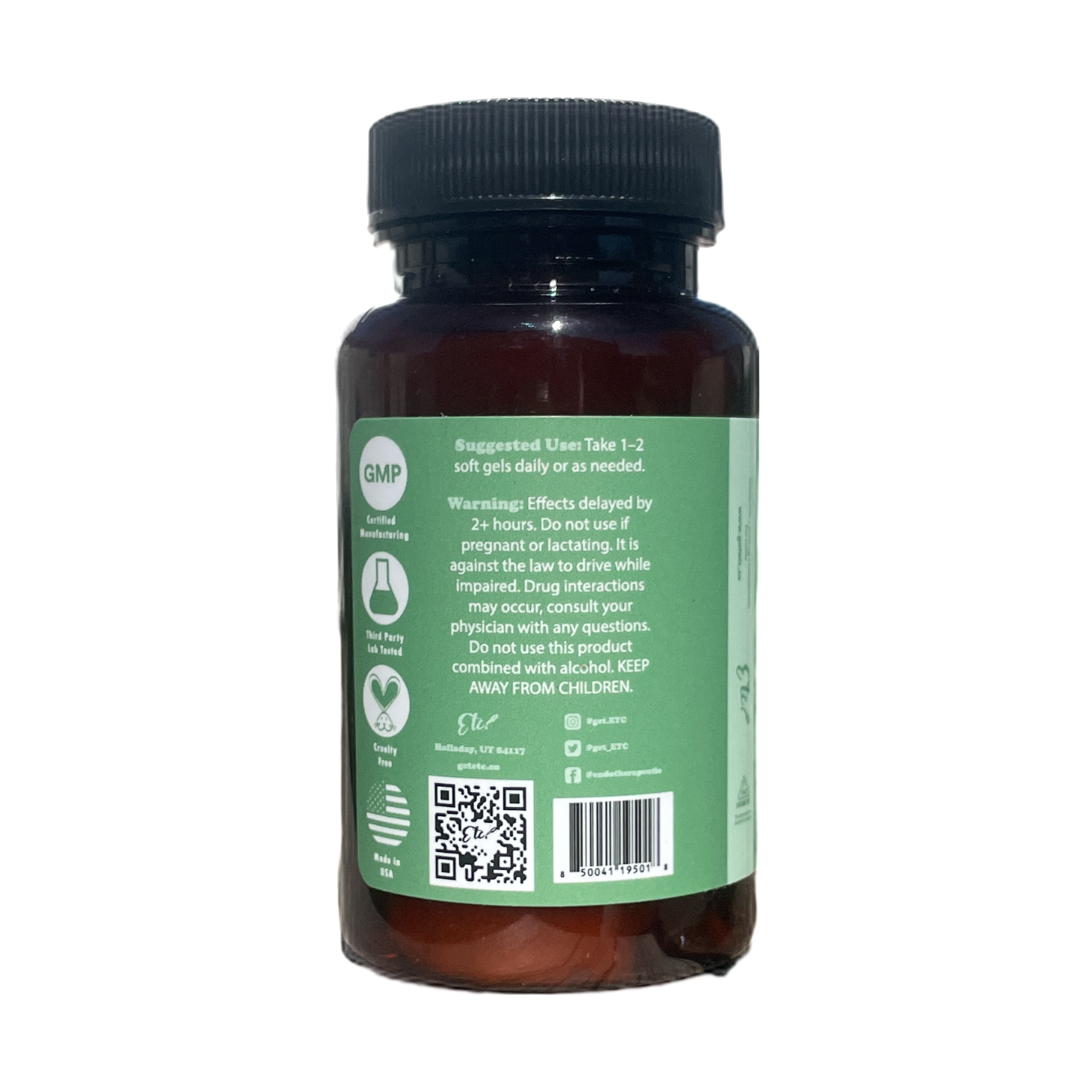
- Match the batch number on your product packaging to the COA. If they don’t correspond, the document isn’t relevant to what you’re holding.
- Check the cannabinoid totals against the label claims. Minor variation (a few percent) is normal in plant-derived products. Significant discrepancy is a flag.
- Confirm THC is below 0.3% — not just claimed, but measured.
- Look for the contaminant panels. If they’re missing, the testing isn’t complete.
- Note the testing lab. A legitimate COA comes from an accredited, ISO-certified laboratory. You can usually look up the lab independently to verify it exists and is properly credentialed.
This takes about five minutes once you know what you’re looking for. Five minutes that turns a hope-for-the-best purchase into an informed decision.
The Bigger Picture: Physician Review and Advisory Oversight
Third-party lab testing answers the question of what’s in the product. But there’s a second layer of credibility that matters to informed consumers: whether the product’s formulation has been reviewed by people with actual medical expertise.
This is rarer than it should be. Many hemp brands are built around marketing expertise, not medical oversight. An active medical advisory board isn’t a legal requirement — it’s a choice a company makes about how seriously they take the wellness part of “hemp wellness.”
When a brand combines independent lab verification with physician review, the information available to you as a consumer is meaningfully more complete. You’re not just confirming what’s in the product — you’re also benefiting from professional judgment about whether the formulation makes sense.
From Data to Peace of Mind
Here’s the thing about all this information: it’s not just due diligence for its own sake.
The goal isn’t to become a hemp regulatory expert. The goal is to feel genuinely confident in what you’re taking — not because someone told you it was fine, but because you looked at the evidence yourself and it held up.
That shift from passive consumer to informed decision-maker changes the experience of using a wellness product. When you know the cannabinoid profile is verified, the THC level is confirmed, and the contaminants came back clean, you can actually relax into the routine instead of carrying a low-grade background worry about whether any of it is real.
If you’re ready to see what verified transparency actually looks like in practice, ETC’s full product line is backed by publicly available COAs, physician review, and registration with the Utah Department of Agriculture. The data is there. The decision is yours.
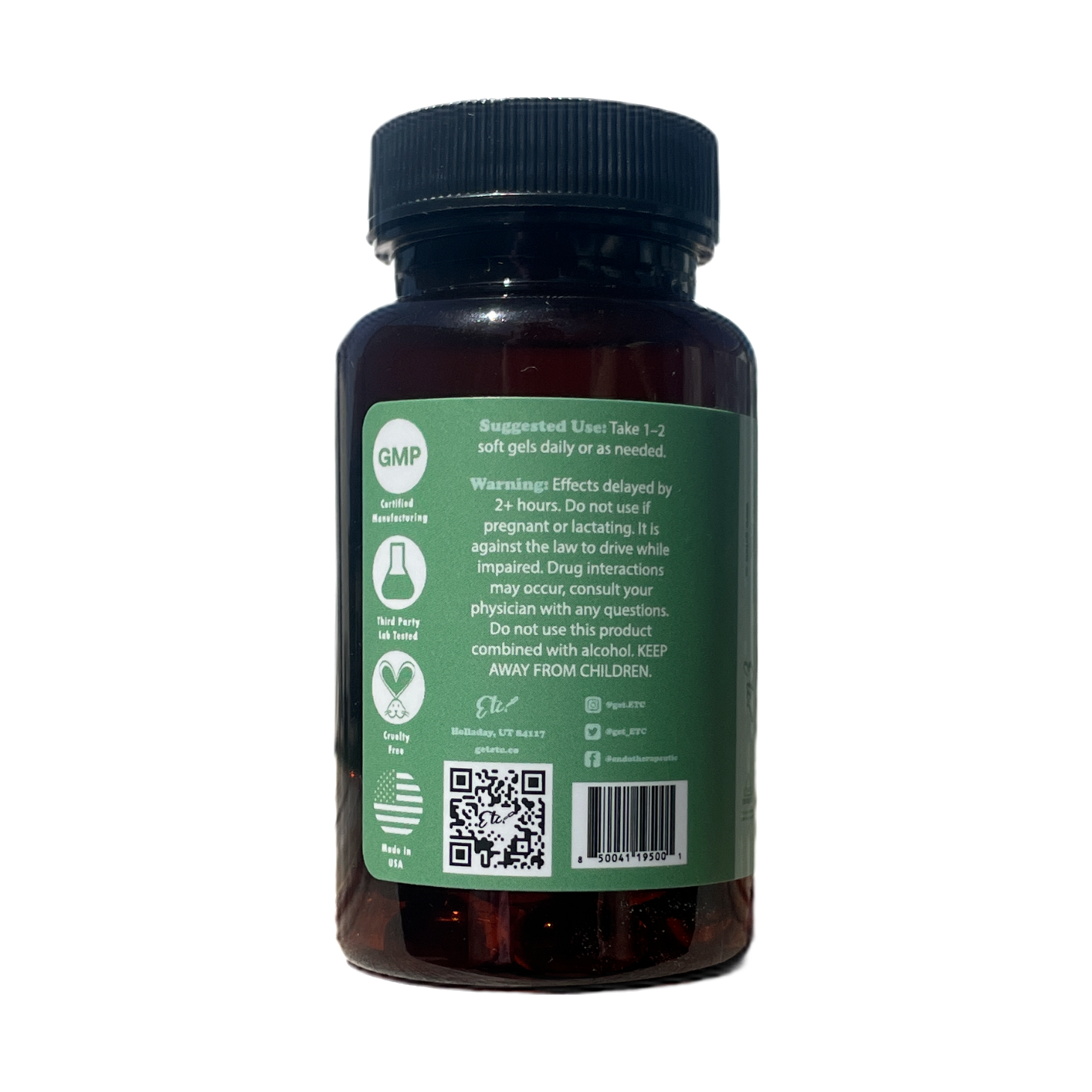
Disclaimer: These statements have not been evaluated by the Food and Drug Administration. This product is not intended to diagnose, treat, cure, or prevent any disease. Consult your healthcare provider before starting any new wellness regimen.
Photo by National Cancer Institute on Unsplash