




That First Night of Real Deep Sleep Changed Everything
Most people don’t notice bad sleep until they finally get good sleep.
That’s the thing nobody warns you about. You adjust, slowly, over months or years. You stop remembering what it felt like to wake up and actually feel rested. You build workarounds: more coffee, earlier bedtimes, weekend naps, blue-light glasses. You call it “just how things are” and you keep going.
And then something shifts. And the morning after, you find yourself standing in the kitchen thinking: oh. That’s what I’ve been missing.
The First Real Before-and-After
People describe it differently. Some call it waking up “in the same position they fell asleep.” Some say they noticed it because they weren’t immediately reaching for their phone to check what time it was. Some just say they felt present at breakfast in a way they hadn’t in a long time. Not groggy. Not already behind. Just… there.
In ETC’s 8-week observational study, sleep was the first thing participants noticed improving, before mood, before energy, before anything else. It showed up earliest and it showed up clearly. And what’s interesting is what happened after that: mood scores climbed from 3.7 to 4.6 over the eight weeks, the largest total gain of any category. Energy followed. Overall wellbeing averaged a 30% improvement by week eight.
Which makes a certain kind of sense, once you think about it. Everything downstream from sleep is a little more possible when sleep isn’t the bottleneck.
What “Recovery” Actually Means on a Wednesday
We tend to use the word “recovery” for athletes. Post-workout, post-race, post-season. But there’s a quieter kind of recovery that happens every single night for everyone, whether we name it that or not. The body uses sleep to process, restore, and recalibrate. That’s not a wellness buzzword. That’s biology.
Your endocannabinoid system plays a role in that process. It’s a regulatory network your body runs natively, present in every mammal on earth, built for maintaining internal balance. Sleep, mood, stress response — the ECS is involved in all of them. And like any system, it can fall behind. Stress, age, the cumulative weight of a busy life — these things tax it.
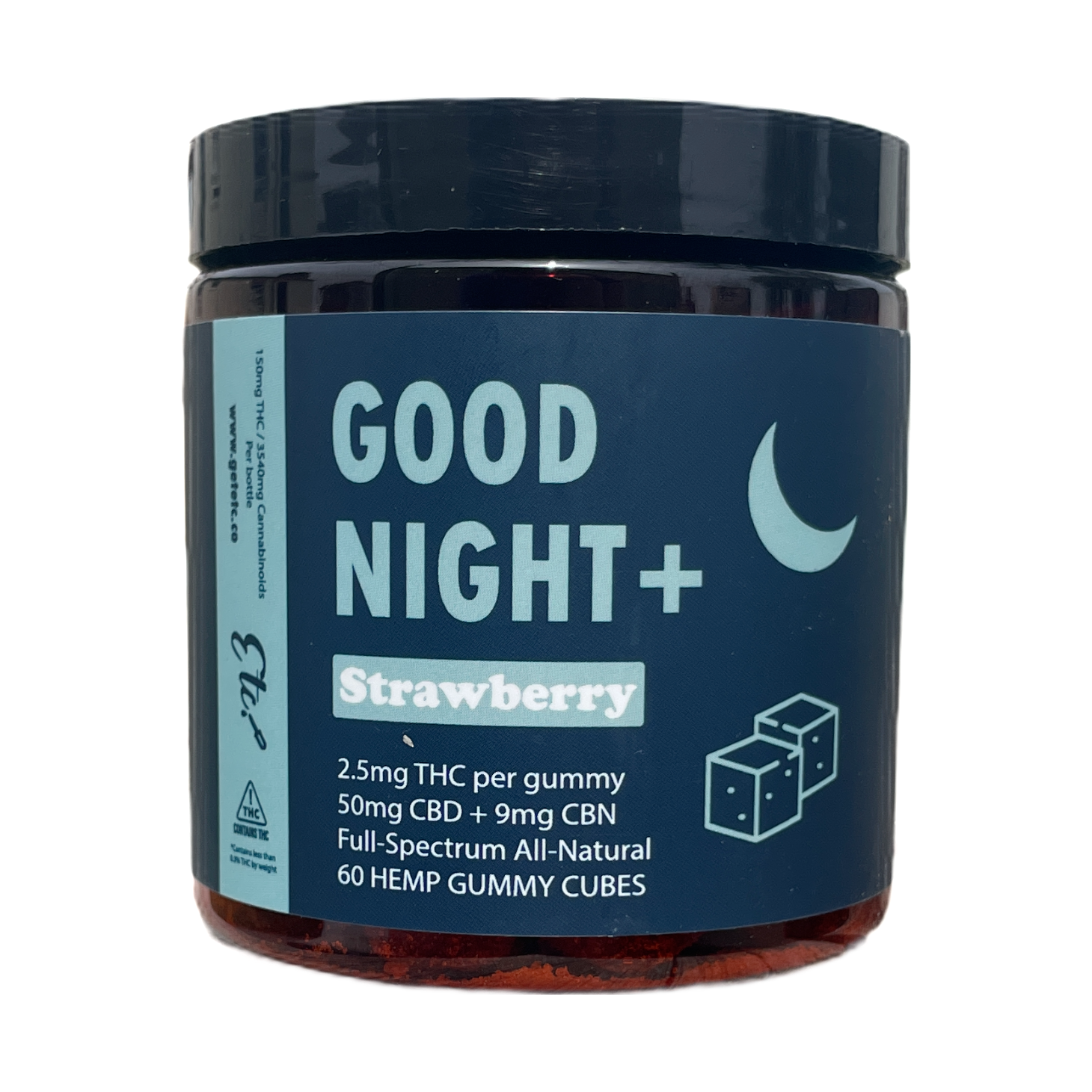
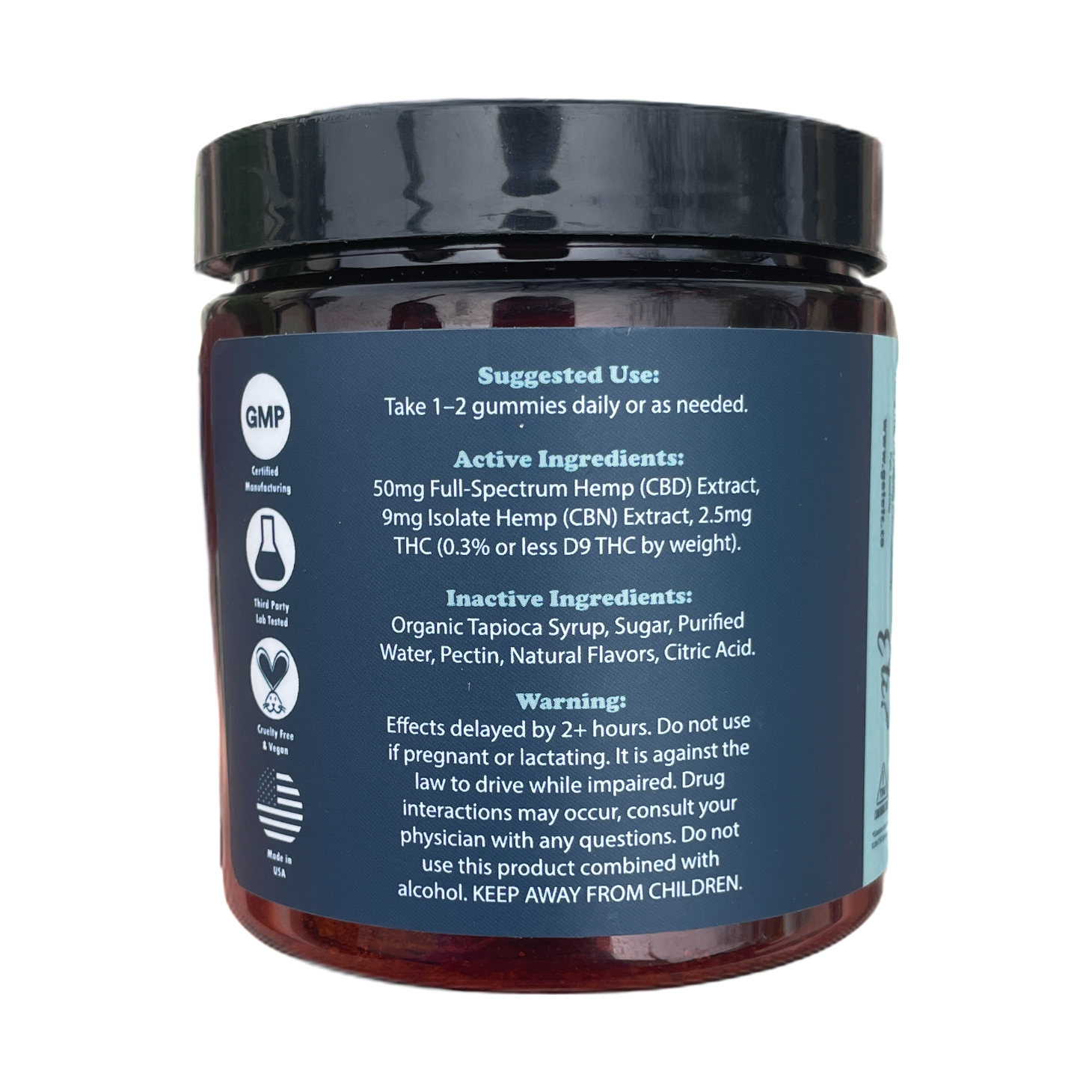
Full-spectrum hemp works with that system. The cannabinoid CBN, which is specifically elevated in the Good Night formulation, is associated with promoting drowsiness and evening wind-down. It’s not a sledgehammer. It’s more like giving a system that’s already trying to do its job a little more of what it needs to do it well.
The effects take time, usually 30 to 90 minutes, sometimes closer to two hours for the full experience. This is a thing worth knowing ahead of time, because the people who get frustrated are often the ones who took something at 10pm, felt nothing by 10:45, and declared it didn’t work. Patience isn’t just a virtue here; it’s part of the protocol.
The Ripple You Don’t Expect
Here’s the part that catches people off guard. They start taking something for sleep. They’re not thinking big picture. They just want to stop lying awake.
But then, a few weeks in, they notice they were less short with their kid over something small. Or they made it through a hard meeting without feeling like they were running on fumes. Or they had an idea, a real one, not the desperate scramble-thoughts of an exhausted brain, but something that came to them easily while they were making coffee.
That’s the ripple. Sleep recovers first. Then you start showing up differently. Not in some dramatic transformation way. In the small, specific, meaningful ways that the people around you actually feel.
Being more patient. Being more curious. Having enough left in the tank at the end of the day to be present, not just physically in the room. That’s the real payoff, and it’s hard to put on a label, which is probably why it doesn’t get talked about enough.
What It Takes to Actually Trust Something
There’s a version of this conversation where someone tells you their product changed their life and you’re supposed to just believe them. That’s not this.
If you’re the kind of person who reads the fine print, who wants to know what’s actually in something before you put it in your body, that’s not skepticism. That’s smart. And it’s exactly why ETC publishes its certificates of analysis publicly, all of them, at reliefetc.com/pages/coa. Third-party tested, batch by batch. The results are there if you want to look, and plenty of people do.
The point isn’t to recite transparency as a feature. The point is that trust, real trust, changes how you engage with a routine. If you don’t fully believe in what you’re doing, you half-do it. You forget nights. You don’t give it the month it needs. You don’t notice the changes because you’re not really watching. But when you trust something, you commit. And commitment is where the actual benefit lives.
Starting, Simply
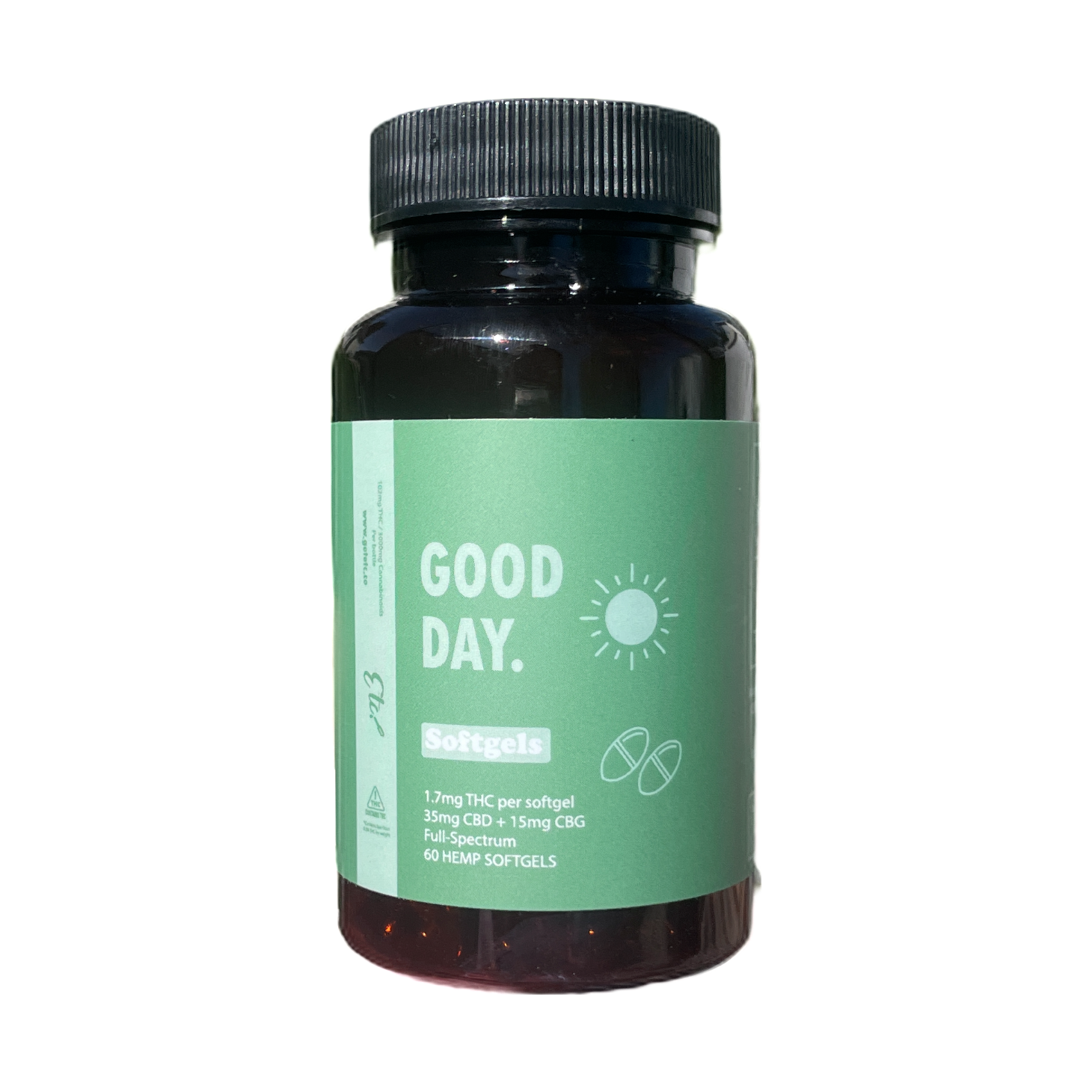
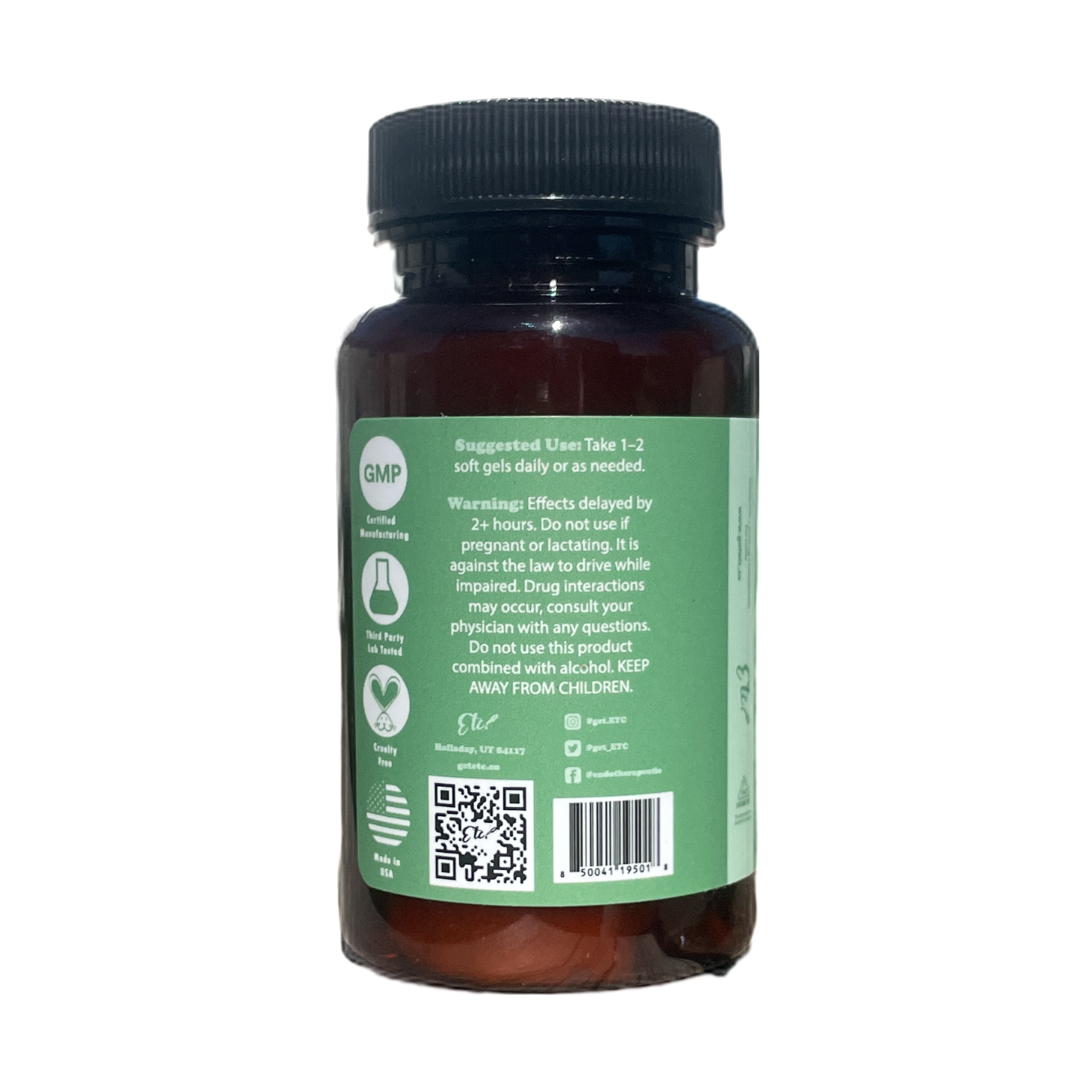
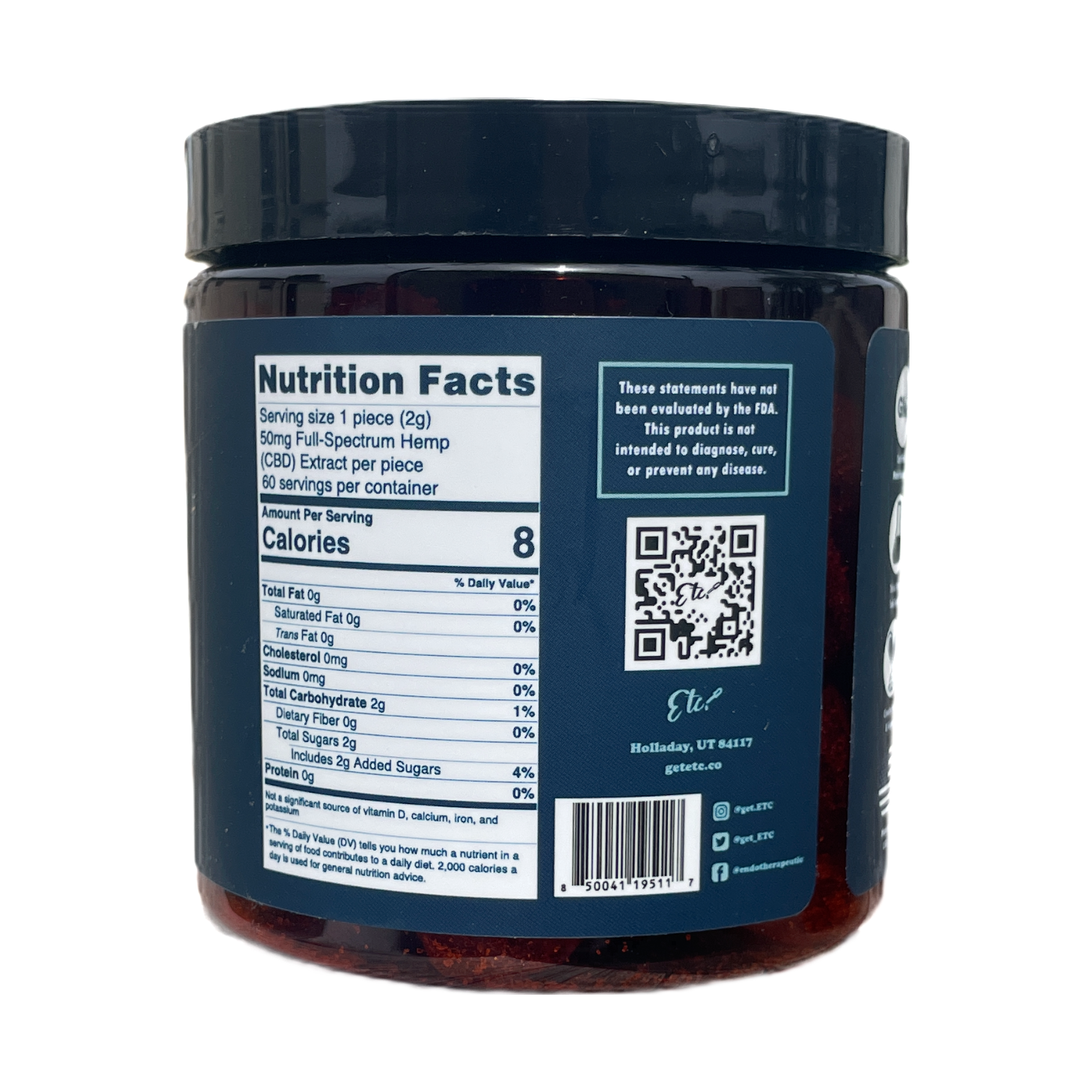
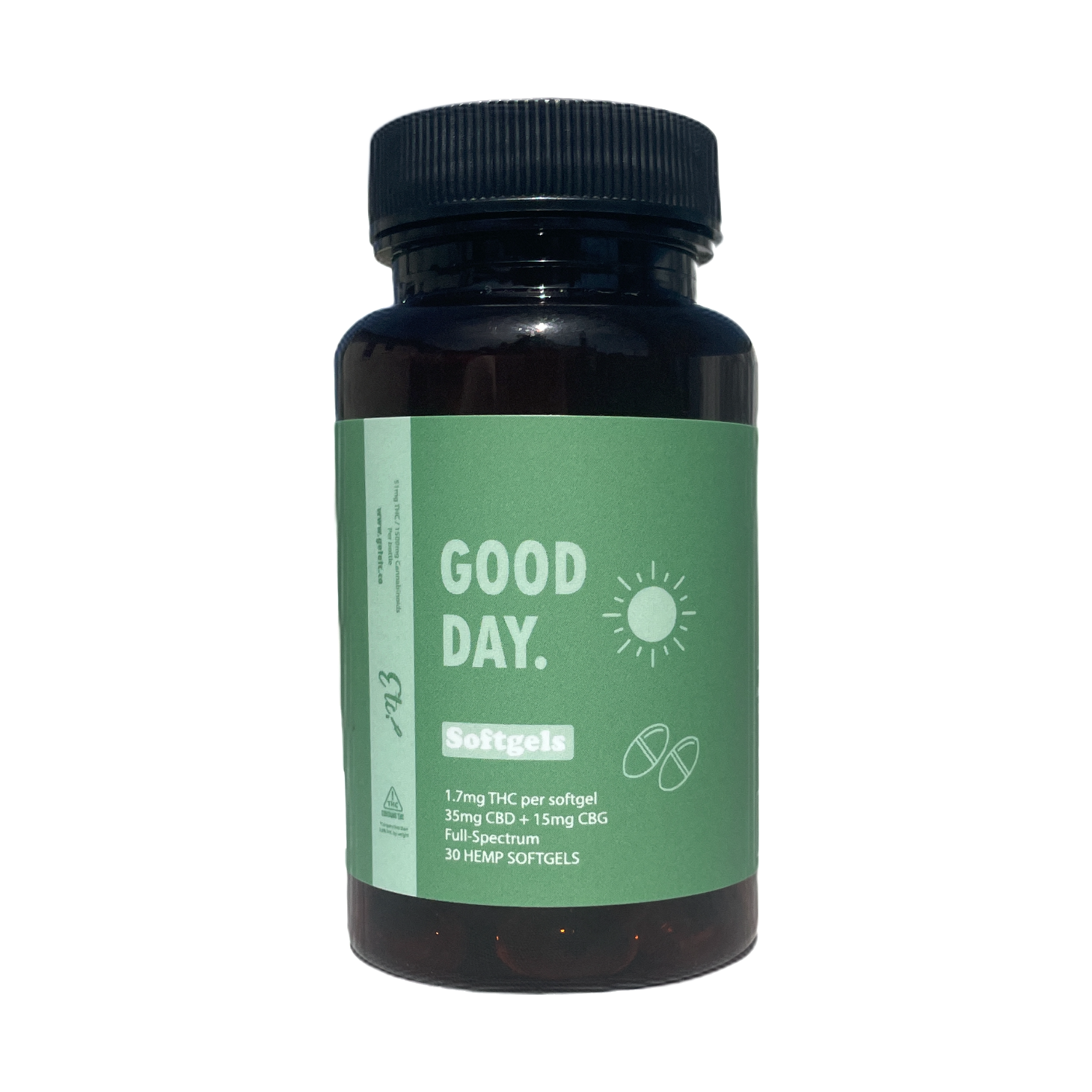
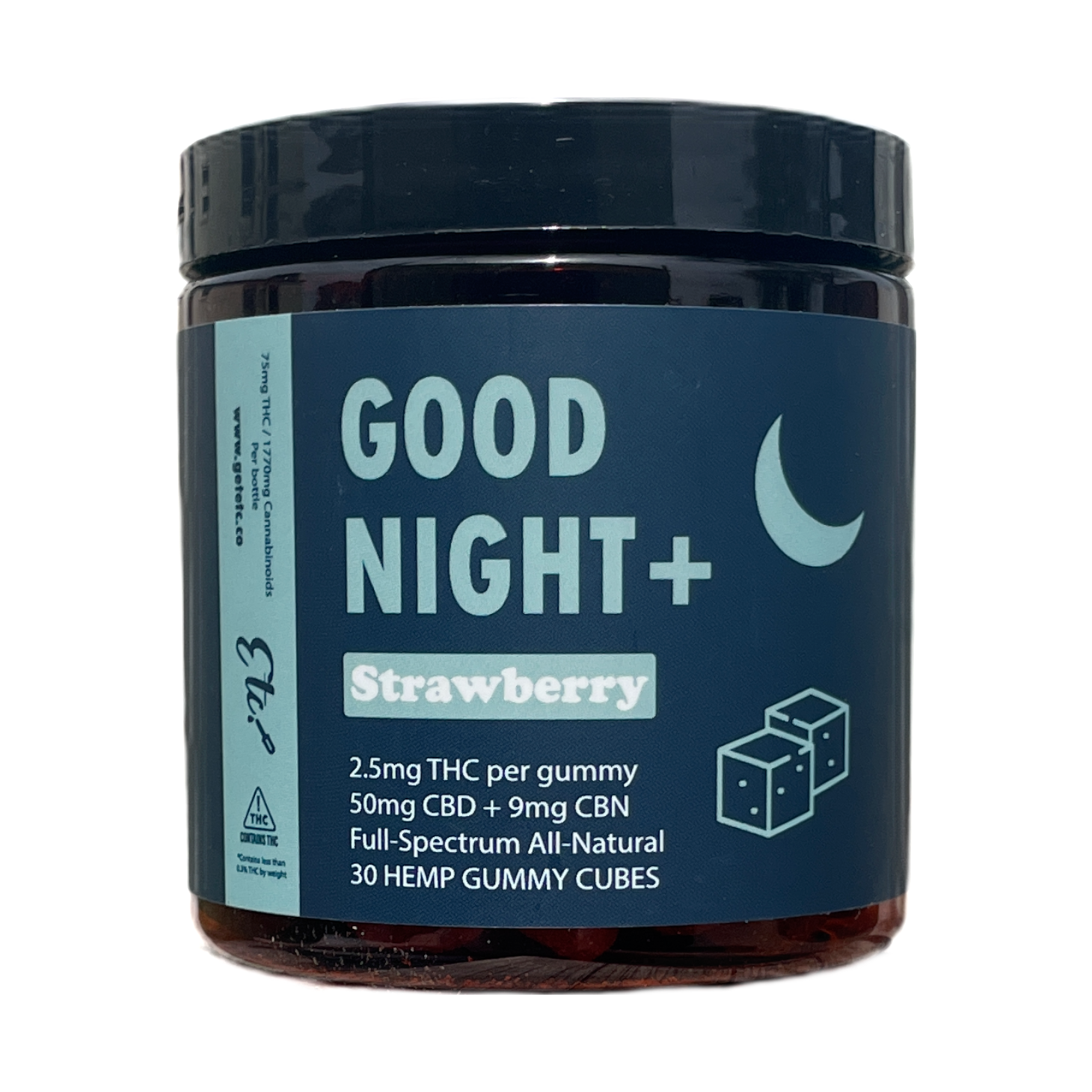
If you’re curious about adding a sleep-focused routine, the Good Night line is the most direct entry point. It comes in softgels if you prefer something tasteless and compact, or gummies if you want something a little more enjoyable. The Good Night+ gummies carry 50% more cannabinoids per serving, which is worth knowing if you try the standard version for a few weeks and want more.
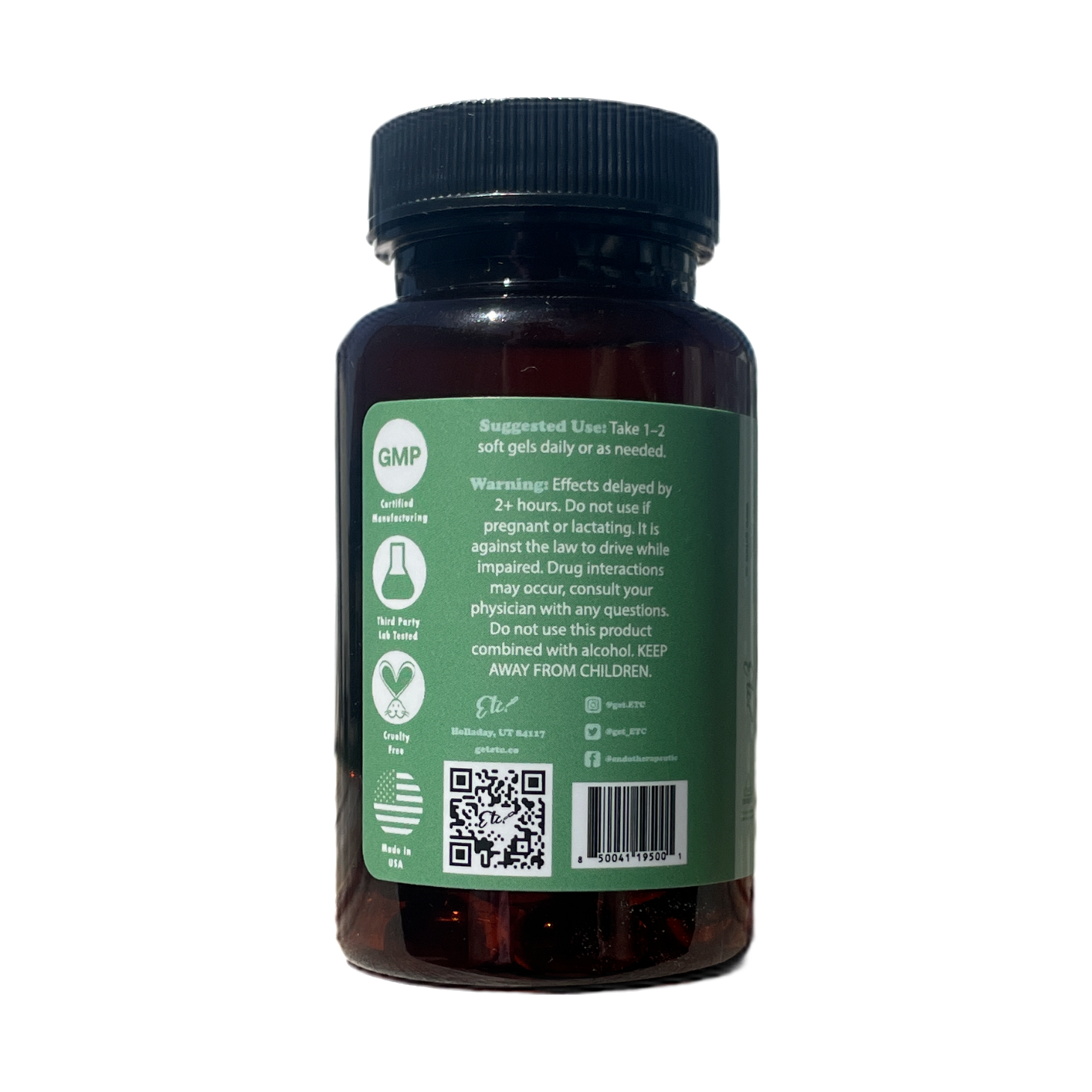
Start with the lowest serving. Give it at least a week, preferably three or four, before drawing conclusions. The study results showed steady week-over-week improvement, not a single dramatic spike. Real changes tend to work that way: quietly, consistently, until one morning you’re standing in your kitchen thinking oh.
That morning changes your relationship to what comes next. Not because something fixed you, but because you finally got what your body was already trying to do.
The rest of the day tends to go better from there.
Disclaimer: These statements have not been evaluated by the Food and Drug Administration. This product is not intended to diagnose, treat, cure, or prevent any disease. Consult your healthcare provider before starting any new wellness regimen.
Photo by Vitaly Gariev on Unsplash