




I was wrong about CBD and here’s why
Here’s a confession that might surprise you: I spent a long time being openly dismissive about CBD. Not quietly skeptical. Vocally skeptical. The kind of person who, when a coworker mentioned it, would do the slow blink and say “sure, if you believe in that kind of thing.”
I was wrong. And the path from wrong to right wasn’t a mystical experience or a single life-changing moment. It was information — specific, verifiable, boring-in-the-best-way information — that shifted the ground under my assumptions. What changed after that was anything but boring.
The Skeptic’s Real Objection
Let’s be honest about what real skepticism looks like. It’s not “this is fake.” Genuine skeptics aren’t closed — they’re demanding. They want to know: who made this claim, what evidence supports it, and who checked the evidence? That’s a reasonable ask for anything you’re putting in your body.
For a long time, the CBD industry failed that test spectacularly. Products made bold suggestions with nothing behind them. Labels were vague. Testing was inconsistent or self-reported. If you were scientifically minded, the rational move was distrust.
What changed the industry — slowly, imperfectly, but meaningfully — was accountability infrastructure. Third-party lab testing. Published certificates of analysis. Physician review of formulas and literature. These aren’t exciting words, but they represent something important: the difference between a claim and a verified claim.
Once that distinction became visible to me, I had to update my position. That’s not capitulation. That’s how thinking is supposed to work.
What I Actually Got Wrong
My first error was categorical. I had mentally filed “CBD” next to pyramid-scheme wellness products and magnetic bracelets. What I didn’t know is that the endocannabinoid system — the biological system these compounds interact with — is not a marketing invention. It was discovered by researchers in the early 1990s. Every mammal on the planet has one. Your body already produces cannabinoids naturally; the endocannabinoid system uses them to help regulate sleep, mood, and a range of other functions you care about.
This isn’t fringe science. It’s physiology. The fact that I hadn’t heard of it said more about my information diet than about the science.
My second error was about THC. I assumed that any hemp-derived product was a gateway to impairment, which made the entire category feel suspicious to me. What I didn’t understand is that the 2018 Farm Bill drew a specific legal line: hemp contains less than 0.3% THC. That’s not a loophole. It’s a meaningful biological and legal threshold. The trace amount in compliant hemp products is well below what produces psychoactive effects for most people. A reasonable analogy: the caffeine in a sip of decaf is not the same experience as a triple espresso. Same compound, completely different territory.
My third error was the sneakiest: I assumed that if something actually worked, the medical establishment would have fully embraced it already. What I underestimated is how long it takes for research, regulation, and professional consensus to catch up with a newly legalized compound. The endocannabinoid system was identified in the nineties; hemp was only federally re-legalized in 2018. That’s a short runway for clinical consensus, not evidence of a scam.
The Shift That Actually Mattered
Here’s what I didn’t expect: once I had enough information to make a real decision, the act of making it felt different.
Choosing a verified product, from a company with published lab results and physician-reviewed formulas, after understanding the actual science involved — that isn’t the same as grabbing something off a gas station shelf because you’re desperate. The decision itself is an act of self-respect. You’re not hoping. You’re choosing deliberately.
That distinction matters more than it sounds. There’s a version of wellness that’s passive: you try something, it either works or doesn’t, and you shrug. Then there’s a version where you understand what you’re taking, why it’s in the formulation, and what the verified data says about quality. The second version puts you in a fundamentally different relationship with your own wellbeing. You’re not a passenger.
In an 8-week observational study, participants using full-spectrum hemp products consistently reported improvement across sleep, mood, energy, and overall sense of wellbeing week over week, with an average 30% improvement by week eight. Sleep was the first dimension people noticed. Mood showed the largest total gain over the period. What stands out isn’t any single week’s result — it’s the compounding effect of consistency. That’s not a dramatic before-and-after. It’s something more durable.
Why Empowerment Is the Actual Product
If you’re reading this as a skeptic, I’m not asking you to become a believer. I’m suggesting you become more informed, and then decide.
The people who get the most out of verified hemp wellness products tend to share one trait: they made a deliberate, informed choice and stuck with it consistently. They’re not chasing a miracle. They’re building a sustainable daily practice and evaluating it honestly over time.
That’s a posture worth adopting regardless of what you’re adding to your routine. Read the label. Find the published lab results. Understand the cannabinoid profile. Give it enough time to actually evaluate. Those aren’t hoops to jump through — they’re the moves of someone who takes their own wellbeing seriously.
If you’re ready to look at the verified data and start from an informed position, the certificates of analysis for every ETC product are published publicly. Nothing is hidden. Take a look before you decide anything.
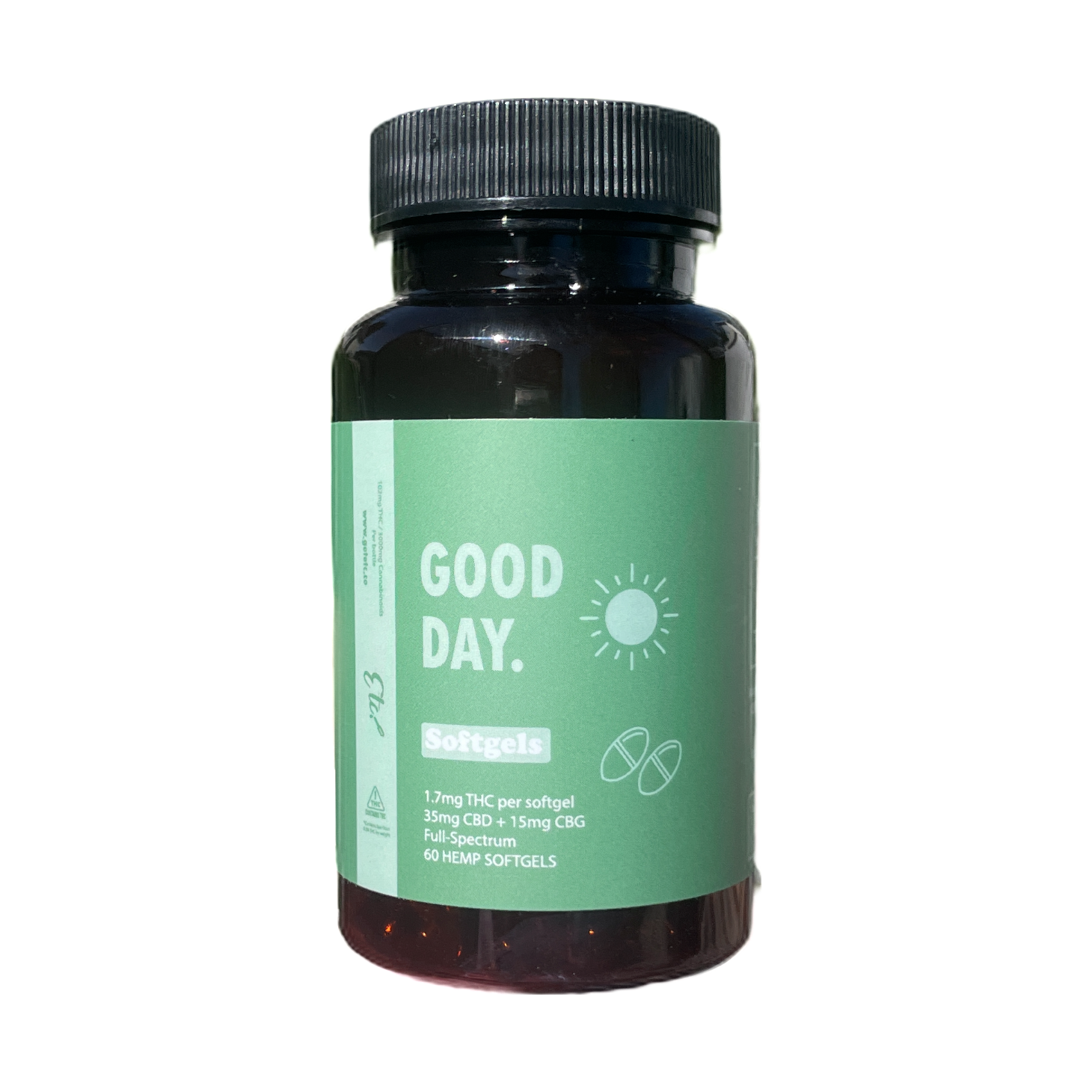
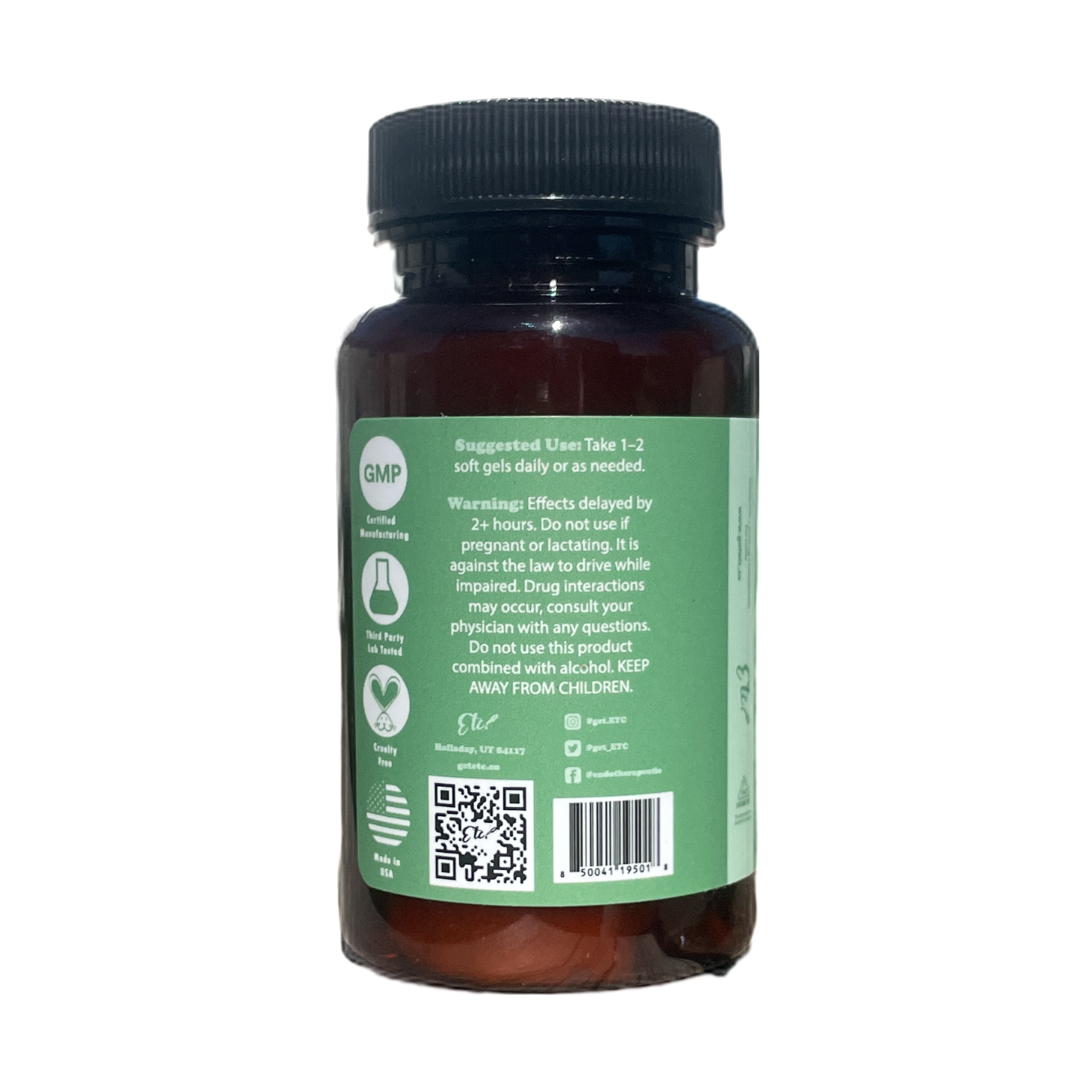
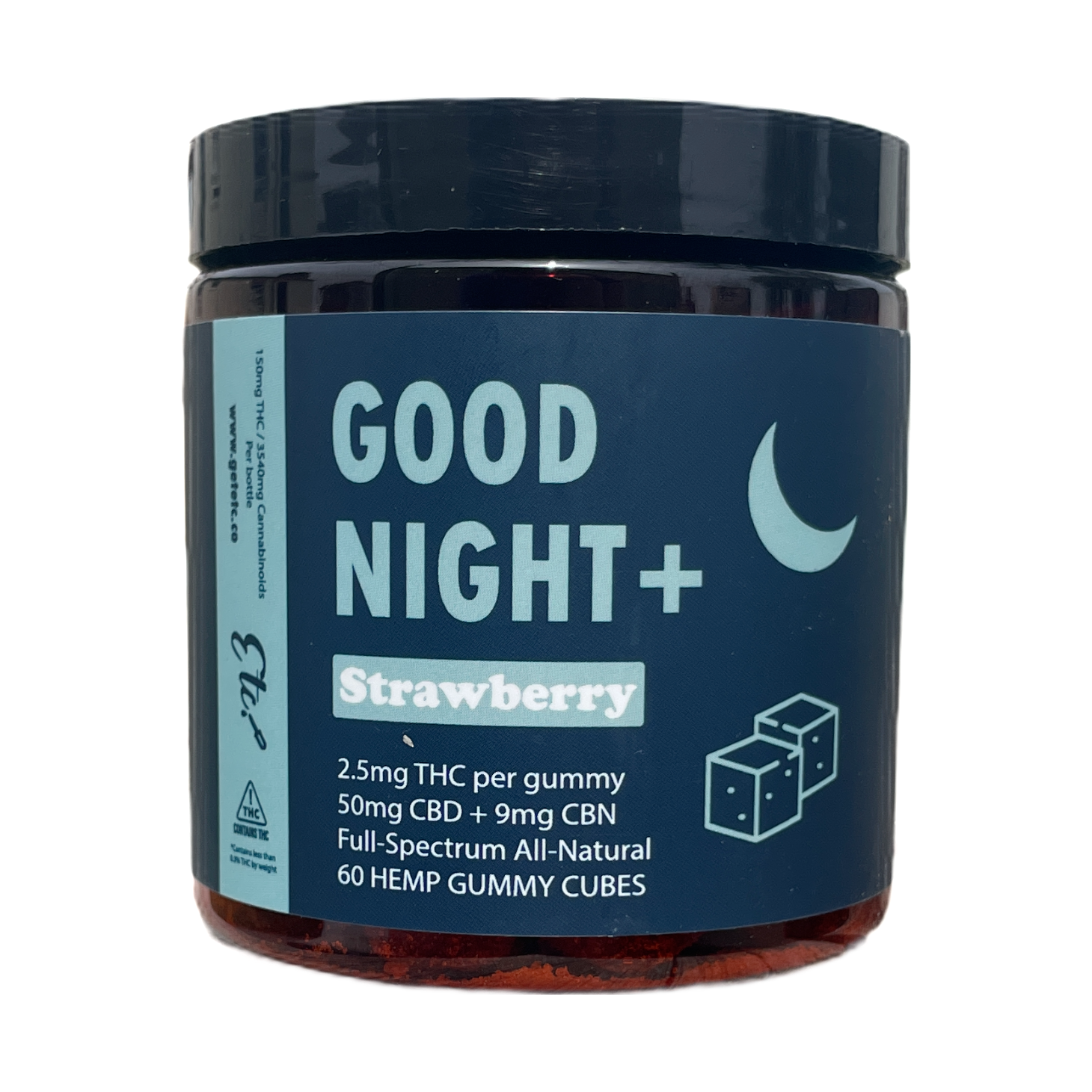
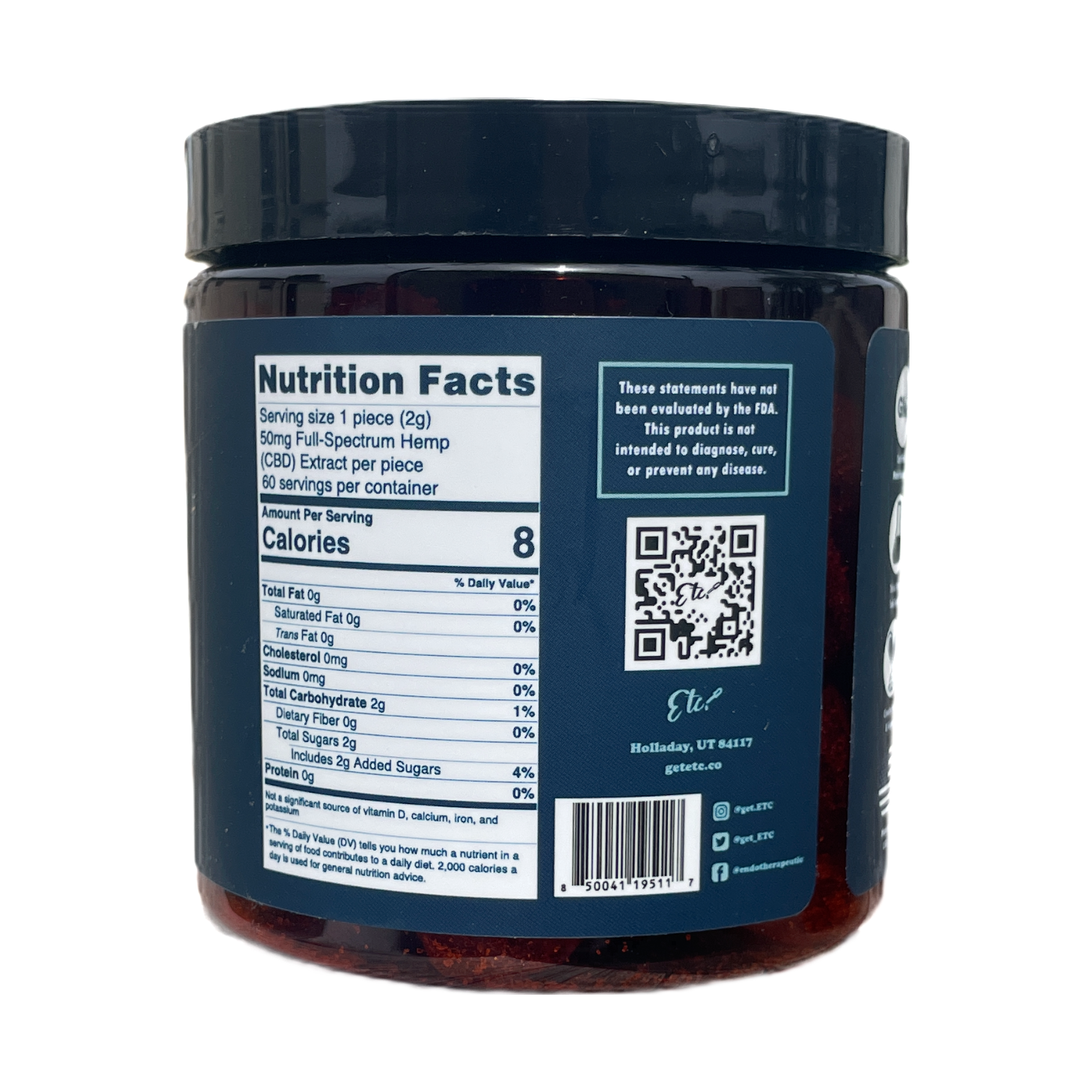
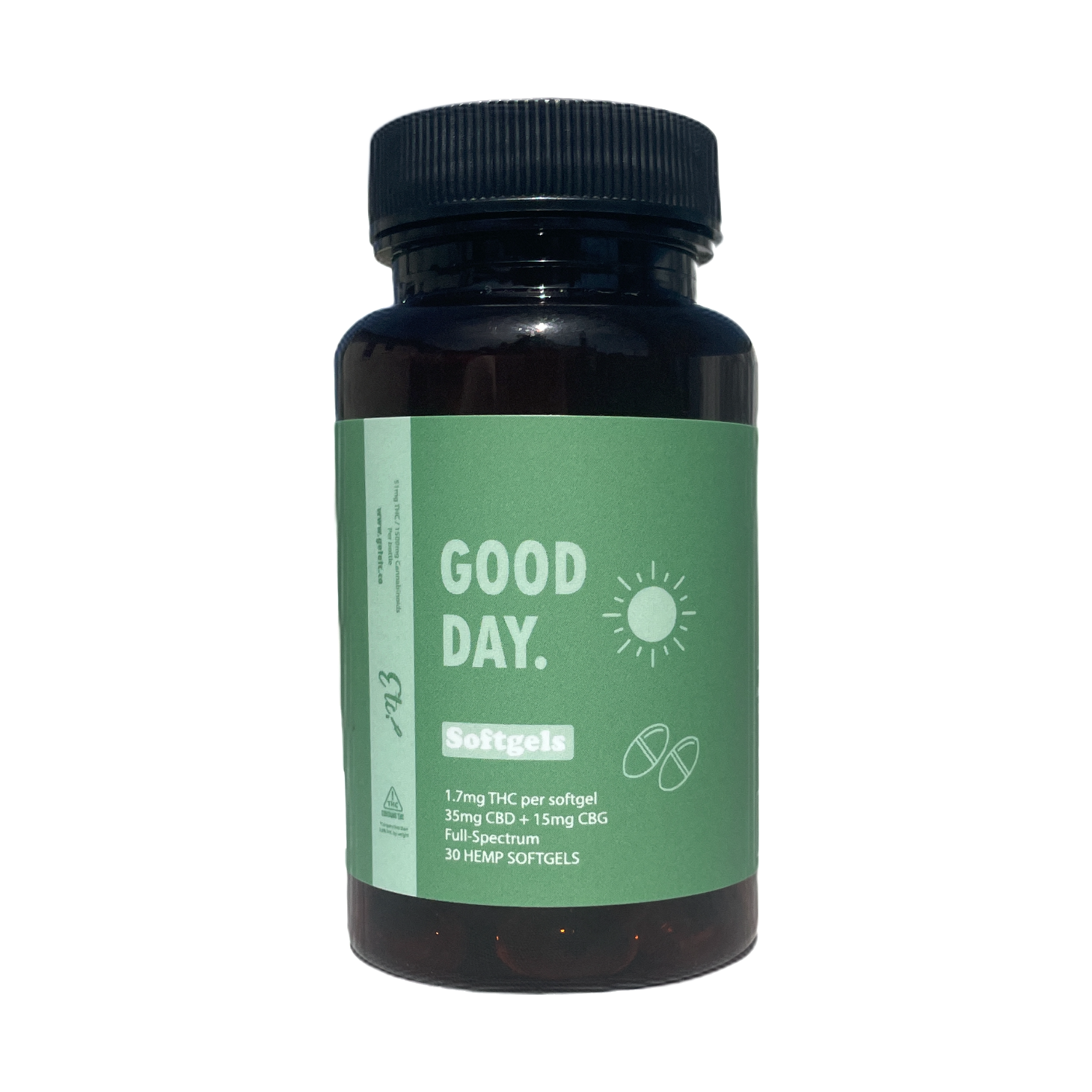
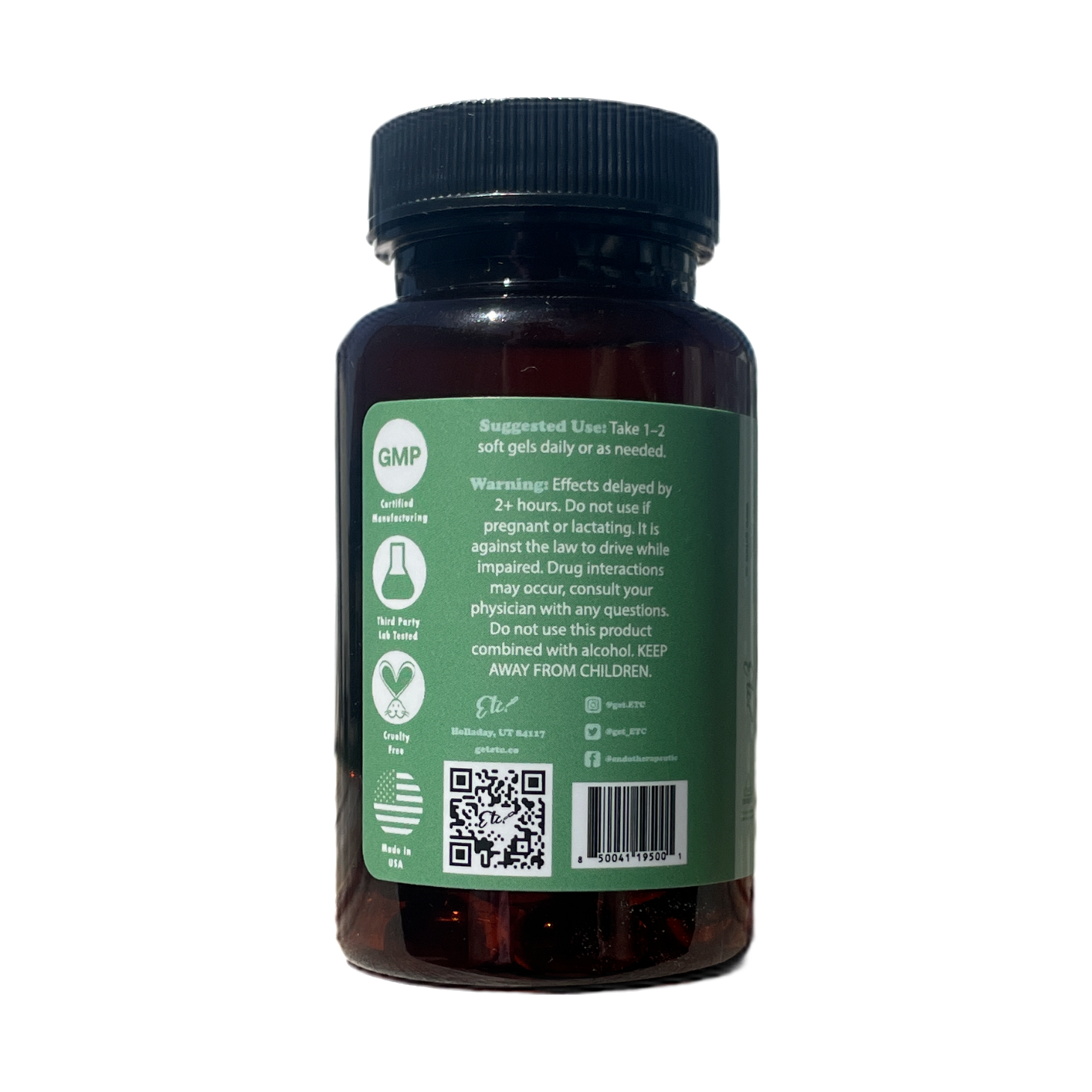
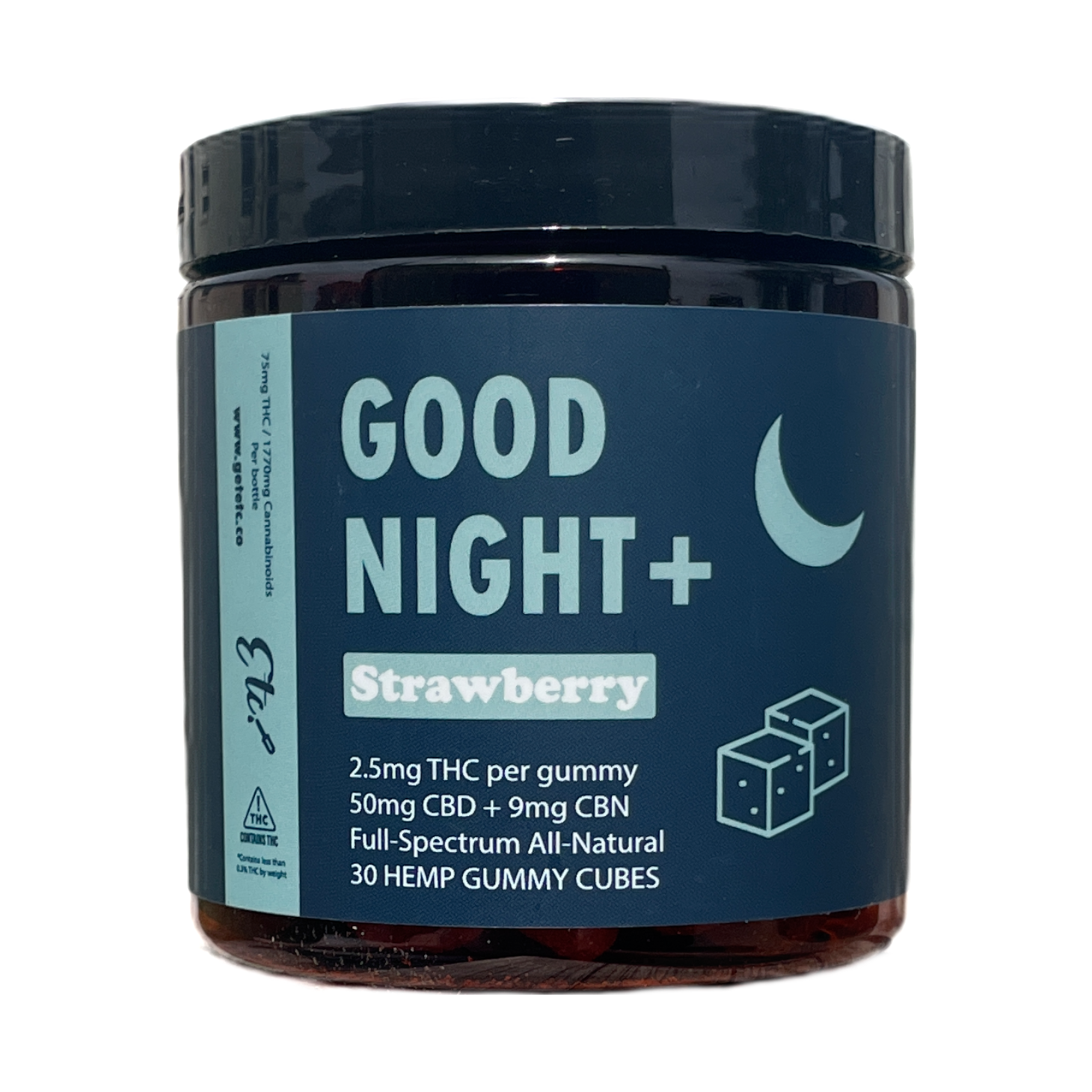
And if you’re curious about where to start, the Good Day collection and Good Night collection are built around specific cannabinoid profiles — CBG-forward for daytime balance and focus, CBN-forward for evening wind-down. Both are physician-reviewed, third-party tested, and designed for people who want to know exactly what they’re taking.
What I’d Tell My Former Skeptical Self
I’d say: your standards were right. The industry wasn’t meeting them for a long time. That’s a legitimate grievance.
But the answer to a low-quality market isn’t to dismiss an entire category of science. The answer is to find the producers who built their business around your standards, not around your gullibility.
Those producers exist now. The verified products exist. The information is available. The only thing left is the decision.
That decision — made clearly, made informed — is where the real benefit begins. Not in the softgel or the gummy itself, but in the quiet confidence of knowing you chose well. That feeling compounds, too.
Disclaimer: These statements have not been evaluated by the Food and Drug Administration. This product is not intended to diagnose, treat, cure, or prevent any disease. Consult your healthcare provider before starting any new wellness regimen.
Photo by Lumière Rezaie on Unsplash