




The silent partner in your morning clarity ritual
Most people can name the cannabinoid on the label. CBD — sure. Maybe THC if they’ve done a little reading. But ask someone to tell you what CBG does, and you’ll usually get a polite shrug.
That shrug is costing some people half their morning.
Not because CBG is some hidden miracle compound (it isn’t, and that framing should make you suspicious of whoever’s using it). But because understanding what you’re actually putting in your body — and why it’s in there — is the difference between a routine you trust and one you’re just hoping works.
The cannabinoid you didn’t know you were already taking
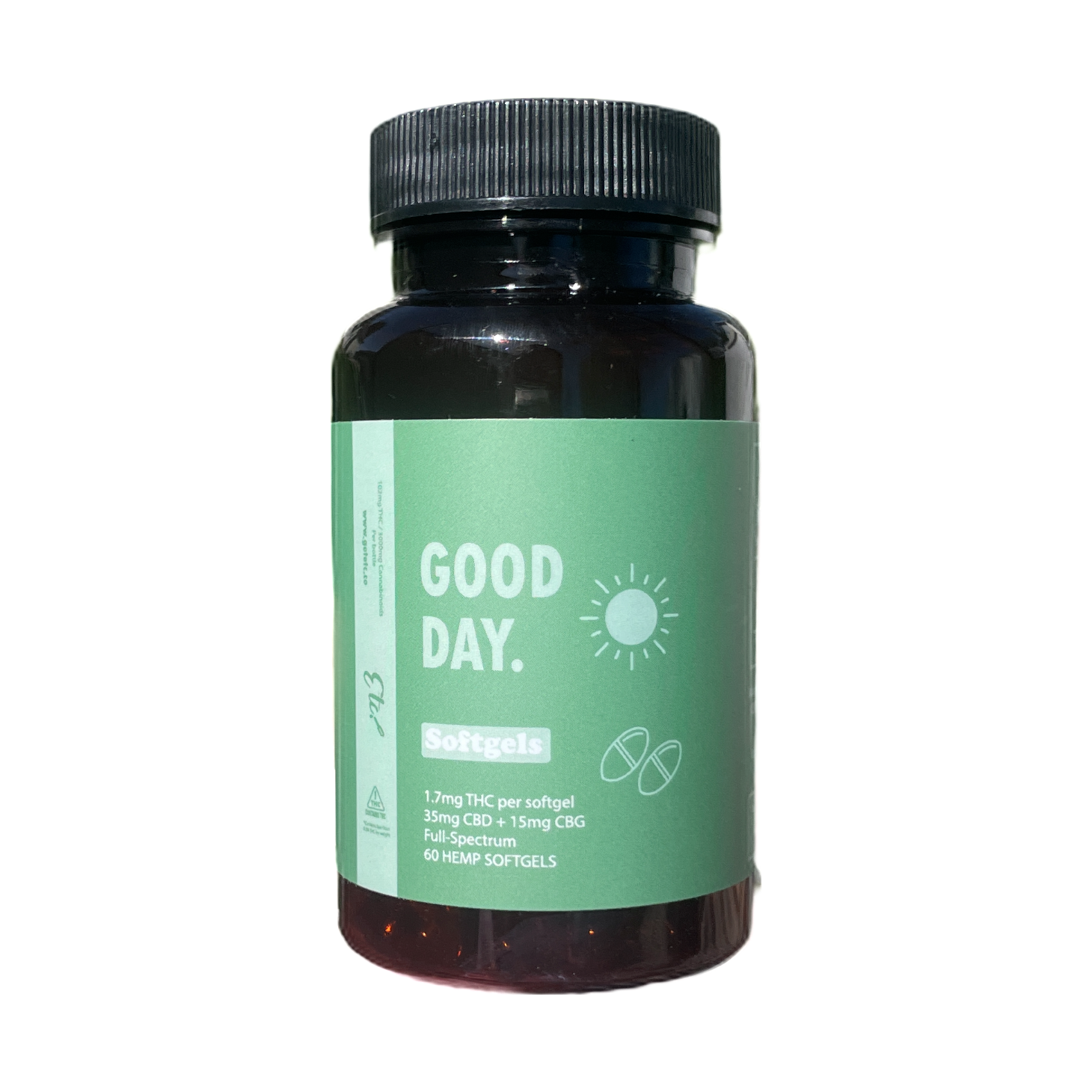
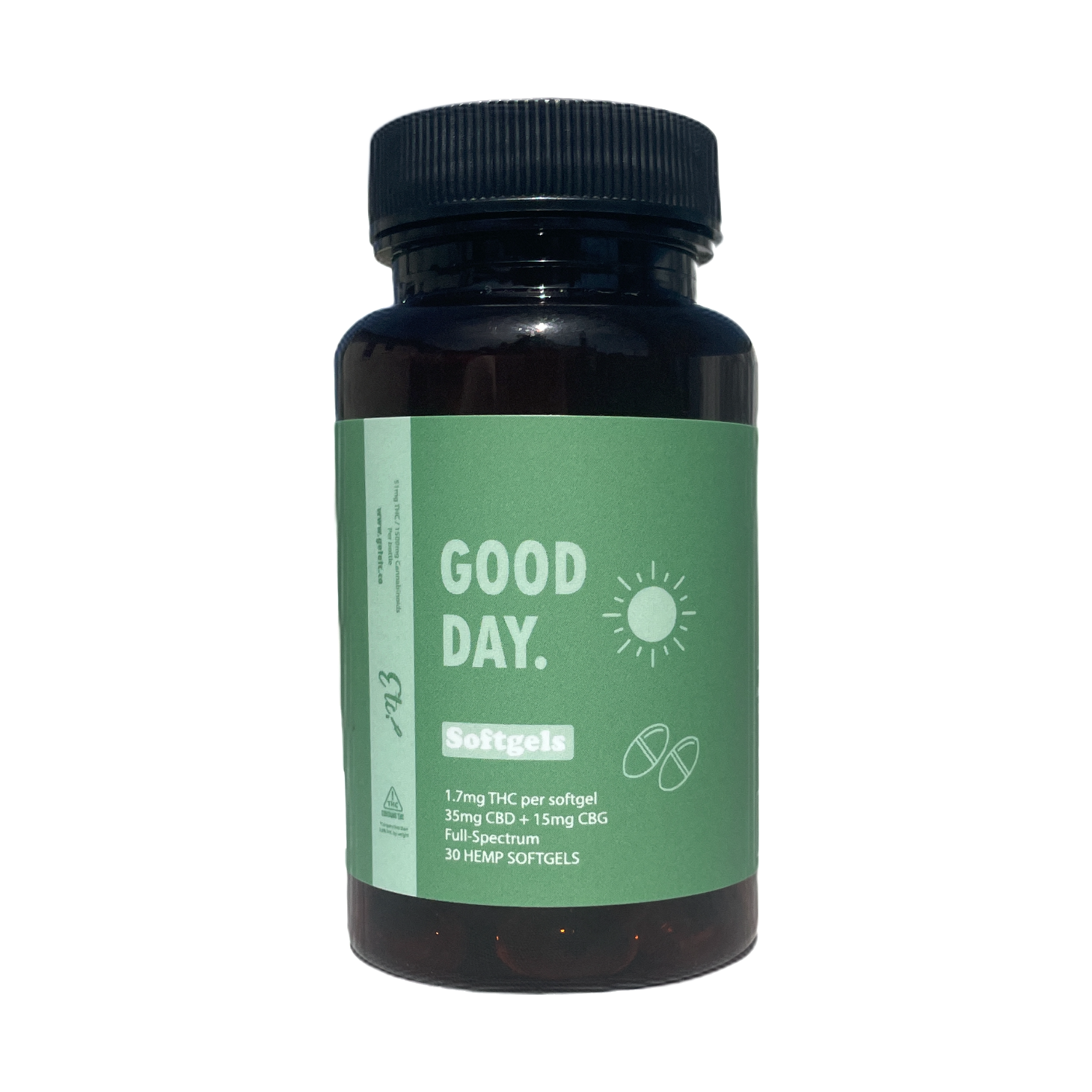
Full-spectrum hemp products contain a whole cast of compounds. That’s the point. The research on what’s called the entourage effect suggests these compounds work better together than any single one does alone. But “full spectrum” isn’t one size fits all. Different cannabinoids have different characteristics, and the Good Day formulation leans into one in particular: CBG.
CBG is present in the hemp plant naturally, but in relatively small concentrations compared to CBD. In Good Day products, it’s intentionally boosted. That’s not marketing language — it’s a formulation choice with a specific purpose.
So what does CBG actually contribute? It’s been associated with focus, alertness, and a particular kind of daytime balance that feels less like stimulation and more like clarity. Not wired. Not buzzed. Just present. Researchers studying it have noted properties including support for normal blood pressure, bone health, and general antibacterial function. Practically speaking, what users tend to notice is more like: less mental noise, more ability to stay on what they’re doing.
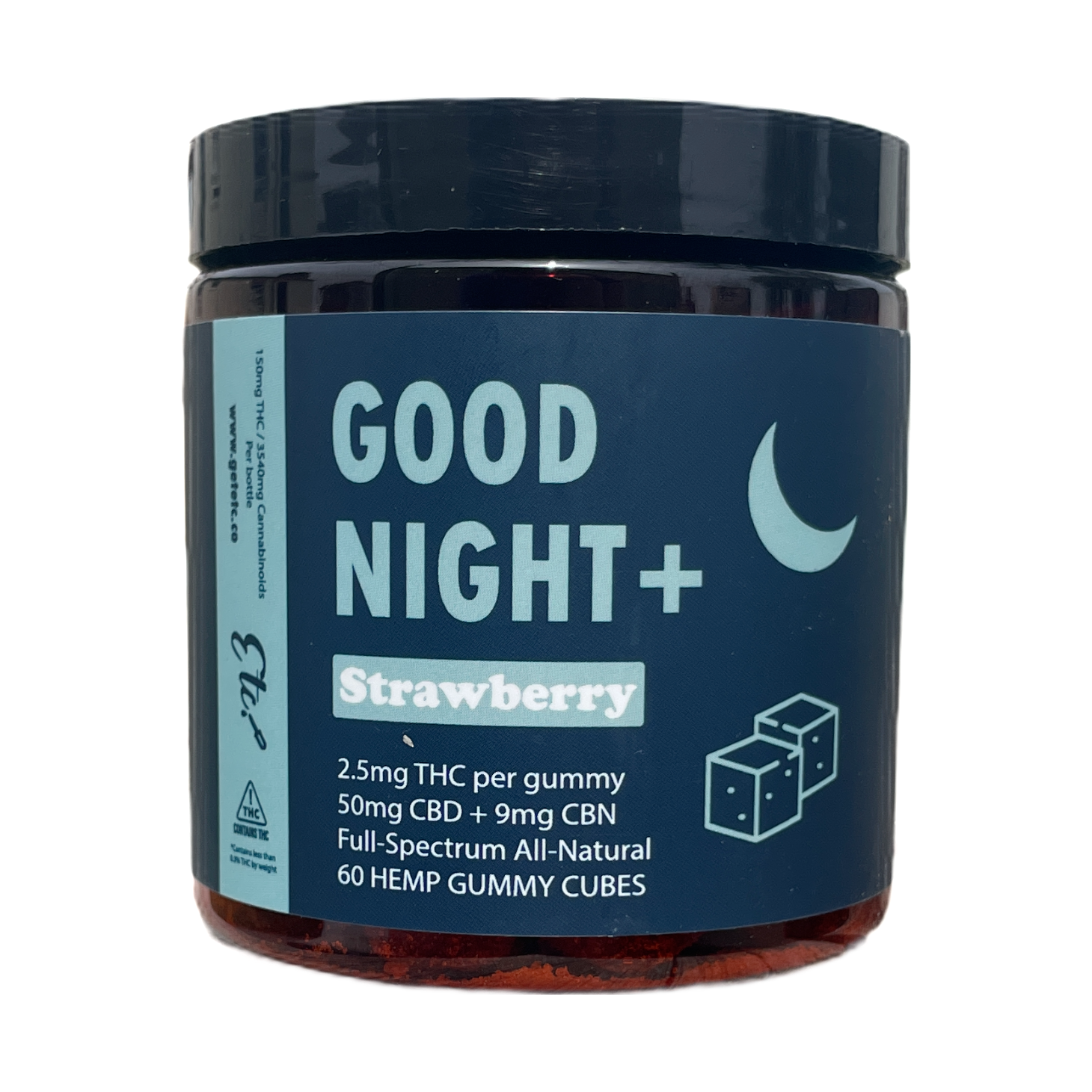
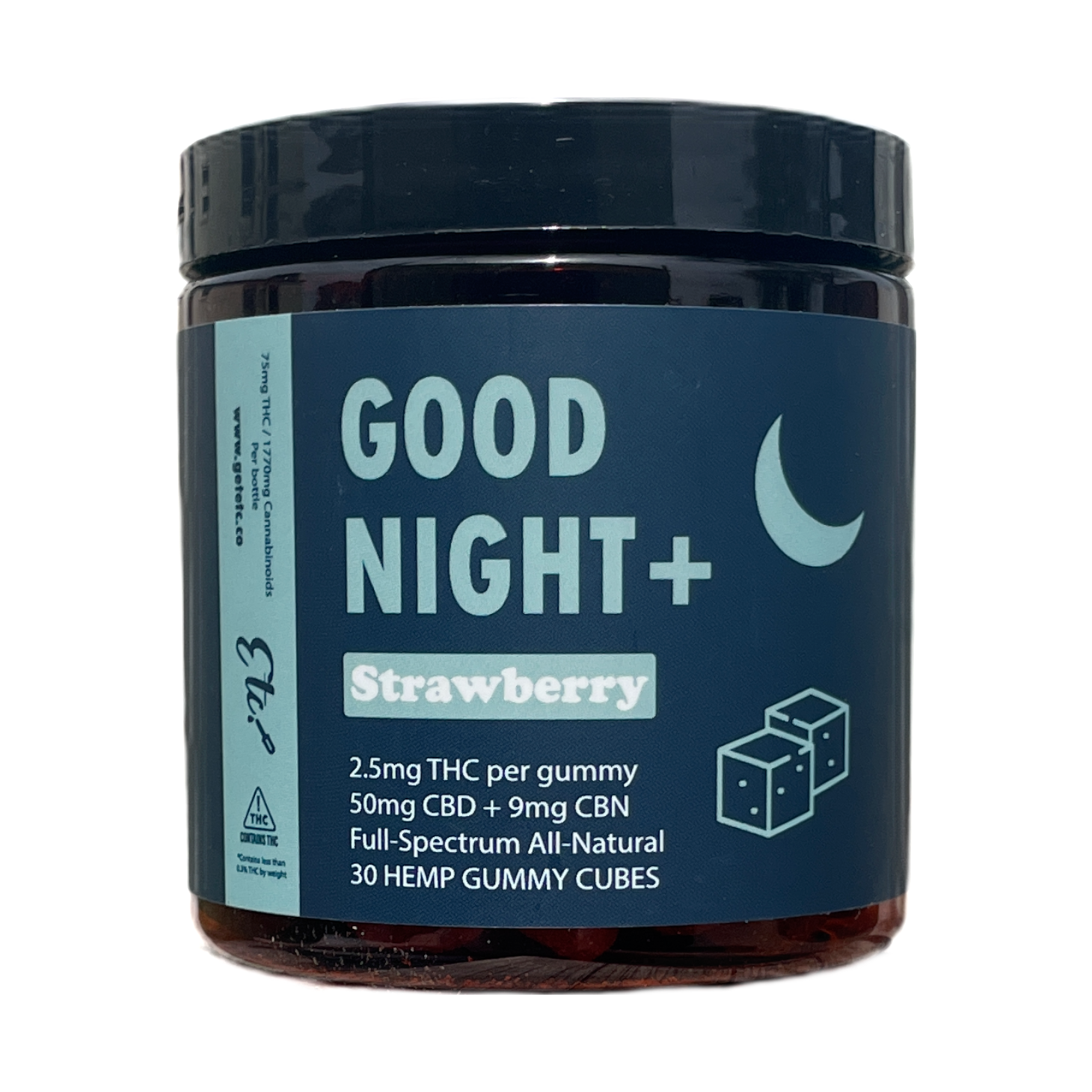
That’s why CBG ends up in a daytime product and CBN — which leans toward drowsiness and wind-down — ends up in Good Night.
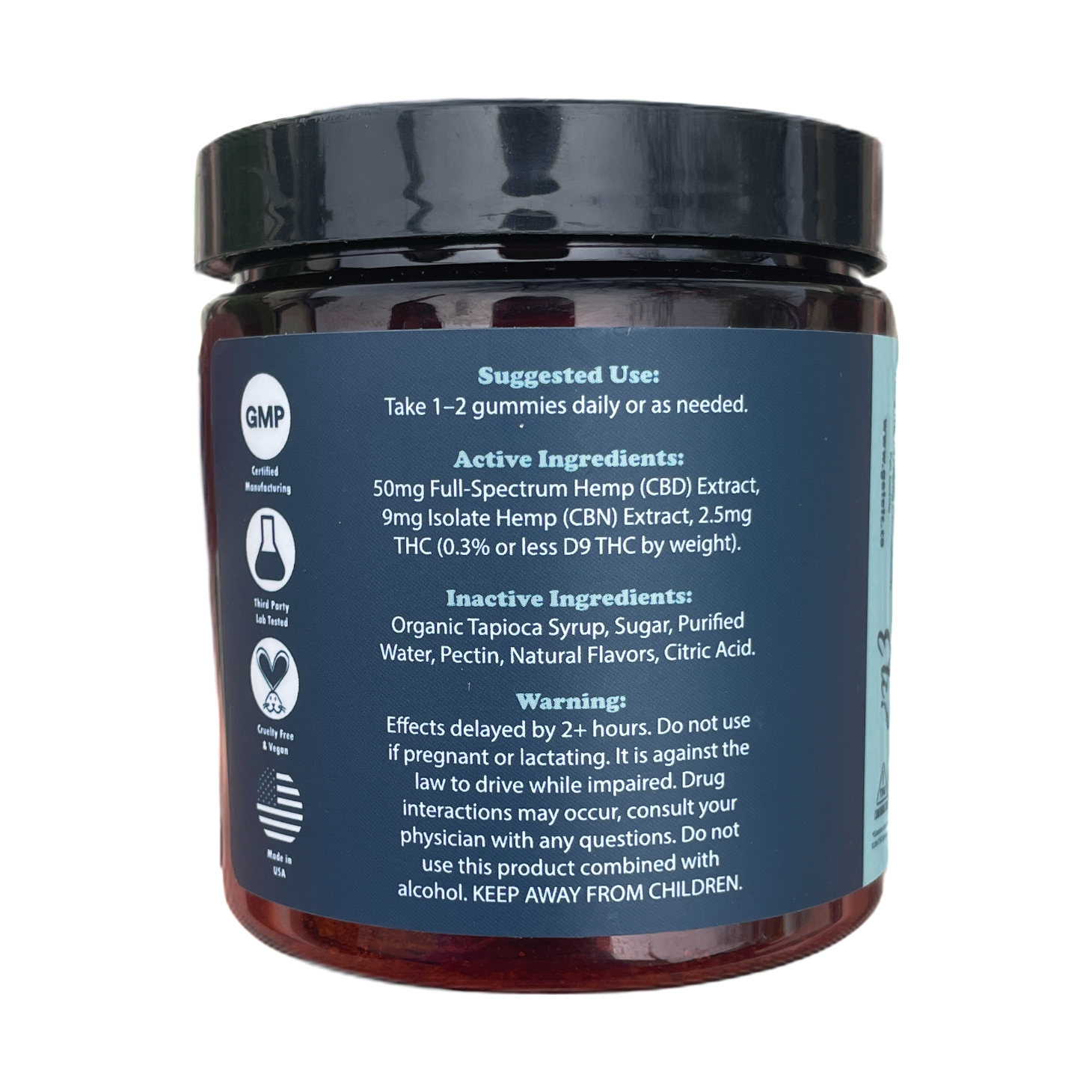
The person who reads the label wins
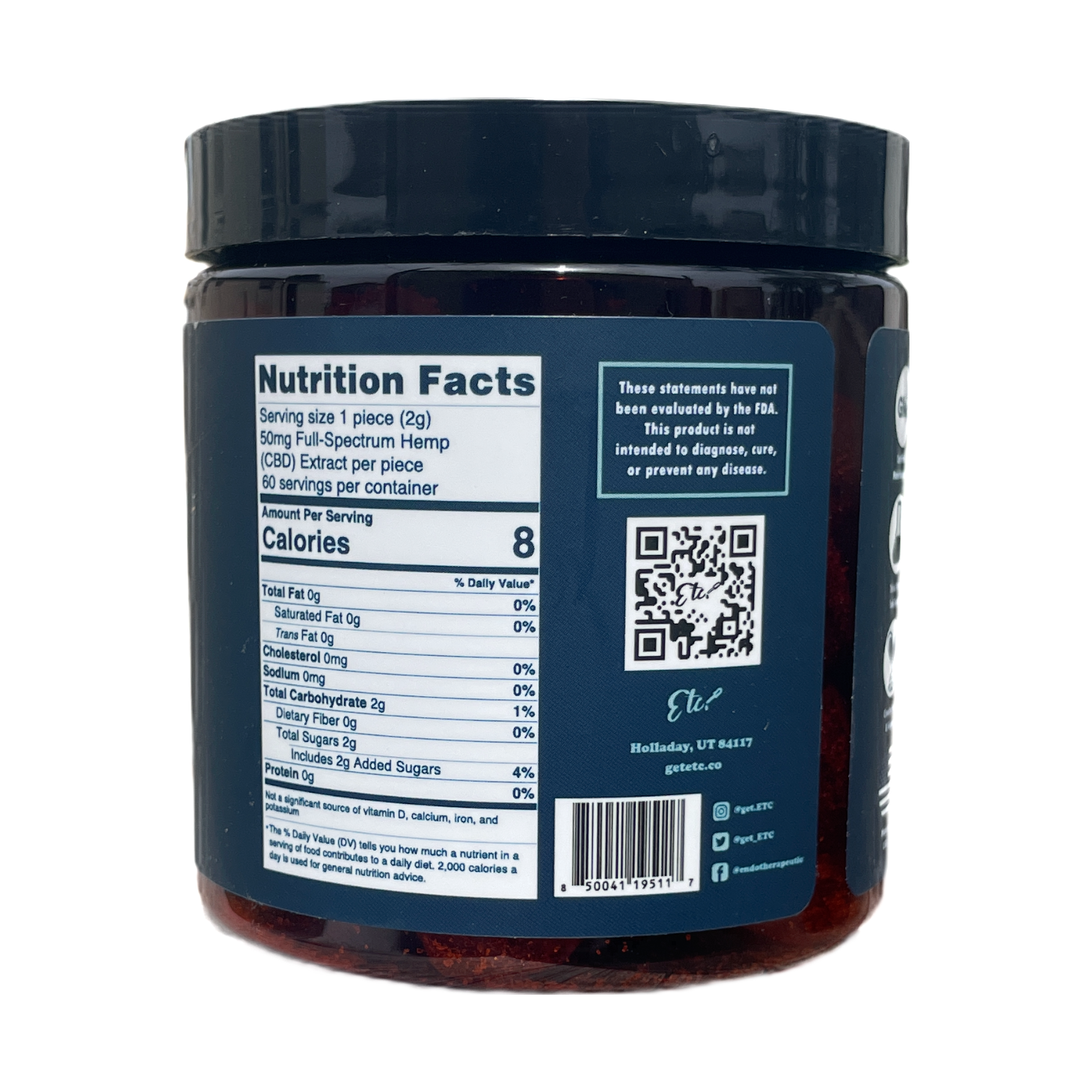
Here’s the part most wellness content glosses over: understanding what’s in your product is an act of empowerment, not just due diligence. There’s a real difference between someone who picks up a product because the packaging looks clean and someone who picks it up because they understand the cannabinoid profile, looked at the third-party lab results, and decided this is a fit.
The second person doesn’t need to be talked into consistency. They already know why they’re doing it.
This sounds obvious, but the wellness space has a long track record of making consumers feel like they need to trust the brand unconditionally because the science is too complicated. That’s not how it should work. You have every right to know what’s in your product, how much, and what each component is doing.
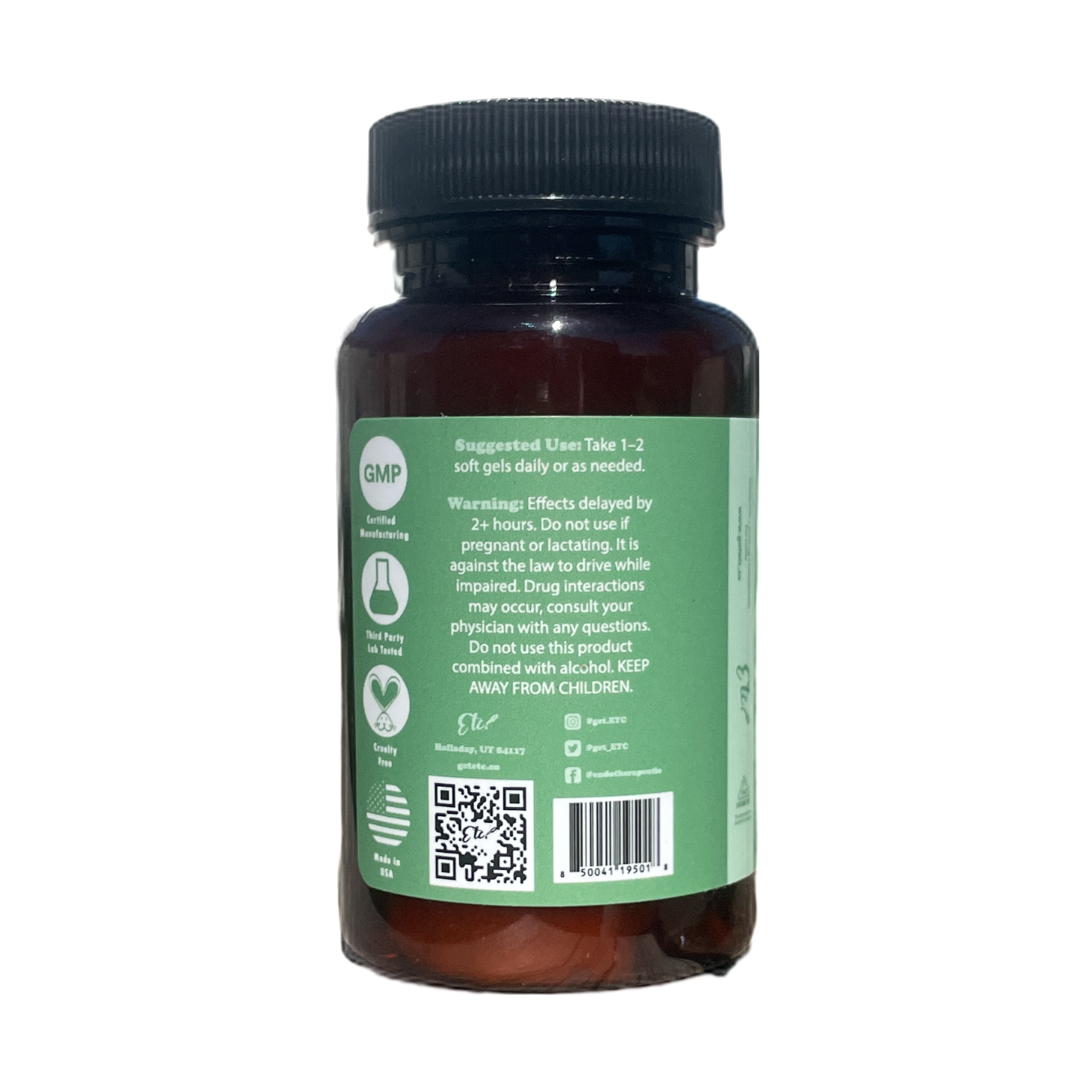
Good Day’s COA (Certificate of Analysis, from a third-party lab) is publicly available at reliefetc.com/pages/coa. It shows the cannabinoid breakdown by batch. If you’ve never looked at one before, it’s worth two minutes of your time. Not because you’re auditing anyone, but because seeing the actual numbers on your actual product closes a loop that vague label language never will.
That closed loop is confidence. And confidence in your routine changes how you show up for your routine.
What consistent mornings actually deliver
An 8-week observational study conducted on ETC products found that participants improved across every dimension measured: overall feeling, mood, energy, and sleep. The average overall improvement across all participants was 30%. Energy scores moved from 3.4 to 4.3 on the scale. Mood showed the largest total gain, climbing from 3.7 to 4.6.
But the detail that matters most here isn’t any single number. It’s that the improvements were consistent week over week. Not a spike in week one that leveled off. Gradual, steady, cumulative.
That pattern reflects something real about how the endocannabinoid system works. Your body produces cannabinoids naturally as part of the system that maintains internal balance. When you supplement consistently, you’re supporting a process that’s already running. It doesn’t need to be rescued. It responds to steady input over time.
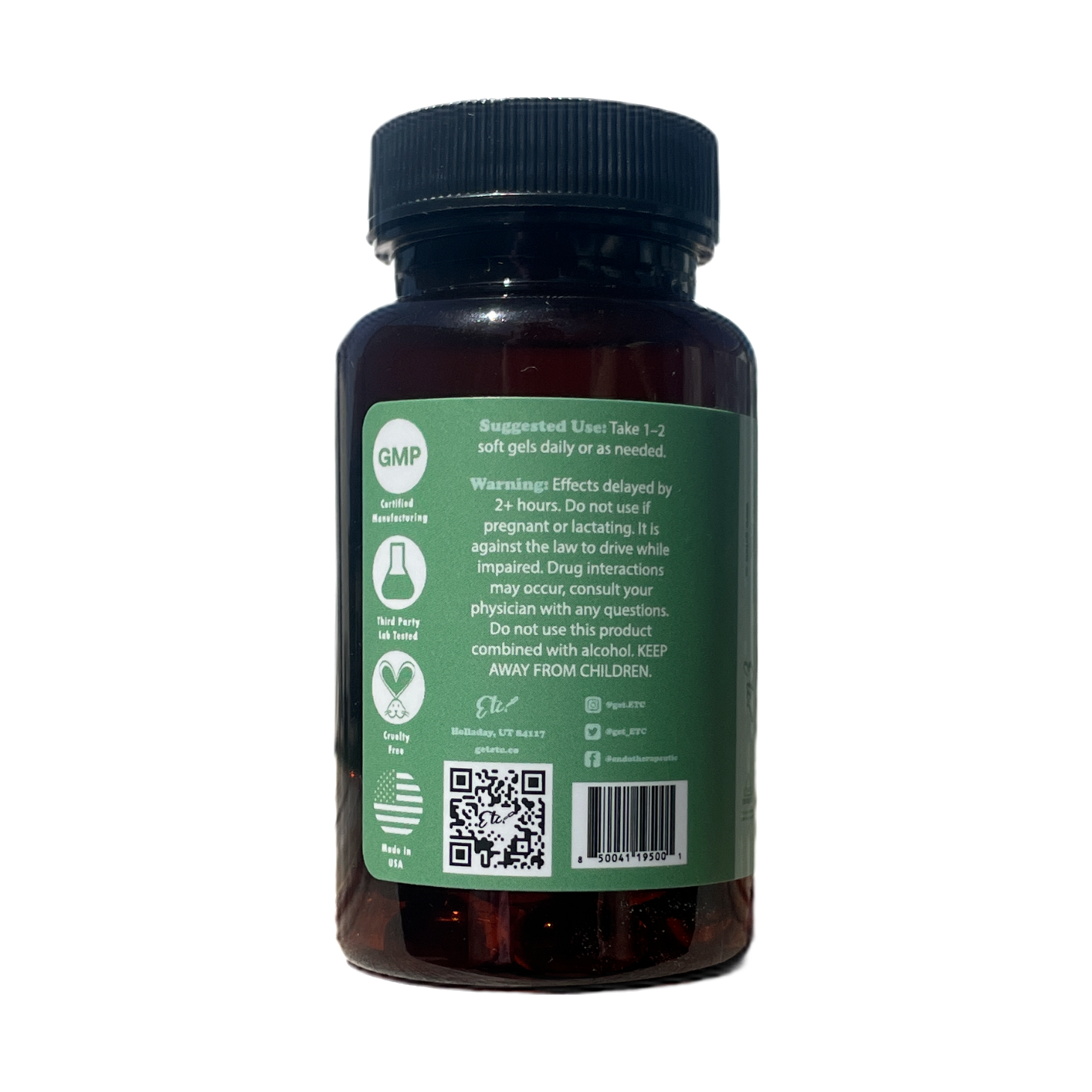
Which means the person who takes their Good Day softgel every morning and doesn’t skip it because they “felt fine yesterday” is getting something qualitatively different from the person who uses it situationally. The former is building something. The latter is just sampling.
What clarity actually feels like at the 8-week mark
People don’t usually describe the outcome as “CBG is working.” They describe it as: I felt like myself today. I got through the hard part of the afternoon without losing the thread. I didn’t need to reset mid-morning.
That sounds small until it compounds. When you feel like yourself consistently — when there’s a baseline of clarity you can count on — you make different choices. You take on the harder conversation. You focus on the thing you’ve been putting off. You’re actually present for the good parts of your day instead of just surviving the friction.
Inner peace, in this context, isn’t a spa concept. It’s the quiet confidence of a person who isn’t at war with their own focus. Who isn’t white-knuckling through the day hoping their brain cooperates. Who built a morning routine they understand, verified it, and now trusts it enough to stop thinking about it.
That’s the outcome CBG in a daytime formula is pointing toward. Not a dramatic transformation. A steadier floor.
If you’ve been using a full-spectrum product without really knowing what’s in it, today’s a reasonable day to look. The Good Day line is available in softgels (zero flavor, easy to take) and gummies (vegan, real fruit). The Good Day+ version carries 50% more cannabinoids per serving for those who’ve found the standard formulation isn’t quite enough.
The label has more to tell you than most people ask it. Start there.
Disclaimer: These statements have not been evaluated by the Food and Drug Administration. This product is not intended to diagnose, treat, cure, or prevent any disease. Consult your healthcare provider before starting any new wellness regimen.
Photo by Wahid Sadiq on Unsplash