

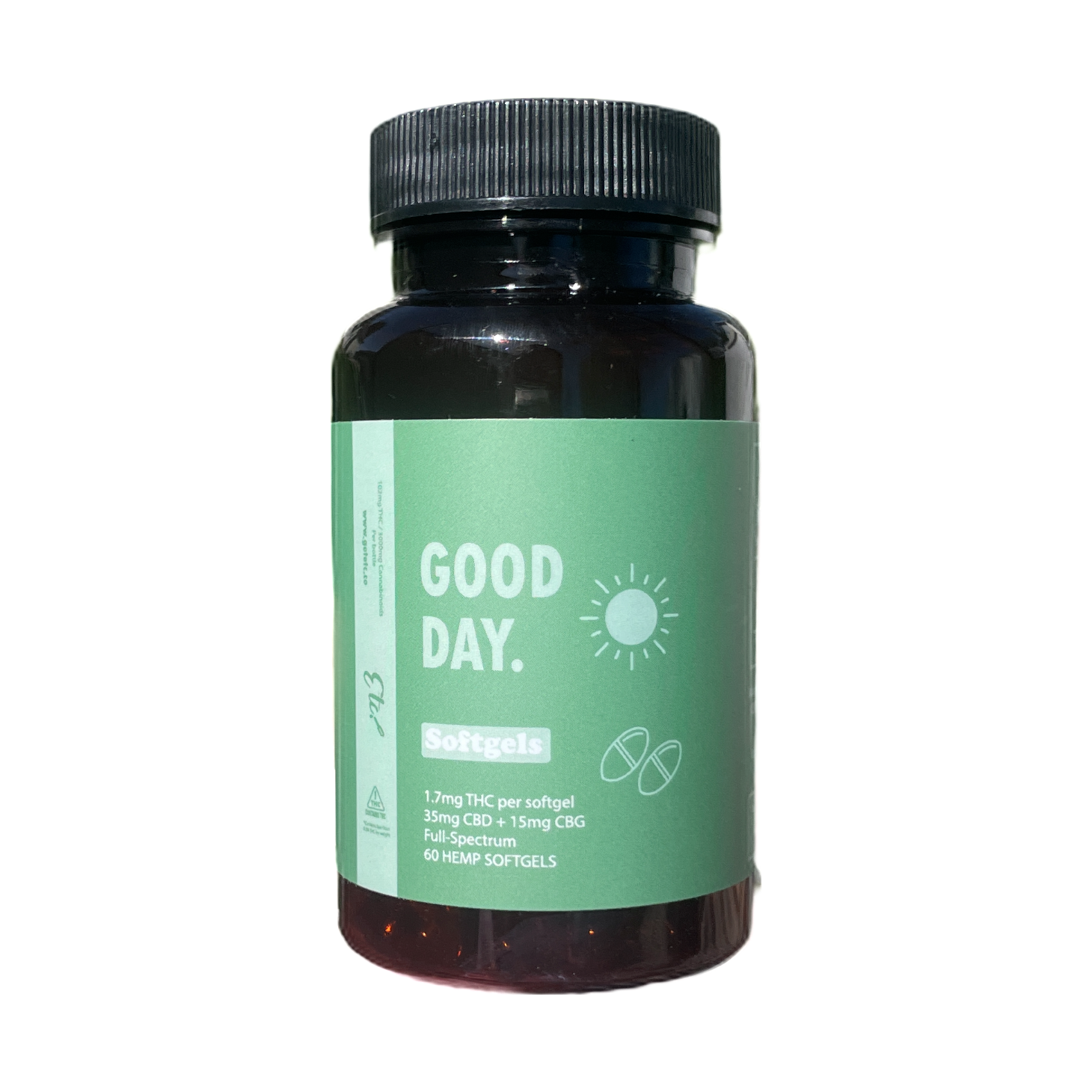
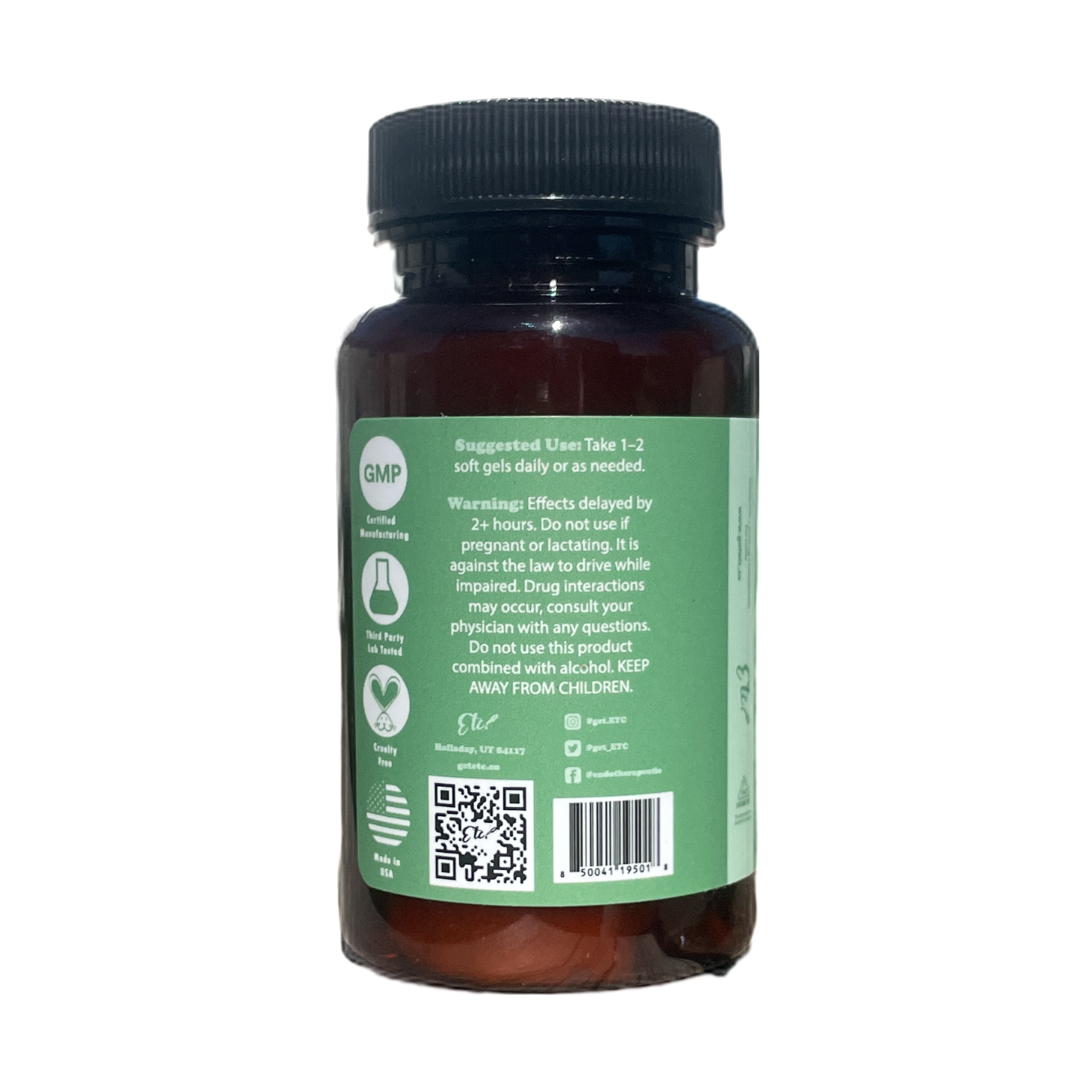
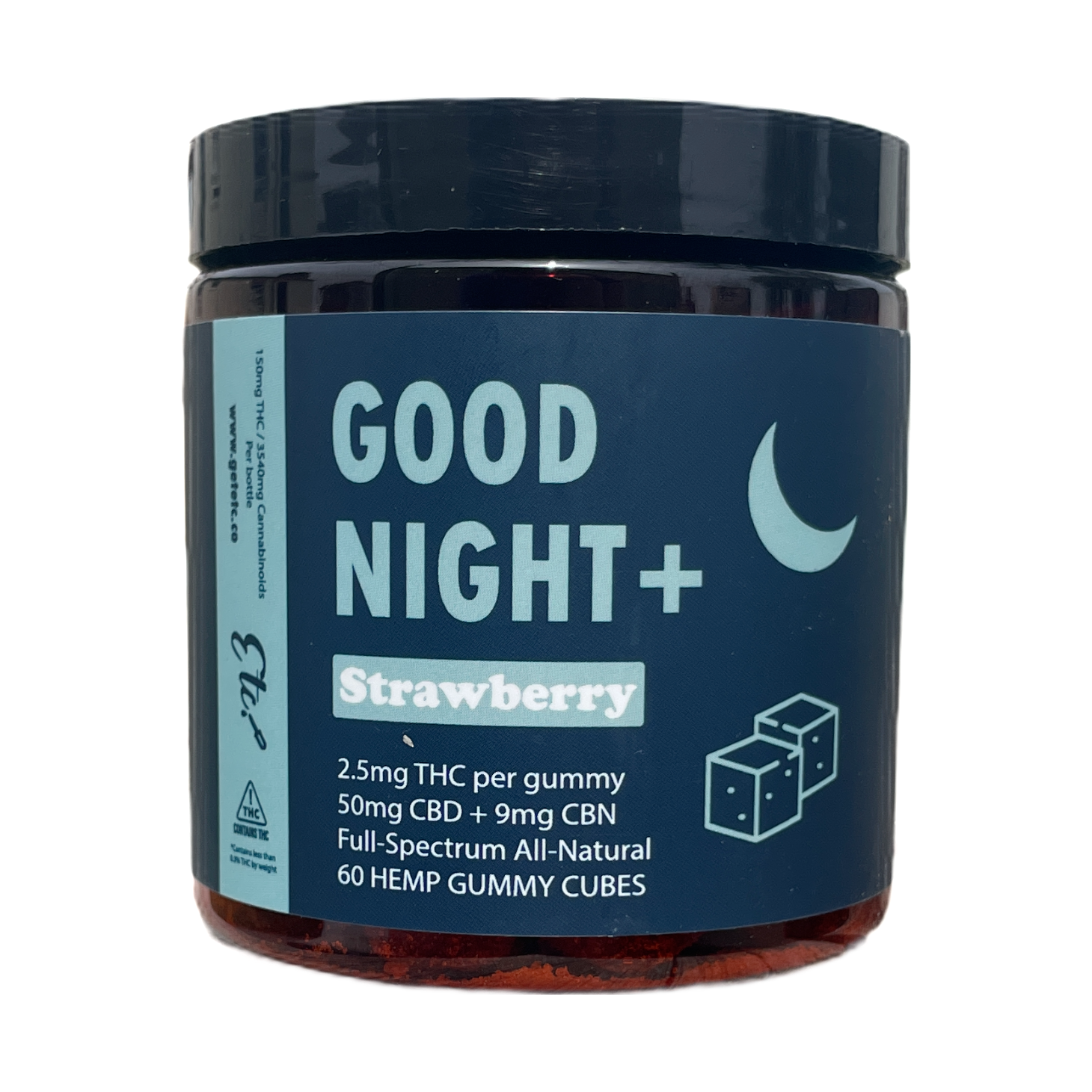
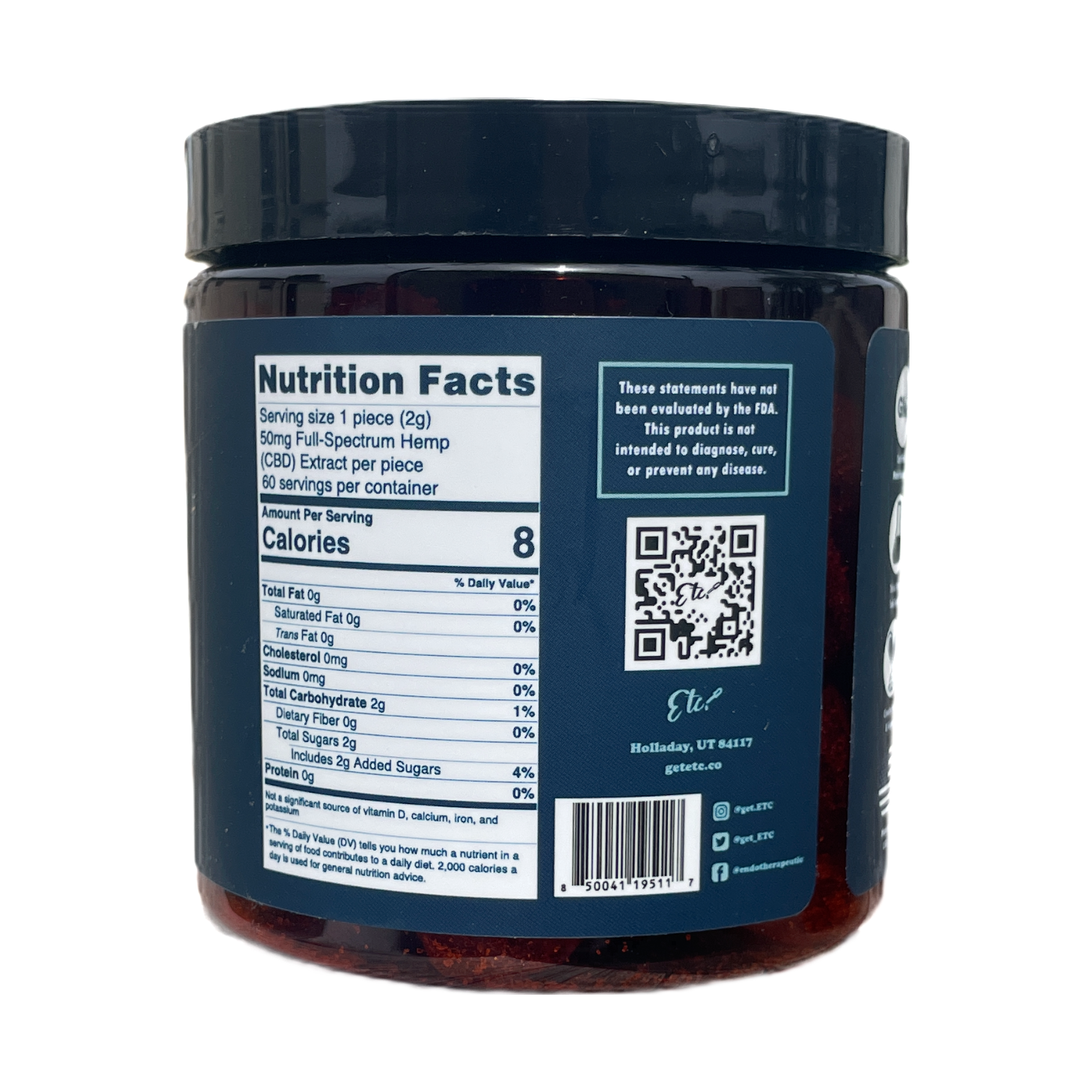

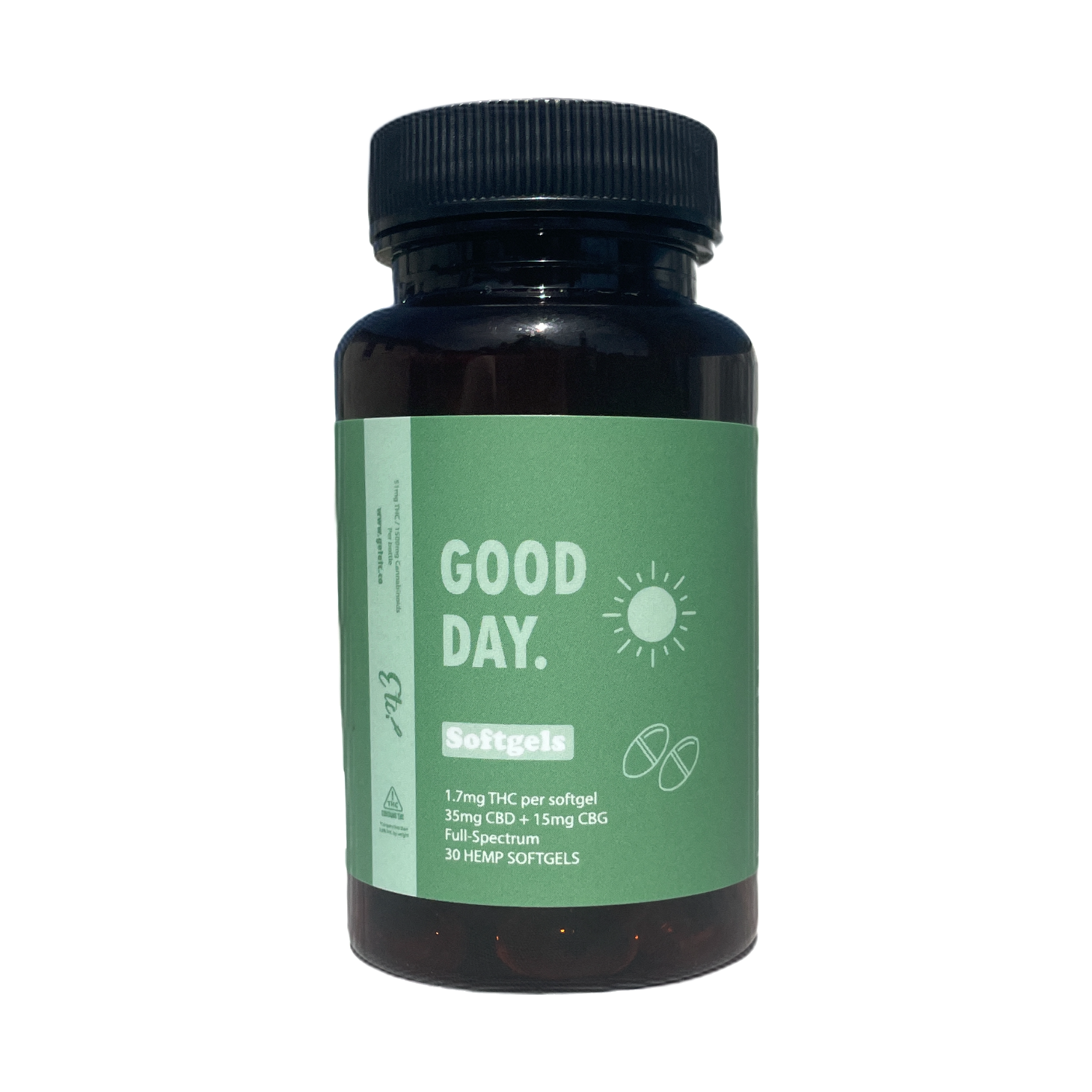
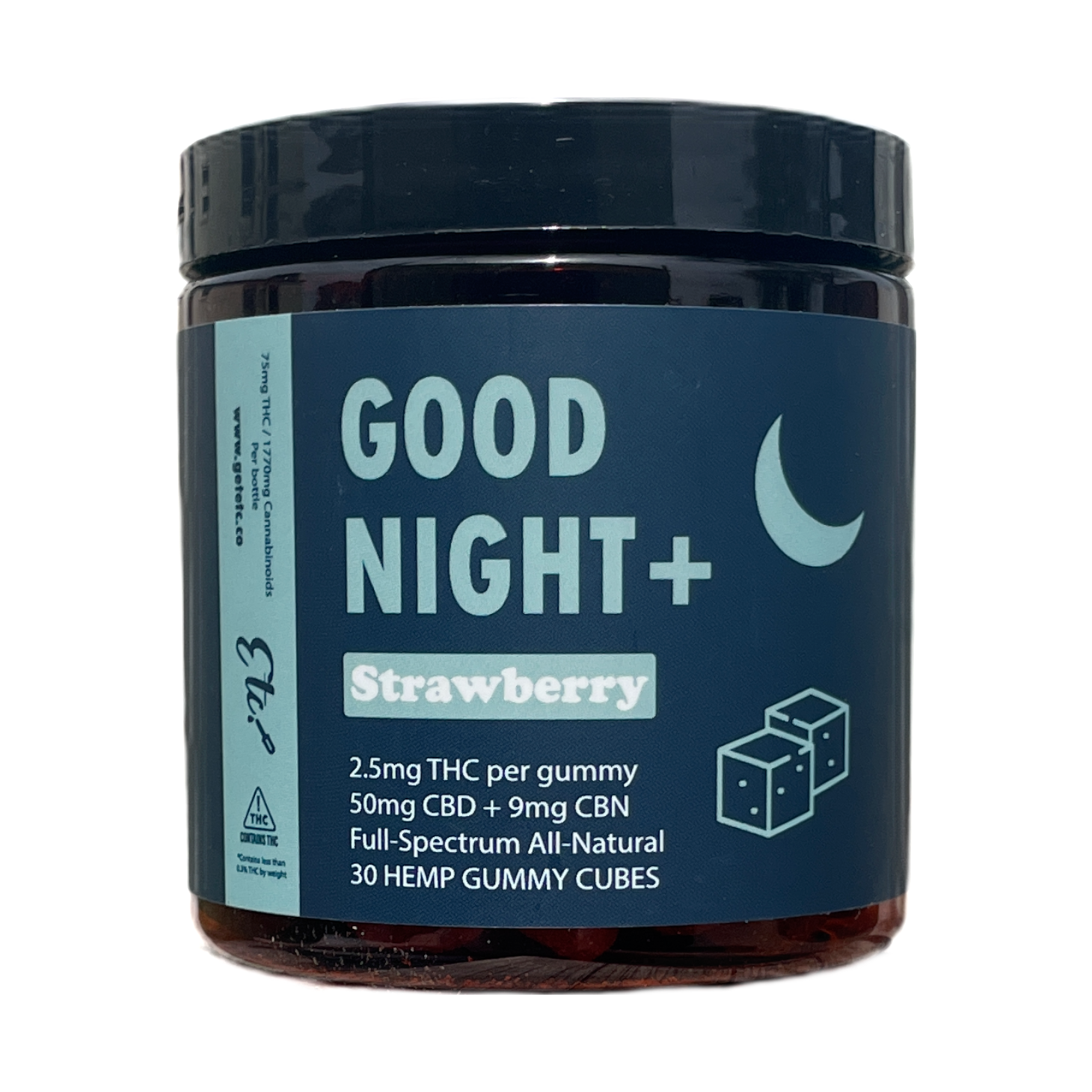


Good Day and Good Night share a single ingredient. But not a single formula.
Here’s a question people ask us all the time, usually after they’ve tried one product and are thinking about adding the other: “What’s actually different about Good Day and Good Night?”
The honest answer: more than you might expect, and less than you might fear.
They share a full-spectrum hemp base. Same cannabinoid foundation. Same commitment to quality. But the formulas diverge in one deliberate way, and that divergence is the whole point.
The one ingredient they share — and the one thing they don’t
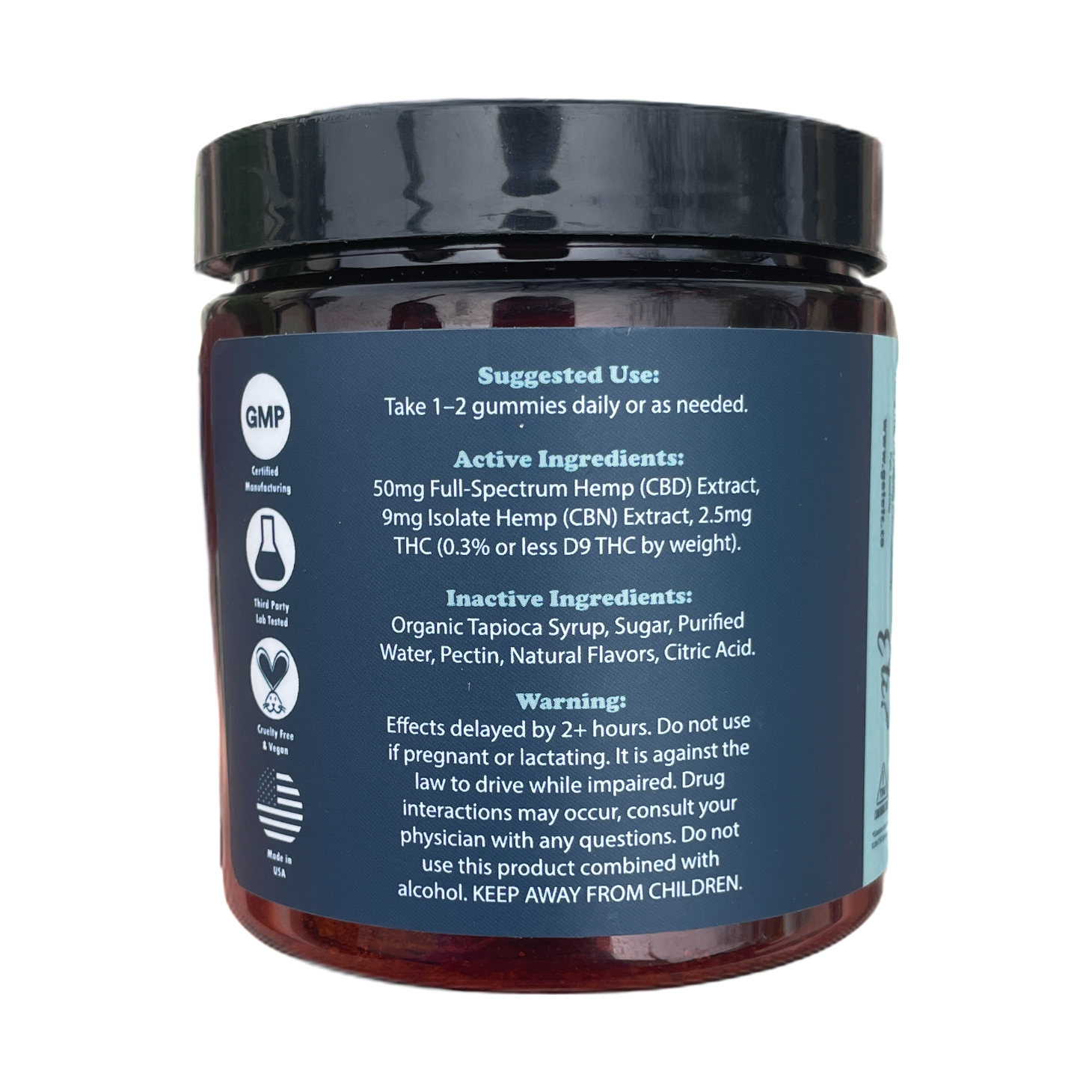
Both Good Day and Good Night are built on a full-spectrum hemp extract. That means every cannabinoid the plant produces naturally: CBD, CBG, CBN, CBC, trace THC, and more. Full-spectrum isn’t just a label. It reflects a real principle in cannabinoid science: the compounds work better together than in isolation. Each one contributes something the others support.
That shared base is where the similarity ends.
Good Day is formulated with boosted CBG. Good Night is formulated with boosted CBN. Those two letters represent genuinely different cannabinoids with meaningfully different profiles.
CBG tends toward daytime. It’s associated with focus, energy support, and a kind of alert balance that pairs well with morning routines and the demands of a regular workday. If you’ve ever wanted to feel more “on” without feeling wired, CBG is doing some of that work.
CBN tends toward evening. It’s associated with drowsiness and a settling-in quality that makes it a natural fit for winding down. Not sedation, but the kind of ease that lets the day release its grip on you.
One formula to start the day feeling capable. One to end it feeling calm. That’s the design.
Why two products instead of one
Some people ask why there isn’t a single formula that does everything. It’s a fair question. And the answer is that daytime focus and nighttime rest are, biologically, pulling in opposite directions. A formula optimized for one is by definition not optimized for the other.
What you want at 7am (clarity, momentum, presence) is not what you want at 9pm (quiet, rest, letting go). A single product that tries to do both ends up doing neither particularly well.
The two-product system is also just more honest. It acknowledges that wellness isn’t a flat line. Your needs shift across the day, and your routine can shift with them.
What this means for building a real habit
Here’s where the value conversation gets interesting.
Both Good Day and Good Night are available in 30-count and 60-count formats. At 60 counts, you’re looking at a two-month supply for one part of your routine. That’s not an impulse purchase; it’s a commitment to something consistent.
And consistency, it turns out, is the variable that matters most. In ETC’s own 8-week observational study, participants reported steady week-over-week improvement across all dimensions: overall feeling, mood, energy, and sleep. Not a spike in week one and a plateau. A genuine, building trend. The average improvement by week eight was around 30%. Sleep was typically the first dimension to shift.
That kind of result doesn’t come from trying something twice. It comes from showing up with it every day, giving your system time to respond, and trusting that what you’re building is real.
At the cost-per-dose level, a 60-count bottle of softgels or gummies makes a daily two-part routine genuinely accessible. This isn’t the category where you buy something once, feel underwhelmed, and give up. It’s the category where you stock up, stay consistent, and let the routine do what routines do: become invisible in the best way.
A word on the softgel vs. gummy question
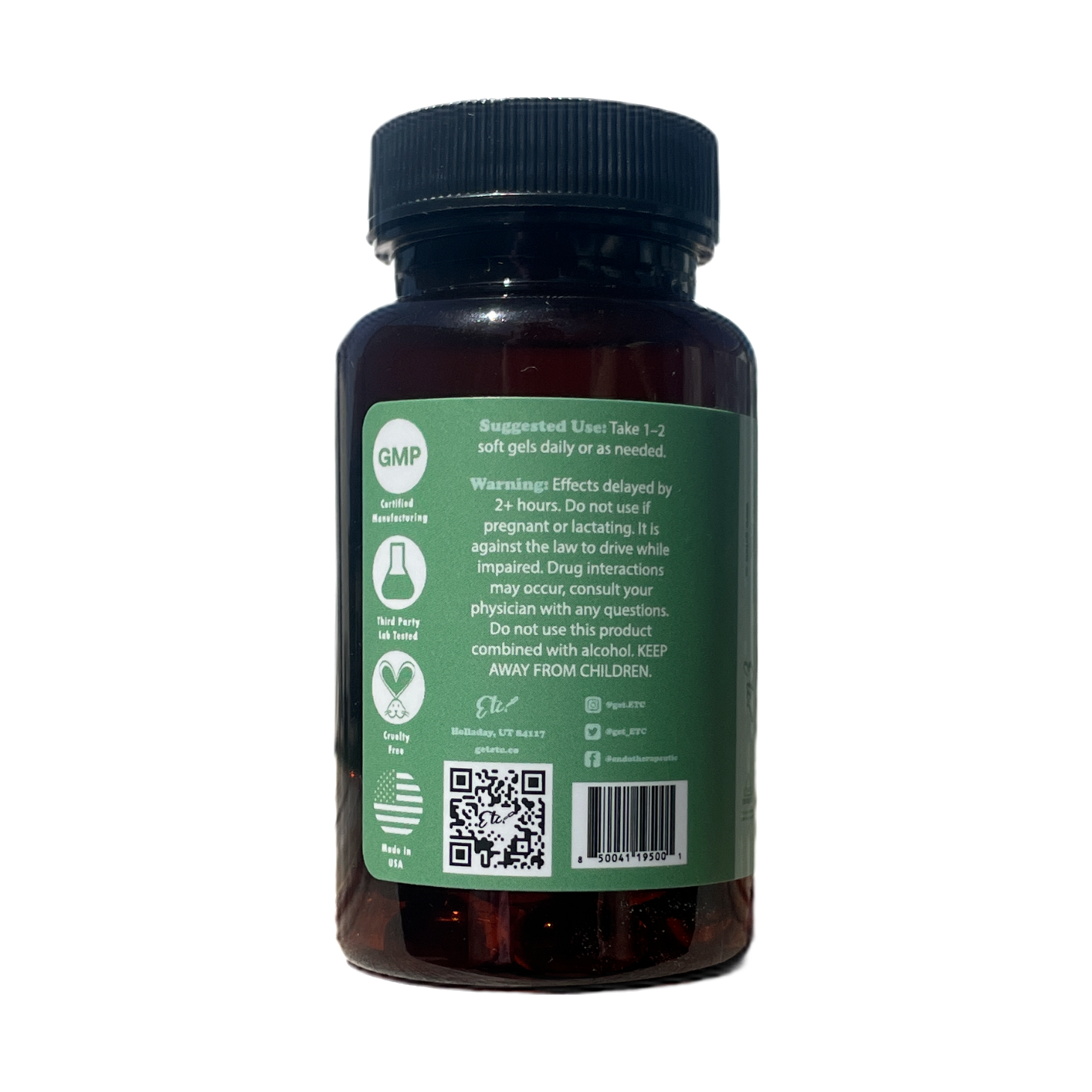
Both Good Day and Good Night come in softgels and gummies. The gummies (vegan, gluten-free, real fruit pulp) are the option if you actually want to taste something pleasant at the start and end of your day. The softgels are for people who want the same formula with zero flavor and maximum discretion.
The Good Day collection and Good Night collection each include both formats, so there’s no formula compromise either way. Pick the one that fits how you actually live.
The question of sequencing
New to cannabinoids and not sure which to try first? Most people find Good Night is the easier entry point. Sleep is often the first dimension where people notice something, and it’s one of the clearest signals to track. If you go to bed wound up and wake up more rested, you’ll know.
From there, adding Good Day creates the full picture: a morning formula to help you feel present and ready, an evening formula to help you come down from whatever the day brought. Two formulas. One consistent routine. A version of your day that feels more like something you chose.
That’s the inner peace that doesn’t arrive in a bottle. It arrives when you stop feeling like your days are happening to you.
The practical version of all of this
Start with one. Give it four weeks. Let the habit form before you evaluate the outcome. Then add the other if it makes sense. Buy the 60-count if you already know you’re in for the long game; the per-dose cost is noticeably lower and you won’t run out in the middle of a streak.
All COA lab results are published publicly at reliefetc.com/pages/coa, so if you’re the kind of person who wants to see exactly what’s in each formula before you commit, that’s two clicks away.
Good Day and Good Night. Same foundation. Different jobs. One routine worth keeping.
Disclaimer: These statements have not been evaluated by the Food and Drug Administration. This product is not intended to diagnose, treat, cure, or prevent any disease. Consult your healthcare provider before starting any new wellness regimen.