




That midday fog is a signal, not a failure
There’s a moment that happens to a lot of people around 1 or 2 in the afternoon. You’ve handled the morning, crossed a few things off the list, maybe eaten something. And then, without warning, the gears slow. Your thoughts get a little slippery. Rereading the same sentence twice feels necessary. You’re not tired exactly, but you’re not quite here either.
Most people diagnose this as a personal flaw. Not enough sleep. Too much coffee earlier. Weak willpower. So they pour another cup and push through, which works for about forty minutes, and then the same fog shows up wearing a slightly different hat.
Here’s a different way to look at it: that midday slowdown isn’t evidence that you’re doing something wrong. It’s your body sending a pretty clear signal that something in your system needs attention. The question is whether you’re going to keep overriding it or actually respond to it.
The signal beneath the fog
Your body runs on something called the endocannabinoid system, or ECS. It’s in every mammal on the planet, and it does one primary job: maintain balance. Mood, focus, energy regulation, sleep, stress response — the ECS has a hand in all of it. You actually produce your own cannabinoids naturally. Your body is already running this system whether you know about it or not.
When life stacks up — poor sleep, a rough week, skipped meals, a workload that doesn’t take breaks — the ECS can fall behind. It’s not a character flaw. It’s just a system under strain. And one of the ways that strain shows up is in the kind of scattered, low-grade mental fog that makes afternoons feel like wading through something thick.
The body is communicating. The productive response isn’t to silence it louder. It’s to support what it’s already trying to do.
Why consistency beats intensity
A lot of people approach wellness the same way they approach a deadline: hard push, then collapse, then repeat. Buy the supplement, take it for a week, feel vague about the results, forget about it. This is almost universally how the “it didn’t work” story gets written.
What actually works is boring and kind of reassuring at the same time. In ETC’s own 8-week observational study, participants reported a roughly 30% overall improvement in how they felt, and the gains came steadily, week over week. Energy moved from an average of 3.4 in week one to 4.3 by week eight. Mood improved from 3.7 to 4.6. These aren’t dramatic spikes. They’re the gradual result of showing up consistently.
The study didn’t reward intensity. It rewarded repetition.
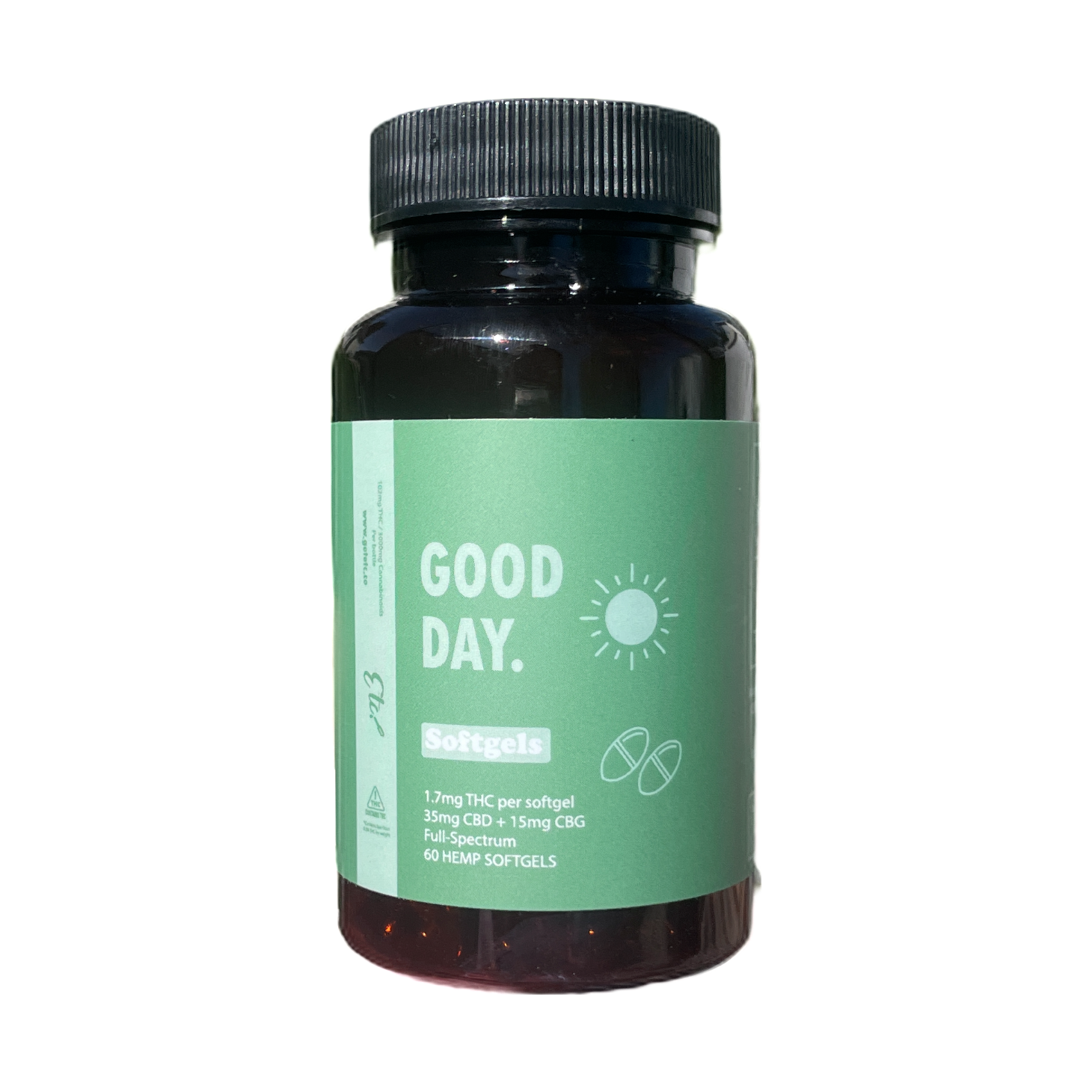
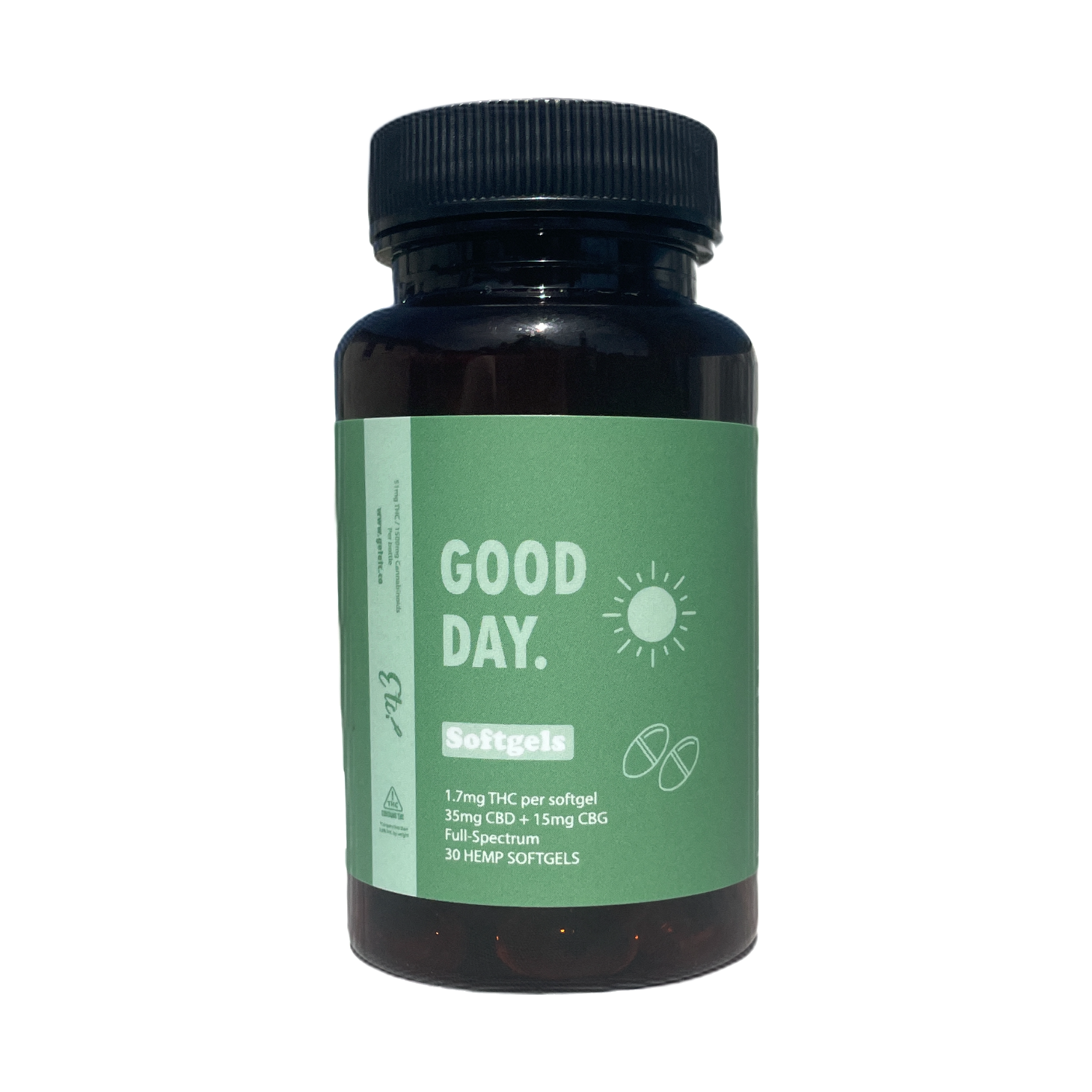
That changes how you think about the cost of a daily wellness routine. Most people frame it as a monthly expense. But when you do the actual math on a 60-count bottle of Good Day+ Softgels, it works out to just a couple of dollars per serving. A focused, calmer afternoon, built gradually over weeks, for less than a gas station coffee. That’s not a stretch. That’s just arithmetic.
Building the habit before you need it
One of the subtle traps of wellness routines is waiting until you feel bad enough to take them seriously. But the ECS doesn’t work like a fire extinguisher. It works more like exercise: the benefits compound with regularity, and you don’t always notice them in real time. You notice them in retrospect, when you realize the afternoon hasn’t been dragging you down the way it used to.
This is why the daily habit matters more than any single dose. Taking something once when you feel foggy is like doing one pushup and wondering why your arms aren’t stronger. The consistency is the practice. The practice is the point.
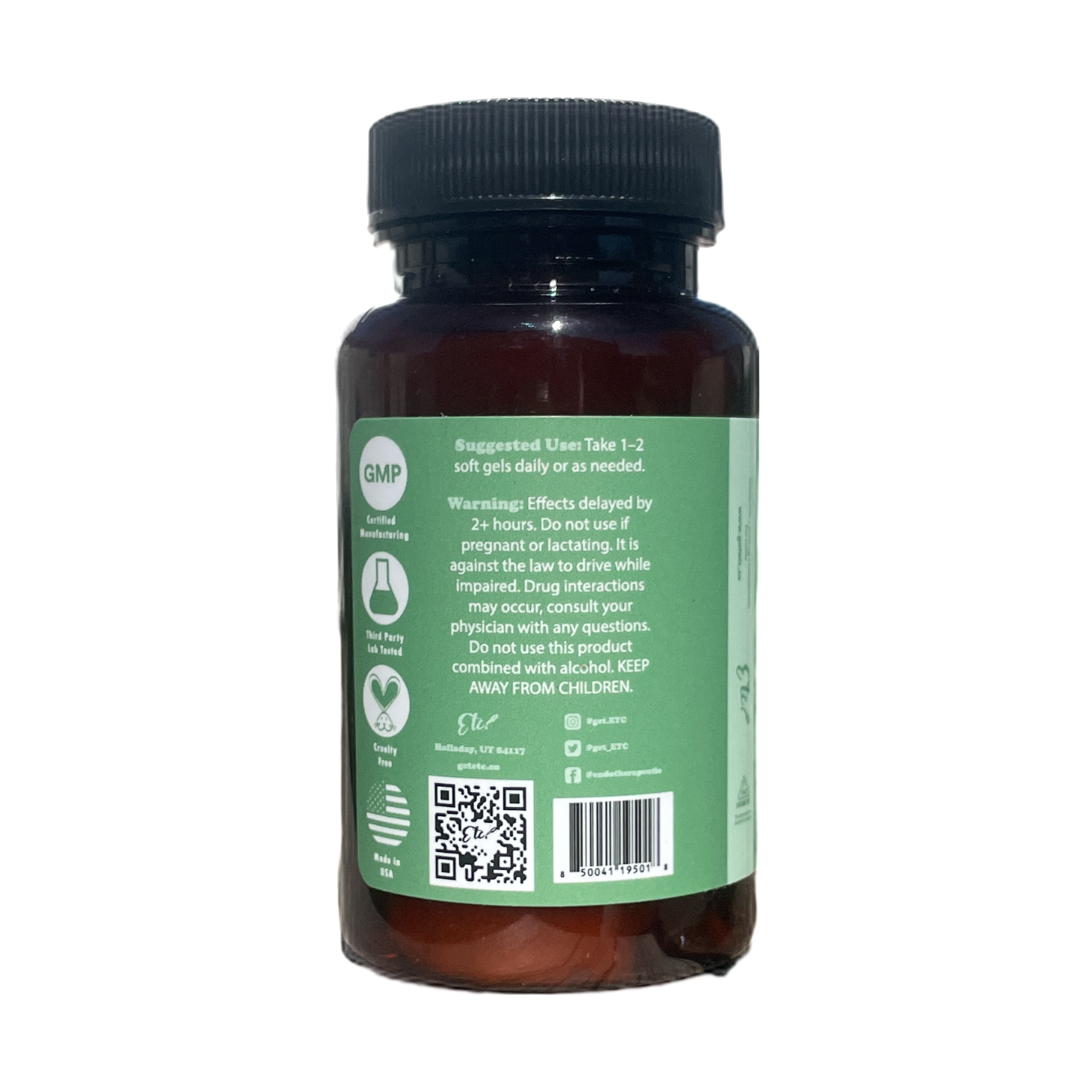
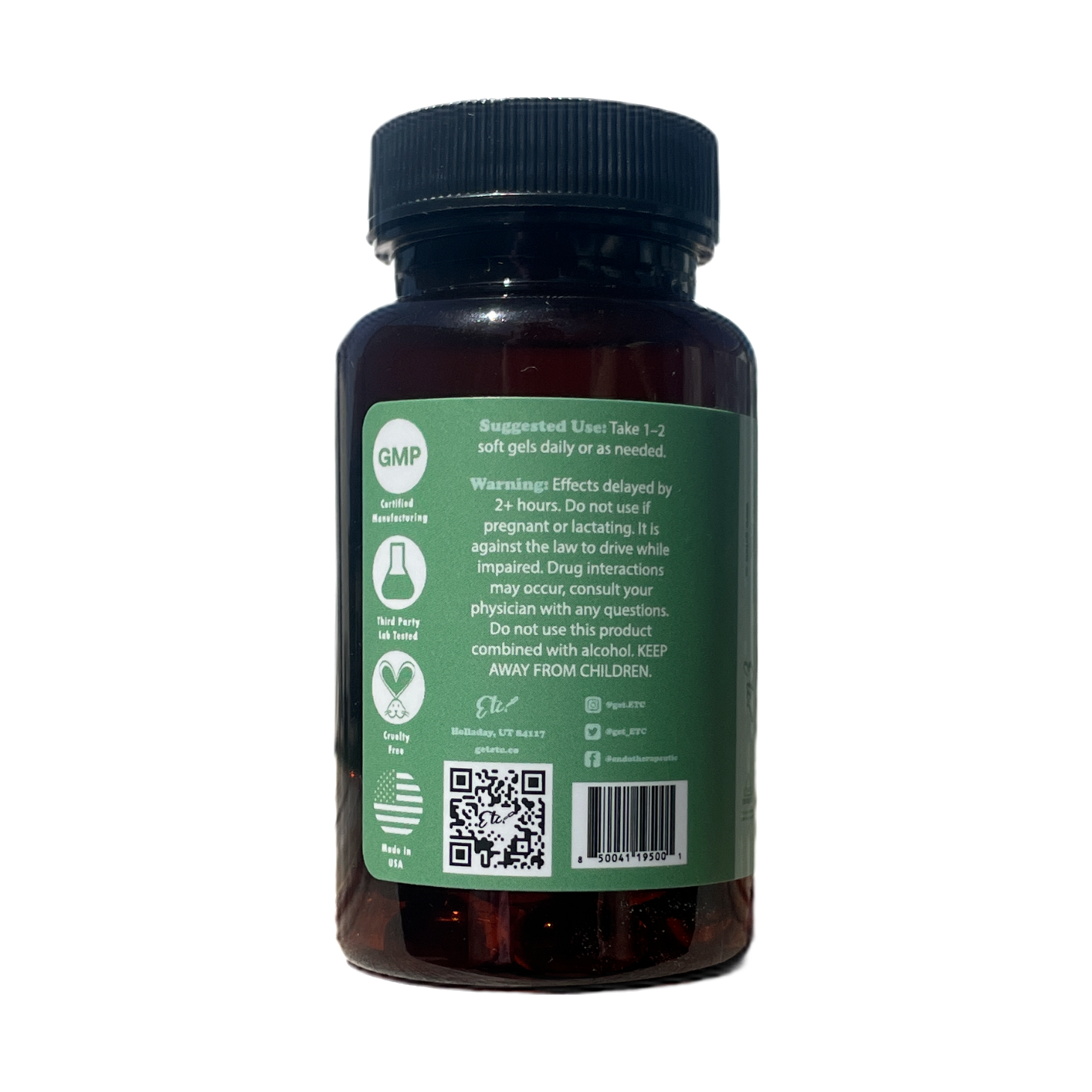
Good Day was built specifically for daytime balance. The formula has a boosted concentration of CBG, a cannabinoid that early research associates with focus and energy support, alongside the full-spectrum base that lets all the plant’s compounds work together rather than in isolation. (This is sometimes called the entourage effect, the idea that the whole plant is more effective than any single extracted compound.) Effects typically take 30 to 90 minutes to arrive, and once they do, they tend to hold for four to six hours — which is a much more reliable arc than a caffeine hit.
Good Day Softgels in particular work well for people who want the routine without the ritual. No taste, easy to take with a glass of water, fits anywhere. The kind of thing that becomes quietly automatic, which is exactly what a good daily habit feels like when it’s working.
What it feels like to actually commit
There’s a particular kind of quiet confidence that comes from making a small, sustainable commitment to yourself and following through on it. Not the dramatic kind, not the “new year, new me” kind. Just the ordinary, undramatic version of deciding that your afternoon focus is worth five minutes and two dollars a day.
The fog doesn’t disappear overnight. But somewhere around week three or four of a consistent routine, a lot of people notice something has shifted. The afternoons feel a little less like something to survive. The transitions between tasks feel a little smoother. They’re not floating through the day. They’re just more present in it.
That’s what the signal was asking for all along. Not more caffeine, not more willpower. Just a little support for the system that’s already doing the work.
The good news is that getting started costs less than most people think. ETC’s first-time discount code ETC25 takes 25% off your first order, which means that cost-per-serving math gets even better on day one. You can browse the full Good Day lineup to find the format that makes the most sense for how you already live.
The afternoon fog is a signal. It’s worth listening to.
Disclaimer: These statements have not been evaluated by the Food and Drug Administration. This product is not intended to diagnose, treat, cure, or prevent any disease. Consult your healthcare provider before starting any new wellness regimen.
Photo by Sam Carter on Unsplash