



The Body System Behind Everyday Balance
You probably think cannabinoids are something you introduce to your body from the outside. A supplement. A foreign compound that you add to your system, the way you’d take a vitamin C tablet because your diet is running low. That framing is understandable. It’s also backwards.
Your body has been producing cannabinoids since before you were born. You have an entire biological system dedicated to receiving and using them. It has its own receptors, its own signaling molecules, its own feedback loops. Scientists only named it in the early 1990s, which is recent enough that it wasn’t in most medical textbooks for decades. But it was always there. It’s called the endocannabinoid system, or ECS, and once you understand what it actually does, the way you think about balance changes.
What the ECS Actually Does
The endocannabinoid system doesn’t run one specific process. It runs the coordination layer underneath dozens of them: sleep cycles, mood regulation, appetite, immune response, stress signaling. What all of these have in common is that they require the body to return to a stable state after being pushed off center. You get stressed, your body should recover. You don’t sleep well, your body should recalibrate. The technical term for this return to stability is homeostasis, and the ECS is one of the body’s primary tools for getting there.
This system isn’t unique to humans. Every mammal has one. So do birds, fish, and reptiles. It’s old, evolutionarily speaking, which is part of why researchers take it seriously. A system that shows up across that many species over that much time isn’t an accident.
The ECS works through two main receptor types found throughout the brain and body, and through molecules your body makes internally called endocannabinoids. When you’re in balance, this internal production is generally enough. When you’re not, the system can fall behind.
Where Hemp Enters the Picture
This is where the outside-in framing gets more interesting. Phytocannabinoids (cannabinoids from plants like hemp) work with the same receptor system your body is already running. They’re not knocking on a door that wasn’t built for them. The door was already there.
Hemp contains at least 113 known cannabinoids. CBD is the most recognized, but it’s not the only player. CBG, CBN, CBC, and trace amounts of THC all interact with the ECS in overlapping and complementary ways. Full-spectrum hemp products use the whole plant rather than isolating a single compound, and the combined effect of those cannabinoids working together is generally considered more effective than any one of them alone.
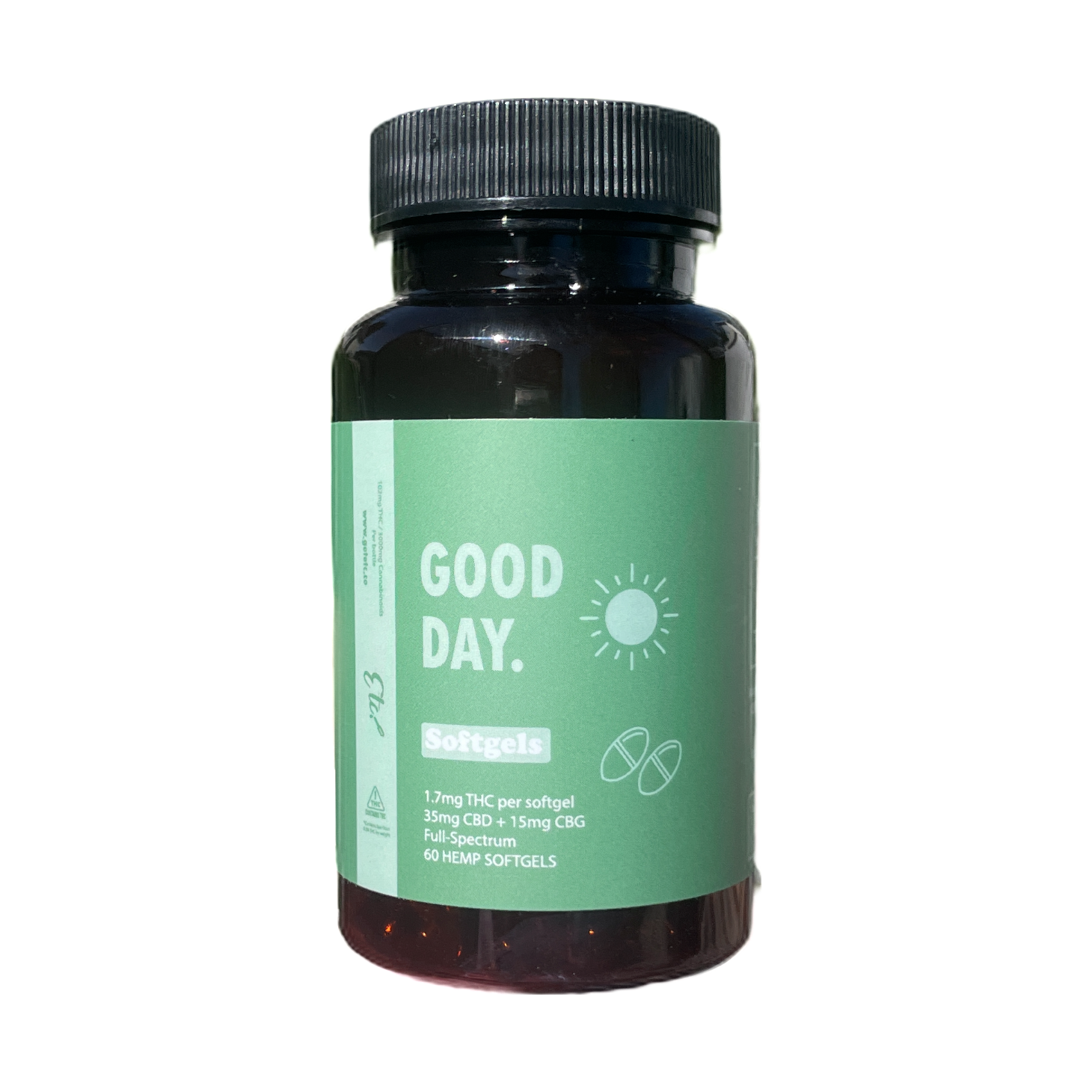
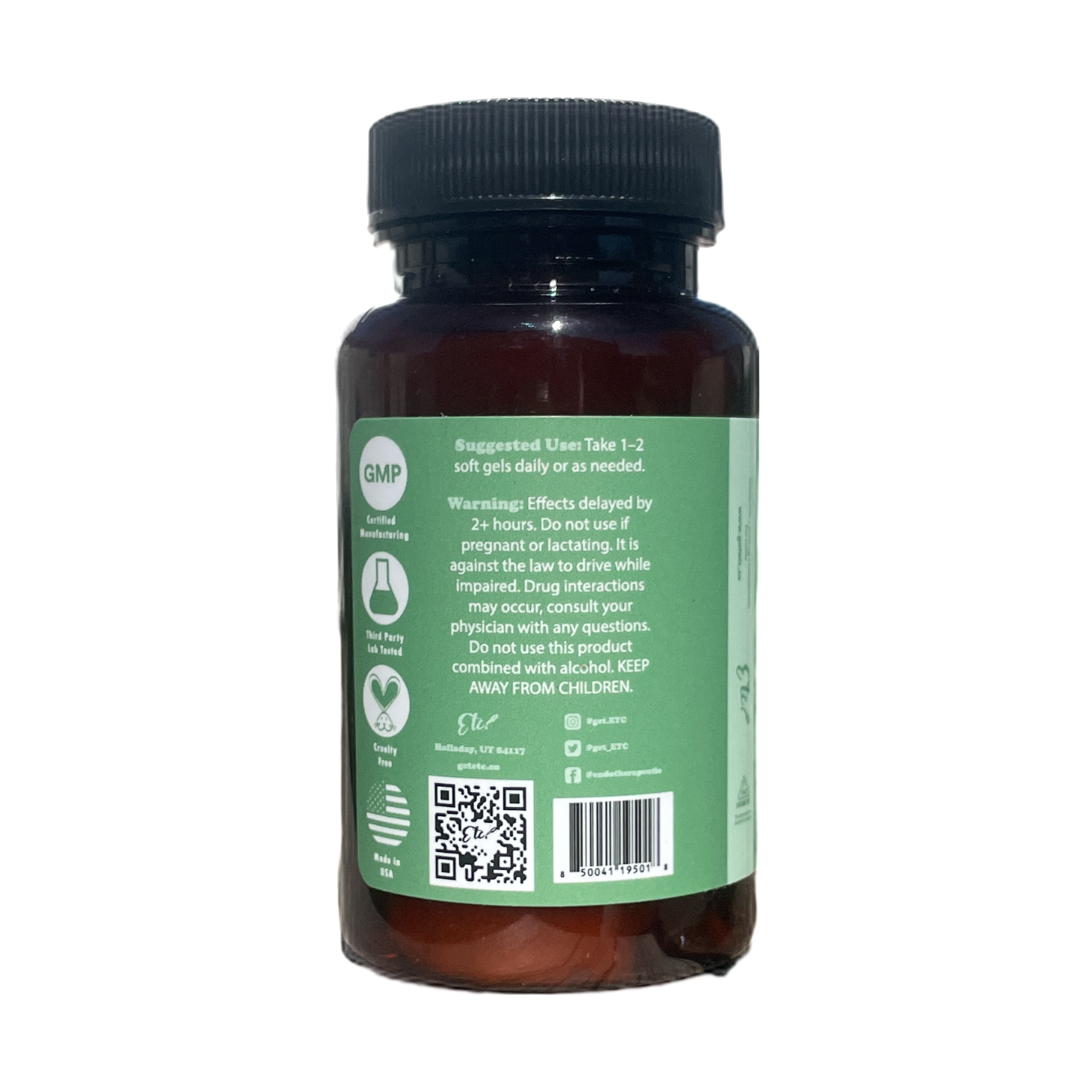
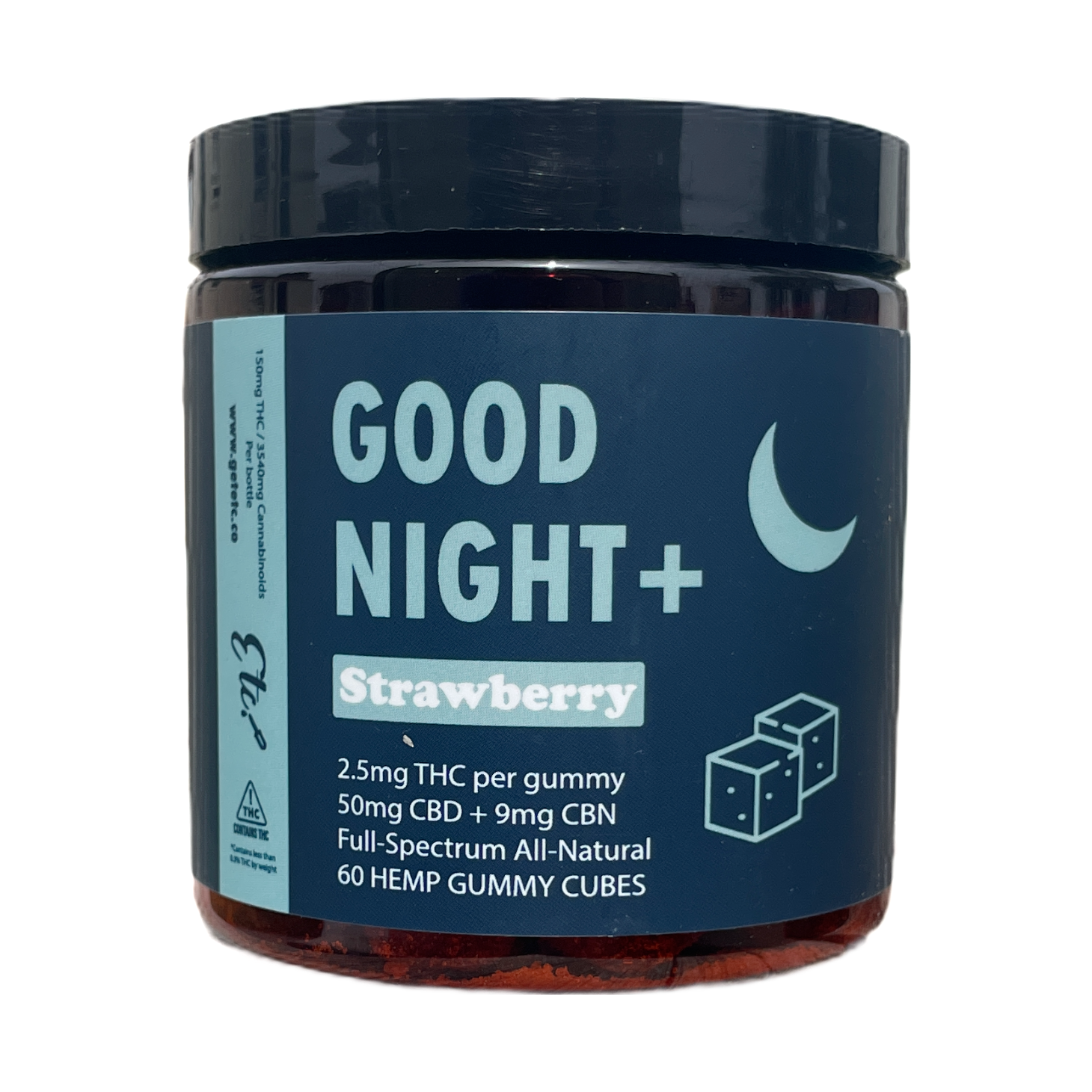
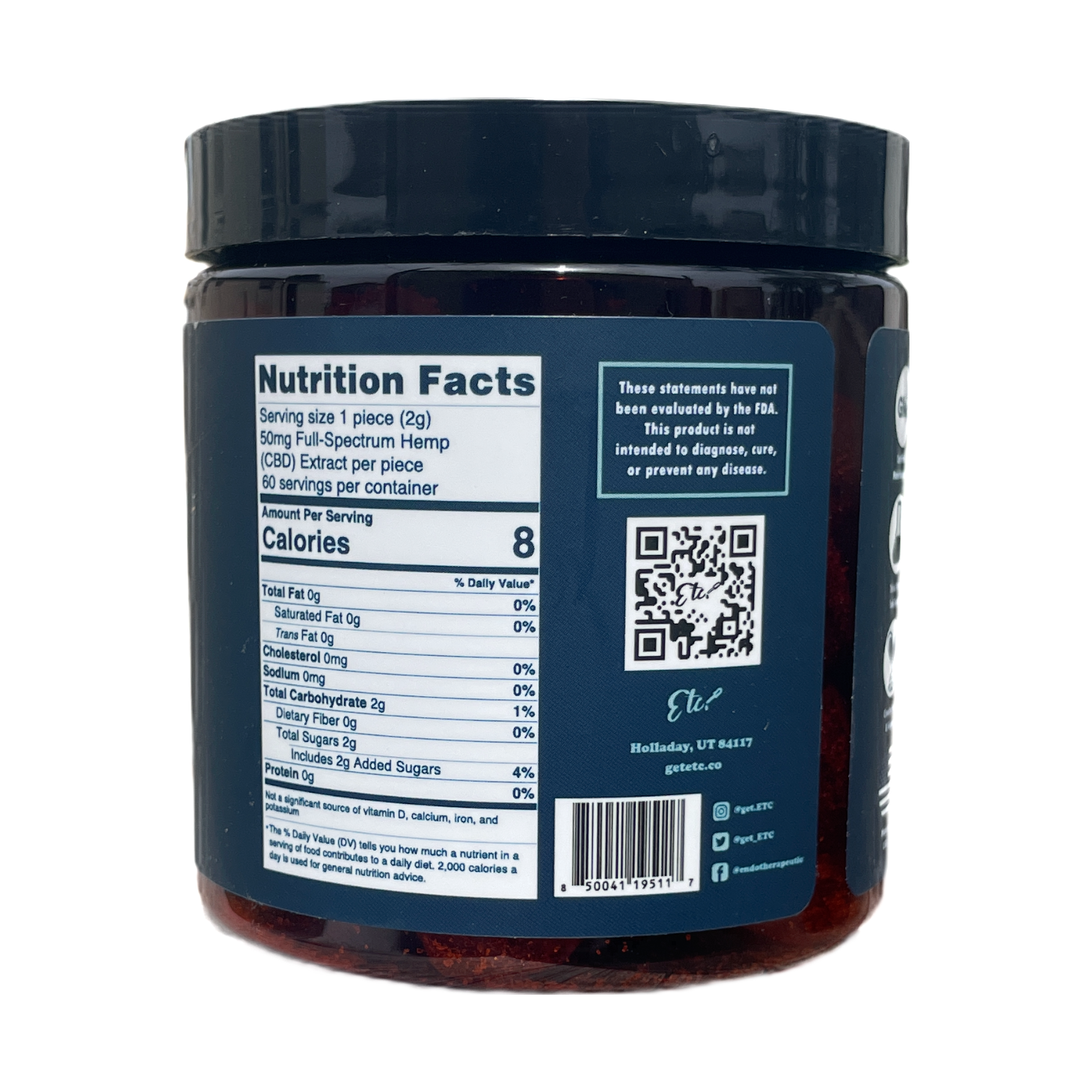
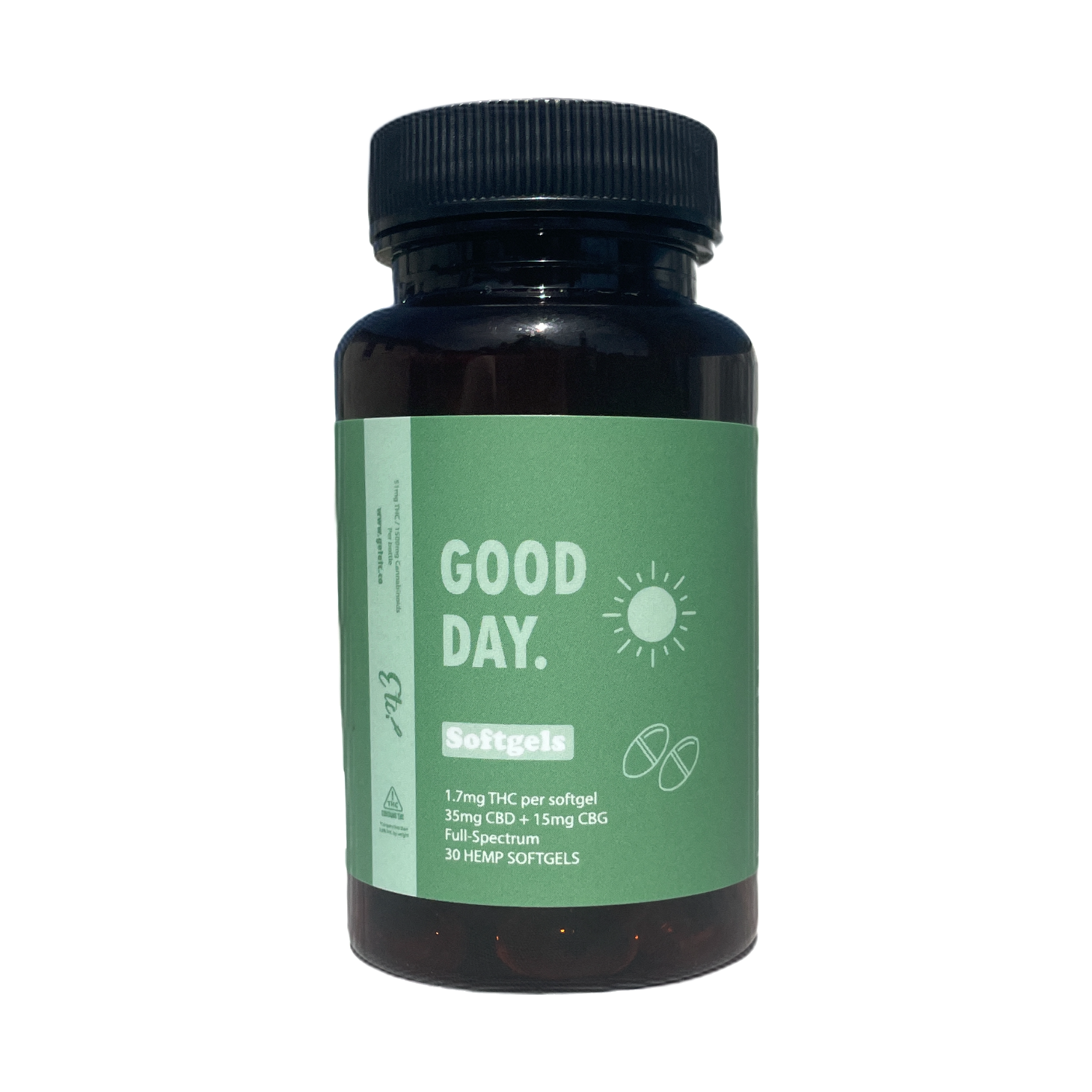
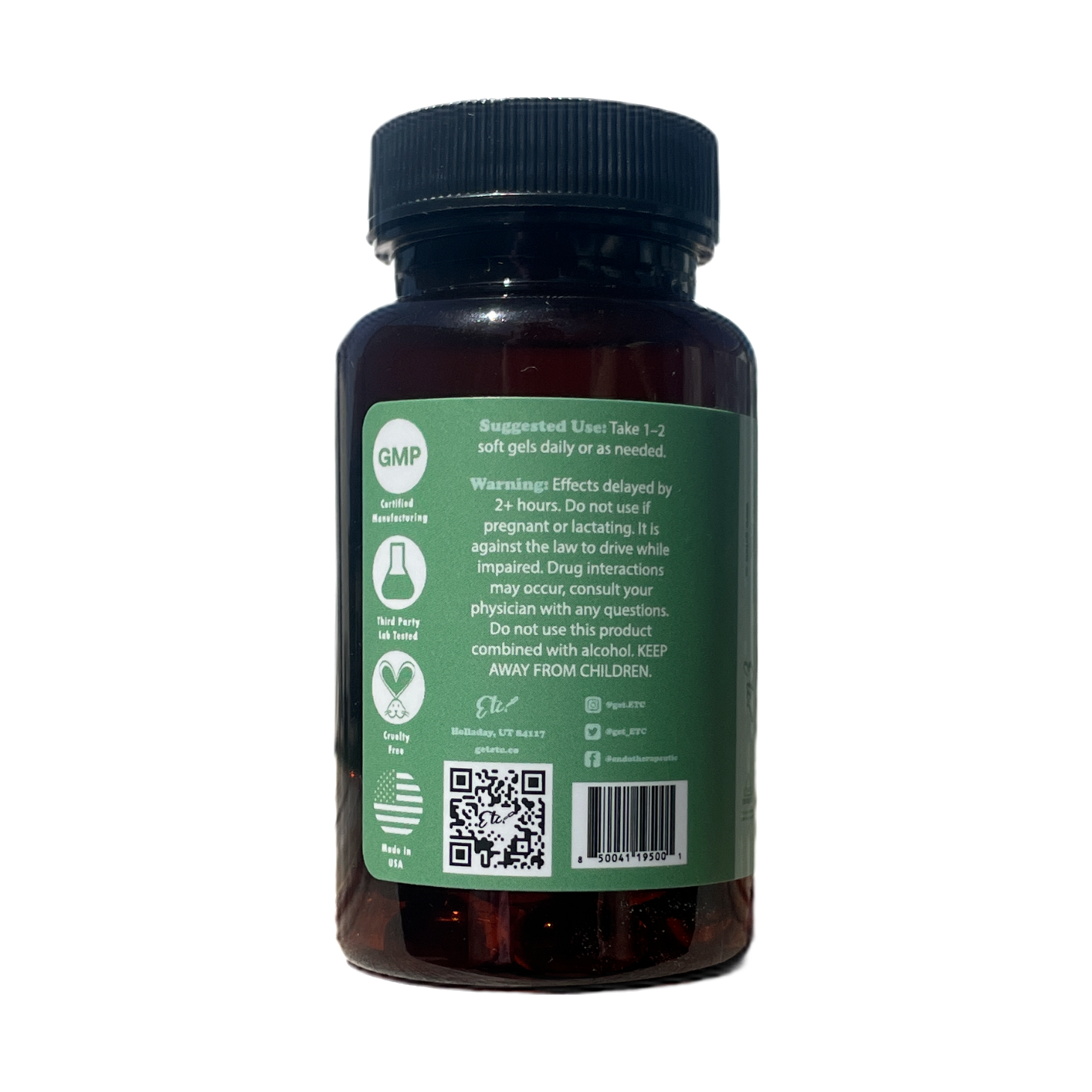
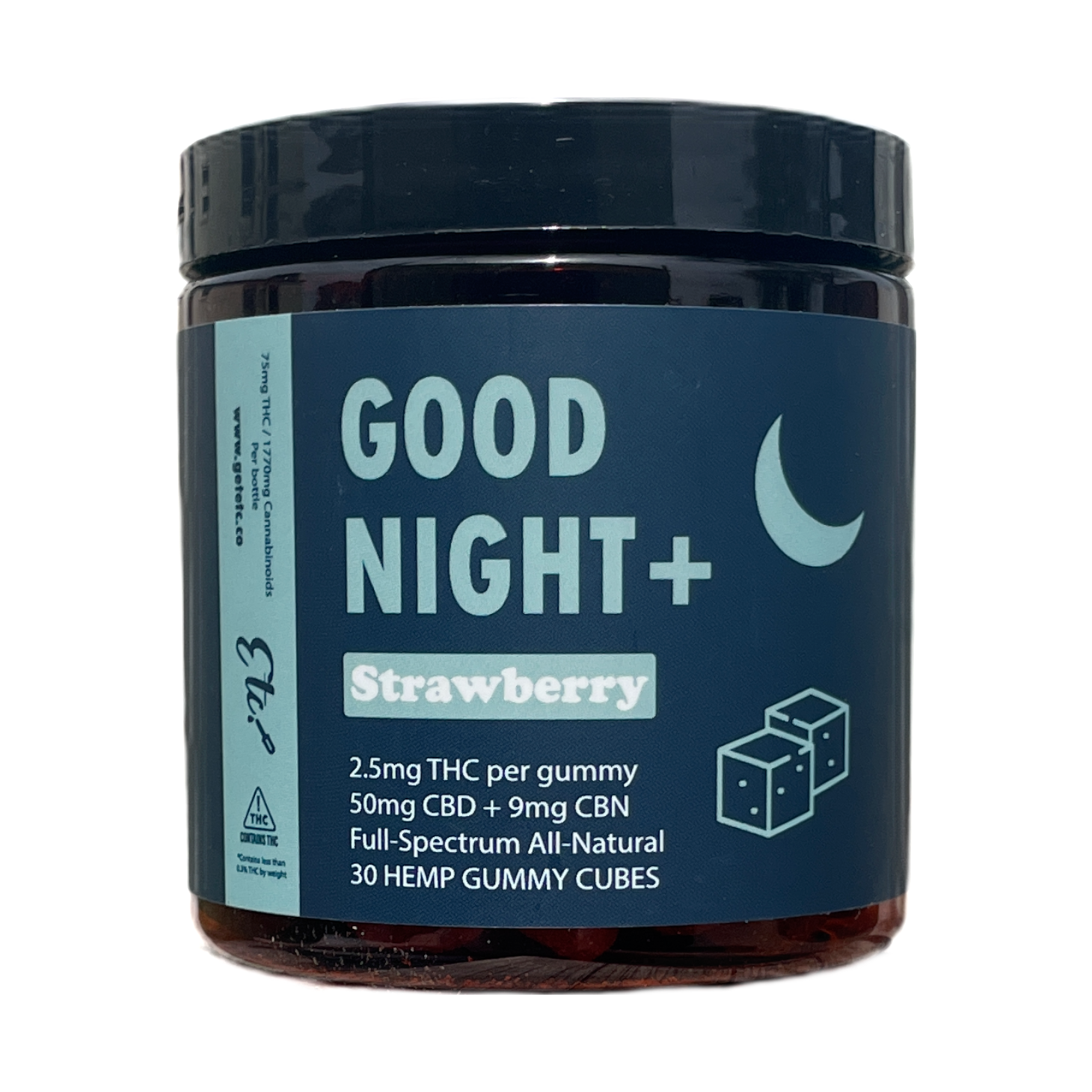
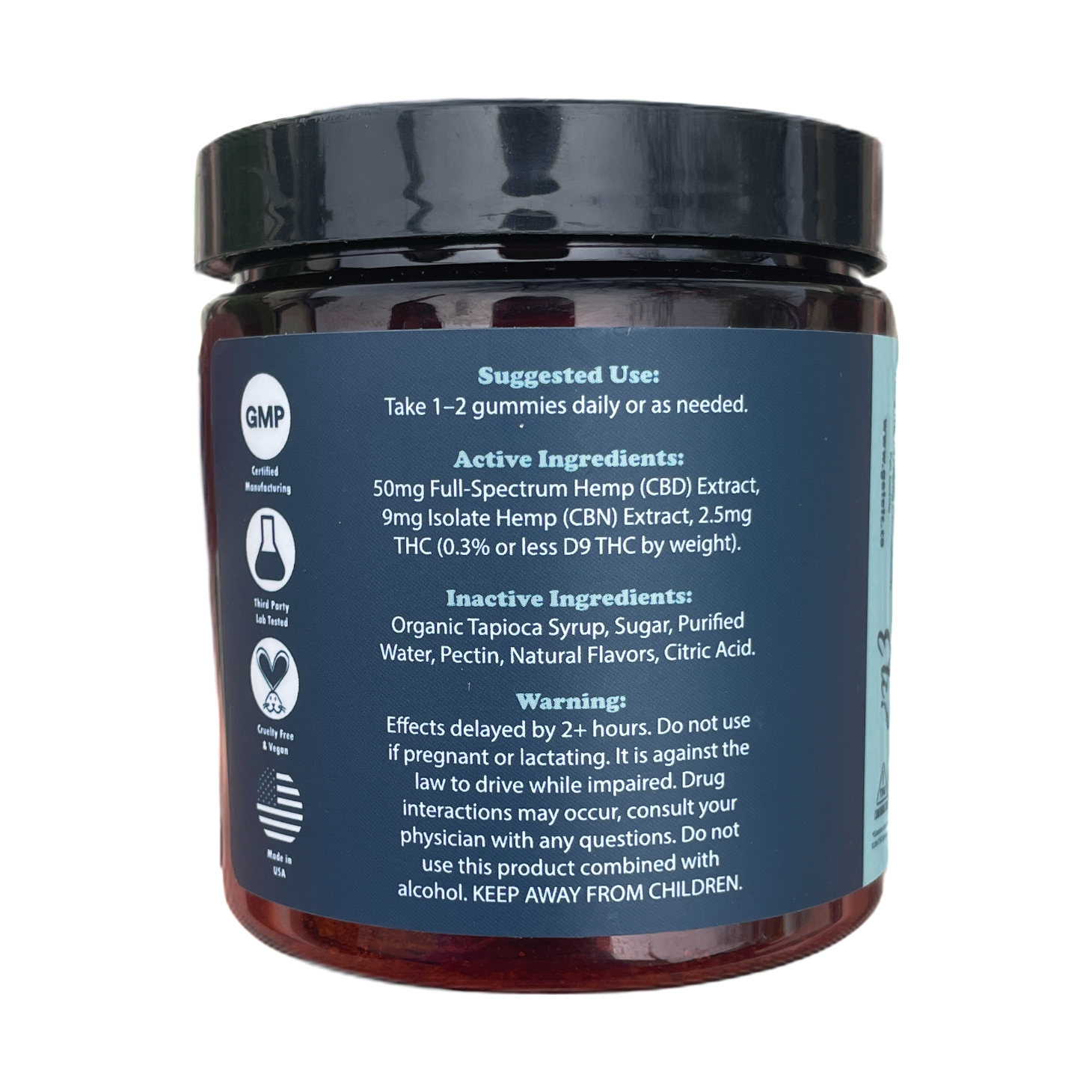
ETC’s Good Day and Good Night lines are built on this logic. Both share a full-spectrum base, but Good Day boosts CBG, a cannabinoid associated with alertness and daytime balance, while Good Night boosts CBN, which is linked to evening wind-down and restful sleep. The distinction matters because the ECS isn’t a single dial you turn up or down. It’s a system with different needs at different times of day.
The Person Who Actually Benefits
Here’s where the pathway from understanding to empowerment becomes real.
Knowing the ECS exists changes the quality of your decisions. You’re not guessing whether a product is worth trying. You’re working with a framework: your body has a system, that system can run low, hemp cannabinoids are a documented way to support it. That’s not hope. That’s a reasonable, informed starting point.
The person who benefits consistently from hemp wellness isn’t the person who tries one gummy during a stressful week and waits for a revelation. It’s the person who understands enough to commit to a daily practice, reads the label with enough confidence to know what they’re choosing, and picks verified products so they’re not filling in the blanks themselves.
In our own 8-week observational study with 60+ participants, the results reflected exactly this. Participants who used ETC products consistently reported steady, week-over-week improvement across sleep, mood, and energy. Sleep moved first, which tracks with what’s known about the ECS and sleep regulation. But the largest total gain over eight weeks was mood. Not a spike. A gradual, sustained lift that showed up because people stayed with it.
Consistency is the mechanism. The ECS responds to it because homeostasis isn’t a destination you reach once. It’s an ongoing process your body is running constantly, and when you support it consistently, you give it more to work with.
Choosing With Confidence
The informed consumer has a specific advantage: they can stop second-guessing. When you understand that your body is already wired for this, that hemp cannabinoids supplement a system you’re actively running rather than introducing something alien, the decision to try a product becomes less fraught. And when you verify that the product is third-party tested with published results, you’ve removed the last major variable.
That combination (biological literacy plus verified sourcing) is what moves wellness from a fragile hope into a stable practice. The people who land on something that works for them generally didn’t stumble there. They learned enough to choose well, then stayed consistent long enough to feel the difference.
That’s not a small thing. The version of yourself who moves through the week without constantly monitoring your own tank level, who sleeps well enough to actually show up for the next morning, who brings a kind of settled steadiness to daily life rather than reactive scrambling: that version doesn’t come from a single great product. It comes from a practice built on something you actually understand.
If you’re ready to start with that foundation, Good Day and Good Night are a reasonable place to begin. The cannabinoid breakdown, third-party lab results, and dosing guidance are all available if you want to go deeper before you commit. You can find the published COA results at reliefetc.com/pages/coa.
Your body has been running this system your whole life. Supporting it well is something you can actually learn to do.
Disclaimer: These statements have not been evaluated by the Food and Drug Administration. This product is not intended to diagnose, treat, cure, or prevent any disease. Consult your healthcare provider before starting any new wellness regimen.