




Making Room for the People and Moments That Matter
When did you last feel like you were actually there for someone?
Not half-there. Not nodding while your mind was cataloging everything you forgot to do, everything that didn’t go right, everything you’re bracing for tomorrow. Actually present, eyes up, genuinely in it with the person in front of you.
For a lot of people, that question lands somewhere uncomfortable. Not because they don’t care. They care deeply. It’s just that caring and being present have become two different things, and the gap between them has grown wider than they’d like to admit.
This isn’t a post about productivity hacks or mindfulness apps. It’s about something quieter: what it feels like when you’re not burning so much energy just managing yourself that you have nothing left for anyone else.
The Hidden Cost of Running on Empty
There’s a version of a busy week that looks fine from the outside. You show up. You answer. You function. But there’s a difference between functioning and being fully available, and the people who love you can usually tell which one you’re doing.
It shows up in small ways. The conversation you half-listened to. The kid who wanted to play and got “in a minute” instead. The dinner where your body was at the table but your attention was somewhere else entirely. None of these moments are catastrophic on their own. But they add up, and eventually you notice you’ve been missing from your own life.
The frustrating part is that you can’t just decide to be more present. You can intend it. You can mean it. But if the underlying noise won’t quiet down, intention only gets you so far.
What Happens When the Noise Gets Smaller
Here’s what people often report after settling into a consistent wellness routine: the first thing they notice isn’t dramatic. It’s not a sudden transformation. It’s more like a reduction in friction.
The mental background hum gets a little softer. The transition from work mode to home mode stops taking so long. They find themselves finishing a conversation before their brain has already left the room.
That’s not a small thing. That’s actually everything.
Because when you’re not spending half your resources just trying to stay regulated, you have more left over. More patience. More curiosity. More capacity to notice the funny thing your kid just said, or to really hear what your partner is trying to tell you, or to just sit with a friend without feeling like you’re supposed to be somewhere else.
Presence is not a skill you can practice in isolation. It’s a byproduct of having enough of yourself available.
Trust Is the Prerequisite
There’s a reason this matters when it comes to what you put in your body.
If you’re going to build a daily wellness routine, which is really the only kind that works, you have to trust what you’re taking. Not just hope it might be okay. Actually trust it. Because every small doubt is another thing your mind has to carry, and you’re already carrying enough.
That’s why the transparency piece isn’t just a nice-to-have. Third-party lab testing, published results, physician-reviewed formulas: these aren’t marketing features. They’re the foundation that lets you stop second-guessing and start benefiting. When the question of “is this legitimate?” is already answered, you don’t have to ask it every morning.
ETC publishes certificates of analysis for every batch at reliefetc.com/pages/coa. You can look. That’s the point. Transparency like that earns a kind of quiet confidence that actually contributes to the outcome you’re after.
Consistency Is Where the Payoff Lives
The people who get the most out of a hemp wellness routine aren’t the ones who took a heroic dose once. They’re the ones who showed up for it the same way they show up for everything that matters: repeatedly, undramatically, over time.
It’s not glamorous. But most meaningful things aren’t.
What builds over weeks of consistency is less about any single day and more about a new baseline. You start to realize that you’re not gritting your teeth through the afternoon, not snapping at small things, not lying awake cataloging tomorrow’s problems. And once you’re not doing those things, you get to do something else instead.
You get to be there.
Whether that’s there for a conversation that actually needed your full attention, there for a quiet evening that you actually enjoyed instead of just survived, or just there in your own life in a way that feels like more than going through the motions.
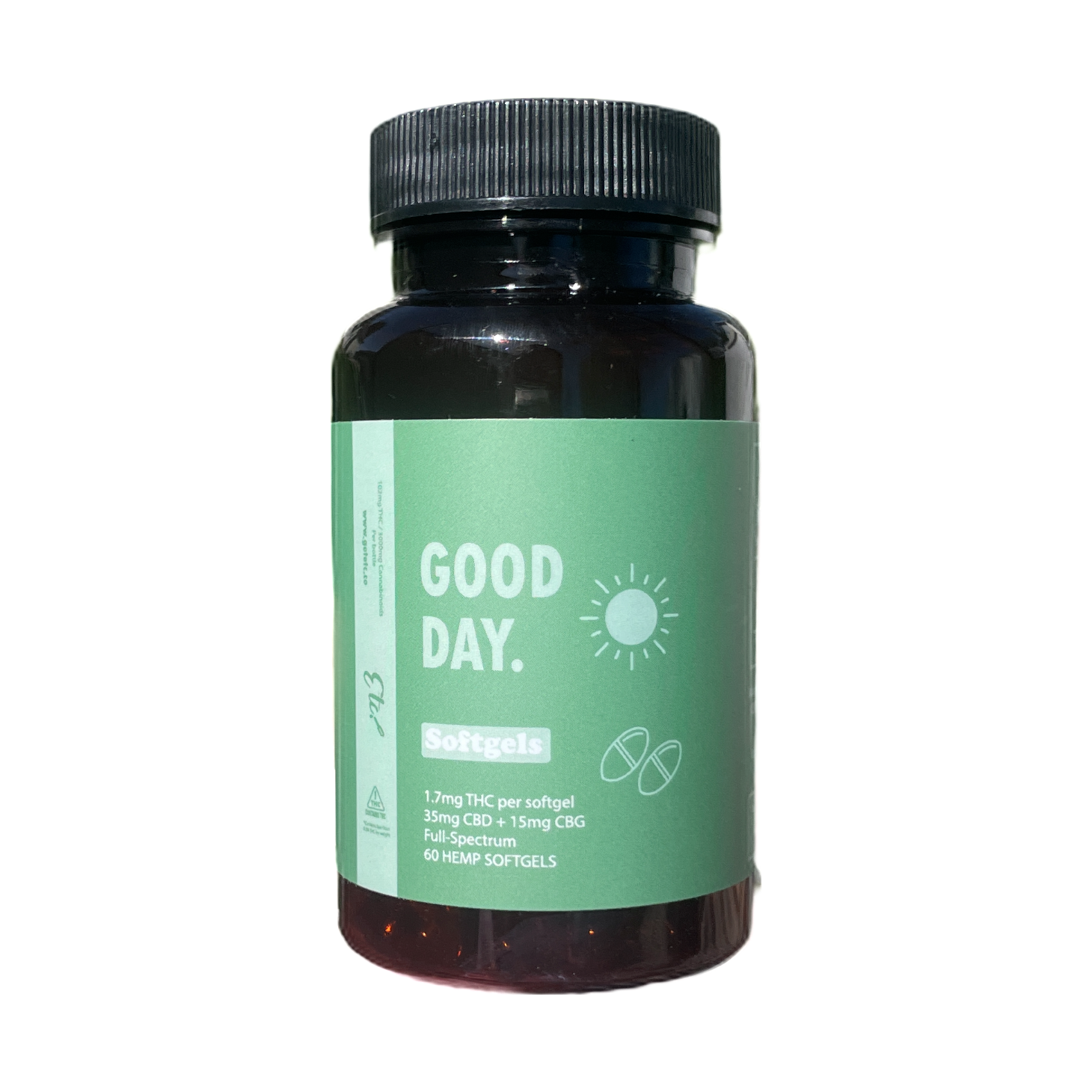
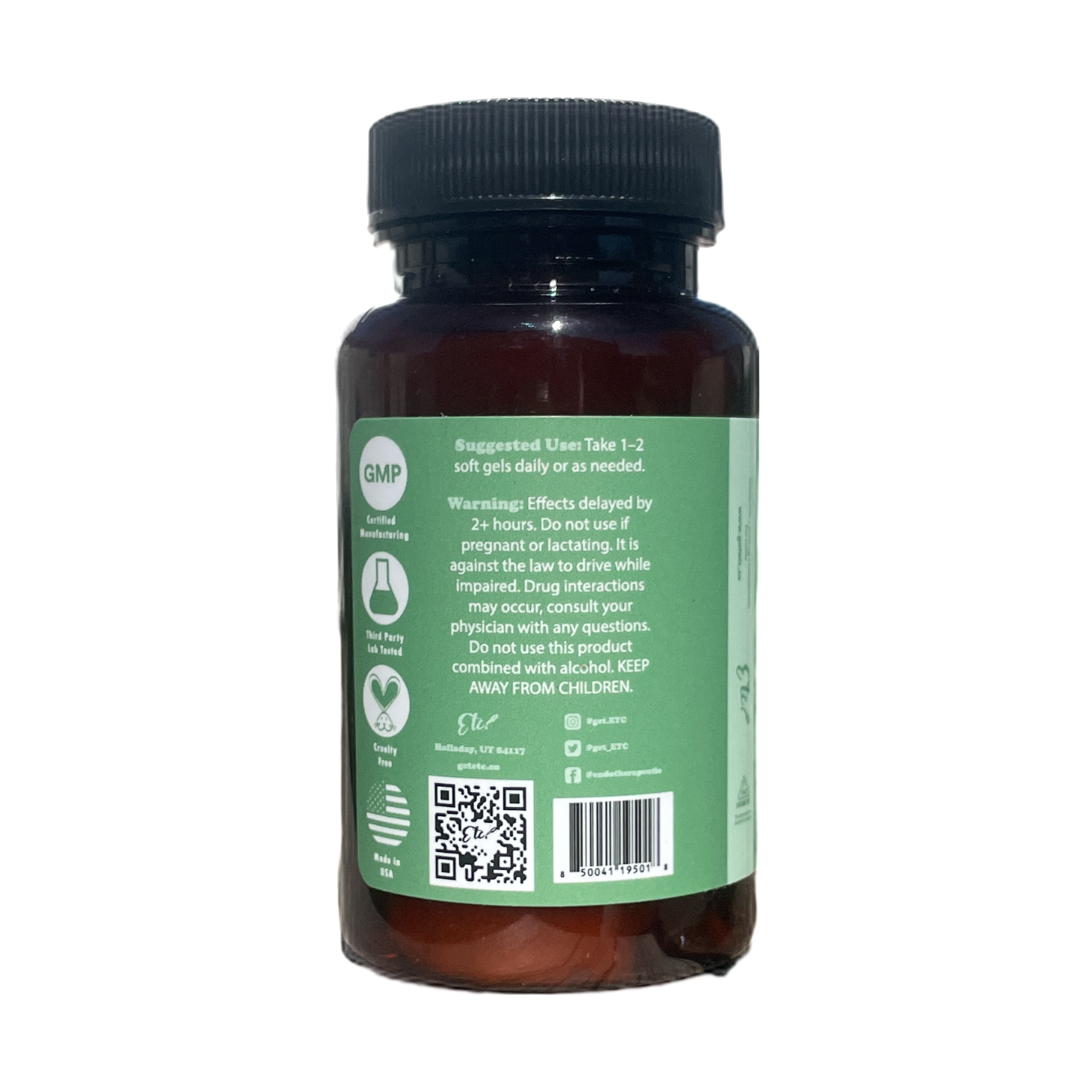
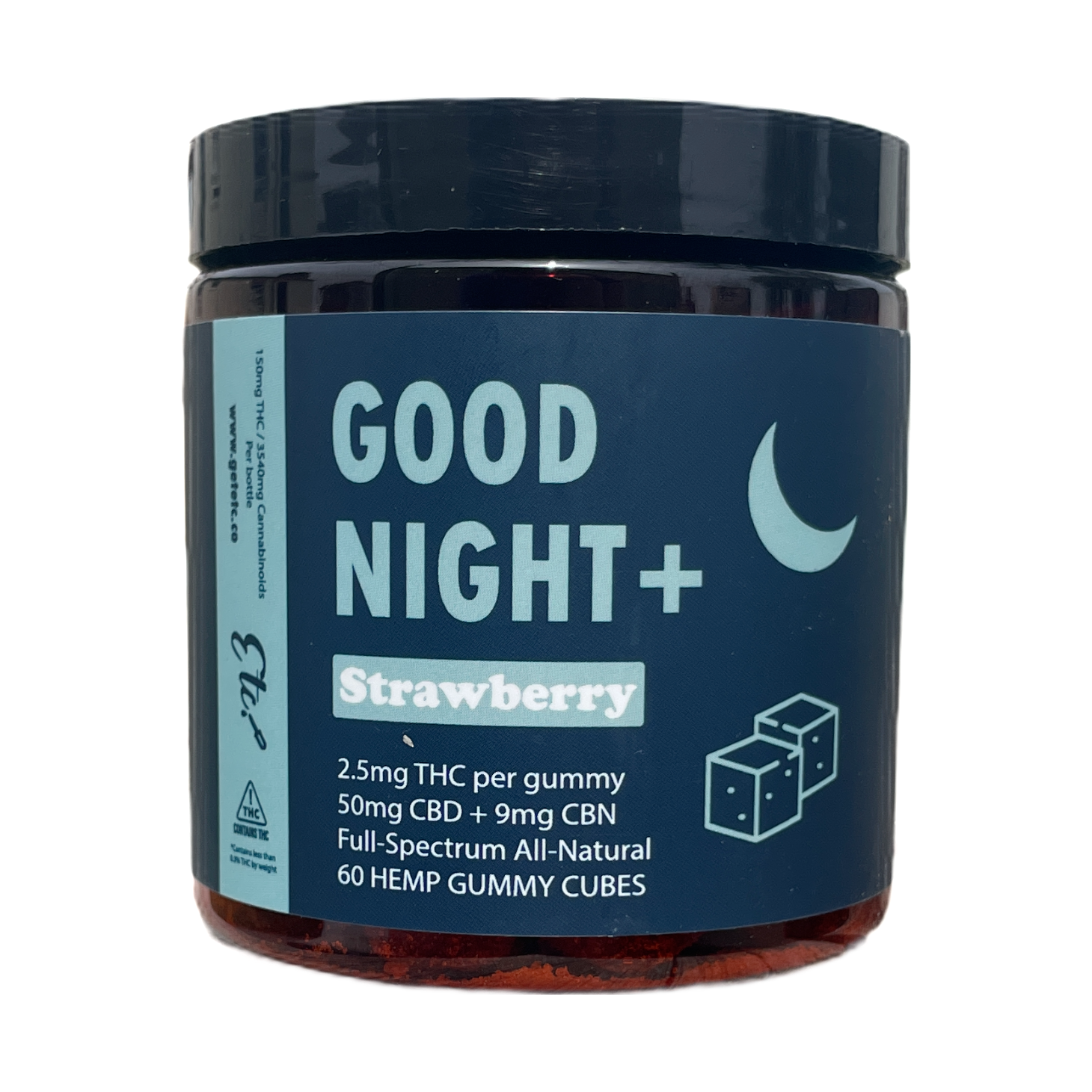
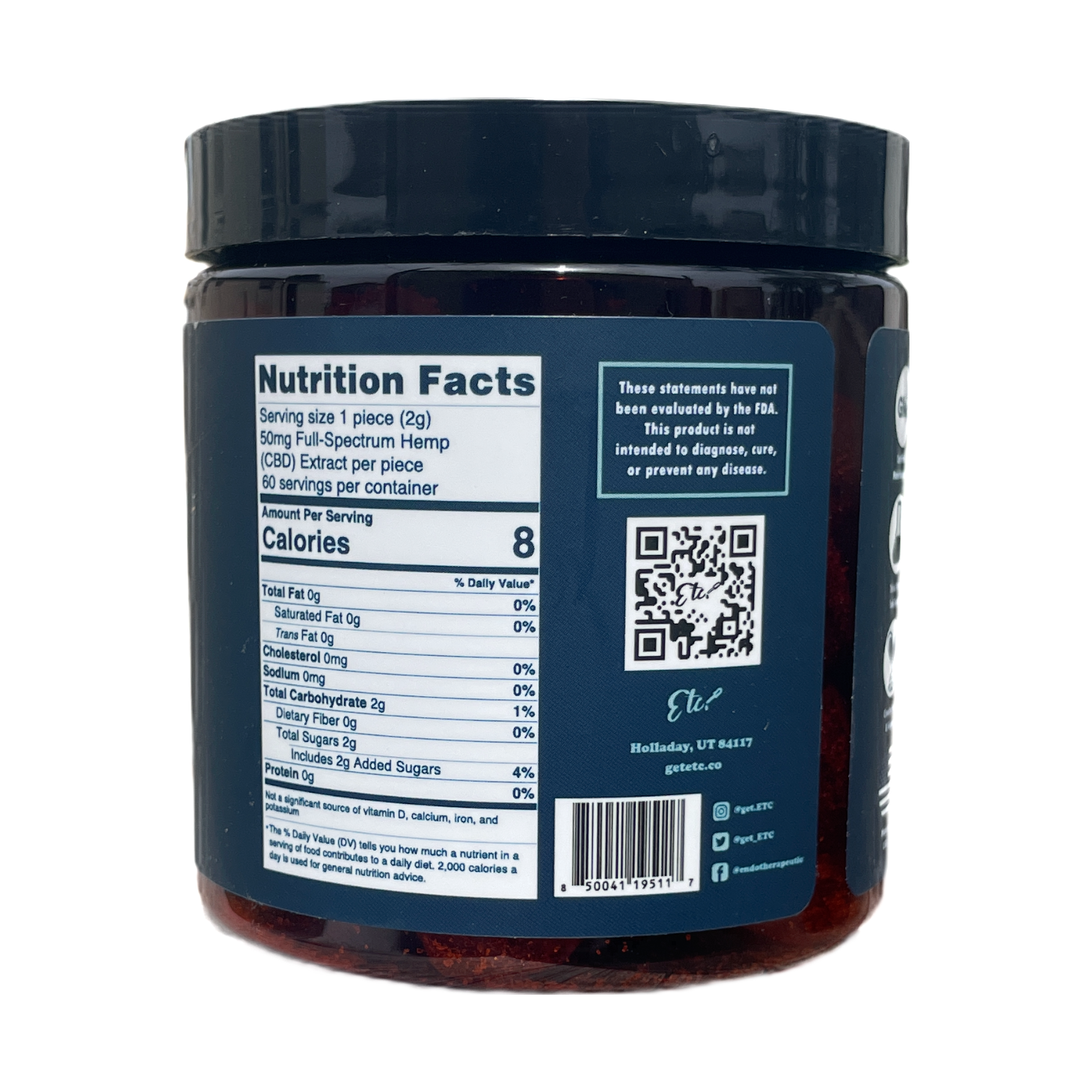
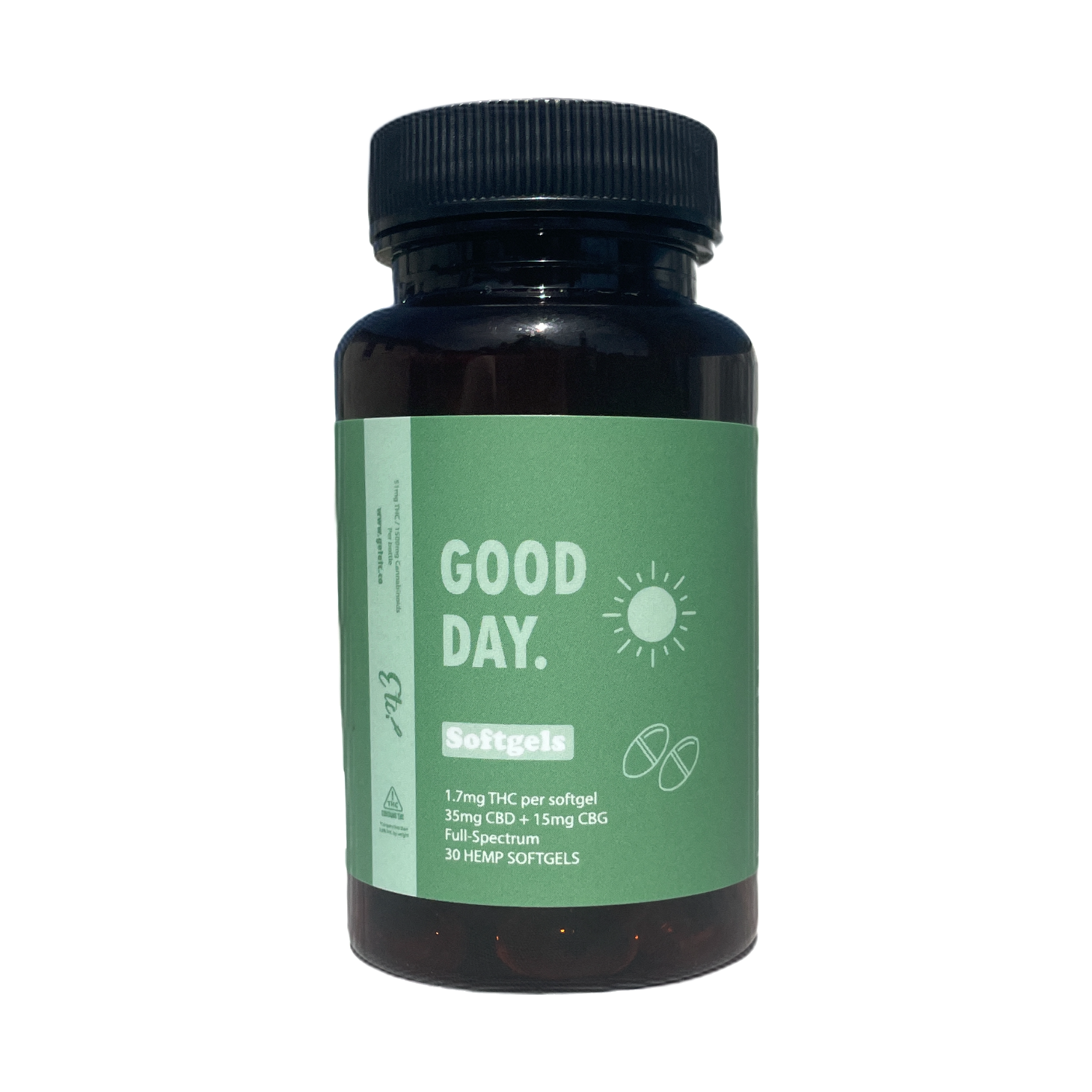
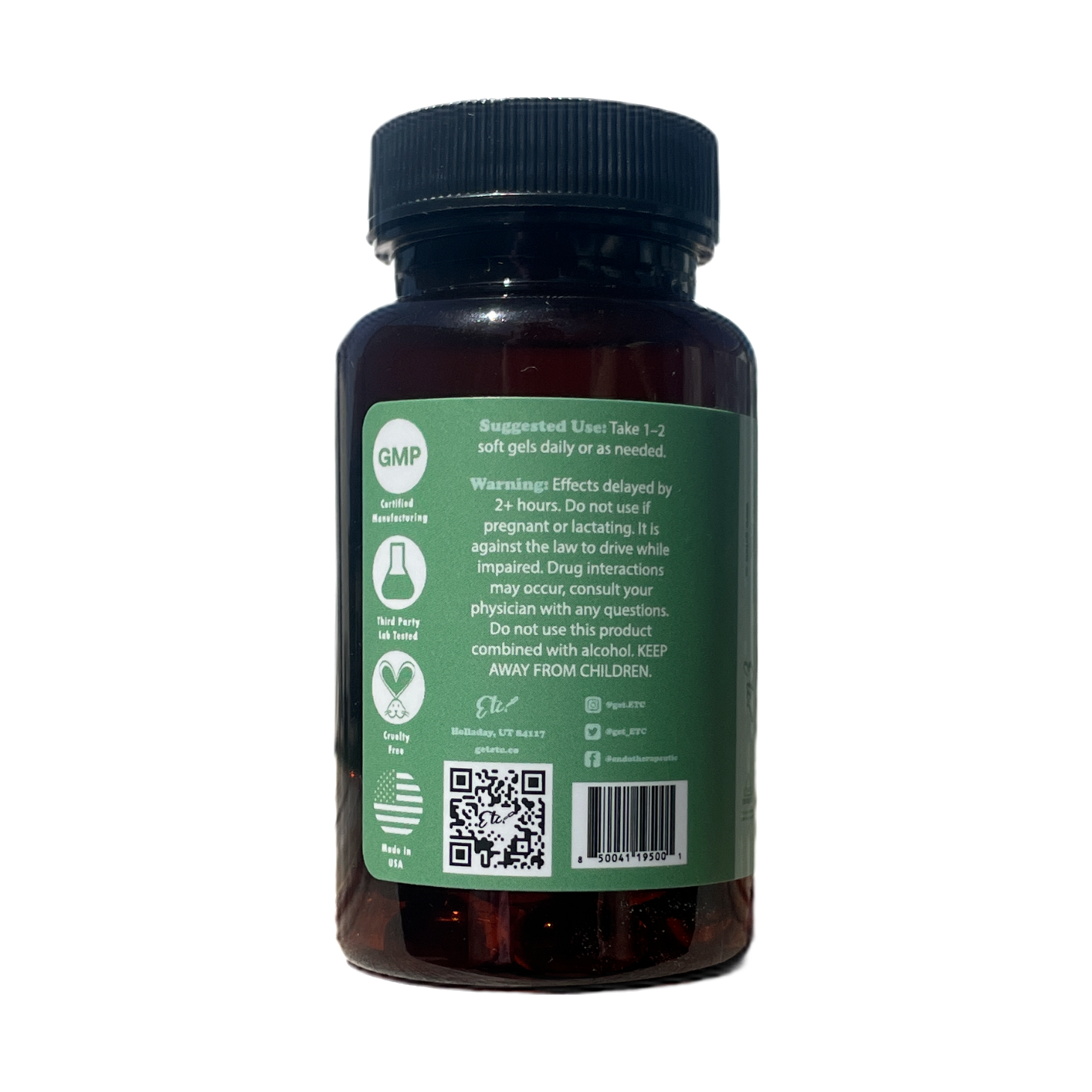
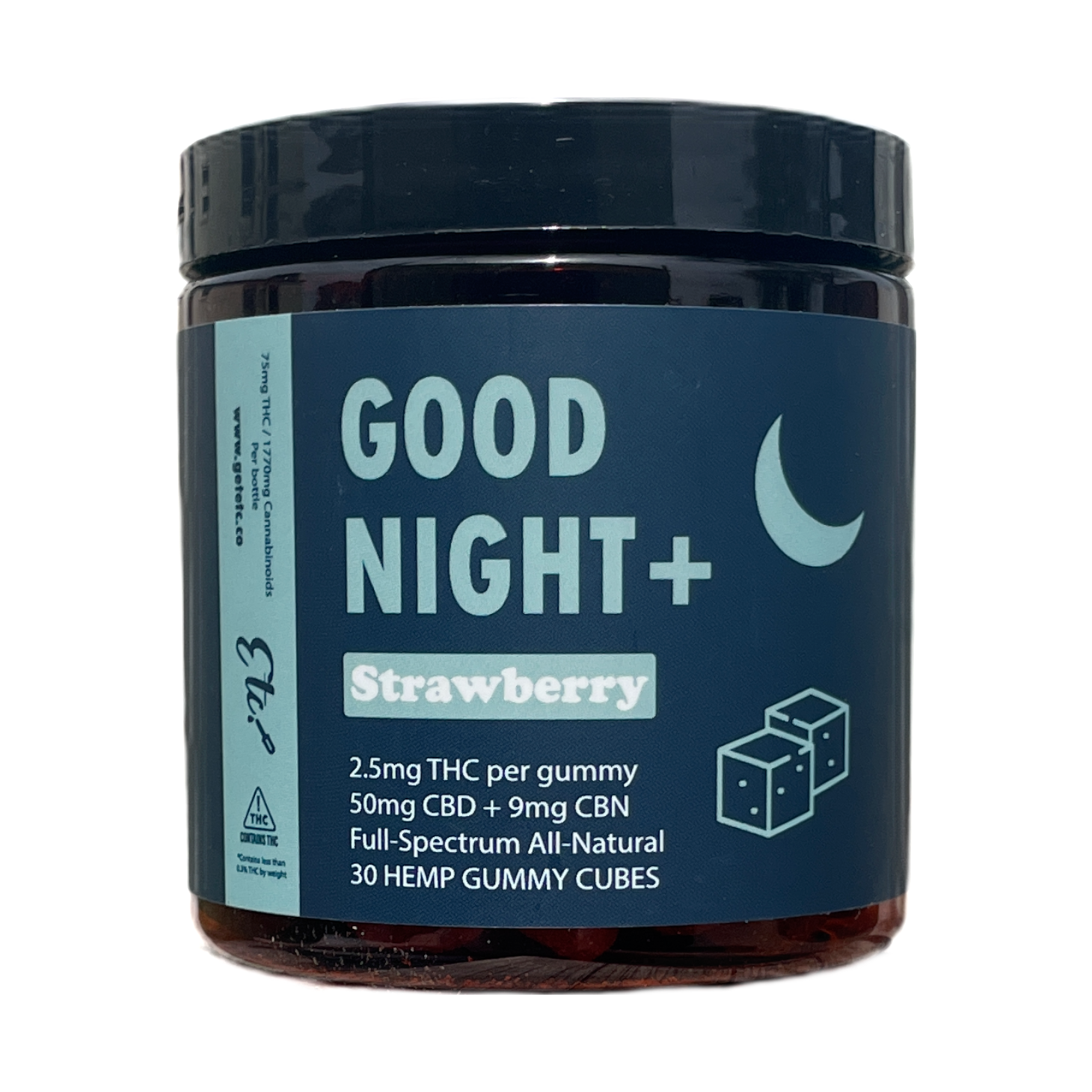
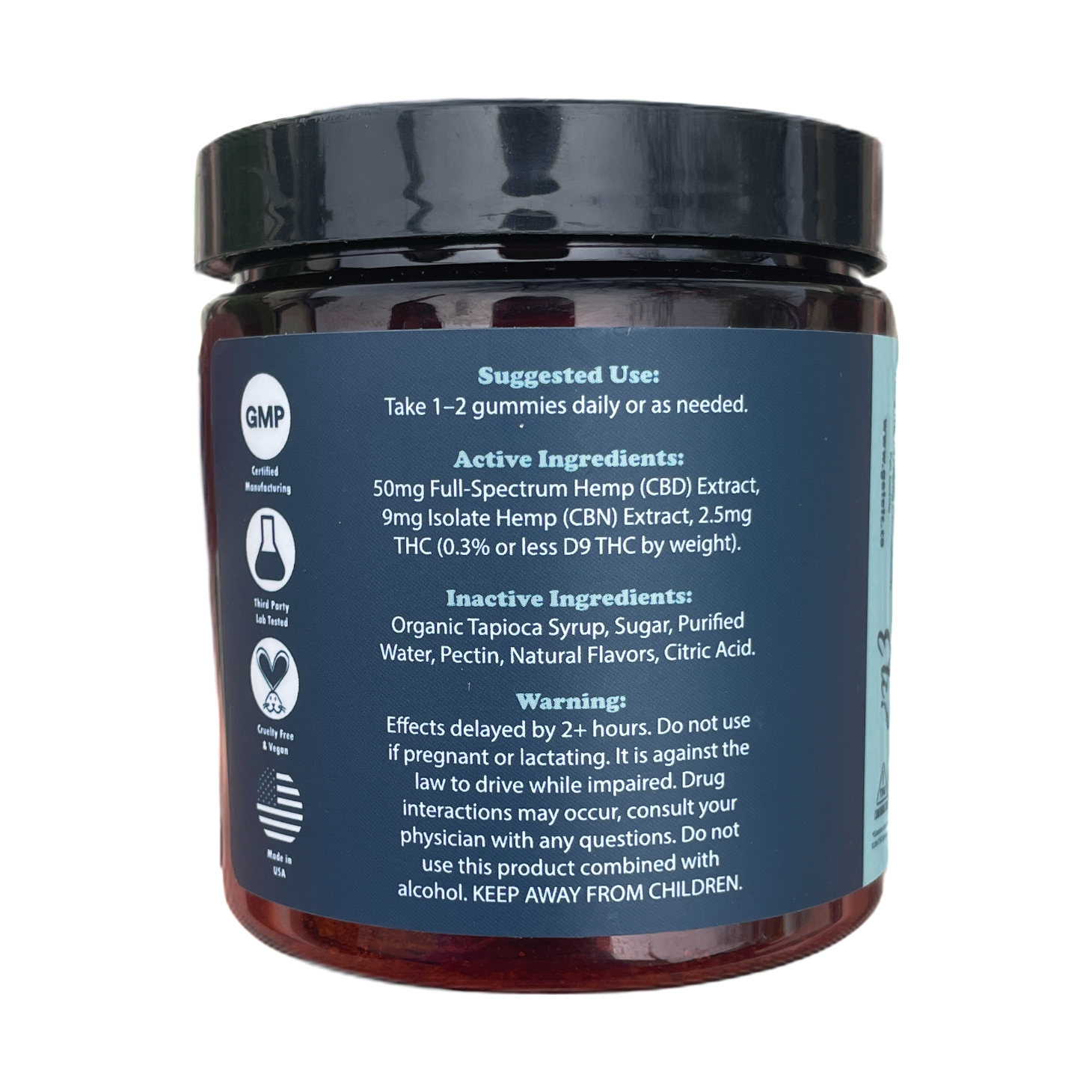
The Good Day and Good Night formulas are built around this rhythm. Daytime balance and focus during the hours you’re most visible to the people around you. Evening support for the wind-down that makes the next morning possible. It’s a simple structure, but simple is usually what actually gets done.
The Moments That Were Already There
Here’s what nobody tells you when they talk about wellness: you don’t have to create the meaningful moments. They’re already in your life. They were always there.
What changes is your ability to notice them. To land in them instead of passing through. To be the person who laughs at the right moment, lingers a little longer, says the thing that needed to be said instead of storing it for later.
The people and moments that matter to you are not waiting for you to become a different person. They’re available right now, on an ordinary Tuesday, to whoever shows up with enough of themselves to receive them.
The goal was never to feel amazing. The goal was always to be present for the life you already have.
That’s worth building toward.
Disclaimer: These statements have not been evaluated by the Food and Drug Administration. This product is not intended to diagnose, treat, cure, or prevent any disease. Consult your healthcare provider before starting any new wellness regimen.
Photo by Lawrence Crayton on Unsplash