




More Cannabinoids Per Serving Isn't a Marketing Claim — It's Math
Let’s talk about the thing nobody bothers to actually calculate.
You’re standing in the wellness aisle — or scrolling a product page at 11pm — and you’re comparing two bottles. One is $29.99. One is $44.95. Your brain says: obviously take the cheaper one. That’s not a bad instinct. It’s just incomplete math.
Because what you’re actually buying isn’t a jar. You’re buying servings. And a serving isn’t a serving unless you know what’s in it.
The Number That Actually Matters
Here’s the part most brands quietly hope you don’t notice: cannabinoid content per serving is the only number that tells you what you’re actually getting.
Two gummies can look identical — same size, same flavor, same count. But if one has 50% more cannabinoids per serving than the other, they are not the same product. You’re not comparing apples to apples. You’re comparing apples to apples that are 50% larger.
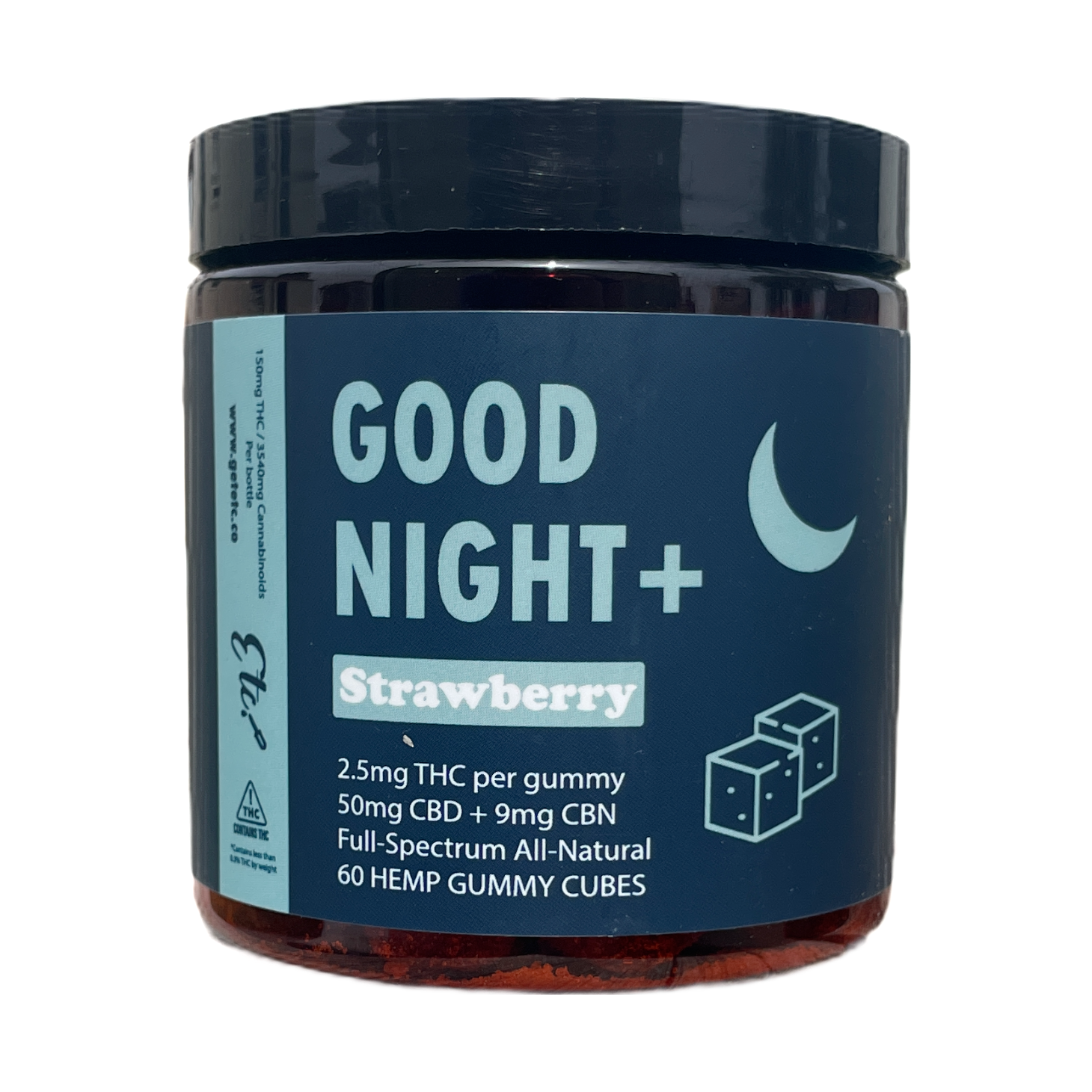
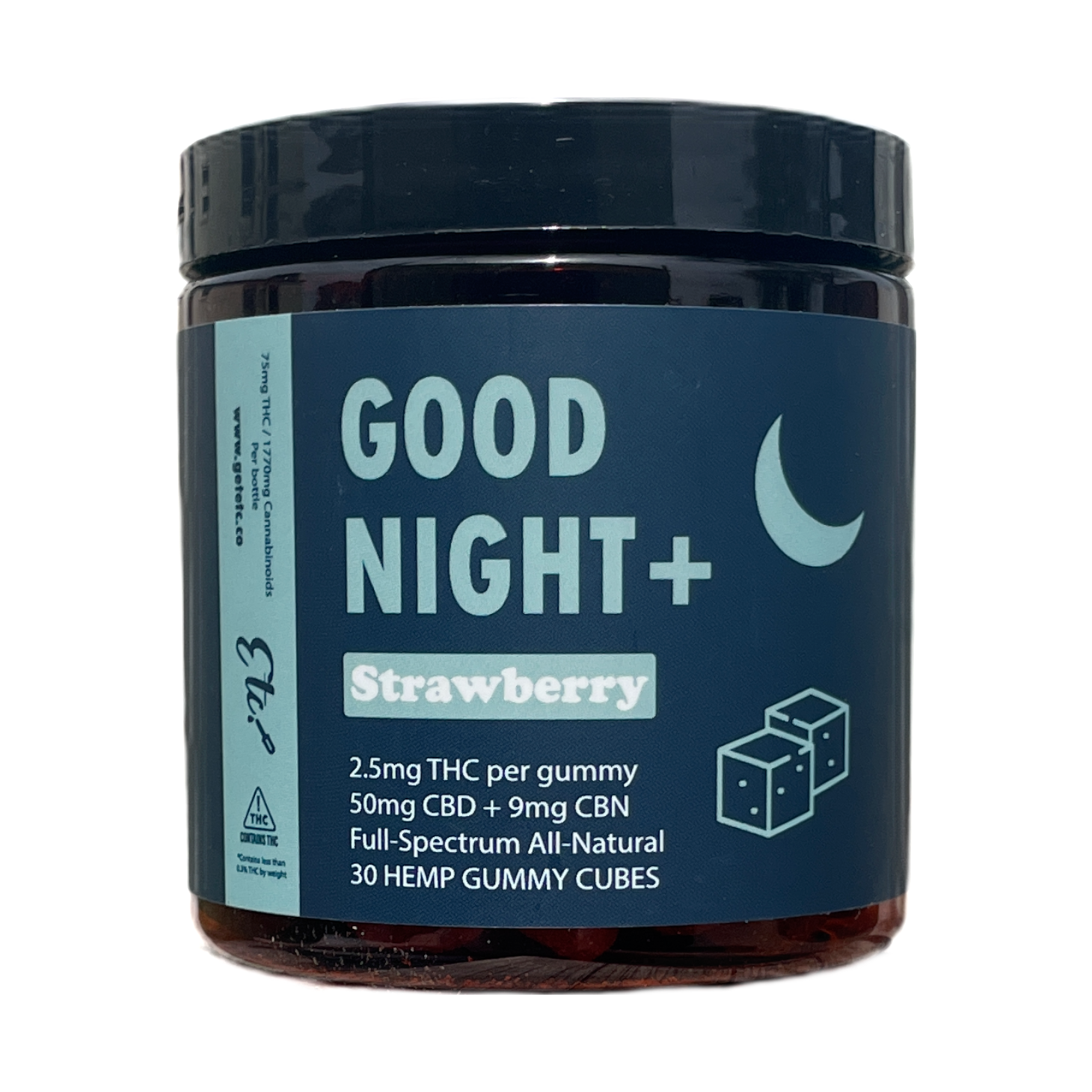
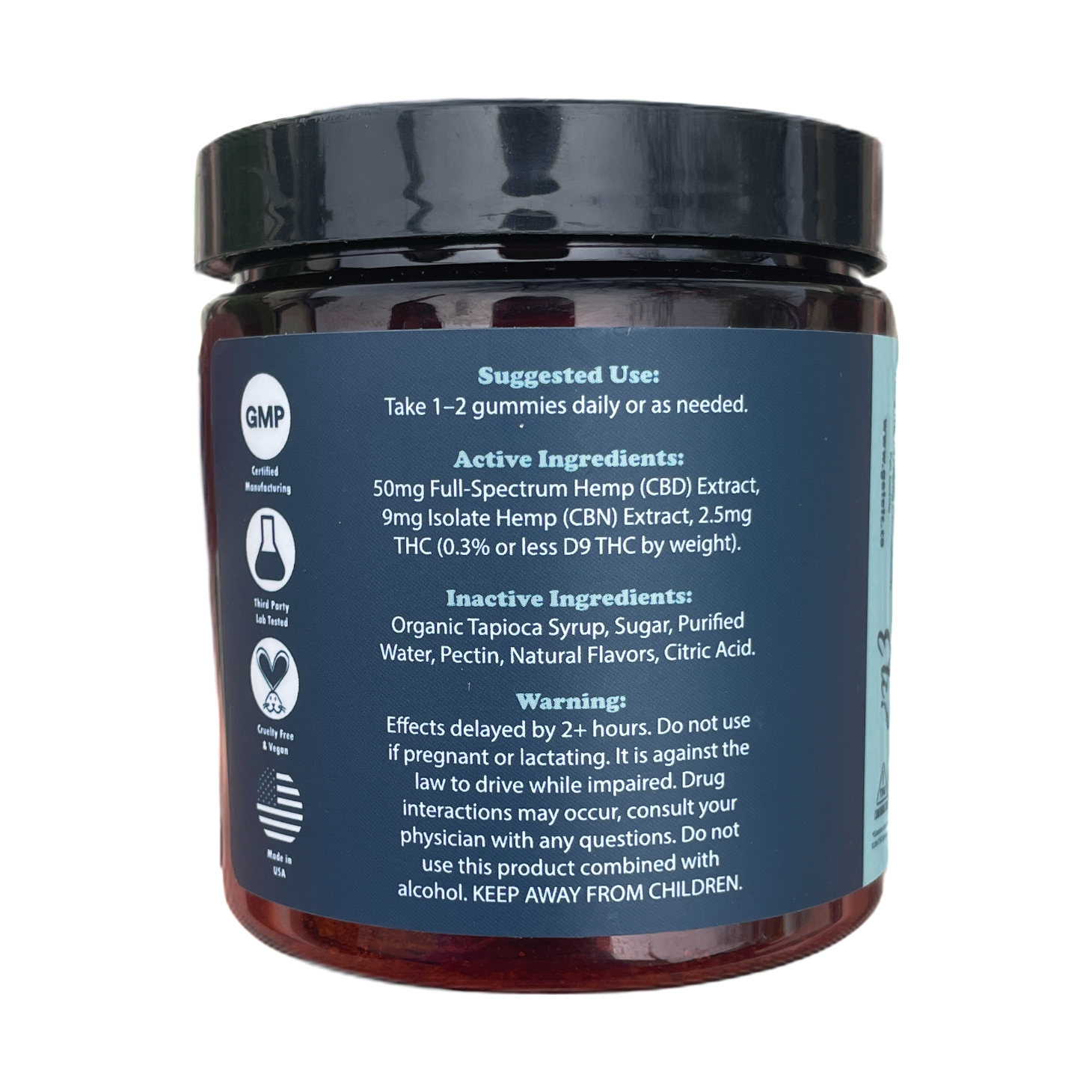
That’s what the “+” in ETC’s Gummies+ line actually means. Not a premium marketing designation. Just a fact: 50% more cannabinoids per serving, same format, same full-spectrum profile. The math is right there.
So when you divide the price by the number of servings — and then divide again by what’s actually in each serving — the “more expensive” option has a habit of becoming the better value.
Why Consistency Is the Real Investment
Here’s the part that matters more than any single serving, though: what you’re building toward.
In ETC’s own 8-week observational study, participants didn’t report a dramatic first-day transformation. What they reported was steady, week-over-week improvement — in how they felt overall, in their energy, in their mood — adding up to an average 30% improvement across all dimensions by week eight. The gains were cumulative. Sleep was the first thing people noticed. Mood ended up showing the largest total gain. Energy followed close behind.
The takeaway isn’t “it takes time” in some hand-wavy, vague sense. The takeaway is that your daily serving isn’t a one-time purchase decision. It’s an ongoing relationship between what you put in and what you get out — and the compounding works in your favor when you don’t run out.
That’s where cost-per-serving thinking stops being about frugality and starts being about commitment. The person who buys the 60-count jar and takes it consistently for a full month is playing a completely different game than the person who buys the 30-count, stretches it, skips days, wonders why nothing’s clicking, and concludes it “didn’t work.”
The Math Nobody Does at the Register
Walk through it once, and you’ll never look at a supplement price tag the same way:
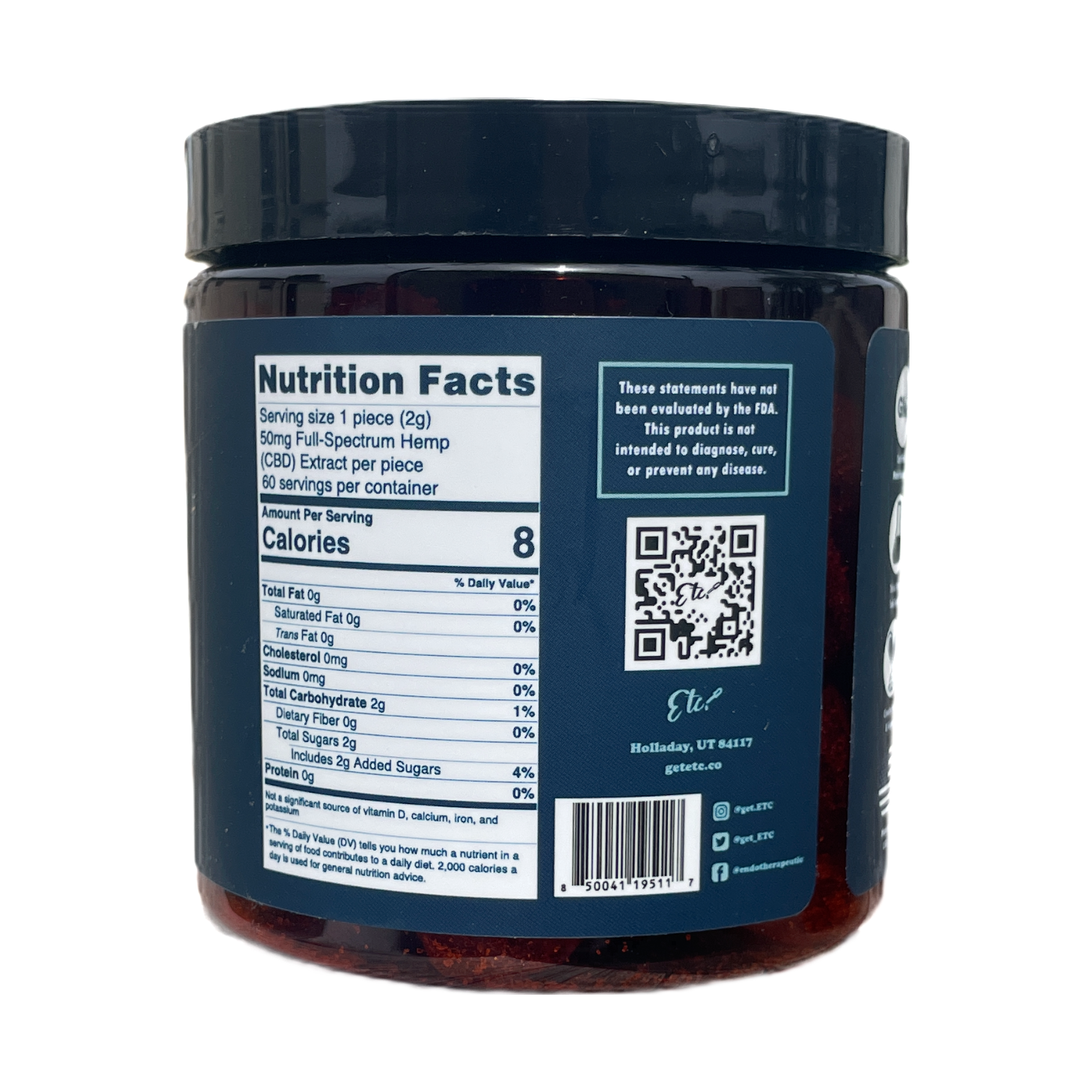
- 60-count Gummies+, Good Day or Good Night: sixty servings, each with 50% more cannabinoids than the standard serving
- Divide the price by 60: that’s your daily cost
- Now compare that cost to a single drive-through coffee, a streaming subscription you forgot you had, or the cumulative weekly spend on whatever you reach for when the afternoon gets rough
A consistent daily wellness practice — something you actually stick with for 30, 60, 90 days — costs less per day than most people spend on reactive, in-the-moment choices. That’s not a guilt trip. It’s just a reframe: you’re not spending money on a jar of gummies. You’re funding a daily practice that compounds.
And when you look at it that way, running out mid-month isn’t just an inconvenience. It’s a gap in the routine you were building. The 60-count exists partly for this reason — so a single month doesn’t become a 22-day month because life got busy and you forgot to reorder.
Explore Good Day+ and Good Night+ Gummies here.
“But What If I Just Need Less?”
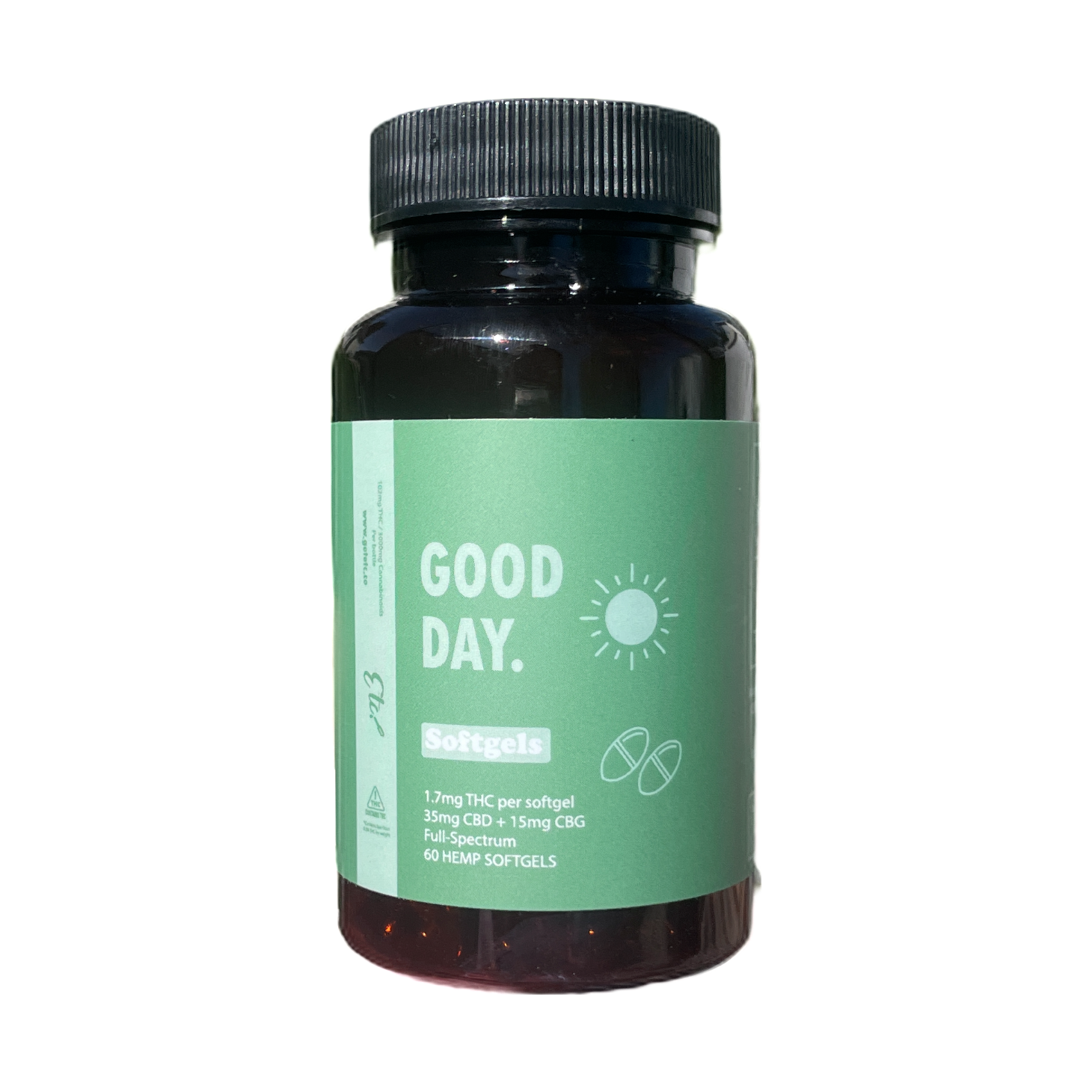
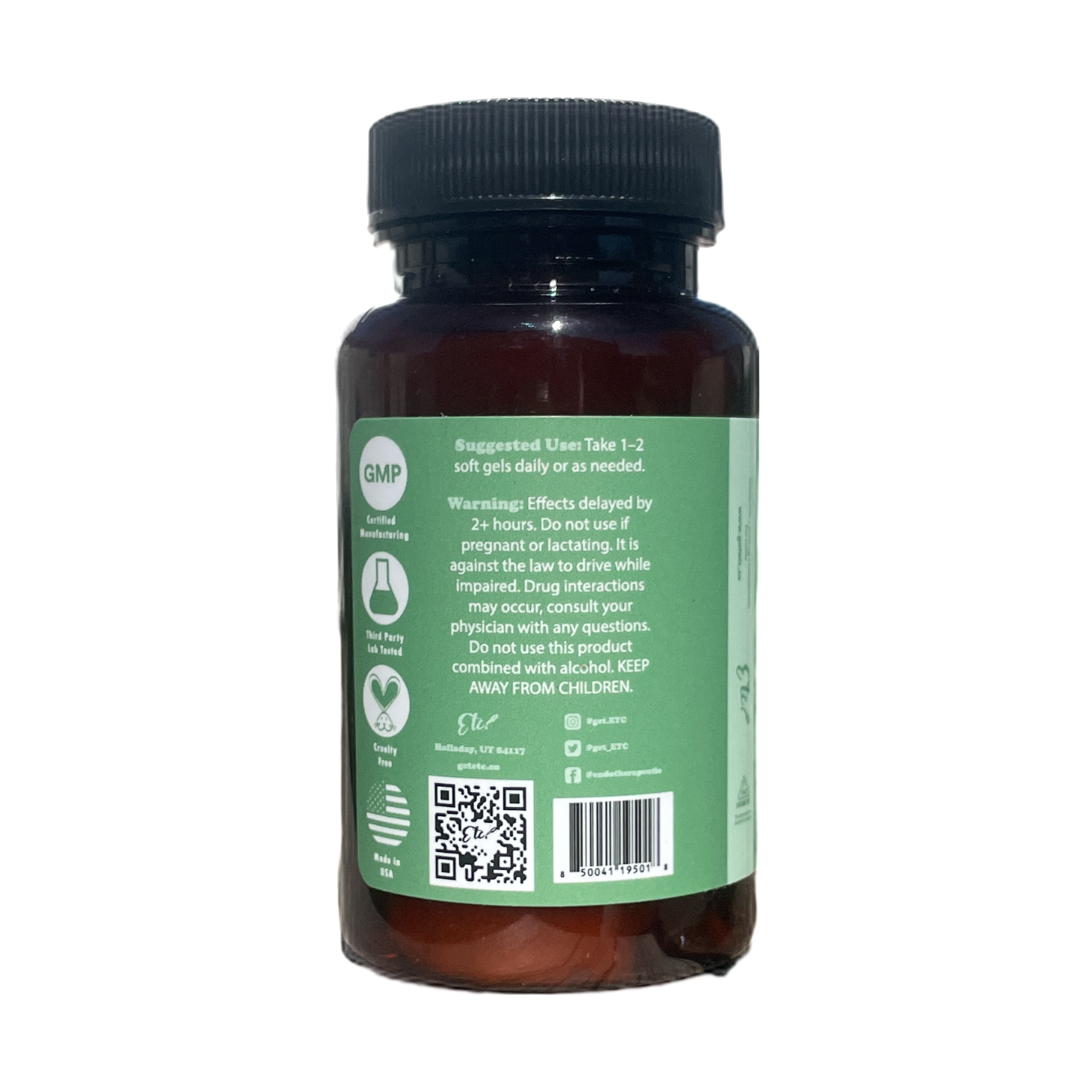
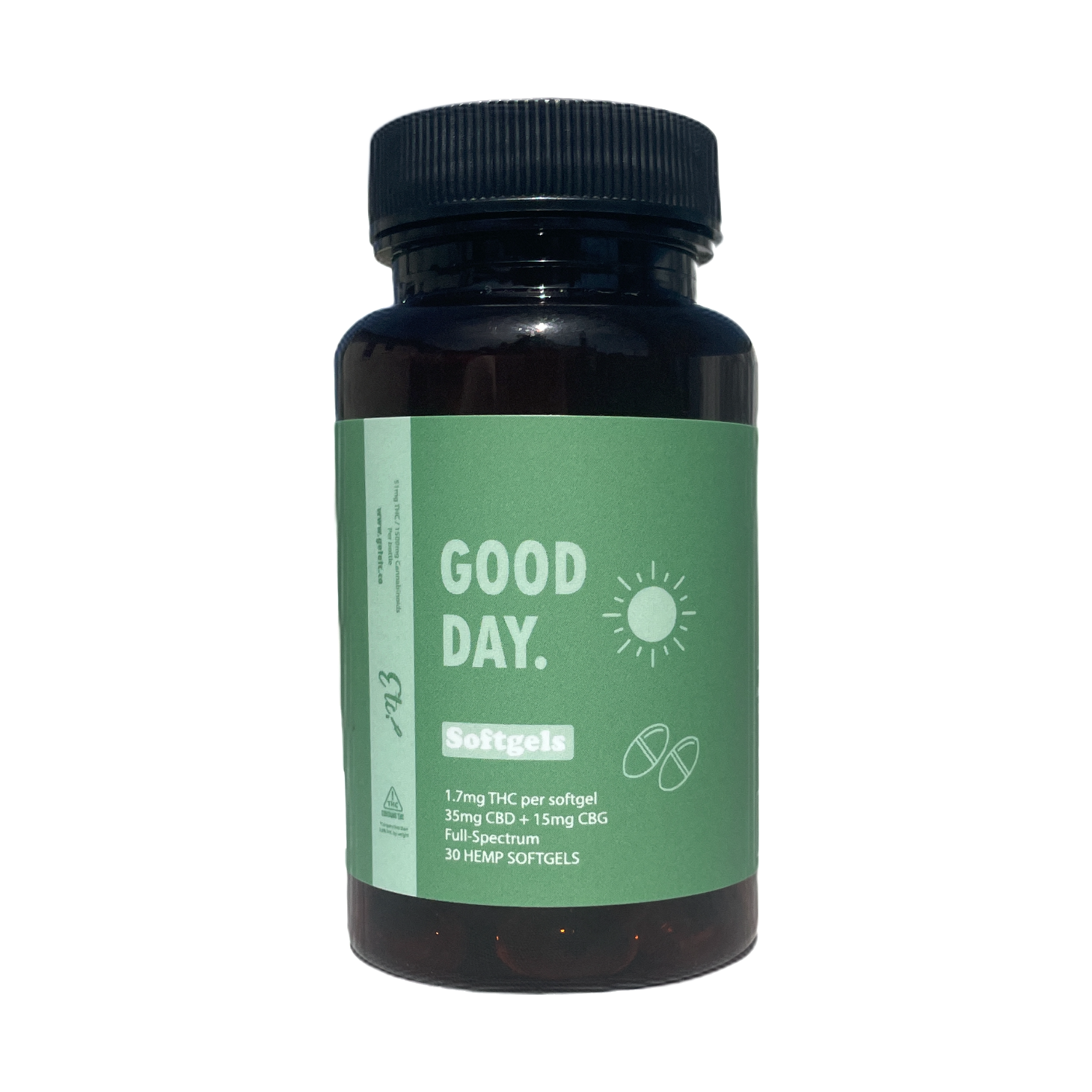
Fair question. Some people do fine on a standard serving. Some people prefer softgels — same full-spectrum formula, zero flavor, easy to take anywhere. If you’ve found a serving size that works for you and you’re stacking it consistently, you don’t need to upgrade anything.
The Gummies+ aren’t a mandate. They’re an option — specifically for people who tried the standard serving for a month and wanted more, or people who’ve done the math and realized that more cannabinoids per serving at a modest price difference genuinely pencils out in their favor.
The point isn’t that bigger is always better. The point is that value is calculated, not felt. And most people aren’t calculating it.
What Sustainable Actually Feels Like
There’s a version of wellness that’s all about the dramatic first purchase — the moment of decision, the inspiration, the optimism of a fresh start. That version doesn’t usually last.
Then there’s the version that’s just a thing you do. Every morning, or every evening, or both. Not because you’re expecting a revelation, but because you made a commitment to yourself that’s small enough to keep and consistent enough to matter. That’s the version that compounds.
The 8-week study didn’t just show that cannabinoids can support how people feel. It showed that time and consistency are the variables that drive the biggest gains. Week one and week eight looked very different — and the people who got to week eight were the ones who showed up every week in between.
Good math and a sustainable habit aren’t the most romantic pitch for a wellness product. But they’re the ones that actually hold up when you look back in two months and realize you’ve genuinely shifted something.
That shift doesn’t start with the most expensive option or the most complicated regimen. It starts with the one you can afford to keep doing — and the one that gives you enough per serving to feel like it’s working.
Do the math. Then do it every day.
Disclaimer: These statements have not been evaluated by the Food and Drug Administration. This product is not intended to diagnose, treat, cure, or prevent any disease. Consult your healthcare provider before starting any new wellness regimen.
Photo by Jessica Donnelly on Unsplash