




Choosing from the Part of You That Already Knows
You already knew.
Before you asked for the second opinion, before you scrolled through the reviews, before you texted your friend who always seems to have an answer: somewhere underneath all of that noise, you already had one. You just weren’t sure you were allowed to trust it.
That gap, between knowing and trusting, is where a lot of good decisions go to wait.
The Part of You That’s Been There Longer
Self-trust is a strange thing to lose. It doesn’t disappear all at once. It erodes gradually, in small moments, when you defer to someone who sounds more confident, or when you second-guess a choice that later turned out to be exactly right, or when a system you were relying on turns out to be less reliable than advertised.
After enough of those moments, you learn to look outward before looking inward. You gather data. You consult. You hedge. And while all of that has its place, it can start to crowd out something quieter and more useful: the part of you that simply knows what you need.
That part doesn’t announce itself. It doesn’t make a case. It just… sits there, patient and a little stubborn, waiting for you to remember it exists.
When Trust Has to Be Rebuilt
Here’s what no one tells you about rebuilding self-trust: it doesn’t usually happen in one dramatic moment of clarity. It tends to happen through smaller, repeated experiences of choosing well and noticing that it worked out.
You make a choice that feels right. You pay attention. It goes okay. You do it again.
Over time, that becomes a different kind of knowing. Less anxious, more grounded. You stop rehearsing your decisions as if you might be called to defend them. You stop needing to explain your preferences to yourself before acting on them.
This is why consistency in anything, not just wellness, has such an outsized effect on how we feel about ourselves. Every time you follow through on something small, you’re adding a data point to the case your inner self is building. The case that says: you can be trusted.
The Quiet Authority of Knowing What Works
There’s a version of wellness shopping that feels like a full-time job. Reading every ingredient panel. Scanning forum threads at midnight. Clicking through five comparison articles that mostly disagree with each other.
Some of that research is genuinely useful. But a lot of it is just noise dressed up as due diligence. It can leave you more confused than when you started, and less confident in your own read on things.
What actually builds self-trust in a wellness routine is something simpler: having enough information to make a real decision, and then actually making it.
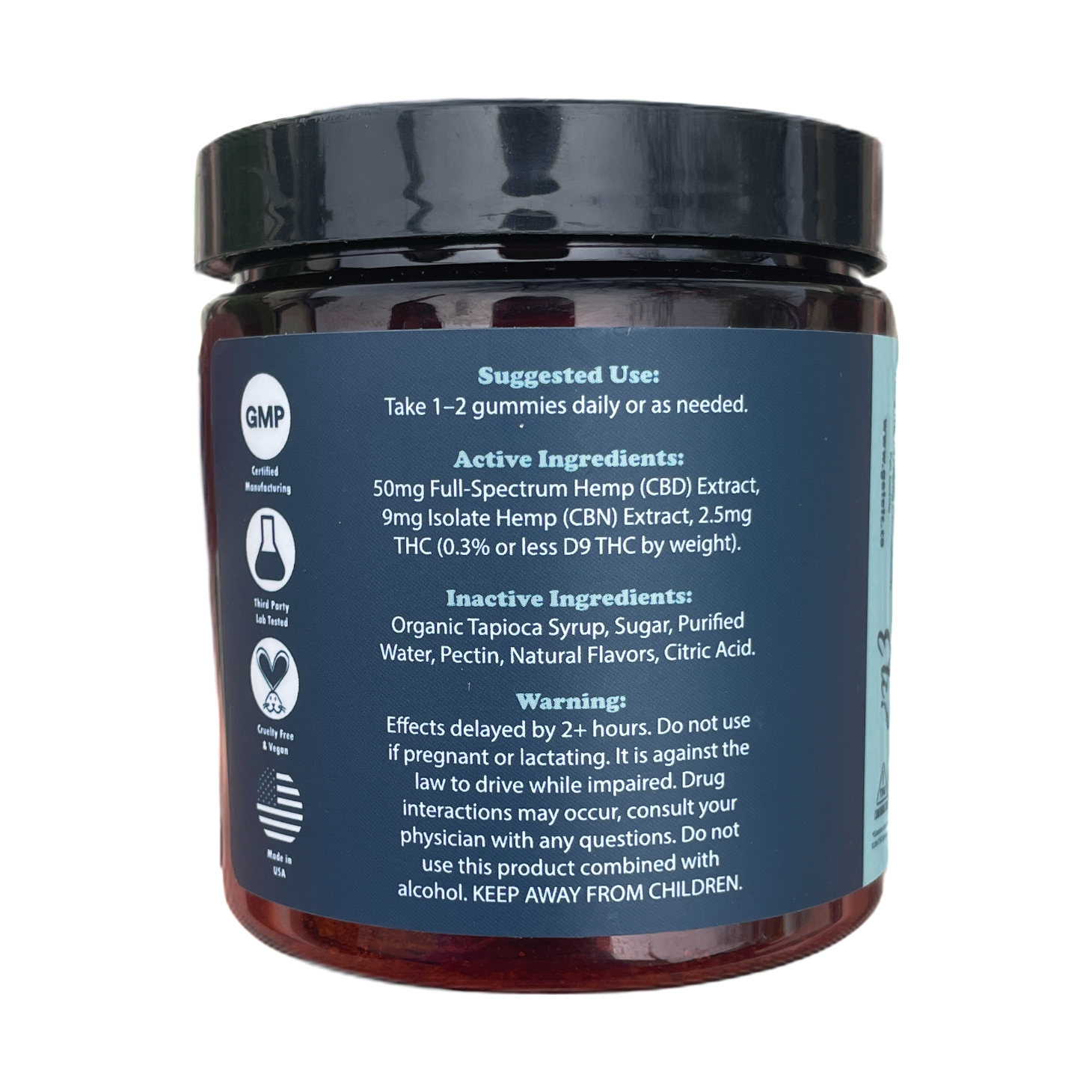
That’s why the basics matter more than people give them credit for. Knowing what’s in something. Knowing the serving size is consistent batch to batch. Knowing the company stands behind what’s on the label, not just says so. Those aren’t glamorous features, but they’re the ones that let you stop researching and start noticing.
When you’re not busy verifying the basics, you get to pay attention to yourself. How you feel. What shifts. What doesn’t. That attention is where real self-knowledge comes from.
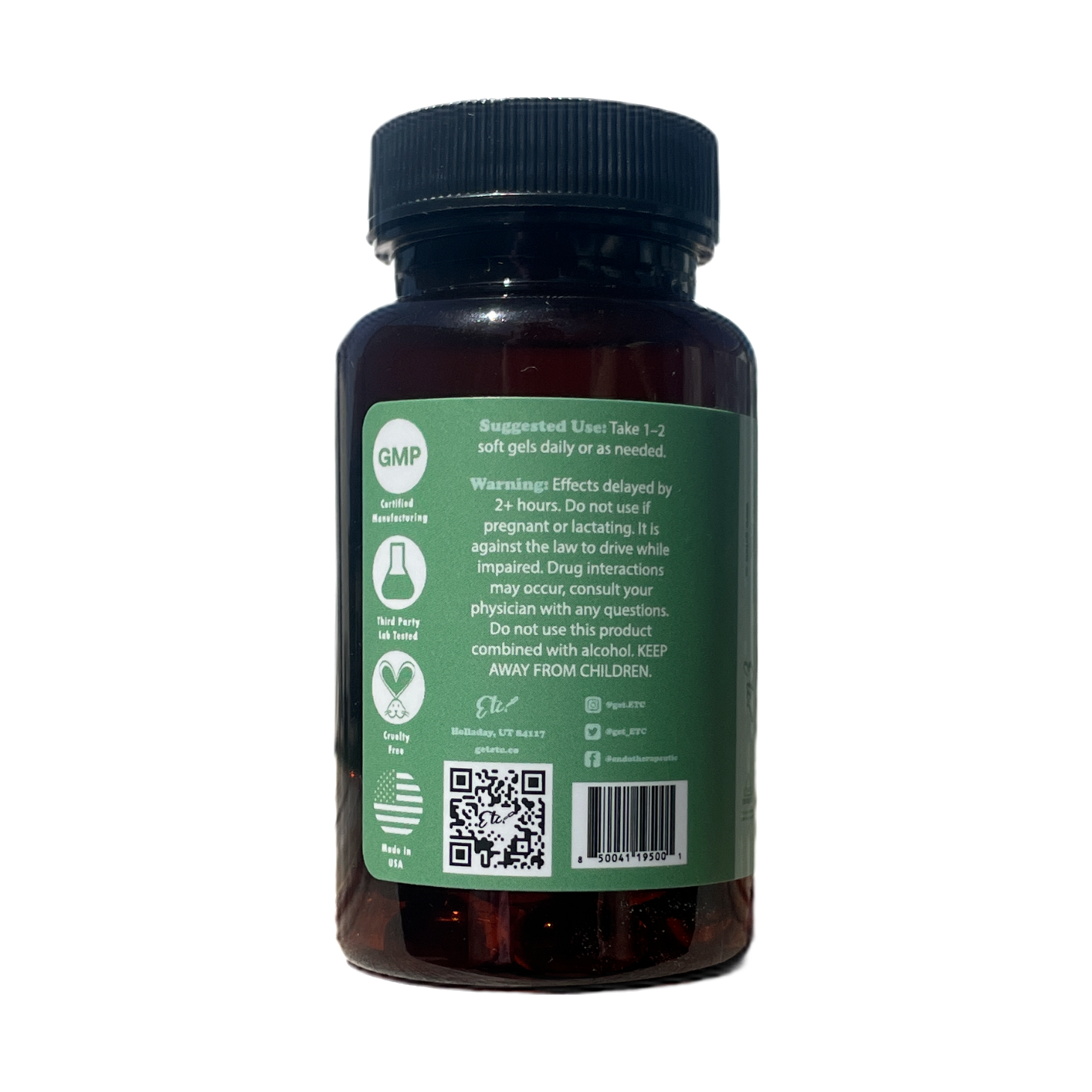
ETC publishes third-party lab results for every batch at reliefetc.com/pages/coa. It’s not a flashy feature. It’s just what makes the decision simpler: you look, you see what’s there, and you move on to the actual experience.
Presence as the Payoff
Here’s where this stops being abstract.
The people who feel most like themselves, most of the time, tend to share something. It’s not that their lives are easier or their choices are always correct. It’s that they’ve stopped spending so much energy second-guessing. They show up to conversations without half their attention devoted to whether they said the right thing. They sit at dinner with their kids without mentally reviewing their to-do list. They end the day without a running commentary on every decision they made.
That’s not the absence of thought. It’s the presence of trust.
When you’re not managing an internal jury, you have more of yourself available for everything else. More patience for the slow parts. More curiosity for the parts that actually interest you. More capacity to be where you are instead of where you think you should be.
That’s the payoff that’s hard to put on a label. Not a supplement fact, not a milligram count. Just more of yourself, available for the life you’re actually living.
Choosing from the Part That Already Knows
The next time you’re standing at a crossroads over something small, a product, a practice, a small commitment to yourself, try this. Before you open another tab, ask the quieter question: what do I actually think?
It doesn’t have to be the last word. But it should be the first.
Self-trust isn’t built by always getting it right. It’s built by taking your own read seriously enough to act on it, and then paying close attention to what happens next. That’s it. That’s the whole practice.
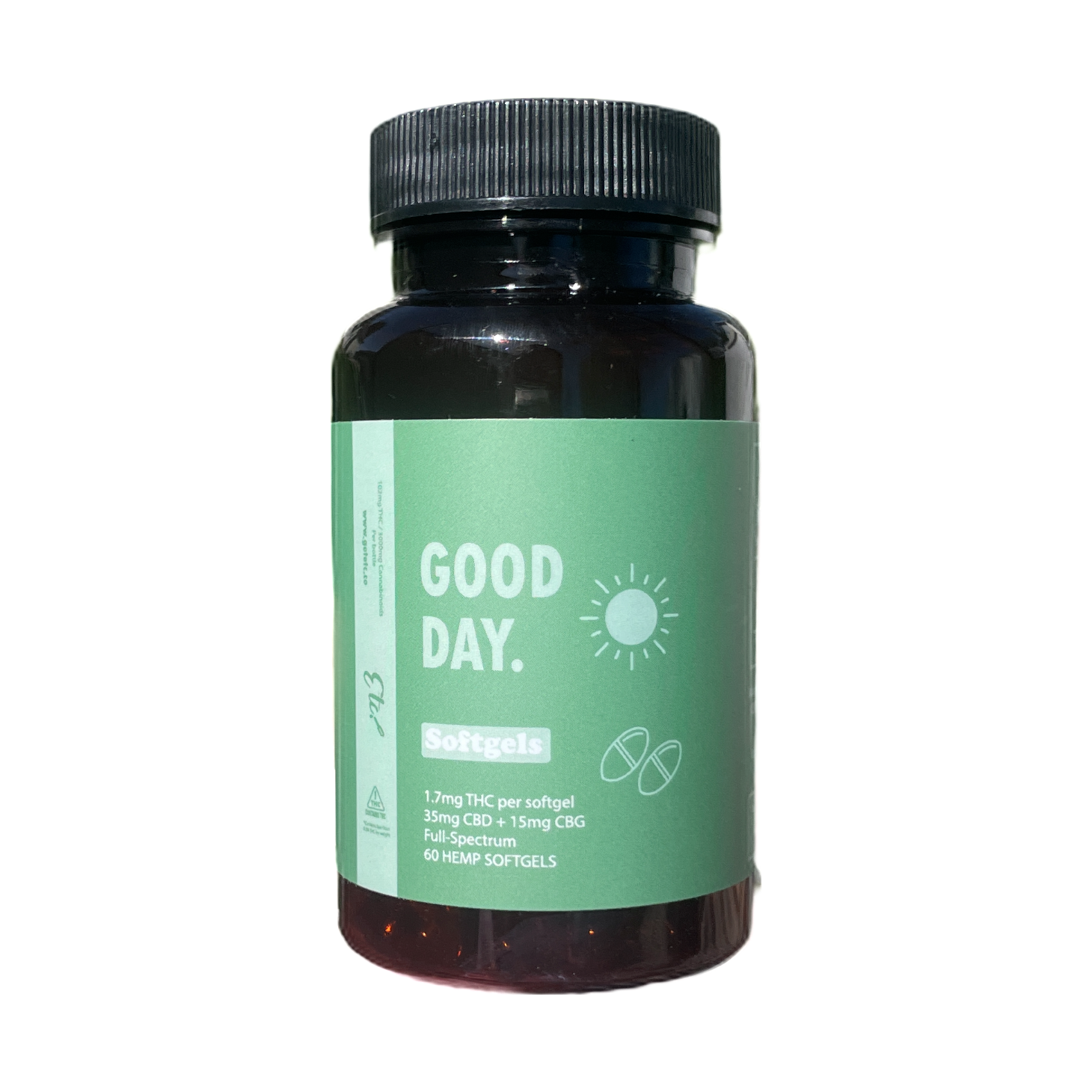
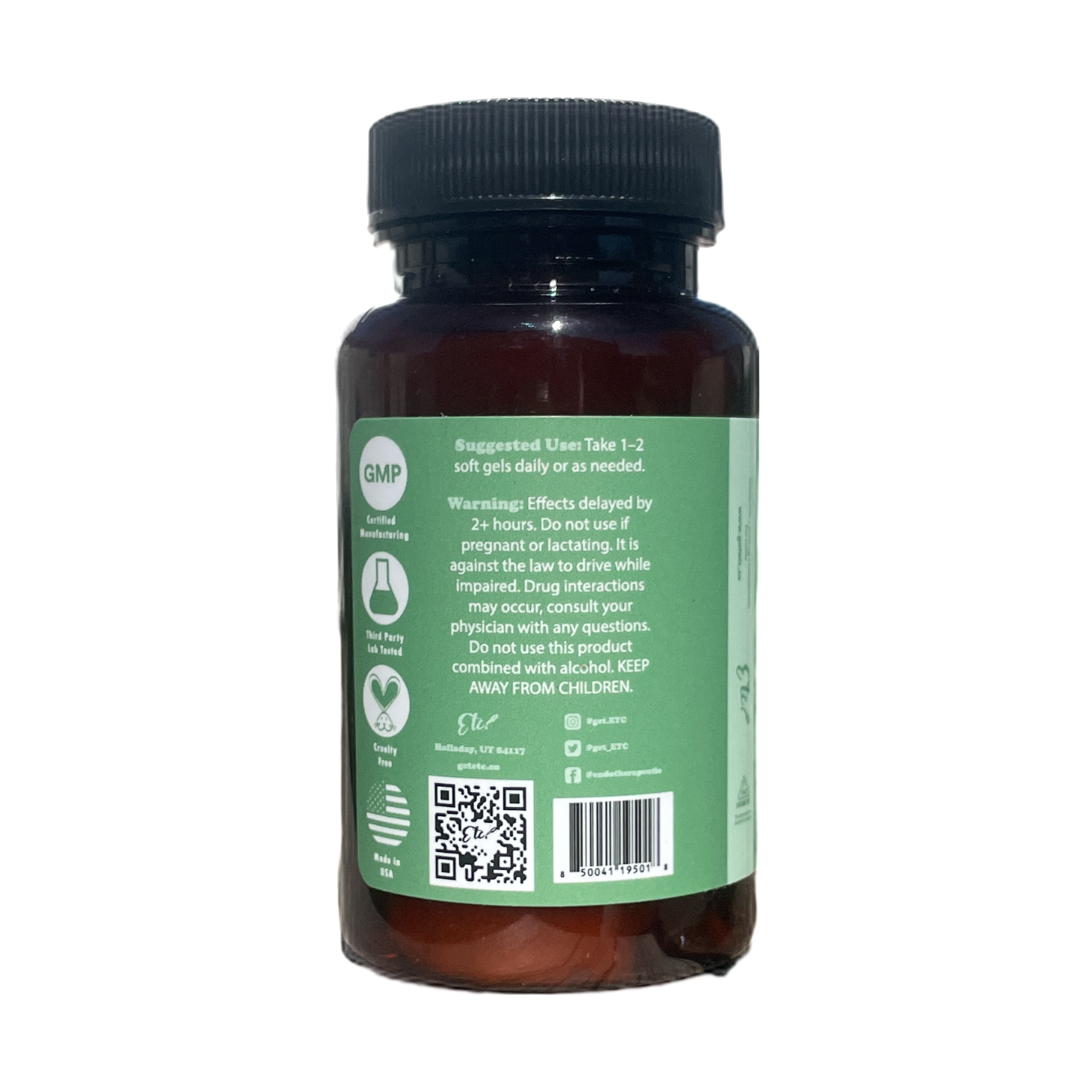
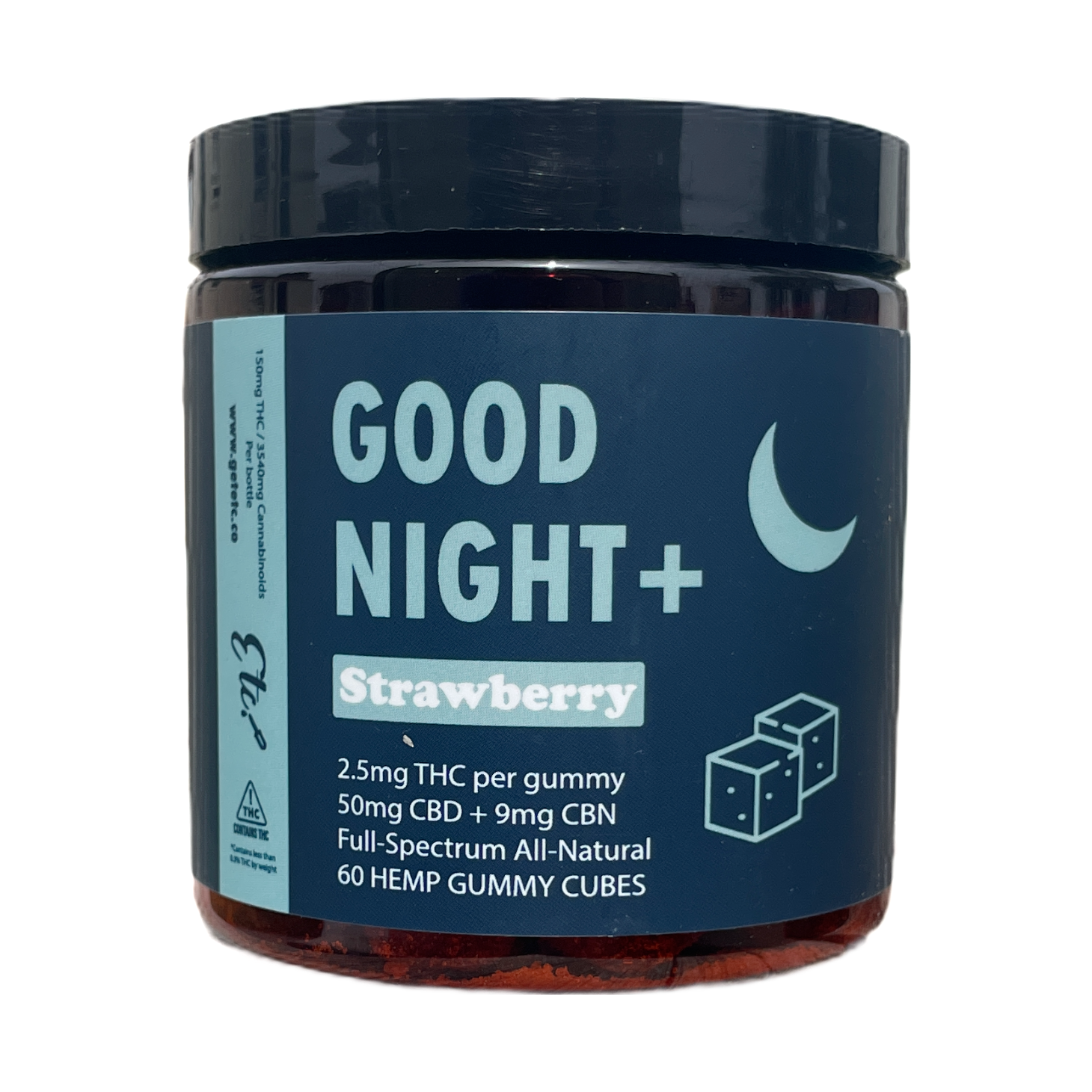
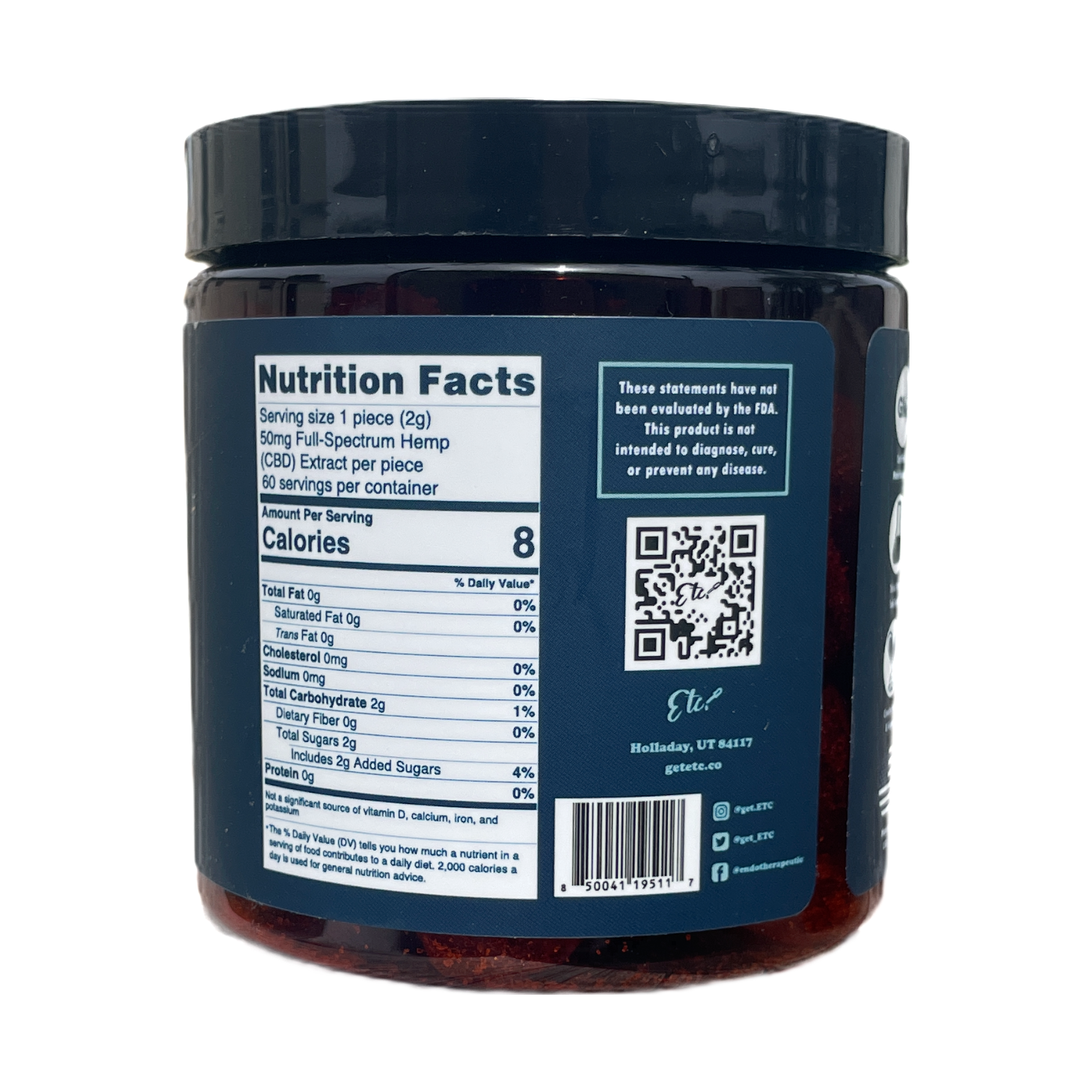
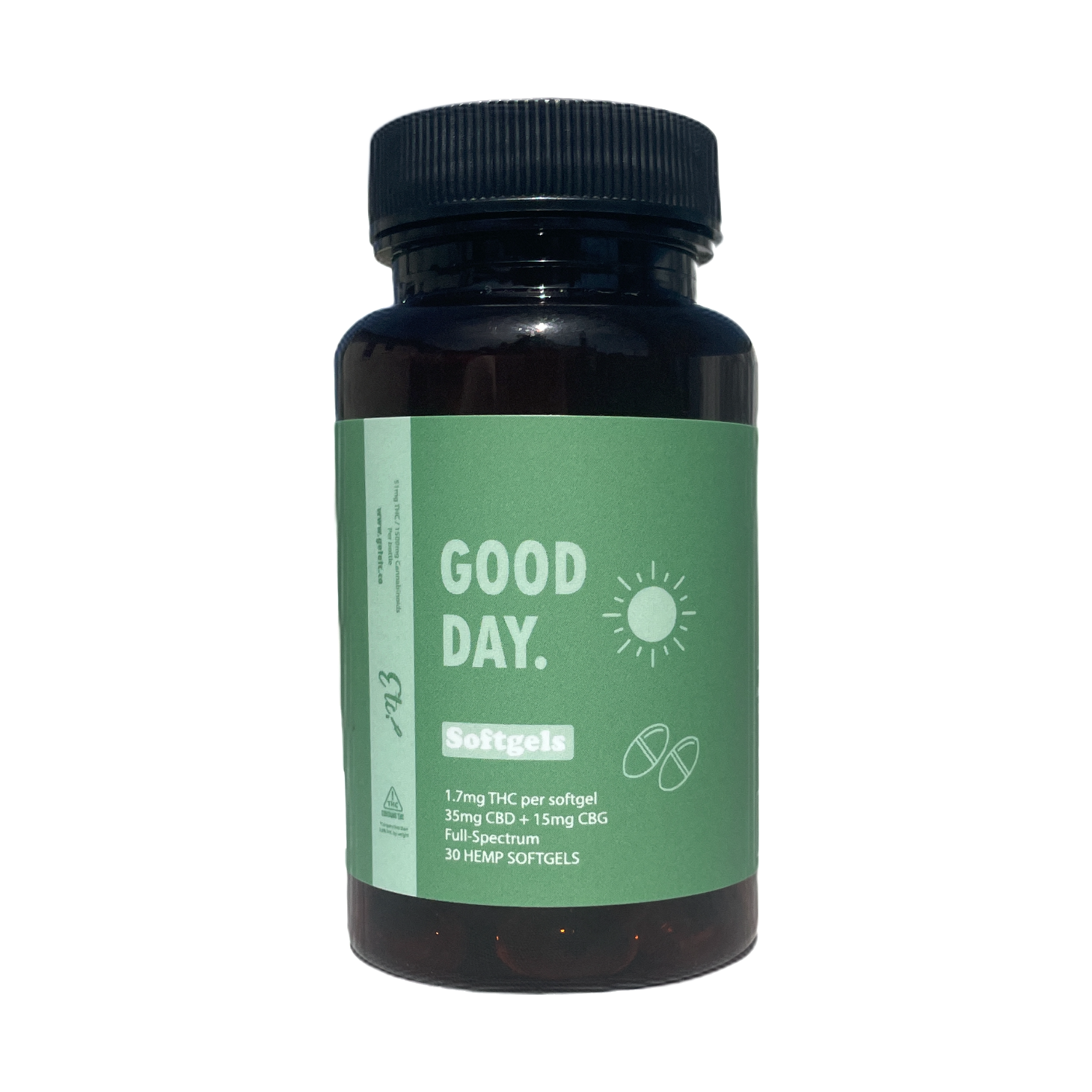
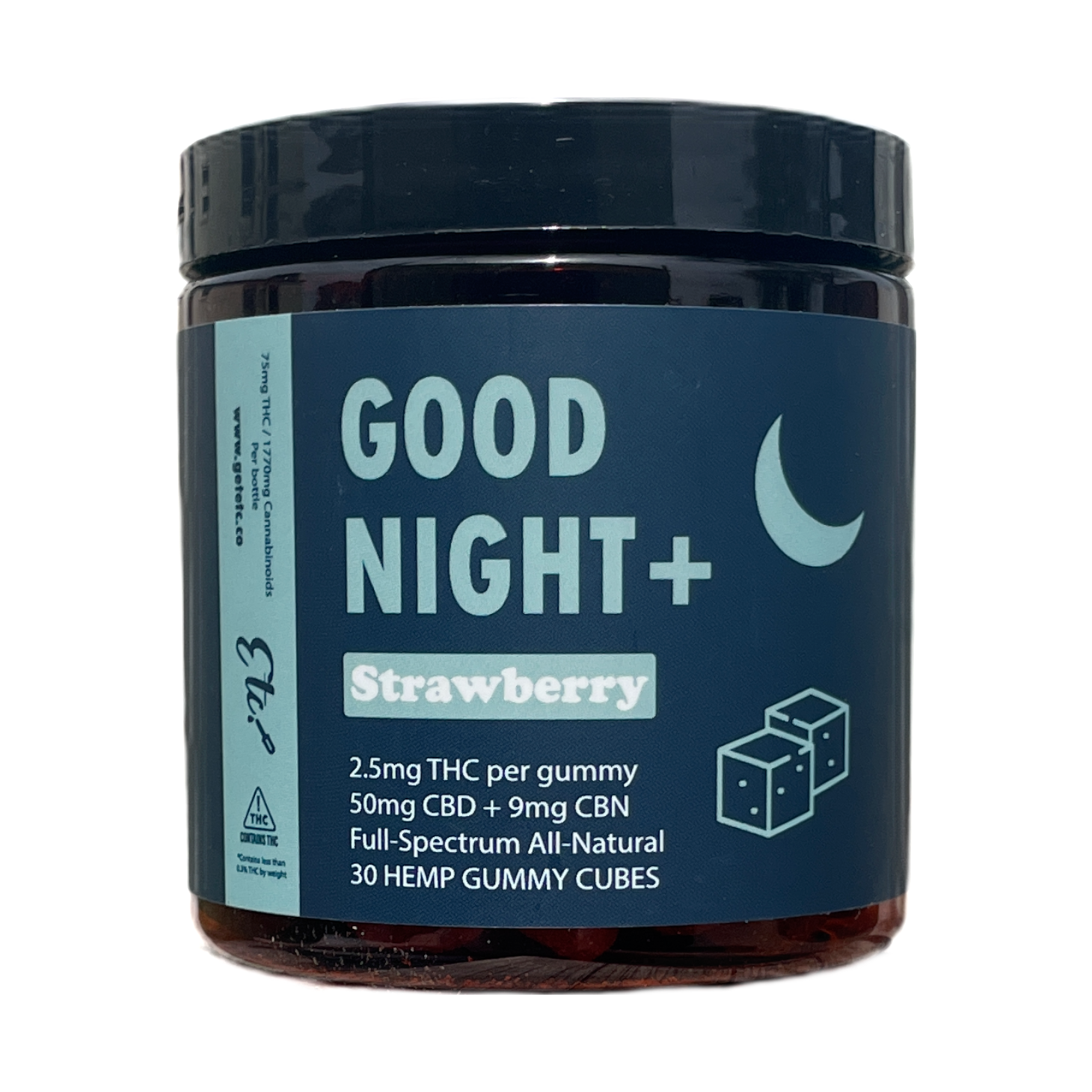
The Good Day and Good Night lines are designed to be simple enough that you spend less time managing your routine and more time noticing how you actually feel. Because the noticing is the point.
You’re already doing this, in some form. The question is whether you’re letting yourself take it seriously.
That part of you that already knows? It’s been waiting. It doesn’t need much. Just a little room to speak first.
Disclaimer: These statements have not been evaluated by the Food and Drug Administration. This product is not intended to diagnose, treat, cure, or prevent any disease. Consult your healthcare provider before starting any new wellness regimen.