




Why Simple Formats Help Good Habits Stick
The average adult makes somewhere around 35,000 decisions every day. By the time you’ve navigated traffic, answered the morning’s first ten messages, and figured out what to feed yourself for lunch, your decision-making budget is already running thin. It’s not a character flaw. It’s just how the brain works.
Which is exactly why “just be consistent” is such unhelpful advice.
Consistency isn’t a willpower problem. It’s a friction problem. The habits that stick are almost never the ones we care about most. They’re the ones that asked the least of us on a Tuesday when we were tired.
The Smallest Path Is Usually the Right One
Think about the routines in your life that have genuinely become automatic. Morning coffee. Locking the front door. Taking vitamins with breakfast. None of those required deep commitment or a 30-day challenge. They became automatic because they were easy to start, easy to repeat, and easy to fit inside a day that was already full.
Wellness works the same way. The meditation practice that takes 45 minutes rarely survives a chaotic Thursday. The one that takes five minutes, sitting on the edge of the bed before your feet hit the floor, tends to stick around.
Format matters for the same reason. When something fits easily into your hand, your bag, your morning, your night, it gets a chance to work. When it doesn’t fit, it sits in the cabinet next to the supplements you bought in January.
Why This Actually Matters for What You’re Trying to Do
Here’s the part most wellness content skips over: the benefit of a daily practice is cumulative. It isn’t a one-time event. You’re not looking for a dramatic before-and-after. You’re building something quieter and more durable than that.
People who report the most meaningful shifts from a hemp wellness routine are almost always people who stayed with it long enough for consistency to do its work. Not perfect consistency. Just showing up most of the time, in a way that was simple enough to keep doing.
That’s where format genuinely earns its place in the conversation. Not as a gimmick or a marketing category, but as the actual mechanism that makes daily follow-through possible.
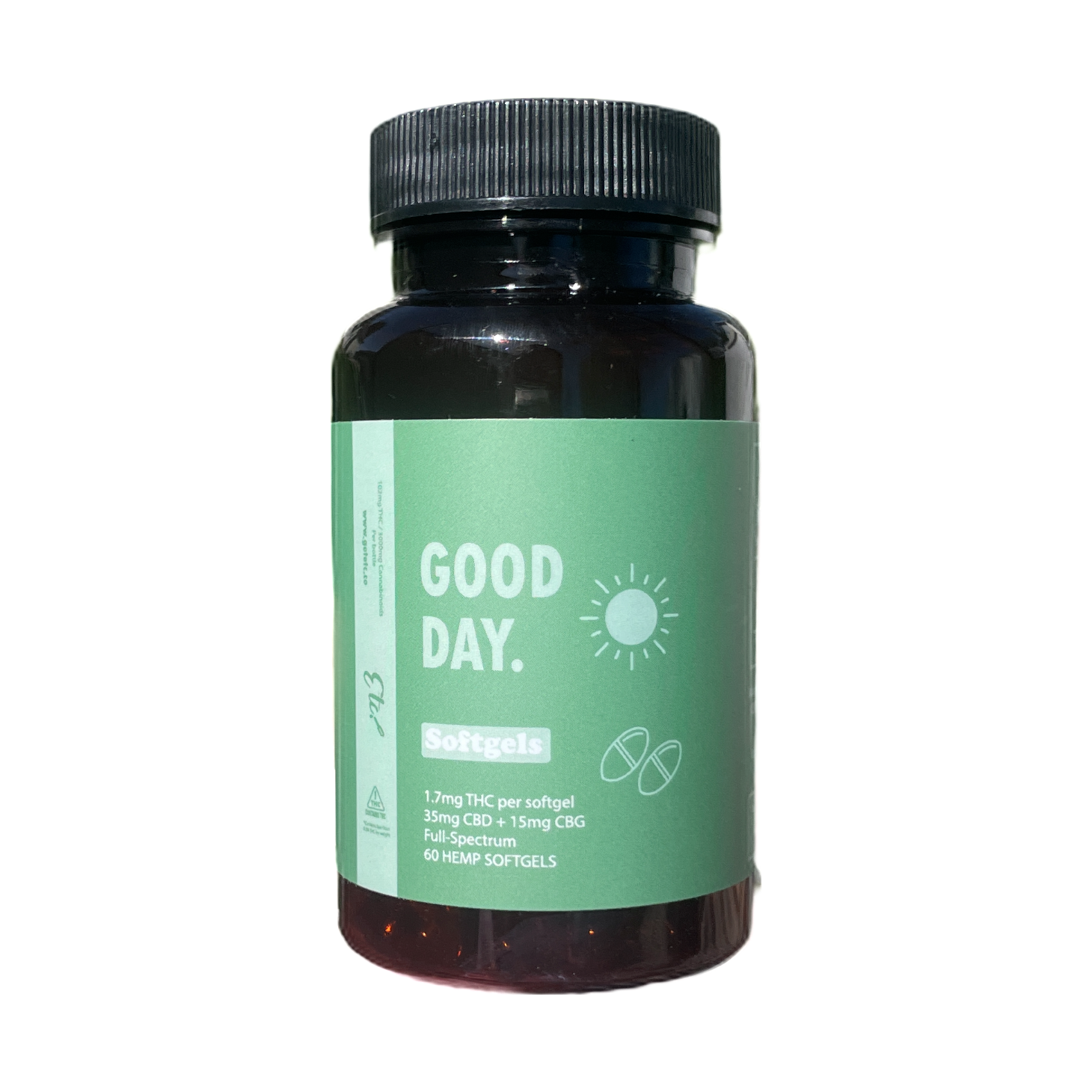
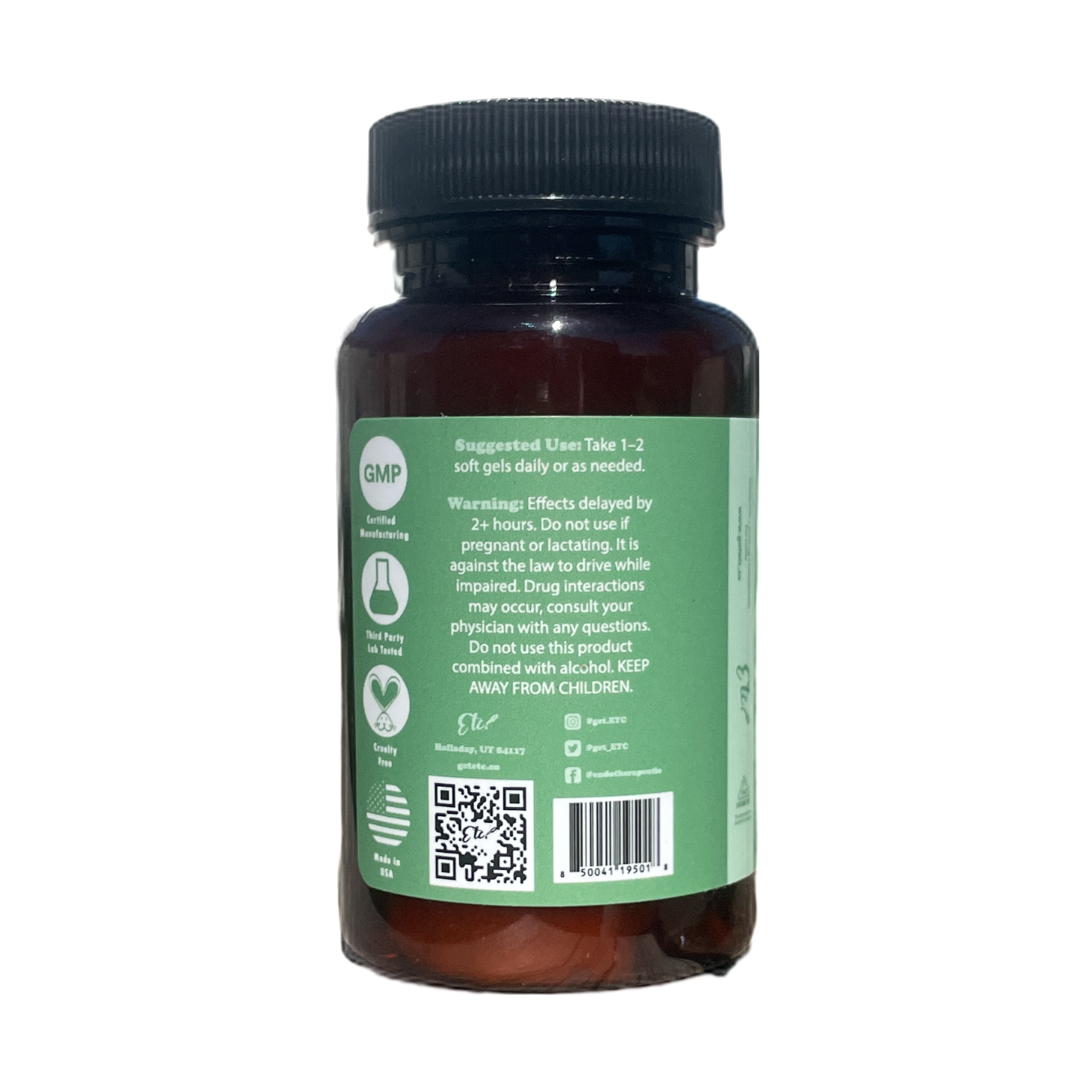
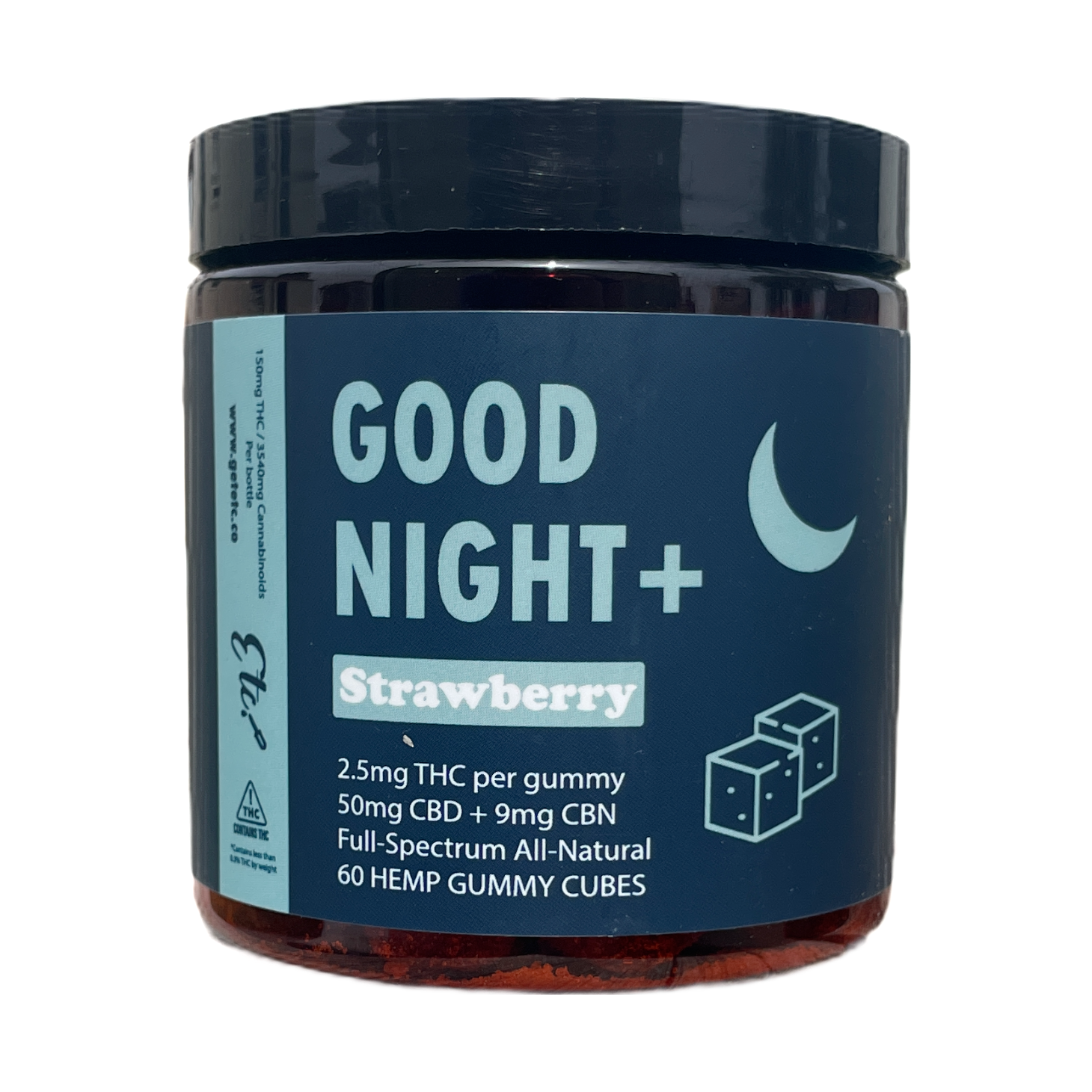
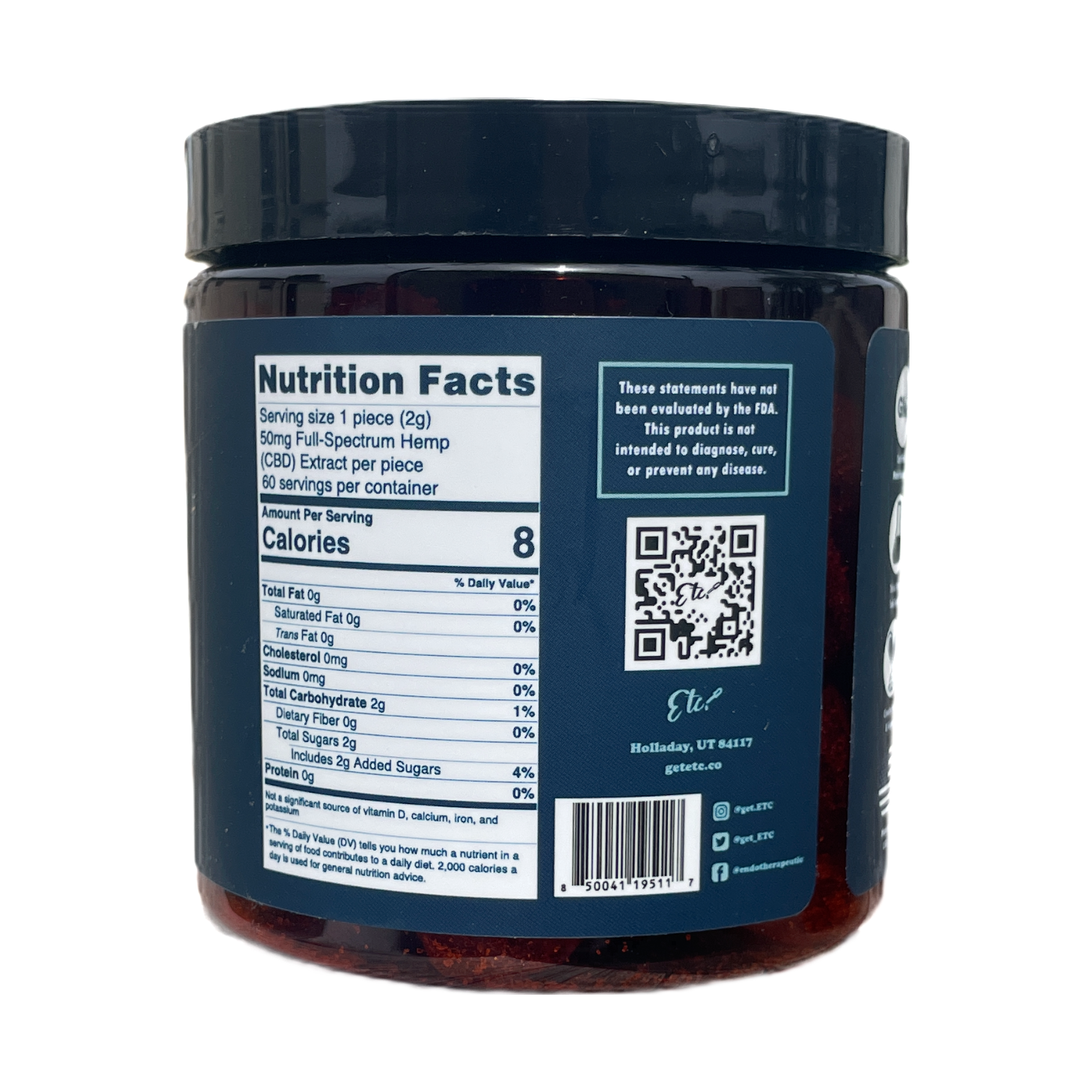
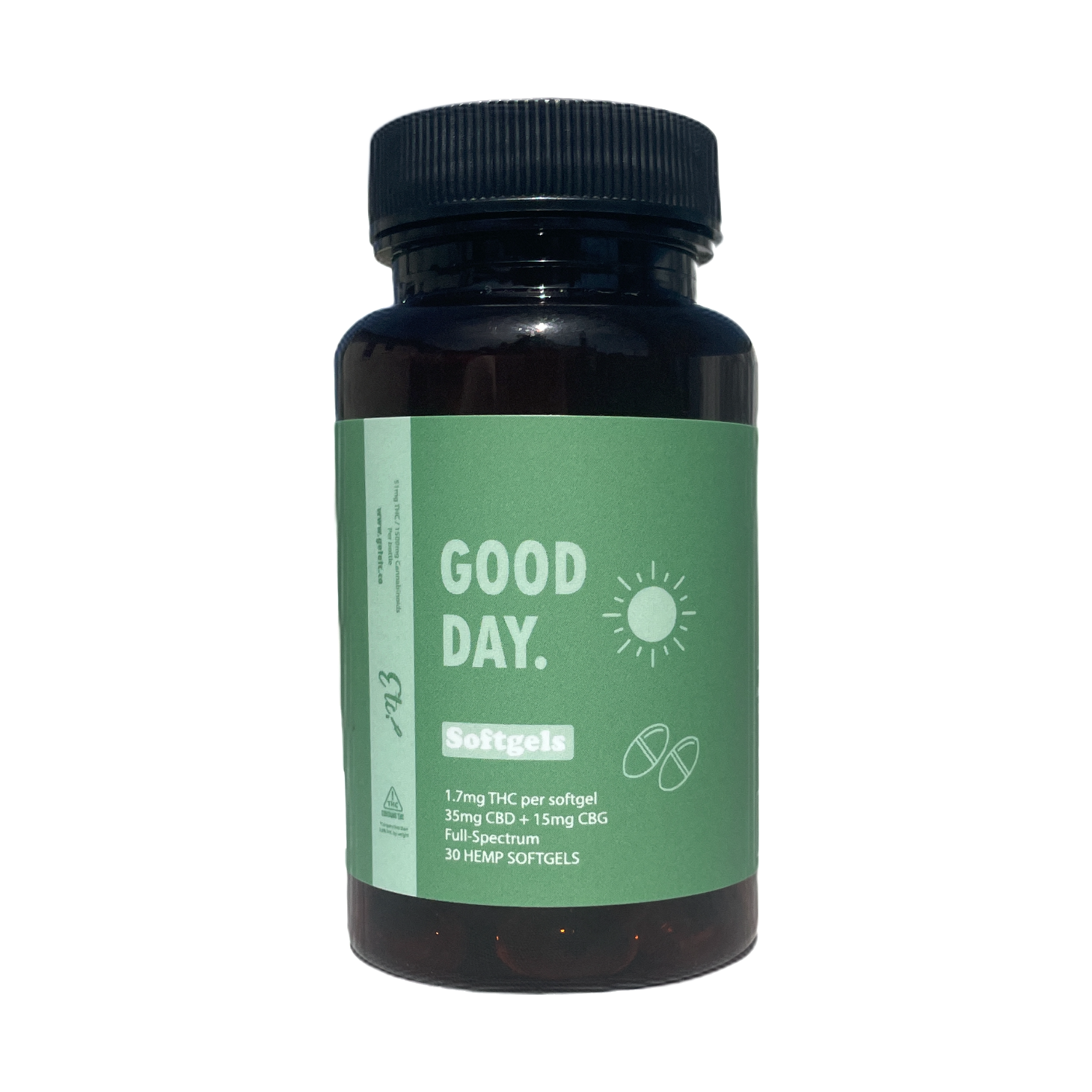
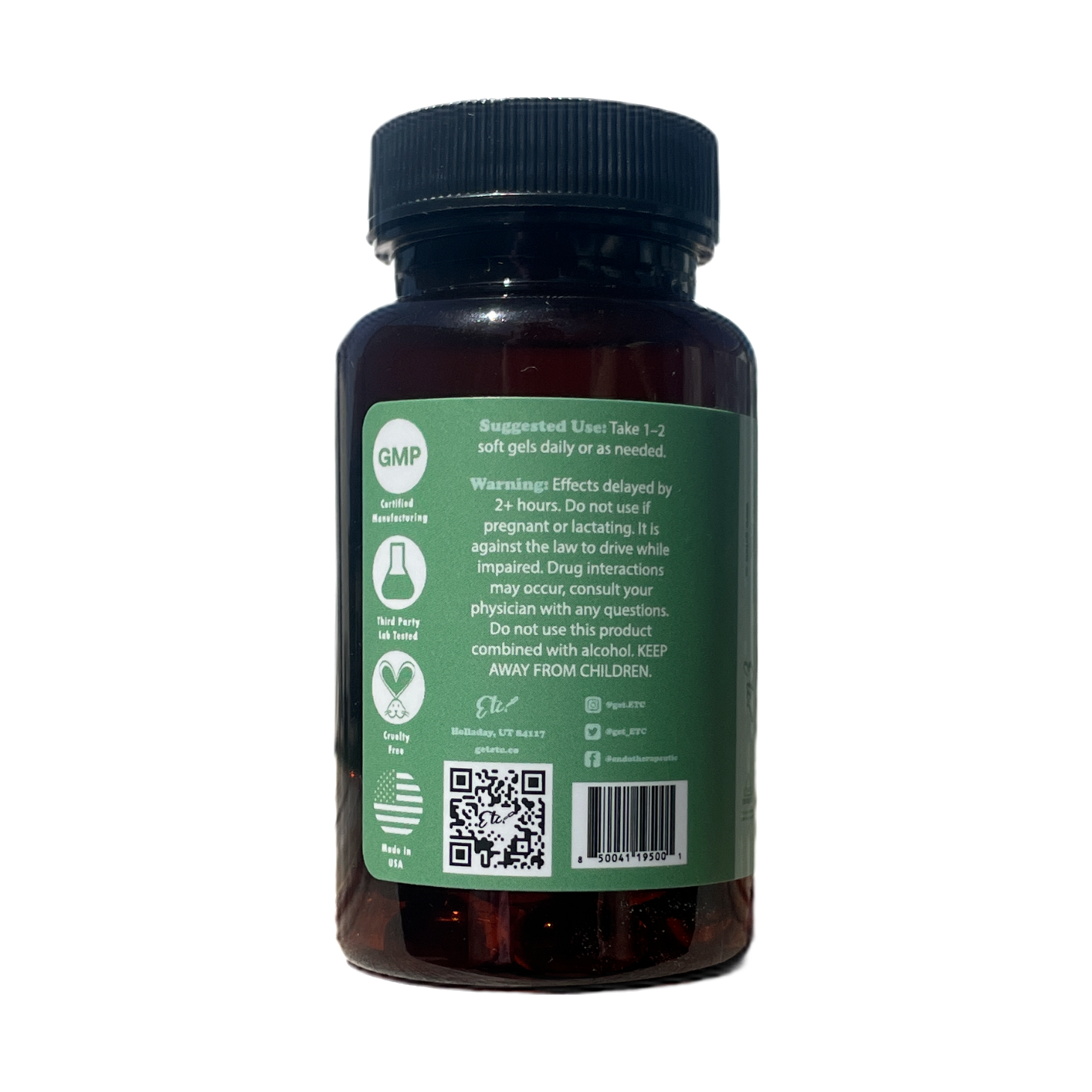
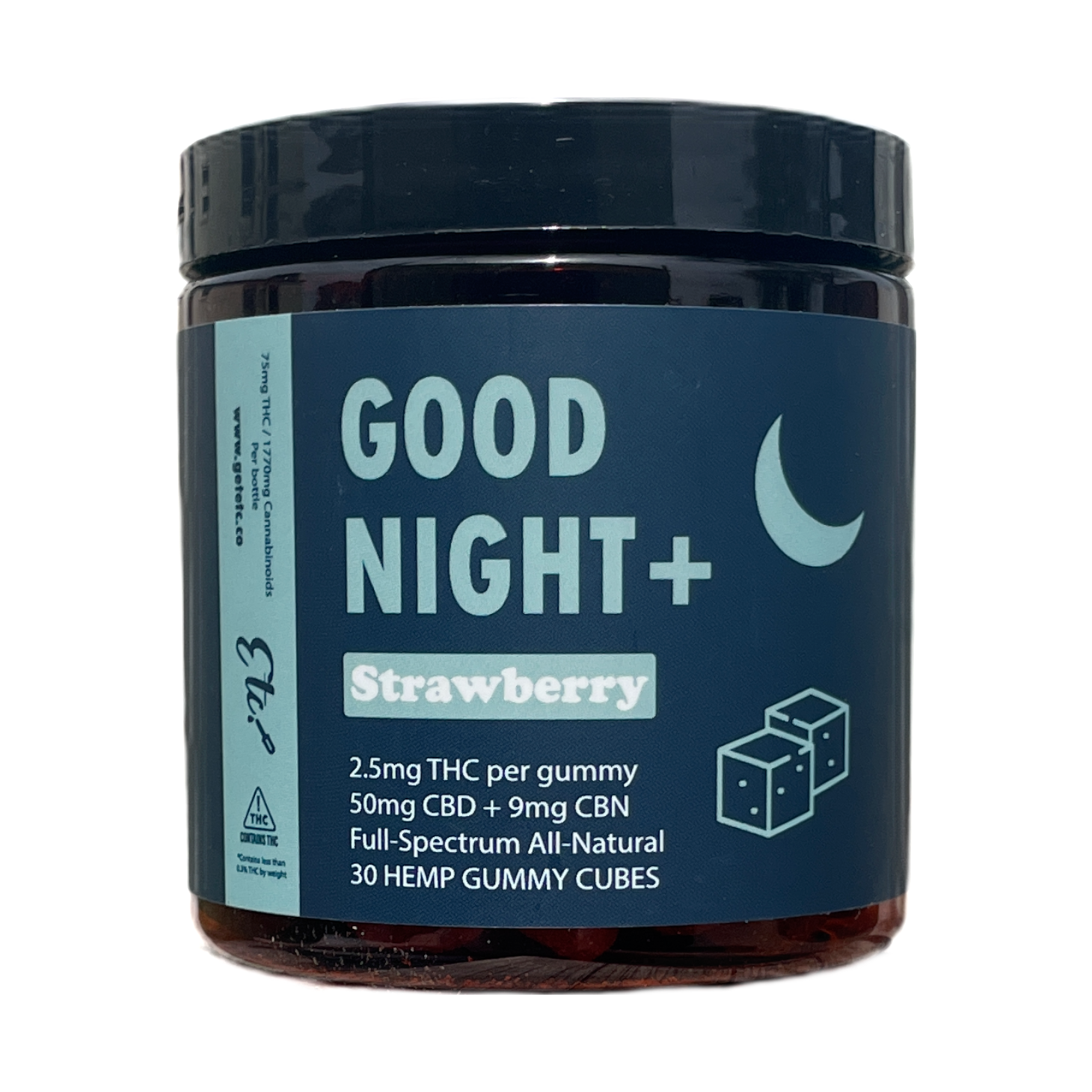
A softgel travels in a pocket. A gummy fits into a lunch bag or a desk drawer. There’s no preparation, no mixing, no ritual required (unless you want one). You take it, and you move on with your day. The ease of that action is what allows it to happen tomorrow, and the day after.
The Peace of a Decision Already Made
There’s a quieter benefit here that doesn’t get discussed enough.
When a routine is simple enough to maintain without thinking, you stop negotiating with yourself about it. That negotiation, the small daily debate about whether today is the day you skip, whether it’s really working, whether you should try something else, takes up more mental real estate than people realize.
The moment a habit becomes automatic, that negotiation ends. And what fills the space it leaves behind is something close to peace. Not because life got easier. Because one small corner of your day got settled.
That’s what a sustainable commitment to your own wellbeing actually feels like. It’s not a dramatic transformation. It’s the quiet satisfaction of having decided, for real this time, to show up for yourself. And then doing it. And then doing it again, without making it a big deal.
What “Affordable” Really Means Over Time
Cost is worth talking about honestly. A wellness routine you can’t afford to maintain isn’t a routine at all. It’s a splurge you return to occasionally when you feel like you’ve earned it.
The value question worth asking isn’t “what does this cost per bottle?” It’s “what does this cost per day, and is that a number I can live with for the long term?”
At around a dollar or two per serving depending on format and count, a daily hemp wellness practice sits comfortably alongside a morning coffee in the budget math most adults are already running. That’s not a trivial detail. It’s the difference between a routine you visit and a routine you keep.
The 60-count options exist precisely for this reason. Buying in a format that covers you for two months instead of two weeks removes the interruption of reordering, which is itself a small friction point that can quietly derail a routine you were actually committed to.
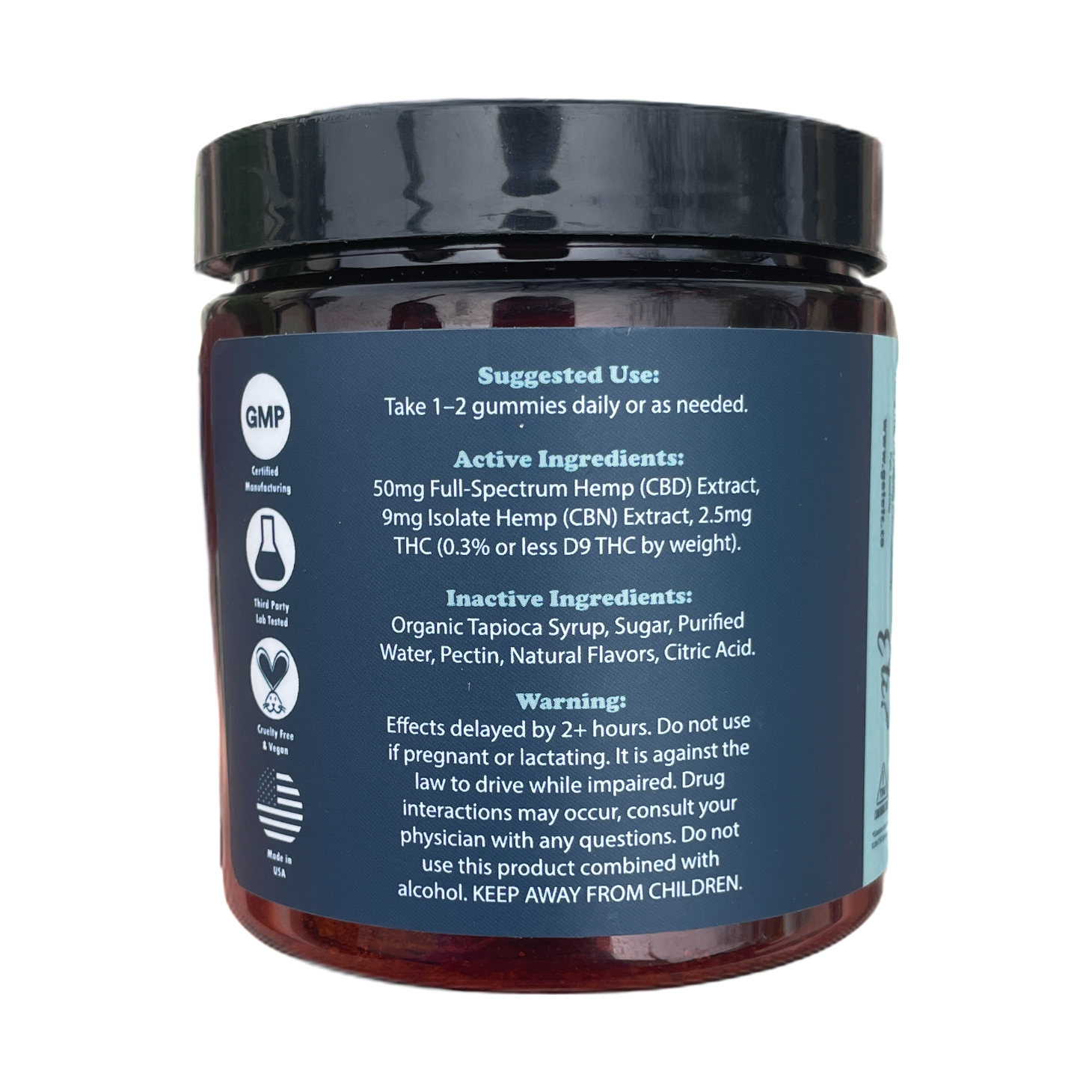
Good Day softgels and Good Night gummies are designed with exactly this in mind: simple formats, honest serving counts, and a cost per dose that doesn’t make the math painful.
Simplicity as a Form of Self-Respect
It’s worth reframing what choosing a simple format actually says about you.
Somewhere along the way, wellness culture decided that effort was the point. That hard-to-maintain routines were more virtuous than easy ones. That if something wasn’t complicated, it probably wasn’t serious.
That framing is backwards. Choosing a format that’s easy to stick with isn’t lazy. It’s smart. It reflects a clear-eyed understanding of how real life works and a genuine commitment to your own long-term wellbeing.
The people who are still doing something good for themselves six months from now aren’t the ones who tried hardest in week one. They’re the ones who made it easy enough to keep going.
That’s the whole idea. Not perfection. Not heroics. Just a small, consistent choice, made easy enough to repeat, until it’s simply part of how you live.
And that’s where the real payoff lives.
Disclaimer: These statements have not been evaluated by the Food and Drug Administration. This product is not intended to diagnose, treat, cure, or prevent any disease. Consult your healthcare provider before starting any new wellness regimen.