


Before We Were ETC
In 1987, a fourteen-year-old kid in Dallas, Texas found a bag of cannabis in his front yard. He and his friends tried to smoke it. Couldn’t figure it out. The next day, determined to feel something, he rolled everything that was left and smoked it alone. What he thought would be fun became paranoia. Every D.A.R.E. warning he’d ever heard came rushing back. He was convinced he’d destroyed his brain.
He hadn’t. But he swore he’d never touch cannabis again.
That kid was Nathan Frodsham. And if you’d told him that thirty years later, he’d be standing at a news conference at the Utah Capitol celebrating the passage of the state’s medical cannabis law — a law he helped make happen — he would have thought you were out of your mind.
The Unlikely Patient
Fast forward to Seattle, 2012. Nathan was a senior business analyst at Amazon. He’d started his career at Andersen Consulting (now Accenture) in San Francisco during the dot-com era, earned an MBA from BYU’s Marriott School of Management, and built a career through tech, data science, and marketing analytics — Omniture, Ogilvy & Mather, Prophet Brand Strategy. On paper, everything was on track. Off paper, his body was falling apart.
Severe degenerative disc disease and osteoarthritis across four levels of his cervical spine. Bone spurs and osteophytes compressing nerves, triggering intense muscle spasms. One of Seattle’s top orthopedic surgeons — the one who worked with the Seahawks — told him he normally only saw this level of deterioration in patients twice Nathan’s age.
The only surgical option was a 3-4 level disc fusion that would likely accelerate degeneration above and below the fused area. The surgeon’s advice: try everything else first.
So Nathan did. Steroid injections. Pain medication. Neurologists, rheumatologists, pain specialists, biofeedback, chiropractic, massage, acupuncture. Two months of leave from work to pursue treatment aggressively. Everything helped a little. Nothing addressed the root cause.
Running out of options and time, he half-jokingly asked his physician what was left — “medical marijuana?” She looked surprised. “You haven’t tried it yet?”
Washington had had a legal medical cannabis program for years. Many patients with conditions like his had found significant relief. She seemed puzzled that no one had mentioned it sooner.
The Temple Interview
Nathan was an active member of the Church of Jesus Christ of Latter-day Saints. Between his bad experience at 14 and the cultural stigma, cannabis was close to the last thing he wanted to try. But he was running out of options, and his doctor thought he was a strong candidate.
It happened to coincide with his annual temple recommend interview — a conversation with church leaders about spiritual health and personal standards. Not knowing where the church stood, he disclosed that he’d been recommended medical cannabis for a serious health condition and said he understood if that created any reservation.
In both interviews, he was told the same thing: follow your doctor’s advice.
The Analyst’s Approach
Nathan didn’t dive in blindly. As a professional analyst, he treated it like a research project. He spent a month learning about strains, ingestion formats, and dosing — carefully, cautiously, methodically. He consulted specialists at the dispensary. He experimented with different approaches and tracked results.
The changes came gradually, then all at once. His pain reduced. He stopped needing Ambien for sleep. He woke up without needing caffeine. He started exercising — running for the first time in twenty years. His rescue inhaler for asthma sat unused. Over three months, he lost fifty pounds and came off almost all of his medications.
His wife — from a very conservative LDS family, initially nervous about the whole thing — quickly became one of his biggest supporters. She saw him becoming the person she remembered before the pain.
Maybe the most surprising part: over time, he needed less, not more, to maintain the effect.
Utah
In 2014, feeling healthier than he had in years, Nathan moved to Utah for a career opportunity. He assumed medical cannabis access would follow — the rest of the country seemed to be heading that direction. It didn’t. Without access to what had been helping him, the progress reversed.
In 2015, after disclosing limited medical use during a routine drug screening, he lost his job — right after requesting time off for neck surgery. The surgeries failed. The pain returned.
If the system wasn’t going to help people like him, he’d change the system.
From Patient to Advocate
Starting in 2016, Nathan joined the board of TRUCE, Utah’s leading cannabis advocacy nonprofit, eventually becoming vice-chair and director of communications. He gathered signatures for the ballot initiative at concerts. He published an op-ed in the Deseret News. He lobbied legislators at the Capitol.
But his most consequential work happened in rooms most advocates couldn’t get into.
As a faithful, active member of the Church of Jesus Christ of Latter-day Saints — a return missionary, temple-married BYU grad — Nathan had something most advocates didn’t: credibility with church leadership. Over months of patient relationship-building, he became the key liaison between the advocacy movement and the church’s government affairs and public relations teams.
He prepared research reports for the Utah Senate President and church leaders. He organized meetings where patients and caregivers shared their experiences directly with church authorities. He brought in medical experts and fellow church members who could speak both to the science and to the faith.
It wasn’t easy. The church initially opposed the ballot initiative on legal grounds. Many advocates — themselves church members — felt betrayed. But Nathan kept listening. He learned the church wasn’t opposed to helping patients. They wanted a program built on medical principles and sound legal footing.
The Compromise That Almost Didn’t Happen
In 2018, the movement fractured. When discussions about a legislative compromise began, TRUCE leadership walked out. Nathan faced a choice: stand with the organization he’d helped build, or stand with the path he believed would actually deliver for patients.
He resigned from the TRUCE board the same day.
It was the right call. Nathan helped bring key opposition groups to the table — including the Libertas Institute, whose participation was critical. Brad Daw, the former state representative who later authored Utah’s hemp legislation, said plainly: if Nathan hadn’t done that, “the initiative would have been a disaster.”
The compromise became the Utah Medical Cannabis Act. It passed in a special legislative session with a supermajority in both chambers — preserving over 90% of the original ballot initiative while securing support from the medical community, law enforcement, and religious leaders. The LDS Church’s endorsement marked one of the first times a major world religion formally supported the medical use of cannabis.
Nathan stood at the news conference, representing the patients whose stories had made it possible. That year, he and the TRUCE team accepted a national award at the Americans for Safe Access conference in Washington, D.C., recognizing exceptional advocacy.
“They Want Their Dad Back”
Throughout all of this, Nathan’s teenage children had been watching. They’d seen their father before and after. They’d watched him try every conventional option. In a 2018 interview, Nathan described the moment that surprised him most:
His kids had become advocates themselves. Not because they had any interest in recreational use — but because, as they put it, they wanted their dad back. “He was best when he had the therapeutic doses,” they told him. “He lost a lot of unhealthy weight, he got more active, and he was happier.”
Building What Was Missing
After the law passed, Nathan didn’t stop. He organized the first medical cannabis meeting for physicians at the Utah Department of Health. He traveled the state helping doctors certify under the new program. He created The Patients Group, a consulting service helping new patients navigate the system.
But even with a medical program in place, most people who might benefit from cannabinoids couldn’t access them. The card required qualifying conditions. Dispensaries were limited. And many people — especially in conservative communities — weren’t comfortable walking through those doors.
Meanwhile, Nathan’s twin brother Dr. Aaron Frodsham, an interventional radiologist, was seeing the same gap at his clinic, Evolve Medical. Many of his patients were finding relief from cannabinoids but didn’t qualify for the medical program. An observational study they conducted showed that hemp-derived products — legal under the 2018 Farm Bill — offered many of the same benefits at lower THC levels. Patients reported an average 31% improvement in overall well-being after eight weeks.
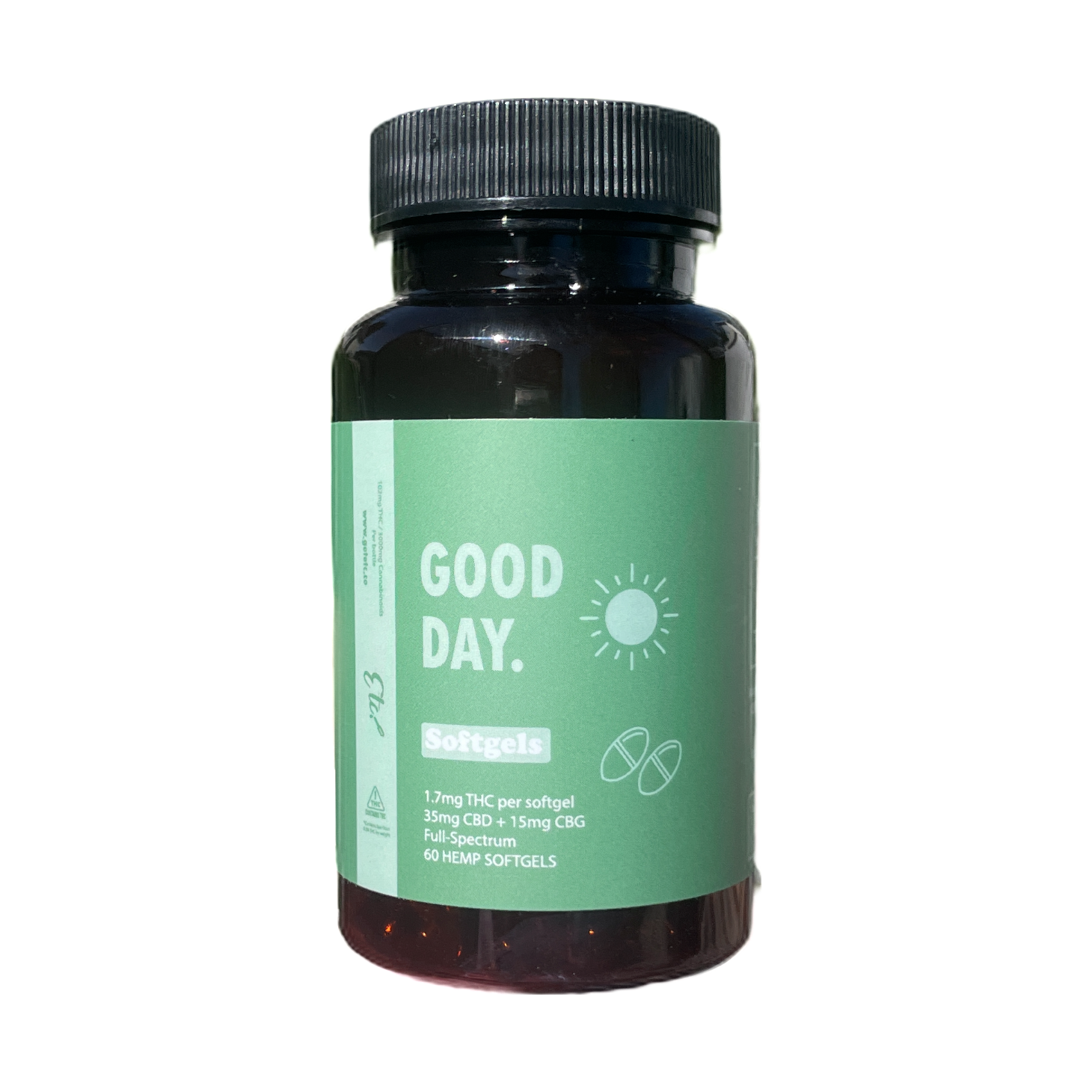
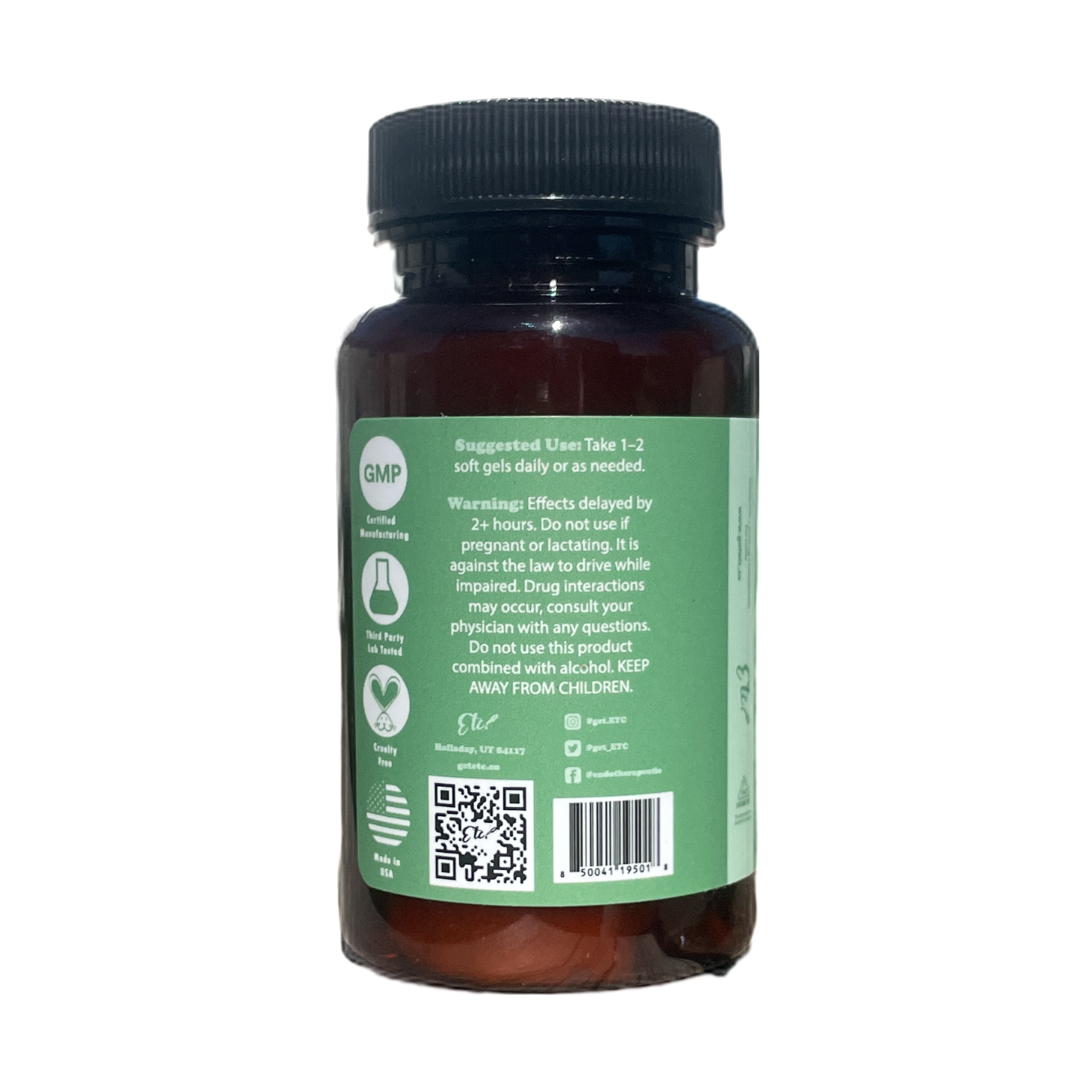
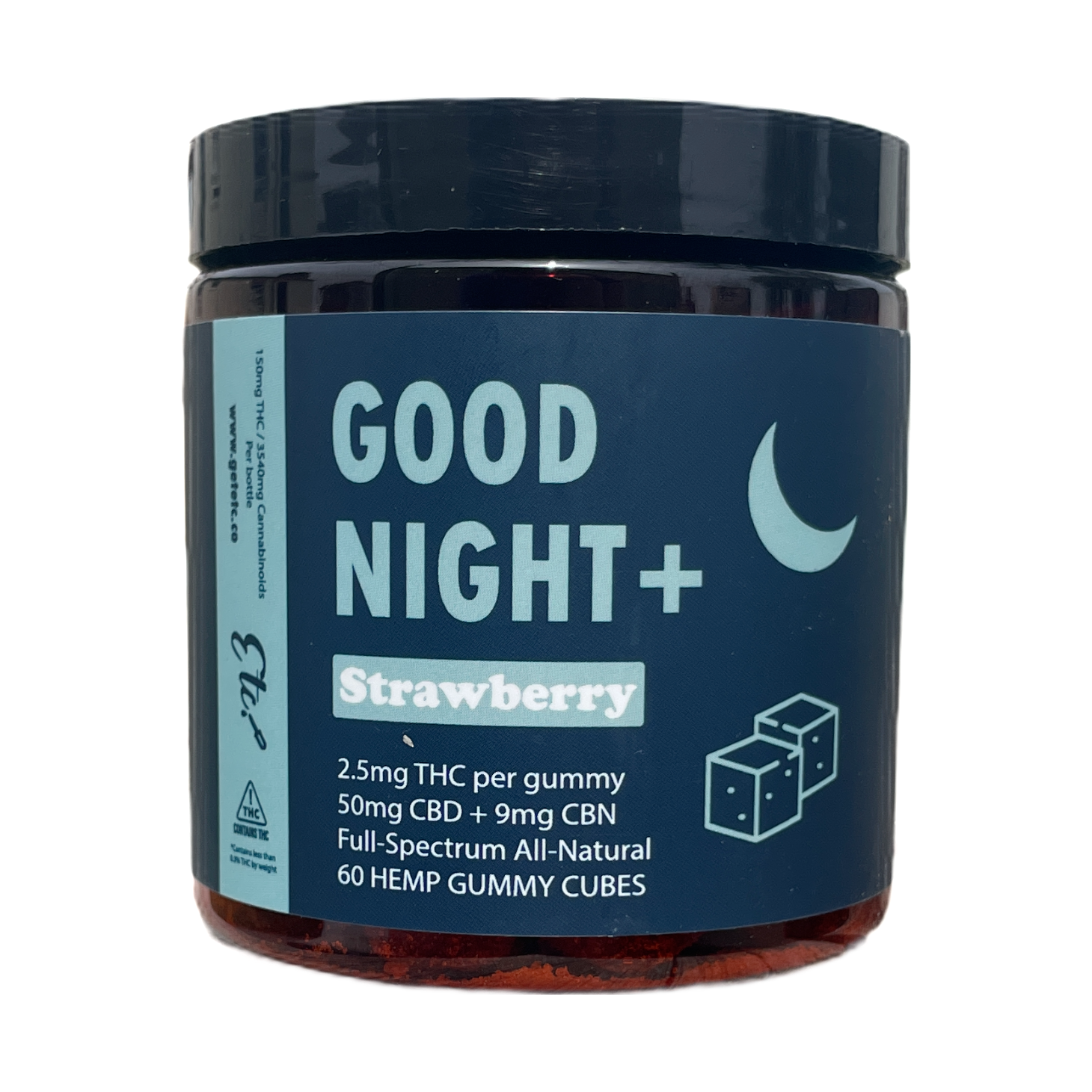
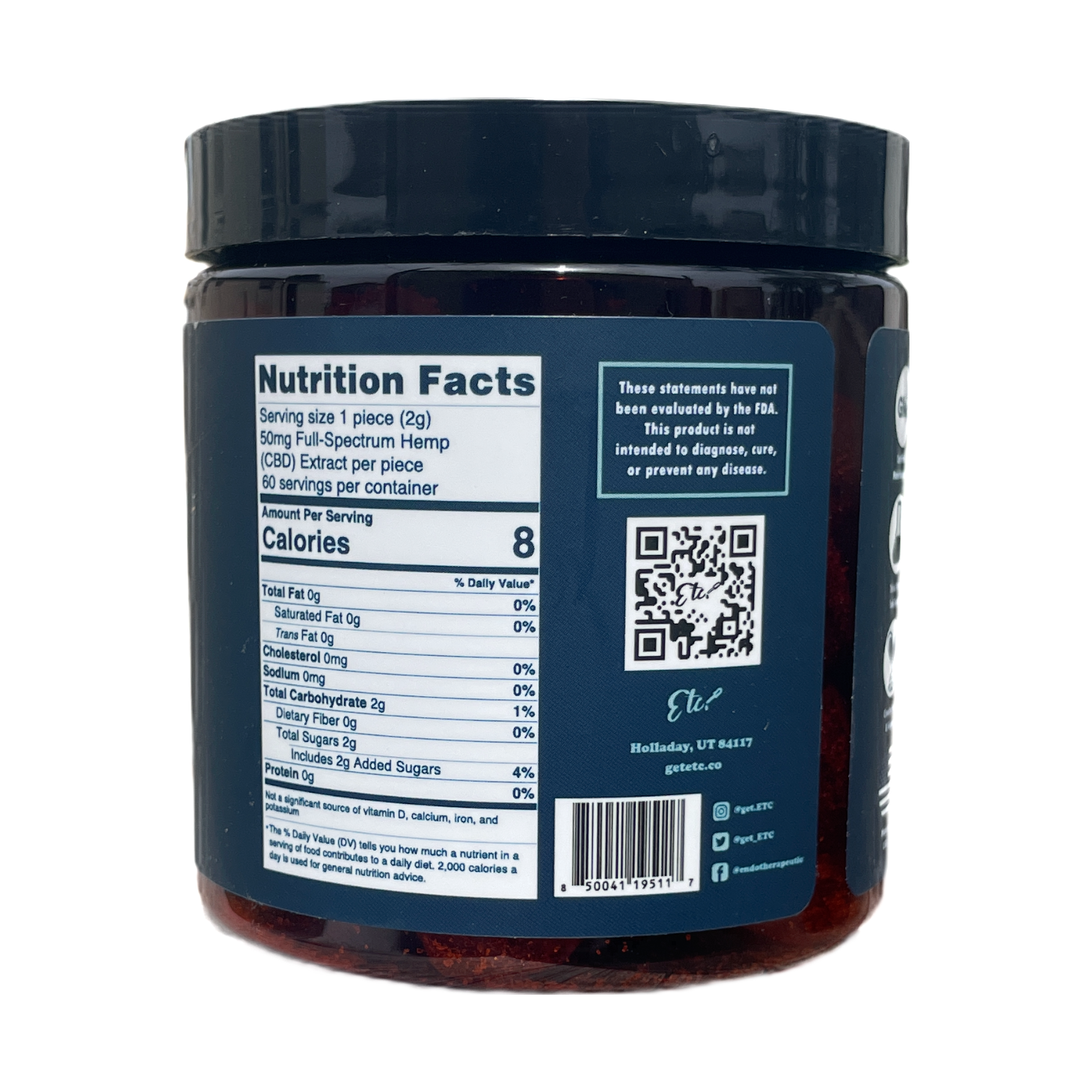
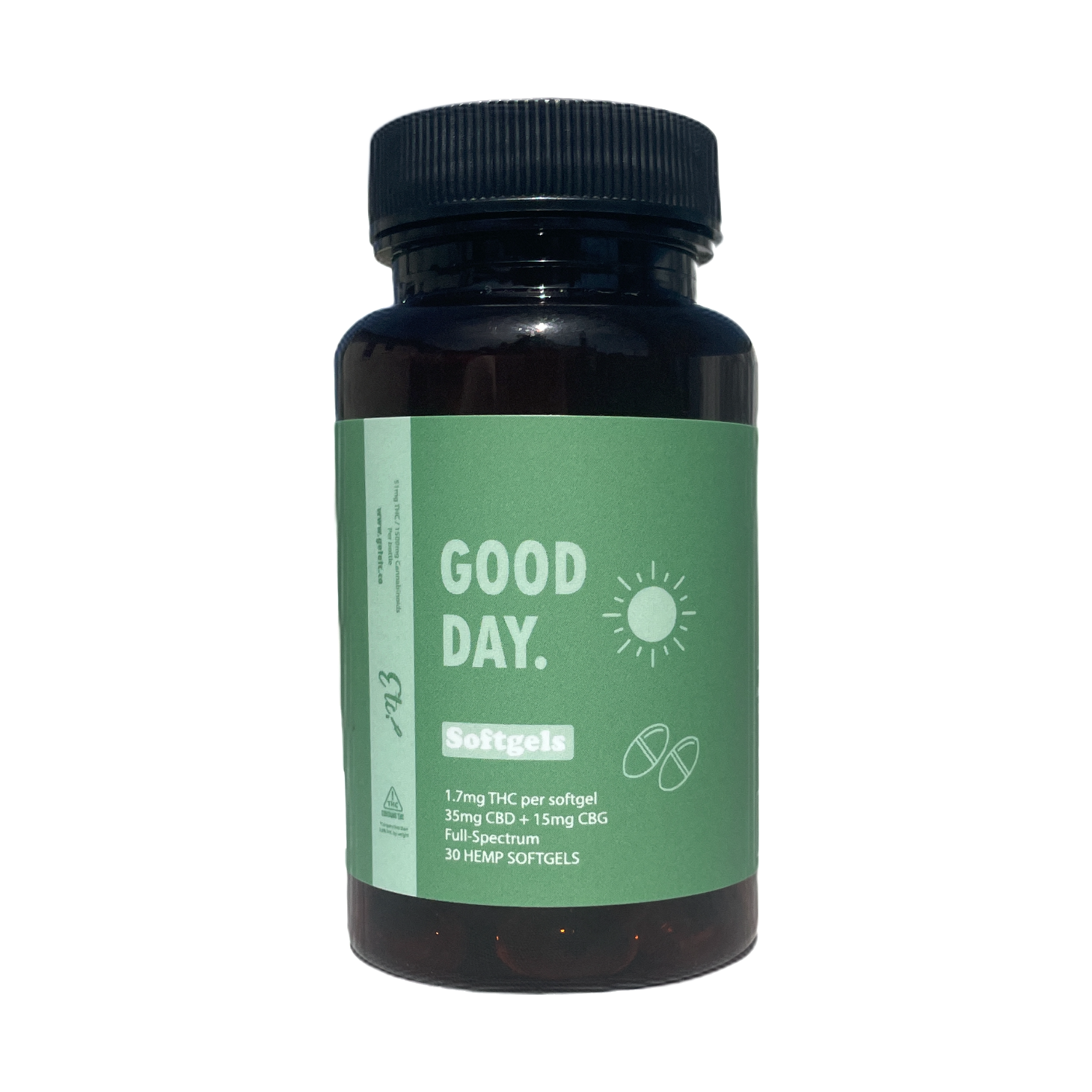
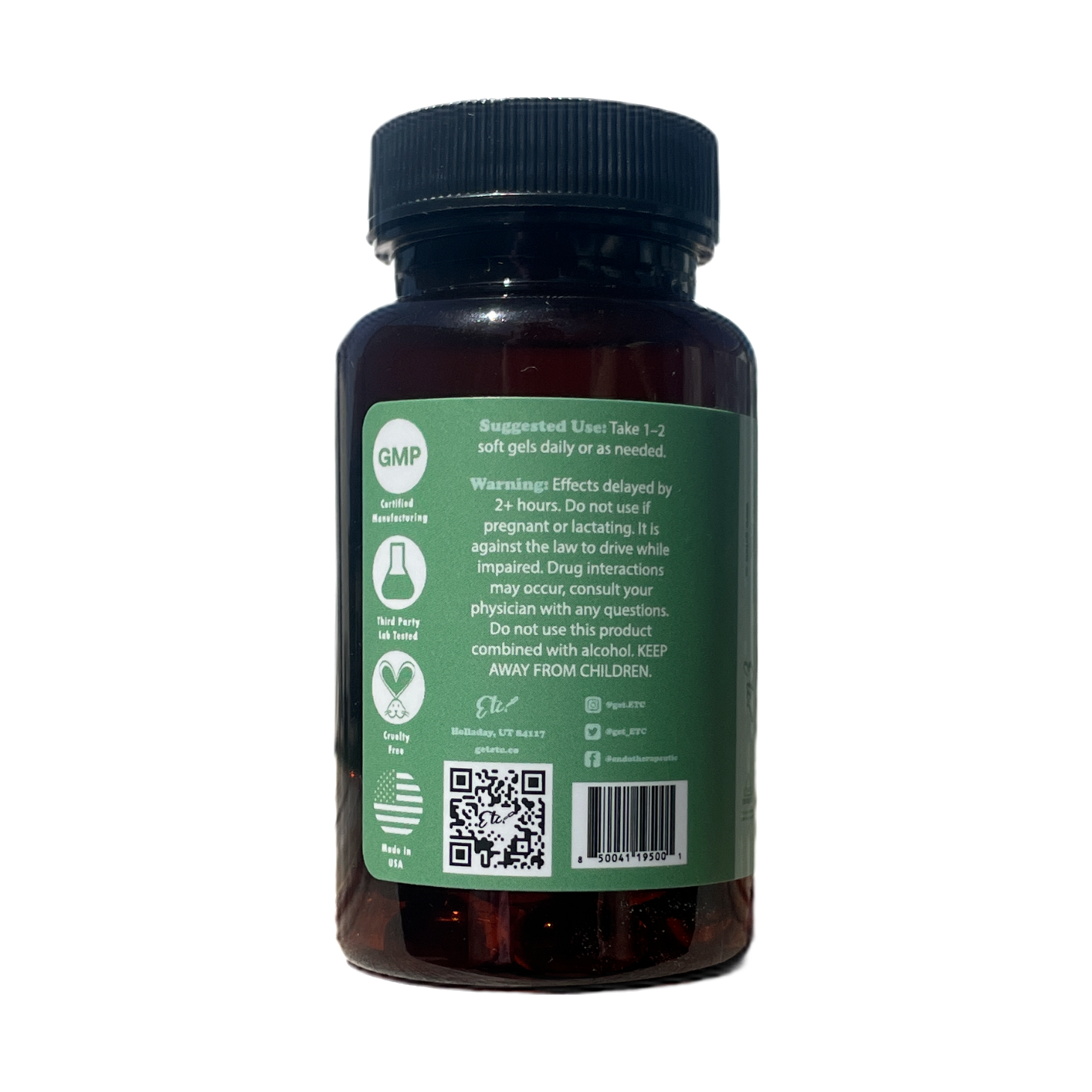
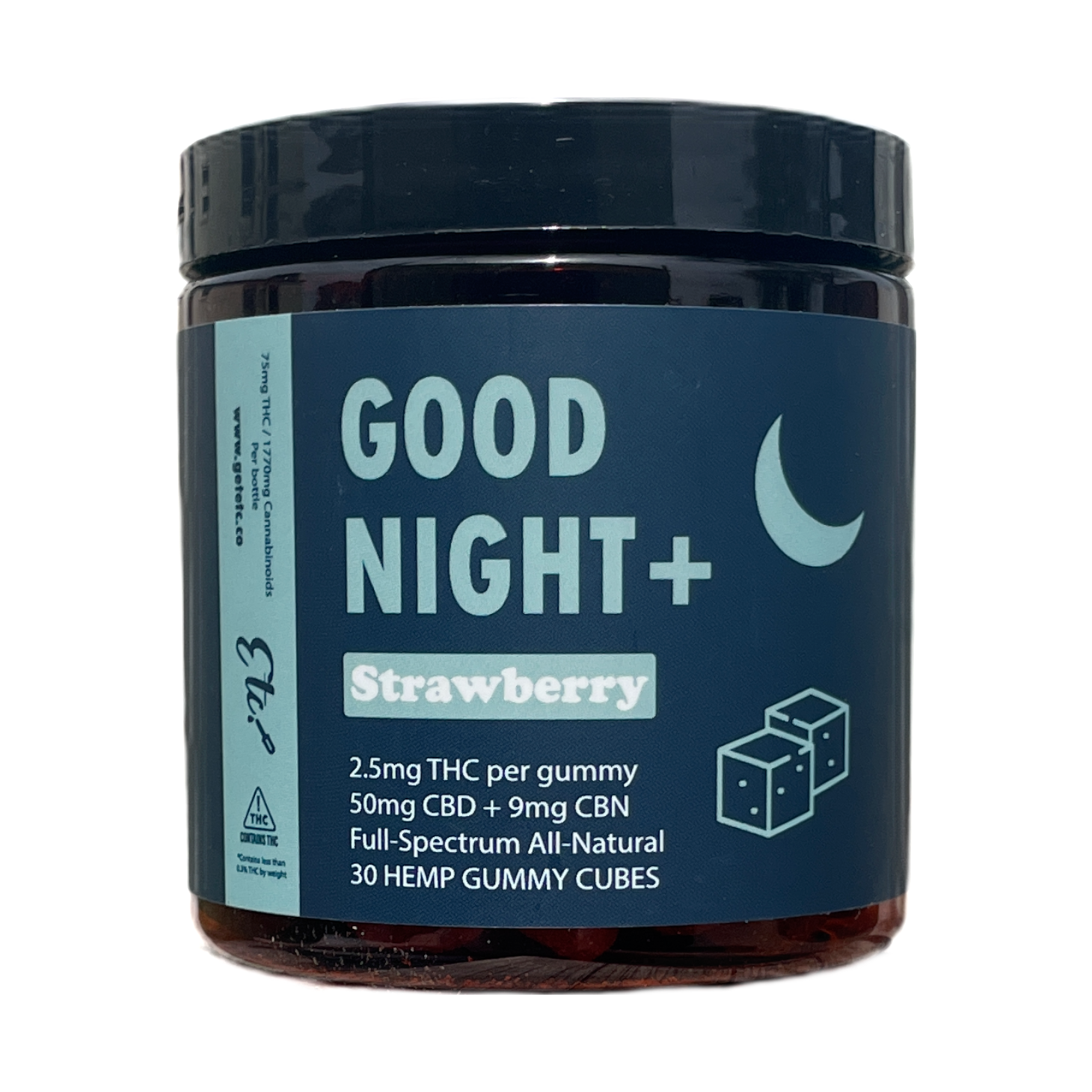
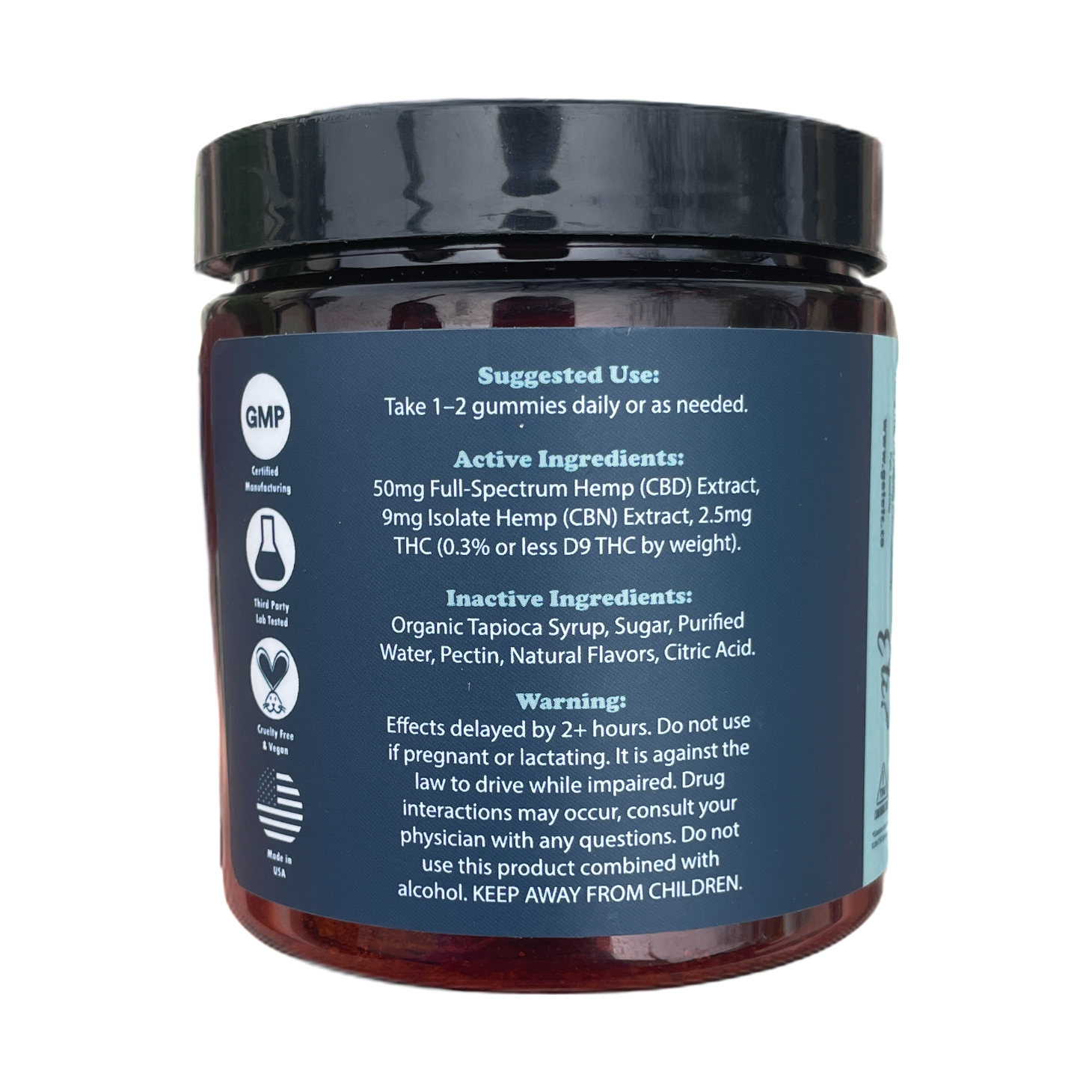
In August 2021, they launched Endo Therapeutic Cannabinoids, or ETC. The premise was straightforward: take everything they’d learned from years of advocacy, medical consultation, and patient work, and build an over-the-counter hemp product that was properly dosed, independently tested, and registered with the Utah Department of Agriculture.
Something a physical therapist could recommend without hesitation. Something you could buy without a card, a prescription, or an explanation.
An interesting footnote: a new surgical option eventually became available for Nathan’s spine, providing substantial relief. Between that and ETC’s hemp products, he no longer needs medical cannabis. The journey that started with a patient’s desperation led to a solution that outlasted the original problem.
The Team They Built
The advisory board reads like a roster of the people who made Utah’s cannabis program happen:
Brad Daw — former state representative who authored Utah’s hemp regulatory framework and now serves as ETC’s lobbyist. He started his career firmly opposed to cannabis. What changed his mind was Charlotte’s Web — seeing children with severe epilepsy find relief when nothing else worked. “When you have facts presented to you that are in contradiction with your belief, you need to look at changing your belief,” he says. “That’s what honest people do.”
Brett Hales — former LDS bishop and current mayor of Murray, Utah. His advocacy with the church was instrumental in their decision to support medical cannabis. He now focuses on community outreach for ETC.
Amy Harrison, PT — physical therapist with over 32 years of experience, primarily with chronic pain patients. Initially skeptical of cannabinoids. After trying ETC’s products herself, she described getting the best sleep of her life. She now advises ETC on patient candidacy and serves as a liaison with the medical community.
Steve Ipsen, MSN — nurse practitioner who spent years at the Utah Department of Health. Went from knowing nothing about cannabinoids to attending national medical cannabis conferences. What sold him on ETC: a properly dosed, DOA-registered product patients could access over the counter.
Dr. David Sundwall — former U.S. Assistant Surgeon General and former Executive Director of the Utah Department of Health. Became a qualified medical provider under Utah’s cannabis program and saw firsthand how plant-based cannabinoids complemented conventional medicine.
Why This Matters
ETC didn’t start with a product idea. It started with a fourteen-year-old who swore he’d never touch cannabis — and a forty-year-old who ran out of options and found it was the thing that gave him his life back. Between those two moments: a career derailed, a law changed, and a community of patients, physicians, lawmakers, and church leaders who decided that helping people mattered more than being comfortable.
The company carries that history in everything it does: physician-reviewed formulations, independent testing on every batch, DOA registration, and a medical advisory board of the same people who built Utah’s cannabis program from scratch.
It’s worth asking where a company’s instincts come from. For ETC, they come from someone who lived the gap between what worked and what was available — and spent years closing it.
ETC products are hemp-derived, over-the-counter cannabinoid supplements registered with the Utah Department of Agriculture. These statements have not been evaluated by the FDA. This product is not intended to diagnose, treat, cure, or prevent any disease.
Photo by Shruti Mishra on Unsplash