



Why Your Skin Absorbs CBD Differently Than Digestion
Most people assume that if something works on the inside, putting it on the outside is somehow lesser. Like the skin is just packaging, a barrier between the real biology and the world. But that assumption gets the whole story backwards, especially when it comes to cannabinoids.
Here’s the counterintuitive part: topical CBD doesn’t compete with oral CBD. It doesn’t try to do the same thing through a different door. It does something the digestive route genuinely cannot.
What Actually Happens When You Swallow a Cannabinoid
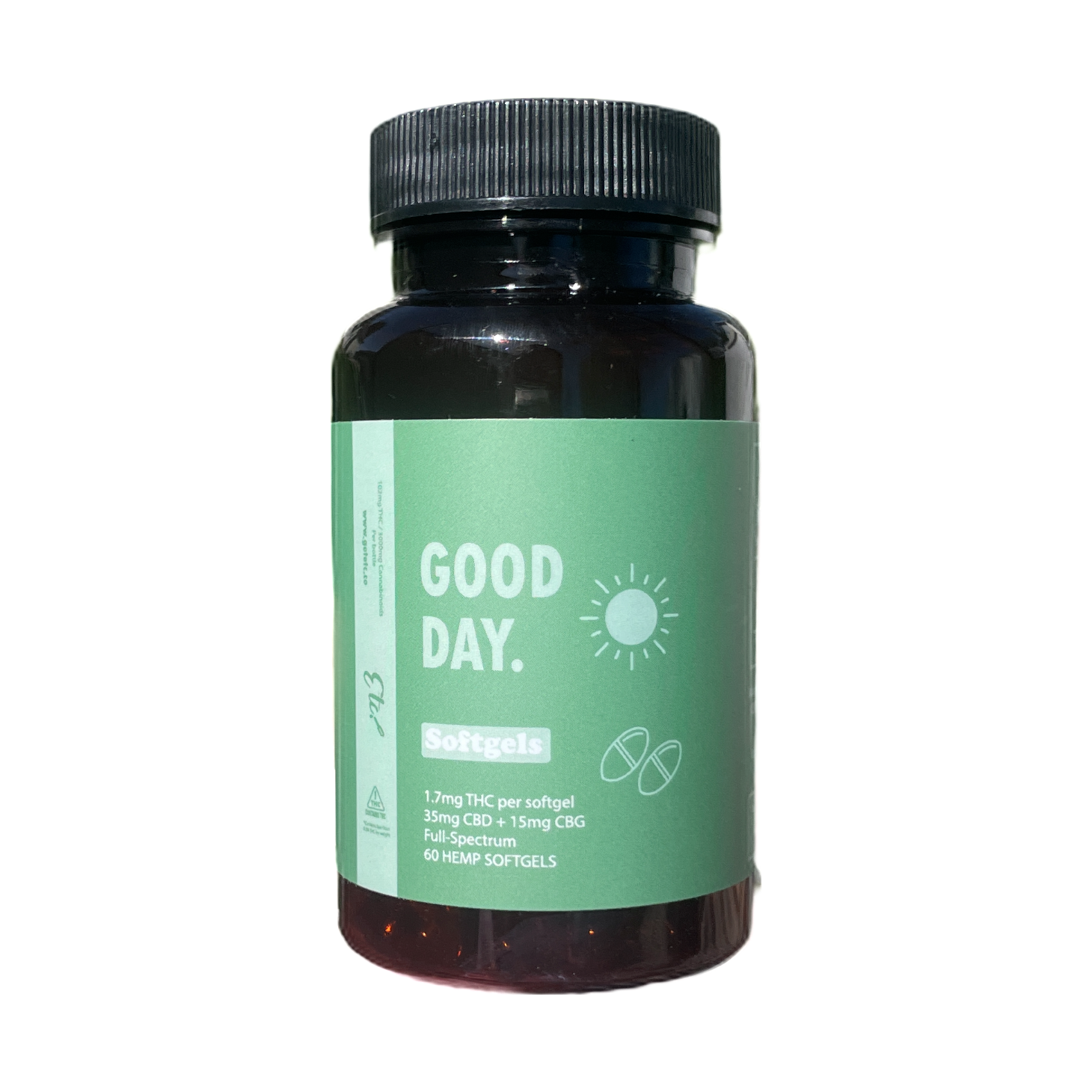
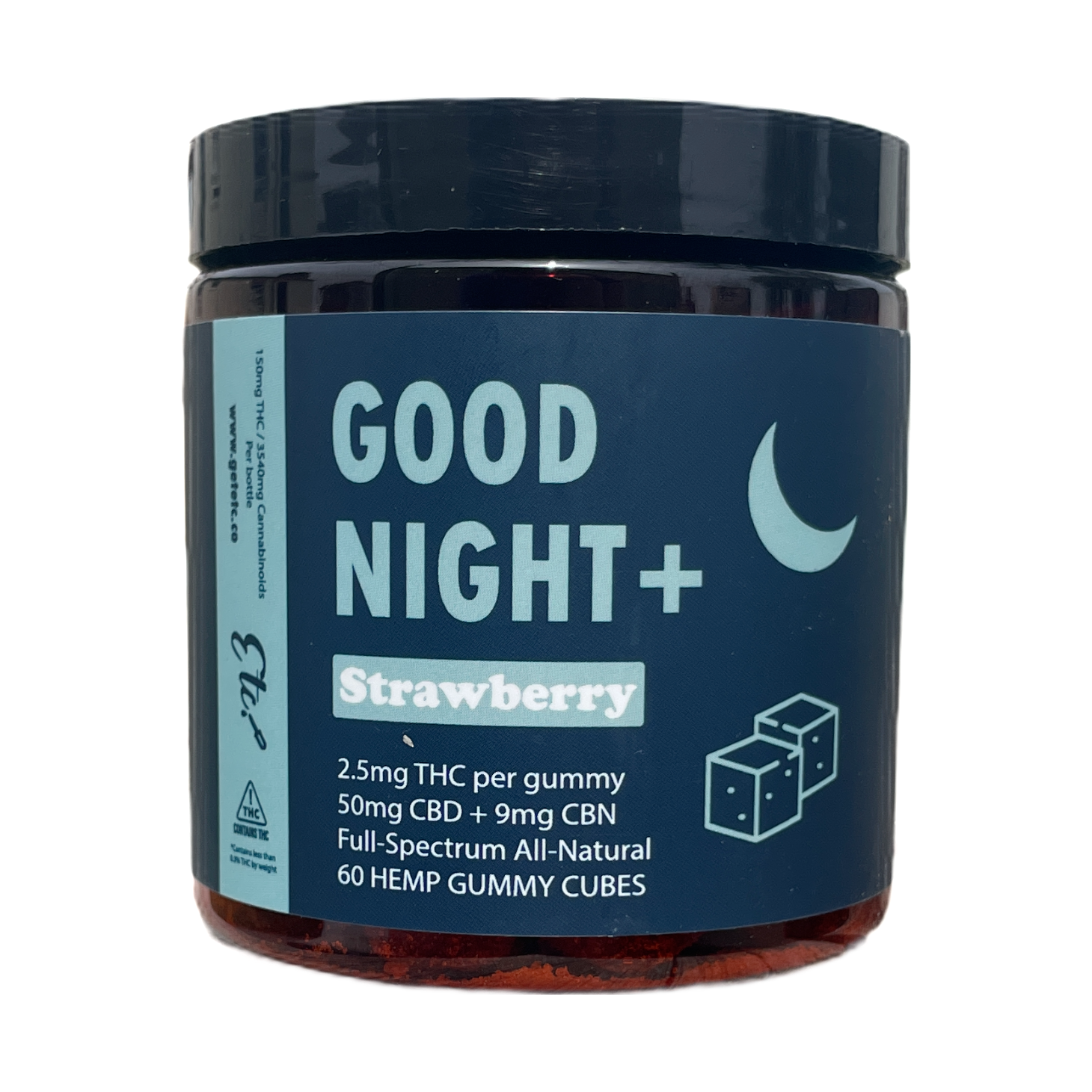
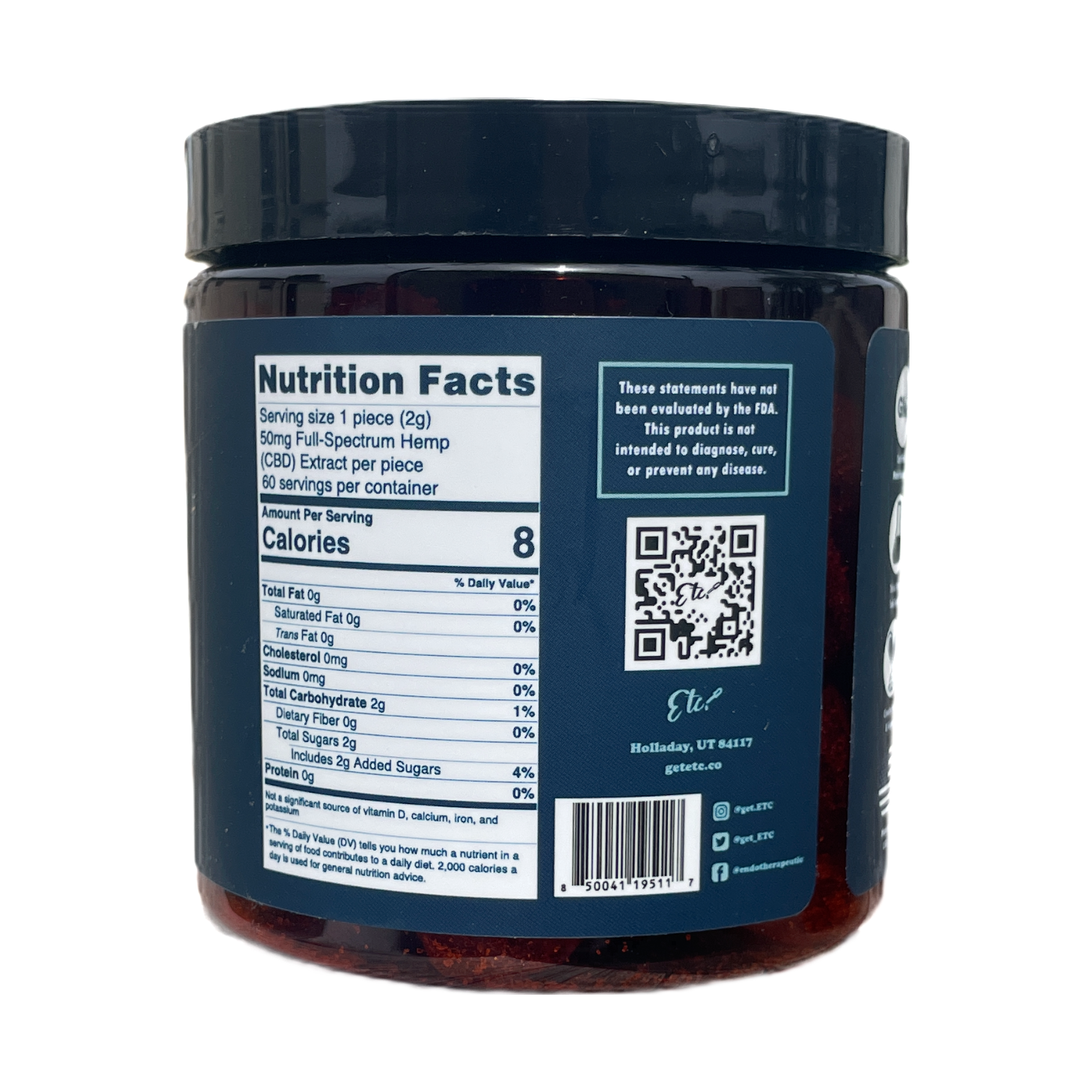
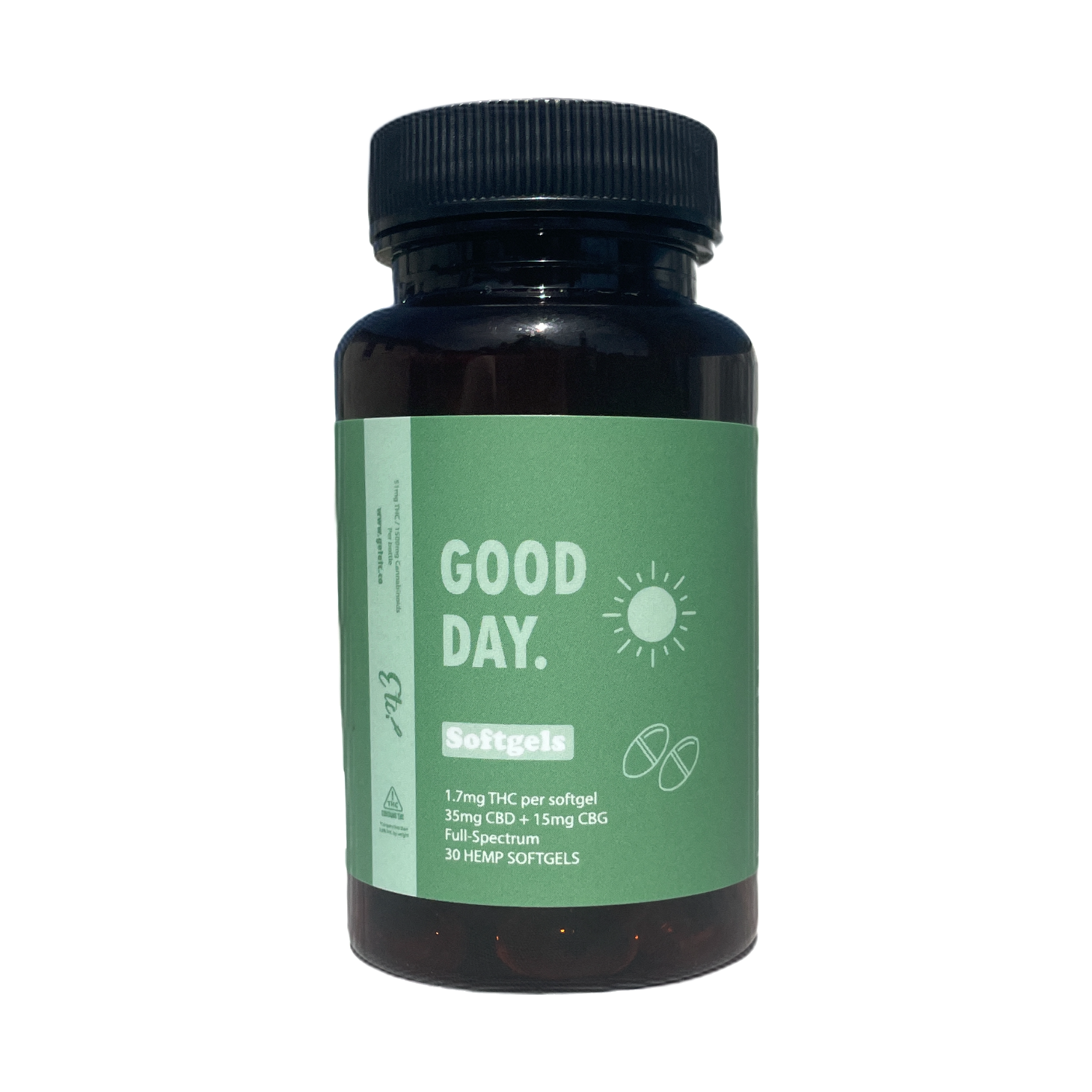
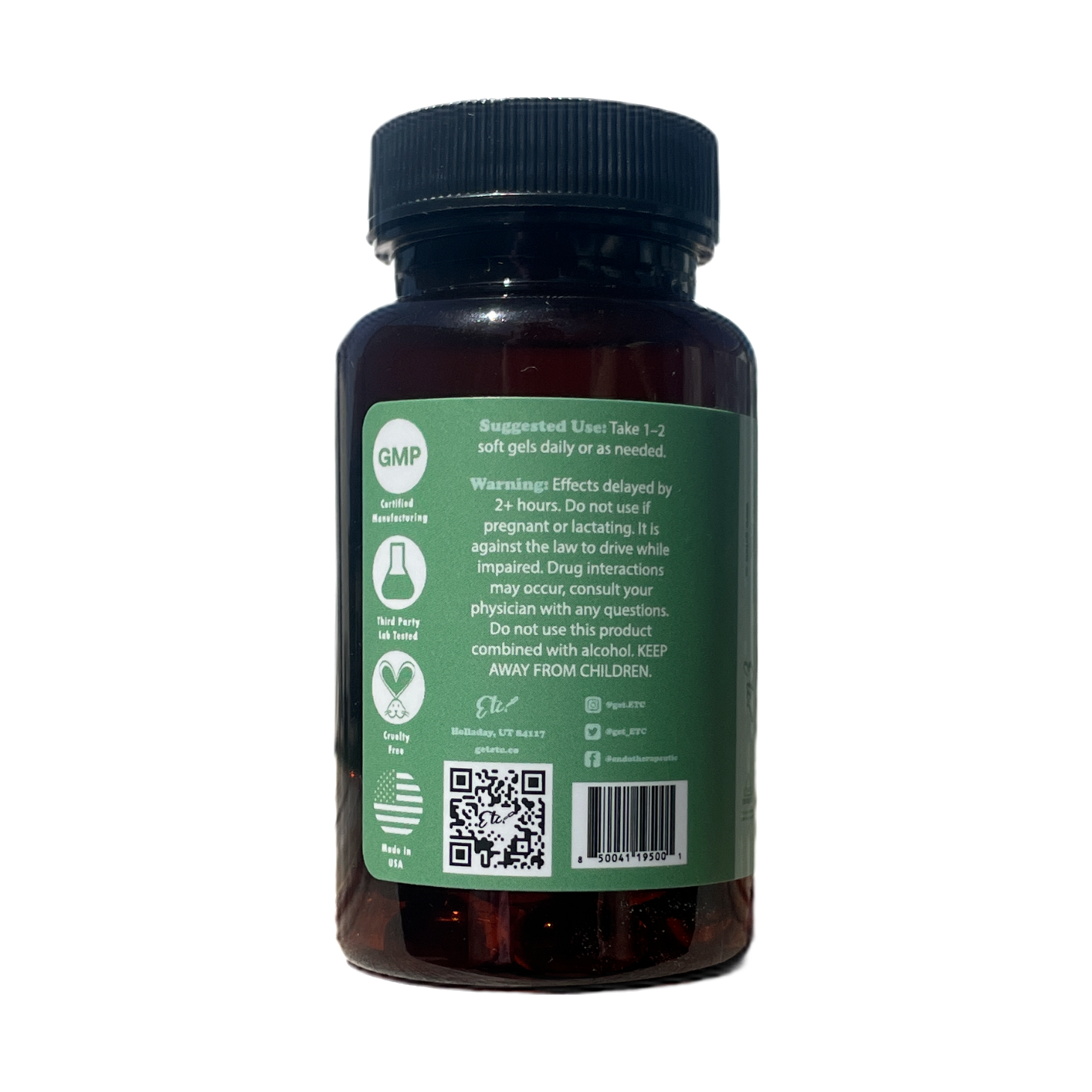
When you take a softgel or a gummy, the cannabinoids enter your digestive system, get processed by the liver, and eventually make it into the bloodstream. That journey takes time, typically 30 to 90 minutes, and what arrives in circulation is a smaller fraction of what you started with. The liver metabolizes a significant portion before it ever reaches your system.
This isn’t a flaw. It’s just how the body handles anything you eat. The payoff is systemic reach. Oral cannabinoids can circulate broadly, which is useful when you’re looking for general balance, calm, or support that touches many systems at once.
But broad reach comes with a tradeoff. You can’t aim it. Whatever you swallow goes everywhere.
What the Skin Does Instead
The skin is not passive. It’s a living organ with its own network of receptors, including cannabinoid receptors that are part of your endocannabinoid system. These receptors exist throughout the layers of skin and in the underlying tissue, ready to respond to cannabinoids that arrive directly.
When you apply a topical, the goal isn’t to send cannabinoids into the bloodstream. The goal is to keep them exactly where you put them, working locally in the tissue you’re targeting. This is actually harder to achieve than it sounds, because most topicals don’t penetrate deeply enough to reach the receptors that matter.
This is where product design stops being a marketing conversation and starts being a chemistry one.
Why Penetration Depth Changes Everything
Nice Cream and PureMotion take two different approaches to the same challenge: getting cannabinoids past the skin’s surface and into the tissue where they can actually do something.
Nice Cream is formulated for surface-level support: fingers, knuckles, wrists, feet. Areas where the tissue is close to the skin and where a lighter, fast-absorbing cream feels right. It’s a full-spectrum hemp cream, which means you’re getting the whole range of plant cannabinoids working together, not just an isolated CBD molecule trying to go it alone.
PureMotion takes the process further. Its key ingredient, DMSO (dimethyl sulfoxide), is a compound that has been studied for decades precisely because of its ability to carry other molecules through the skin barrier. It’s not a gimmick. DMSO changes the physics of absorption, allowing cannabinoids to reach deeper tissue, including muscle. That makes PureMotion a different category of product, not just a stronger cream but a differently designed one, built for recovery and deeper relief.
The choice between them isn’t about which is better. It’s about what you’re reaching for.
The Economics of Targeted Relief
Here’s where the pathway conversation gets practical. A jar of Nice Cream at $44.95 or a bottle of PureMotion at $59.99 isn’t a luxury item when you do the math on actual use.
Topicals are inherently cost-efficient because you apply exactly as much as you need, exactly where you need it. There’s no systemic distribution diluting the effect. You’re not paying for cannabinoids that end up circulating past their intended destination. What you put on stays put.
Compare that to the cost of trying to solve a localized need with an oral product at a high enough dose to feel it where you want it. The topical approach typically costs less per application for targeted support, and it doesn’t add to whatever oral regimen you’re already running. They’re additive, not redundant.
That’s a real value story. Not because of any single transaction, but because of what it looks like over a month of consistent use.
Consistency and What It Builds
Wellness routines that actually change how you feel aren’t built on dramatic single-dose moments. They’re built on small decisions that compound. A morning application before a workout. An evening application that signals to your body it’s time to recover. A midday moment that says you’re worth the two minutes.
That kind of consistency isn’t about discipline. It’s about making the decision easy enough to repeat. And products that are well-designed, honestly priced, and clearly explained make that easier. You’re not gambling on a new thing every week. You’re building a practice.
There’s something genuinely settling about that. About knowing what you’re using, understanding why it works the way it works, and feeling like the routine serves you rather than the other way around. That’s a form of inner peace that doesn’t get talked about enough in wellness: the peace of actually trusting what you’re doing.
Putting the Two Approaches Together
Oral and topical cannabinoids are not rivals. They’re collaborators, each doing something the other can’t.
Your softgels or gummies are working broadly, supporting your system in ways that distribute through the bloodstream. Your topical is working locally, staying in the tissue, activating the receptors right where you applied it. Used together, they cover more ground, more precisely.
The endocannabinoid system has receptors throughout the body, including throughout the skin. That’s not an accident. It’s biology that’s been there for a long time, waiting for this conversation to catch up to it.
If you’ve been curious about where to start with topicals, or whether they’d work alongside what you’re already taking, the answer is usually yes. And the learning curve is gentle: apply, notice, adjust. Same principle as everything else in a good wellness routine.
You can explore both options at reliefetc.com, or check the COA for any product at reliefetc.com/pages/coa if you want to see exactly what’s in what you’re putting on your skin.
That kind of visibility is part of what makes a routine sustainable. You can keep doing what you understand.
Disclaimer: These statements have not been evaluated by the Food and Drug Administration. This product is not intended to diagnose, treat, cure, or prevent any disease. Consult your healthcare provider before starting any new wellness regimen.
Photo by Brooke Lark on Unsplash