



Why a Balm Might Be All You Need Sometimes
Most of us go looking for the biggest solution first. The supplement stack. The regimen. The whole system overhaul. There’s something appealing about the idea that if you just get the full picture right, everything else follows.
And sometimes that’s true. But sometimes what’s actually standing between you and a better afternoon is a two-ounce jar and thirty seconds.
That’s not a small thing to say out loud. Because in wellness culture, simple is often treated as a consolation prize. “Well, it’s just a topical.” As if reaching for something targeted and effective, applying it where you need it, and then getting back to your day is somehow less sophisticated than a fifteen-step routine.
It isn’t. Sometimes it’s smarter.
What “Targeted” Actually Means in Practice
There’s a real difference between systemic support and localized support, and neither one is superior. They just do different things.
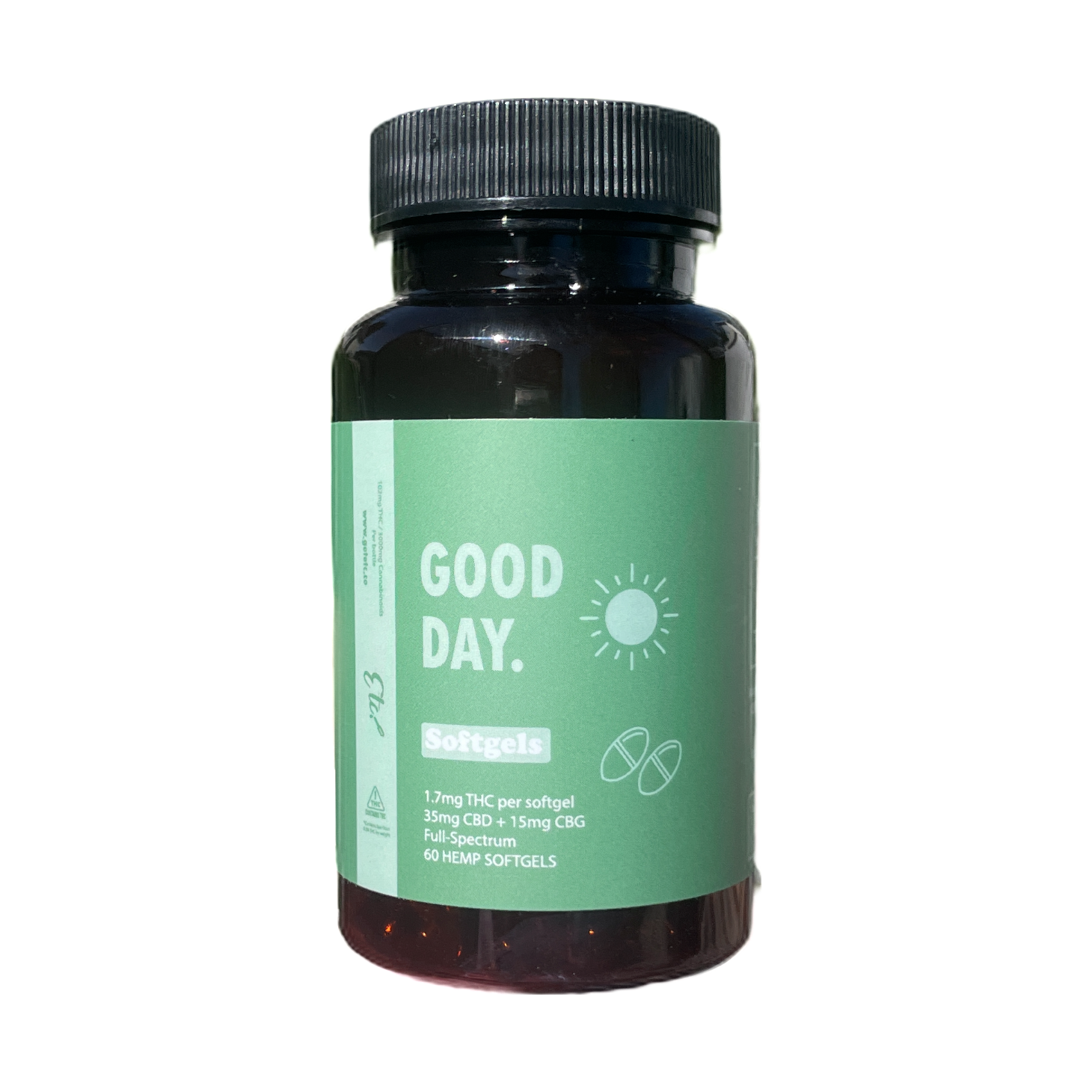
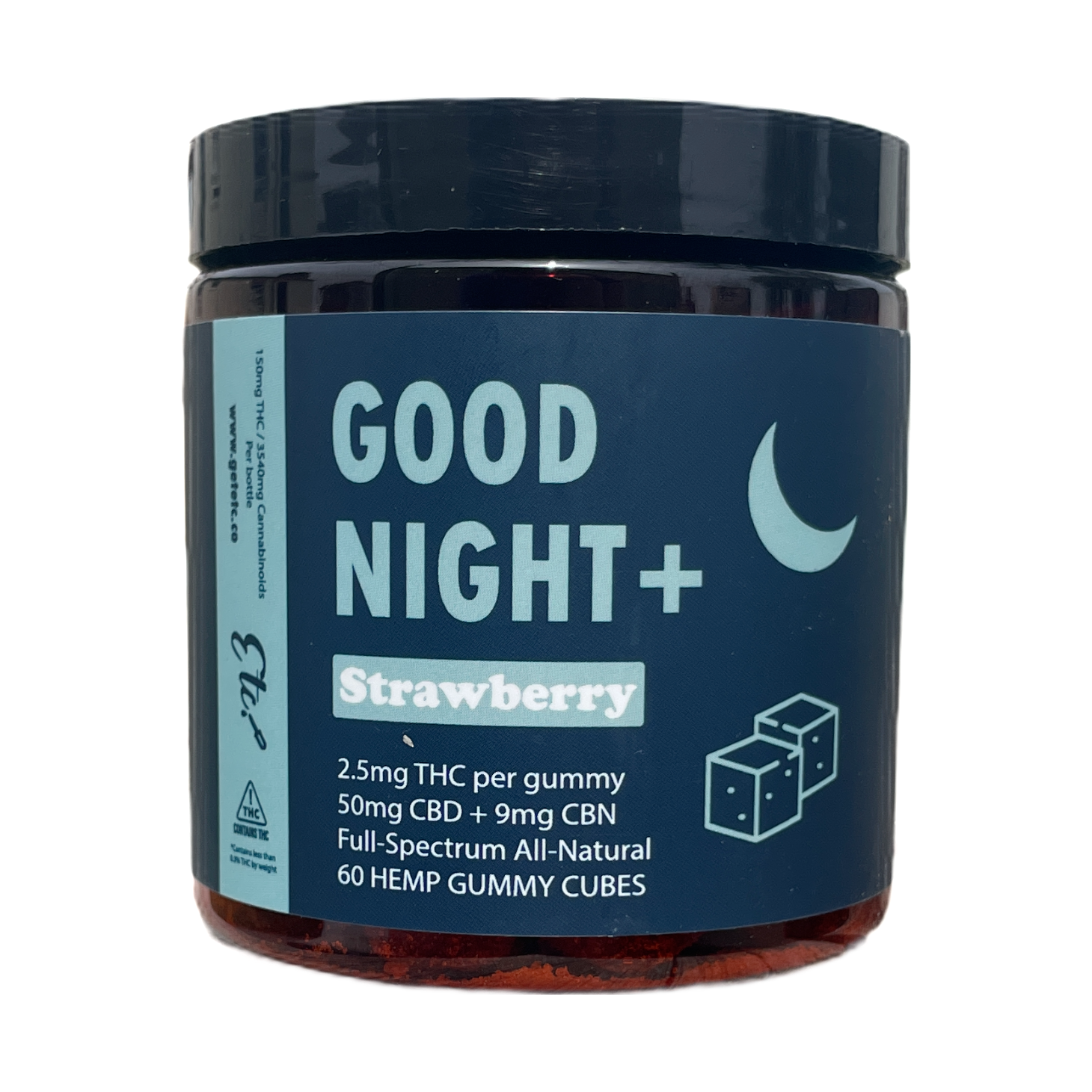
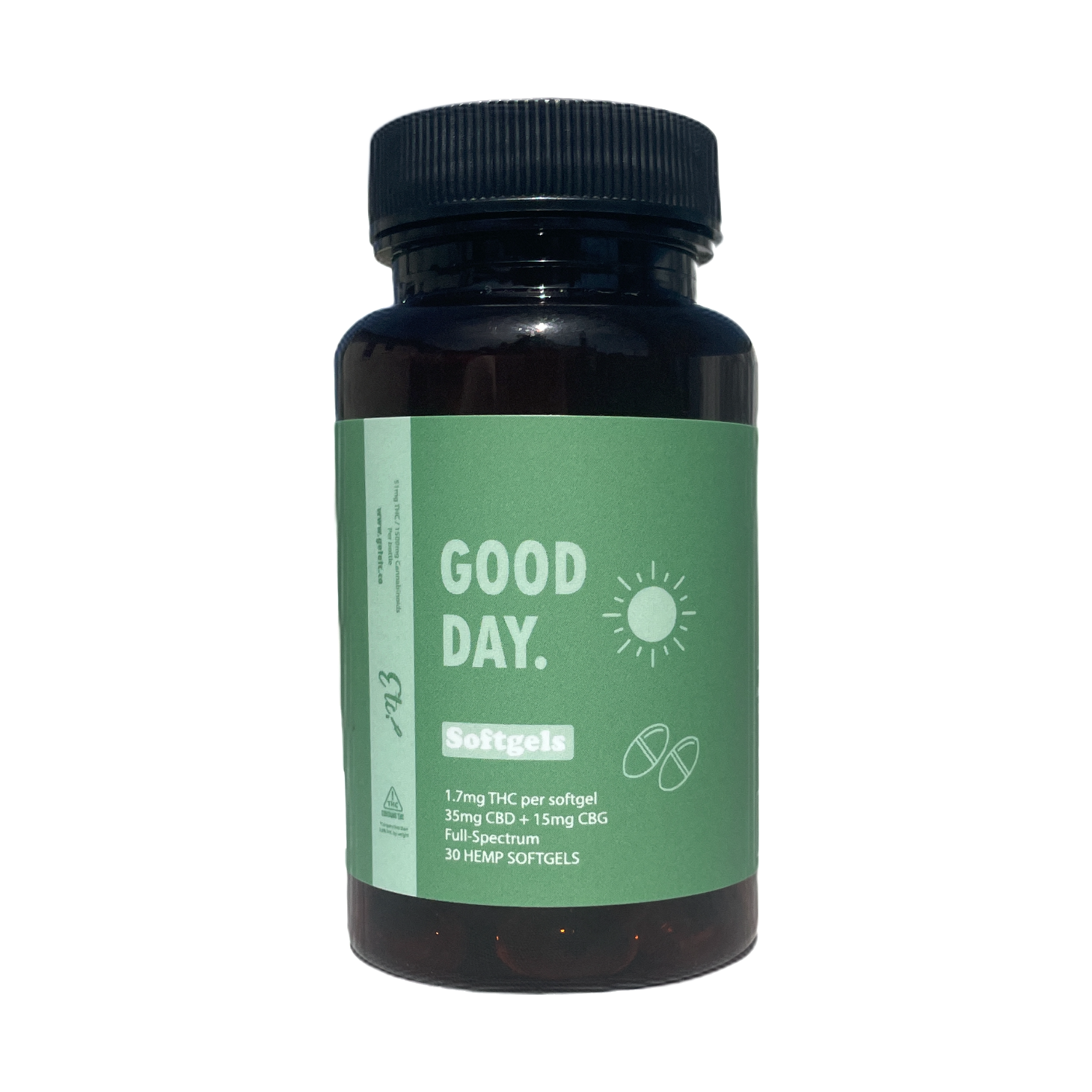
When you take a softgel or a gummy, you’re supporting the whole system. That’s useful, and a lot of people find it genuinely changes how they move through their day. But when the thing that’s slowing you down is specific, a single shoulder, a stubborn spot at the base of your neck, tired feet after a long shift, a more precise approach isn’t a downgrade. It’s appropriate.
This is the actual logic behind topicals: not as a lesser alternative, but as a tool that fits a specific kind of need.
PureMotion Deep Relief Lotion and Nice Cream are both full-spectrum hemp topicals, but they work differently and they’re designed for different moments. Knowing which one fits your situation is more useful than knowing everything about either of them.
Two Products, Two Jobs
Nice Cream is lighter. It’s made for surface-level support, the kind of attention that hands, wrists, knuckles, and feet often quietly need. If you’ve ever spent a Saturday in the garden or a weekend moving furniture and woken up Monday with fingers that feel like they’d rather not, Nice Cream is the kind of thing you reach for. It absorbs easily, it doesn’t feel heavy, and it doesn’t require any particular ritual. You put it on, it gets to work, you move on.
PureMotion goes deeper. That’s not marketing language; it’s a function of DMSO (dimethyl sulfoxide), the key delivery ingredient in the formula. DMSO penetrates beyond the surface layer of skin in a way that most topicals simply can’t. That makes it better suited for muscle soreness, recovery after exertion, or spots that need more than surface attention. It’s the tool for when “I just need something light” isn’t quite right.
Both contain full-spectrum hemp. Both are physician-reviewed. Both have published third-party lab results. The difference is depth and application, which means the right one depends entirely on what you’re dealing with.
The Part Nobody Talks About: What Gets Returned to You
Here’s where the conversation usually stops being about products and starts being about something more honest.
When a specific thing is bothering you physically, it takes up a disproportionate amount of your attention. Not in a dramatic way. In that quiet, low-level way where you’re sitting at dinner with people you care about and part of your brain is somewhere else. Where you’re half-present in a conversation because you’re working around something. Where you’re making small adjustments throughout the day that nobody notices but you.
Getting that back, the full version of your attention, isn’t trivial. The ability to be genuinely present with the people and the moments in front of you is not a luxury. It’s actually what most of us would say matters most, when we’re being honest about it.
That’s the real payoff of a product that does exactly what it says it does: not some grand transformation, just the ordinary grace of not being pulled somewhere else.
Why Trust Is the Prerequisite
None of this works if you don’t trust what you’re putting on your body.
That sounds obvious, but it’s easy to underestimate how much mental real estate goes into the low-grade skepticism most people carry about wellness products. The wondering whether it’s really in there. The suspicion that the label and the contents don’t quite match. The feeling that you’re taking someone’s word for something you can’t verify.
ETC publishes every batch’s lab results. Not as a talking point, but because they’re genuinely useful: they tell you exactly what’s in the product, at what levels, and that what’s not supposed to be there isn’t. You can look them up at reliefetc.com/pages/coa before you ever make a purchase. That kind of transparency doesn’t create trust so much as it removes the obstacles to it. You don’t have to wonder. The information is just there.
When you don’t have to hold that skepticism, you get something back. A quieter relationship with the things you use to take care of yourself. A little more confidence in your own choices. That’s a surprisingly good feeling.
The Routine That Actually Fits
Here’s a practical truth: the wellness habits that stick are the ones that don’t require much. The ones that slide into the day without friction, without a production, without an elaborate commitment to maintain.
A balm you reach for when you need it fits that description pretty well. It doesn’t replace other things. It doesn’t conflict with a supplement routine or require timing around meals. It’s just there when the situation calls for it, and it either works well enough that you keep it around or it doesn’t.
Most people who’ve used both Nice Cream and PureMotion keep both. Not because they’re maximalists. Because they’ve learned which one fits which moment, and that knowledge is genuinely useful. Nice Cream stays on the bathroom counter. PureMotion lives wherever the after-workout soreness tends to land. Neither one requires much thought once you’ve got the pattern down.
That’s what a well-designed product does: it earns a place in your life without demanding much of it. And then it gives back something worth having, the ability to show up the way you want to, for the things and people that actually matter.
Sometimes that’s exactly what a balm can do.
Disclaimer: These statements have not been evaluated by the Food and Drug Administration. This product is not intended to diagnose, treat, cure, or prevent any disease. Consult your healthcare provider before starting any new wellness regimen.
Photo by Tadeusz Zachwieja on Unsplash