






When Conversation Feels Less Like Performance
The more you care about a conversation, the worse you tend to be at having it.
Sit with that for a second, because it sounds backward. You’d think effort and investment would make you sharper, more engaged, more present. But most people know from experience that the opposite tends to happen. The dinner where you really wanted to make a good impression is the one where you kept replaying sentences before you said them. The check-in with a colleague you respect is the one where you walked away realizing you’d barely heard a word they said. Caring too much, in the performative sense, pulls you out of the room while your body stays in the chair.
This isn’t a social skills problem. It’s a baseline problem.
When the floor feels unsteady, you focus on your footing
Think about walking across a parking lot versus walking across a log over a creek. Same basic motion. Completely different internal experience. On the parking lot, you’re not thinking about your feet at all. Over the creek, every step gets narrated.
That’s what a lot of social interaction feels like when your baseline isn’t right. Not dramatic. Not paralyzing. Just slightly effortful in a way it shouldn’t be. You’re managing your footing when you should be looking at the view.
The “view” in this case is the actual conversation. The person across from you. What they’re trying to say. The subtext, the joke, the moment that’s worth catching.
When the floor feels steadier, something shifts. You stop narrating the walk and start actually being on it.
Presence isn’t a personality trait
Here’s where people get it wrong: they assume presence is something some people have and others don’t. The effortlessly relaxed conversationalist, the person who seems genuinely interested in whoever they’re talking to, the one who doesn’t fill every silence with noise. We tend to chalk that up to temperament.
But presence is less a trait and more a state. And states are changeable.
What makes presence possible is a nervous system that isn’t running too hot. Not checked out, not sedated, not performing calm. Just genuinely not burning resources on internal noise that doesn’t need to be there. When that’s your baseline, conversations feel like something you’re actually in rather than something you’re getting through.
The payoff isn’t abstract. It shows up in small, specific ways. You ask a follow-up question because you actually heard the first answer. You laugh at the right moment because you were tracking the rhythm of the story. You don’t mentally draft your response while the other person is still talking. These are tiny things that add up to something other people feel without being able to name it: this person is actually here.
What a steadier baseline does for the people around you
Something worth naming, because it doesn’t get said often enough: being more present is a gift to the people in your life, not just yourself.
The friend who really listens. The partner who doesn’t seem like they’re half somewhere else. The parent who can sit through a meandering story about a kid’s day without visibly waiting for it to end. These are the people who make others feel genuinely seen. And that capacity isn’t some separate virtue to be cultivated in isolation. It’s downstream of how you feel.
When your own internal weather is quieter, you have more room for other people’s weather. That’s not philosophy. It’s just bandwidth.
The consistency piece nobody talks about
Here’s the thing about routines: they work because they’re unremarkable. The parts of your day that hum along without demanding your attention are the parts that free up your attention for everything else.
A wellness routine that actually helps tends to disappear into the background over time. You don’t notice the days you feel settled in the same way you’d notice the days you don’t. The goal, in other words, isn’t a peak. It’s a floor.
That’s why what you put into your routine matters in a different way than people usually think about it. It’s not about chasing a result. It’s about building something you can trust enough to stop thinking about, so your attention can go somewhere worth putting it.
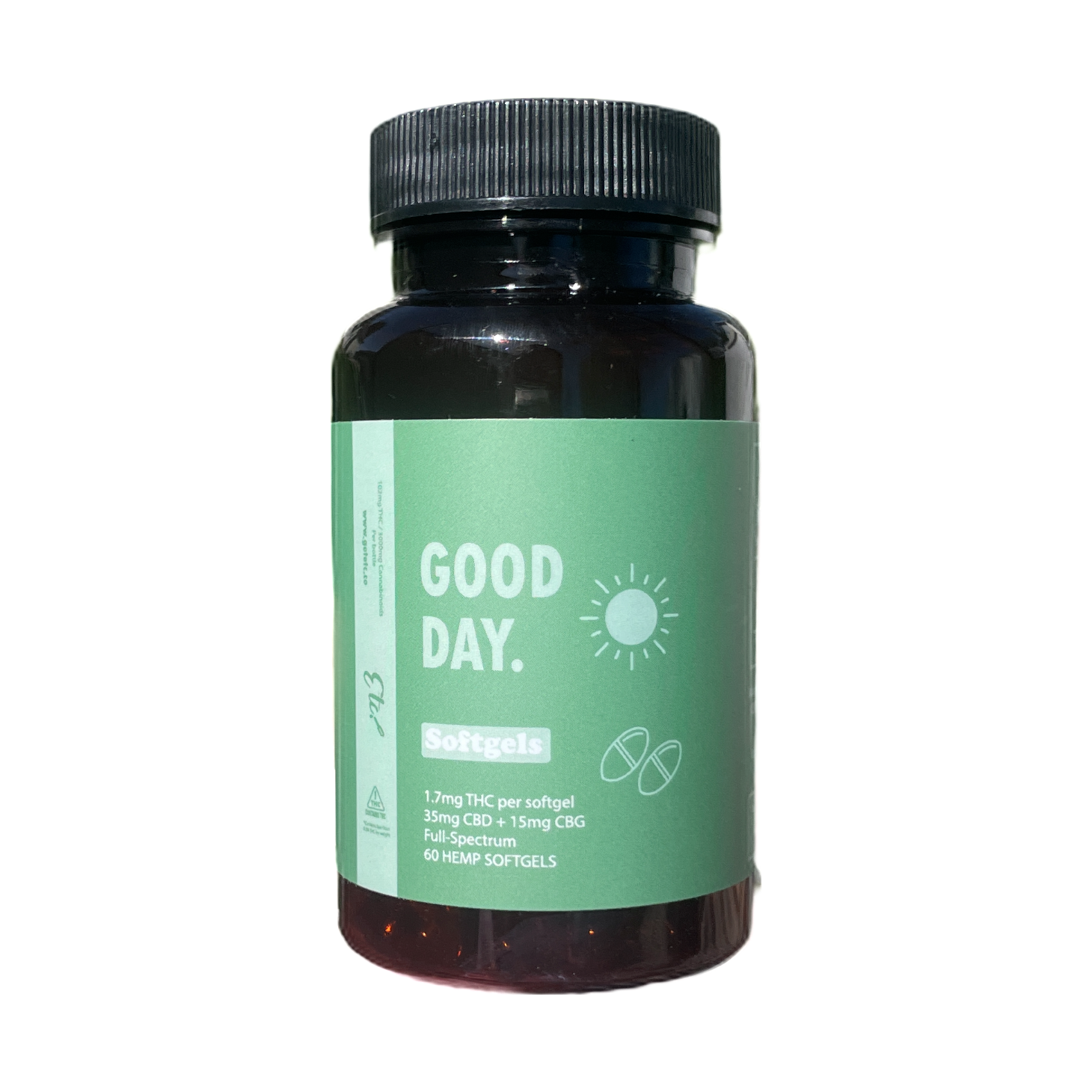
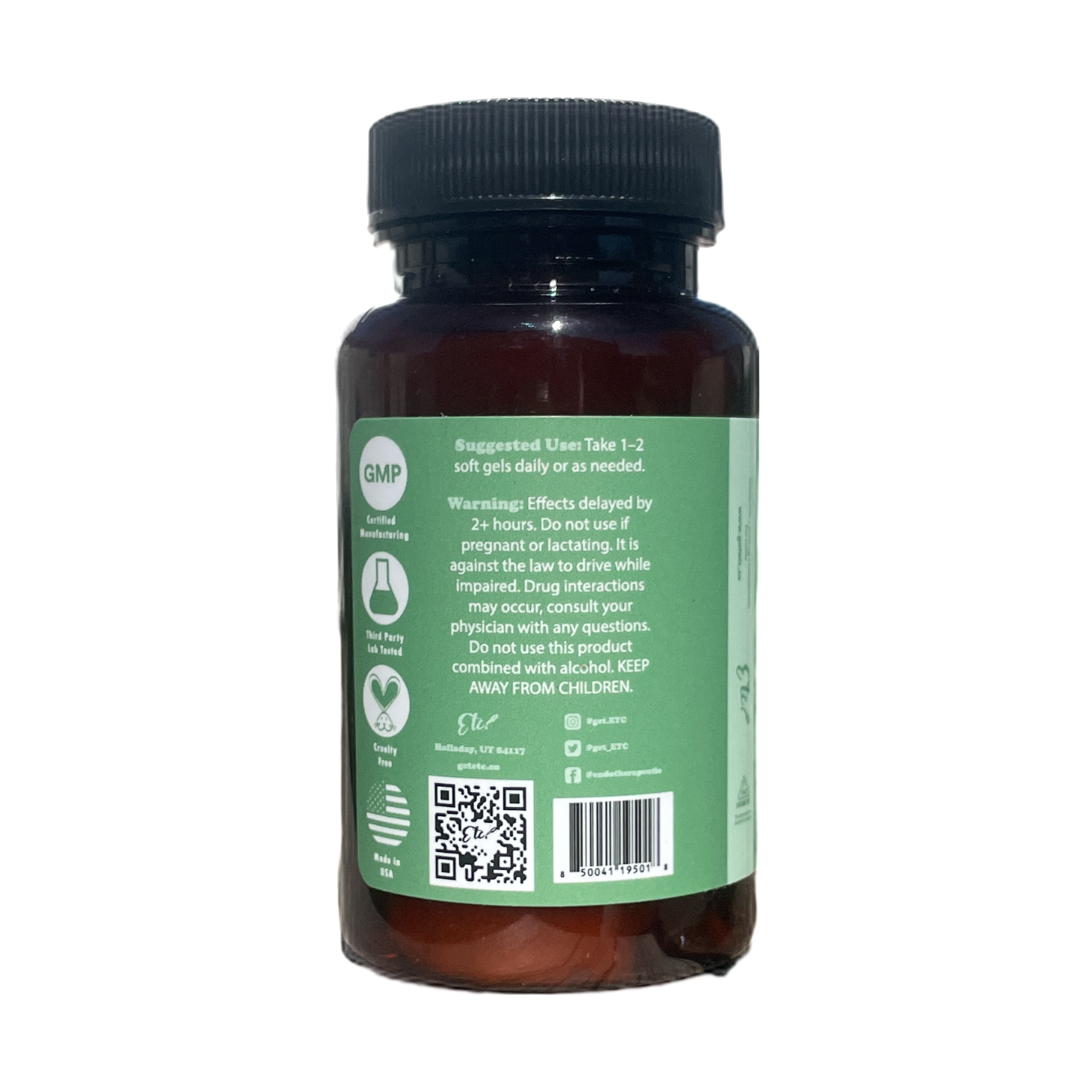
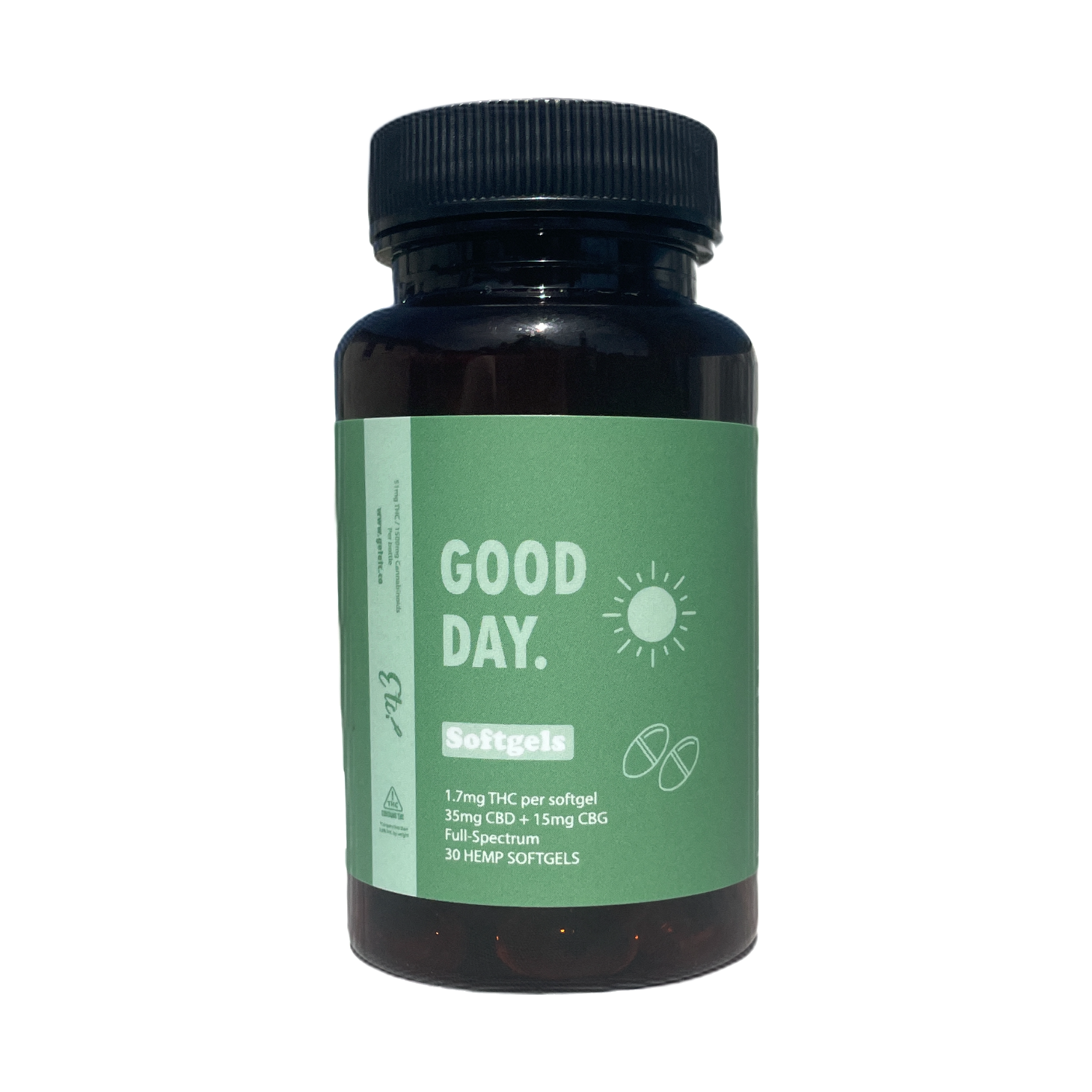
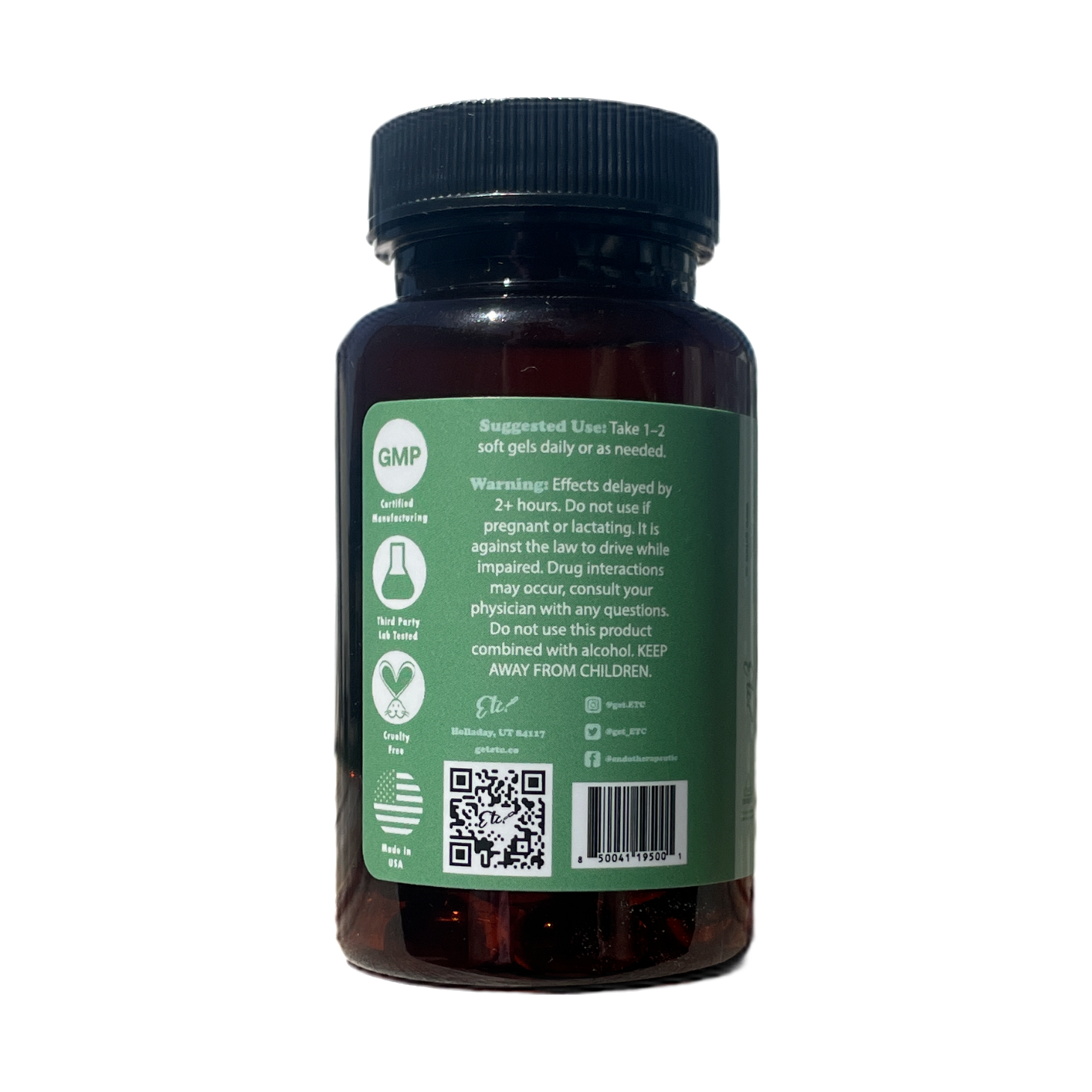
ETC’s Good Day line is built around that kind of reliability. Full-spectrum hemp with a cannabinoid profile that complements how people actually want to feel during waking hours, supported by the kind of third-party testing and transparent lab results that let you verify what you’re taking rather than just hope it’s what the label says. (The full COA archive lives at reliefetc.com/pages/coa if you want to look.) That’s not a feature you lead with at dinner parties, but it’s the feature that earns the trust that makes everything else possible.
Because trust is the thing. Not trust in a brand, necessarily, but trust in your routine. The confidence that what you’re doing is actually what it says it is, that it’s working the way it’s supposed to, that you can stop second-guessing it and let it do its job.
When you stop second-guessing your routine, you have more room to stop second-guessing yourself.
Showing up whole
The phrase “showing up whole” gets used a lot, and it’s easy to roll your eyes at. But it describes something real. There’s a version of being in a room where you’re physically present and socially functional and technically participating. And there’s a version where you’re actually there, actually interested, actually available to what’s happening.
The gap between those two things isn’t always dramatic. Sometimes it’s just the difference between a conversation that felt like a transaction and one that felt like a connection. Between a dinner that was fine and one you’re still thinking about the next day. Between going through the motions and actually enjoying the life you’ve put together.
That gap is worth closing. And it’s worth paying attention to what opens it.
For most people, it starts earlier in the day than they think. Before the dinner, before the meeting, before the moment you need to show up. It starts with whether your baseline is working for you or against you.
Get the baseline right, and the rest has a way of following.
Disclaimer: These statements have not been evaluated by the Food and Drug Administration. This product is not intended to diagnose, treat, cure, or prevent any disease. Consult your healthcare provider before starting any new wellness regimen.