




Listening to Yourself Is Part of the Practice
Ignoring yourself is a wellness strategy. A surprisingly popular one.
Stick with that for a second before you push back. Think about the last time you adjusted your routine based on how your body actually responded, versus the last time you stayed the course because the schedule said so, or the label said so, or some voice in your head said “just give it more time.” The gap between those two things, what you were told to expect and what you actually experienced, is where a lot of wellness effort quietly goes to waste.
This is not a knock on structure or on following guidance. It’s the opposite. It’s an argument that the most powerful thing you can add to any wellness routine is the habit of paying attention to yourself inside it.
Knowing Versus Noticing
There’s a difference between knowing what something is supposed to do and noticing what it actually does for you. Most of us are better at the first than the second.
We read the description. We follow the instructions. We track the days. And somewhere in there we forget to ask the one question that matters most: What’s actually happening?
Not in a clinical sense. Not with a spreadsheet. Just the small honest check-in: Am I sleeping more easily? Am I less snappy with people I love? Does this time of day feel different than it did three weeks ago? Is there something I’ve been attributing to luck or coincidence that might actually be connected to something I’m doing?
That kind of attention is a skill. And like most skills, it gets easier the more you practice it.
The Transparency That Makes Self-Trust Possible
Here’s where knowing what’s in something starts to matter in a different way than marketing usually frames it.
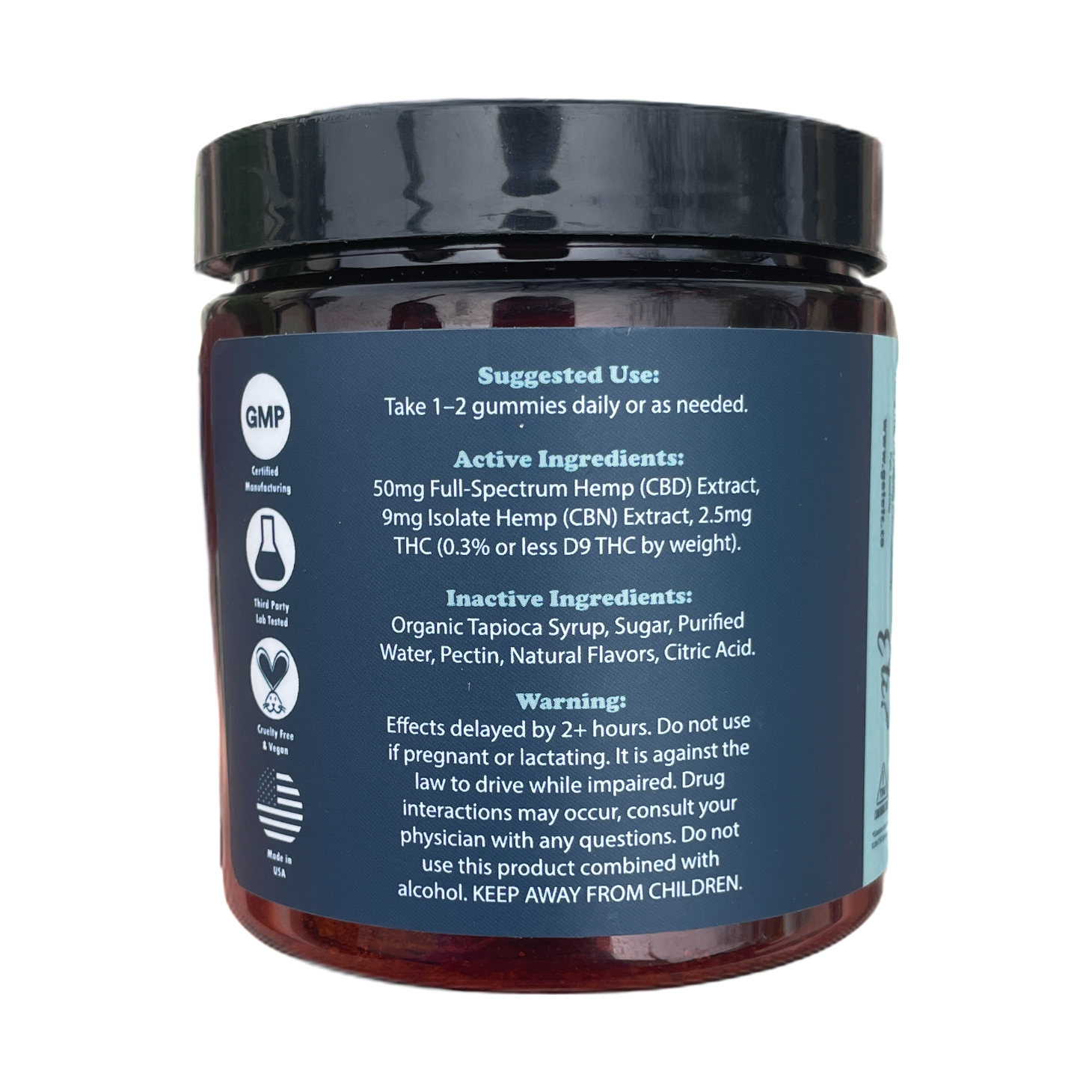
It’s not really about proving a company is legitimate (though that matters). It’s about giving you a foundation to trust your own observations. When you know exactly what you’re taking, which cannabinoids, at what levels, from what plant, tested by whom, you stop second-guessing your experience. You can say “something changed” without wondering if it was the product or the mystery inside the product.
That’s a quiet kind of freedom. The kind that doesn’t announce itself.
ETC publishes third-party Certificates of Analysis for every batch, available at reliefetc.com/pages/coa. Not because transparency is a differentiator (though in some states, it is). Because when you can see what you’re taking, you’re more likely to notice what it’s doing. And when you notice what it’s doing, you start to trust yourself more. That chain matters.
What Listening Actually Looks Like
It doesn’t require journaling or biometrics or anything you’d find on a productivity influencer’s YouTube channel. It usually looks more like this:
You’re two weeks into a new routine and you realize, mid-conversation with a friend, that you haven’t interrupted anyone in a while. Not because you’ve been trying not to. You just feel less rushed. Less like your thoughts are competing for airtime. You file that away.
Or you notice that Sunday evenings, which used to have a low-grade dread attached to them, feel a little more neutral now. Not euphoric. Not transformed. Just lighter. You don’t know for certain why. But you notice it.
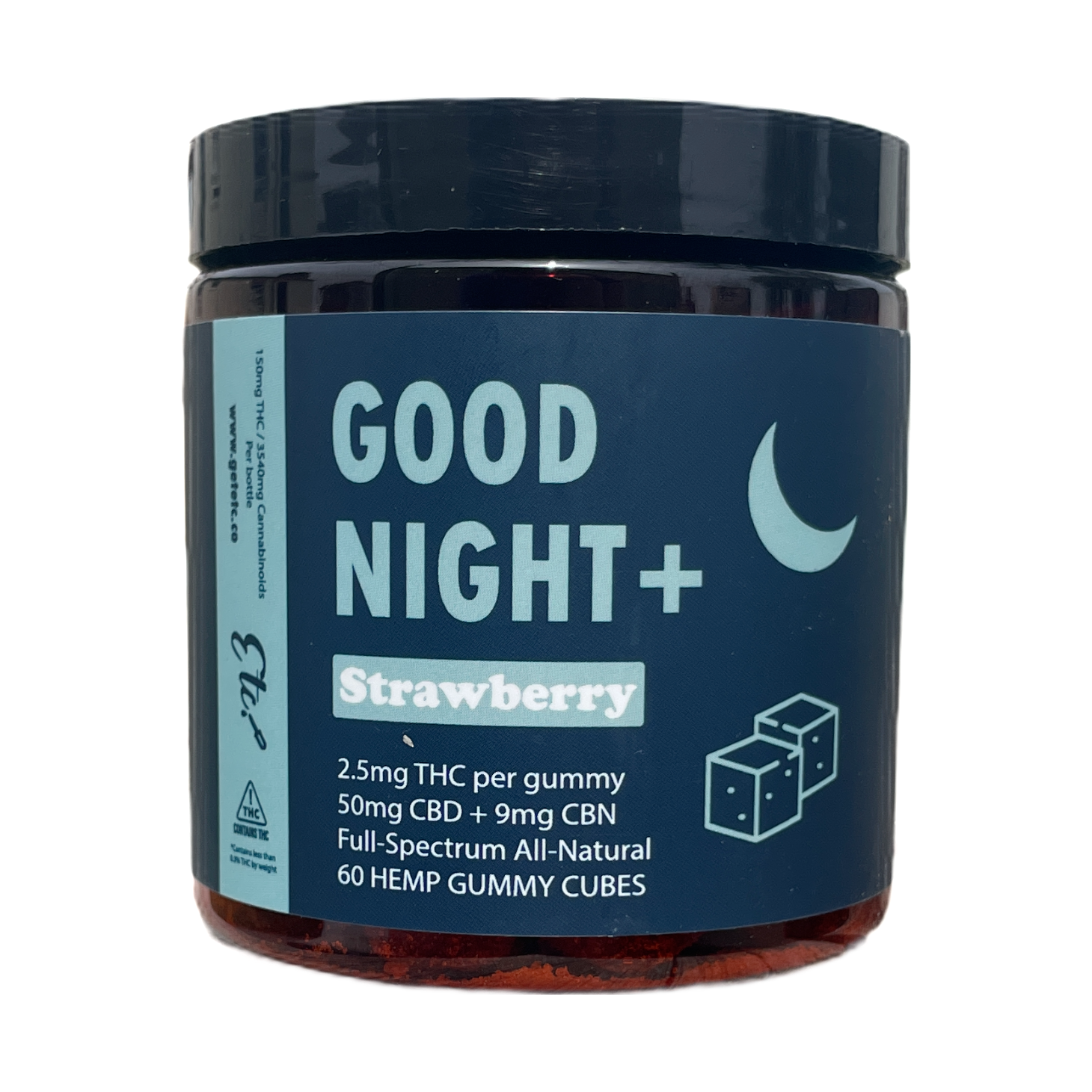
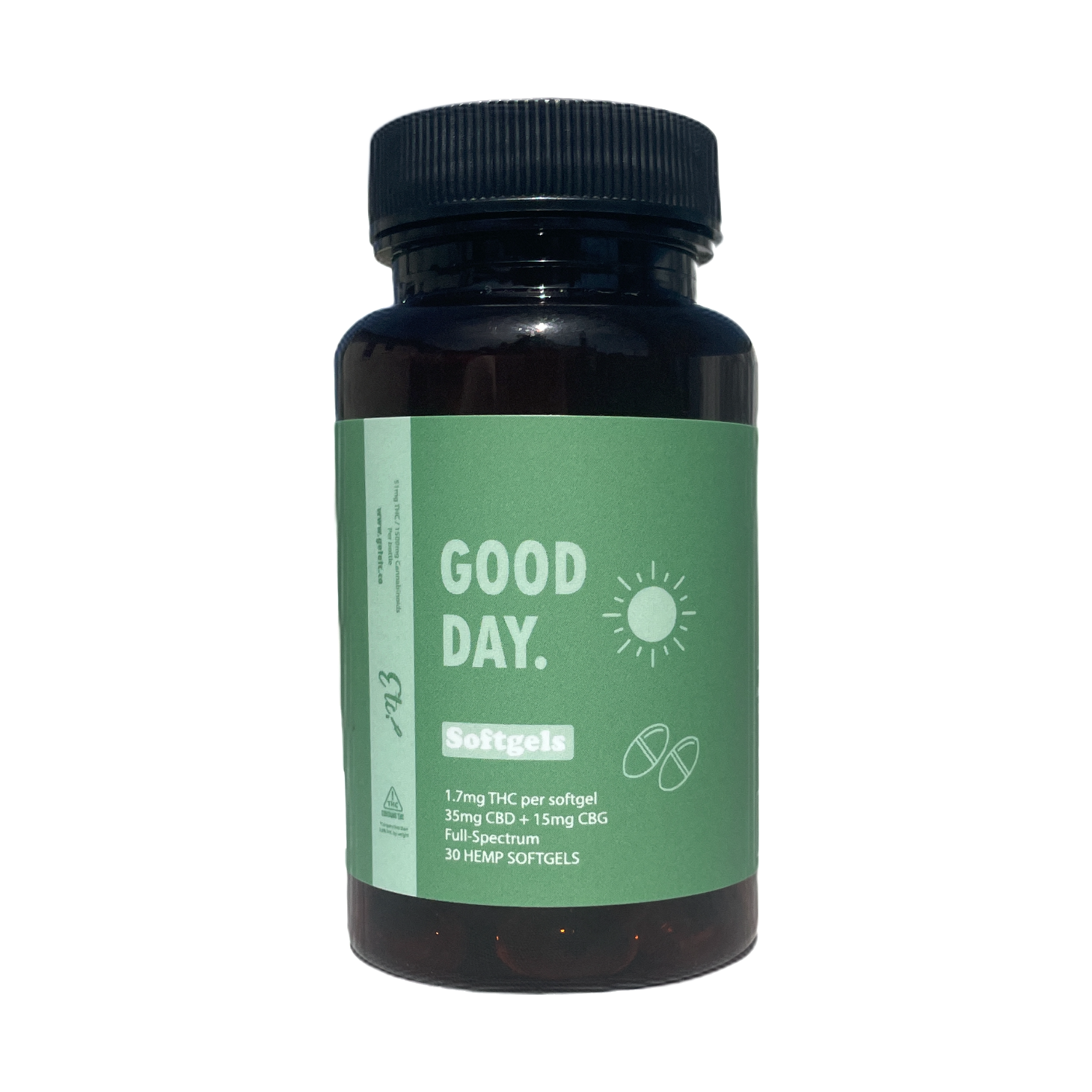
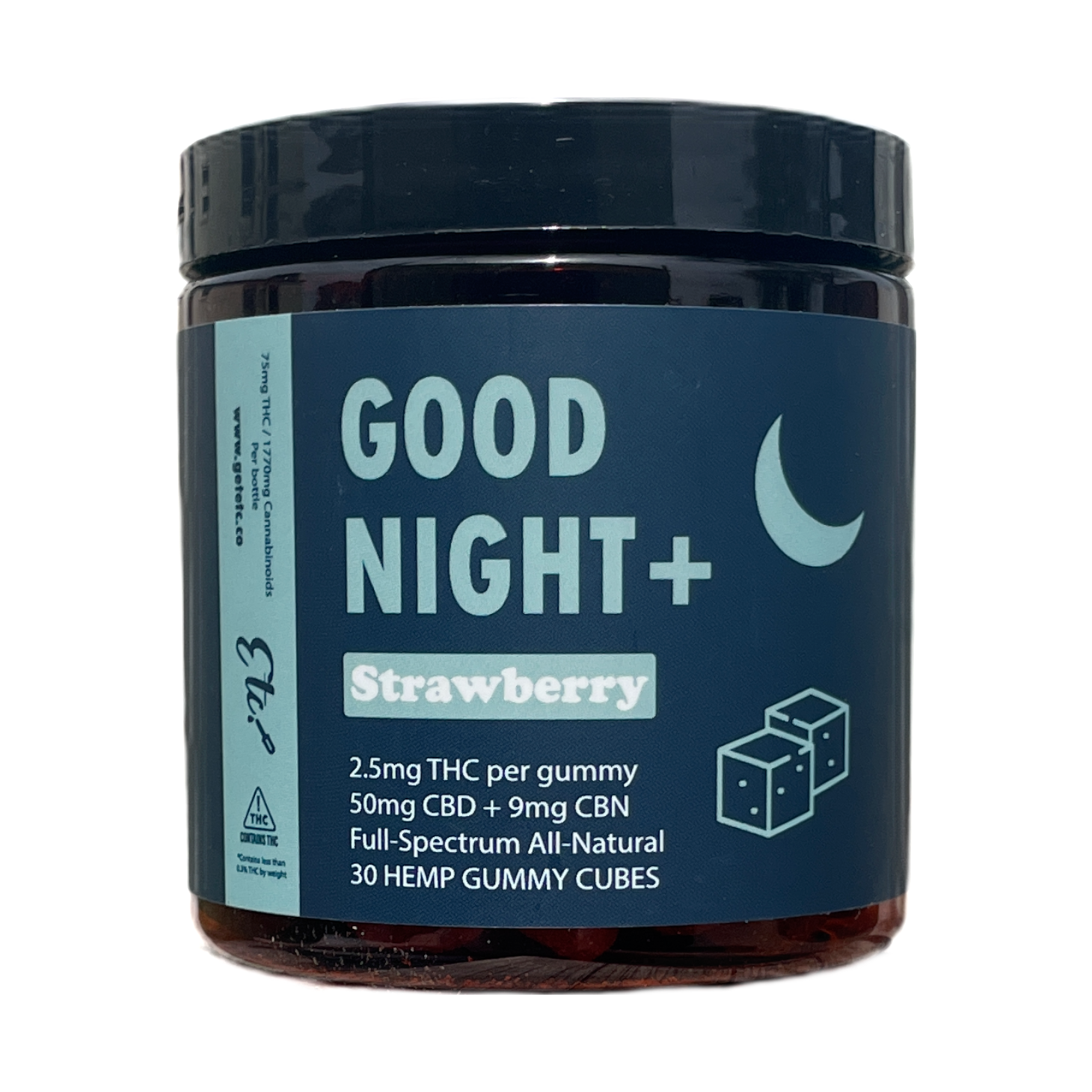
Or you try the Good Night softgels earlier in the evening, on a whim, and you sleep through without the 3 a.m. reset you’d gotten used to. You try it again the next night. Same result. So you keep that adjustment. Not because a guide told you to, but because you paid attention.
That’s it. That’s the practice.
Why This Matters More Than Any Single Ingredient
Wellness ownership isn’t a mindset you adopt once. It’s a practice you return to, which means it compounds. The person who pays attention to their own responses for six months is operating with a completely different level of self-knowledge than the person who followed the same routine for six months without checking in.
And that self-knowledge travels. It shows up in how you talk to your doctor. How you describe your experience to someone curious about what you’re doing. How you parent, if you’re a parent, because you’re modeling what it looks like to take your own experience seriously.
In our own 8-week observational study, participants reported an average 30% improvement in overall wellbeing, with mood showing the largest cumulative gain across the full period. That’s a meaningful number. But the more interesting story might be in the consistency: improvement showed up week over week, not all at once. Which suggests what the participants were doing wasn’t just taking a product. They were noticing. Adjusting. Staying in relationship with their own experience.
You can’t fake that. And you can’t buy it either. It’s the part you bring.
The Real Payoff
When people talk about wanting to be “more present,” they usually mean something specific. More present with their kids at the dinner table. More patient with a spouse who’s having a hard week. More able to enjoy something without half their attention somewhere else.
That presence isn’t manufactured by a supplement. But it is made more available when you’re not burning background energy on a restless night, or on the low hum of a system that’s running out of fuel by 3 p.m., or on the vague sense that you’re not quite okay but you can’t say why.
When the baseline shifts, even quietly, there’s more of you available for the things that matter. And the way you find out if the baseline is actually shifting is by listening. Not to the bottle, not to the reviews, not to what worked for someone else. To yourself.
That’s the practice. It’s not complicated. It just requires showing up for it.
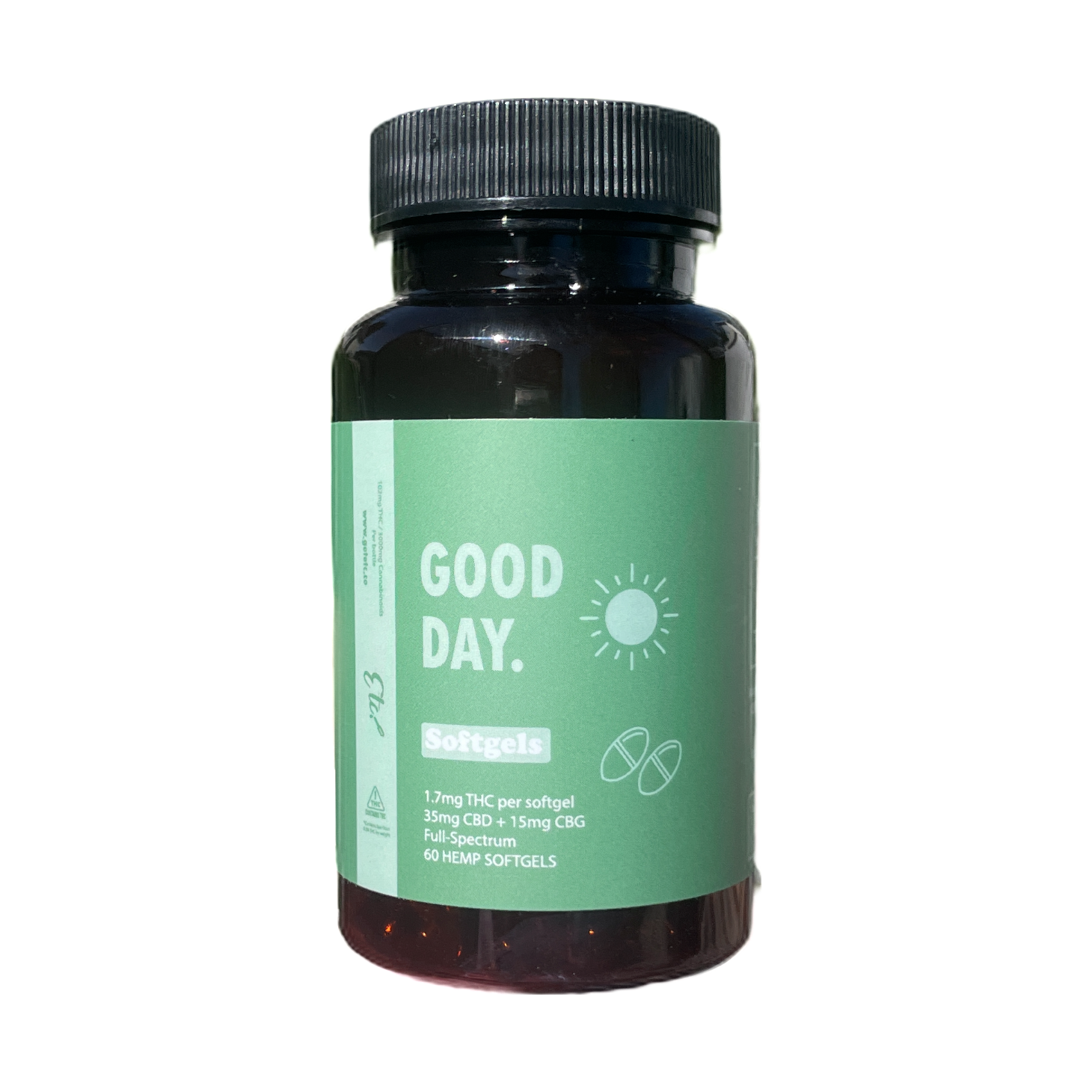
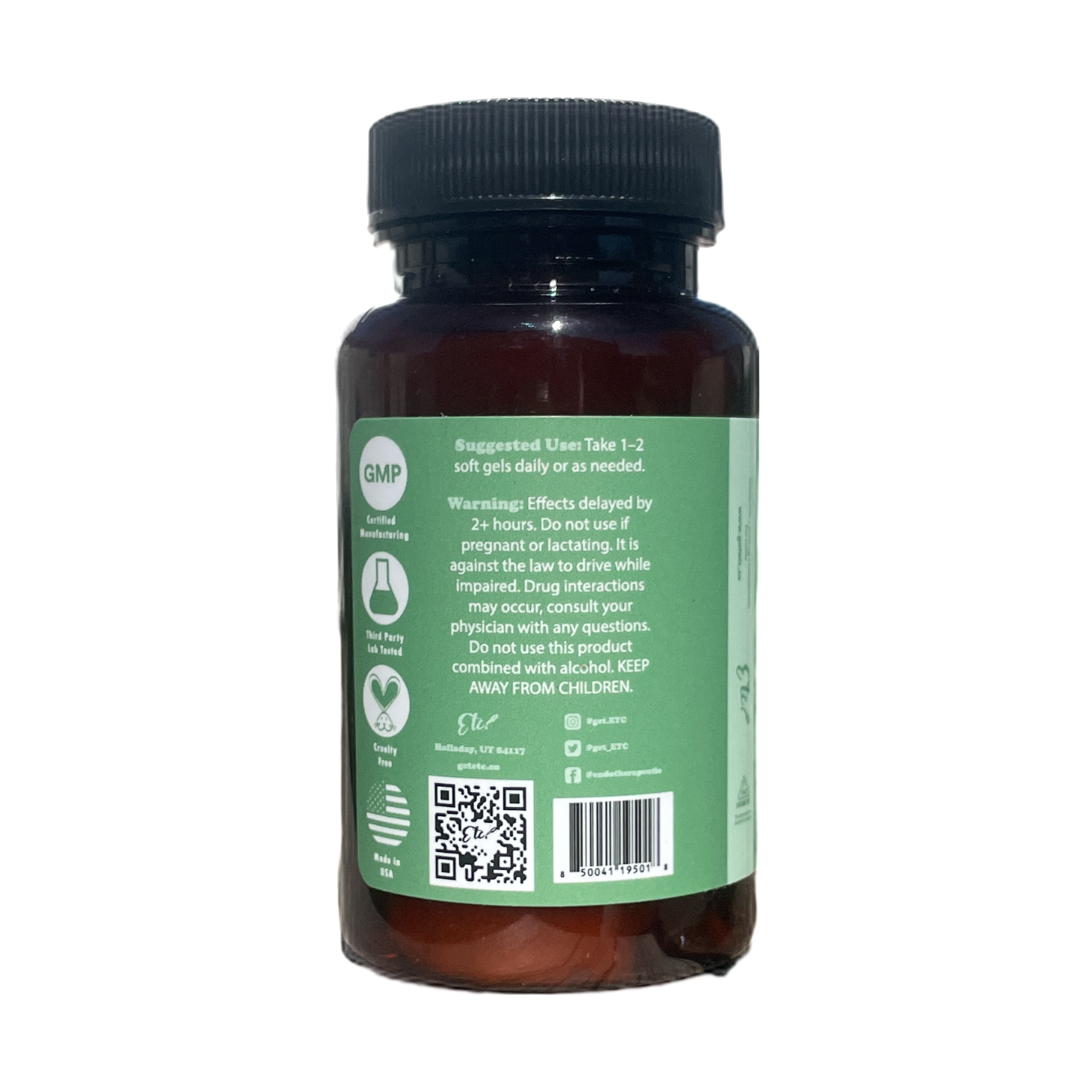
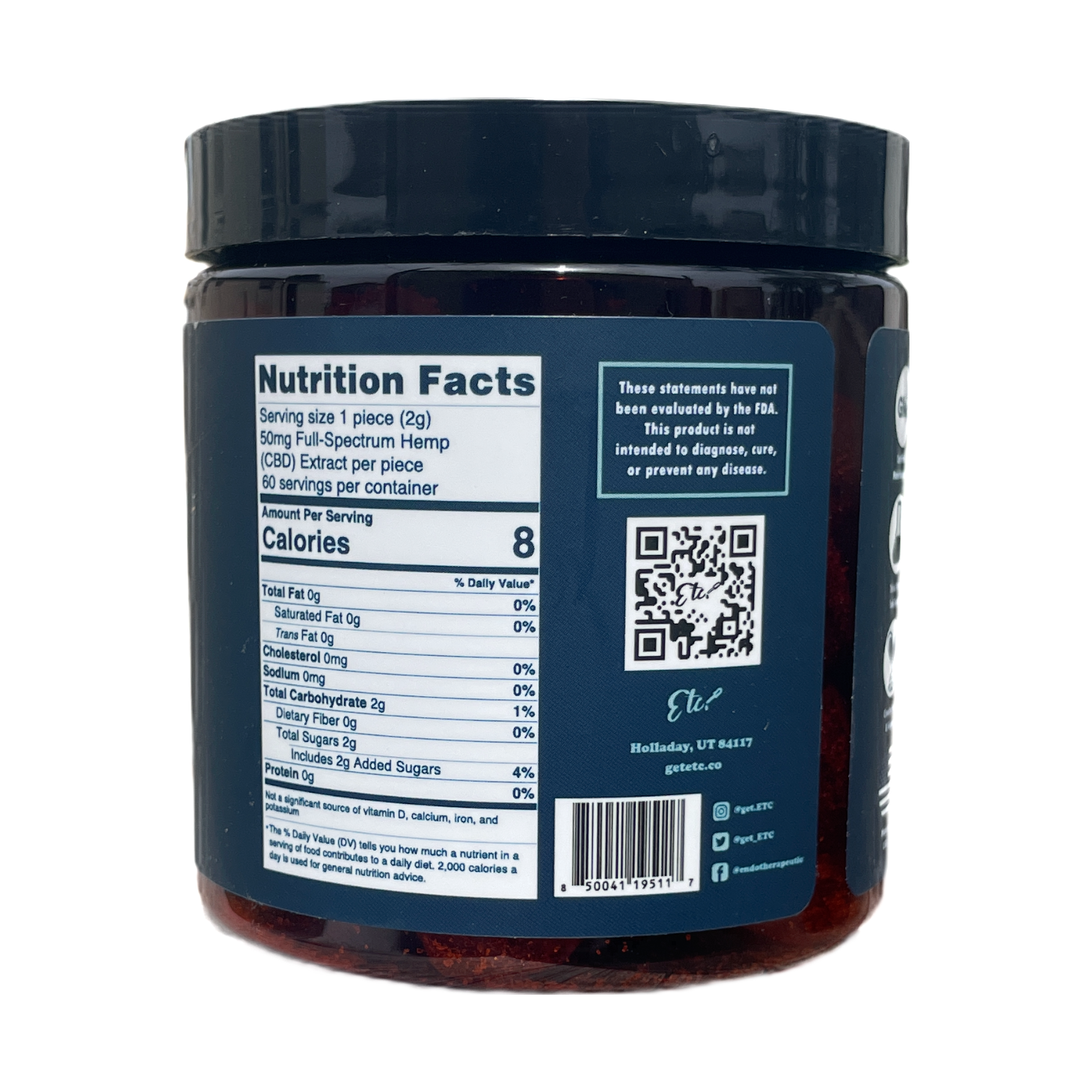
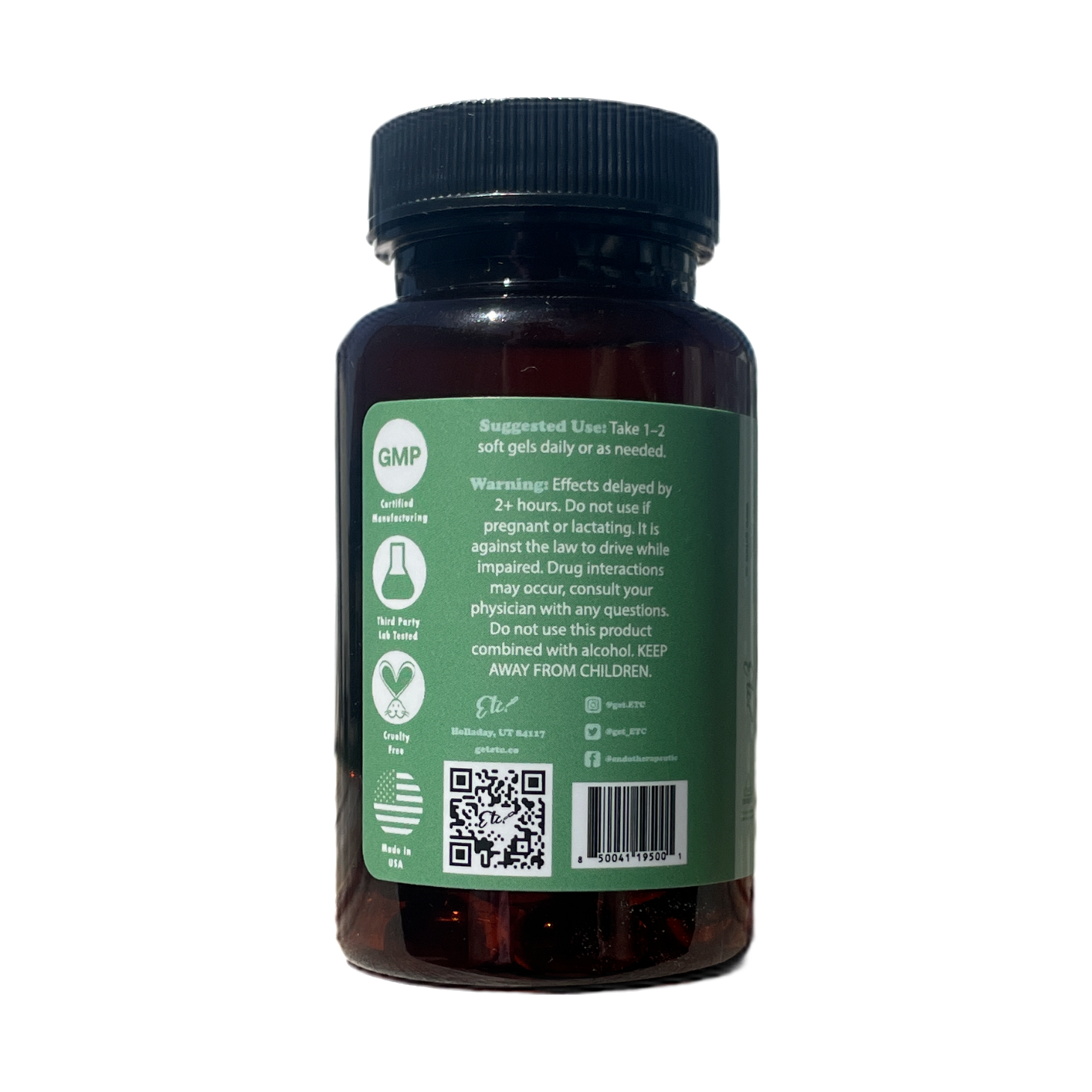
If you’re building a routine worth listening to, Good Day and Good Night give you a clear, consistent foundation to start from.
Disclaimer: These statements have not been evaluated by the Food and Drug Administration. This product is not intended to diagnose, treat, cure, or prevent any disease. Consult your healthcare provider before starting any new wellness regimen.