




What Makes a Topical Feel Different From an Ingestible
Most people assume a topical is just a slower version of a capsule. Same destination, different road. That’s actually a pretty useful myth to clear up, because once you understand what’s happening beneath the surface, the choice between a topical and an ingestible stops feeling like a preference and starts feeling like a decision.
They’re not doing the same thing by different routes. They’re doing genuinely different things.
The Ingestible Journey (Brief Version)
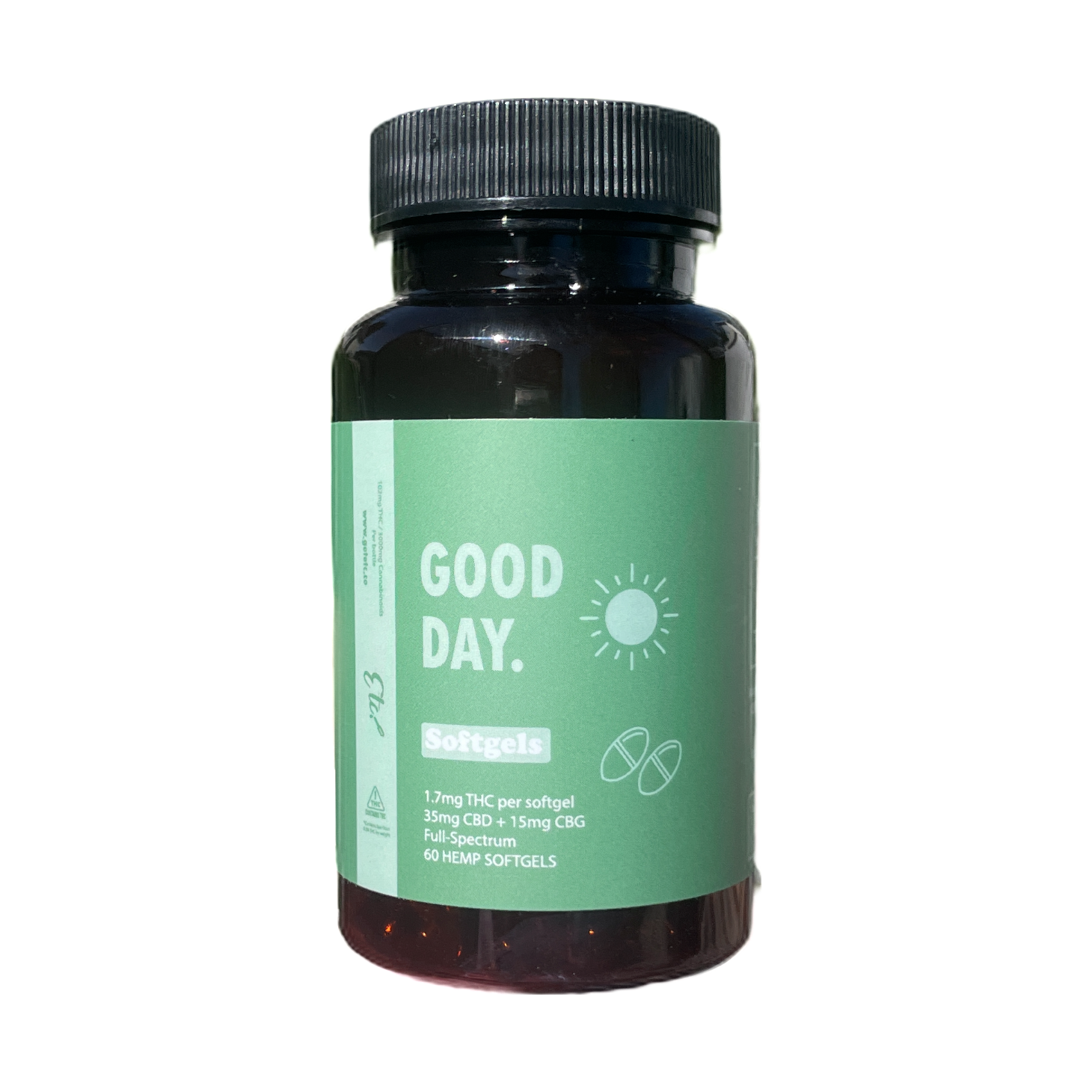
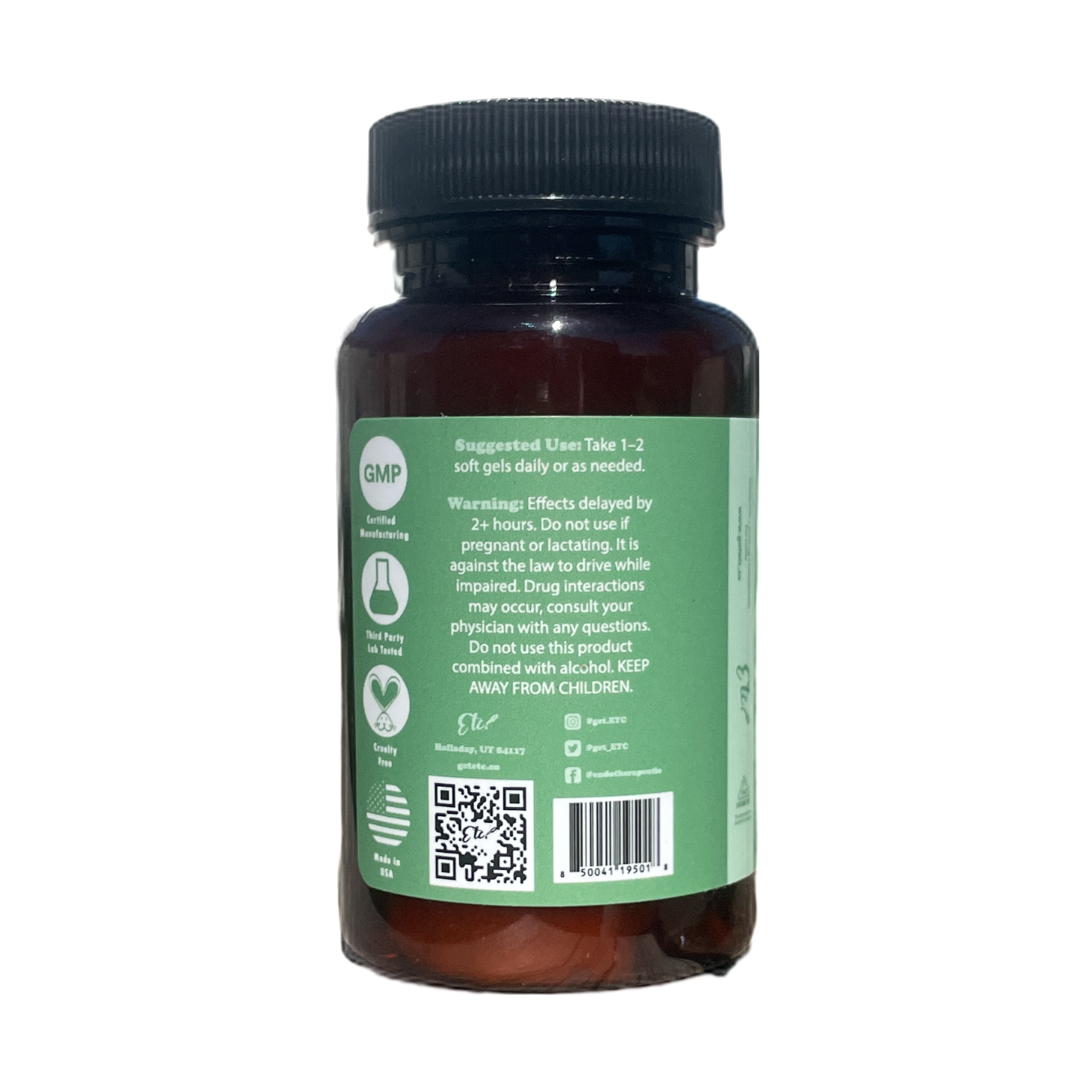
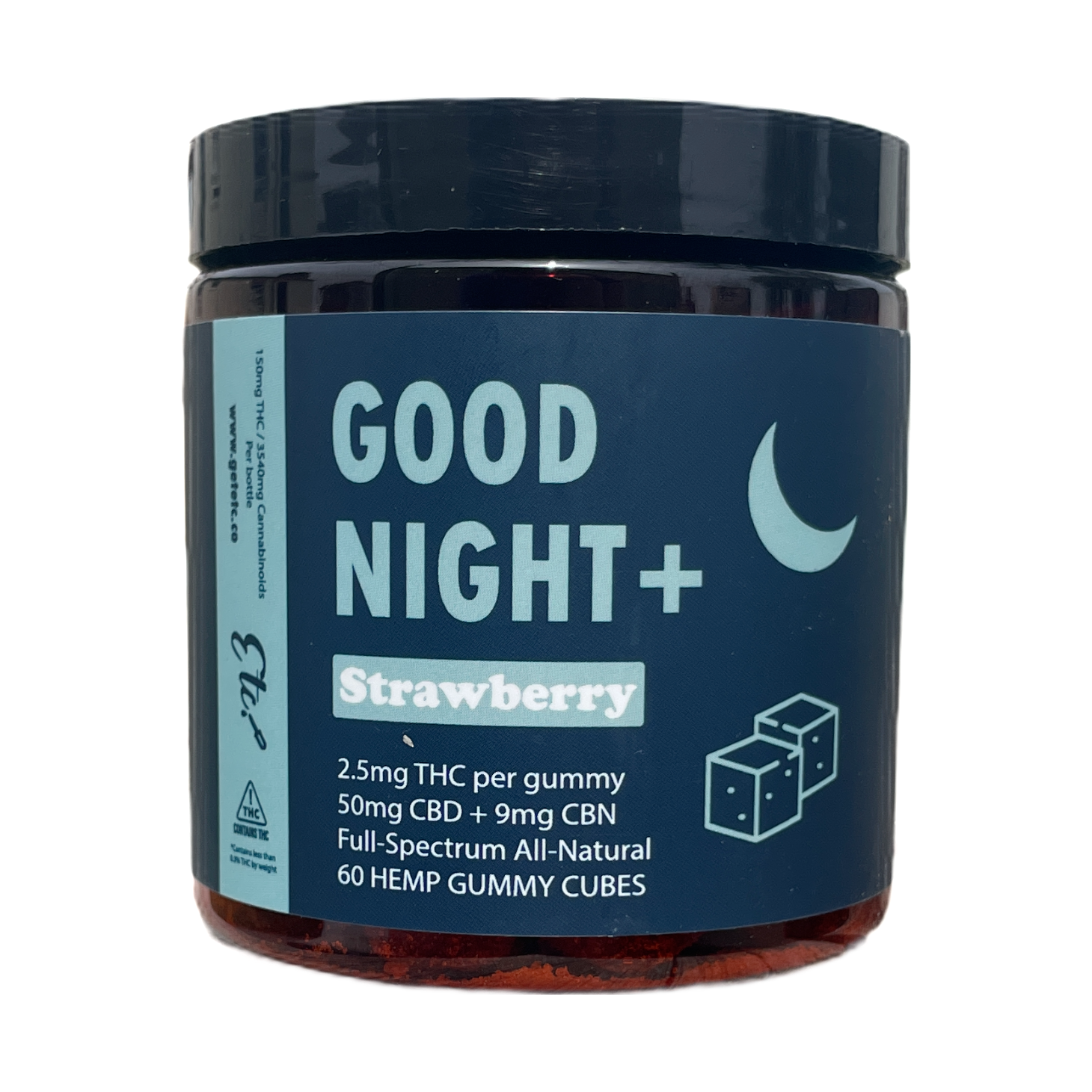
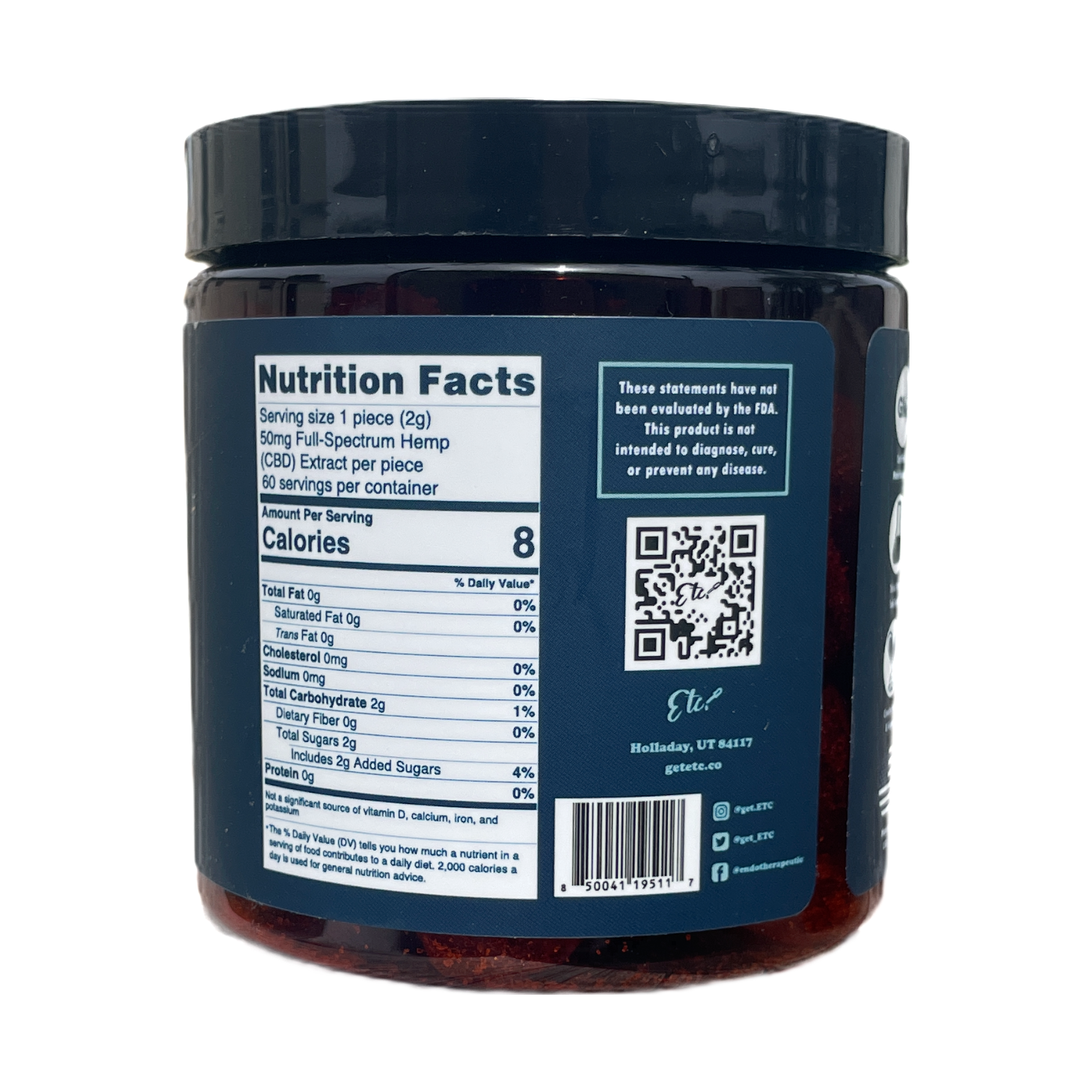
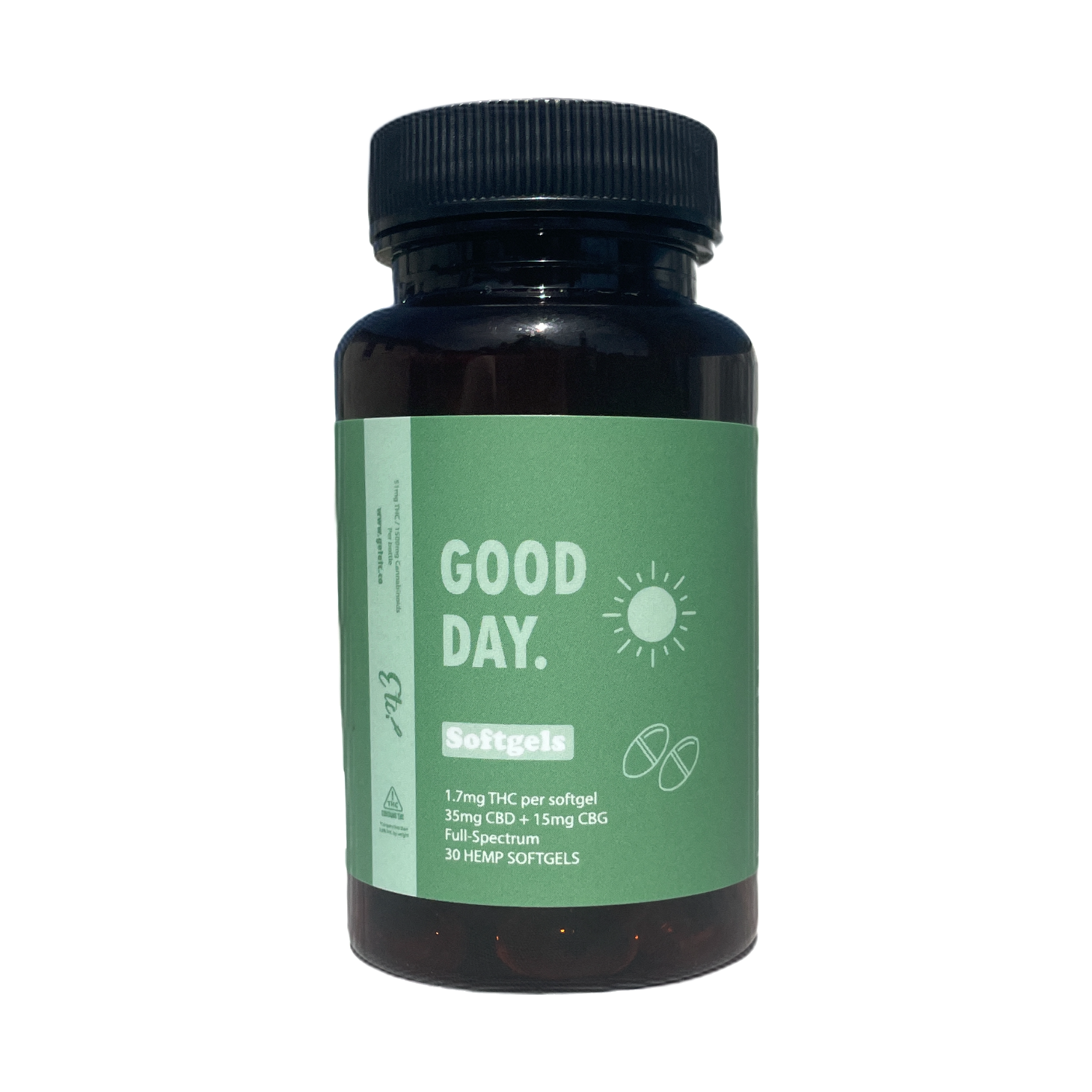
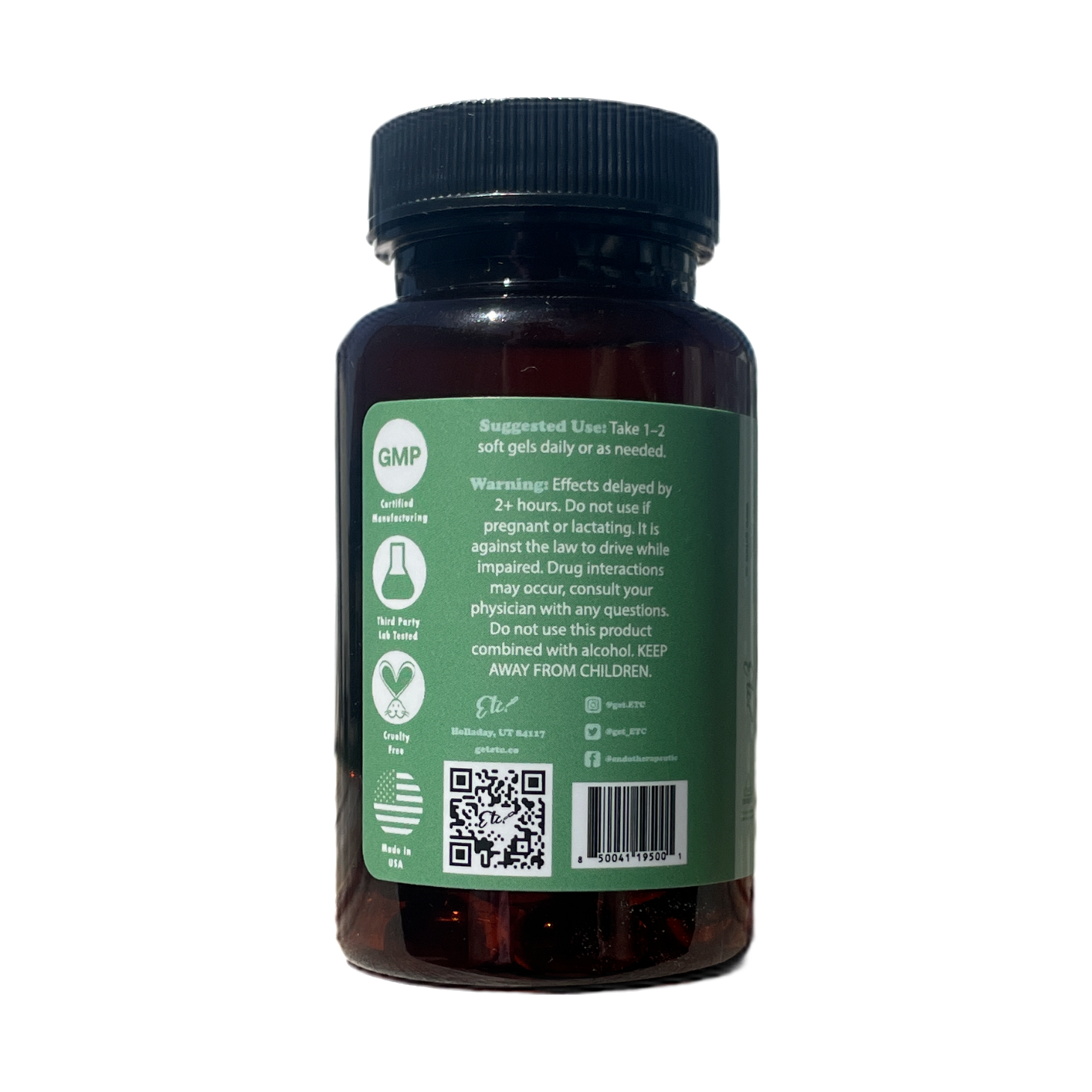
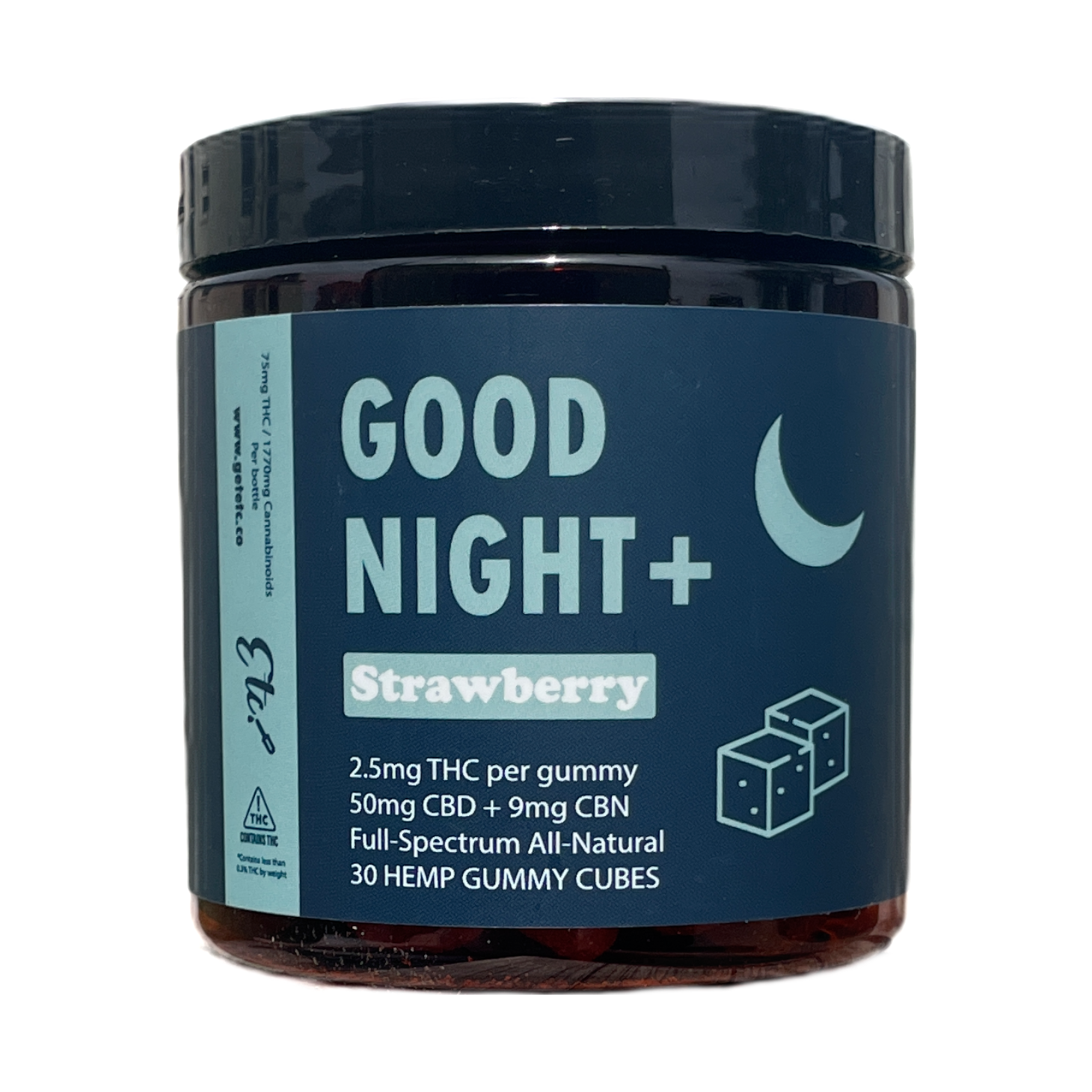
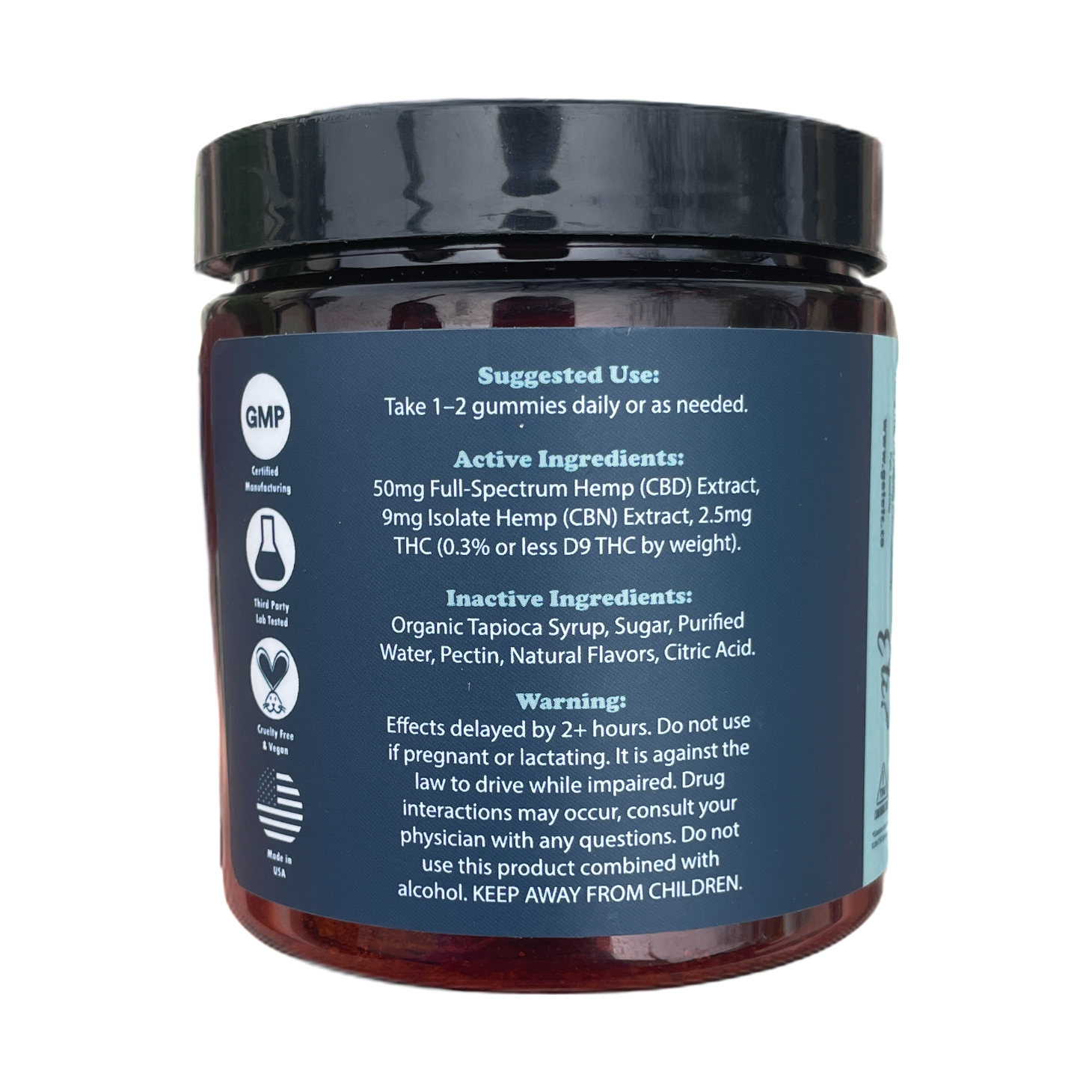
When you take a softgel or gummy, you’re sending cannabinoids on a full-body tour. They move through your digestive system, pass through the liver, enter the bloodstream, and eventually reach whatever tissues your body’s endocannabinoid system directs them toward. This is a systemic pathway. It affects everything, somewhat. That’s the point. A lot of people come to ingestibles for this reason: they want broader, whole-body balance, not a specific location.
The tradeoff is time. Thirty to ninety minutes before anything registers. Sometimes up to two hours for the full picture to develop. The flipside is that the effect lasts. Four to six hours is the common range.
The Topical Journey (Also Brief)
Topicals stay local. Cannabinoids applied to skin interact with receptors in and around the application site. They don’t have to make the systemic loop. Which means they don’t have to wait in line.
But “topical” is a broad category, and here’s where things get interesting: not all topicals reach the same depth.
Nice Cream, ETC’s full-spectrum hemp soothing cream, is designed for surface-level and light tissue support. Fingers, knuckles, wrists, feet. Areas where you want targeted attention to skin and the structures just below it. At $44.95 for 60g, it’s a practical daily option that doesn’t feel like a budget event every time you reach for it.
PureMotion Deep Relief Lotion is a different animal. The key is DMSO (dimethyl sulfoxide), a compound used in clinical and athletic recovery settings for decades. DMSO is a penetration enhancer. It carries what it’s paired with deeper than ordinary absorption allows. If Nice Cream is attending to what’s near the surface, PureMotion is working toward what’s underneath: muscles, deeper tissue, the places you feel after a long run or a week of hauling yourself through physical demands. At $59.99, it’s priced for what it does.
Understanding the difference between these two isn’t just a product comparison. It’s actually the whole point of this article.
Why “Goes Deeper” Actually Matters
Your skin is designed to keep things out. That’s its job. Standard moisturizers and even many hemp topicals work at the surface partly because that barrier is doing its work. DMSO changes that equation. It’s one of the few compounds that can genuinely pass through skin and bring along what it’s carrying. This is why PureMotion is built for recovery and muscle support, not just surface sensation.
Nice Cream works at a different layer by design, not limitation. For the skin itself and light joint comfort, that surface-level delivery is exactly right. You don’t need a deep-tissue driver when you’re addressing the skin on your knuckles or the tops of your feet.
The point isn’t that one is better. The point is that they’re both precise, just in different directions.
So Why Not Just Take More Gummies?
Fair question. Ingestibles reach everything, so in theory, couldn’t you just rely on them for localized moments too?
You could. But the experience of targeted, site-specific application is different from waiting for systemic circulation to arrive. It’s the difference between addressing something directly and hoping the body routes resources to the right place. For a lot of people, having both options means never having to choose the indirect path when the direct one is available.
There’s also something that happens when your routine has a physical gesture in it. Applying a topical to a specific area is an act of attention. You noticed something. You did something about it. That’s not nothing. Building daily habits around your own wellbeing, including the small physical rituals, is part of what sustains a practice over time. Not every meaningful act of self-care has to be internal.
What Fits Your Routine
If you’re already using ingestibles and wondering whether topicals add anything: they add locality and immediacy. A softgel or gummy is doing broader work. A topical is doing specific work. Most people who use both aren’t doubling up on the same outcome; they’re covering different moments.
A few patterns that tend to make sense:
- Nice Cream for hands, wrists, and feet as part of a morning or evening self-care habit. Small joints, skin-level attention, the parts of the body that do quiet work all day.
- PureMotion post-workout, post-activity, or anytime you need deeper relief in a specific muscle group or tissue area. The DMSO does the work you’d otherwise be waiting on.
- Ingestibles for the baseline: systemic, consistent, building over time.
The routine doesn’t have to be complicated. It just has to fit how you actually live.
The Cost Angle Worth Mentioning
Nice Cream at $44.95 for 2oz and PureMotion at $59.99 are both positioned as daily-use products. At typical usage, neither one is a daily financial decision. The cost-per-use tends to be low enough that keeping both on hand doesn’t feel extravagant. What feels extravagant is reaching for something and realizing you grabbed the wrong tool for the moment.
If you’re new to topicals, Nice Cream is an approachable entry point. If you know you need deeper-tissue support, PureMotion is built for that from the ground up.
The Difference, Summarized
Ingestibles: systemic, whole-body, time-delayed, long-lasting.
Topicals: local, immediate, site-specific, no systemic loop required.
Between Nice Cream and PureMotion: surface depth versus deeper tissue access, with DMSO as the mechanism that separates them.
Knowing which tool fits the moment isn’t a minor detail. It’s the part of building a real wellness routine that tends to get skipped over in favor of “just take more.” There’s usually a better answer than more. There’s usually a more targeted one.
Disclaimer: These statements have not been evaluated by the Food and Drug Administration. This product is not intended to diagnose, treat, cure, or prevent any disease. Consult your healthcare provider before starting any new wellness regimen.
Photo by Artem Kovalev on Unsplash