




There Is Power in Paying Attention to Yourself
You probably think of paying attention to yourself as something you do when something goes wrong.
The check-engine light comes on, and suddenly you’re listening. The week falls apart, and you start reviewing what you ate, how you slept, whether you moved your body at all. Attention, in this framing, is reactive. It’s triage. You tune in when you have to, then go back to ignoring yourself the moment things stabilize.
That’s not a character flaw. It’s just how most routines get built: around putting out fires, not around tending a flame.
But here’s what shifts when you flip that around. When you start paying attention to yourself before something demands it, you stop being someone things happen to. You become someone who is actively participating in how their life feels. That’s not a small change. It’s the difference between drifting and steering.
The Person Who Reads the Label
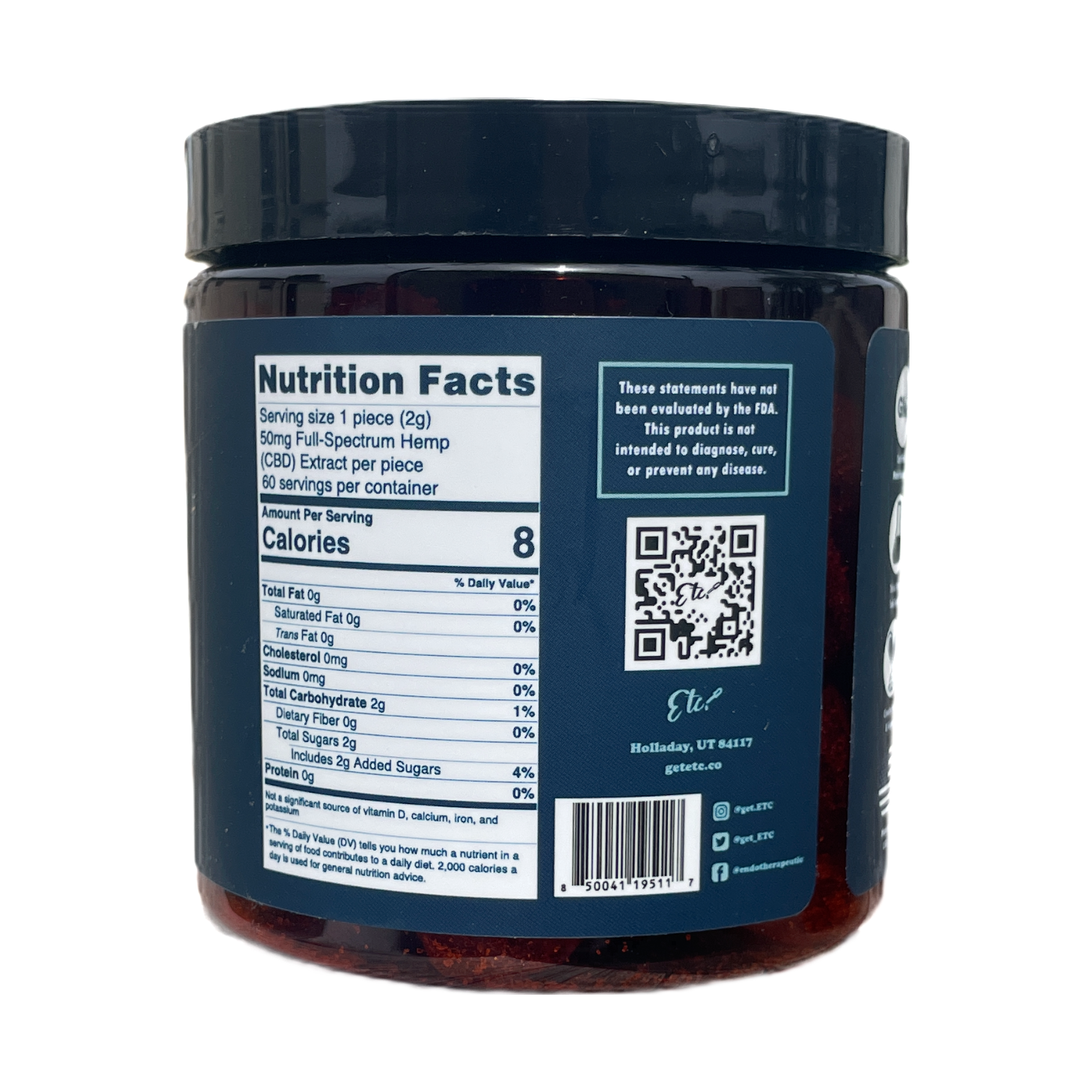
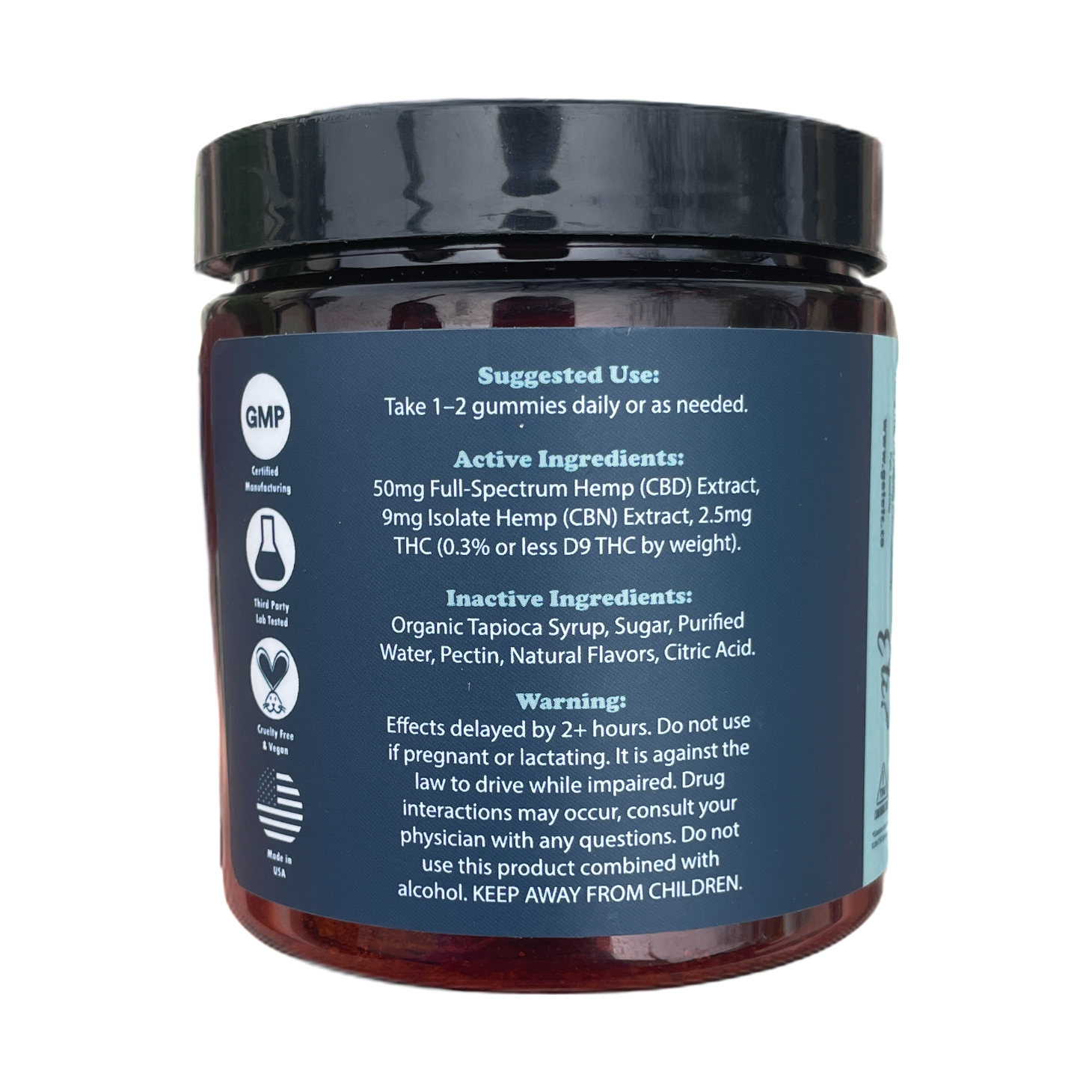
There’s a version of wellness ownership that looks like this: you’ve decided what goes into your body matters. Not in a precious or paranoid way, just in a “this is my one body and I’d like to know what I’m putting in it” way. So you read labels. You notice ingredients. You choose products with third-party testing because a company that publishes its lab results is a company that has something to show, not something to hide.
That act of choosing, seemingly small, is actually an act of self-respect. It says: I am worth the extra thirty seconds. My daily routine deserves the same scrutiny I’d give a contract or a recipe.
This is not about becoming a wellness monk who optimizes every variable and tracks sleep in a spreadsheet. It’s simpler than that. It’s about being intentional enough to make a choice and know why you made it. That’s it. That’s the whole move.
And here’s the thing about intentional choices: they stack. Not dramatically, not overnight, but steadily. The person who picks verified products, sticks with a routine for a month, and actually pays attention to how they feel afterward is the person who starts to recognize patterns. More energy on days they’re consistent. A noticeably calmer evening when they’ve kept up with their routine. A kind of baseline stability that wasn’t there before. Nobody handed that person those results. They noticed their way into them.
Empowerment Is Not a Mood Board Concept
The word “empowerment” gets used a lot in wellness spaces, usually alongside a sunrise photo and some motivational text. That’s not what this is.
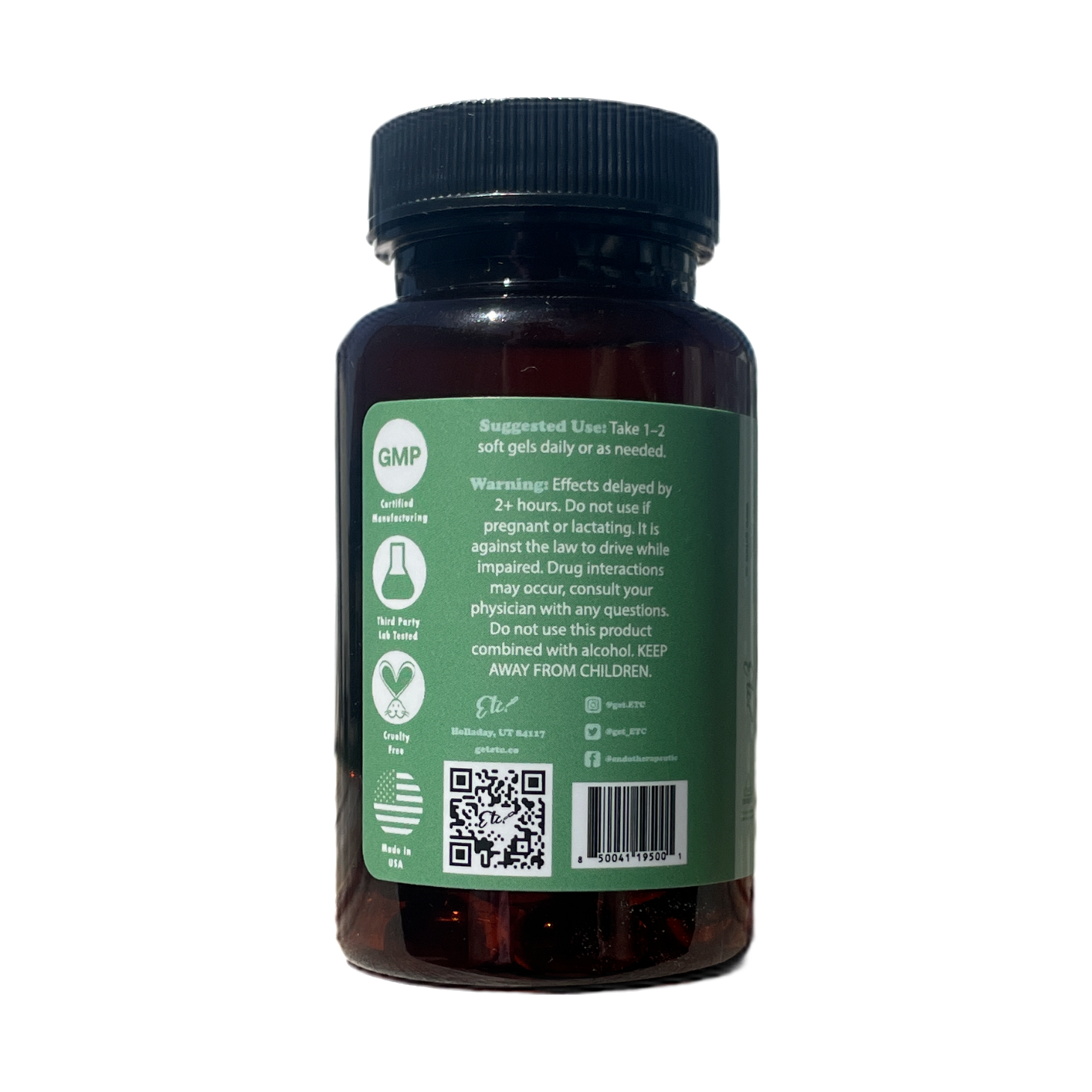
Real empowerment, in the context of your health and daily routine, is boring in the best way. It looks like: you know what you’re taking, why you’re taking it, roughly when you expect to feel something (give it 30 to 90 minutes; sometimes up to two hours for full effect), and what consistent use tends to look like for you specifically. You’re not guessing. You’re not hoping. You’re working with information.
Your body already has a system designed to maintain balance. The endocannabinoid system, present in every mammal on the planet, is constantly working to keep things stable. Supporting it isn’t radical. It’s practical. And when you support it with something full-spectrum, using the whole plant rather than a single isolated compound, you’re giving that system more to work with.
The empowered choice isn’t about finding a magic solution. It’s about understanding what you’re doing and doing it consistently enough to actually learn something.
What Consistency Actually Teaches You
One of the more underrated benefits of a steady wellness routine is the data you accumulate, not in a spreadsheet, just in your lived experience. After a month of consistency, you start to know things. You know whether your evenings feel different. You know whether mornings are a little easier to enter. You know whether the version of yourself at 9 p.m. is someone you recognize and like, or someone held together with coffee and clenched teeth.
That knowledge is yours. It doesn’t come from an article or a study or a recommendation. It comes from paying attention to yourself, which is exactly the skill this whole piece is about.
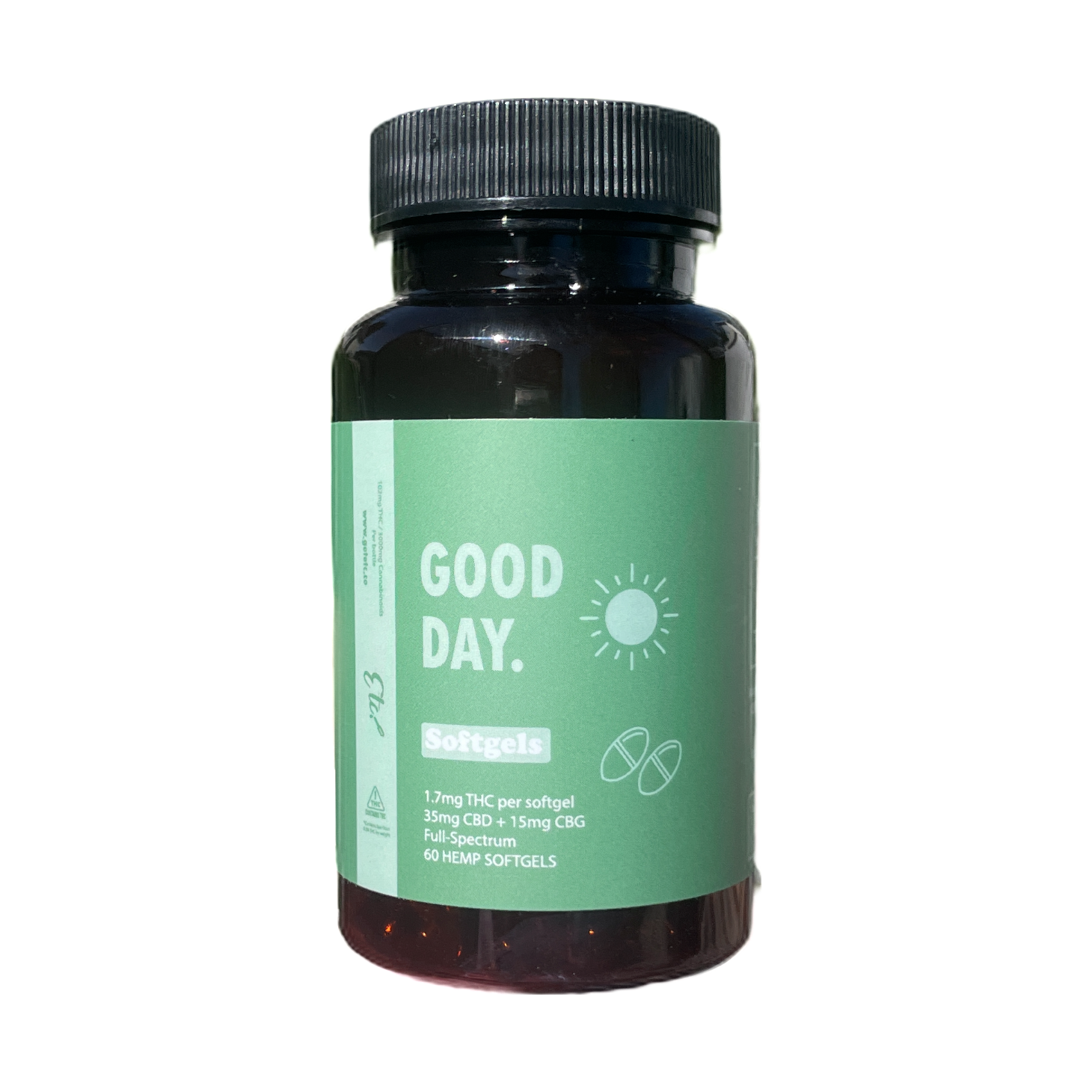
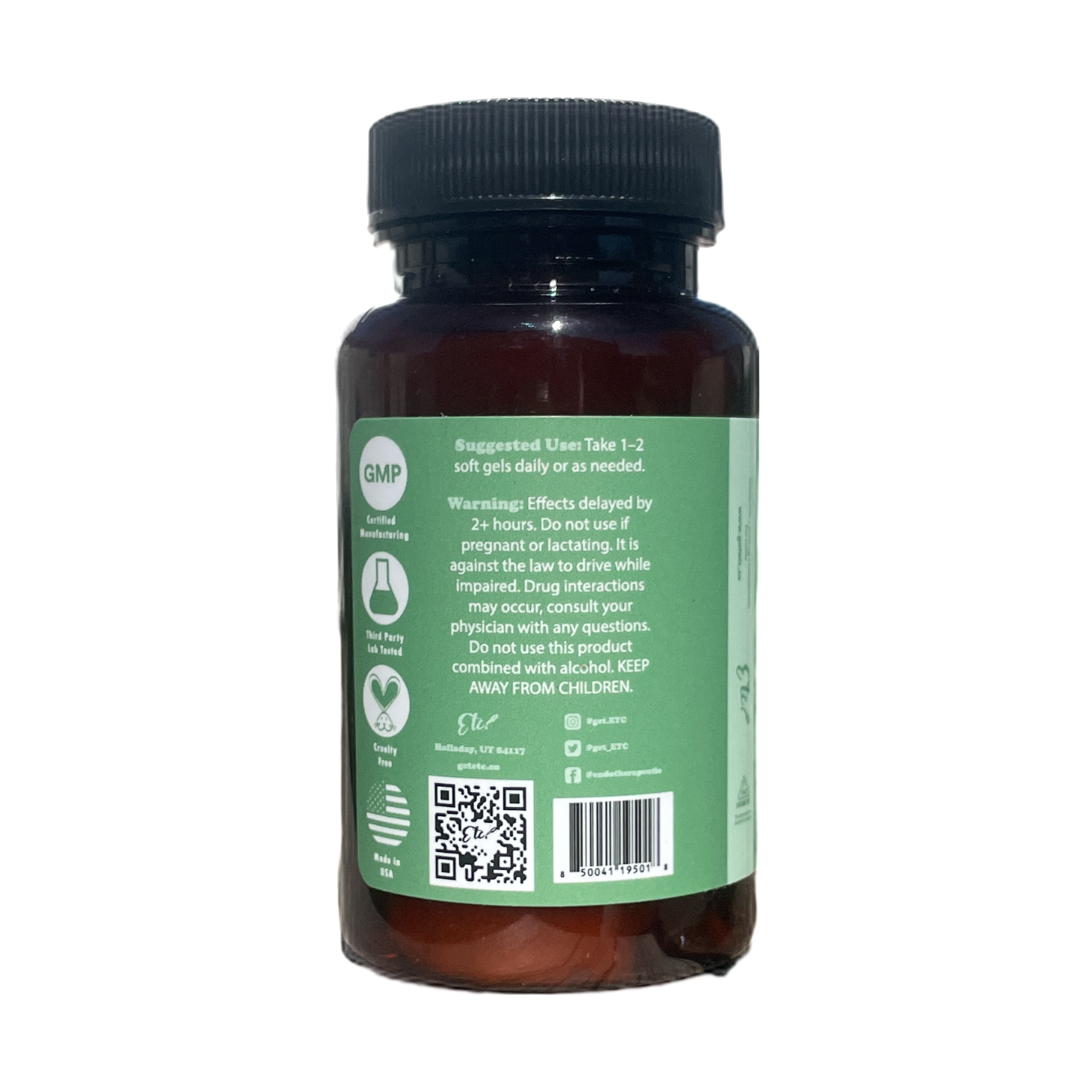
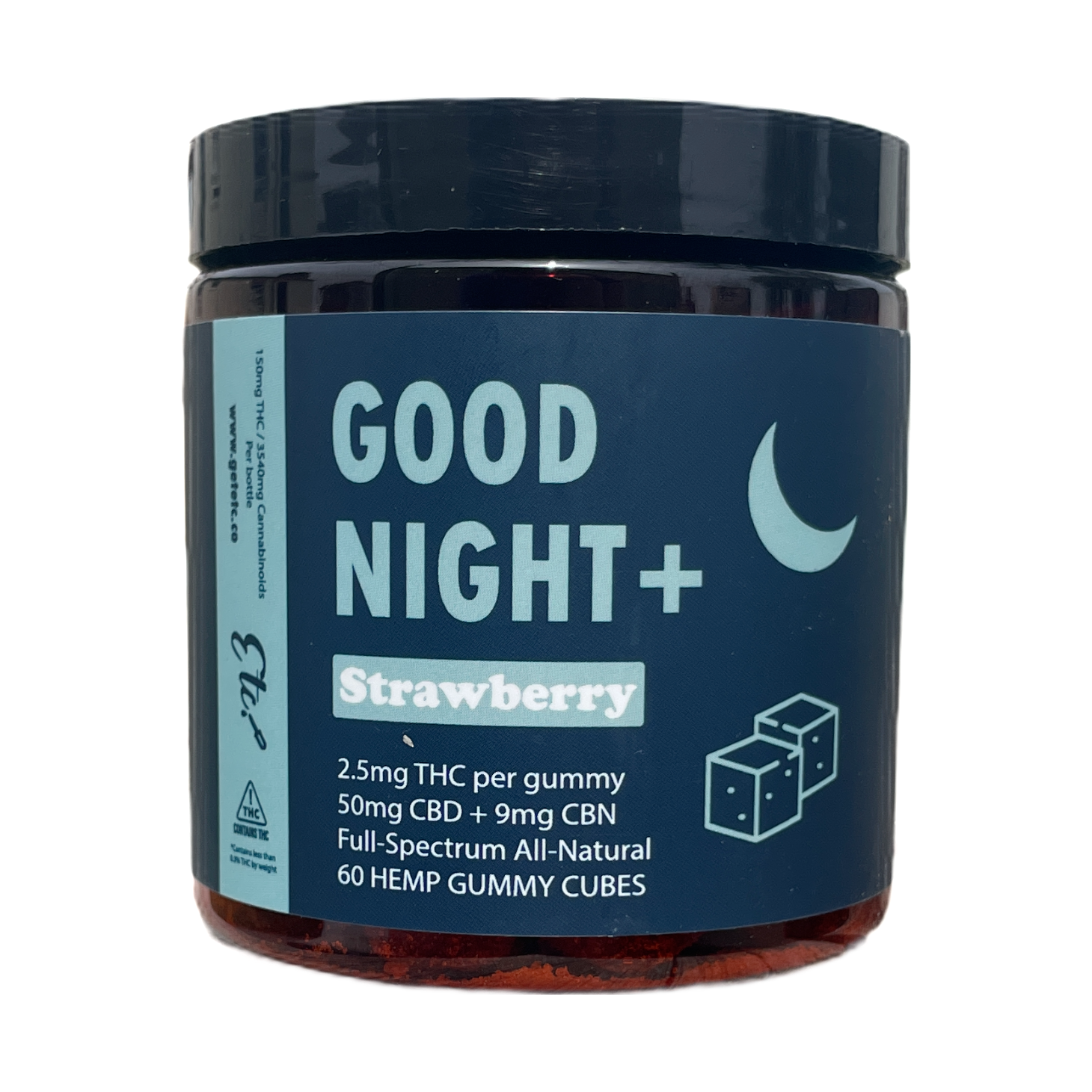
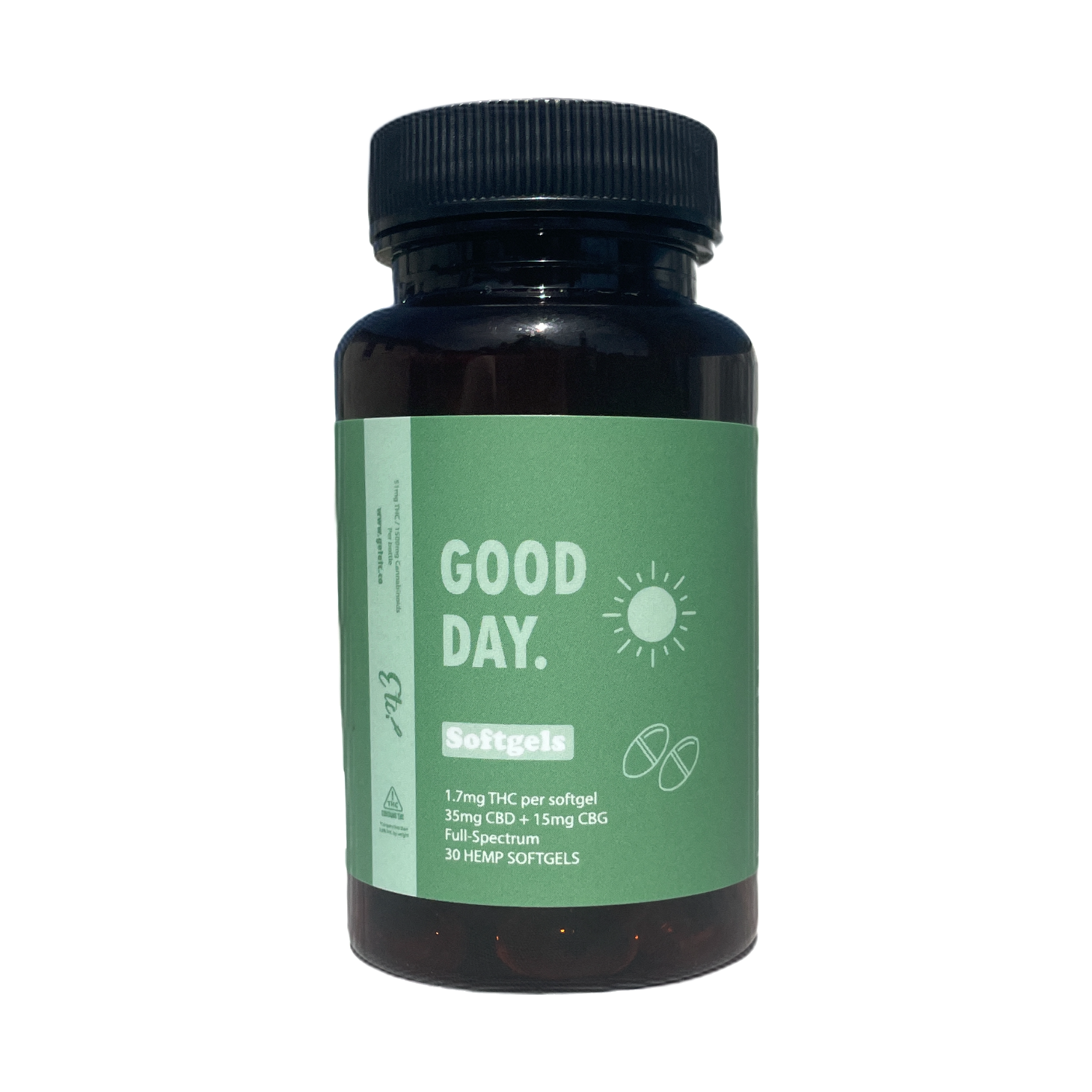
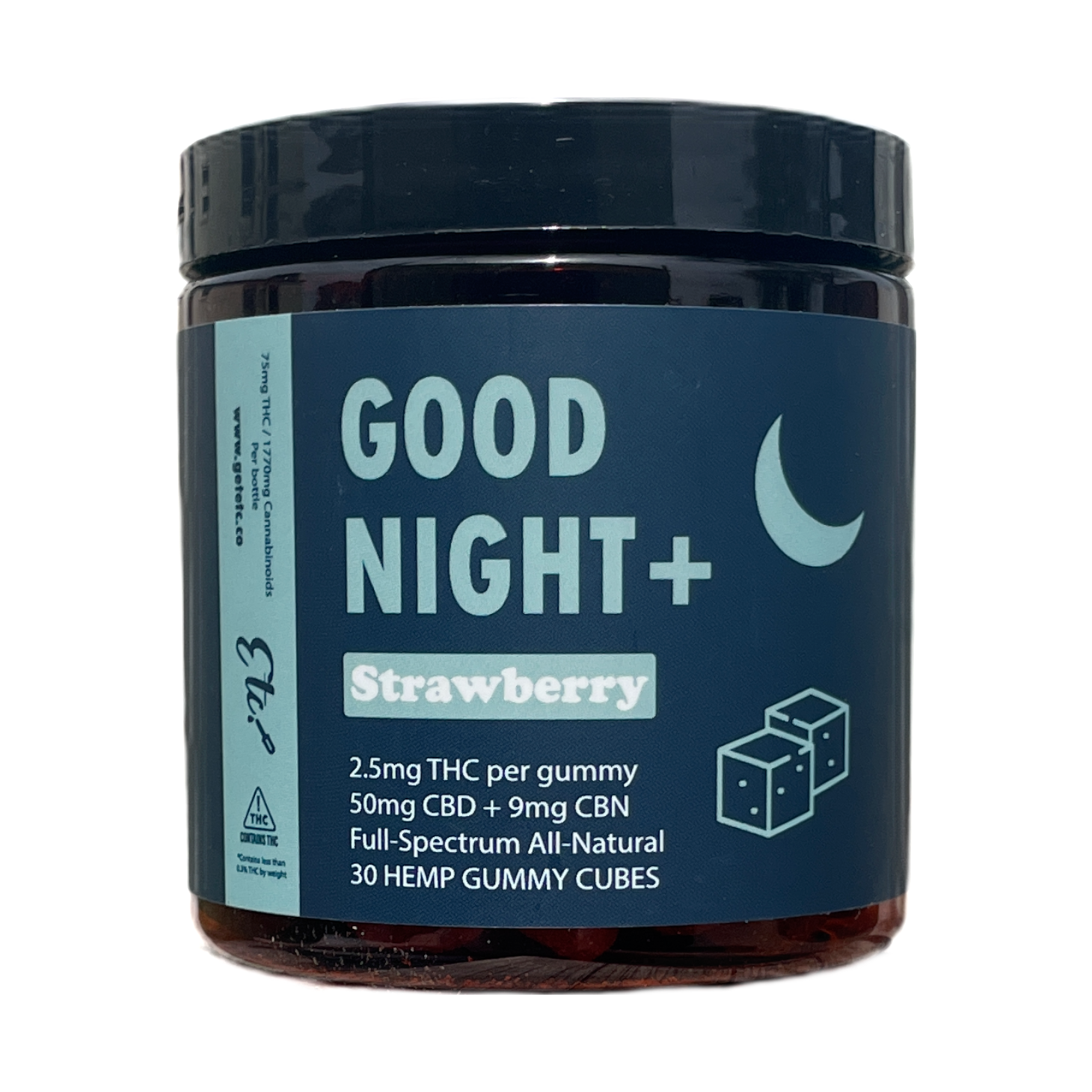
Good Night softgels work for a lot of people as an evening support, something to signal the shift between doing and resting. Good Day tends to be the morning or afternoon anchor. But the honest answer is that what works is individual, and you don’t find out by reading about it. You find out by trying, paying attention, and adjusting.
That’s not a weakness in the product. That’s a feature of actually respecting your body’s individuality.
The Payoff Isn’t a Number
Here’s where the path leads, if you follow it. Not to a perfect routine. Not to some optimized version of yourself running at peak efficiency. The payoff is quieter than that.
It’s the feeling of being on your own side. Of knowing that the choices you make in your daily routine reflect genuine care for yourself, not scrambling, not crisis management, not whatever was on sale. It’s a specific kind of inner ease that comes not from having everything figured out, but from knowing you’re paying attention. From being the kind of person who reads the label, notices what’s in the dose, checks for a published certificate of analysis, and does it again tomorrow.
Joy, in a wellness context, often looks like that: the absence of the low-grade friction that comes from not taking care of yourself, replaced by something quieter and more durable. Peace that you built, rather than stumbled into.
That’s what’s available to you when you decide that paying attention to yourself isn’t something you do in a crisis. It’s something you do every day. On purpose. Because you’re worth it even when you feel fine.
Especially then.
Disclaimer: These statements have not been evaluated by the Food and Drug Administration. This product is not intended to diagnose, treat, cure, or prevent any disease. Consult your healthcare provider before starting any new wellness regimen.