




The Recovery Habit I Didn’t Know I Needed
Most people who build a lasting wellness habit don’t set out to build one. They just get tired of feeling like they’re falling behind.
That was the honest truth for a lot of participants in our 8-week study. They weren’t optimizers looking for a competitive edge. They were ordinary adults who had quietly accepted that dragging through mornings and lying awake at night was just… how things were now. The habit they needed wasn’t dramatic. It didn’t require a gym membership or a 5 a.m. alarm. It just required showing up, consistently, for themselves.
Sleep turned out to be the thing that changed first.
Why Sleep Is Where Recovery Actually Lives
We talk about recovery like it’s something that happens at the gym, or after a big project wraps, or during a two-week vacation we take once a year. But real recovery happens every night, in the hours your body uses to restore, consolidate, and prepare. When that window is compromised, everything else gets harder: focus, mood, physical resilience, emotional steadiness.
In our observational study, sleep was the first dimension where participants noticed improvement. Before mood came around, before energy climbed, before anything else shifted, people reported that they were simply sleeping better. Week one. Not week six.
That’s not a coincidence. When your body’s internal balance gets support, sleep tends to be the first thing to respond, because it’s the foundation everything else is built on. You can do a lot of things right during the day and still undercut all of it by shortchanging the night.
The Habit That Actually Stuck
Here’s what made the difference for study participants: consistency. Not a heroic dose on a hard night. Not a desperate experiment after a particularly rough week. Just a small, repeatable action taken at roughly the same time each evening.
That’s the shape of every recovery habit that actually works. It’s boring to describe. It doesn’t make for a compelling story at parties. But it compounds in ways that feel genuinely surprising when you look back over a month.
The participants who showed the most improvement weren’t doing anything complicated. They were just doing something, regularly.
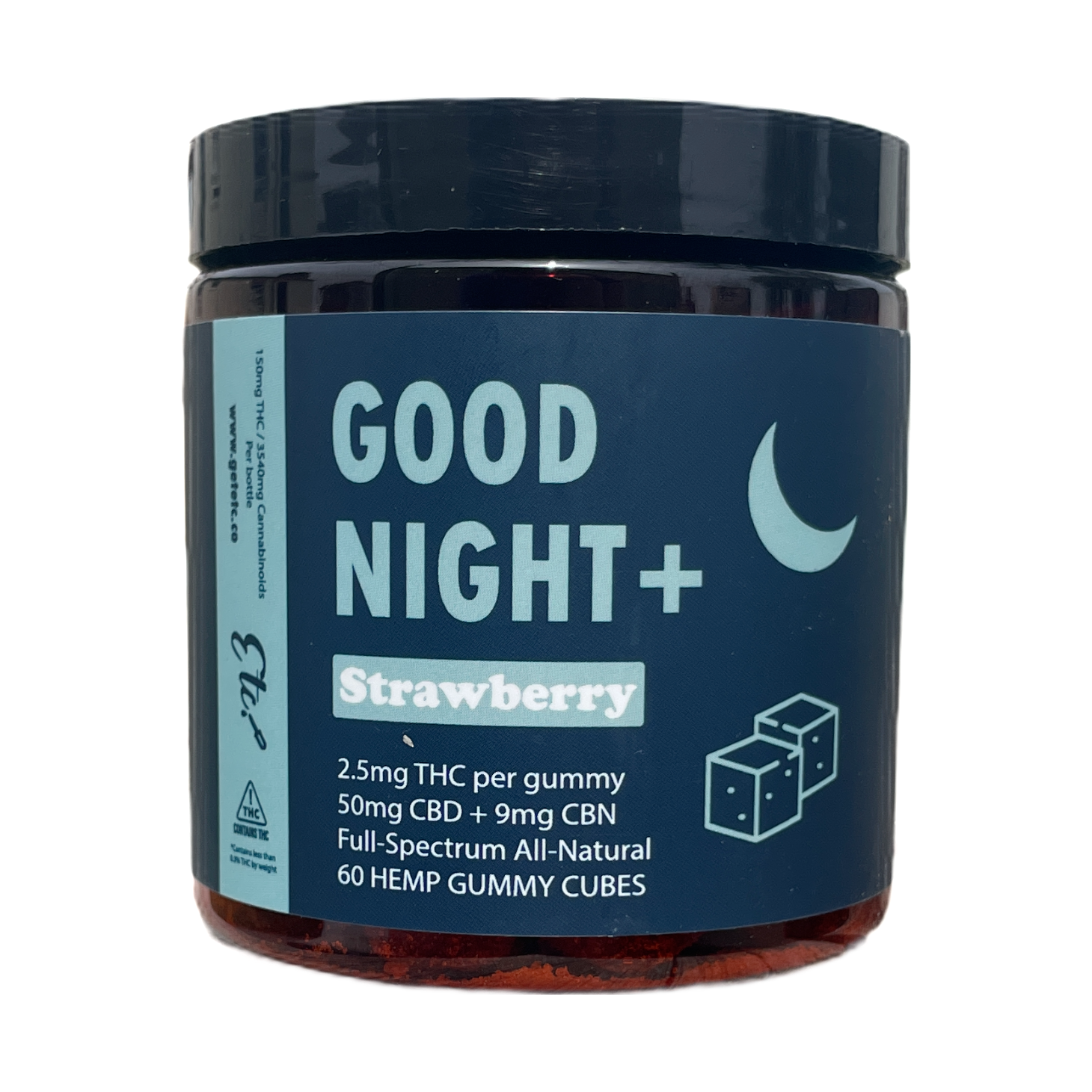
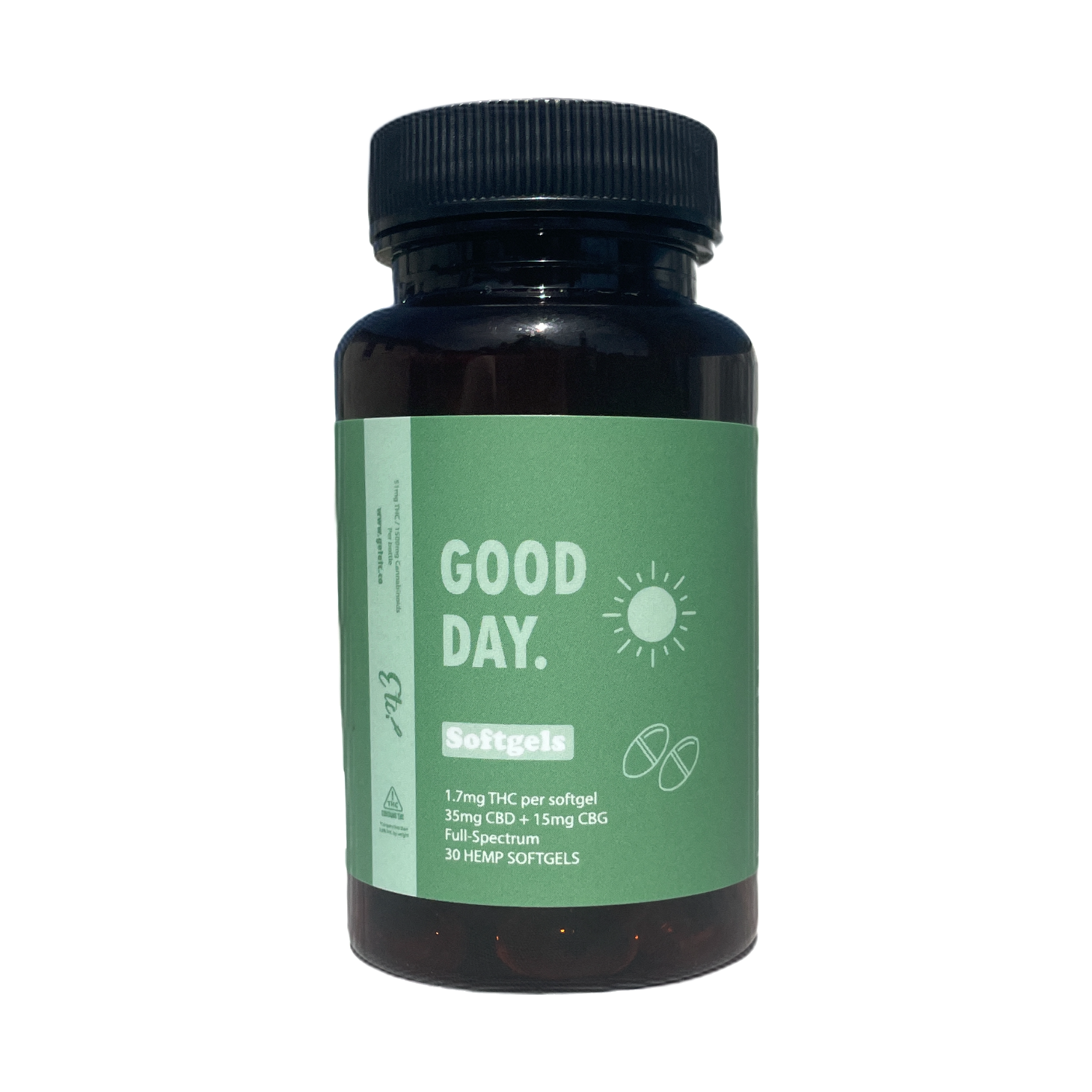
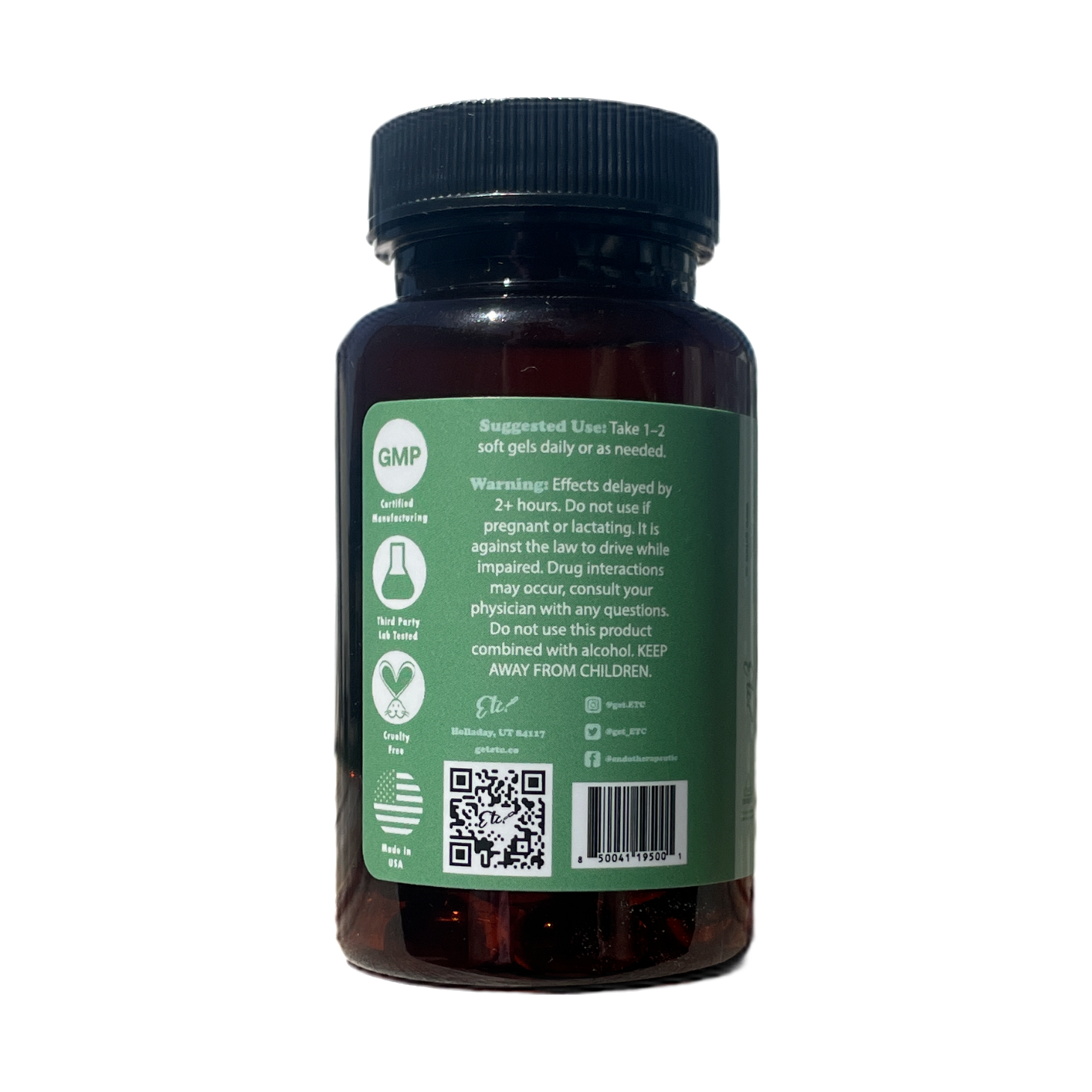
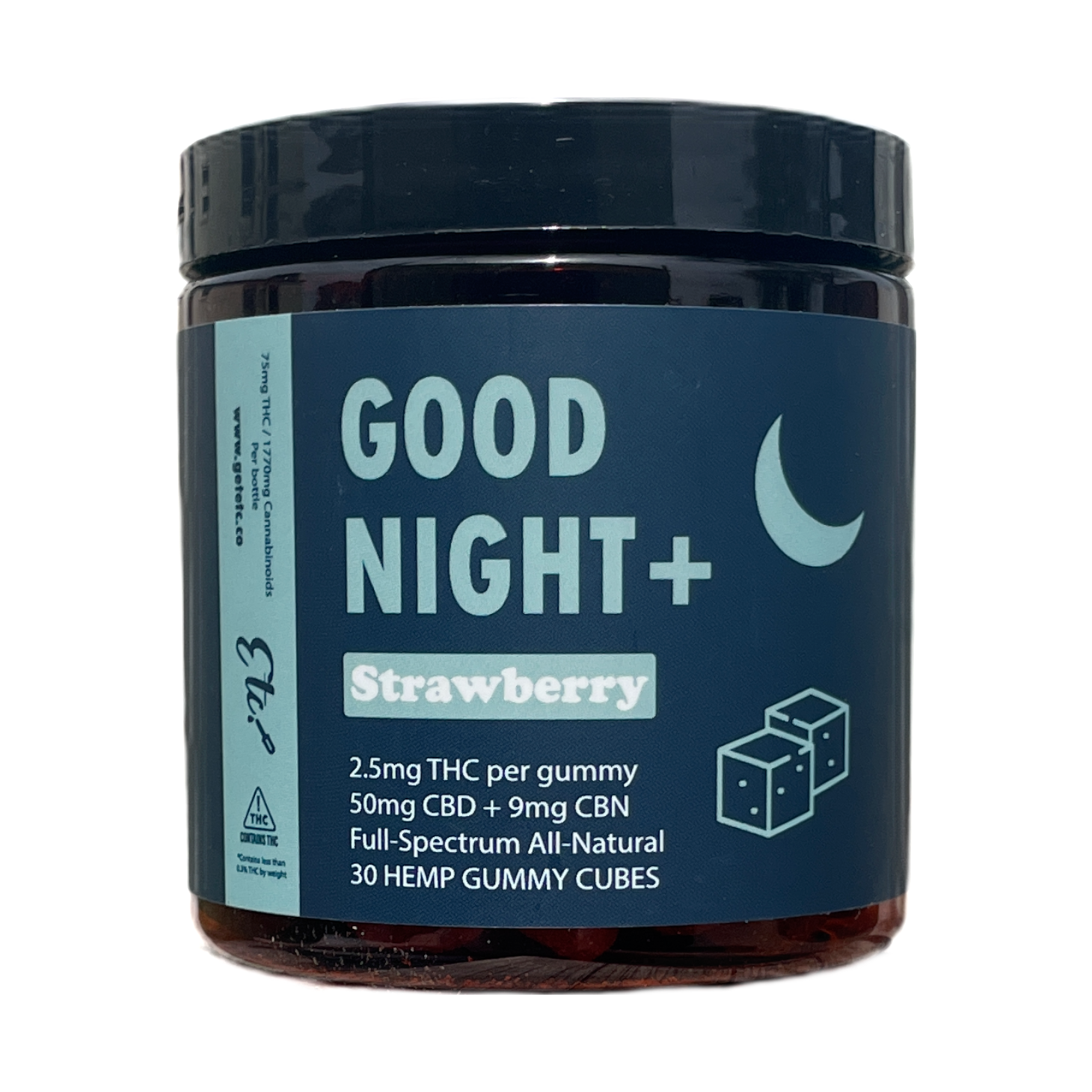
Our Good Night softgels were designed with exactly that in mind: a format that’s easy to take, easy to remember, and easy to afford over the long run. A softgel doesn’t ask much of you. It doesn’t taste like anything. It fits into a routine that already exists. And when the cost per dose works out to less than a gas station coffee, you stop debating whether tonight is worth it.
What “Winding Down” Actually Means for Your Body
Your body has a whole system devoted to maintaining balance, called the endocannabinoid system (ECS). It regulates sleep, mood, and a handful of other things most of us care a lot about. You produce cannabinoids naturally. Hemp-derived cannabinoids are one way to support what your body is already trying to do, particularly during the times when stress, age, or a relentless schedule has made it harder for your system to keep up on its own.
Good Night’s formula includes a boosted level of CBN, a cannabinoid associated with evening wind-down and a calmer transition into rest. The base formula is full-spectrum, meaning you’re getting the whole plant working together rather than a single extracted compound. That matters, because these compounds are more effective in combination than in isolation.
Effects typically begin within 30 to 90 minutes, which means taking it about an hour before you’d like to wind down is usually the right move. Not ten minutes before you close your laptop. Not when you’re already in bed scrolling.
The wind-down is part of the habit.
The Inner Peace Angle Nobody Talks About
There’s a version of this conversation that stays purely practical: sleep metrics, recovery science, cannabinoid profiles. That’s all real, and it matters. But there’s something else that happens when you make a consistent commitment to your own rest that doesn’t show up in any data.
You start trusting yourself a little more.
When you follow through on a small promise to yourself, night after night, something shifts. Not in a motivational-poster way. In a quiet, cumulative way. You made a choice that prioritized your wellbeing, and you kept making it. That’s not nothing. For a lot of people, it’s the beginning of a different relationship with self-care: less frantic, less reactive, more sustainable.
That’s the inner peace that isn’t talked about enough in wellness content. It’s not just about feeling calm in the moment. It’s about building a life where you can actually show up for the things and people that matter to you, because you’ve stopped neglecting the maintenance that makes that possible.
A Few Honest Notes Before You Start
Hemp-derived products contain trace amounts of THC (under the federal 0.3% legal limit). That’s not enough to impair you, but it can show up on employer drug screenings. If your job involves testing, check your employer’s policy before adding this to your routine.
Also: give it time. Most people notice something in the first week. Some take a full month to recognize the changes. The study showed steady, week-over-week improvement rather than a single dramatic shift. That’s how sustainable habits work. They don’t announce themselves loudly at first.
If you’re curious about the specifics behind what’s in each product, all of our certificates of analysis are published publicly at reliefetc.com/pages/coa. Physician-reviewed, third-party tested, no fine print required.
The Recovery Habit Is Simpler Than You Think
You don’t need to overhaul your life to sleep better and recover more fully. You need a consistent, affordable ritual that you’ll actually maintain. Something that respects your budget, your schedule, and your intelligence.
The habit I didn’t know I needed turned out to be the simplest one: show up for yourself at the end of the day, on purpose, with something that actually works. Then do it again tomorrow.
That’s it. That’s the whole thing.
Disclaimer: These statements have not been evaluated by the Food and Drug Administration. This product is not intended to diagnose, treat, cure, or prevent any disease. Consult your healthcare provider before starting any new wellness regimen.
Photo by Anne Nygård on Unsplash