




Good Day isn't just for mornings. Here's what we've learned.
Most people assume the names tell the whole story. Good Day goes in the morning. Good Night goes at bedtime. Drawer on the left, drawer on the right, done.
That assumption is understandable. It’s also worth questioning.
Here’s what we’ve actually learned from people who use both: the clock matters less than you think, and the cannabinoid profile matters more. Once you understand what’s actually in each formula, you get to decide when you need it — not when the label suggests. That shift from following directions to making informed choices is a small one, but it changes everything about how you engage with your own wellness routine.
What makes them different (and what doesn’t)
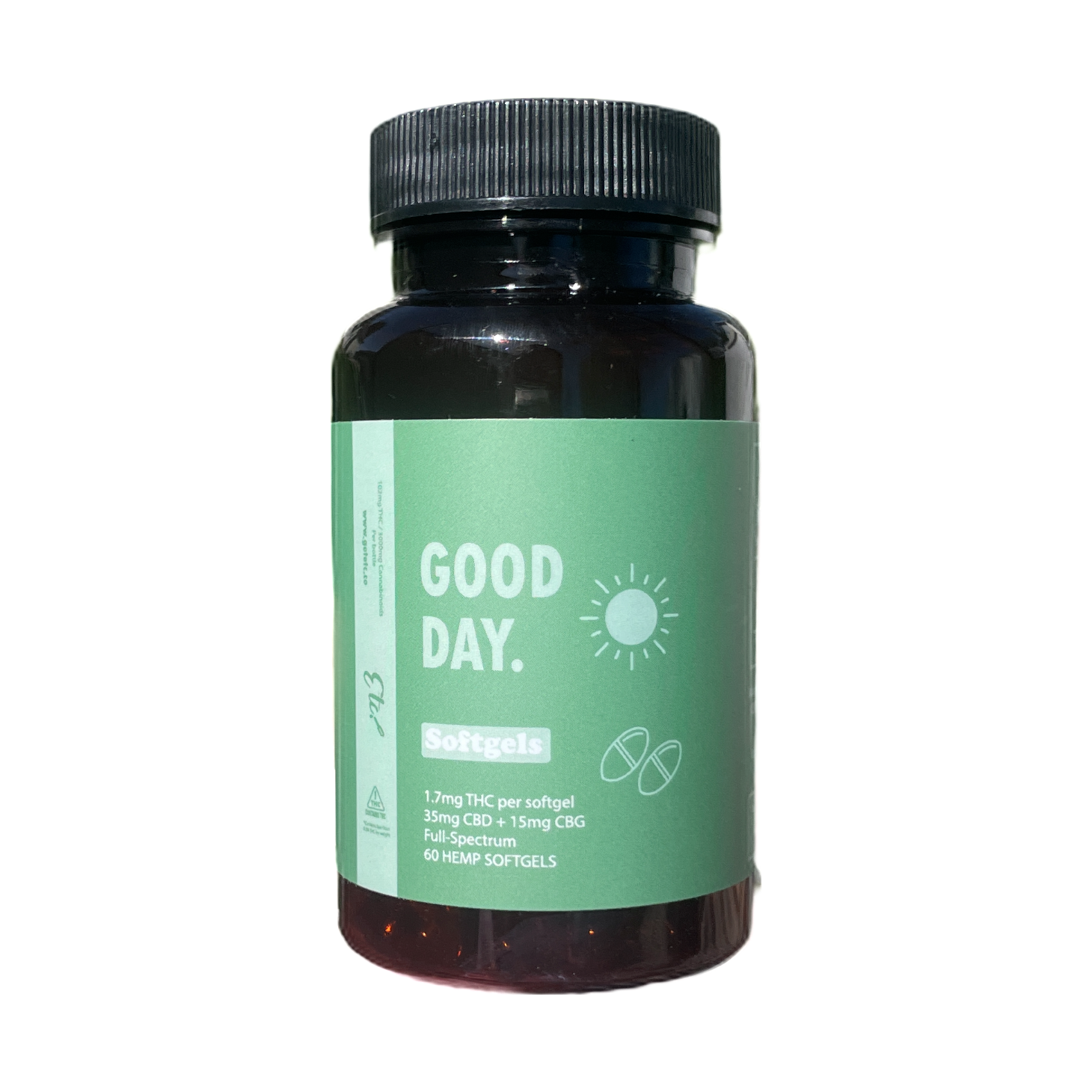
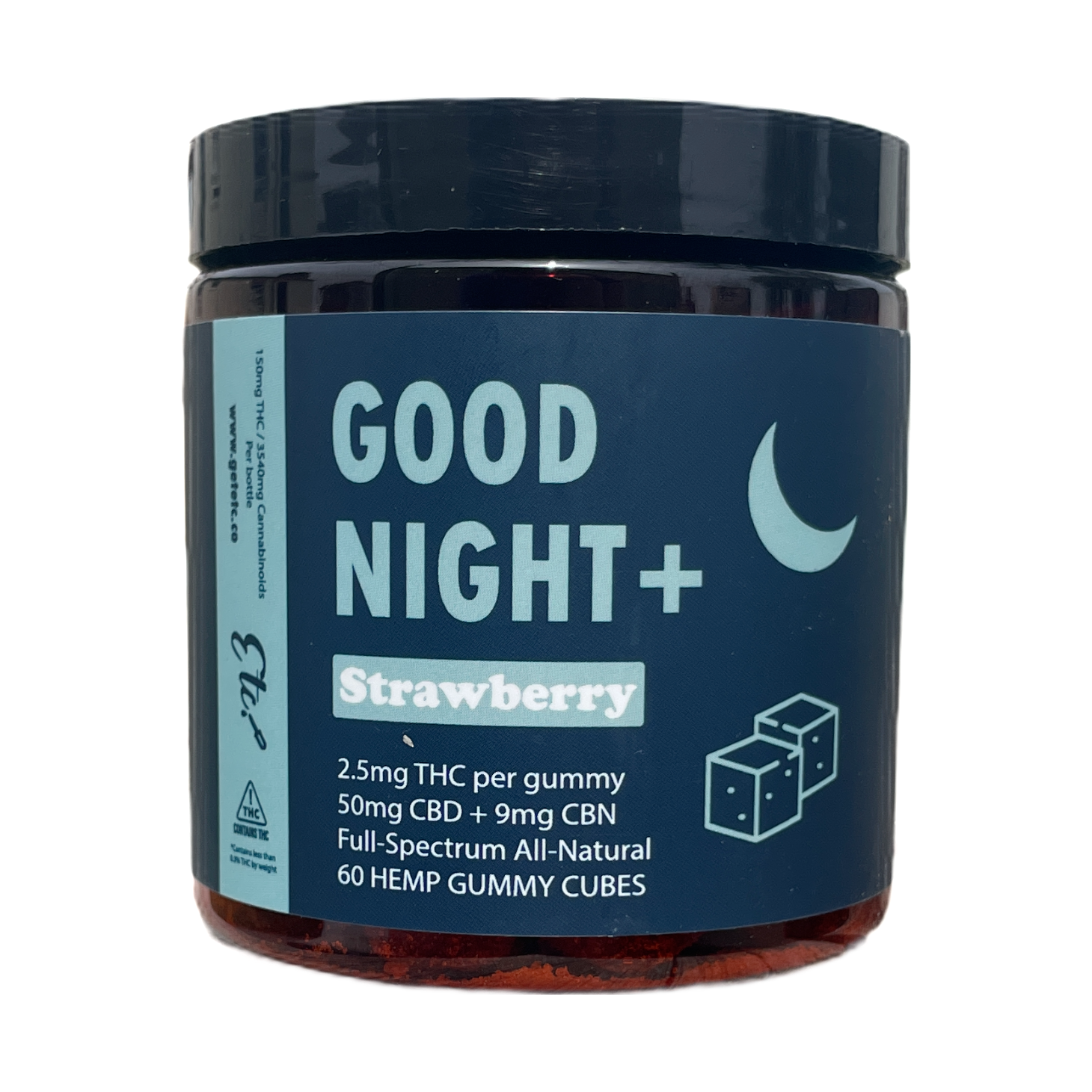
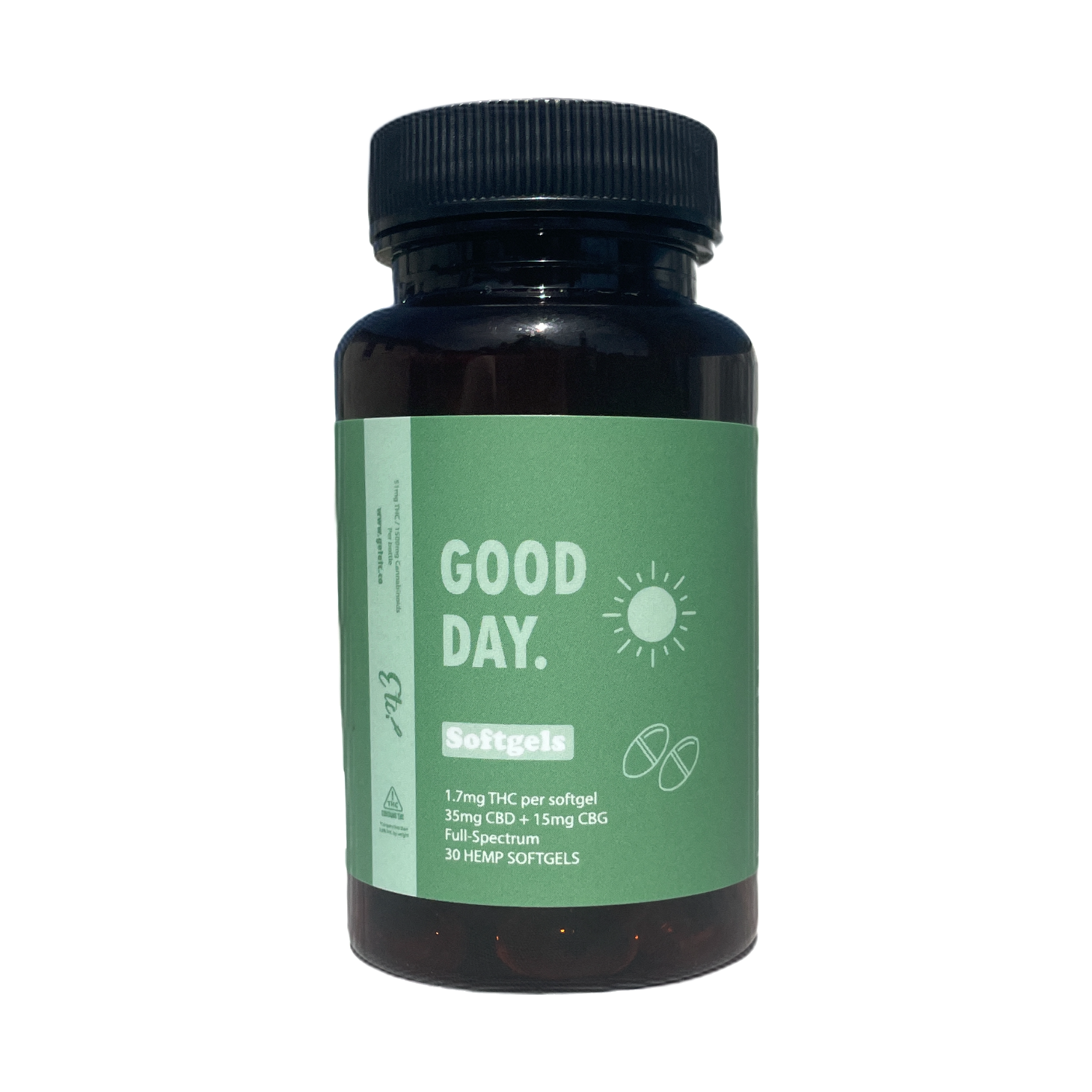
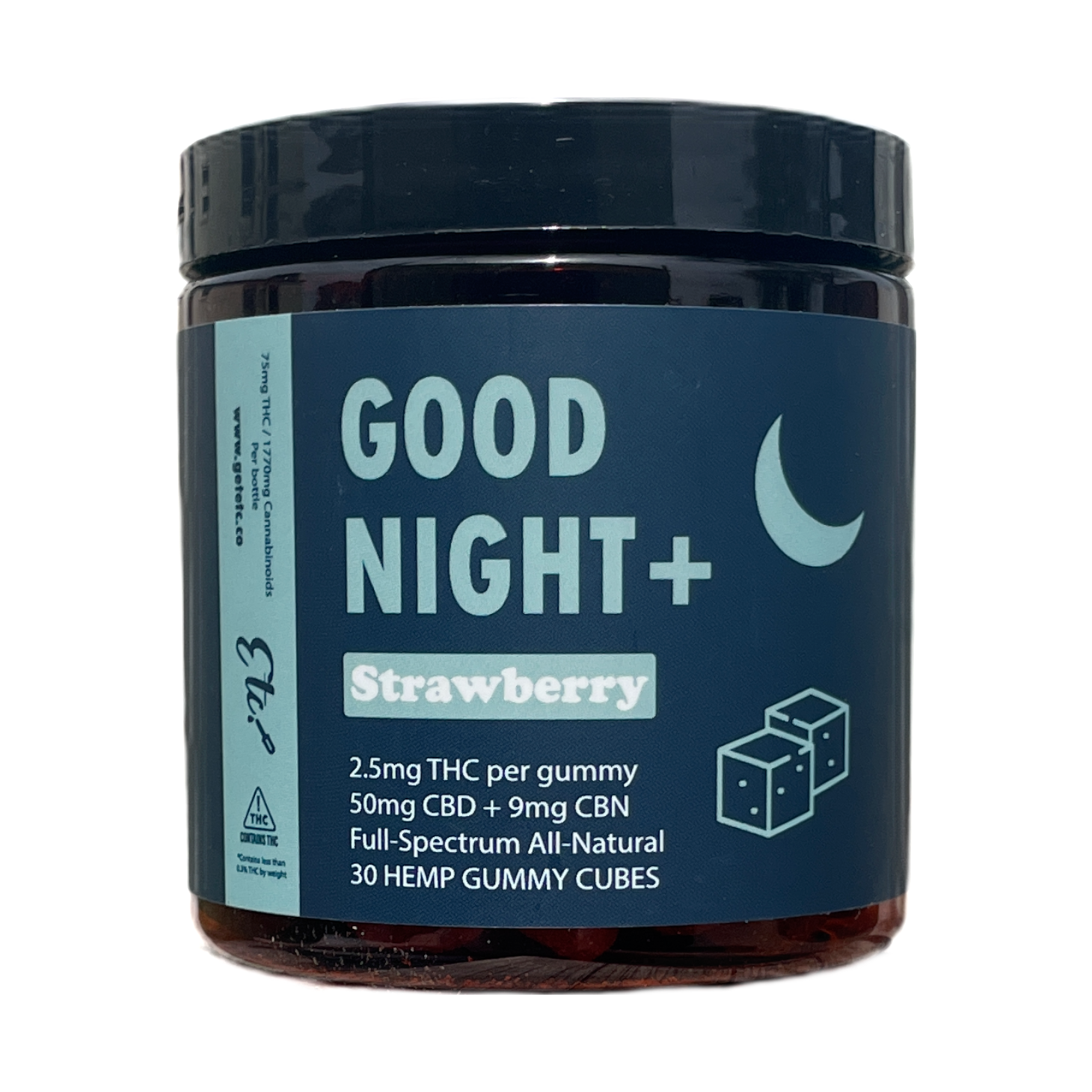
Good Day and Good Night share the same full-spectrum hemp base. Same CBD. Same minor cannabinoids. Same plant. The difference comes down to what’s been boosted on top of that foundation.
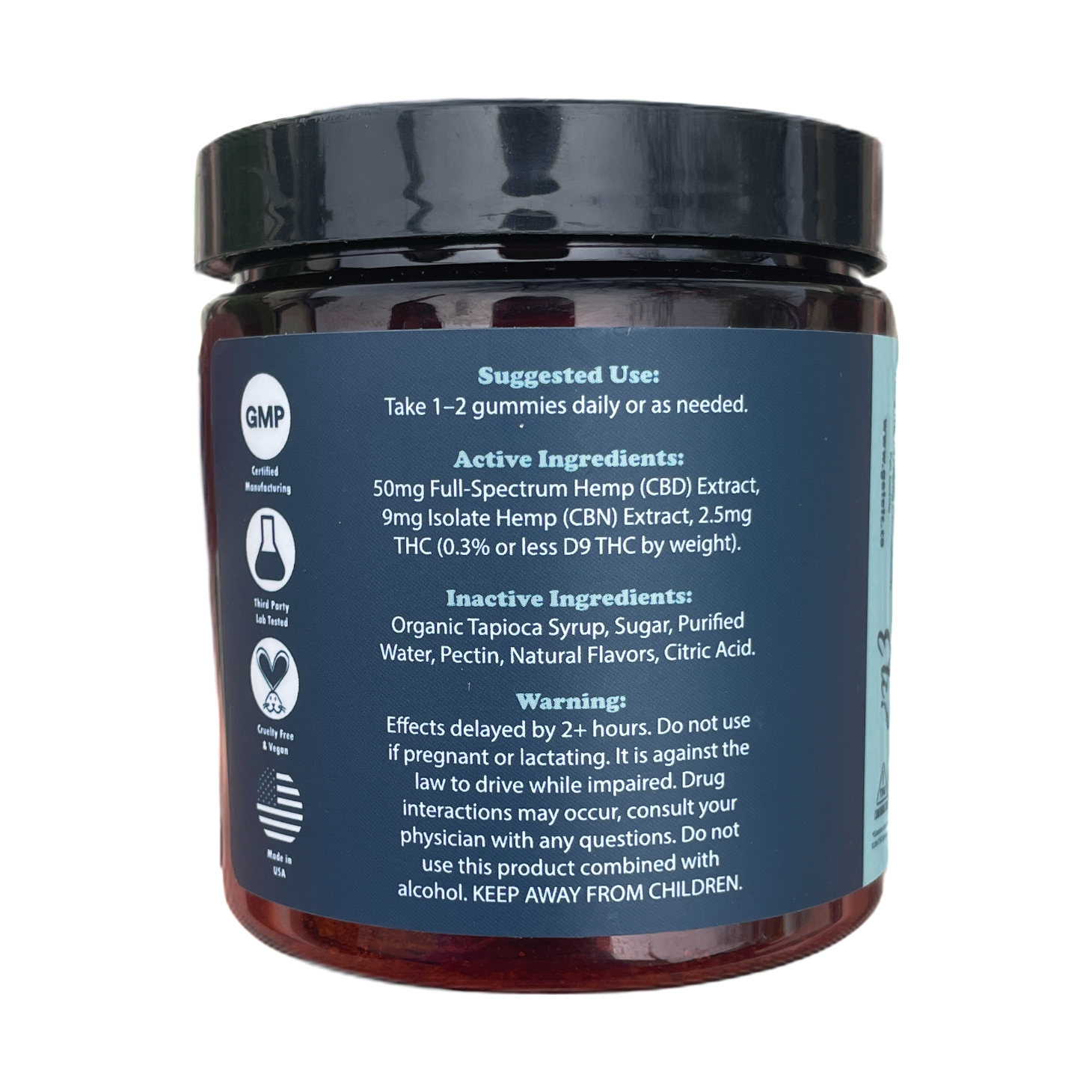
Good Day has elevated CBG. Good Night has elevated CBN. That’s it.
CBG is associated with focus, clarity, and daytime balance. CBN is associated with winding down and calming the nervous system. Both are naturally occurring cannabinoids. Both come from the same plant. Neither will get you high. The trace THC in both formulas sits well under the federal 0.3% legal limit — far below any psychoactive threshold for most people.
So the real question isn’t “which one is for me.” It’s “what do I need right now, and which formula is designed to support that?”
The person who actually benefits from Good Day at 3pm
Consider the midday stretch. You’re not sleepy, exactly. You’re just… scattered. The morning’s energy has flattened out. You have three more hours of work that actually require you to show up for it.
This is exactly where Good Day’s CBG profile was built to help. Not a spike of artificial focus. Not a crash waiting to happen. Just a nudge toward the kind of settled, grounded clarity that lets you finish the day well.
Some people take Good Day at 7am and again around 2pm. Others skip the morning dose entirely and take it at noon. There’s no wrong answer here because the formula doesn’t care what time it is — it cares what your body needs.
Empowerment, in the wellness context, often sounds like a big word for a simple thing: reading the label, understanding what you’re taking, and making the call yourself. That’s it. That’s the whole unlock.
The person who actually benefits from Good Night before 9pm
Flip side. You’ve had a long day. You’re home. But your brain hasn’t gotten the memo yet.
Good Night’s CBN boost isn’t just for the hour before bed. For a lot of people, the wind-down they need starts earlier — maybe after dinner, maybe during that transition between “work mode” and “evening mode” that used to be called a commute and is now just walking from one room to another.
Taking Good Night at 7pm isn’t cheating the system. It’s reading your own signals and acting on them. The formula is built for a state, not a specific hour on the clock.
Some people in our 8-week study reported that sleep was the first thing they noticed improving — even before mood or energy. But what the numbers don’t show is when they were taking their doses. For a lot of people, the real sleep win starts with better evenings, not a perfect bedtime routine.
What “using both” actually looks like
This is where the real flexibility lives. Good Day in the morning, Good Night in the evening — that’s the most common pattern, and it works well for most people. But the variations are worth knowing:
Some people use Good Night during the day when they need less stimulation and more calm. A high-pressure meeting you’re dreading. A difficult conversation. A travel day when you want to arrive relaxed instead of wired.
Some people use Good Day at night when they tend to wake up in the early hours feeling alert and restless. The CBG doesn’t always work as a stimulant — for some people, grounded focus is exactly what a restless mind needs.
The point isn’t to get creative for its own sake. The point is that knowing what’s actually in your supplement means you can adjust when life calls for it. You’re not locked into the drawer-on-the-left, drawer-on-the-right model.
Why this matters beyond convenience
There’s a version of wellness where you follow the instructions and hope for the best. There’s another version where you understand what you’re taking well enough to adapt it to your life.
The second version produces better outcomes. Not because the product is different, but because you are more engaged. You notice what’s working. You adjust. You stick with it.
Our study found that consistent weekly engagement produced steady improvement across every dimension: overall wellbeing, mood, energy, and sleep. Not a one-time spike on day one — a gradual, week-over-week climb that added up to an average 30% improvement over eight weeks. That kind of result doesn’t come from taking something randomly. It comes from showing up for your routine the way your routine shows up for you.
When you know your formula well enough to use it with intention, consistency follows naturally. And consistency is the actual variable that determines whether any wellness practice actually pays off.
One thing worth checking before you adjust
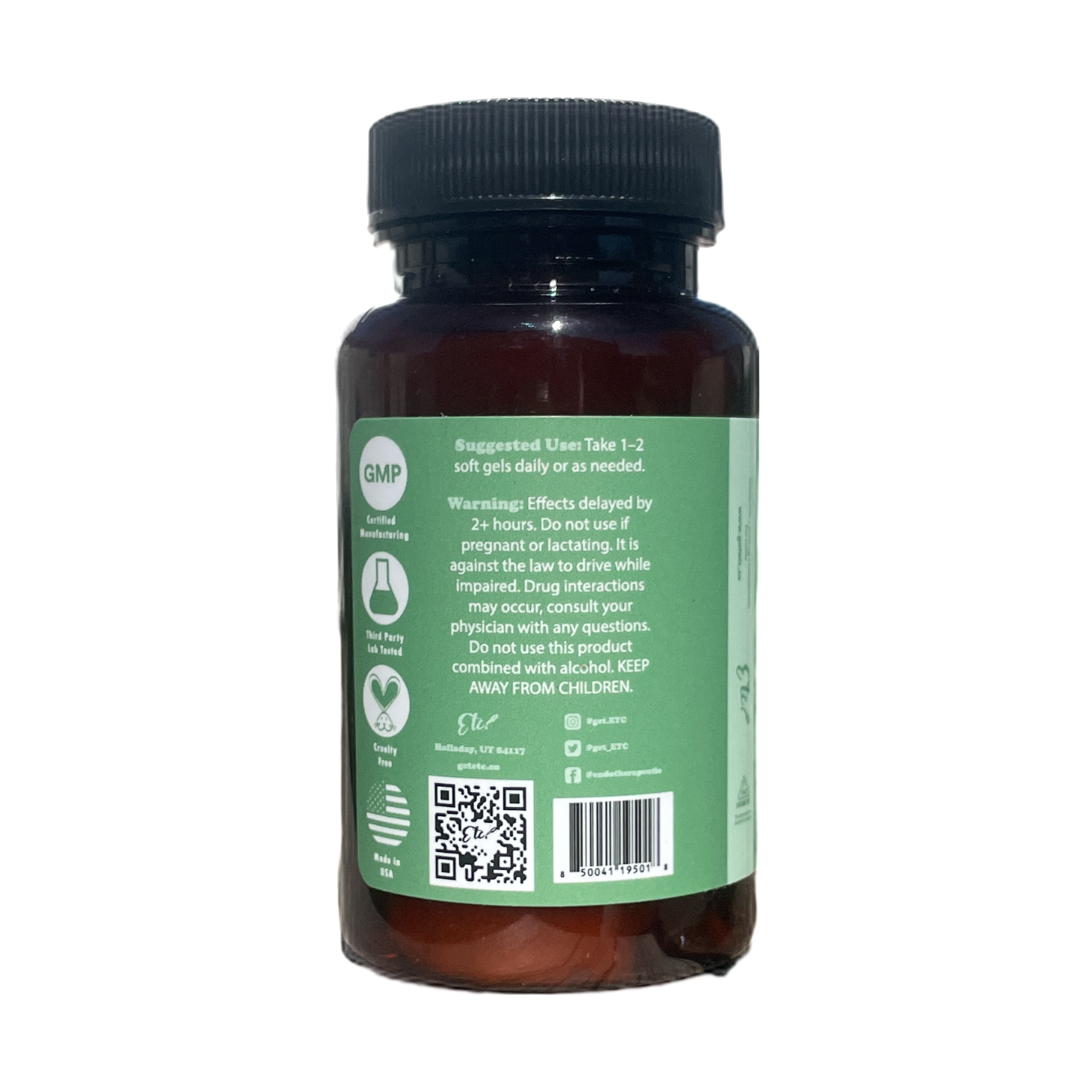
If you’re new to either product, start with the straightforward pattern first. Good Day in the morning. Good Night in the evening. Give it a couple of weeks to establish a baseline before you start experimenting with timing.
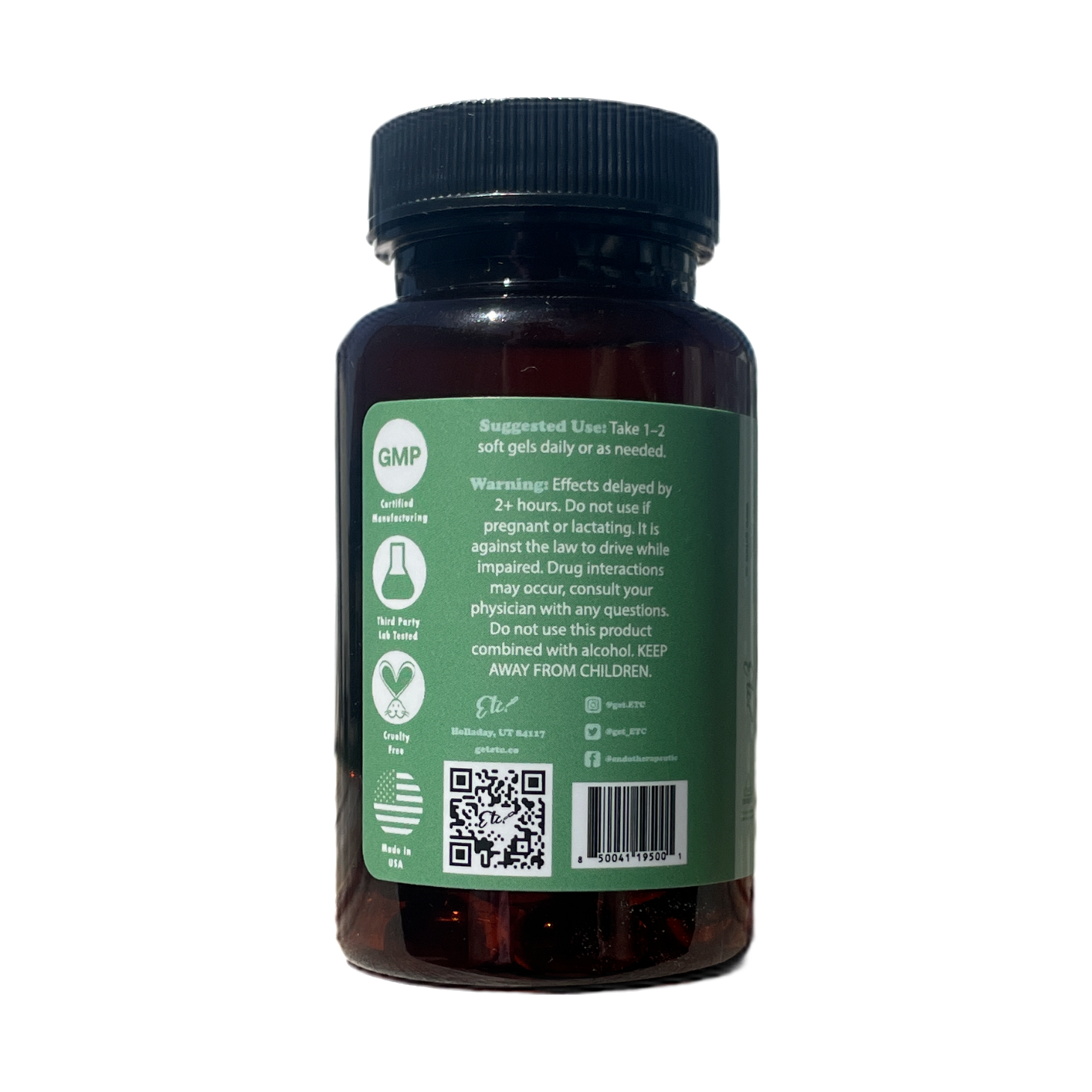
The cannabinoid profiles are real, but so is individual variation. Effects start within 30 to 90 minutes and last around four to six hours — which means a midday Good Day dose should carry you through the afternoon, and an early-evening Good Night dose should ease you into the back half of your night without leaving you groggy the next morning.
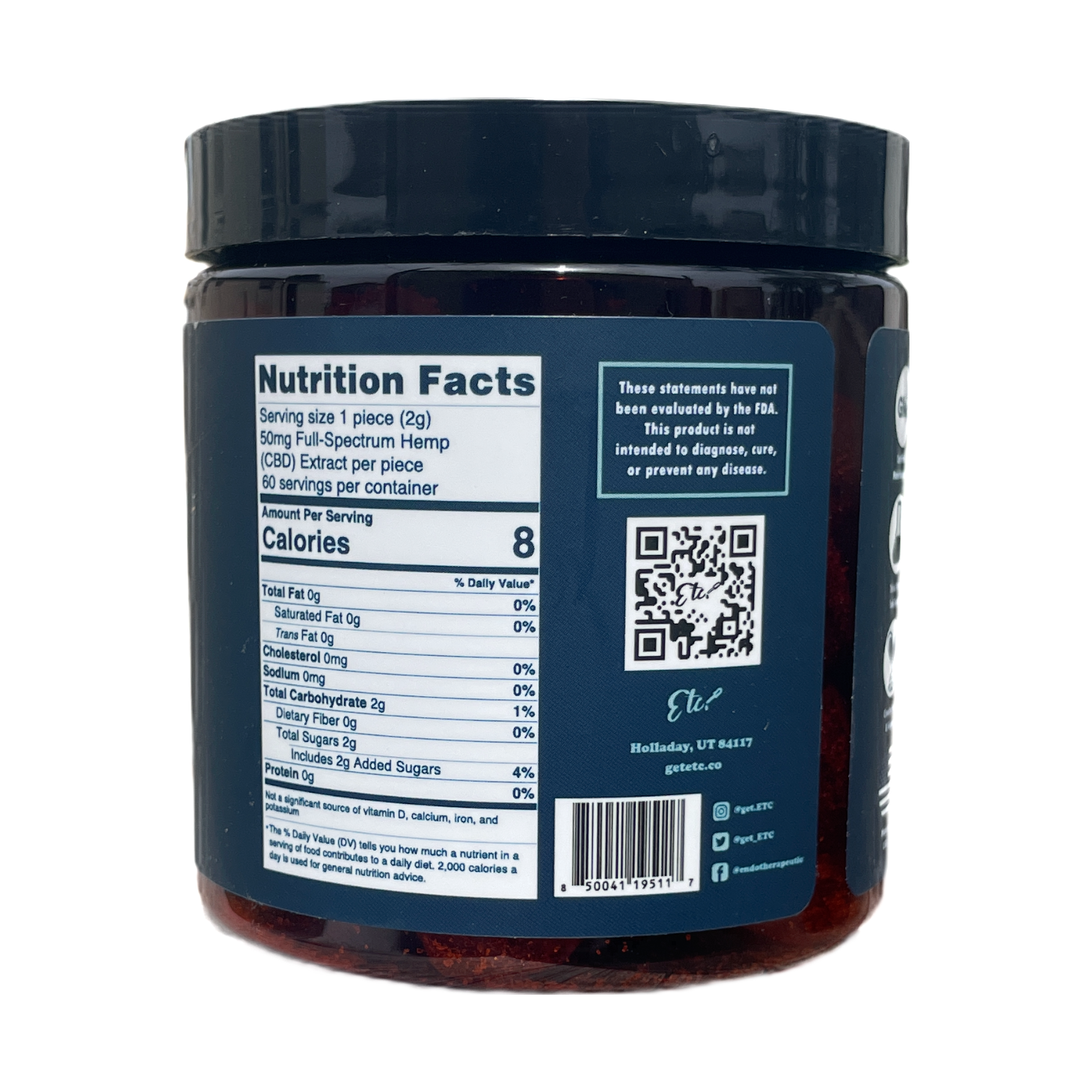
Both are available as softgels (flavorless, easy to travel with) or as gummies if you’d rather have something to chew. You can find the Good Day line here and the Good Night line here, with all third-party lab results published at reliefetc.com/pages/coa for either formula.
The name on the label is a starting point, not a rule. The person who figures that out — and uses that knowledge deliberately — is the one who gets the most out of both.
Disclaimer: These statements have not been evaluated by the Food and Drug Administration. This product is not intended to diagnose, treat, cure, or prevent any disease. Consult your healthcare provider before starting any new wellness regimen.
Photo by Nick Monica on Unsplash